


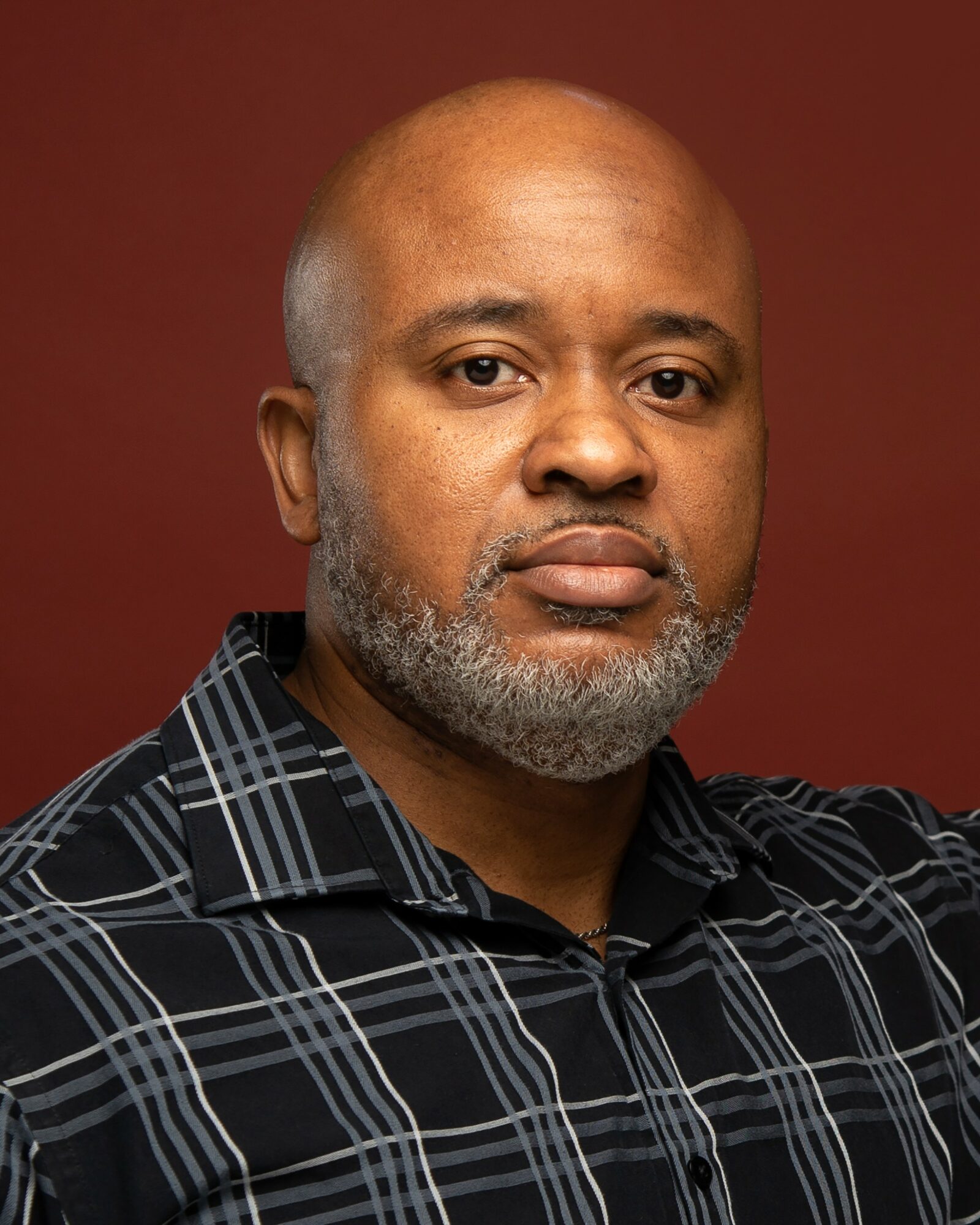
Today we’d like to introduce you to Steven M. Cozart
Hi Steven M., so excited to have you on the platform. So before we get into questions about your work-life, maybe you can bring our readers up to speed on your story and how you got to where you are today?
I received my BFA in Art Education from East Carolina University and began teaching public school in Greensboro in 1995. As a Visual Arts Educator, I have a strong belief that in order to be effective, one must be a practicing, exhibiting artist.
I am an artist, educator, and documentarian that loves to draw and, despite being colorblind, enjoys painting. My body of work is figurative and reflects thoughts and musings regarding my own life, circumstances, and interactions that I have experienced. As of late, his work has begun to reflect his thoughts and feelings about race and identity in America, focusing on stereotypes of the Black Male and Female within the paradigm of the Black Community, imploring the symbolic meanings of objects within the imagery.
My works and imagery on Colorism, Texturism, and the perception of the Black Male in America have been exhibited at multiple museums and galleries along the East Coast and South, including the Sigal Museum, Southeastern Center for Contemporary Art, the Harvey B. Gantt Center for African-American Arts + Culture, Weatherspoon Art Museum, The Nasher Museum, Green Hill Center for North Carolina Art, and the Brooklyn Collective.
In 2016, I was awarded the Dorothea Lange-Paul Taylor Prize from the Center for Documentary Studies at Duke University, which was a turning point in my career as an artist.
In 2022, I was featured in several publications, including Art of The State, a book by Liza Roberts, documenting the vast array of artists and works in the state of North Carolina. I also contributed both works and writing to Shifting Time: African American Artists 2020-2021. Co-edited by Klare Scarborough and Berrisford Boothe, this book offers a glimpse into the lives of over 70 selected African American artists during the early years of the pandemic.
In 2024, I was chosen as the Brightwork Fellow by Anchorlight Studios in Raleigh, NC. The Brightwork Fellowship provides a 500+ square-foot studio space at Anchorlight, an exhibition opportunity in their onsite gallery, and an unrestricted financial award of $50,000.00 to one North Carolina based artist per year who is at a pivotal moment in their career. Since the fellowship, I have spent the last year commuting to Raleigh on weekends and over the summer to follow my dreams of becoming a full time practicing artist.
Would you say it’s been a smooth road, and if not what are some of the biggest challenges you’ve faced along the way?
I would have to say that this has definitely been a challenge. I am still a full time educator, so the last year or so has been like having two full time jobs. I commute every weekend to Raleigh (since January of 2024), work in my studio, meet with other artists, gallery directors, and collectors. I have family in both the Durham and Raleigh area that have been kind enough to let me stay with them over the weekends.
Other than the weekend commute, I also work on my images at my home studio in Greensboro, which means packing up and working after hours at home in order to maintain productivity.
I have to say that this is the most challenging endeavor that I have ever taken on as an artist. However, I would do it again, as being in the Raleigh area for this opportunity has elevated my work.
Appreciate you sharing that. What else should we know about what you do?
I am an artist, educator, and documentarian that creates drawings, mixed media images and, despite being color-blind, paintings.
My work as of late is reflective of my thoughts and feelings about race and identity in America, focusing on stereotypes of the Black Male and Female within the paradigm of the Black Community. Specifically, I have noted the use of codecs (devices that compress and decompress data to enable faster transmission of that data) within the community to quickly pack and unpack information about Black men and women amongst
themselves.
Through my work and research, I have discovered that this concept of packing/unpacking information is one that was used by the Akan people to create Adinkra Symbols. Over time the Asante further developed adinkra symbology, incorporating their own philosophies, folk tales, and culture and have made the decision to include these in some of the works to allow individuals to unpack positive information about the individuals in my work.
Not only have I begun to embrace these notions, but I have also decided to incorporate the symbolism of the game of Chess, using the pieces and strategies in the game as their own codecs, regarding Blacks in America and their ability to navigate a difficult cultural landscape as they, despite circumstances, find ephemeral moments to celebrate, love, and succeed.
Some of my work (drawings, paintings, and mixed media assemblages) refer to such things as the historical practice, in Black communities, of colorism (prejudice or discrimination against individuals regarding their skin tone, typically among people of the same ethnic or racial group), texturism (the idea that certain types of natural hair patterns are more desirable or beautiful than others, especially if they mimic European hair), and featurism (the social acceptance and/or preference of European facial features over African facial features). In fact, these comparisons are based upon several superficial traits, myths, and fallacies prevalent in the community.
As revealed in recorded interviews with my subjects, the use of codes and ideals of colorism, texturism, light skinned privilege, and bullying are still prevalent in the community today. Using a variety of these codecs (brown paper bags, Snellen eye charts, scissors, value scales, etc.,) I record these accounts of skin tone, hair texture, manhood, womanhood, etc. as a complicated issue and experience: different for each African American.
In an attempt to balance the discussion with positive commentary, I have now felt the need to embrace other codecs that give more positive and deeper understanding. As a result, I have made the decision to incorporate the Adinkra Symbols to communicate positive, warm, qualities of the chosen subjects. Symbols such as the Adinkrahene, Esono Anantam, Duafe, and Dwenini Mmen are introduced to give insight into the persona of the subjects in my imagery.
I am hopeful that the rich history and information offered by the Adinkra symbols allows individuals to unpack deeper information about the subjects and nullify the concept of lossy information.
Simply put, at the core of my motivation is one primary concern within the Black Community: how we treat each other.
Before we go, is there anything else you can share with us?
I have also founded a collective of artist that has been meeting for the last four years, called The Chop Shop Artists Collective.
The Chop Shop Artists Collective is a group of Black and Brown artists that originally came together to share virtual conversations and fellowship in 2020 during the Pandemic. In the aftermath of the worldwide broadcast of the murder of George Floyd, these artists were compelled to gather regularly, forming a community among themselves, with their shared experiences serving as their bond.
The brainchild of The Chop Shop is visual artist, educator, and documentarian Steven M. Cozart. Inspired by historically Black art collectives such as the well know Spiral Collective of the 1960’s, Cozart saw the need for a new collective that would speak to the issues plaguing Black and Brown communities in America Today.
In the spirit of the Spiral Collective, The Chop Shop is comprised of artists who are highly motivated to gather and discuss, debate, critique, support, fellowship, vent, and reflect upon their roles as creators and educators.
This collective, originally born out of a dire need for community during a grave moment in our nation, is now a thriving engine of inspirational voices, all of whom tell unique stories through their art. In addition to offering each other emotional support, critical advice regarding projects in development, and general discussions about life, The Chop Shop artists are adamant in their desire to dispel longstanding myths and fallacies about Black and Brown people that permeate not only the Art World, but our society at large.
Despite being spread out across North Carolina and the East Coast, the collective was able to gather and work together in July of 2024 at Anchorlight Studios in Raleigh, with some of the members of the collective meeting in person for the first time.
Contact Info:
- Website: https://www.stevenmcozart.com
- Instagram: https://www.instagram.com/coz_art_theoneandonly/
- Other: https://chopshopart.com
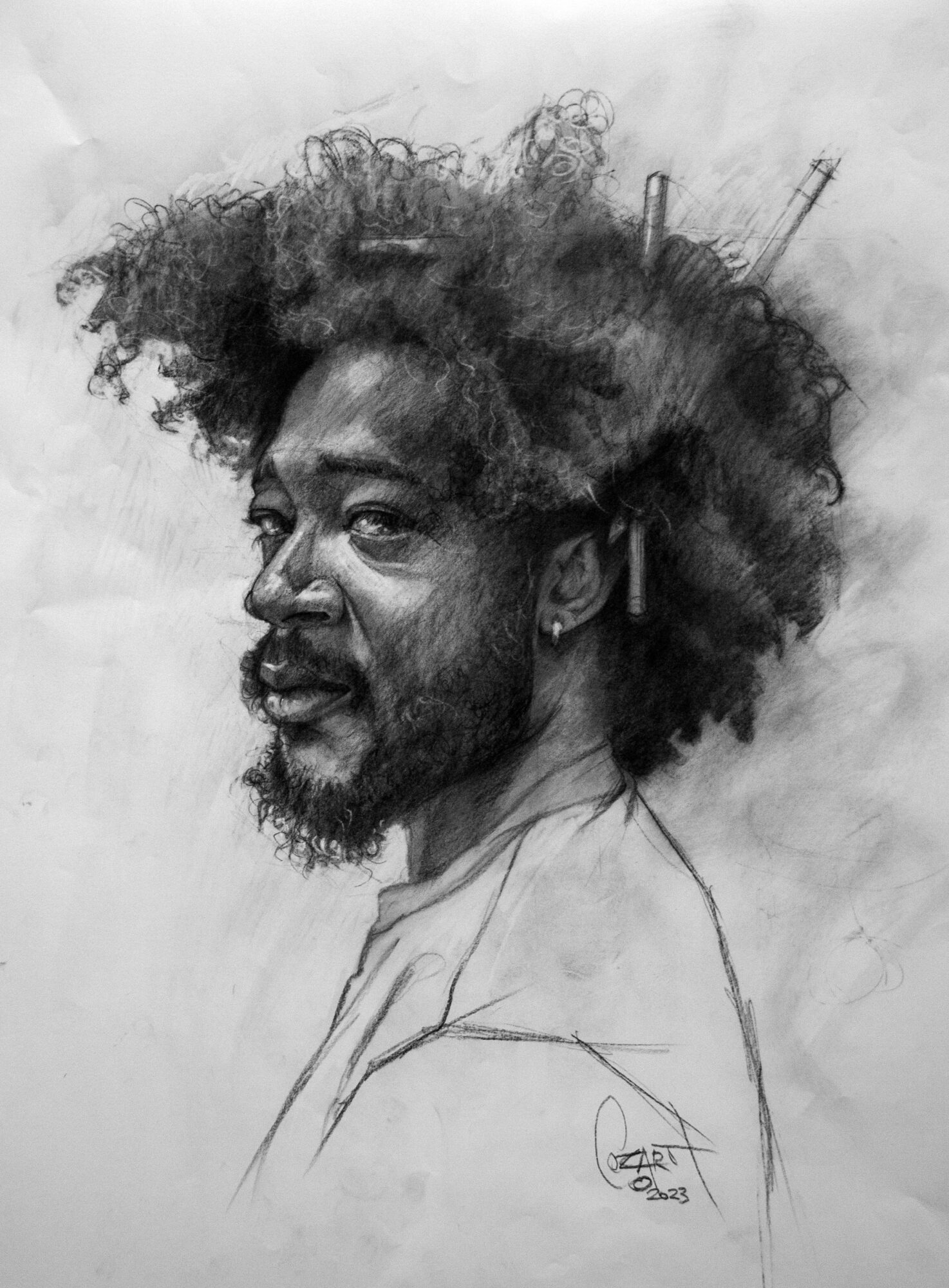
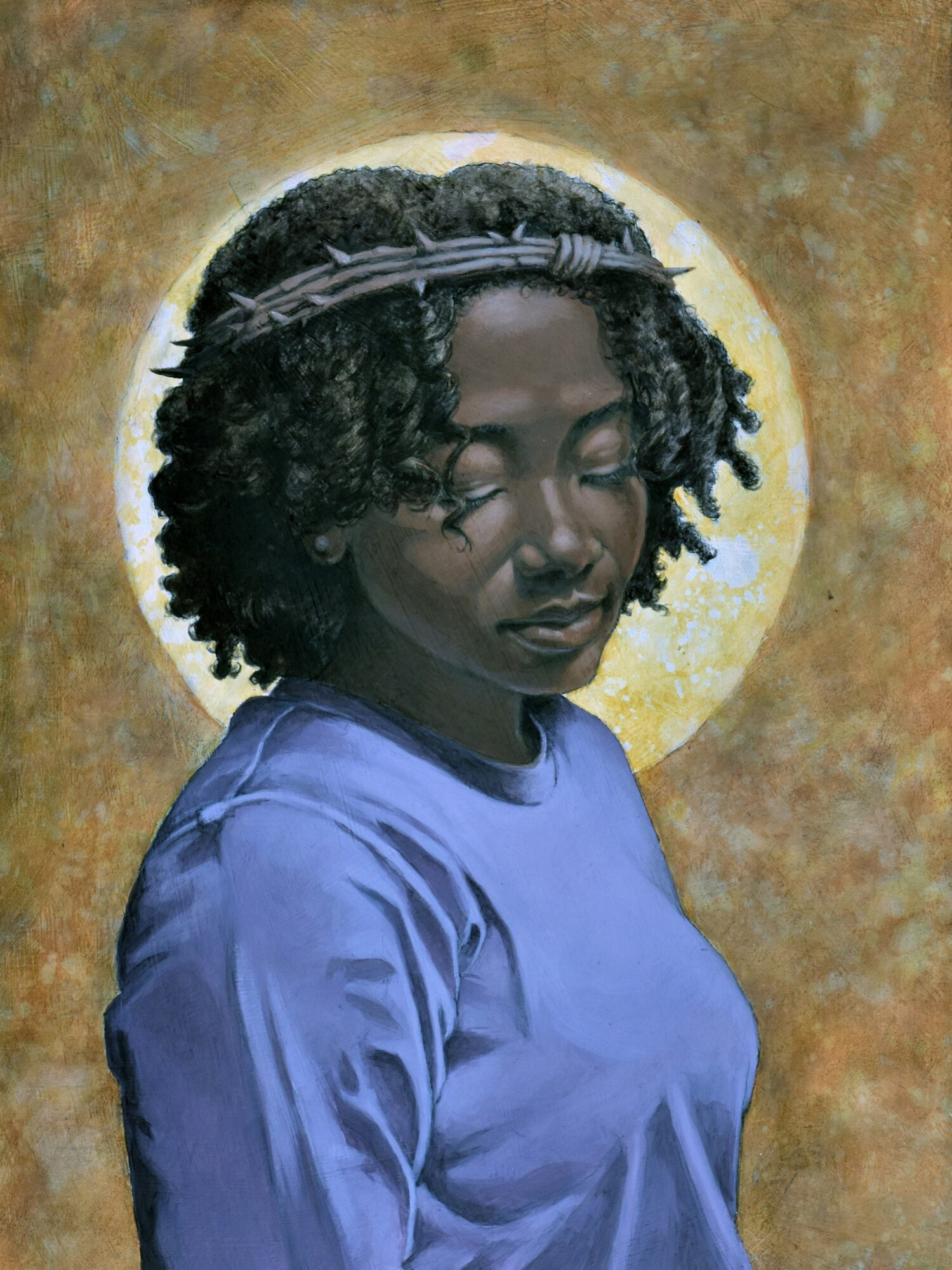
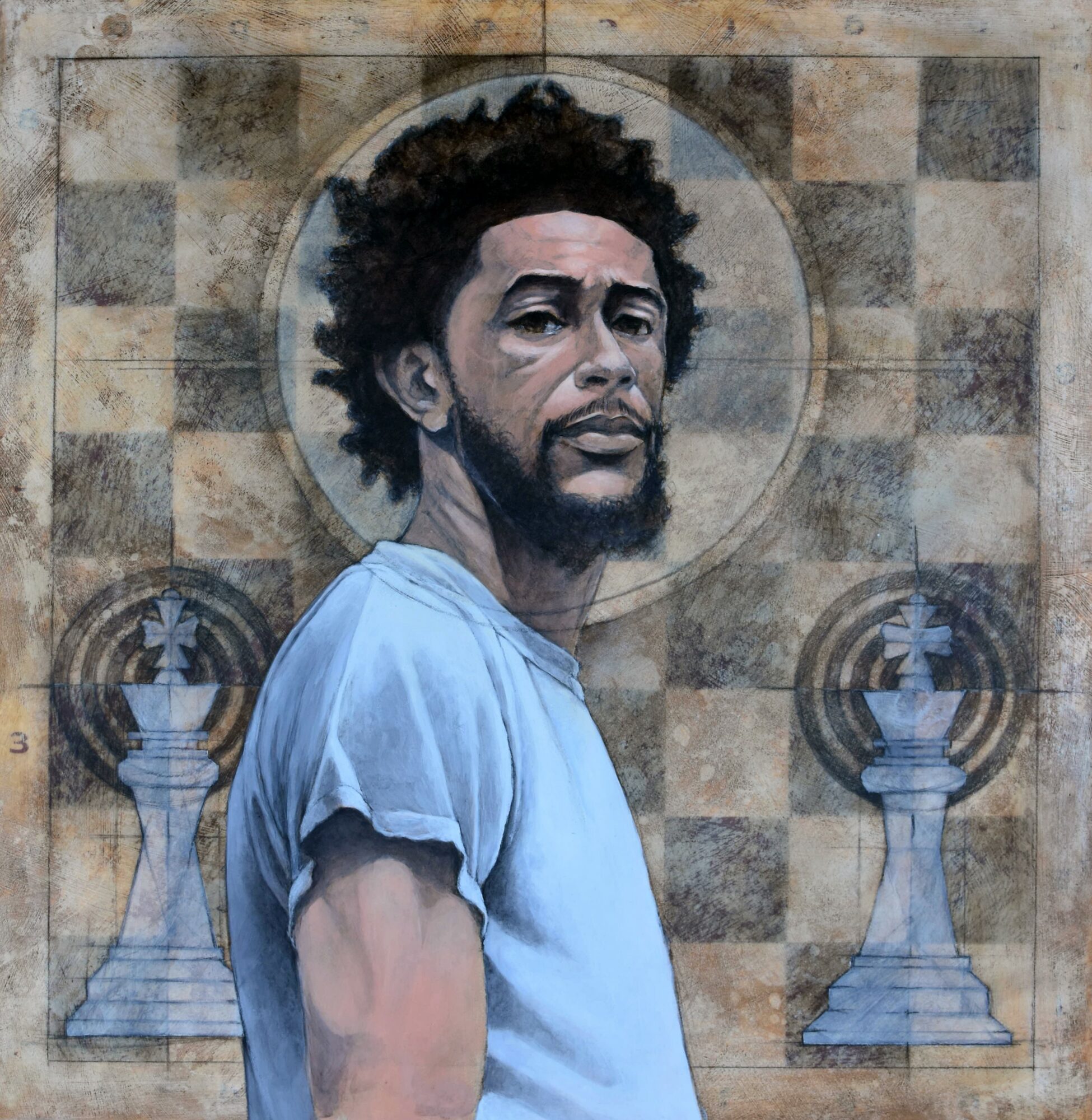
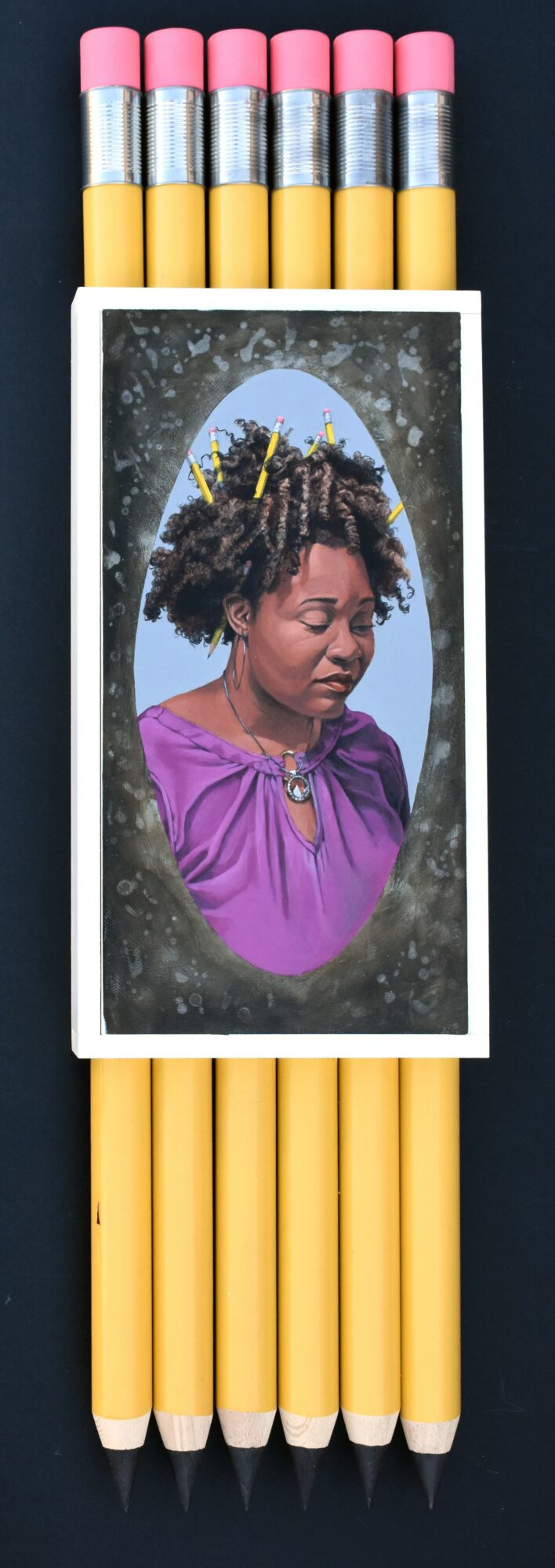
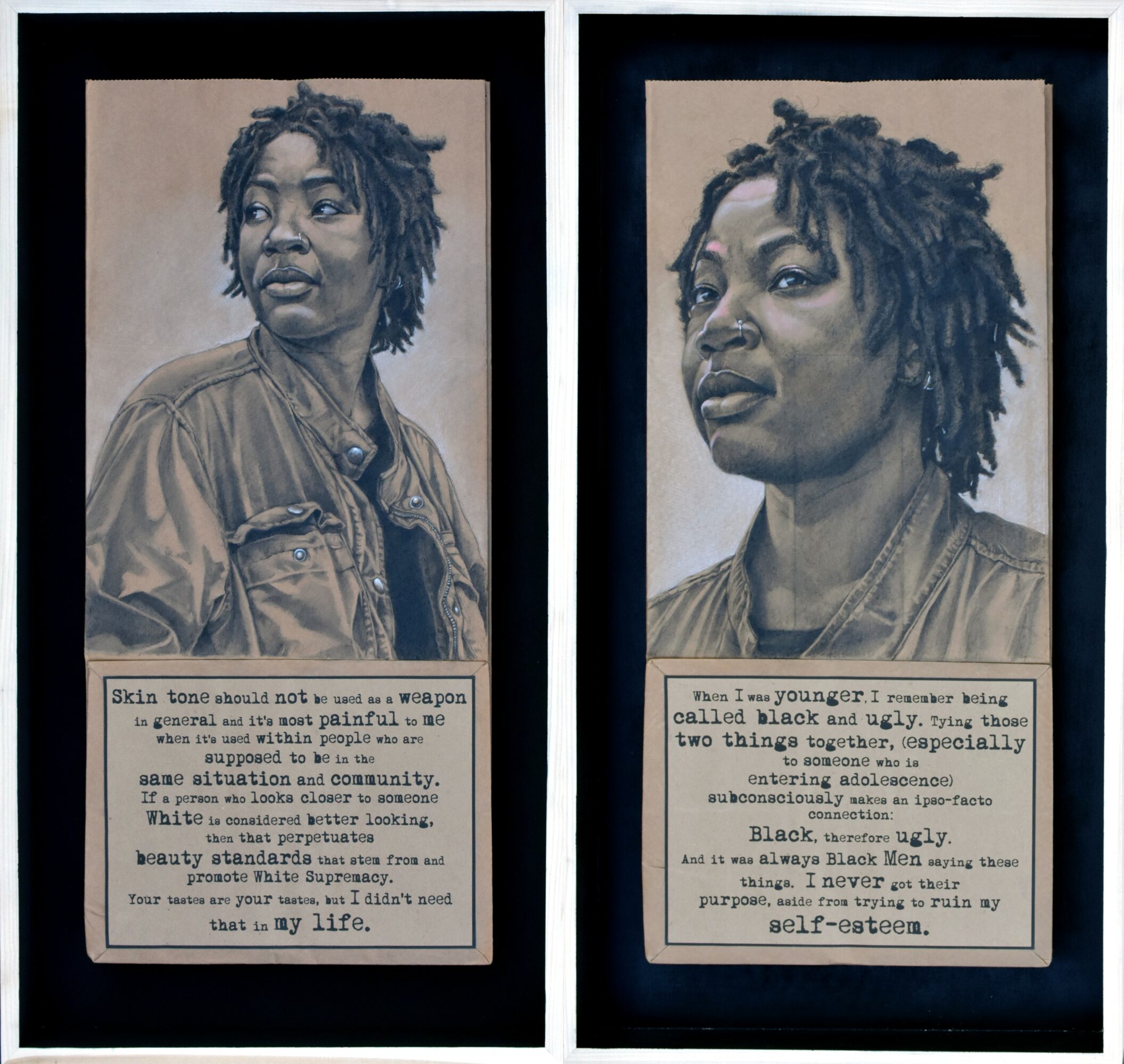
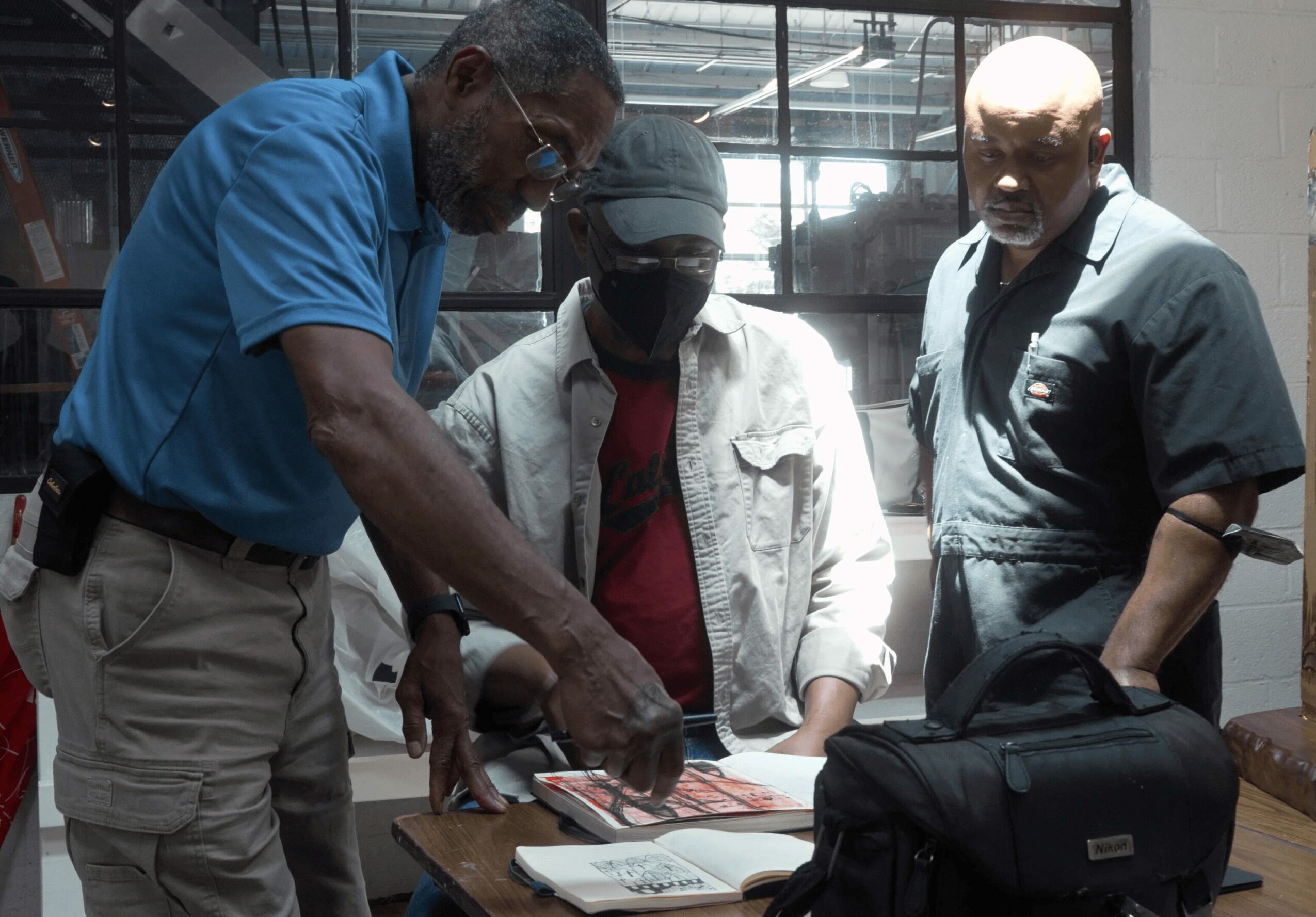
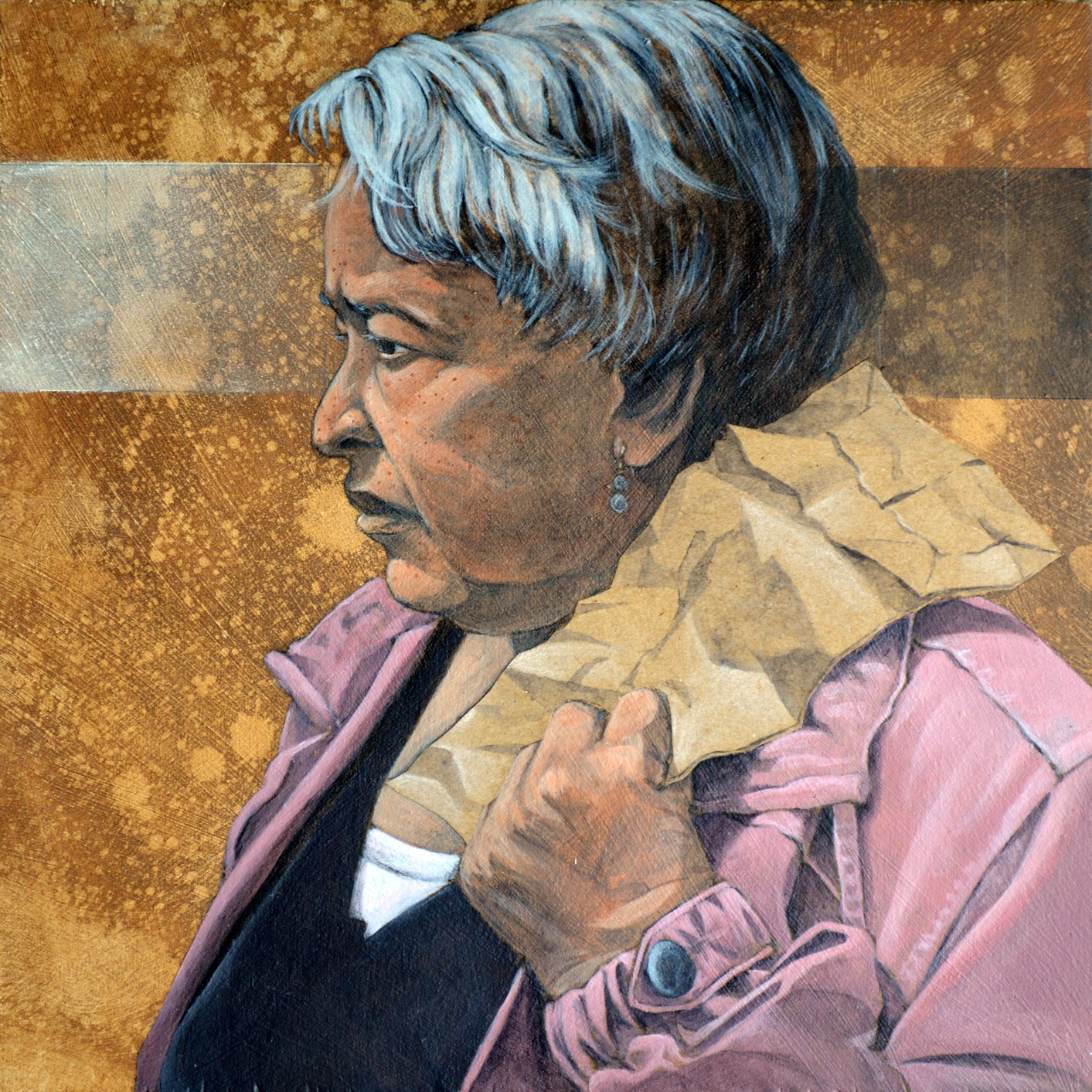
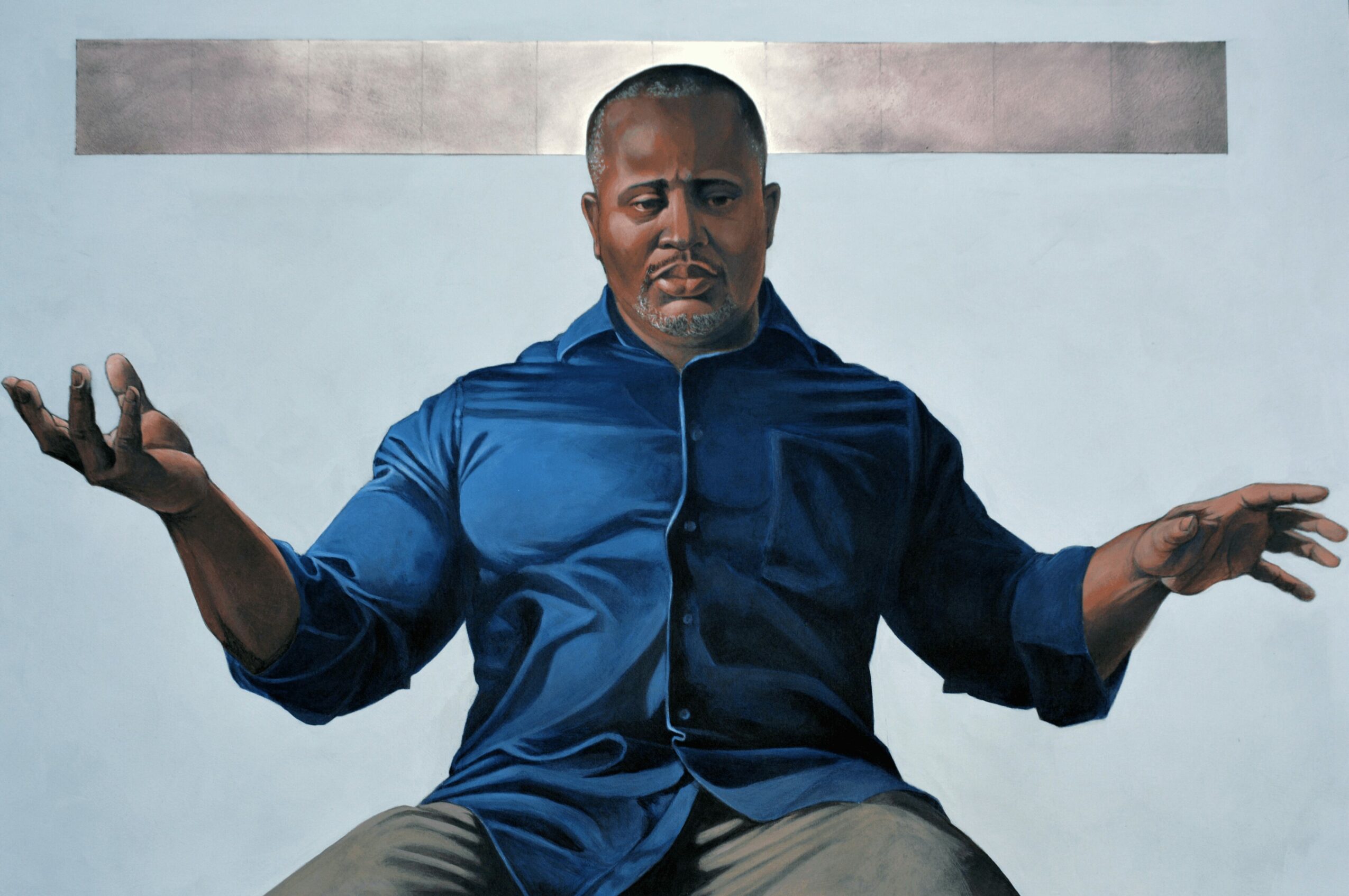
Image Credits
Headshot provided by Shaw Photography.
Photo: Chop Shop Collective Gathering, Andre’ Leon Gray