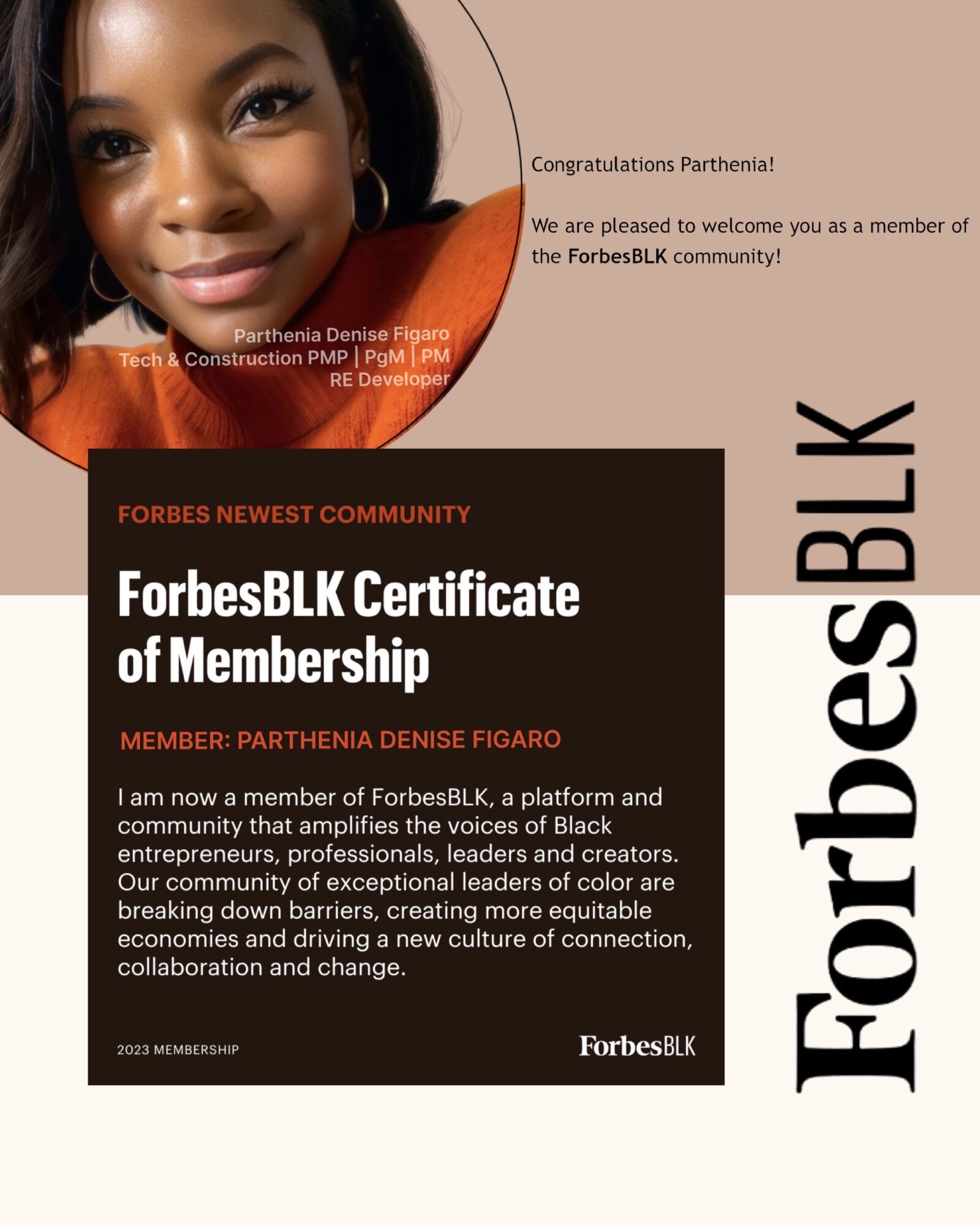





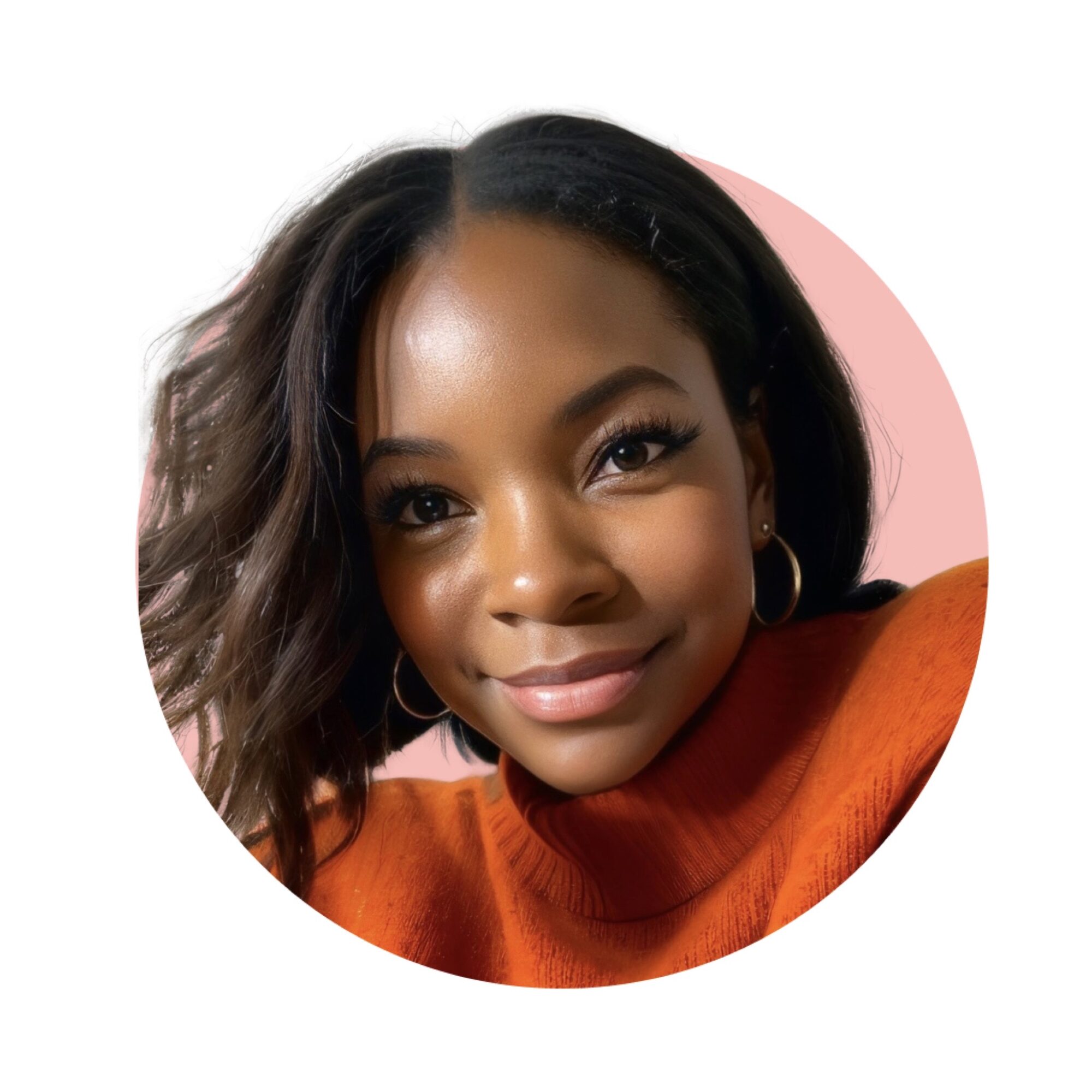
Today we’d like to introduce you to Parthenia Denise Figaro.
Hi Parthenia Denise, it’s an honor to have you on the platform. Thanks for taking the time to share your story with us – to start maybe you can share some of your backstory with our readers?
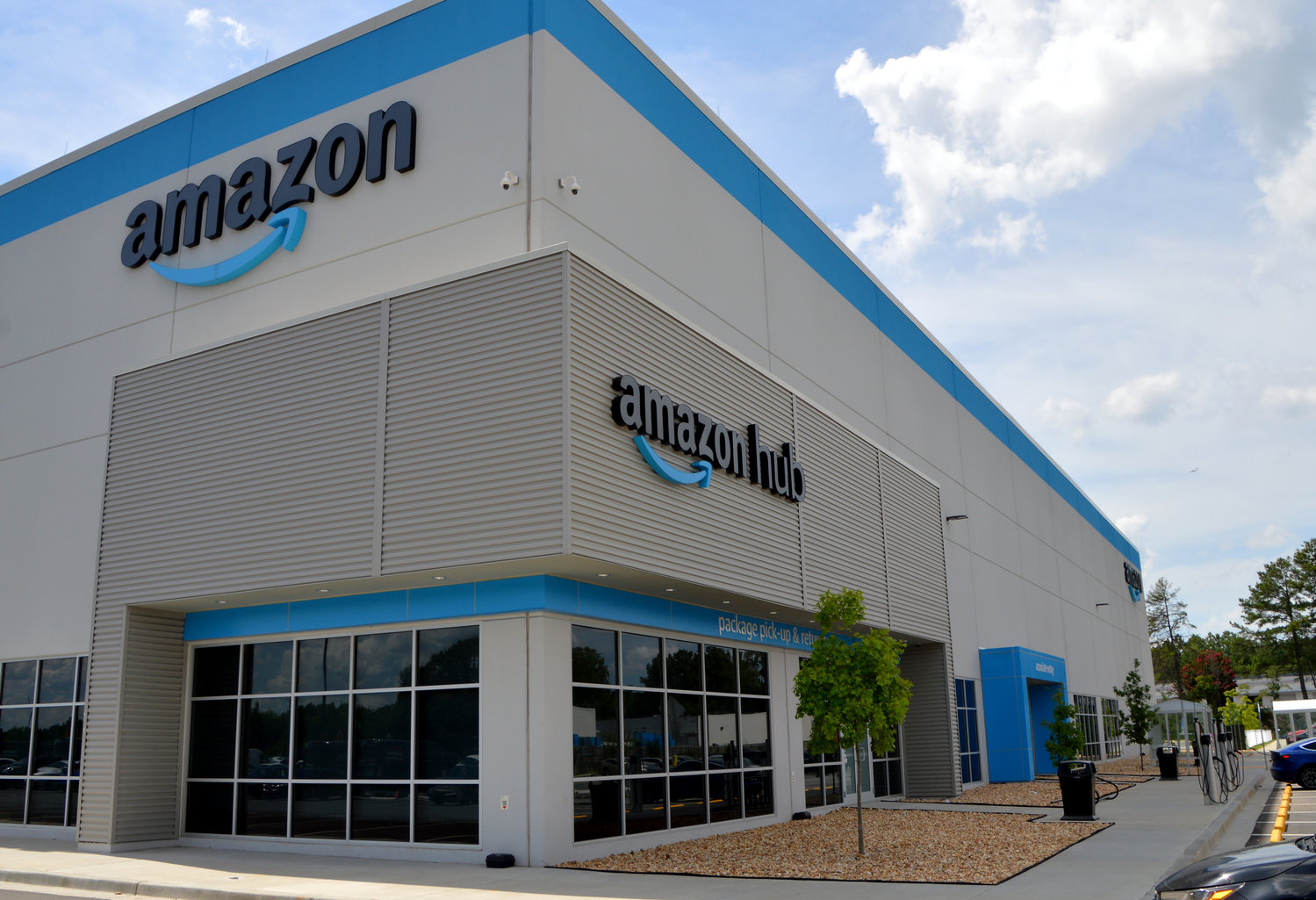
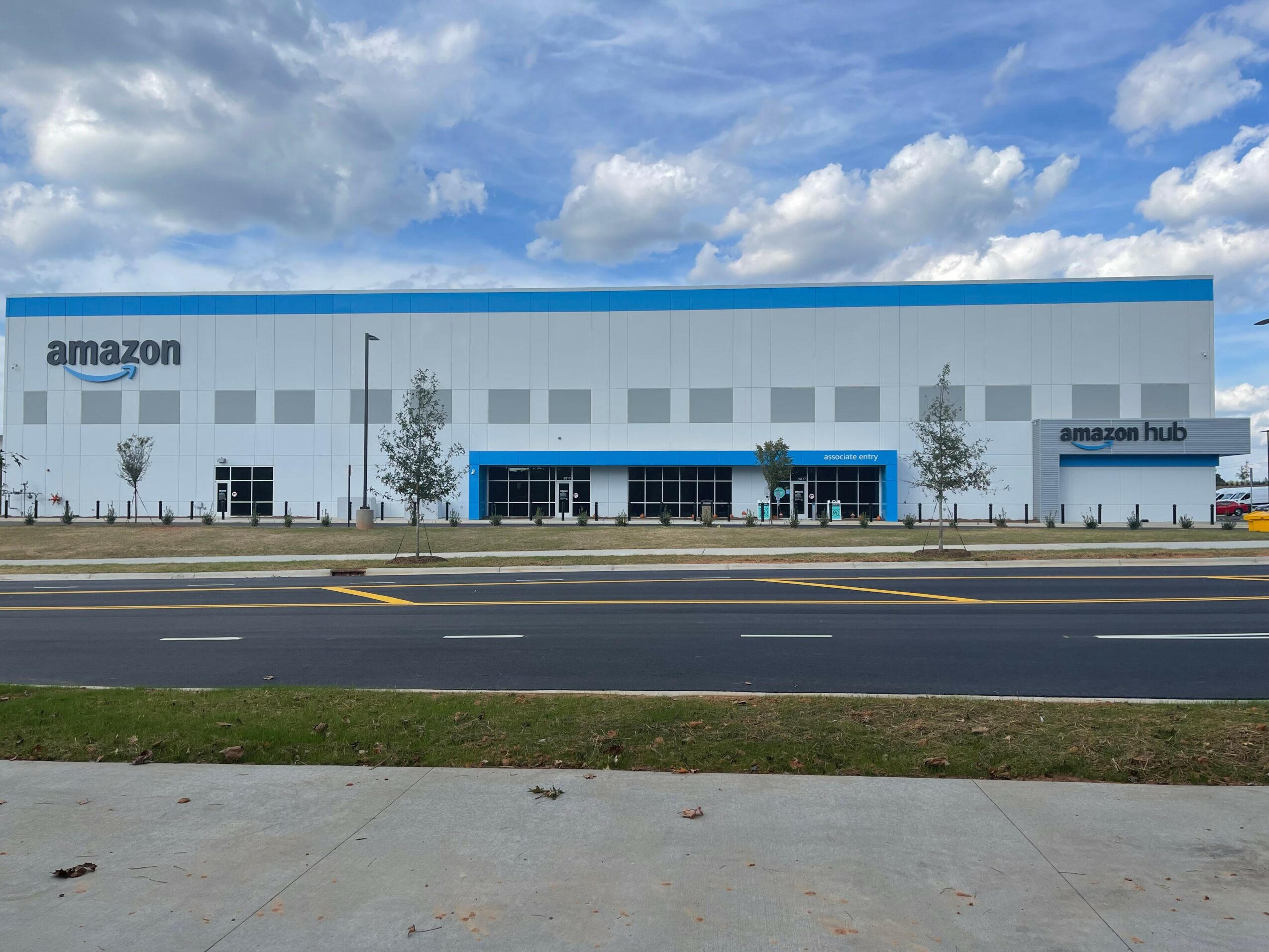
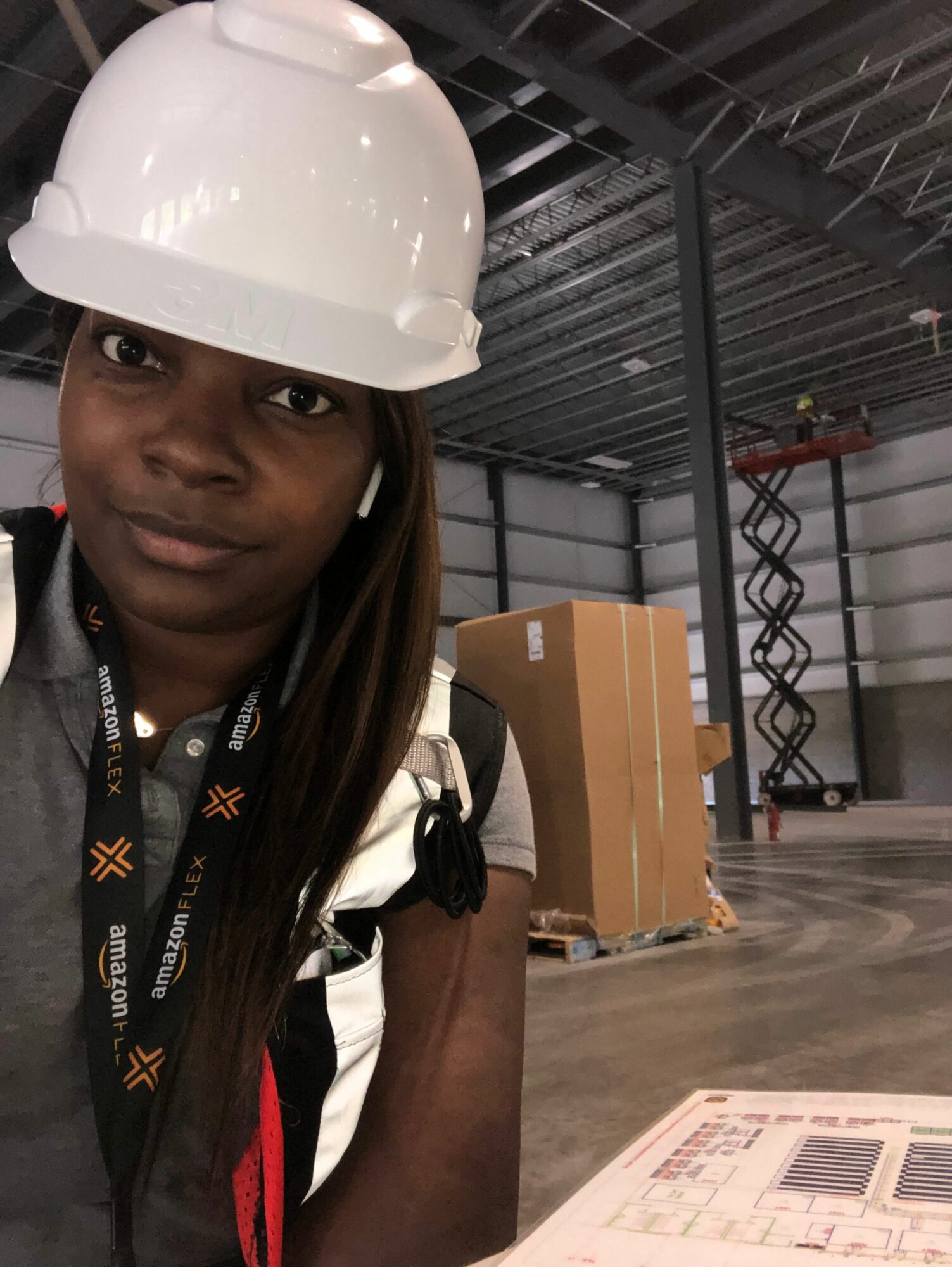
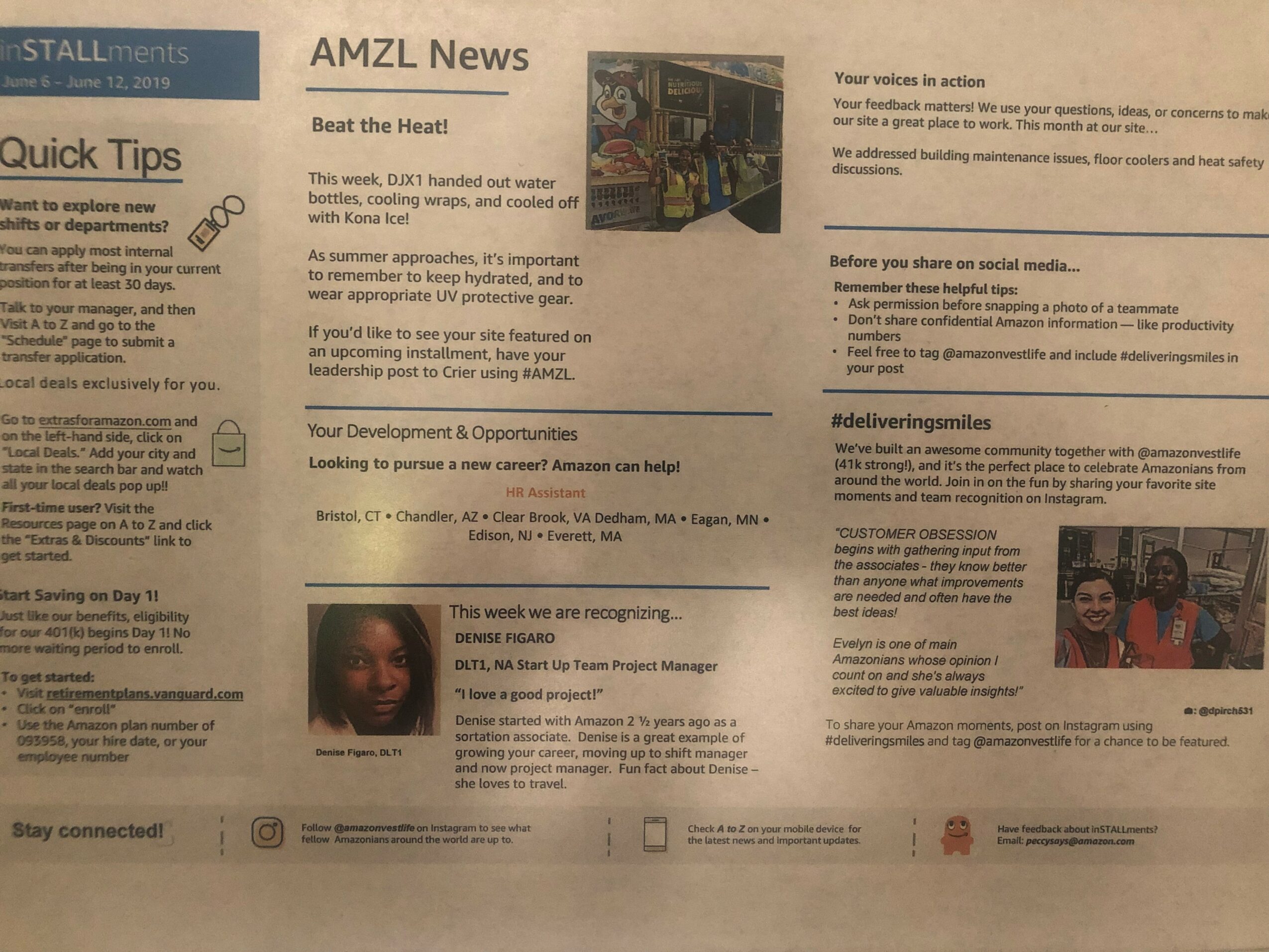
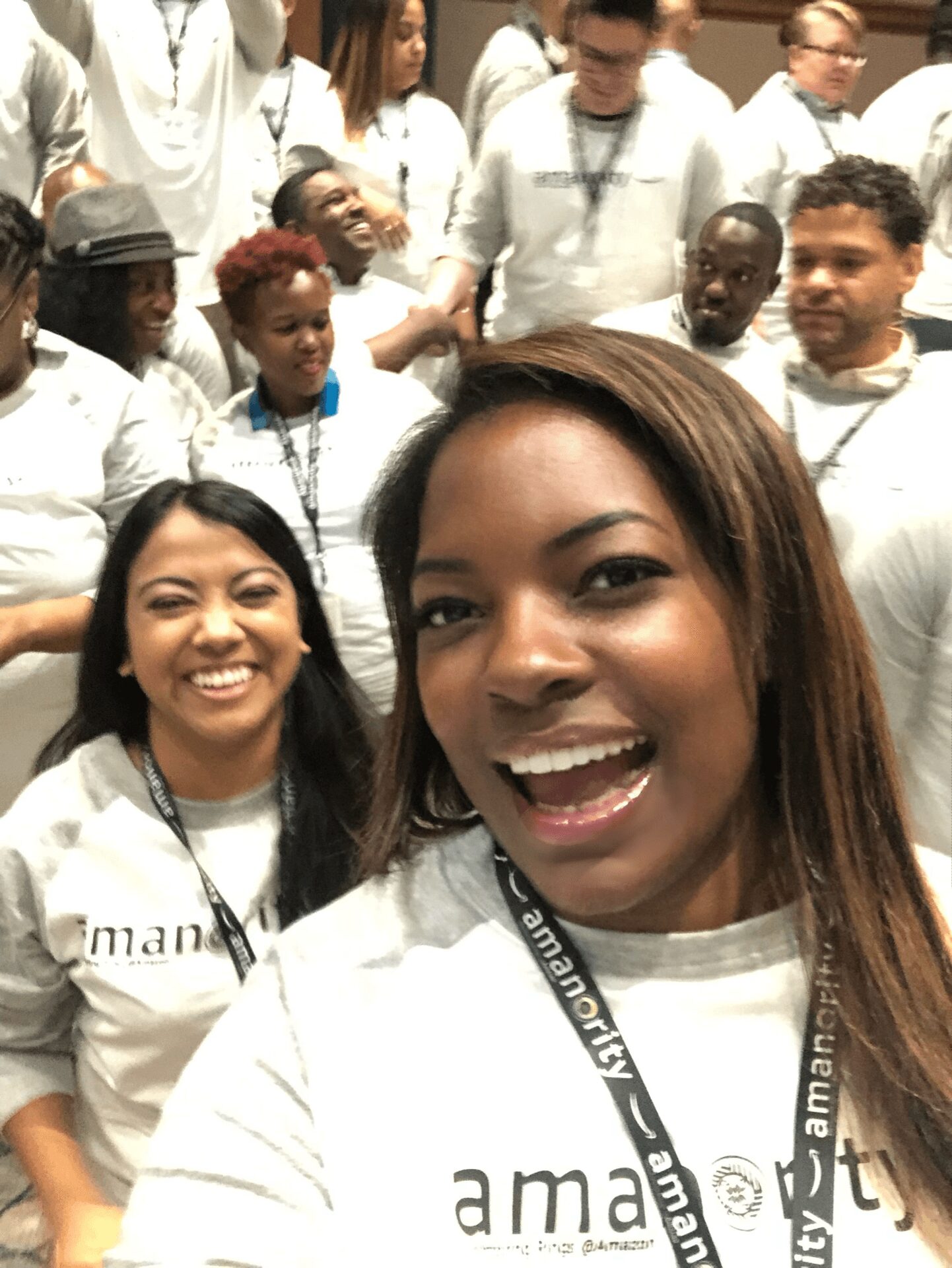
I started my career at Amazon on the warehouse floor — literally. My first role was in operations at the East Point sortation center just outside of Atlanta, making $12 an hour. I was drawn to the intensity, the scale, and the complexity of the systems behind the scenes. It didn’t take long before I began moving up, taking on leadership roles, relocating to Charlotte, North Carolina, and learning how to manage people, processes, and performance in one of the most demanding logistics environments in the world.
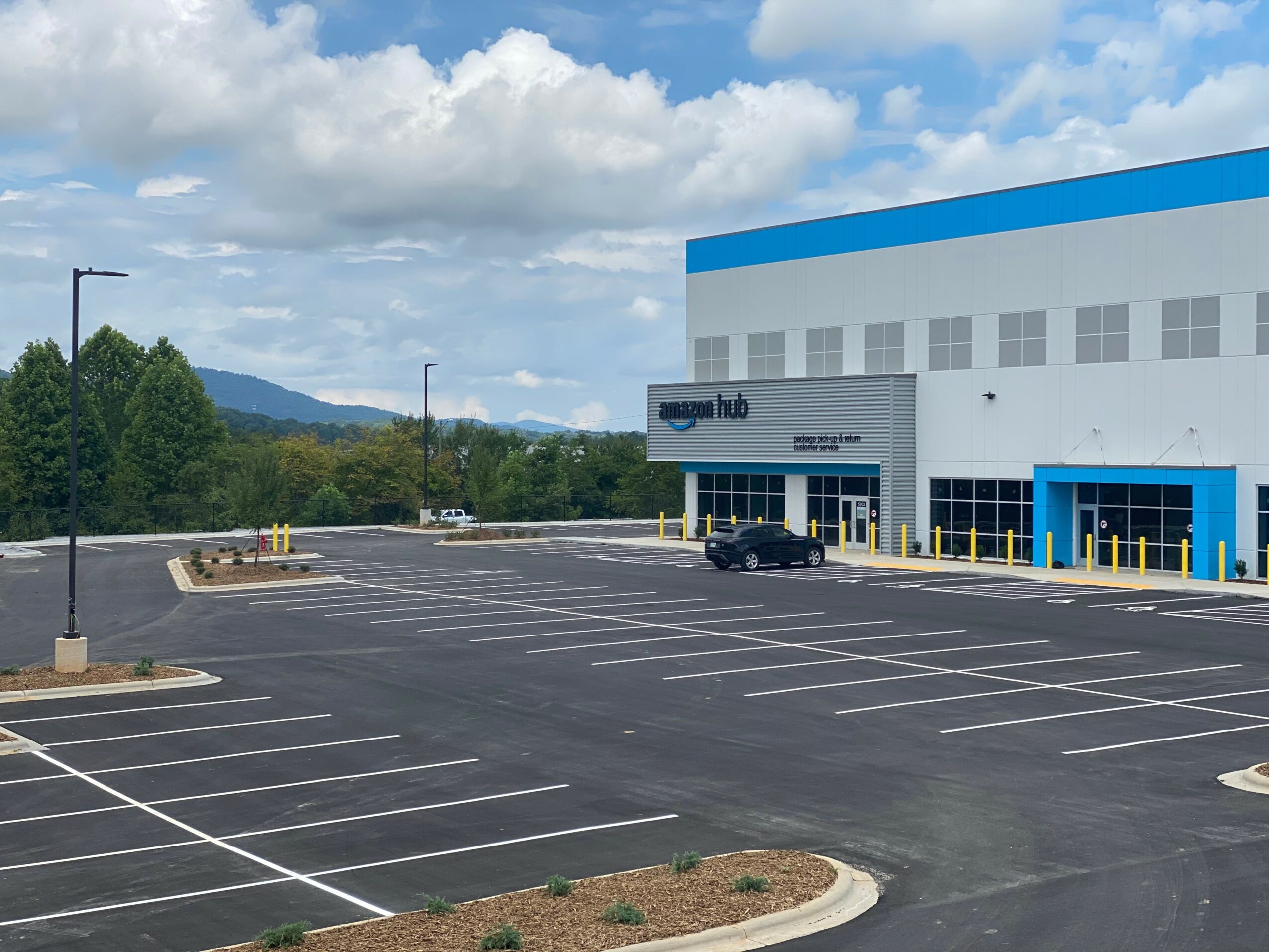
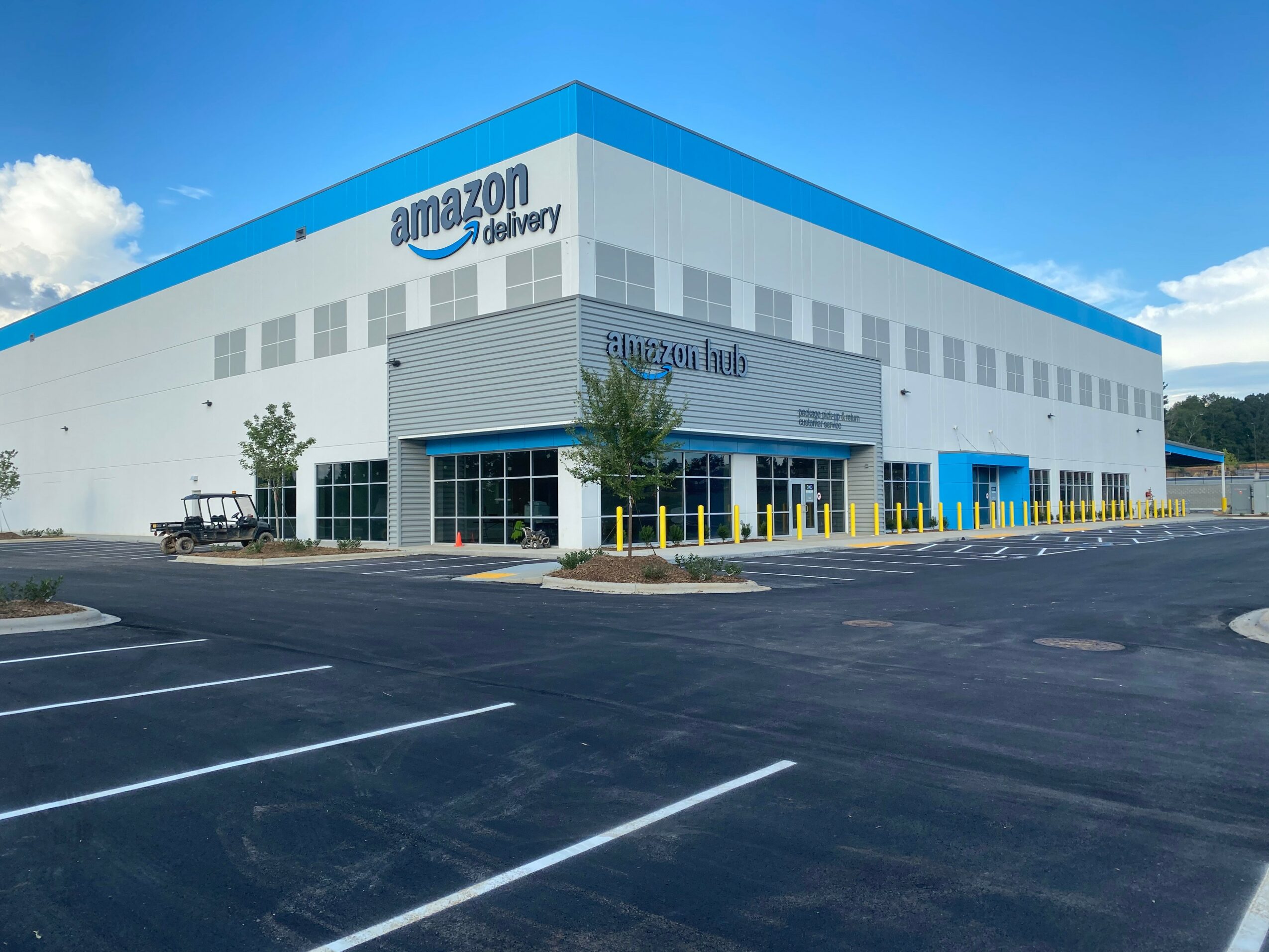
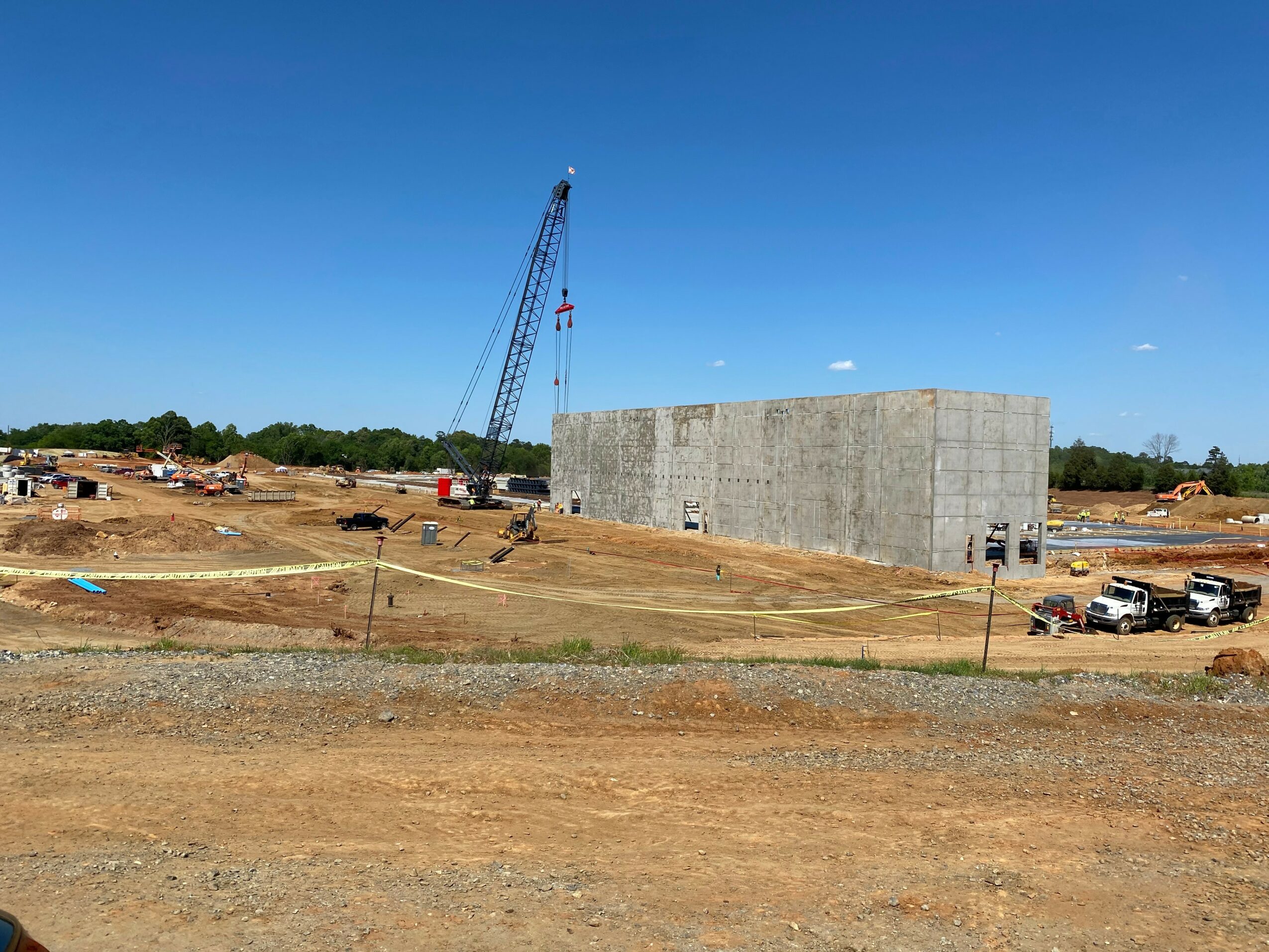
From there, I transitioned into project and program management roles, leading high-impact initiatives that touched everything from warehouse expansion to emerging technology. I helped build and launch new Amazon last mile delivery stations across the Mid-Atlantic and as far as Texas — working at the intersection of real estate, construction, and operations. That’s where I began to see the connective tissue between my work and my family background in real estate development.
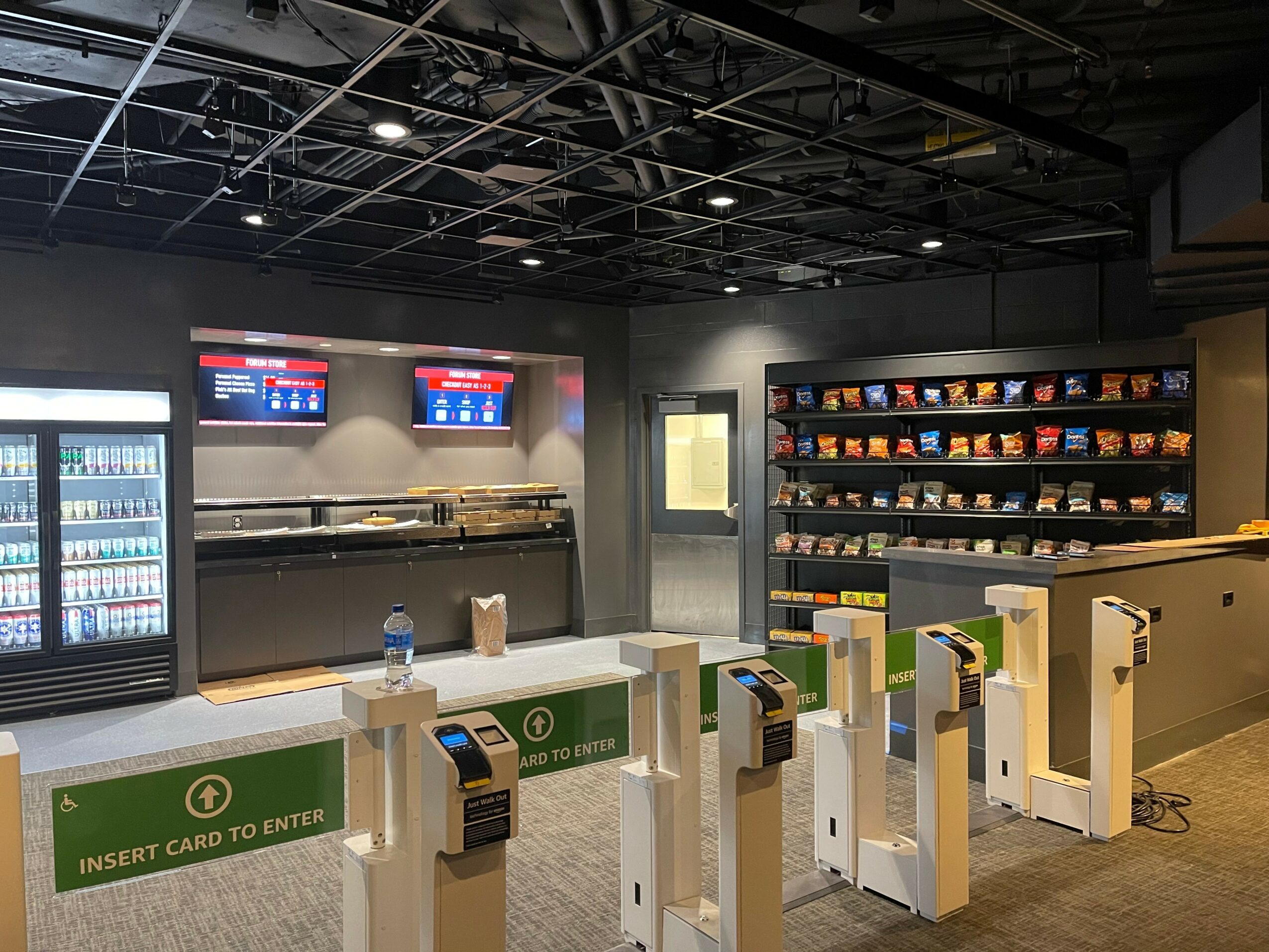
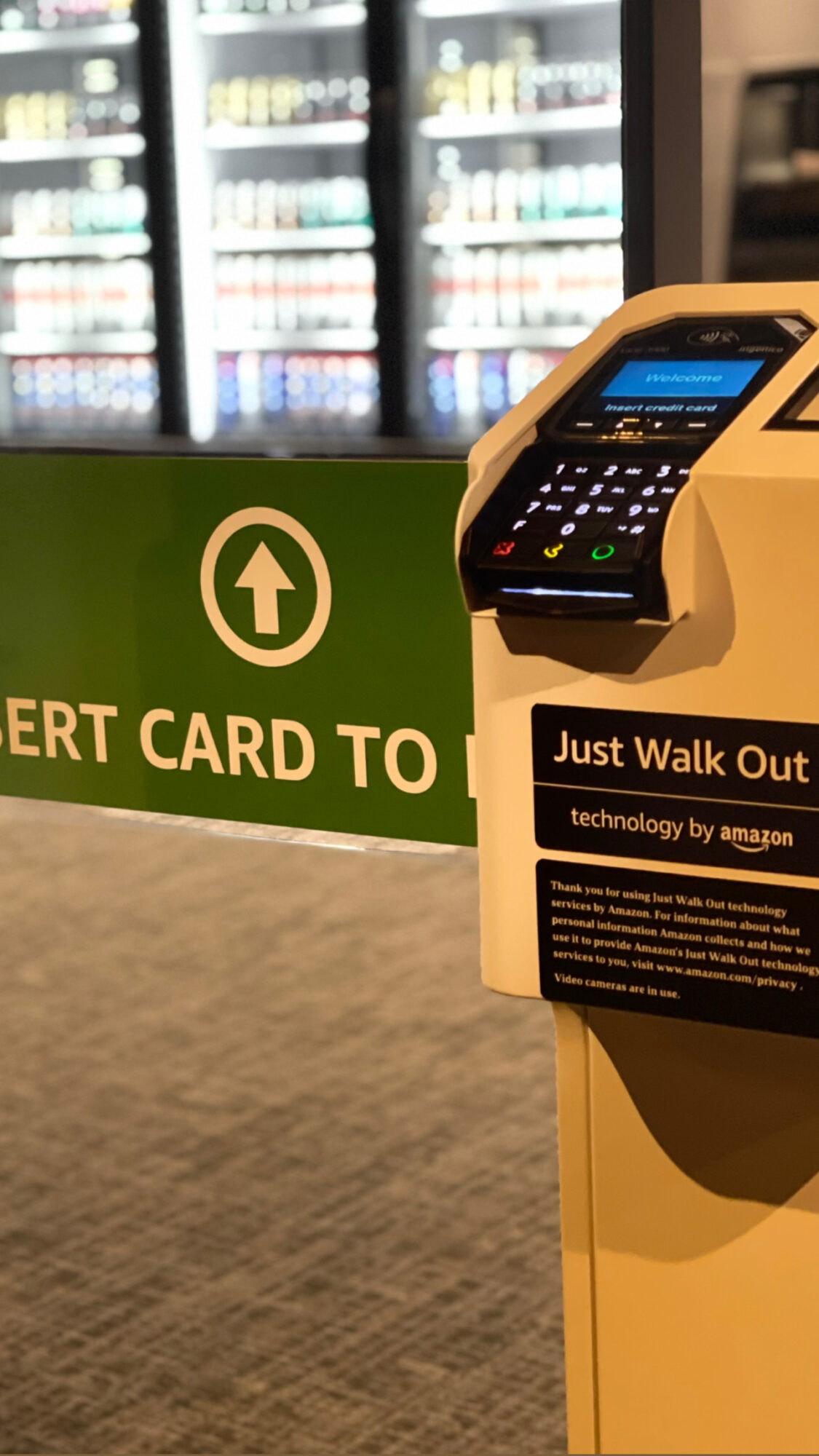
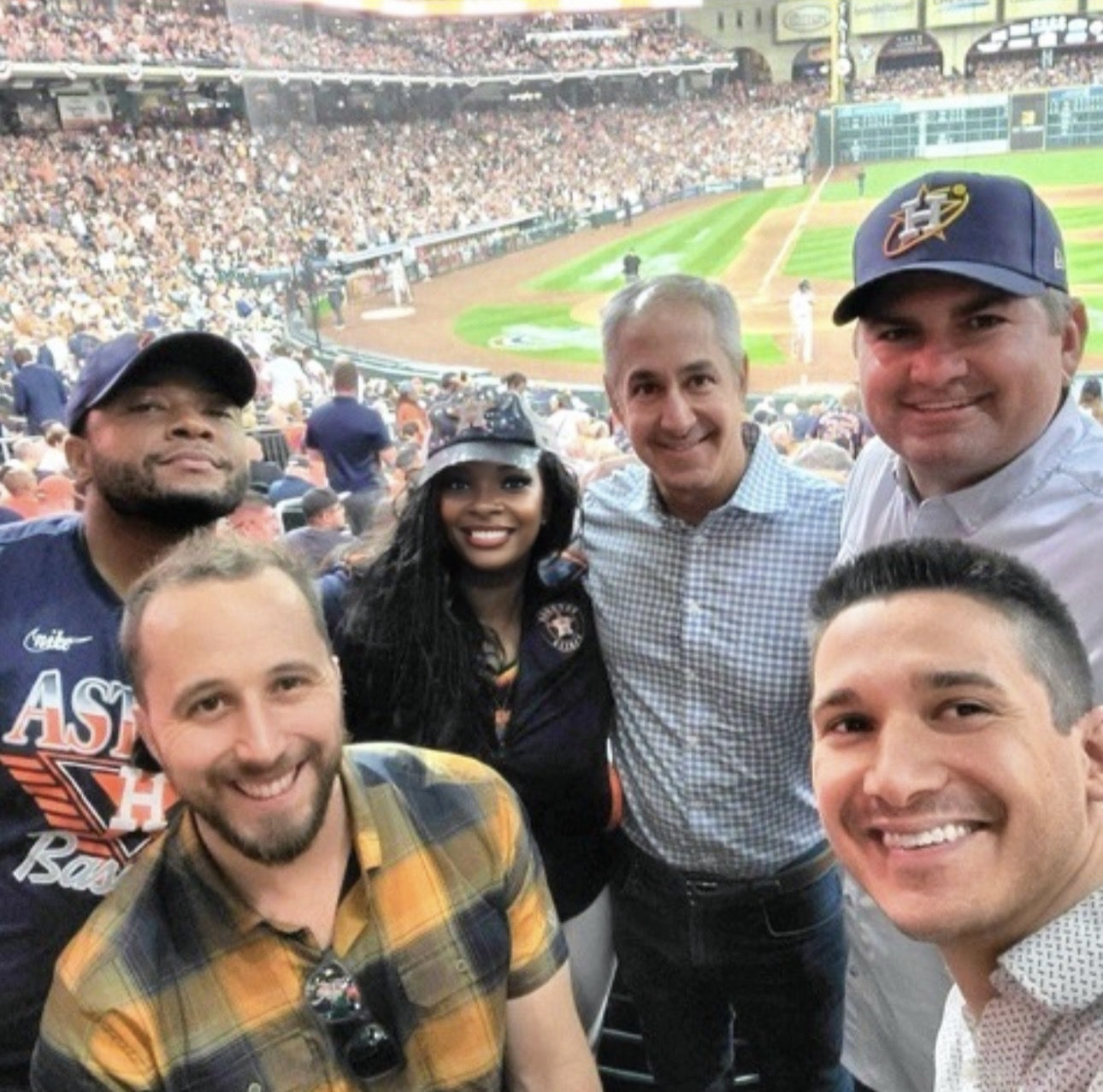
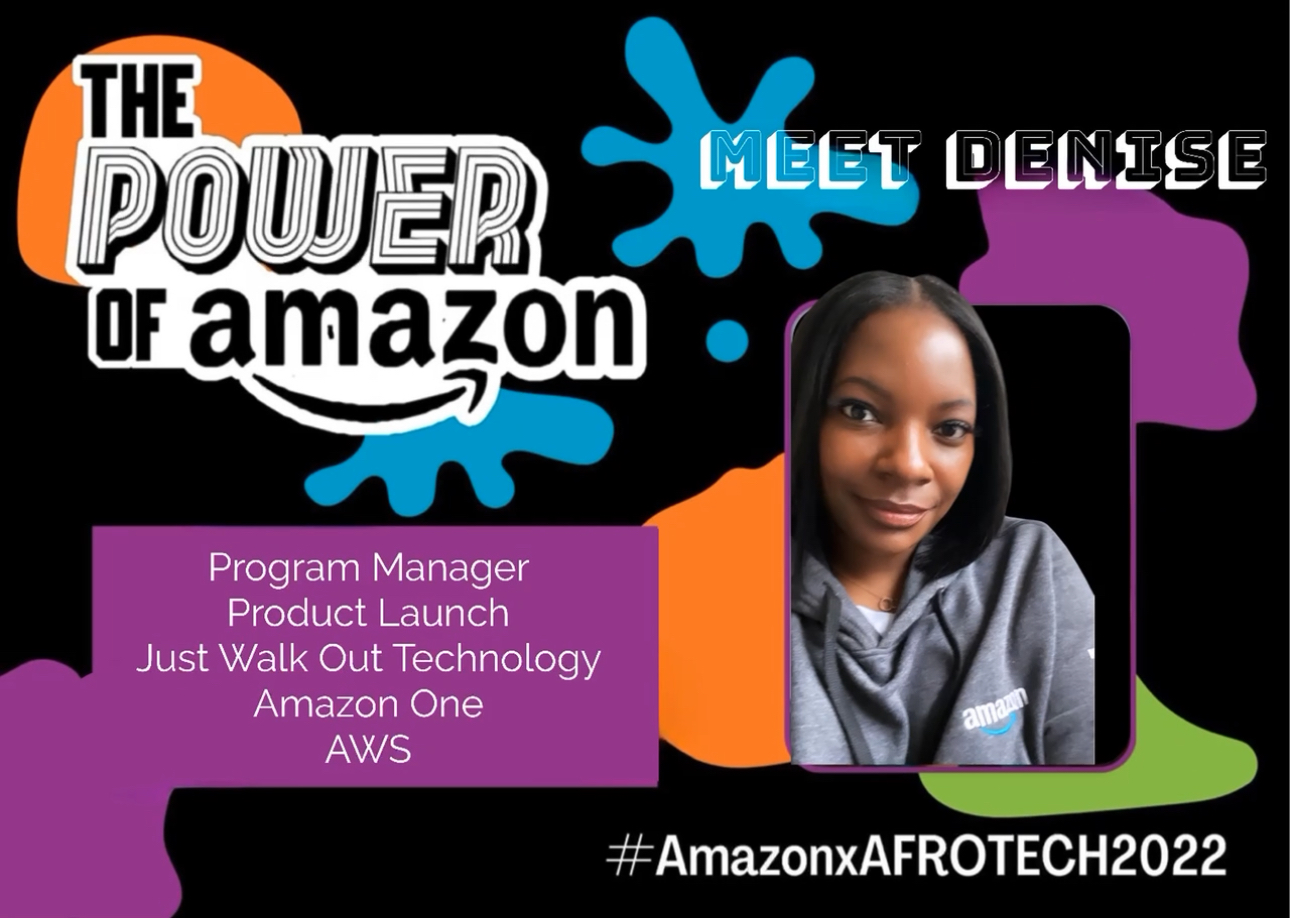
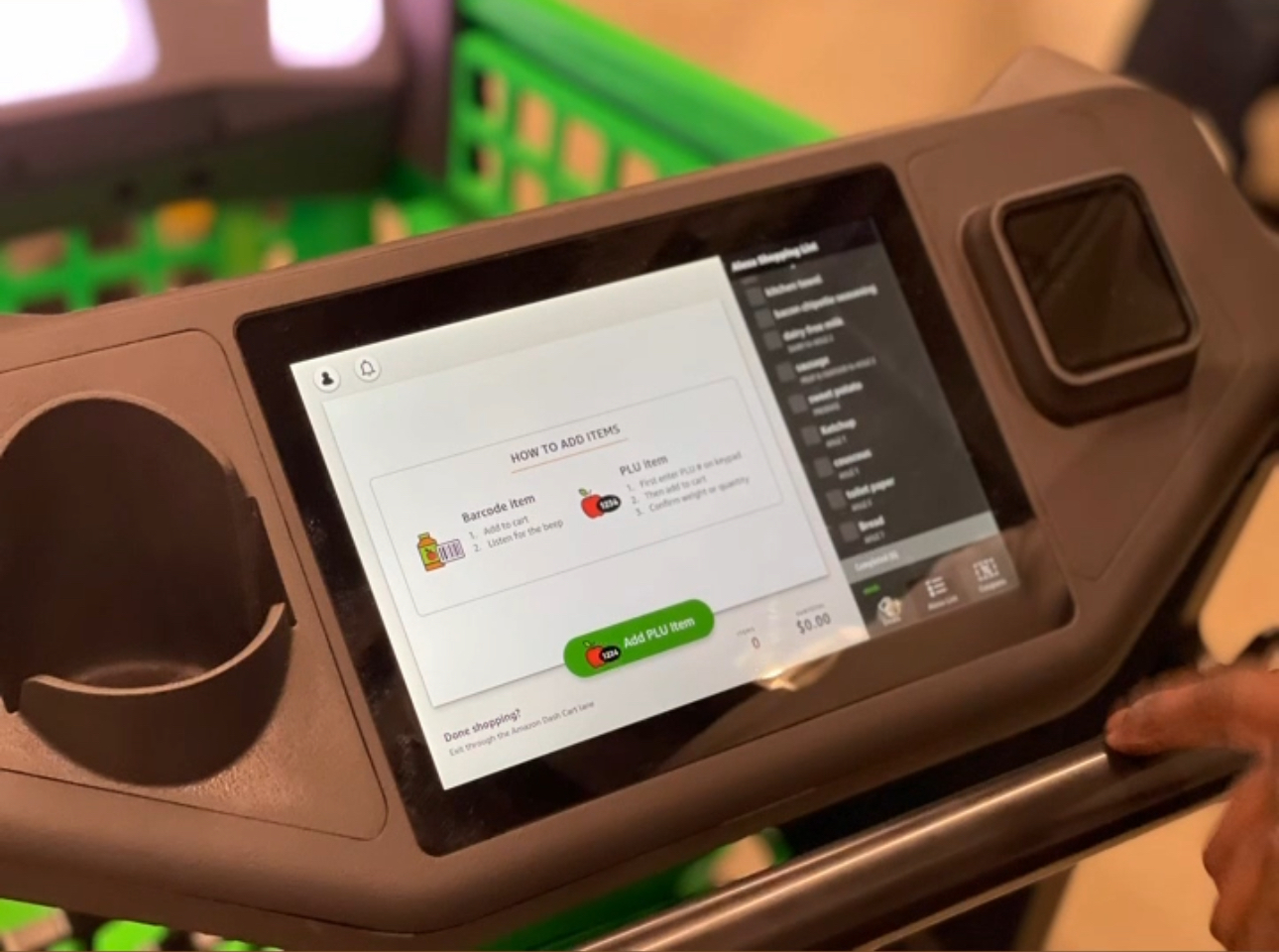
Later, I pivoted into Amazon’s retail innovation space within AWS, where I worked on next-generation store formats that used AI-powered technology — like Just Walk Out. Some of my clients included the Houston Astros at Minute Maid Park, the Los Angeles Clippers at the Kia Forum in Inglewood, CA, and the Carolina Panthers at Bank of America Stadium. It was one of the most exciting chapters of my time there — especially as someone who had broken into tech and reached a six-figure salary without a college degree.
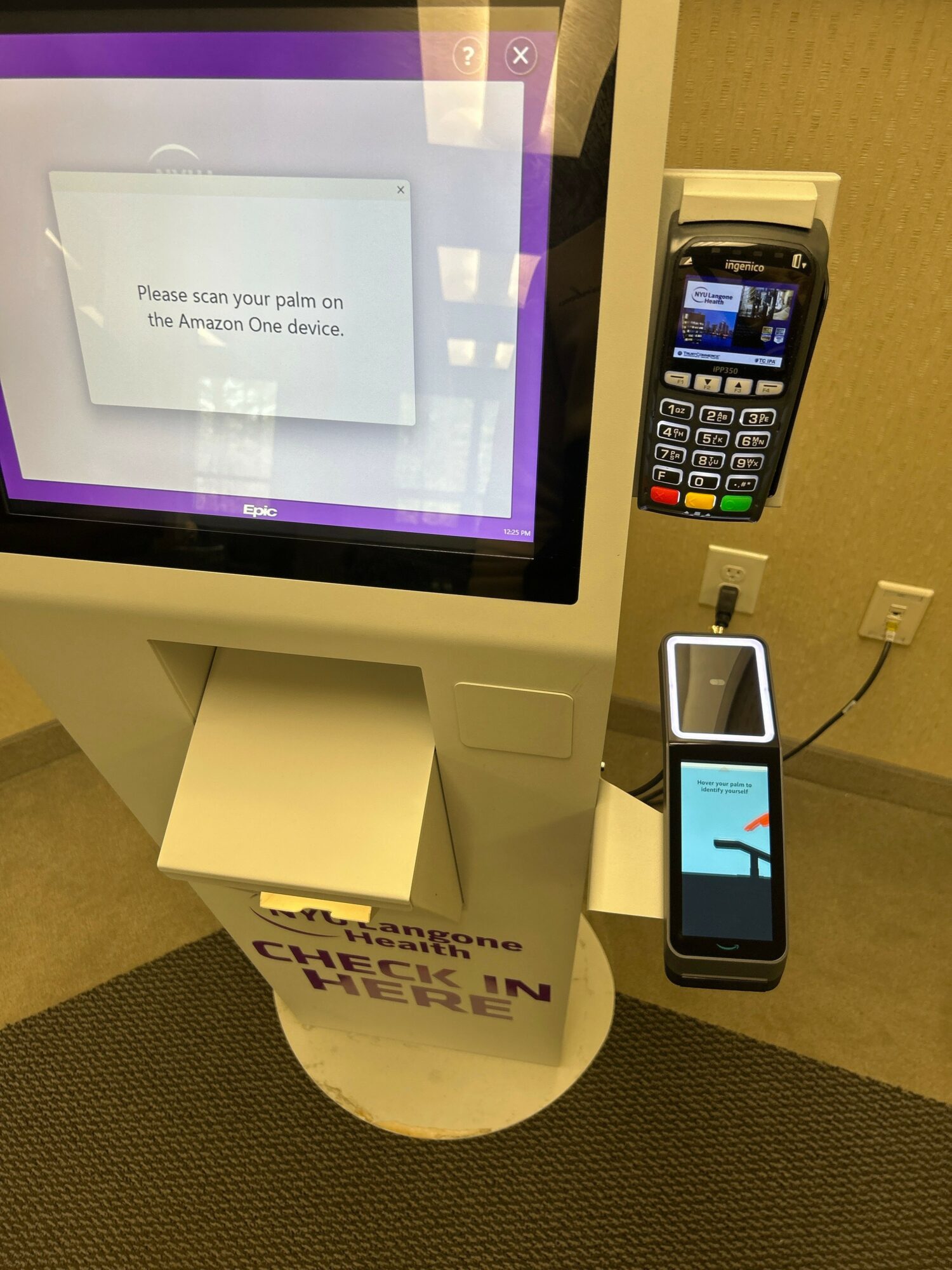
Two years ago, I left Amazon — but I got the chance to collaborate again through my client, NYU Health, as a project management consultant. I led the technical and hardware implementation of Amazon One’s biometric ID technology across all NYU Health hospitals and outpatient facilities, supporting their rollout of secure, contactless patient identification.
My time at Amazon shaped how I think about scale — or as Amazon puts it, how to “Think Big.” It gave me a deep understanding of systems, execution, and how physical space, technology, and human behavior all intersect. And ultimately, it gave me the confidence and skillset to return to my family roots in real estate development with a sharper, more expansive perspective.
We all face challenges, but looking back would you describe it as a relatively smooth road?
It definitely hasn’t been a smooth road. One of the biggest challenges early on was navigating the corporate world without a college degree. When I first transitioned from the warehouse floor into corporate spaces at Amazon, I carried a lot of imposter syndrome — constantly wondering if I belonged in rooms filled with people who had degrees, MBAs, and more traditional career paths. Even when I was leading major projects and delivering results, I often felt like I had to overcompensate just to prove I deserved to be there.
It definitely hasn’t been a smooth road. One of the biggest challenges early on was navigating the corporate world without a college degree. When I first transitioned from the warehouse floor into corporate spaces at Amazon, I carried a lot of imposter syndrome — constantly wondering if I belonged in rooms filled with people who had degrees, MBAs, and more traditional career paths. Even when I was leading major projects and delivering results, I often felt like I had to overcompensate just to prove I deserved to be there.
There were also moments where the pace and pressure were overwhelming — working in environments where the bar was always rising, and the margin for error was razor thin. As I moved into tech and started taking on higher-visibility roles, the stakes got even higher. I had to learn how to advocate for myself, set boundaries, and navigate power dynamics — especially as a Black woman in spaces where I was often one of the only ones.
Through it all, I’ve had to remind myself that my path is valid — that results, leadership, and vision aren’t defined by degrees or titles. Every obstacle has pushed me to become more resourceful, more resilient, and more grounded in who I am and what I bring to the table.
Thanks for sharing that. So, maybe next you can tell us a bit more about your business?
Business Name: Architechy Homes DBA Architechie
Architechie is the umbrella brand for my work at the intersection of technology, commercial construction, and execution. It includes two distinct yet deeply connected arms of my business:
• Architechie – my technical project management consulting practice
• Architechy Homes – my residential real estate development and consulting firm
Architechie was born out of my experience leading high-impact programs at Amazon, where I worked across logistics, infrastructure, and retail innovation — from launching last-mile warehouse builds to pioneering AI-powered store formats like Just Walk Out. Today, I consult with clients such as NYU Health, managing end-to-end technical rollouts involving biometric identity systems, hardware and software integration, and on-the-ground construction coordination. My consulting work is grounded in execution, systems thinking, and an ability to drive complex, cross-functional projects forward — especially in fast-paced, high-stakes environments.
Architechy Homes is where my personal passion and family legacy come to life. I come from a line of women who shaped the built environment: my mother, Parthenia Gallon, served as a Senior Land Use Planner for DeKalb and Henry Counties in Georgia, and my aunt, Phyllis Gallon-Strong, was a Zoning Manager for Manatee County, Florida for over 30 years. Their work laid the foundation for my own — and today, I carry that legacy forward as a woman-led real estate development company focused on small- to mid-scale residential infill and affordable housing in Atlanta, GA, Charlotte, NC, and Raleigh, NC.
We specialize in projects like townhome clusters, affordable housing, and cottage court communities that prioritize thoughtful design, contextual integration, and long-term value. I bring the same precision and discipline from my tech and commercial construction background into this work — managing everything from zoning and entitlements to strategic development and execution.
What sets both brands apart is a shared commitment to intentionality. Whether I’m overseeing a biometric tech deployment or guiding a new housing development, I lead with clarity, integrity, and a deep respect for process and people. I’ve built these brands from the ground up — without a degree, but with vision, grit, and an unwavering belief in doing things differently.
At the end of the day, Architechie and Architechy Homes are about building smarter — not just in how we use technology or design space, but in how we center people, protect vision, and create systems that truly work.
Do you have any advice for those looking to network or find a mentor?
When it comes to mentorship and networking, I’ve learned that sometimes your strongest mentors are the ones who raised you — and sometimes they’re people you meet in rooms you fought hard to be in.
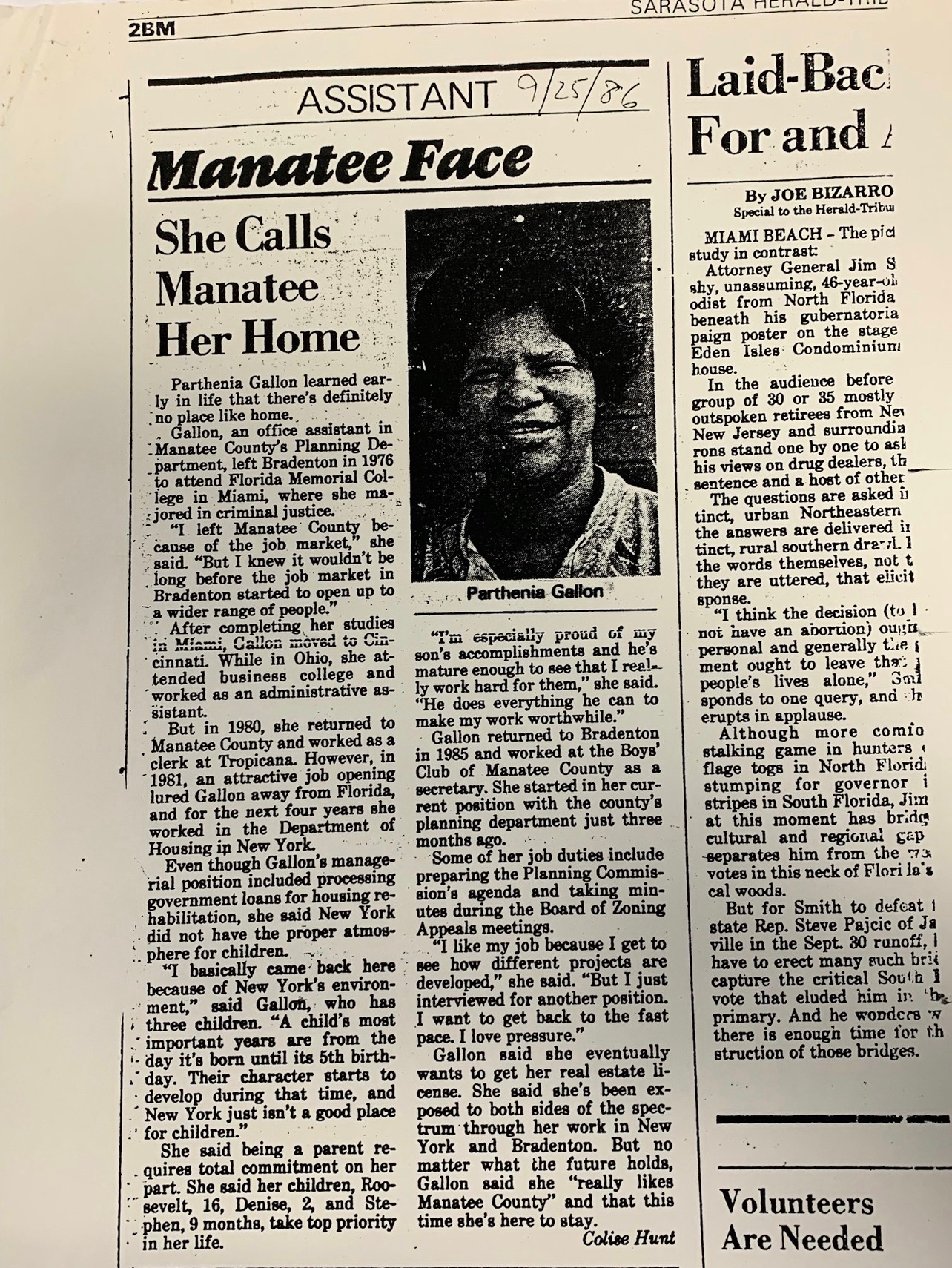
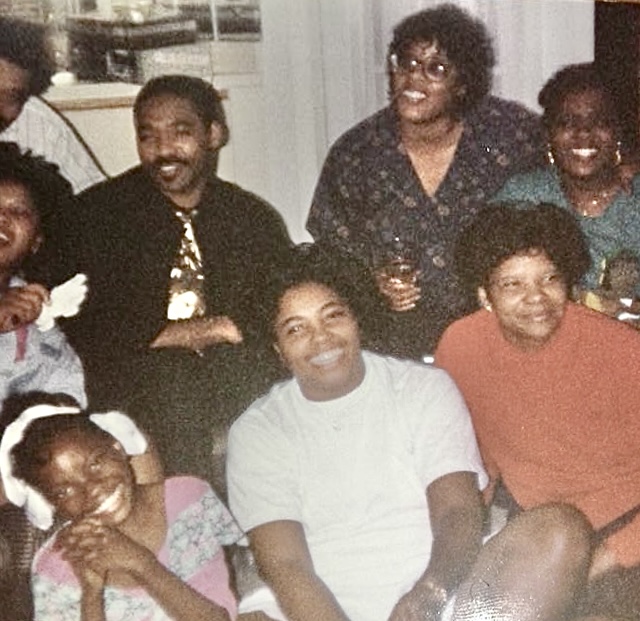
My late mother, Parthenia Gallon, was my first and most consistent mentor. She worked her way up in planning and land use in the 1980s, eventually becoming a Senior Land Use Planner for DeKalb and Henry Counties in Georgia. Her story — even documented in a Sarasota Herald-Tribune article in 1986 — taught me what it means to lead with integrity, resilience, and care for community. My aunt, Phyllis Gallon-Strong, a Zoning Manager for Manatee County for over 30 years, also poured so much into me and my understanding of development, systems, and public service. Their mentorship shaped how I lead and how I protect my own path.
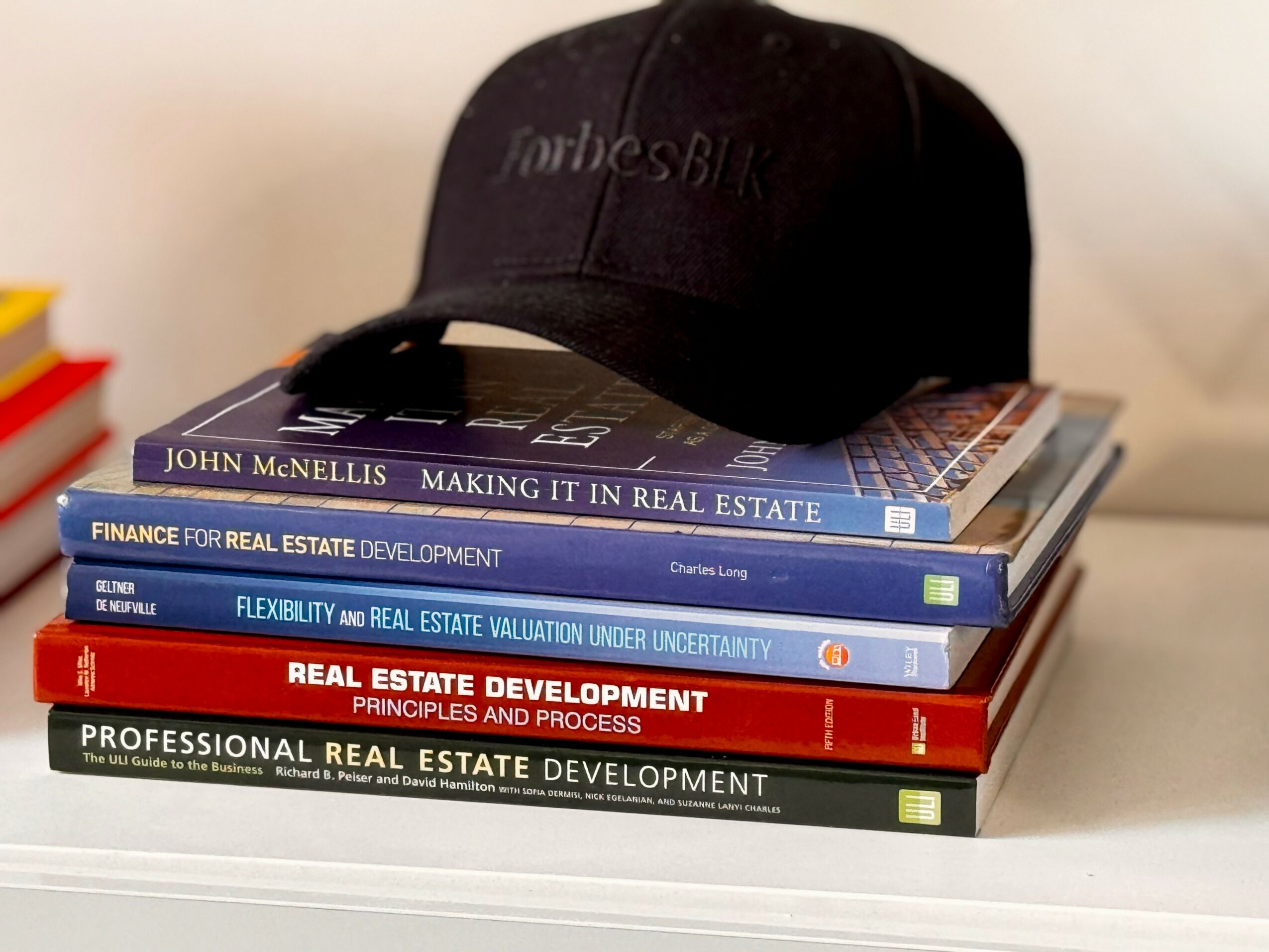
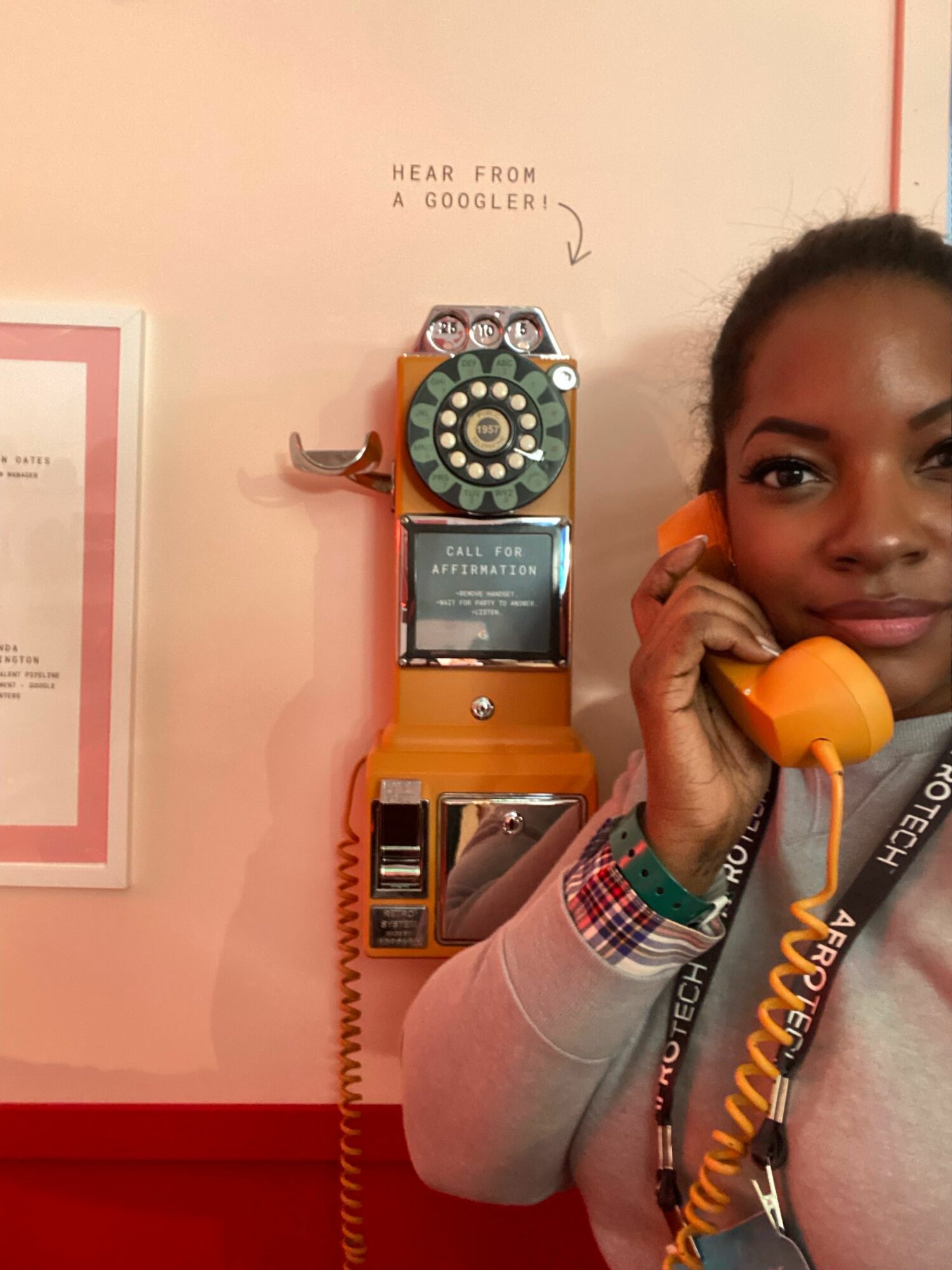
Beyond family, what’s worked best for me in networking is being in the right rooms with intention. Platforms like ForbesBLK and Afrotech have been instrumental in helping me connect with people who see the world the way I do — ambitious, collaborative, and impact-driven. It’s not just about handing out business cards. It’s about showing up with clarity around who you are, what you value, and being willing to share your knowledge generously. Those authentic connections become mutual mentorship over time.
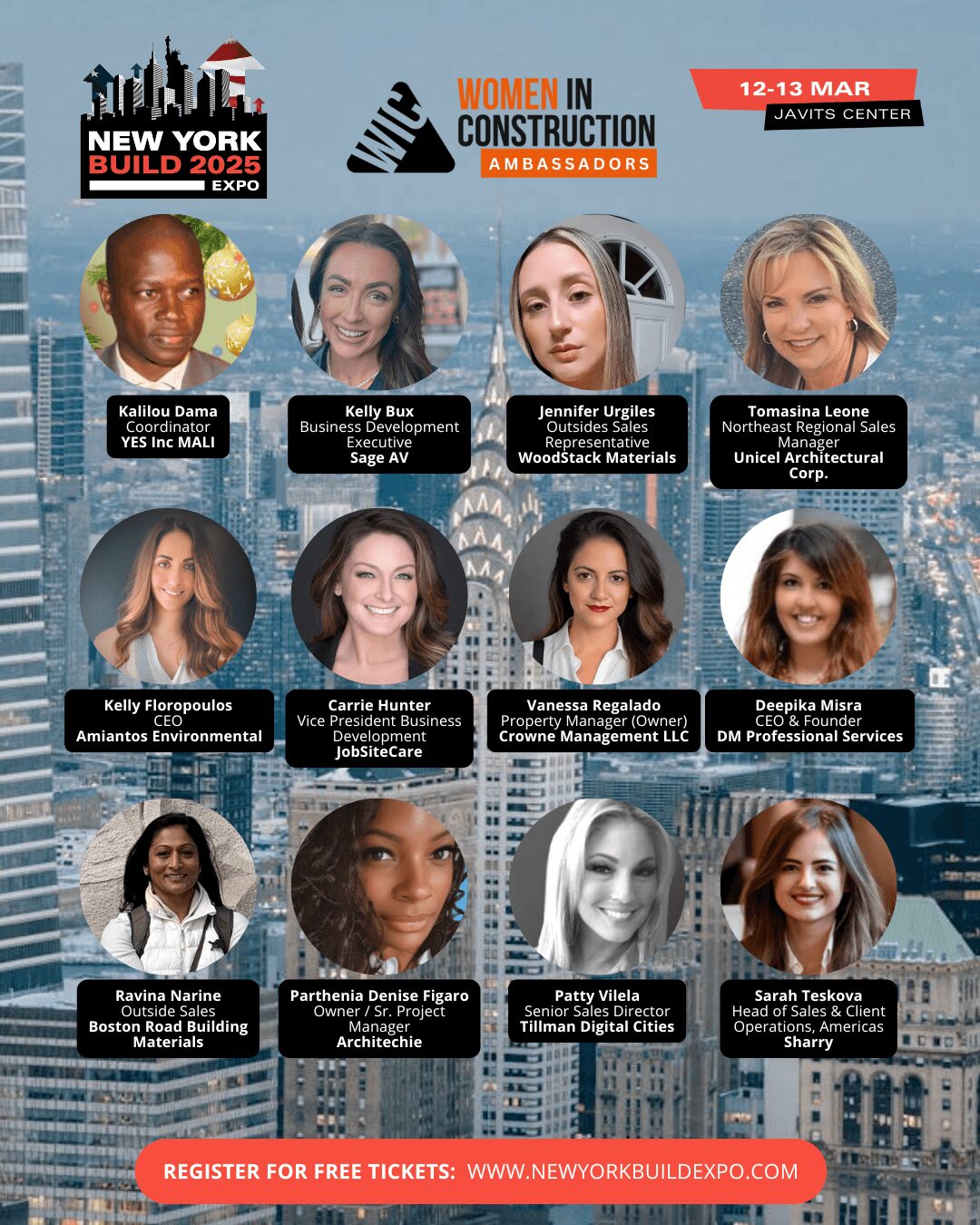
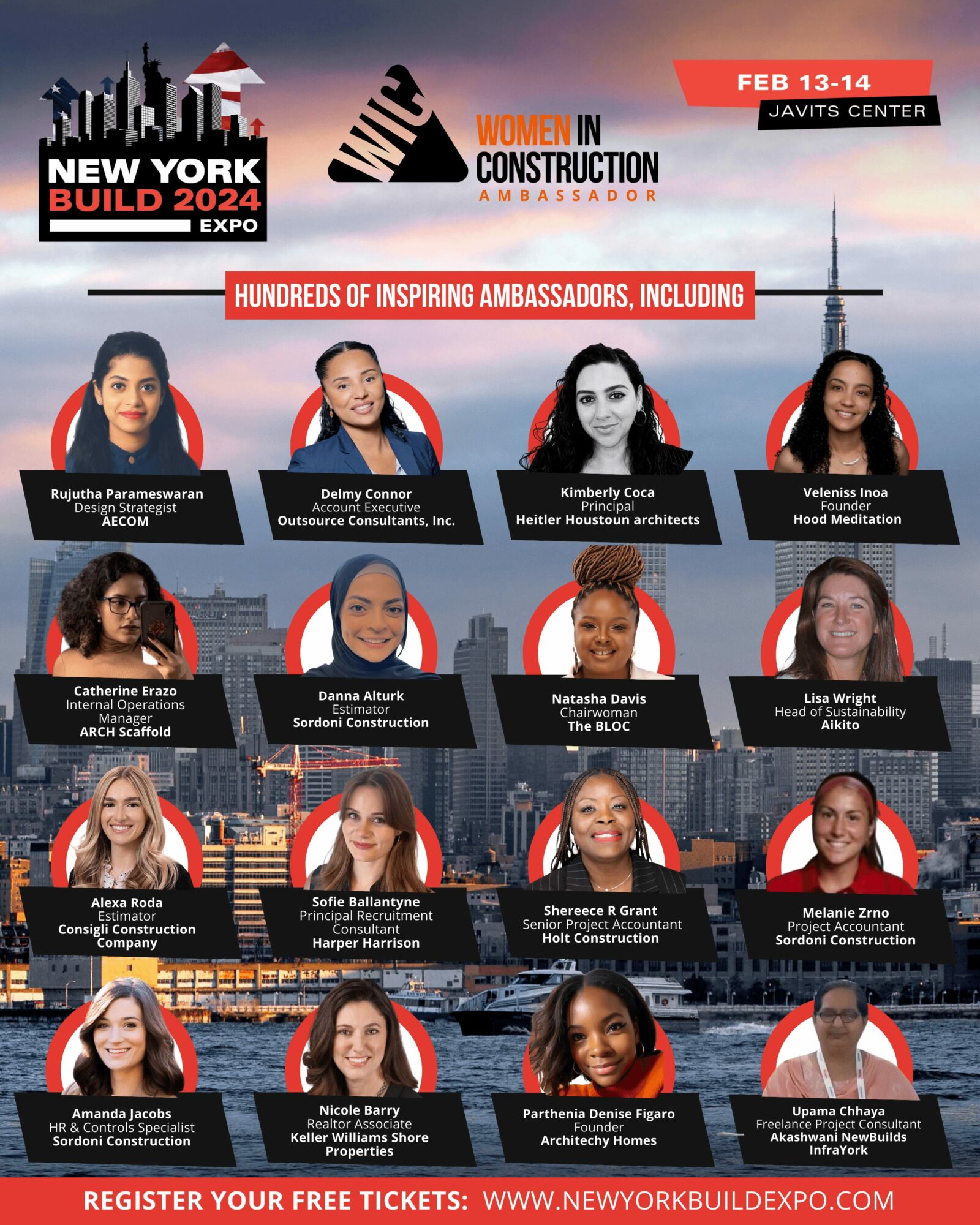
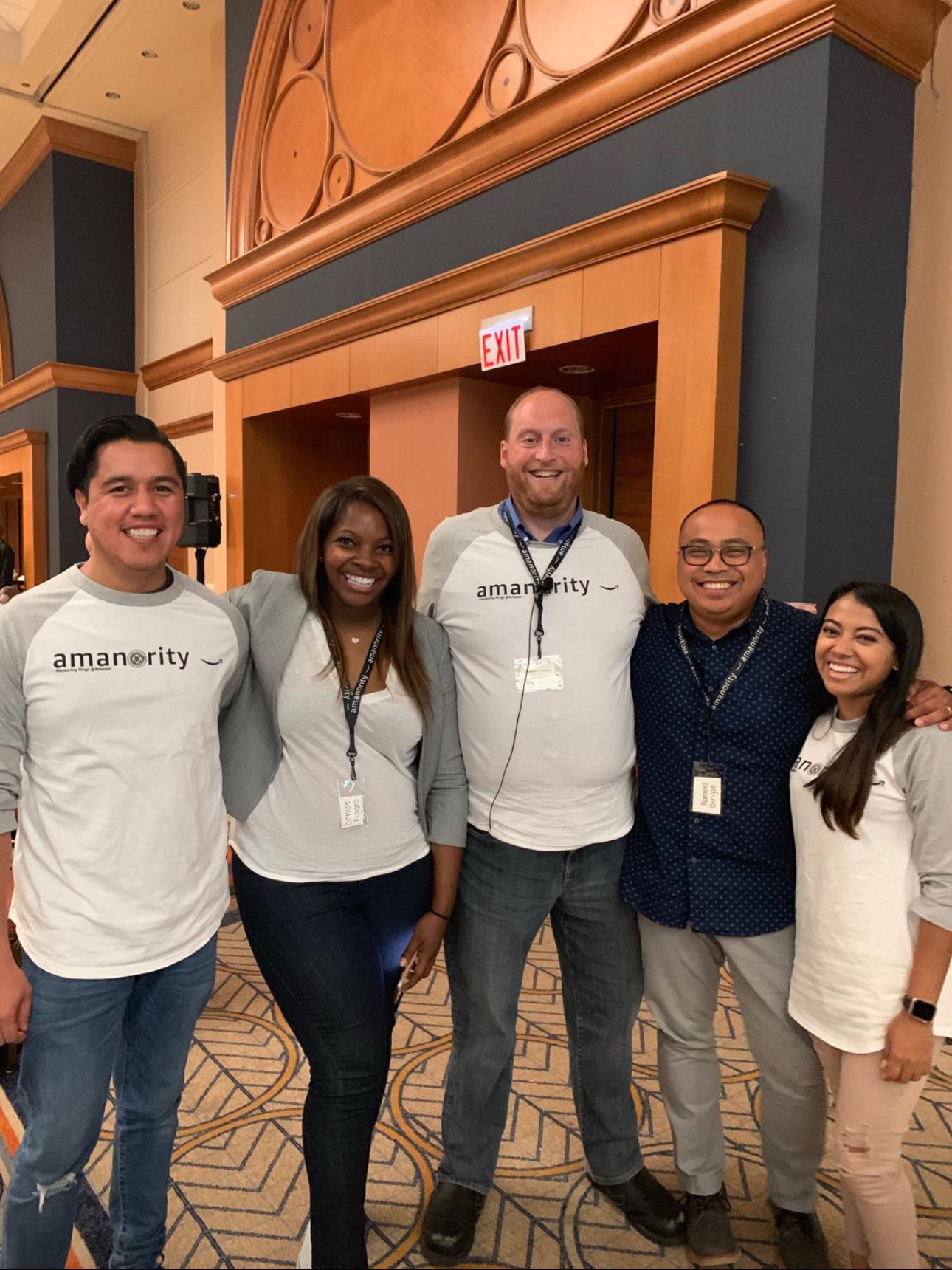
Being a Women in Construction Ambassador for the New York Build Expo for two years in a row has also opened doors — not just to industry insights but to other powerful women breaking barriers in male-dominated spaces. Sometimes you mentor each other just by standing beside one another, representing something bigger.
My advice: Don’t just look for mentors who have titles. Look for people who live in alignment with the values you admire. And don’t be afraid to build your own table while you seek wisdom — your journey can be mentorship in motion for someone else, too.
Contact Info:
- Website: https://bio.site/architechie
- Instagram: @esinedfigaro |@architechie_
- LinkedIn: https://www.linkedin.com/in/pdfigaro