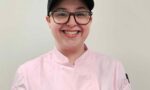






Today we’d like to introduce you to Carol Rose.
Hi Carol, thanks for joining us today. We’d love for you to start by introducing yourself.
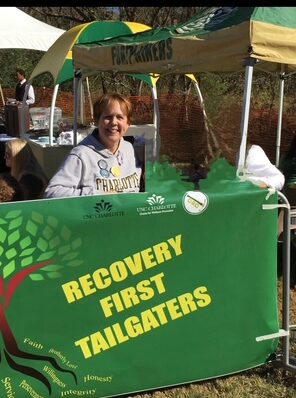
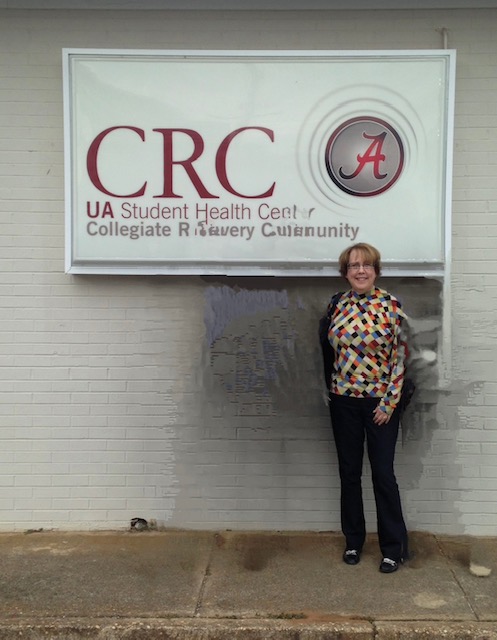
My journey began around 2008 when a family member needed treatment for substance use and mental health issues. After treatment my family member had a desire to return to college safely. This led me to “Collegiate Recovery Programs” (CRP’s). This program is a social model of support for students in early recovery. Texas Tech University created a replication model for any university to use so I explored the possibility of bringing it to UNC Charlotte. A friend introduced me to the Vice Chancellor of Business Affairs at UNCCharlotte and I pitched the idea for the first UNC university to provide this support to their students. It became official in 2011 and subsequently now there are 12 UNC schools and a few Community Colleges and 2 sober high schools in NC. I’m very proud to be a part of such a program. I left UNC Charlotte in 2015 to help write Policies and Procedures for UNC Chapel Hill’s CRP and then started working for a long term treatment program that focused on young adults who were experiencing both mental health and substance use issues. Throughout my 10 years there, I spoke to many parents who were very distraught, confused, angry and scared. Helping the parents navigate their own recovery became a passion of mine and I began focusing on trainings where I could learn how best to help them. I am a Certified Recovery Coach and group facilitator using the “Invitation to Change” ITC model and CRAFT, which help families help their loved one find their own motivation to change and find wellness.
We all face challenges, but looking back would you describe it as a relatively smooth road?
My struggles were not unlike any family who feels angry, scared, and unsure how to support a loved one who struggles with substance use. I had no first hand knowledge of addiction and my biases were rooted in the belief that this was something you could “control” and if not, treatment would “fix” it in a finite length of time. I’ve learned many things since those early days and most importantly “one size does not fit all”. The journey has been long and my pivotal moment was understanding how trauma effects decisions and behaviors. A trauma response is often a “fight, flight or freeze” and learning communication skills, self-compassion can be empowering. It gave me an understanding “why” I was “frozen” in doing anything and that I could “do” something to help myself and my loved one was very empowering.
Thanks for sharing that. So, maybe next you can tell us a bit more about your work?
I retired in March 2025 after 10 years working for a treatment program that provides care for substance use and mental health issues. Throughout my time there, I spoke to many families who were “lost” in how best to support their loved one’s substance use and mental health issues. Though “retired” from the day to day responsibilities, I am very passionate about helping families find the help they need to get well. I have been providing individual and group support to families touched by addiction. I utilize CRAFT (Community Reinforcement and Family Training) and the Invitation to Change (ITC) model of support which incorporates “kindness and science” to help people change. All my work is done virtually so I am able to help family members anywhere in NC or beyond learn how to help their loved one find their own motivation to change.
I am most proud of being the founder and first Coordinator for the Collegiate Recovery Program at UNC Charlotte. This university was the first in NC to support students in early recovery and now there are 12 UNC universities, a few community colleges and 2 recovery high schools.
I believe what sets me apart from others is that families are often “a side note” and given very little help when their loved one is exploring treatment. My “lived” experience and training provides a solid foundation for families to start their own journey of recovery. They know they are understood and not alone. Helping the family members find their own recovery is a great message to the loved one that they are not the “bad guy” and that everyone needs support.
Where do you see things going in the next 5-10 years?
I’ve seen a focus in NC to train peer support specialists (PSP) who can then support the “person of concern” get help and sustain their recovery journey. Hospitals, and first responders are among the first to use PSP’s. Family support coaching is now being seen as another “spoke” in the wheel of recovery. You can’t treat just the “person of concern” and then put them back in the “sick” soil and expect them to thrive. The soil needs nutrients and water and sun to thrive. Treatment facilities , both residential and outpatient care are looking at how they can best support the entire family through this long journey. I am working with a couple of programs right now to provide this ongoing support for families.
Pricing:
- $150/hr for individual work
- $540/6 week support group. Starts 1/8/26
- Free 4 week virtual support group
Contact Info:
- Website: https://www.coachingfamiliestorecovery.com/
- LinkedIn: https://www.linkedin.com/in/carolrosemhdl/
- Other: https://www.psychologytoday.com/profile/1097670