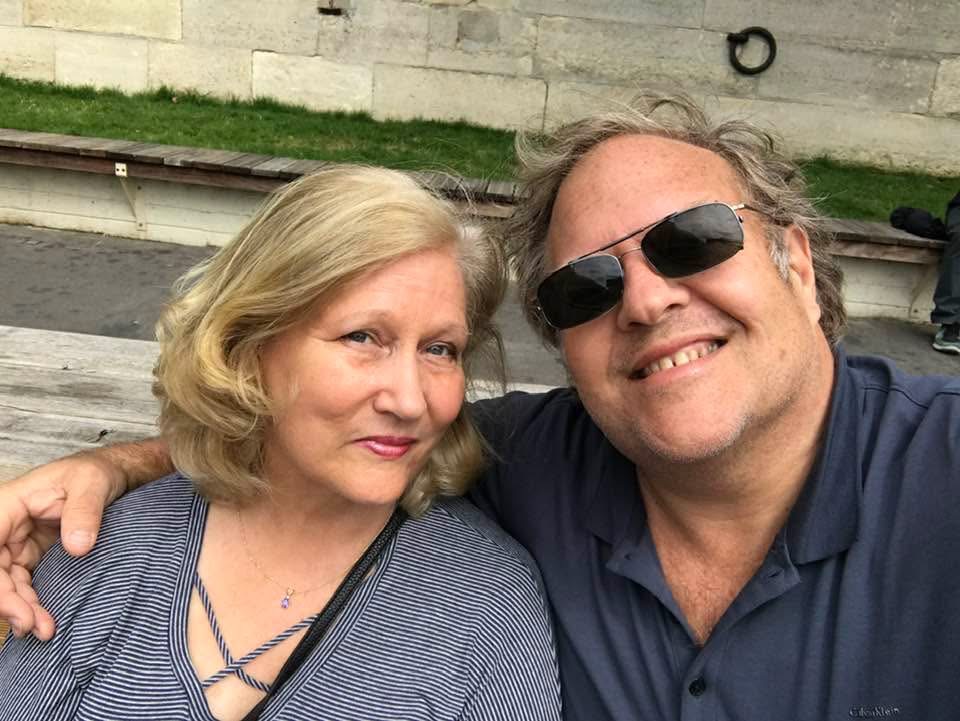





Today we’d like to introduce you to Laurel Kilgore.
Hi Laurel, please kick things off for us with an introduction to yourself and your story.
Sure!
Saltire Gallerie brings together long years of related work and experiences with the sheer serendipity of place and time.
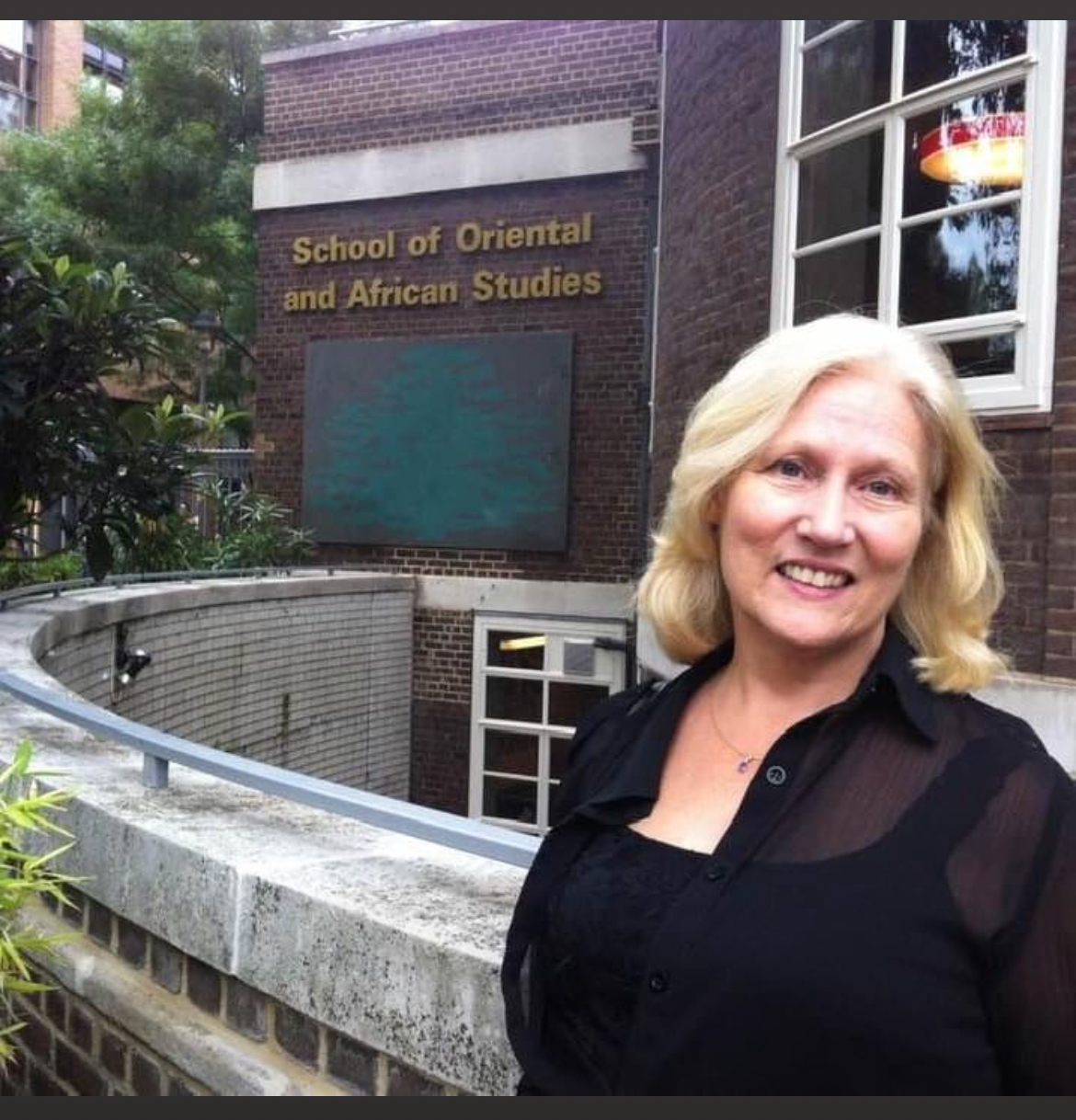
Perhaps it began in the Gallerie Affrica, on R Street NW, Washington DC, where my imported African art pieces became part of the Smithsonian Museum permanent collections. This prompted research that took me to art collections across the United States, the UK and southeast Africa, and ultimately led to the completion of my PhD in London School of Oriental and African Studies and the publication of my dissertation on the interpretation and significance of African masquerade art.
During the field research for that degree, which I conducted in Malawi, I had the pleasure of collecting, documenting and exporting 150 objects for the British Museum. In this role, I worked with local artists, leaders of the secretive artistic society, museum professionals, academics and government officials in art and antiquities. A few of my own African pieces acquired during this time are currently on exhibit in the North Carolina Museum of Art as well.
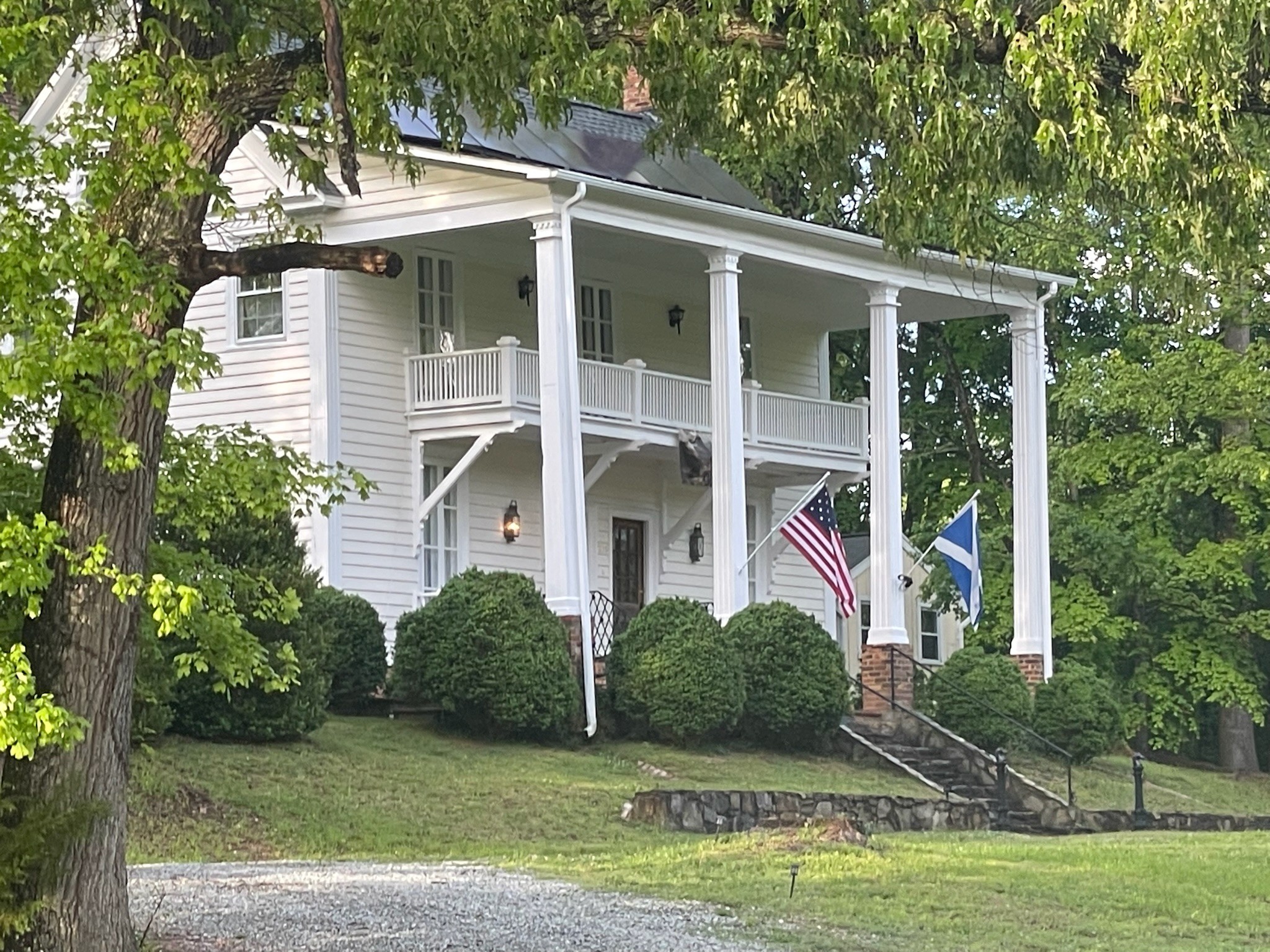
Upon completion of my doctorate, I had the good fortune to become attached to the University of St Andrews, where my favorite course to teach was Anthropology of Art. My interest in other forms of art continued to grow and develop while living in Scotland, and I began taking a keen interest in fine Scottish art and artists. This growing interest culminated in the establishment of Saltire Gallerie, which came to fruition in 2022 after my husband and I chose to take on a fixer-upper 18th-century home in Hillsborough, built by a Scottish immigrant, from which the gallery operates.
Saltire Gallerie reflects a wonderful sense of place and history, as descendants of the original builder and owner of the home, James Hogg, occupied the house continuously for more than one hundred years. It just had to be a gallery of Scottish and British art, and it just had to focus on the 1800s.
This seems long, but that is the story!
Can you talk to us a bit about the challenges and lessons you’ve learned along the way. Looking back would you say it’s been easy or smooth in retrospect?
It is easy to gloss over difficulties with happy conclusions. After all, there are always struggles on the road to creating something wonderful.
Personal and financial struggles are part of everyone’s story. I imagined a business like mine for a couple of decades, in different places and with different arts. It finally came together in ways that were not anticipated or planned. It was the right business at the right time. That is the serendipity of it.
It was certainly a risk, and it is still is a risk! But what business venture does not have risk?
Having a business within a home was a longtime ambition. The most tangible difficulties in establishing it were with the local town and county governments, which were not entirely on board with an art gallery in a home. While I had seen so many wonderful examples of successful businesses operating from personal residences, including small art galleries, local government seemed to be wrestling with the concept, trying to enforce new build commercial codes in my historic house. There were various instances of choosing to define my project in ways that, in my view, made coordination and inclusion more difficult than necessary.
Three years into the operation of the gallery, however, with support from a number of really great local folks, as well as help from a few local government officials that actually understood the project, all these initial setbacks appear to have been successfully resolved.
Being a sole proprietor (with help
from my husband and friends) in this business always presents challenges: trying to be in two places at once, dealing with illness, tackling issues at 4:00 a.m. to coordinate with European businesses, and having to post artwork too often at midnight. For this reason, Saltire Gallerie is mostly open by appointment, as well as on special occasions.
Recent political and economic events and circumstances have been challenging as well. Tariffs on imported goods, impacts on overseas shipping, currency fluctuations, and the fluidity of art pricing in general make managerial decisions all the more complicated, yet these things are also what makes the business of fine art a stimulating one for me.
Thanks – so what else should our readers know about your work and what you’re currently focused on?
My work is largely defined by my passions. It has never been a straightforward progression on one path. I have never owned a gallery or even worked in a gallery before. I am not an artist.
What I do is research. I study the art market daily. I keep on top of my niche market, researching pieces that may become part of my collection. I look at the historical, cultural and social context of the art in my collection and this enhances the significance of the work. I am drawn to art that connects with the world of its time.
In everything I have done in my career, research has played a major role. This was true in academics, of course, but research has informed work in advocacy, in emergency food deliveries in Africa, in raising funds for causes, in human rights reporting…. all passions and pursuits of mine.
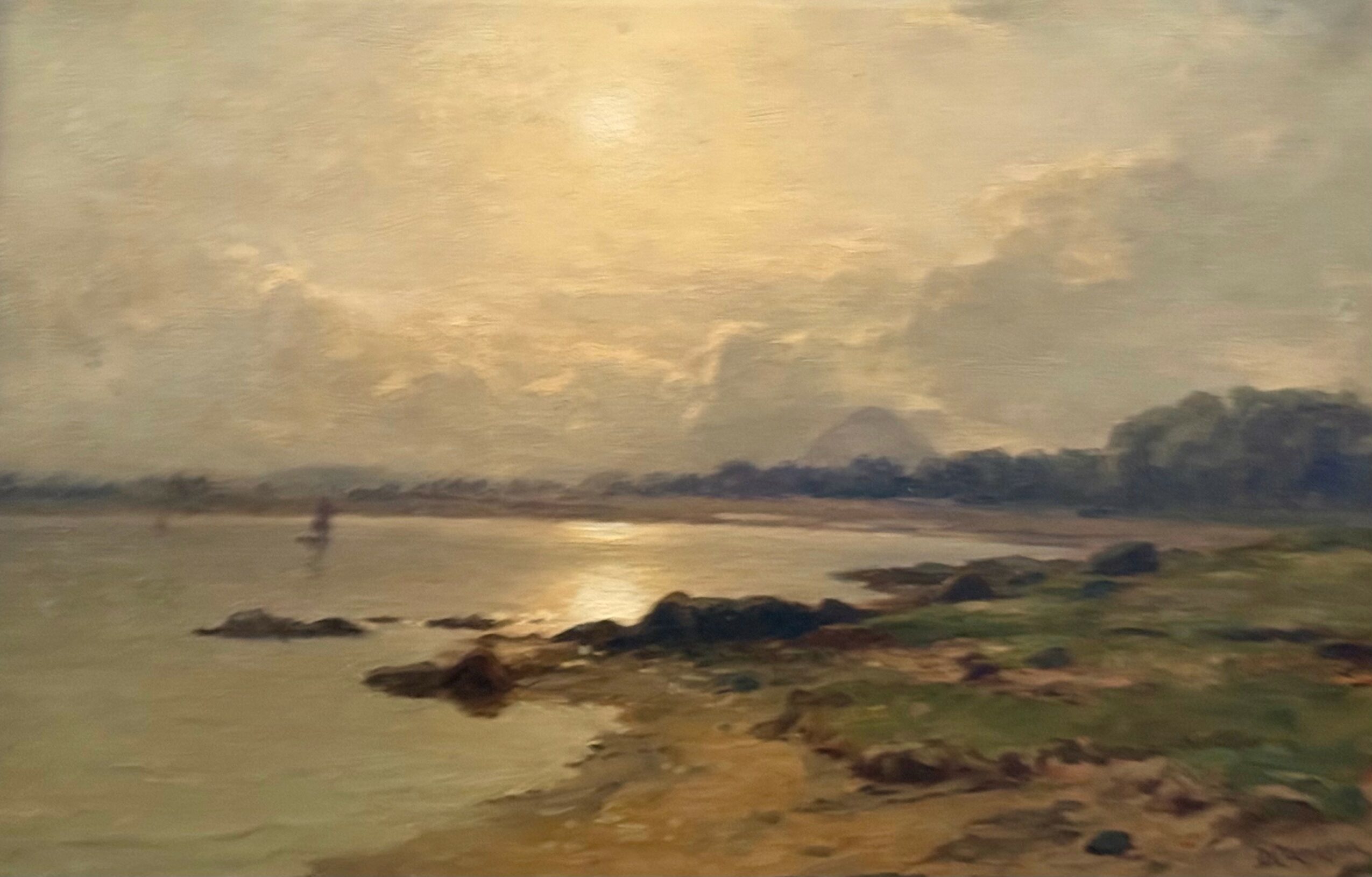
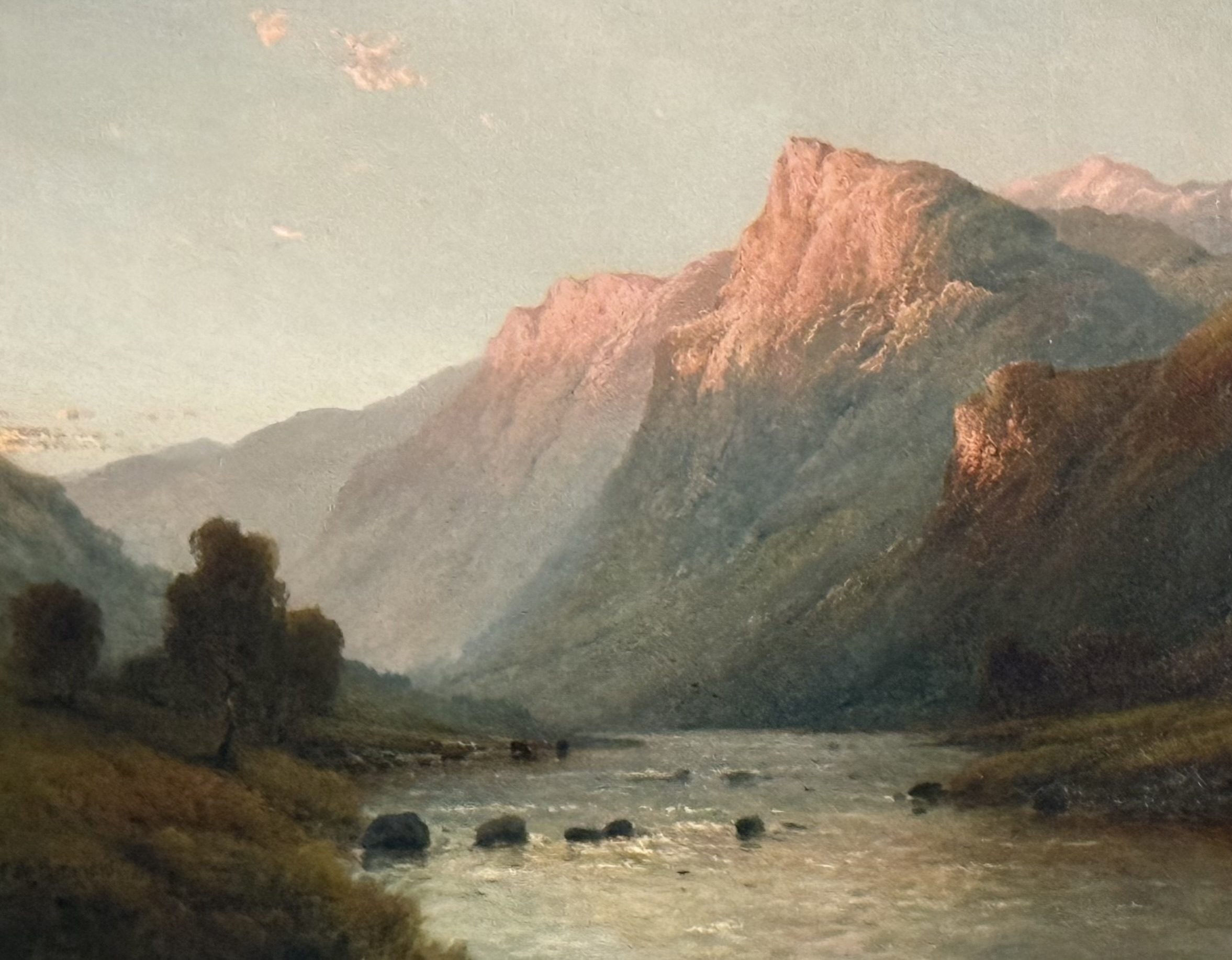
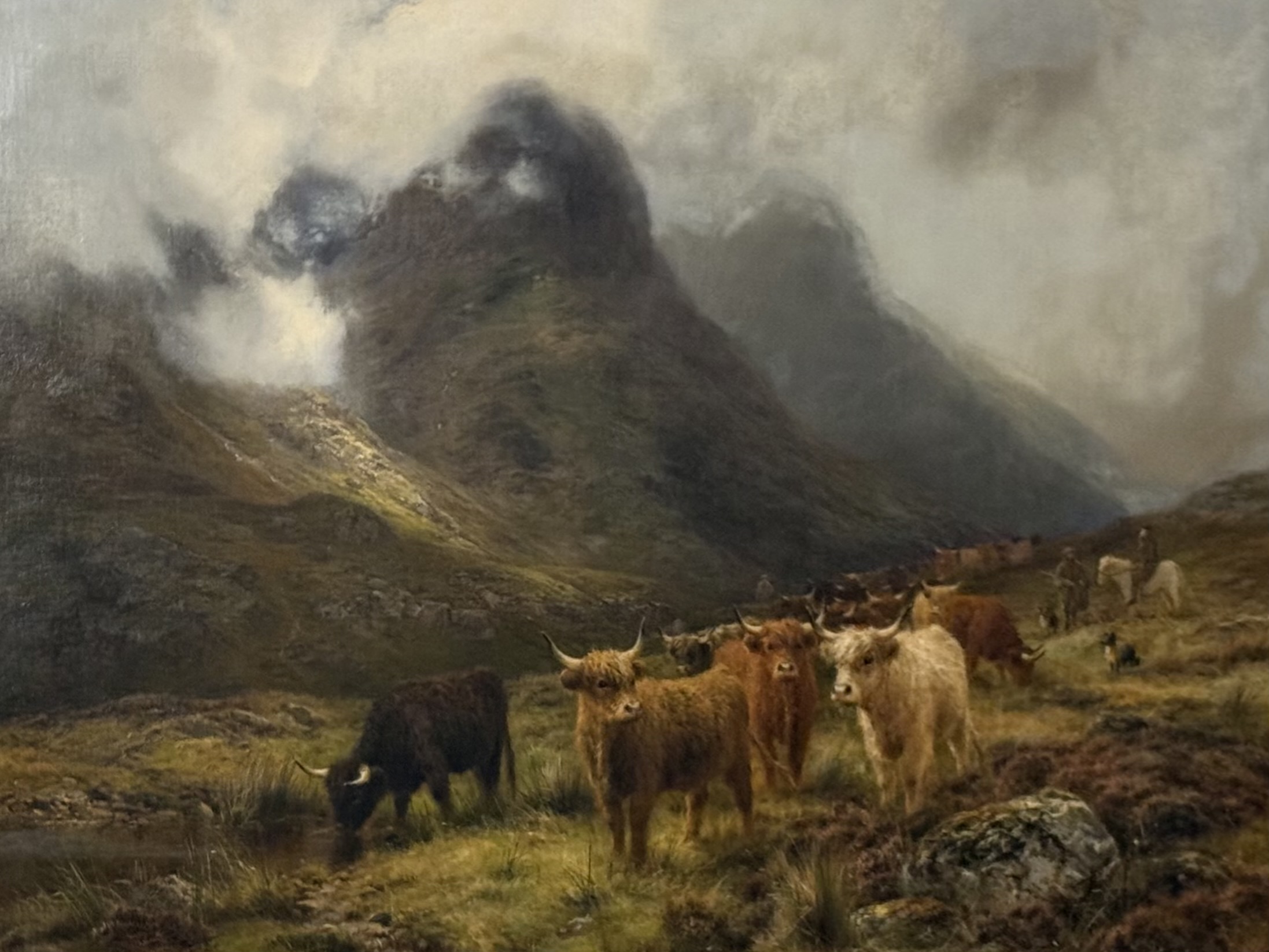
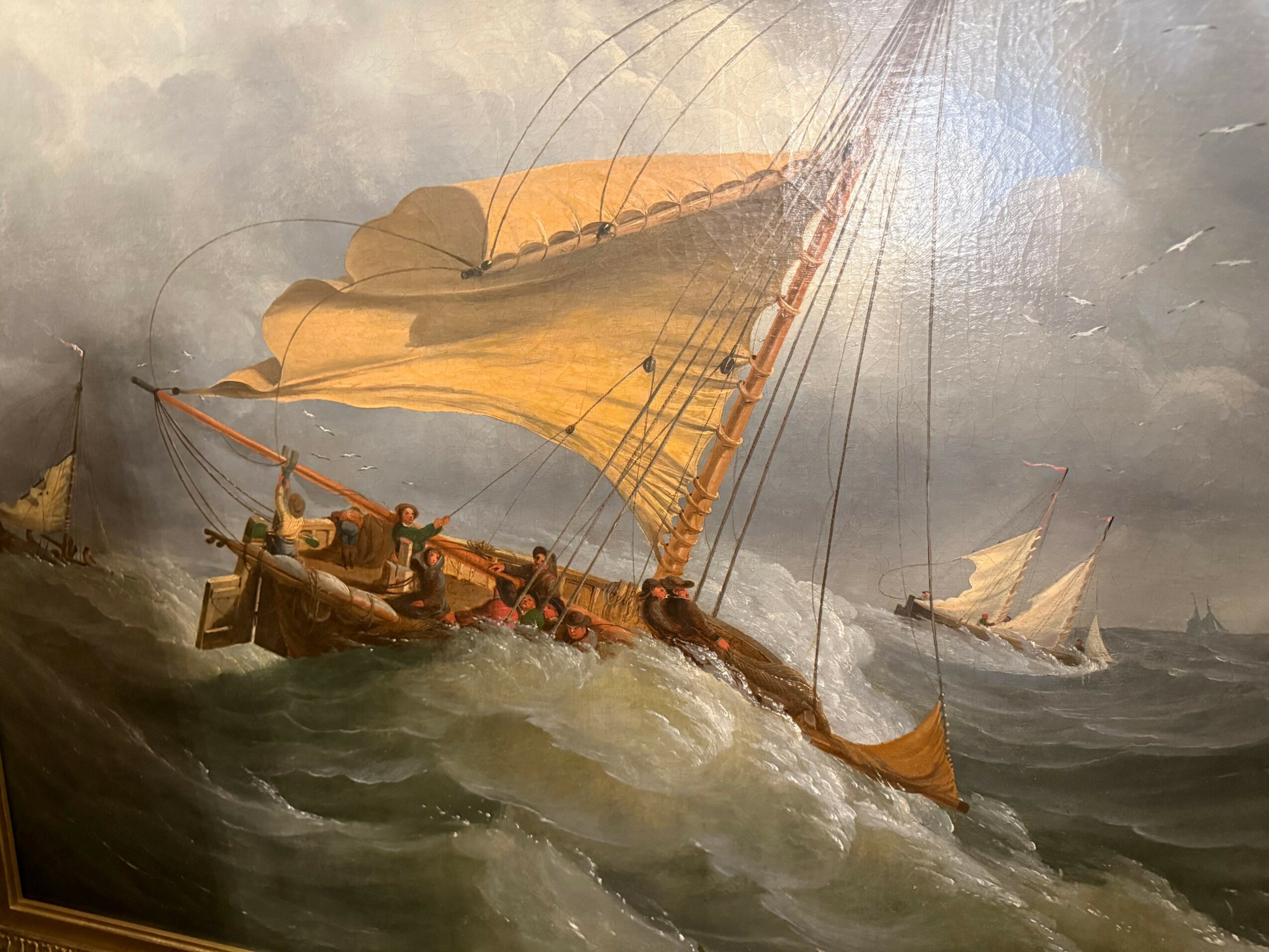
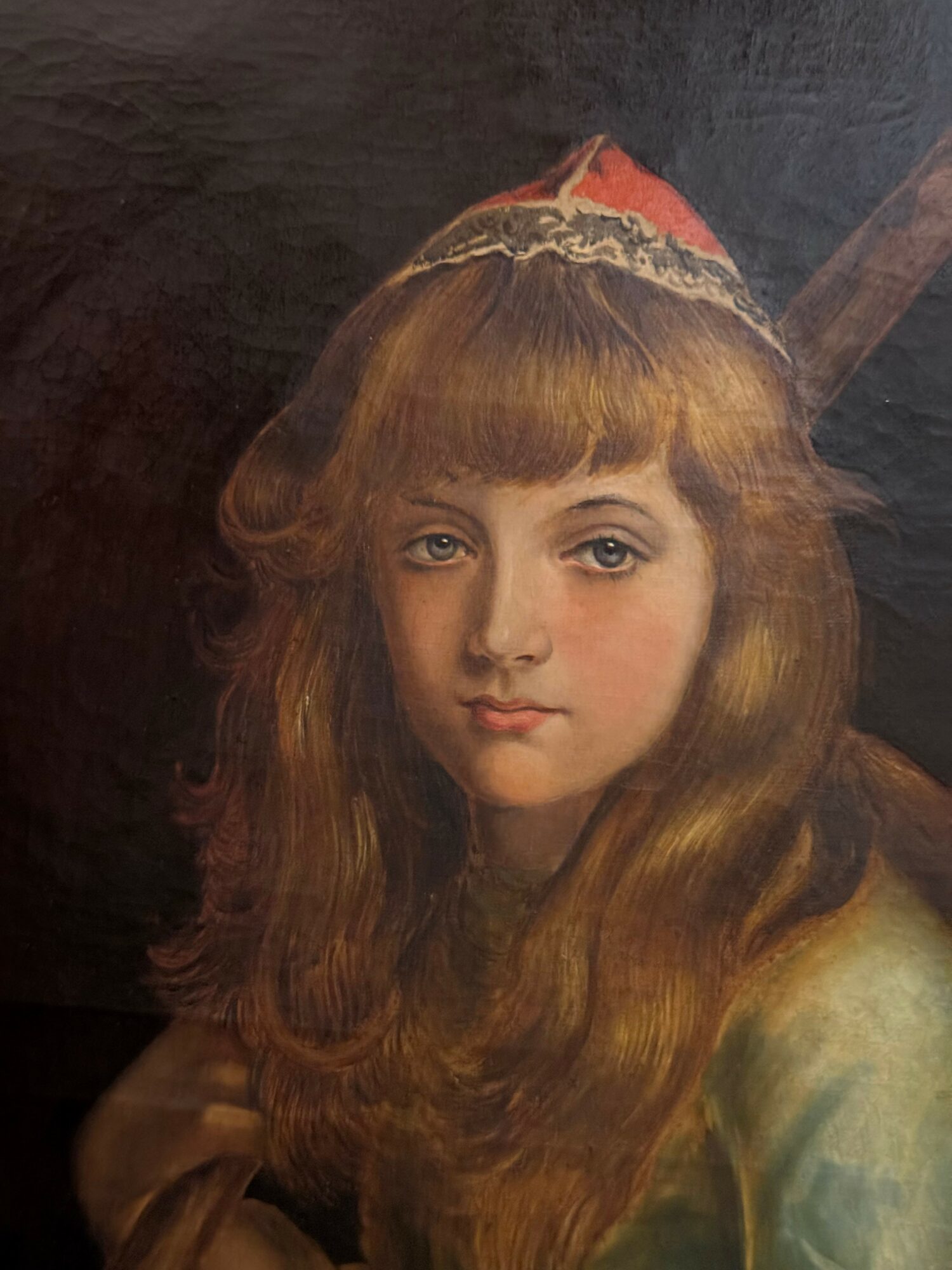
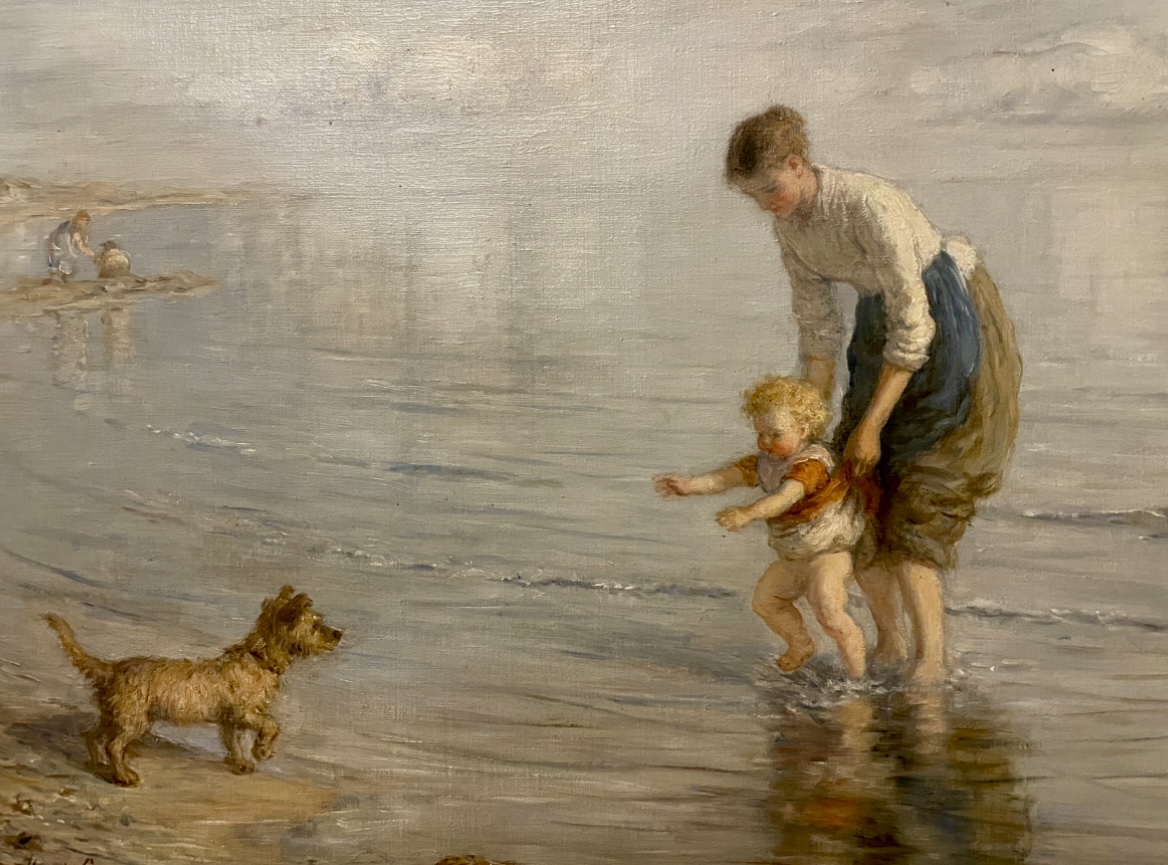
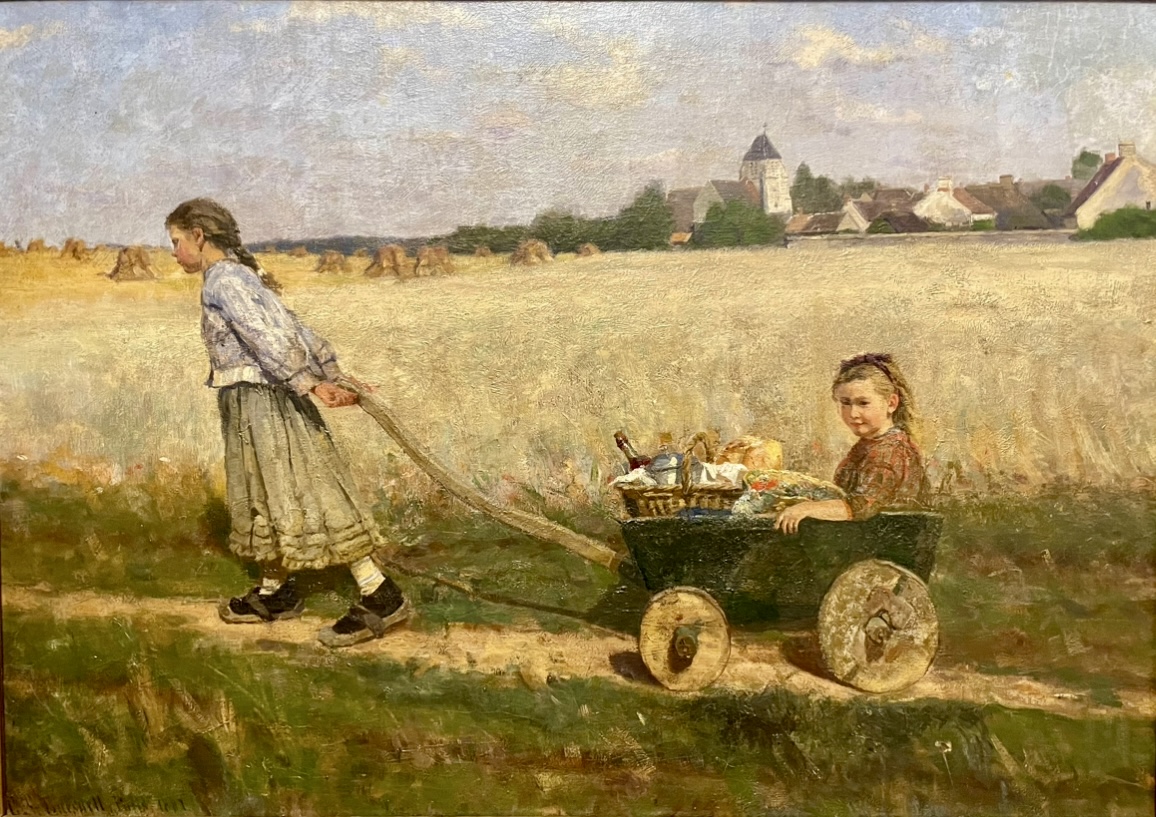
Art in my collection has connections through research with Romantic poets, the Paris Salon, Cezanne, Cinderella, Queen Victoria’s appointed artist, and a Scottish family. One painting dates back to 16th-century Bologna, Italy and the Albergati family. Many are beautiful naturalistic landscapes of the Scottish Highlands and Islands, and I imagine the efforts of plein air artists traveling to find the right place and just the right light to work their magic on canvas in the 1800s.
I do favor technical virtuosity, beauty and a sense of place in the Scottish landscapes.
One little painting I researched dated to the Renaissance, and raised questions about a famous painting in the Tate-London Gallery.
Research is a common thread that informs my strategic planning, whether it is renovating an old house or starting an art gallery. There is always more to learn. Art and design are infinitely interesting!
Collected art pieces in the gallery are often 100 years old or more, so there is a historical context to explore. Fine paintings, with age, are rarely in perfect condition. I do very minor repairs, but for restoration I turn to highly qualified art conservation experts. Working with expert restorers, art historians and other experienced professionals is part of what I do and what I enjoy.
As a member of the British Art Network I follow art research and try to contribute to knowledge when I can.
Another aspect of my work that sets me apart is the international perspective. Most of the art at Saltire Gallerie is imported to the US, and 90% is sold outside North Carolina. Art from the collection has been imported from the UK and sold to Australia, Europe and the Philippines, for example. I sometimes compete with galleries in New York and London, even though Saltire Gallerie is very, very small. The fine art market is quite international in character. That said, I would love to have more local clients and people coming by that are just curious about the collection. I hope this interview will help build more local connections!
Of what am I most proud? Surviving! Art is a tough business. Galleries are closing around the world right now. Margins in small galleries are low. So, yes I am still here!
Can you talk to us a bit about happiness and what makes you happy?
Nice question!
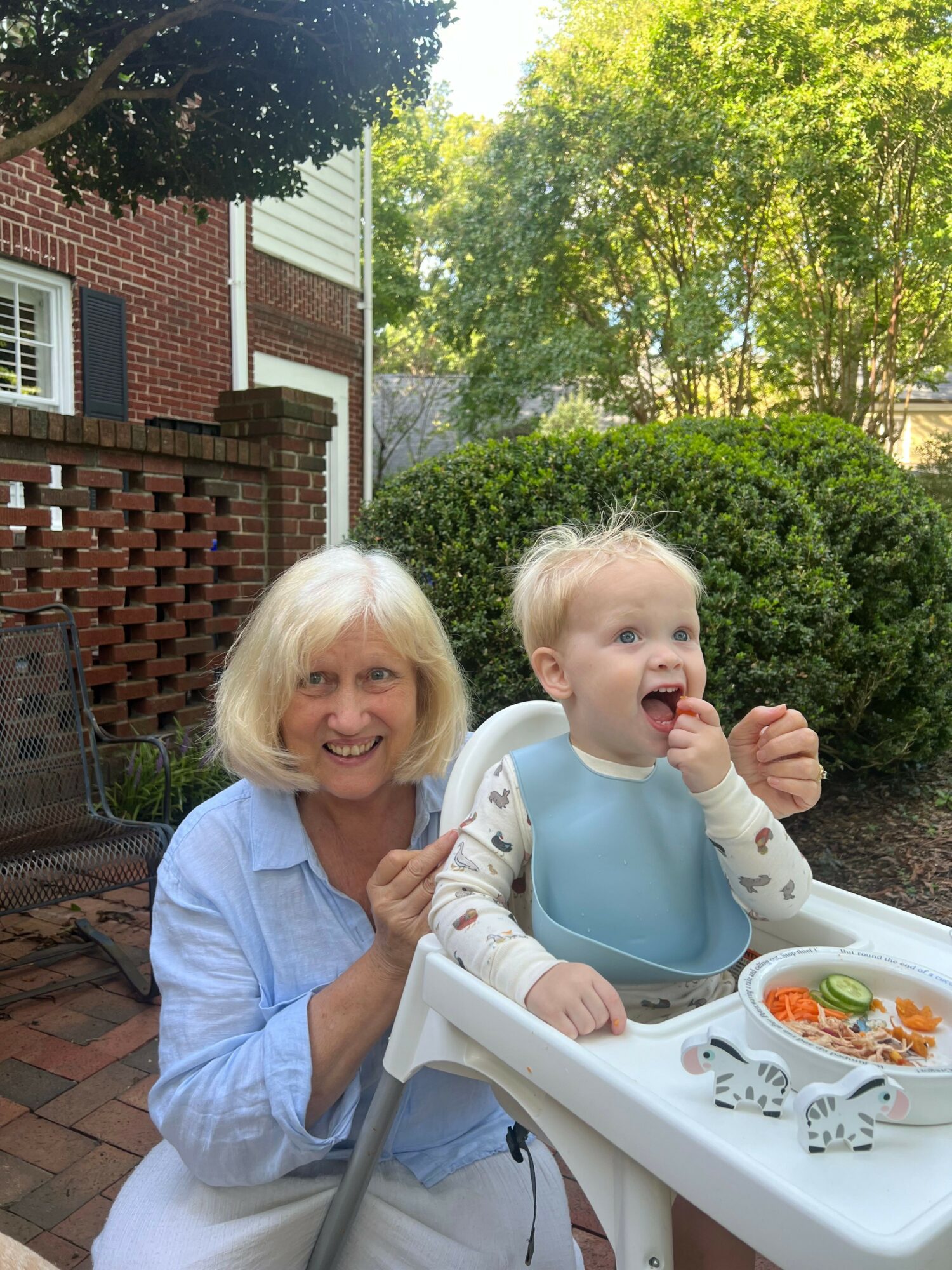
Making time to be wholly absorbed in something with purpose rocks my world. If I am playing with my two year old grandson nothing is more important. He has my entire attention and overflowing joy!
Preservation of historic artifacts, strategic planning for something that matters, designing spaces, and developing new insights are all exciting to me.
On the flip side, having quiet moments alone or with husband, family and close friends, looking at nature or art, listening to music, enjoying a social occasion, and those moments of presence when I feel truly alive, all of these inspire happiness in me.
Pricing:
- Art starts at $300-$500
- Original fine oil paintings run $900- $3600
- Recognized artists $2200- $10,000
- Select renowned artists $10,000 plus
Contact Info:
- Website: https://Saltiregallerie.com
- Facebook: Saltire Gallerie
- Other: First Dibs Saltire Gallerie storefront