




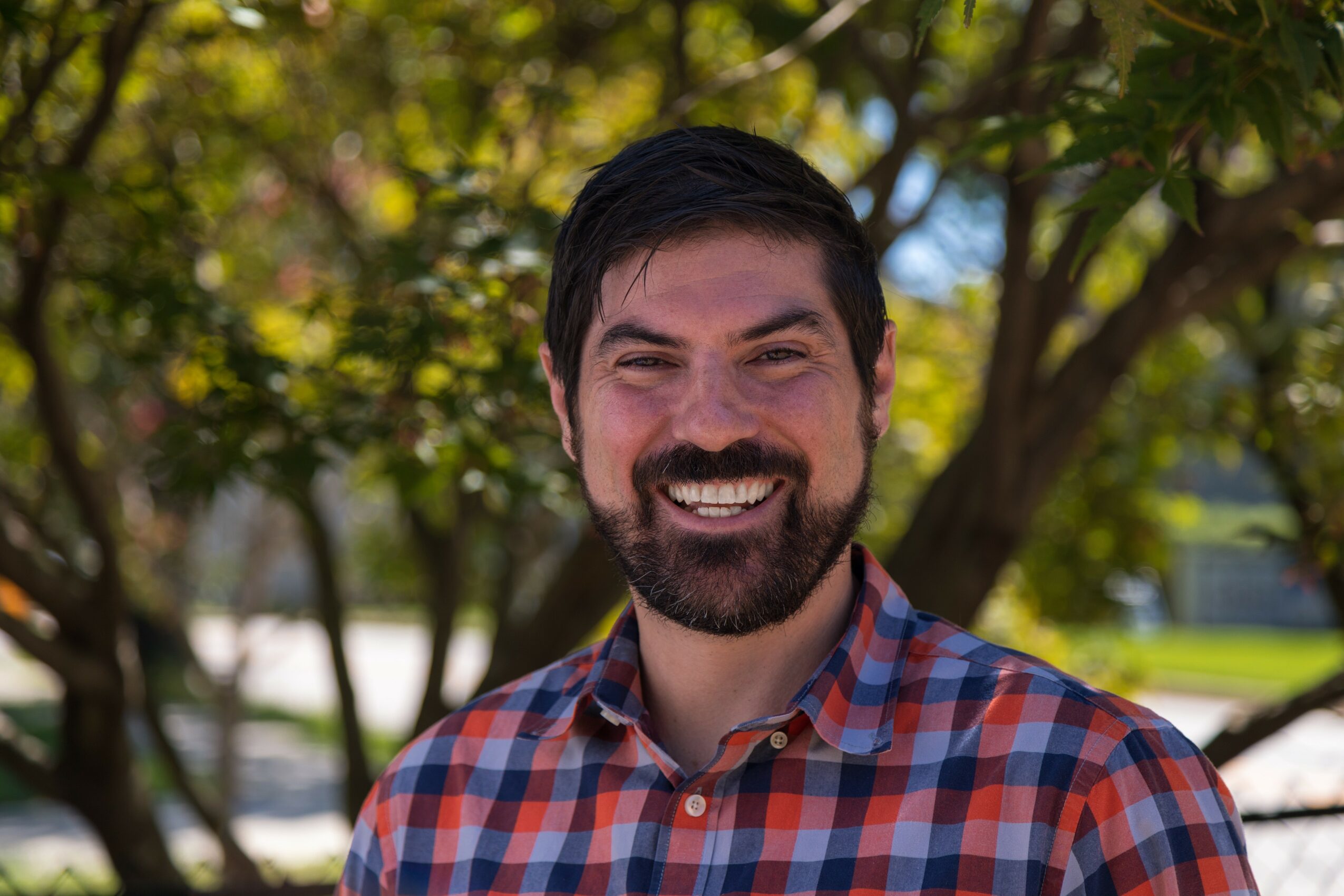
Today we’d like to introduce you to Adam Mathews.
Alright, so thank you so much for sharing your story and insight with our readers. To kick things off, can you tell us a bit about how you got started?
Sure. I’ve always been fascinated by relationships—how people connect, how they disconnect, and what helps them heal. That curiosity is what brought me into the therapy field in the first place. My career began in juvenile justice. Early on, I worked with an incredible team focused on keeping kids in their homes and out of the system. I loved that work. It was meaningful, it was mission-driven, and I was surrounded by people who cared deeply. But it was also incredibly draining. Over time I realized that while I was passionate about supporting people, I needed a different kind of environment to sustain myself long-term.
That led me into solo practice. I thought it would give me balance, and in some ways it did, but it also surprised me with how isolating it felt compared to the collaborative, energetic team I had come from. I missed the shared problem-solving, the hallway conversations, and the sense of being part of something larger than myself.
So I started taking on interns, simply because I wanted company and to pour into newer clinicians the way others had poured into me. That decision slowly grew into a group practice. As we expanded, my former boss, who eventually became my business coach, would always remind me: we often spend more time at work than we do with our families, so we should love what we do and the people we do it with. That advice has shaped every part of how I lead and how I’ve built Mathews Counseling.
Our mission has always been focused on doing meaningful work while building meaningful relationships, with each other, our clients, and the community.
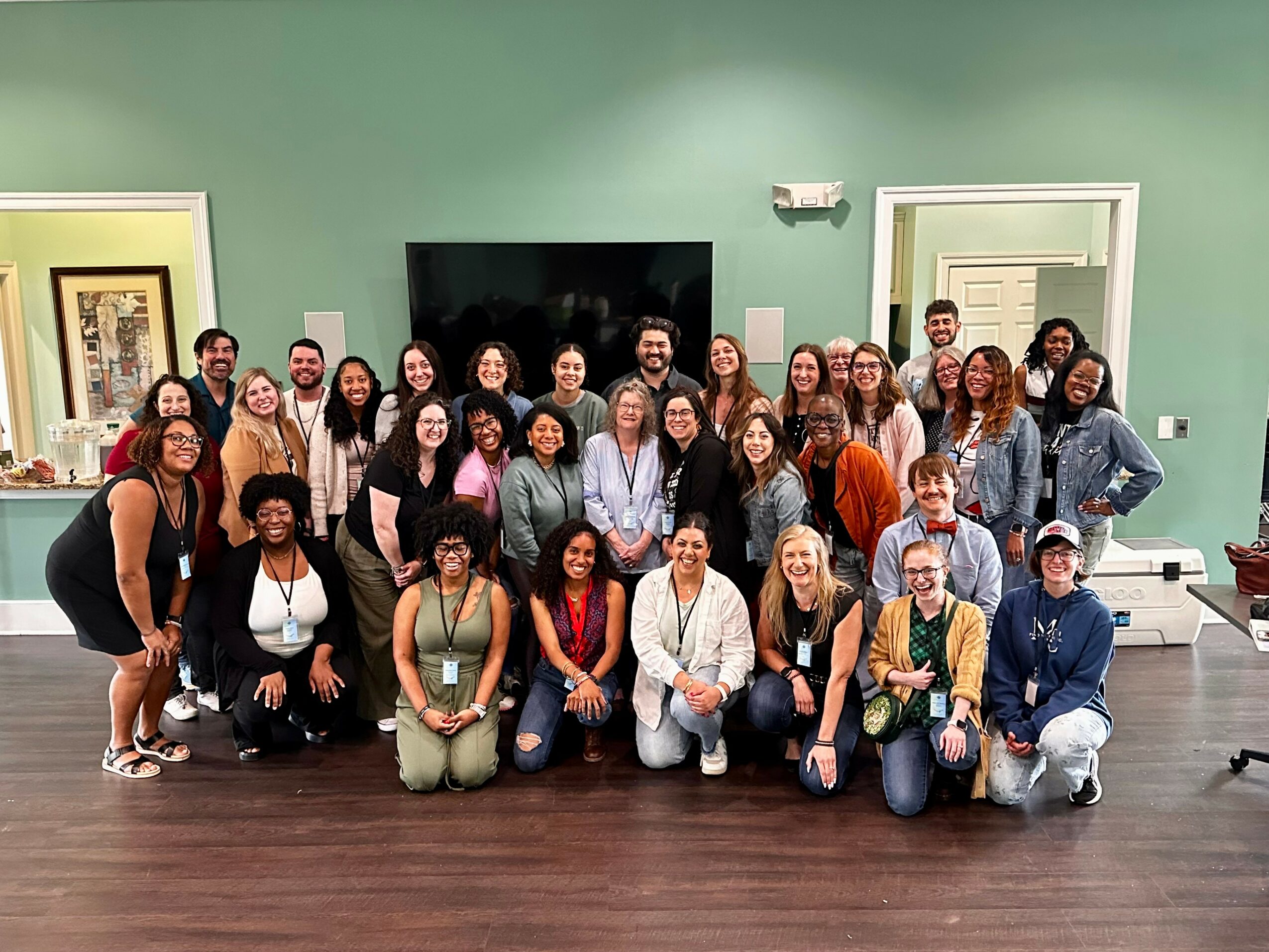
Today we’re a multi-location group practice with a strong leadership team, intentional trainings, and a culture built on authenticity, equity, and truly caring for both clients and clinicians. I still see clients, I teach, and I spend a lot of time developing systems, training, and culture so our therapists can thrive and our clients can get exceptional care.
The journey hasn’t been linear, but it’s been meaningful. Every stage—from juvenile justice, to solo practice, to growing a team—has shaped the values that guide me and the practice today.
Can you talk to us a bit about the challenges and lessons you’ve learned along the way. Looking back would you say it’s been easy or smooth in retrospect?
Not at all—and I don’t think it’s supposed to be. Building something meaningful usually comes with some bumps along the way.
As the practice grew, the challenges changed. Learning to lead people while still being a clinician is its own skill set, and I had to grow into that role. Hiring, training, creating a culture, and building systems—those aren’t things they teach you in graduate school. I made mistakes. I learned a lot. And every stage of growth required me to stretch in new ways.
There have also been external challenges: Like most practices during the pandemic, we had to pivot almost overnight from entirely in-person sessions to a fully virtual model. That shift was necessary, but it was also a major adjustment for therapists and clients. We had to quickly redesign systems, retrain staff, navigate constantly shifting policies, and figure out how to maintain the quality of care through a screen.
Telehealth ultimately expanded access and gave our clients more flexibility, but incorporating it was a significant learning curve. And even after the crisis phase ended, the ripple effects stayed with us. Our work culture changed. We’d been a very in-person, relational team, and suddenly people were spread out, working from home, or coming in on different days. Moving into a hybrid model required us to completely rethink communication, connection, and collaboration. And build intentional ways to connect with each other.
The road has been anything but smooth, but the struggles have shaped us. They’ve pushed me to become a better leader, helped us build stronger systems, and created a practice culture that’s resilient and grounded in relationships.
Thanks for sharing that. So, maybe next you can tell us a bit more about your business?
Mathews Counseling is a group practice built on the belief that meaningful change happens through meaningful relationships. We’re a team of therapists who care deeply about the work we do—and just as deeply about the people we do it with. We serve individuals, couples, teens, and families across our Cary and Durham locations, and we offer both in-person and virtual sessions to make therapy accessible and flexible.
We’re best known for the quality and specialty of our clinical care. We are known for our work with teens, couples, trauma, anxiety, and overall life transitions. We’ve invested heavily in advanced training, intensive models, and ongoing development so clients can get true, transformative support—not just surface-level solutions.
But the thing that truly sets us apart is our culture. We’ve built a practice where therapists feel supported, seen, and developed—not pressured to hit quotas. We provide intentional training, structured mentorship, and a strong leadership team so clinicians can grow in their careers while giving exceptional care to clients. When our therapists thrive, our clients thrive. It’s that simple.
Brand-wise, I’m most proud of the consistency of our mission: everything we do is rooted in authenticity, equity, and real relationship. Whether someone is coming in for weekly therapy, a couples intensive, or medication management through our partners, they’ll experience care that is personalized, ethical, and deeply grounded in who we are.
For readers, the most important thing to know about Mathews Counseling is that we aren’t a “therapy factory.” We’re a team of people who genuinely love this work. We prioritize connection over volume, values over shortcuts, and long-term healing over quick fixes. Our services—from weekly therapy to couples intensives to affordable therapy options with our interns—are all designed with that same heart: to help people feel supported, understood, and capable of real change.
At the end of the day, we exist to help people feel less alone and more connected—to themselves, to each other, and to what matters most.
What makes you happy?
What makes me happiest is seeing people connect in meaningful ways—whether that’s in my personal life or in the work we do as a practice. I get a lot of joy from watching people feel understood, supported, or more confident in themselves. Those moments are small, but they’re powerful. They’re reminders of why I got into this field in the first place.
I’m also happiest when I’m creating something. Whether it’s developing a training for our therapists, building out new systems for the practice, or working with couples in session. I enjoy the process of taking an idea, shaping it, refining it, and watching it make a real difference for someone. There’s something deeply satisfying about that.
And on a more personal level, I’m happiest when I’m with my husband and our kids, cooking, traveling, or doing something that brings us together. Those moments of connection, good conversation around the dinner table, laughter, shared experiences, are grounding for me. They remind me of what matters and give me the energy to pour into the work I do.
In short, connection and creation make me happy. They’re at the heart of my work and my life, and they’re what keep me motivated and grateful every day.
Pricing:
- We are in-network with Aetna, BCBS, and Cigna. Mental Health coverage is covered by most major medical plans.
- We also offer sliding scale fees for more affordable therapy options.
Contact Info:
- Website: https://mathewscounseling.net
- Instagram: https://www.instagram.com/mathewscounseling/
- Facebook: https://www.facebook.com/mathewscounseling/
- Youtube: https://www.youtube.com/channel/UCW6DicDycZLvYuw0MLEQZTA