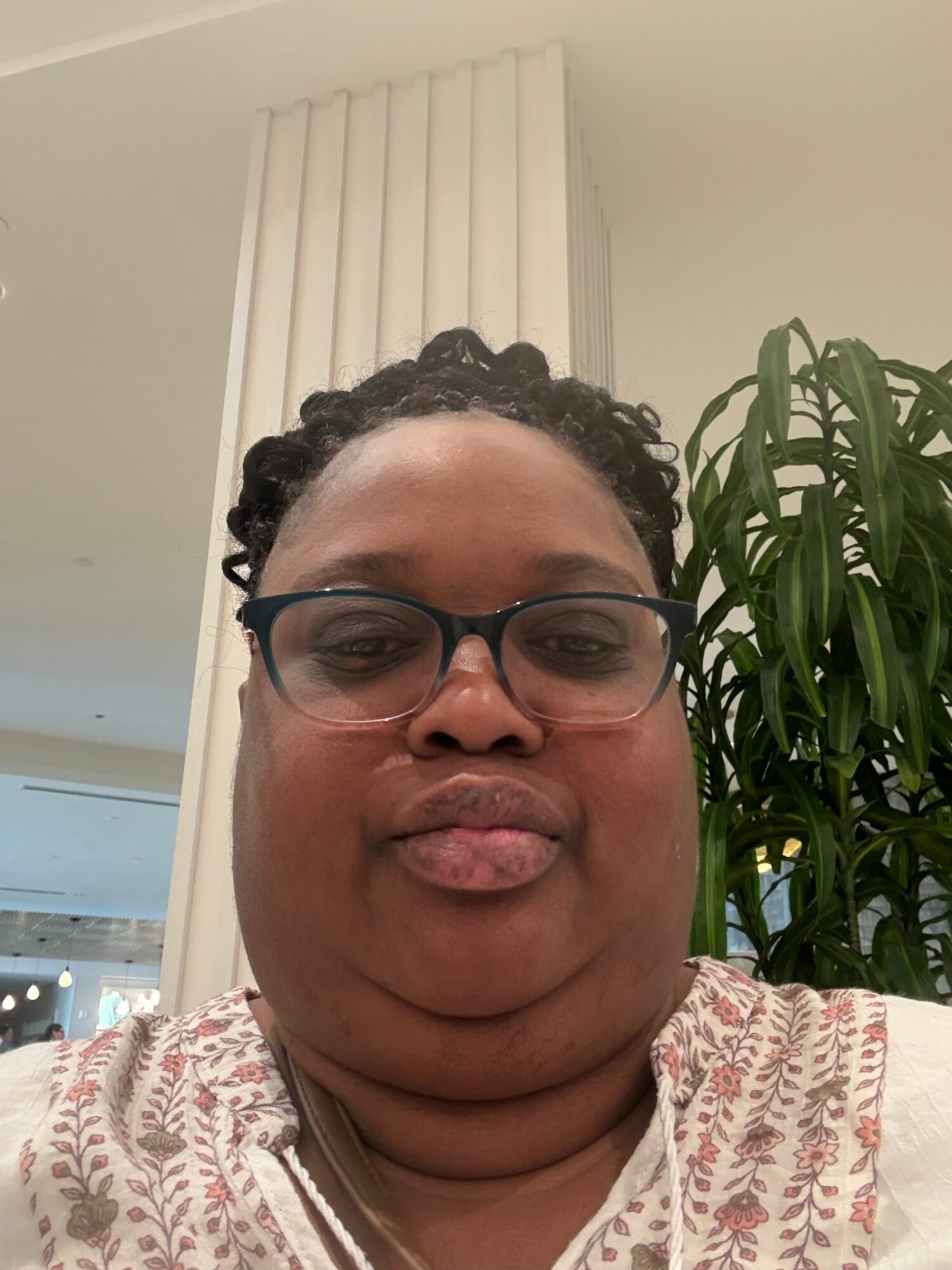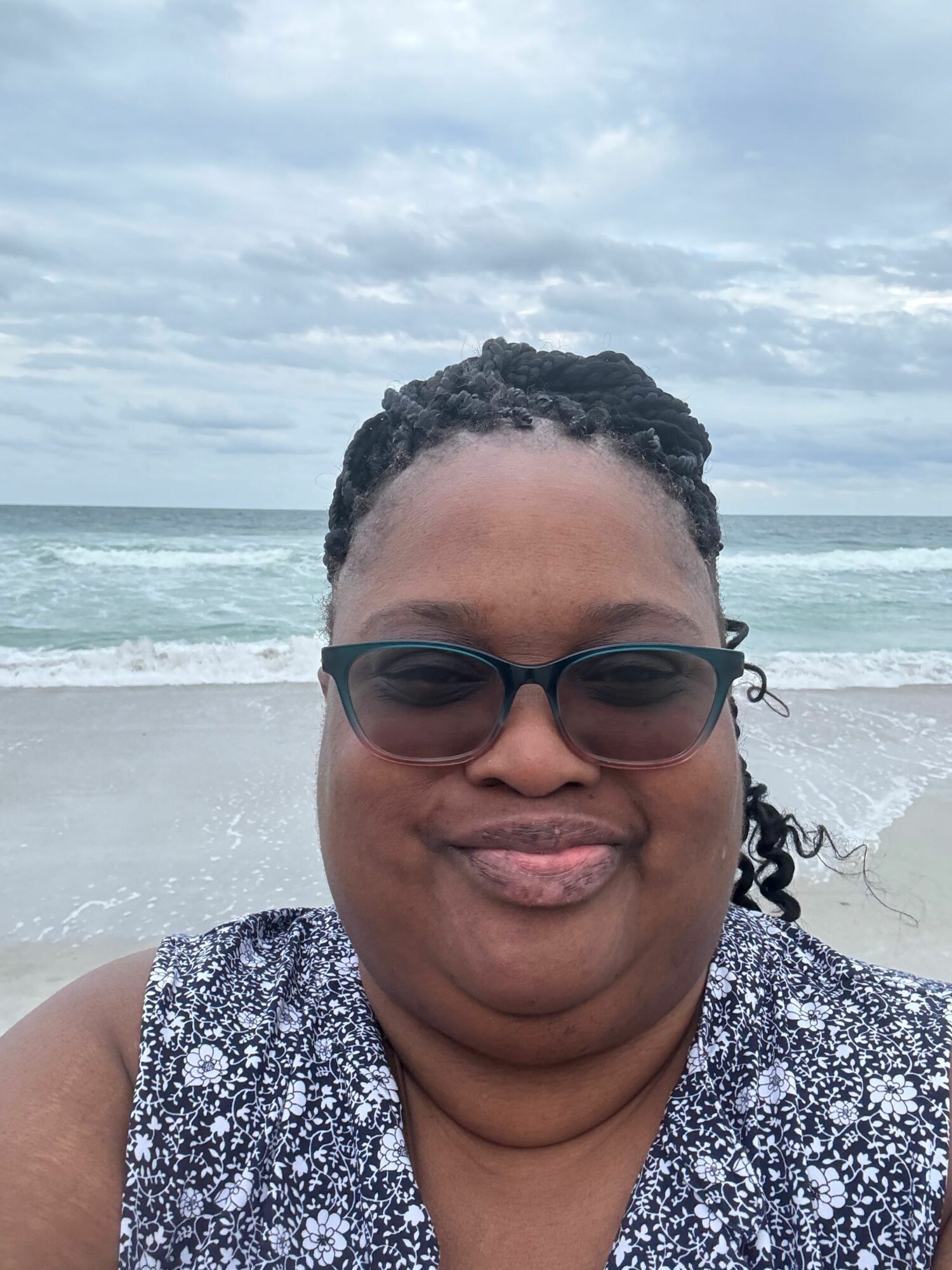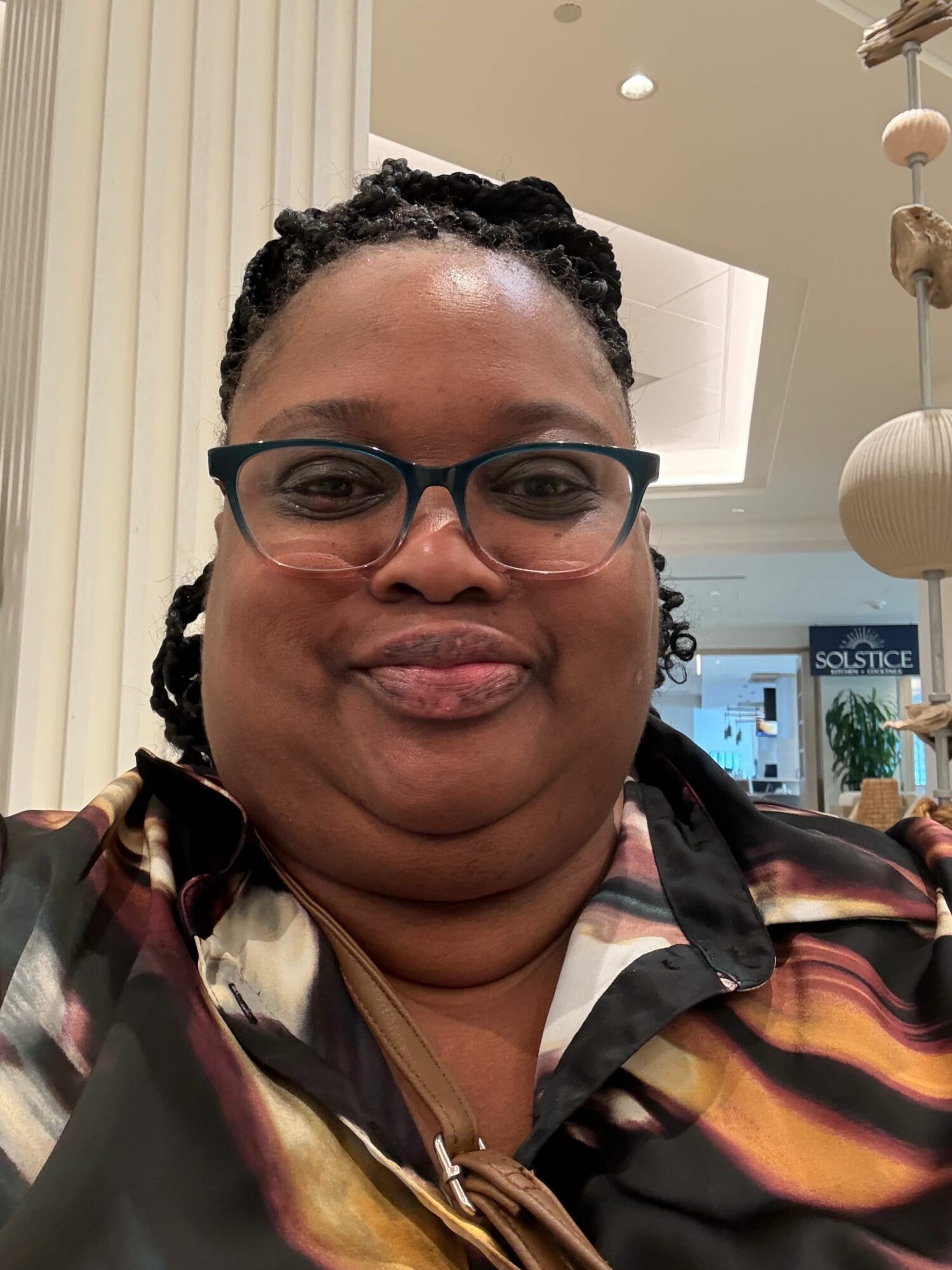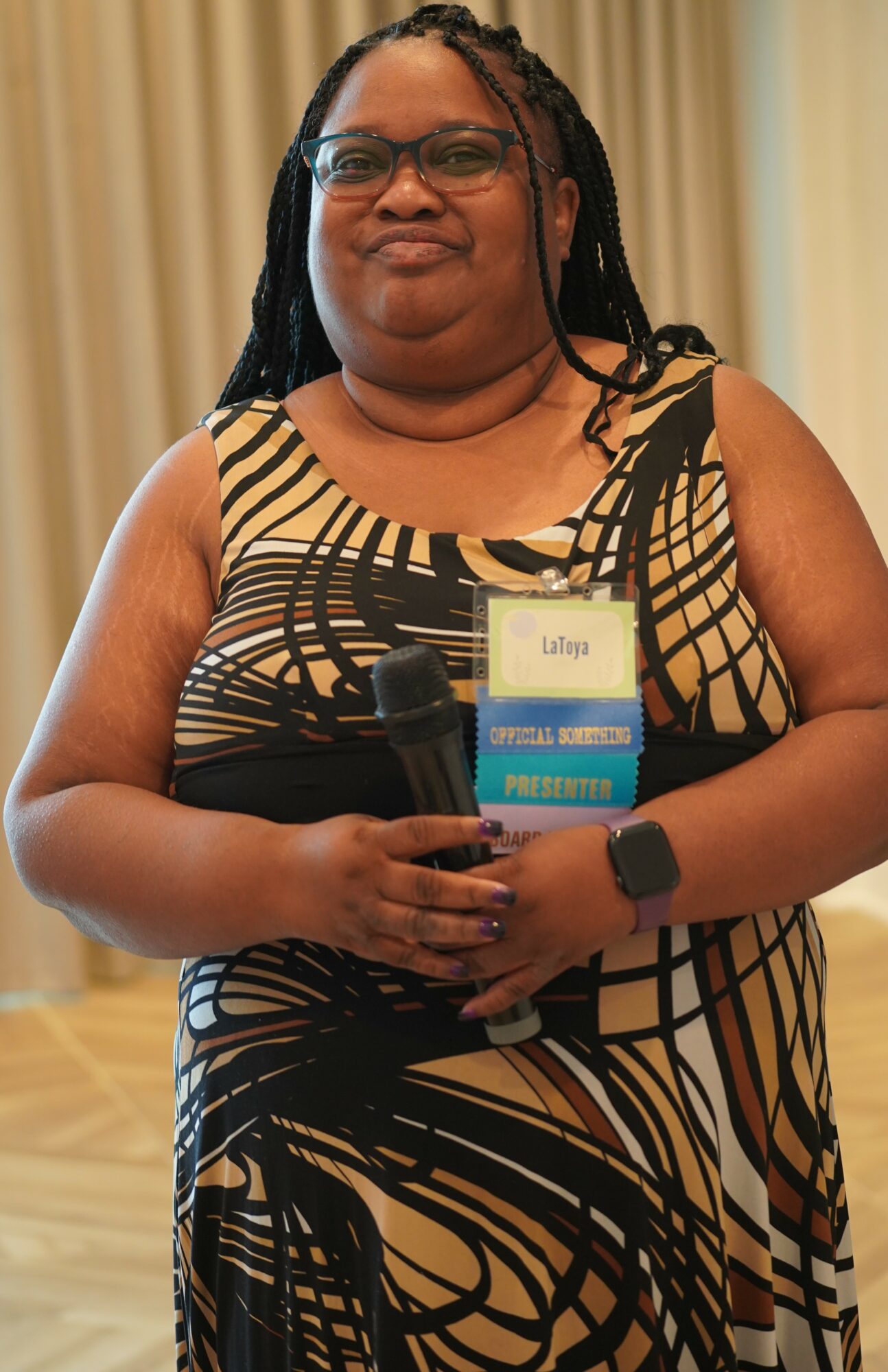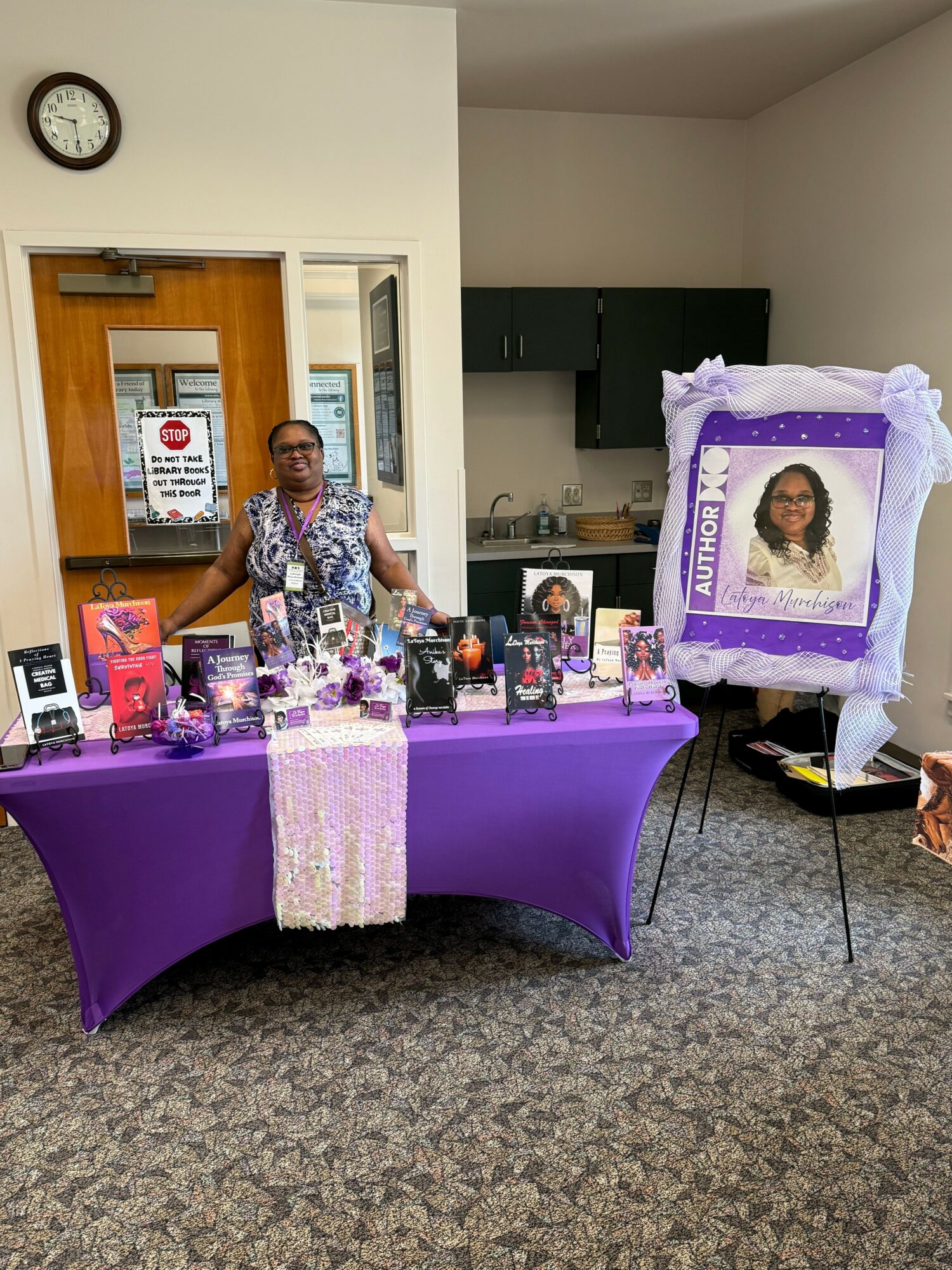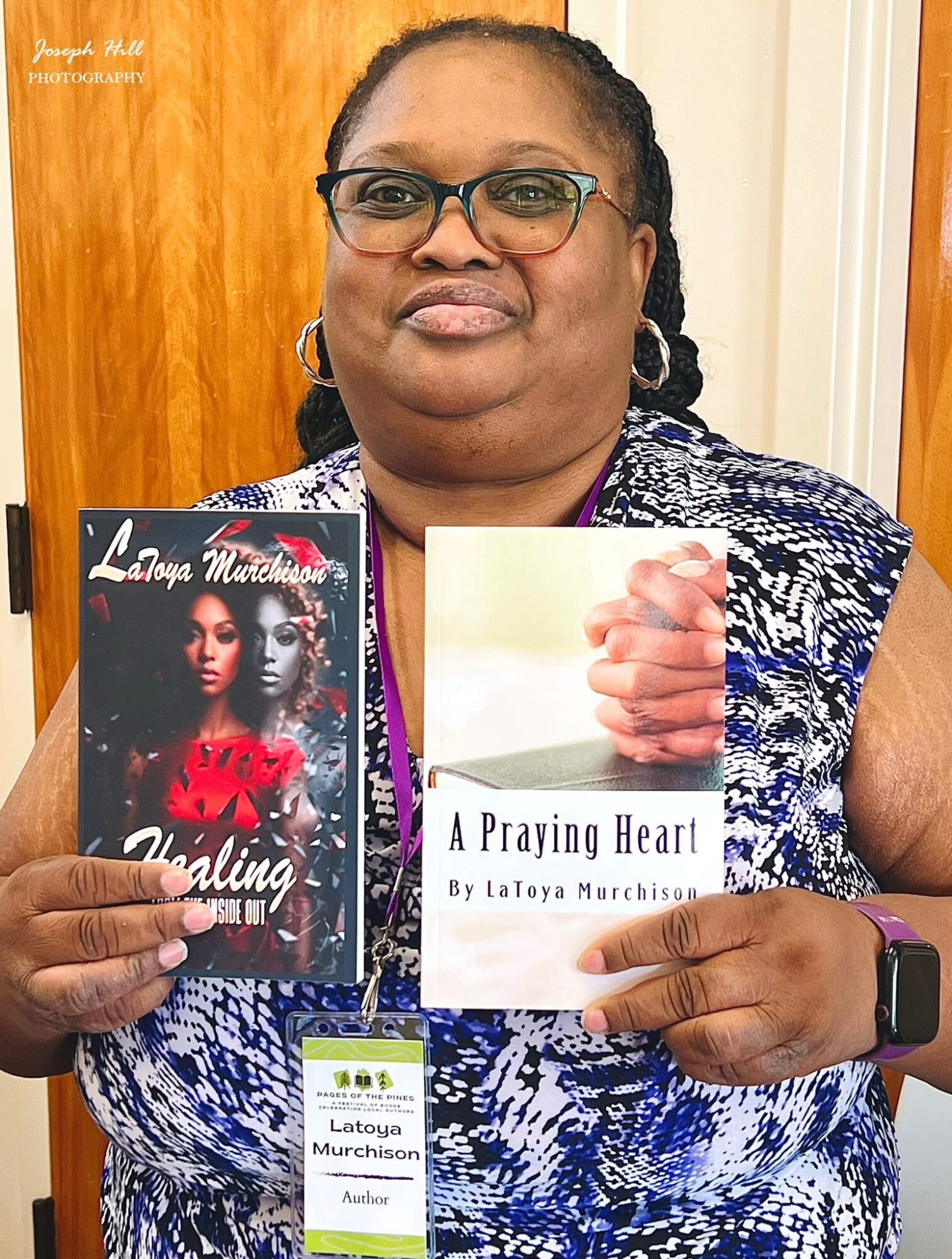



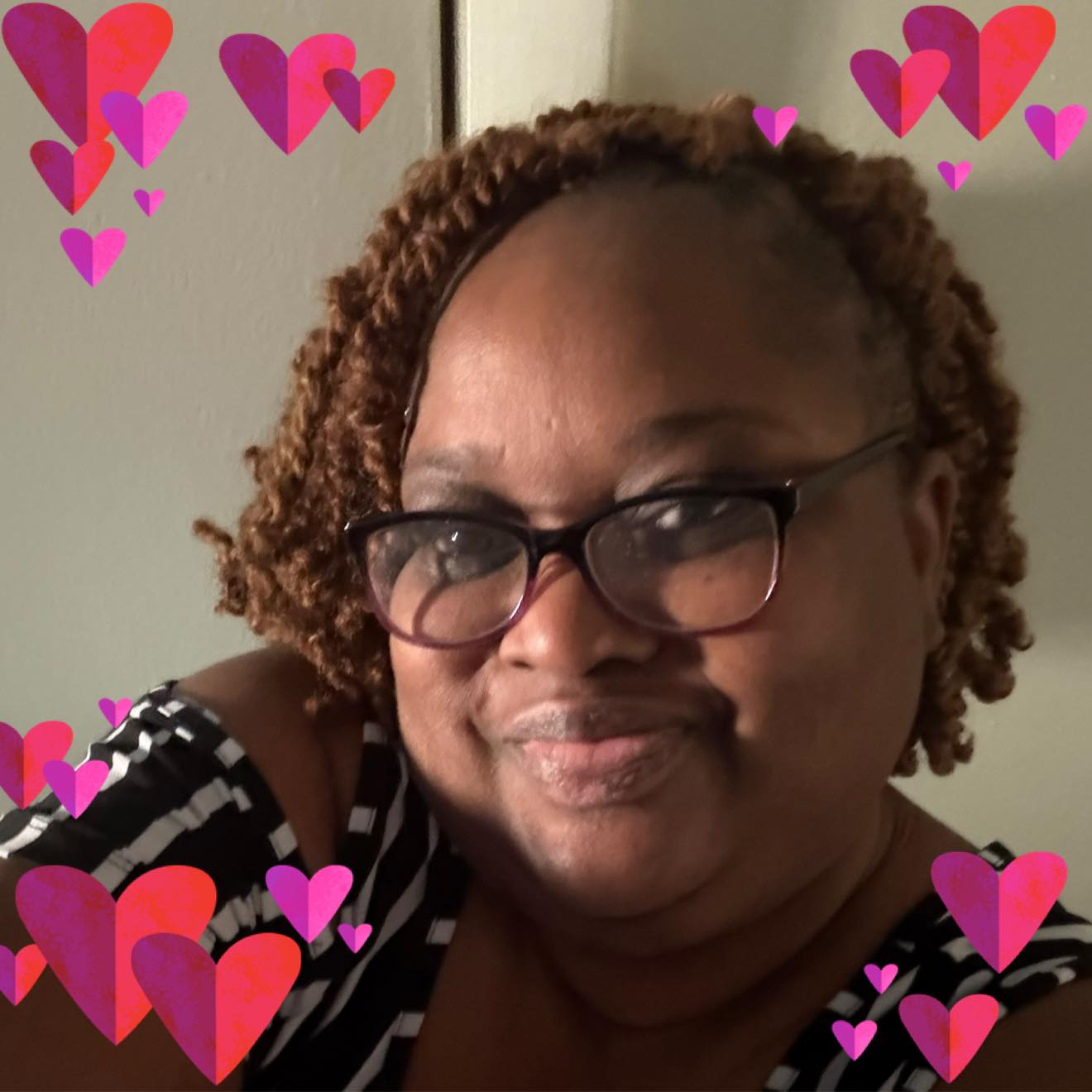
We’re looking forward to introducing you to LaToya Murchison. Check out our conversation below.
LaToya , a huge thanks to you for investing the time to share your wisdom with those who are seeking it. We think it’s so important for us to share stories with our neighbors, friends and community because knowledge multiples when we share with each other. Let’s jump in: Are you walking a path—or wandering?
Scripture: “Your word is a lamp to my feet and a light to my path.” —Psalm 119:105
There comes a moment when you realize that life is not meant to be lived drifting from moment to moment, reacting instead of moving with intention. Wandering feels busy, but it produces no direction. It exhausts the body but doesn’t nourish the soul. Yet when God redirects your heart, He gently reveals: You’re not lost—you’re being guided.
Walking a path means I’m no longer stumbling aimlessly through seasons. It means I am allowing God to order my steps, even when I don’t yet see the full map. A path has purpose, patterns, and promise. Wandering keeps me stuck in circles; a path moves me forward, even if slowly.
I know I’m walking a path because God has been aligning my desires with His plan. He has been pruning distractions, strengthening my discernment, and teaching me to pause instead of panic. I’m learning to obey even when I don’t understand, to trust even when I can’t trace Him. Wandering feels like guessing; walking a path feels like being guided.
I’m walking a path because I’m anchored—anchored in faith, anchored in purpose, anchored in who God says I am. I no longer chase everything just to feel something. I follow the One who created me for something. That is how I know I am not wandering anymore. Each step is intentional, surrendered, and covered by grace.
Can you briefly introduce yourself and share what makes you or your brand unique?
I am more than an author, advocate, and consultant—I am a steady voice of purpose rising through the storm. Through my signature brand, Toya’s Quiet Storm, it has reimagined what it means to lead with vulnerability, resilience, and faith. My message is simple yet profound: “Even in the storm, purpose still speaks.” It is the heartbeat of my work, my ministry, and my mission to empower others whose voices have been overlooked, silenced, or underestimated.
Born from lived experience, service, and unwavering faith, Toya’s Quiet Storm is not just a brand—it is a movement. A safe space. A call to healing, advocacy, and self-discovery. I use my voice to elevate communities, especially Black women and people living with HIV, reminding them that strength can be soft, quiet, and deeply rooted. Her books, workbooks, journals, workshops, and community projects are designed to guide others through their own storms with tools, structure, and hope.
At the heart of me expanding work is the Toya’s Quiet Storm Initiative—a visionary effort committed to education, healing, empowerment, and community-led advocacy. Through this initiative, LaToya develops culturally grounded resources, youth empowerment programs, HIV education toolkits, writing workshops, and spiritual journals that help individuals build confidence, gain clarity, and rise above adversity. I bridge the gap between lived experience and professional expertise, crafting materials that speak to the mind, spirit, and community.
Amazing, so let’s take a moment to go back in time. What’s a moment that really shaped how you see the world?
The moment that reshaped how I see the world wasn’t loud—it was quiet, raw, and honest. It was the moment I realized that surviving a storm is not the same as being healed from it. Standing in the gap between who I had been and who I was becoming, I understood that pain has a purpose—and that purpose speaks, even when you feel unheard. It was in navigating my own battles, advocating for my health, facing stigma head-on, and learning to rebuild myself piece by piece that my perspective shifted. I saw the world not just as it is, but as it could be when people are given the tools, the truth, and the space to heal. I saw how voices—especially the quiet ones, the overlooked ones, the misunderstood ones—deserve platforms, protection, and power. That moment birthed my mission. It taught me that every storm.
I survived became part of someone else’s shelter. And it’s why I fight, write, uplift, advocate, and create: because I learned that transformation begins the moment you choose to see the world through the lens of purpose rather than pain.
When did you stop hiding your pain and start using it as power?
When I first learned I was HIV positive, the world around me seemed to crack open. The air felt heavy, the future uncertain, and the silence inside me louder than anything I had ever heard. Fear tried to convince me that this was a sentence, shame whispered that I should disappear, and pain told me to hide. For a while, I did. I tucked my story into the quiet corners of my life, trying to hold myself together while everything in me was breaking.
But hiding only deepened the wound.
In the stillness of that struggle, something shifted. I began to realize that pain thrives in isolation, but it loses its power when brought into the light. I recognized that my silence was not protecting me—it was suffocating me. And slowly, gently, God revealed that what I saw as the end was actually the beginning of a calling I never expected.
I stopped hiding when I understood that my story was not something to be ashamed of, but something that could set others free. I started using my pain as purpose the moment I decided my diagnosis would not define me—it would refine me. I chose to speak, to advocate, to educate, to show up fully as myself. I chose courage over silence. I chose healing over hiding.
HIV did not take my voice; it amplified it. It clarified my mission. It pushed me into rooms where representation was needed, into conversations that save lives, into communities where healing is shared. It taught me that I am not alone—and that no one else has to be either.
My pain became the foundation of my purpose. The storm I once feared became the space where God built my strength. And today, I stand not as someone who is defined by a diagnosis, but as someone determined to make sure others know that they are worthy, seen, loved, and powerful—no matter their status, their story, or their storm.
I think our readers would appreciate hearing more about your values and what you think matters in life and career, etc. So our next question is along those lines. What would your closest friends say really matters to you?
My closest friends would tell you that what matters most to me is people—their healing, their voices, their stories, and their ability to rise even when life has tried to break them. They’d say I care deeply about purpose, and that I don’t just talk about walking in it—I live it, breathe it, and help others discover their own. They’d tell you I show up for my community with both strength and softness, always making space for the quiet voices, the overlooked ones, the ones carrying storms no one else sees.
They’d say faith anchors me. That no matter how heavy the season, I look for God’s hand in it and help others do the same. They know that transparency, truth, and healing are not optional for me—they are my way of loving people well. They’d say advocacy isn’t just something I do; it’s who I am. I fight for justice, dignity, and representation, especially for women, youth, and people living with HIV, because I know what it feels like to be silenced and misunderstood.
Most of all, they’d tell you that I value authenticity. I don’t hide my storms; I use them. I don’t run from my story; I share it to strengthen others. They’d say I care about legacy—about leaving something behind that helps people heal, grow, and believe in themselves again. They’d say I am driven by purpose, fueled by compassion, and committed to empowering others to see that even in their storms, their light still matters.
Okay, so before we go, let’s tackle one more area. What is the story you hope people tell about you when you’re gone?
I hope people say that I lived my life with intention, compassion, and courage. That I turned my storms into strength and used my voice—not to center myself, but to lift others. I hope they say I showed up, even when it was hard, and that I made room for people who felt unseen, unheard, or forgotten.
I hope they tell the story of a woman who took her pain and turned it into purpose. That I didn’t just survive—I transformed, and I helped others believe they could too. I hope they say I fought for healing, justice, and dignity, especially for Black women, youth, and people living with HIV, and that I never backed down from standing in truth.
I hope people remember that my faith led me, anchored me, and shaped every step I took. That I trusted God with my scars, and in return He used them to guide others out of their own darkness.
I hope they say my work mattered—not because it was big, but because it was real. That I listened. That I loved deeply. That I extended grace. That I poured into people with everything I had. I hope they say Toya’s Quiet Storm wasn’t just a brand—it was a movement, a shelter, a reminder that quiet strength can shake the world.
And when they speak of my legacy, I hope they talk about the lives I touched, the voices I amplified, and the courage I helped awaken. I hope they say I left people better—more empowered, more hopeful, more healed.
Above all, I hope the story they tell is this:
She lived her purpose loudly, even when her voice was quiet. She made her storm her ministry. And because of her, countless others learned that their story, their pain, and their purpose still speak.
Contact Info:
- Website: https://www.latoyamurchison.com
- Instagram: https://ww.instagram.com/IamToyaQuietStorm
- Linkedin: https://www.linkedin.com/in/latoyamurchison/
- Facebook: https://www.facebook.com/iamtoyasquietstorm
- Youtube: https://www.youtube.com/@latoyamurchison9031