





Today we’d like to introduce you to Reagan Roberts.
Hi Reagan, can you start by introducing yourself? We’d love to learn more about how you got to where you are today?
There’s this quiet truth no one warns you about: most businesses don’t begin with a master plan. They start when life backs you into a corner and you either move forward or get swallowed by whatever isn’t working. MEGC was exactly that.
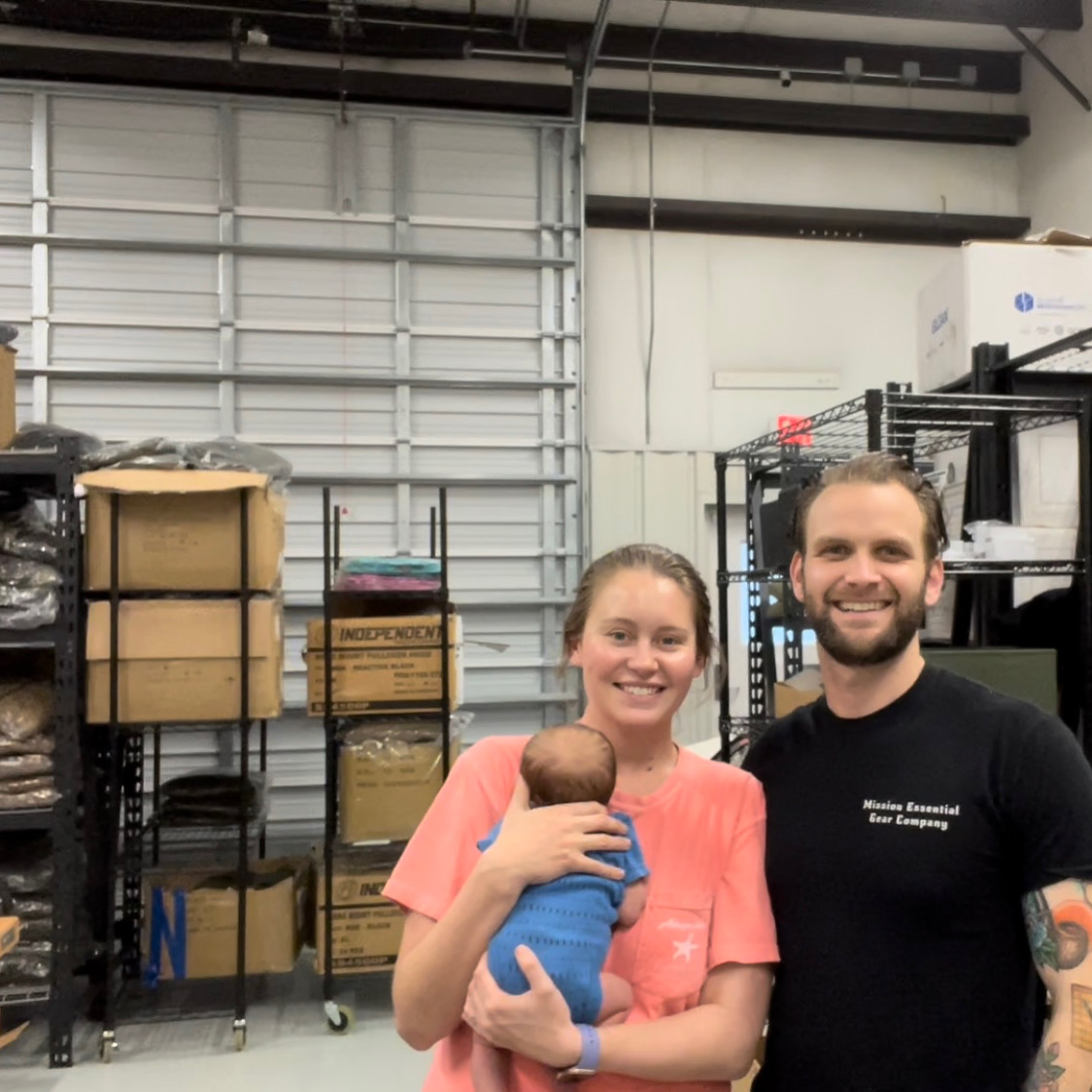
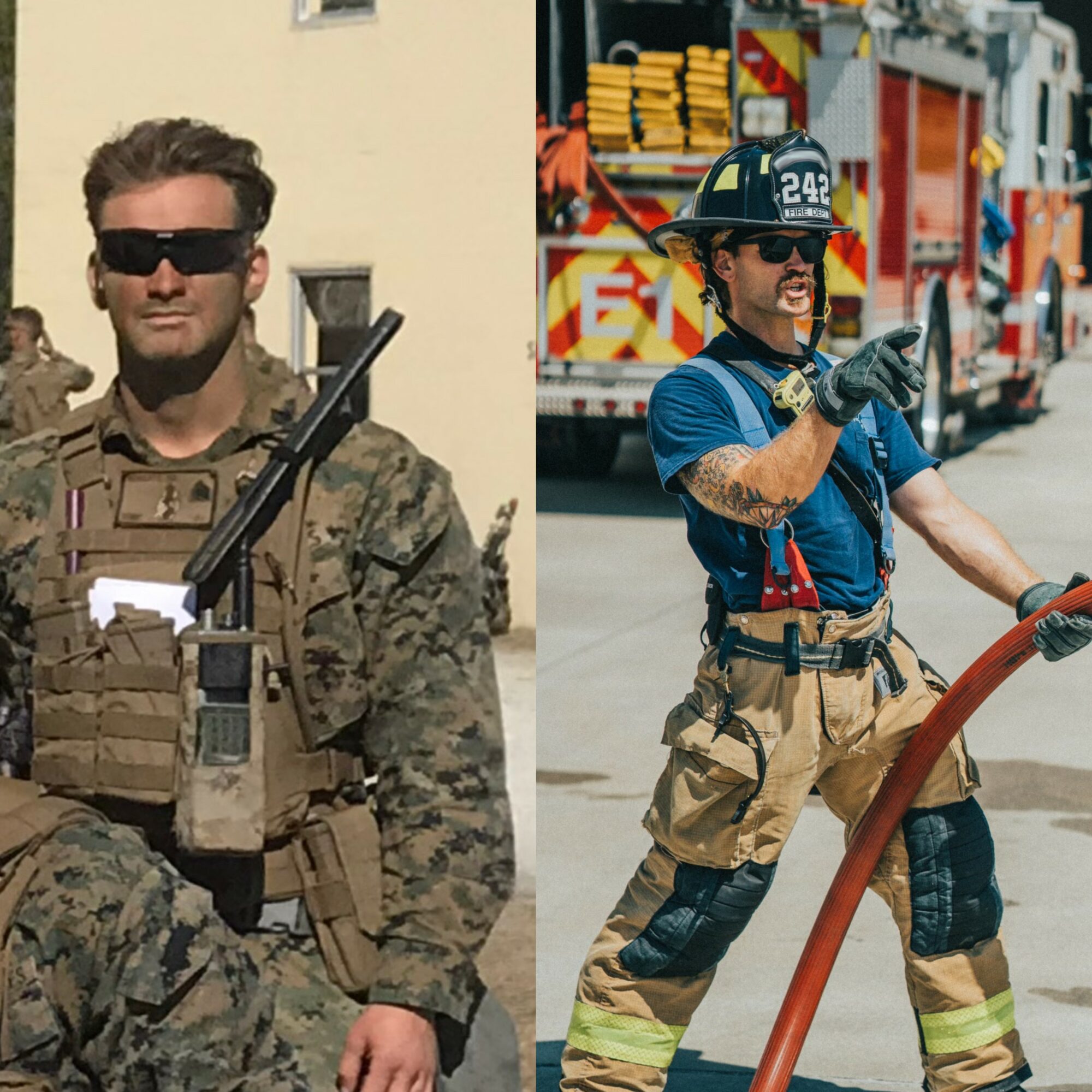
It wasn’t born in a boardroom. It wasn’t a pre-seed investor start-up. It started in a spare bedroom in North Carolina, stacked with boxes, shelves you built yourself, and uncertainty that hung in the air when you’re juggling real responsibility. I was coming off six years as a Marine Infantryman, pulling shifts as a firefighter, and still serving as a volunteer because giving back felt like the one part of my life that made sense.
Entrepreneurship wasn’t something I planned. It was something I needed to survive.
Financial stress wasn’t a phase. It was the background noise of my twenties. People don’t talk about that part. The bills don’t slow down while you figure out your dreams. Your mortgage doesn’t pause because you want to take a risk. You build while you work, and you work while you build, hoping both hold together long enough to catch your breath.
MEGC only grew the way real things grow: slow and sleepless. More failed attempts than wins, and just enough victories to keep going. It started as a side project to stay afloat until firefighters kept tagging their buddies, service members kept sharing the brand, and police departments kept ordering gear because they trusted someone who spoke their languages.
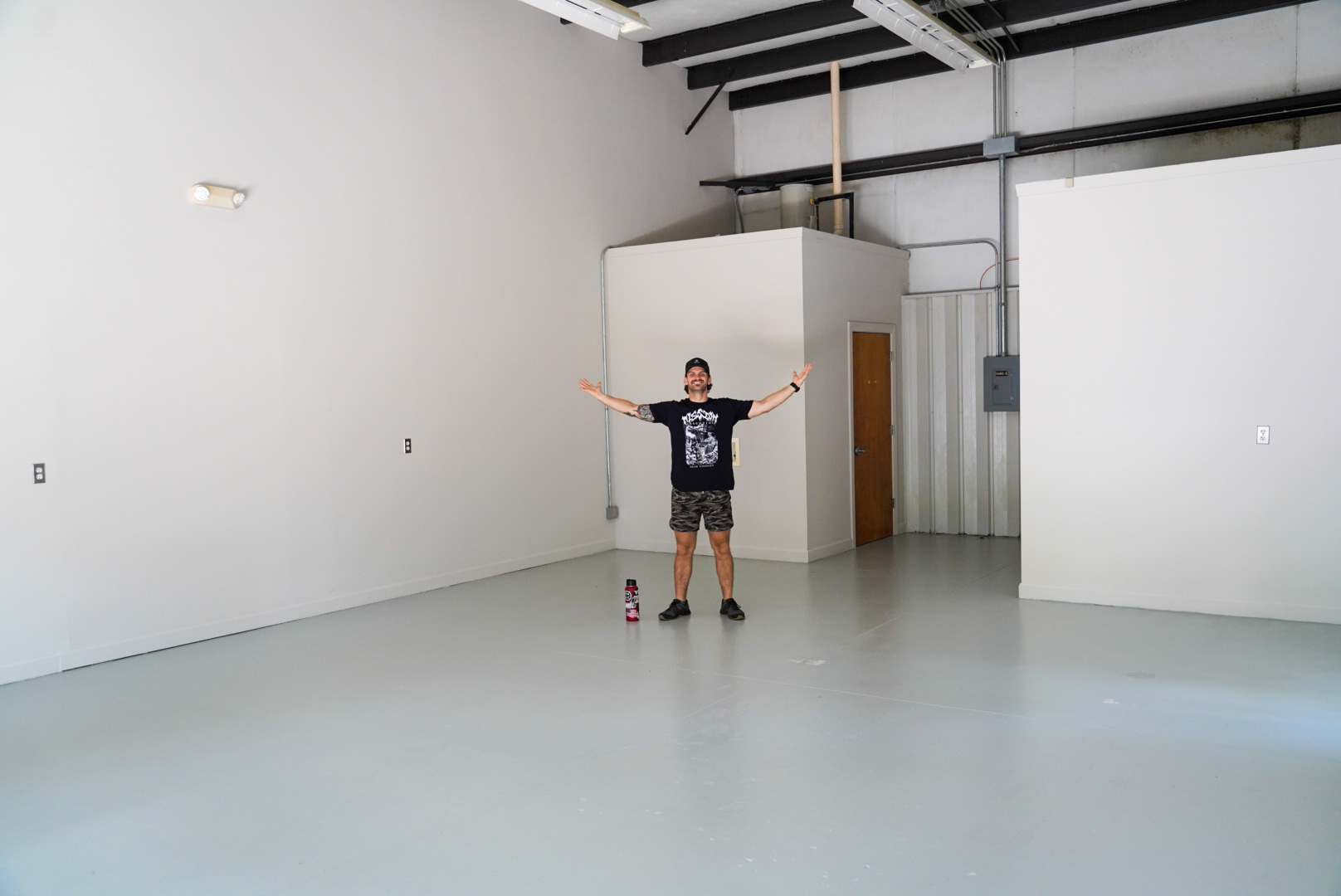
One spare bedroom turned into two. Two turned into a warehouse with no HVAC. Then the operation developed real partnerships, real processes, real production, and a direction that wasn’t built on hype, but on service. Not because I hacked some algorithm or wrote the perfect founder script. It was because we stayed obsessive about taking care of the people who actually needed quality apparel, fast answers, and reliability from someone who didn’t forget what service felt like.
If there’s a single thread that runs through all of it, it’s this: I never had the luxury of waiting for the right time. I tried when I was broke. I tried when I was exhausted. I tried when the future felt foggy. Trying became the one decision I could control, and it carried the whole thing farther than certainty ever could.
I won’t pretend the story is pretty. It’s not. But it’s authentic. And maybe authenticity is exactly why it works.
Today MEGC stands at that strange turning point where the past is still close enough to remember, but the future finally feels wide enough to grow into. We’re sharpening the operation, expanding production, building partnerships with substance, and preparing for a chapter that matches the scale of the people we serve.
The goal isn’t ego or empire. It’s impact. More gear for more units. More support for the communities that shaped me. More precision in everything we print or promise. MEGC is heading into a future built on the same stubborn discipline that got us out of that spare bedroom in the first place. And the only reason we get to aim higher now is because we refused to stop trying when trying was the hardest part.
We all face challenges, but looking back would you describe it as a relatively smooth road?
Smooth road? No. Not even close. If anything, MEGC has been a reminder that every path worth taking shows its teeth the second you step onto it.
There were months where the only strategy was “don’t drown.” Times when the printer broke, the orders stacked up before family vacations, and the bank account looked like a sad joke with a punchline only I could hear. People think running a business means risk-taking in some glamorous, cinematic way. In reality, it means deciding which fire to put out first while smaller fires quietly eat your margins in the background. Like firefighting or serving as a Marine, prioritization is the most vital aspect of your operations.
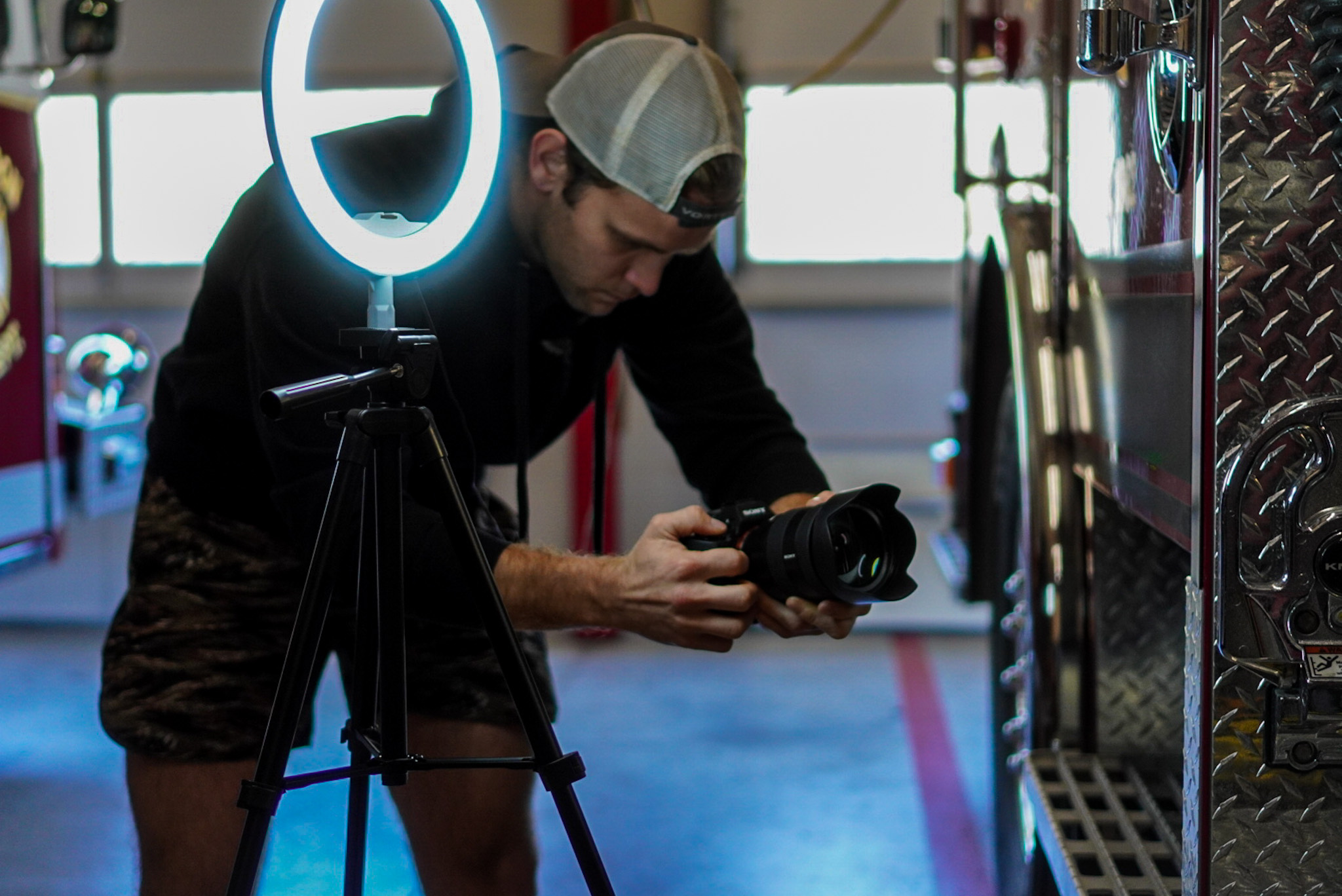
There were stretches where I was working shifts, running production at midnight, answering customer messages at red lights, then pretending I wasn’t exhausted when someone needed me on-scene. It’s strange how many people romanticize entrepreneurship when the truth is that most of it feels like a barely contained collapse you’re trying to shape into progress.
The mentality might have been the hardest concept to sustain. When you’re building something from nothing, you don’t get applause. You don’t get certainty. You get doubt. Budget panic. Equipment failures. Mistakes that cost more than you want to admit. You get people who think you’re doing too much, people who think you’re doing too little, and people who don’t think about you at all.
But the struggle has its own kind of education; teaching grit isn’t loud, and discipline isn’t cinematic, and stability is earned in tiny, unglamorous increments that nobody sees. It teaches you to keep going when nothing deserves optimism. And eventually, after enough wrong turns and late nights and financial risks that made no objective sense, something starts to click.
The road wasn’t smooth and isn’t smooth for small businesses. But it’s real. And I’d rather be on the rough road building something that matters than sitting comfortably on a smooth one that never leads anywhere.
Thanks for sharing that. So, maybe next you can tell us a bit more about your business?
MEGC is a simple business on paper, but the impact sits a lot deeper than ink on a mission statement ever could. We print custom gear, we ship it fast, we treat every unit and small business like they actually matter. That’s the straightforward version. But the truth is we exist for a specific kind of person, the ones who serve, work, grind, and get few days off from outside responsibilities.
We specialize in custom apparel for military units, fire departments, police agencies, veteran communities, and the small businesses that keep society running. We decorate apparel with DTG, embroidery, screen printing, and offer accessories like flags and patches, all of it. But what we’re really known for is giving people gear that feels personal, precise, and worth wearing. Not cheap throwaway shirts with clipart logos. Real designs that look like they belong to the people who earned them.
What sets us apart? We actually care. I know everyone says that, but for us it’s literal. MEGC was built by someone who understands turnout gear at 2 a.m., who knows what a deployment feels like, who knows the pride in a unit patch and the weight behind a station logo. Not outsiders trying to sell to a community we don’t belong to, we are the community.
We answer fast. We fix issues without drama. We design like it matters because it does. And we don’t disappear once your card clears.
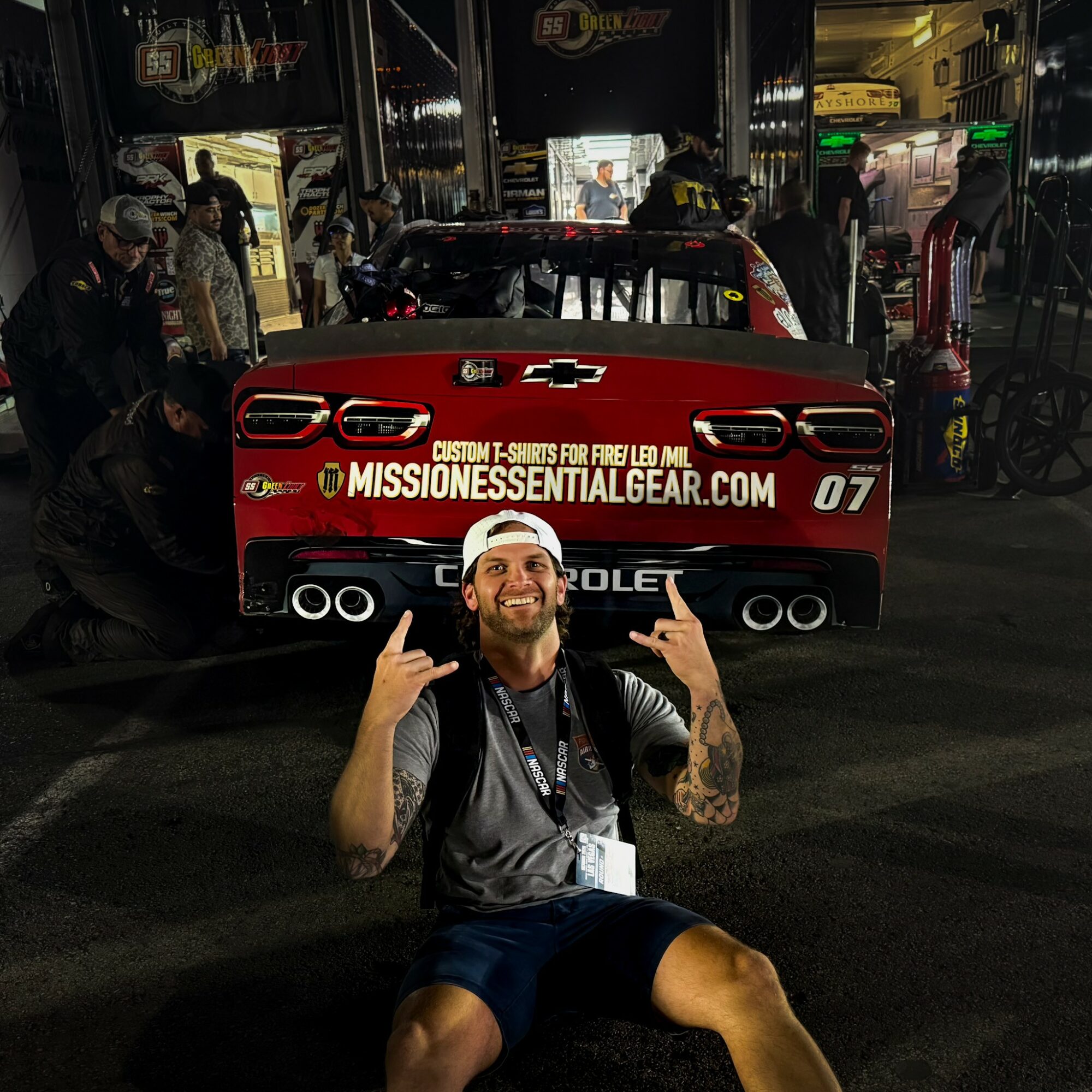
Brand-wise, the thing I’m proudest of isn’t a logo, or a product, or some marketing line. It’s who wears our stuff. Firefighters, service members, and LEO/SWAT medics grabbing shirts before training. Entire units choosing us not because we’re trendy, but because we’re reliable with a story behind the name. Our gear shows up in the real world, not just online ads.
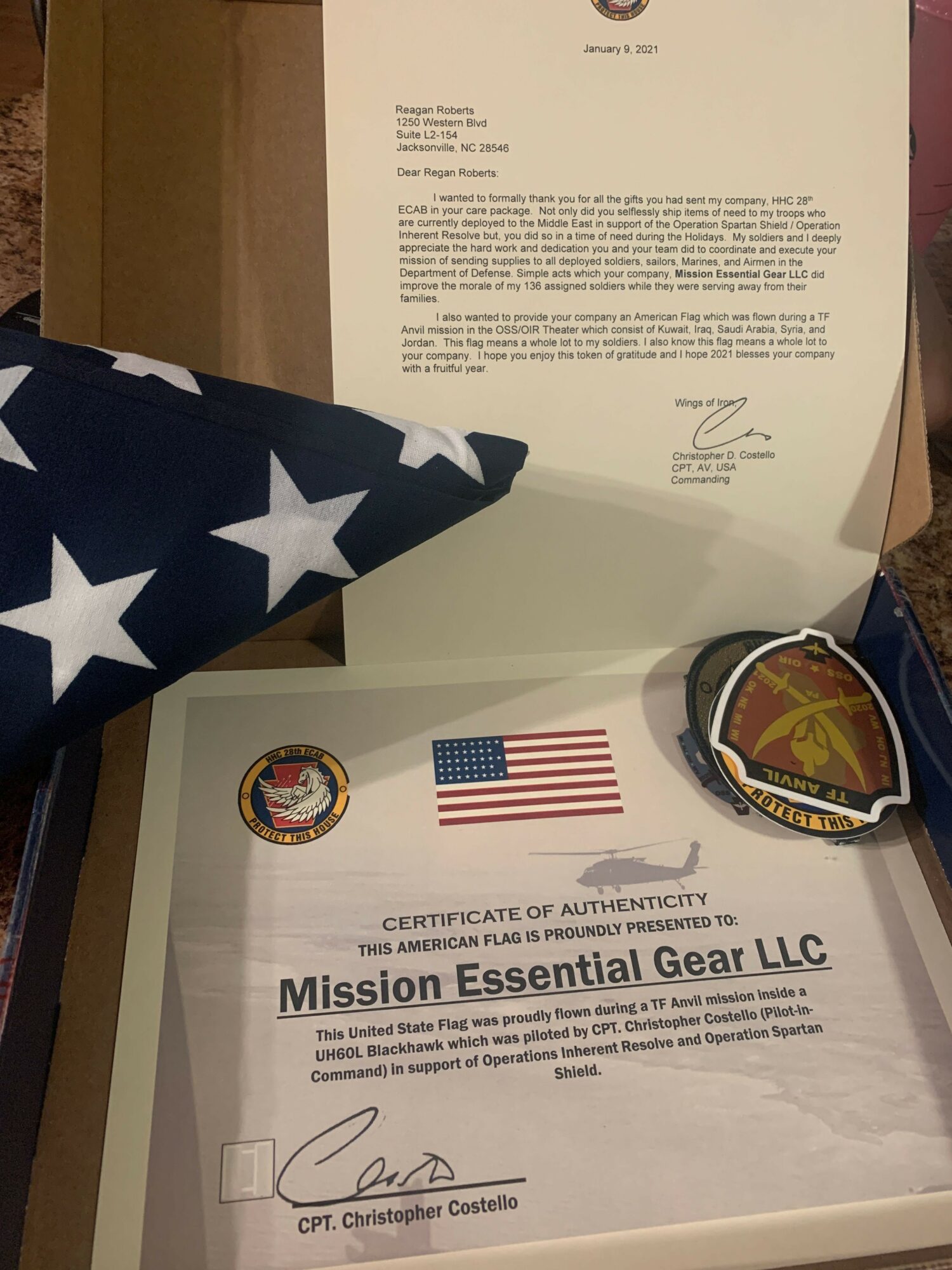
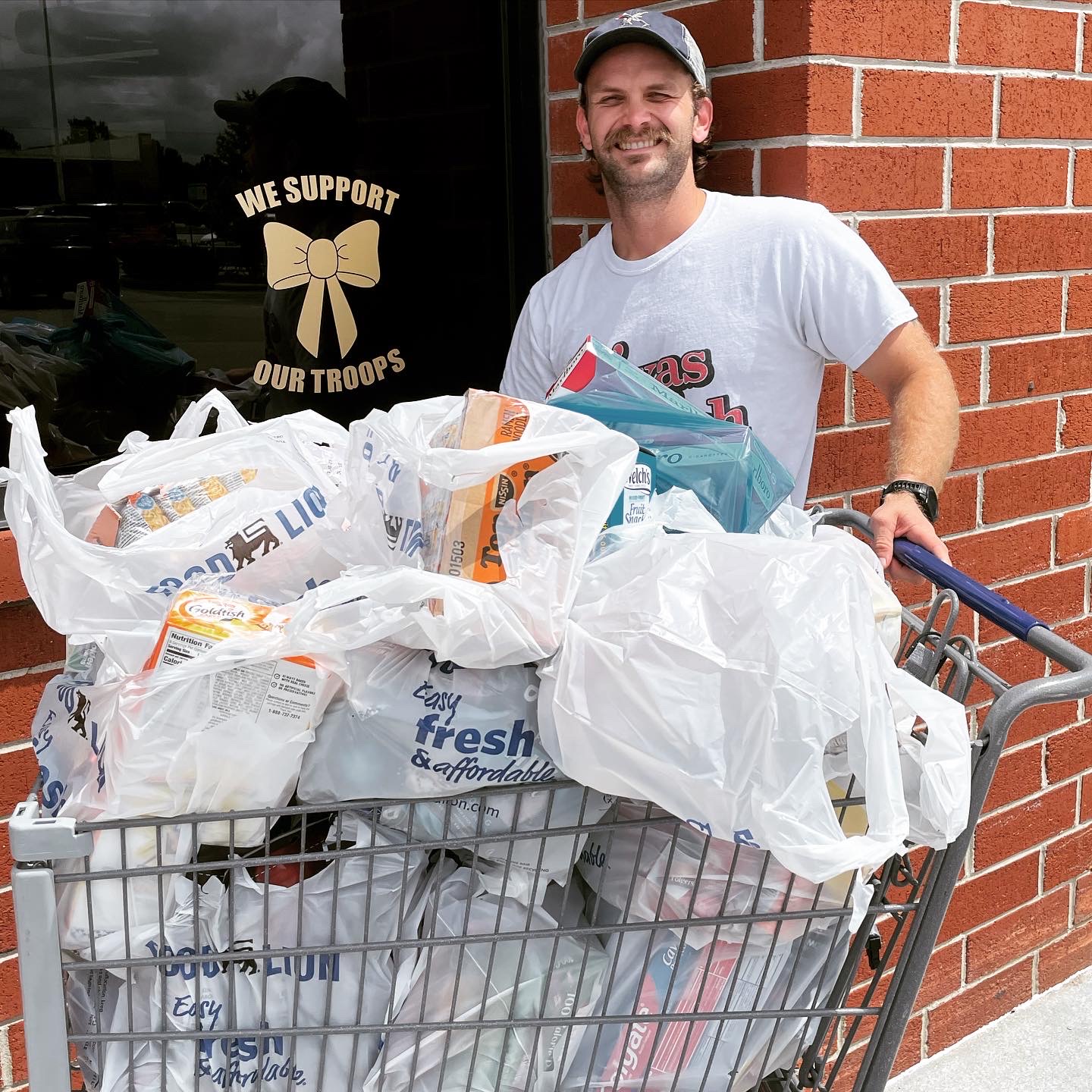
If there’s one thing I want readers to know, it’s this: MEGC isn’t trying to be the biggest. We’re trying to be the most trusted. The shop people email at 10 p.m. because a design needs tweaking before a deployment. The brand that ships orders without excuses. The company that does right by the communities that raised us. Most importantly, gives back; care packages for the deployed with supplements, snacks, moral boosters, etc.
We build custom gear for America’s selfless doers. And every order is treated like it’s from someone whose work matters, because it absolutely does.
Any advice for finding a mentor or networking in general?
People talk about mentorship like it is some formal ritual where you stand in front of a wise elder and receive sacred career advice. That is not how it works. The best mentors I have ever had showed up in completely unplanned moments, usually when I was busy trying to figure out how not to screw something up.
If I have any advice, it is this: stop looking for mentors in the places everyone else looks. The smartest people are usually too busy building something to raise their hand and declare themselves a mentor. The meaningful connections come from talking to people who are actually doing the work you respect, not the people performing expertise on social media.
Networking is not attending events where everyone is pretending. It is paying attention to people who think clearly, act with integrity, and live in a way that makes you want to level up. It is noticing the firefighter who never complains, the business owner who solves problems quietly, the veteran who turned struggle into discipline. Those are the people who taught me more than any polished keynote speaker ever could. The key to networking is being authentic about your disposition and following up with honest questioning to find the answer through active listening.
What has worked for me is simple. I ask real questions. I tell the truth about where I am and what I am trying to build. I do not posture. I do not pretend to have it all figured out. People can feel authenticity a mile away, and they can smell desperation twice as fast. Most successful people are happy to help someone who is actually trying, someone who is willing to do the work and not just collect advice like souvenirs.
MEGC would not exist without the handful of people who gave me one or two sentences at the right time. A fire captain who showed me what leadership should look like. A business owner who explained margins to me on a bad day. A veteran who told me to stop doubting myself and get moving. None of them were official mentors. They were just honest, present, and sharp, high-caliber individuals.
The real trick is staying around people who make your thinking cleaner. People who can separate their ego from their work. People who can talk about failure without collapsing into self-pity, the kind of network that provides meaningful impact, mutually.
If you focus on being someone worth knowing, the right people show up. Not because you hunted them down, but because you are moving in the same direction as them.
Pricing:
- Custom T-Shirts starting at $17/unit
- Custom Hoodies starting at $32/unit
- Embroidery services as low as $5/unit
- Bulk-Order Screen Printing as low as $8/unit
- Art Design/Vector services starting at $25
Contact Info:
- Website: https://www.megearco.com
- Instagram: https://www.instagram.com/missionessentialgear
- Facebook: https://www.facebook.com/missionessentialgear
- LinkedIn: https://www.linkedin.com/in/reagan-b-roberts/
- Twitter: https://www.x.com/megearco