




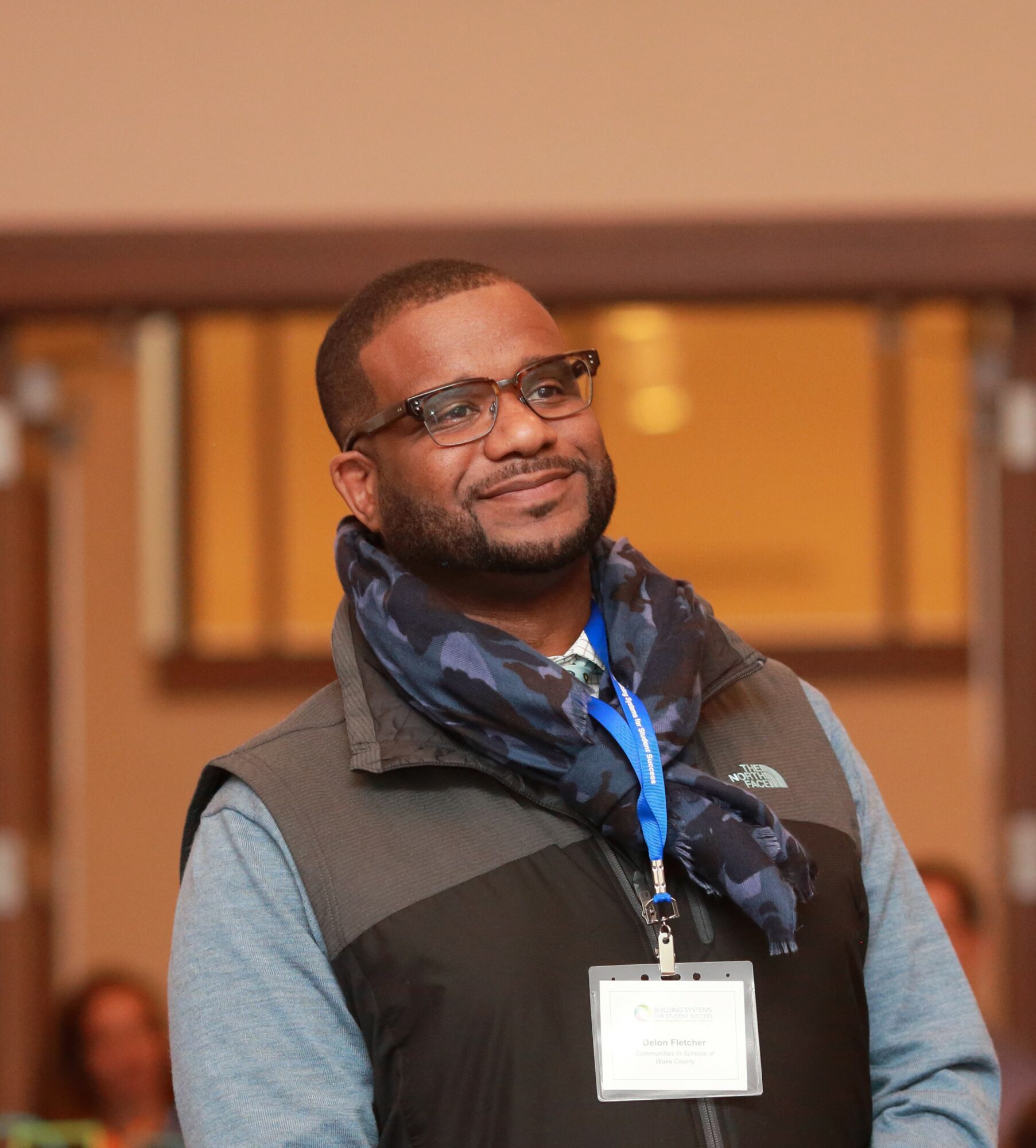
Today we’d like to introduce you to Delon Fletcher.
Delon, we appreciate you taking the time to share your story with us today. Where does your story begin?
I didn’t start out chasing a title. I started out chasing a problem.
I kept seeing the same pattern in our community and in our schools: brilliant kids with real potential getting buried under real-life pressure. Not because they weren’t capable, but because they didn’t have consistent support, safe spaces to process what they were carrying, or adults who would stay in it with them long enough to change the outcome. That hit me personally, and it lit a fire in me professionally.
So I leaned into what I could control. I showed up. I built trust with students and families. I partnered with teachers and administrators instead of talking around them. I started mentoring one-on-one, then built systems around it, because I realized inspiration is great, but structure is what sustains change.
Over time, that work grew into leading youth-development efforts and building a model that blends academic support, mental health awareness, and real community accountability. I’ve been able to help launch and grow mentoring and scholarship-based support that stays with students through the middle-to-high school pipeline, not just in a “check-in” way, but in a committed, hands-on way.
Today, I’m still doing what I’ve always done, just at a larger scale: building bridges between schools, families, and the community so students don’t fall through the cracks. I’m focused on proving that when you pair high expectations with real support, young people don’t just survive school, they rise.
Would you say it’s been a smooth road, and if not what are some of the biggest challenges you’ve faced along the way?
One of the biggest struggles has been learning that doing good work doesn’t automatically mean people will understand it, support it, or make room for it. When you’re trying to build something that blends school systems, community partners, families, and real-life needs, you’re stepping into a space where everyone has pressure, limited time, and different definitions of success. Sometimes you’re not fighting the mission, you’re fighting misalignment.
Another challenge has been the emotional weight. When you work this close to young people, you don’t just see report cards, you see trauma, anxiety, grief, housing instability, and the stress that kids carry quietly. There are moments you go home and you can’t “turn it off,” because you know what’s at stake for them, and you know how fast things can spiral when support disappears.
I’ve also had to wrestle with capacity. The need is always bigger than the resources, and early on I had to learn the hard way that I can’t be everywhere for everybody. Building a team, building systems, and creating boundaries wasn’t about doing less, it was about being able to do this work longer and better.
And then there’s the resistance that comes with change. When you challenge the usual way of doing things, even if it’s effective, you’ll get pushback. You’ll hear “that’s not how it’s done,” or people will wait for your consistency to run out. So the struggle becomes staying steady, staying humble, and staying committed without becoming hardened.
But I’ll say this: the road being hard has also been the proof. Every struggle forced refinement. Every setback clarified the assignment. And every time a student wins, re-engages, or chooses a healthier path because they finally had consistent support, it reminds me why I didn’t need a smooth road, I needed a real one.
Alright, so let’s switch gears a bit and talk business. What should we know about your work?
Currently, I’m the Program Director for the Agarwal Scholars Program, and my work lives at the intersection of education, youth development, and community accountability. In plain terms, I build support around students so their life circumstances don’t disqualify their potential.
My day-to-day is a mix of mentoring, program leadership, and partnership building. I work closely with students one-on-one and in small groups, while also collaborating with families, teachers, school leaders, and community partners to put real supports in place. That can look like academic coaching, helping a student navigate behavior and emotional valleys, connecting families to resources, or building systems that keep students engaged from middle school through graduation.
However, I specialize in is immersive, relationship-driven support. I’m known for showing up consistently and being able to translate between worlds: student reality, parent reality, school reality, and community reality. A lot of people can inspire. My lane is helping create structure that sustains progress. I’m also big on blending high expectations with high support, because I’ve seen what happens when kids only get one of the two.
I’m most proud of is building models that don’t just “motivate” students, but actually walk with them through hard seasons. I’m proud of the trust we’ve built with families, and the impact that comes from staying locked in long enough to help a student stabilize, re-engage, and start believing in their future again. I’m also proud of the bridges I’ve helped build between schools and community partners, because when adults collaborate well, students stop paying the price for dysfunction.
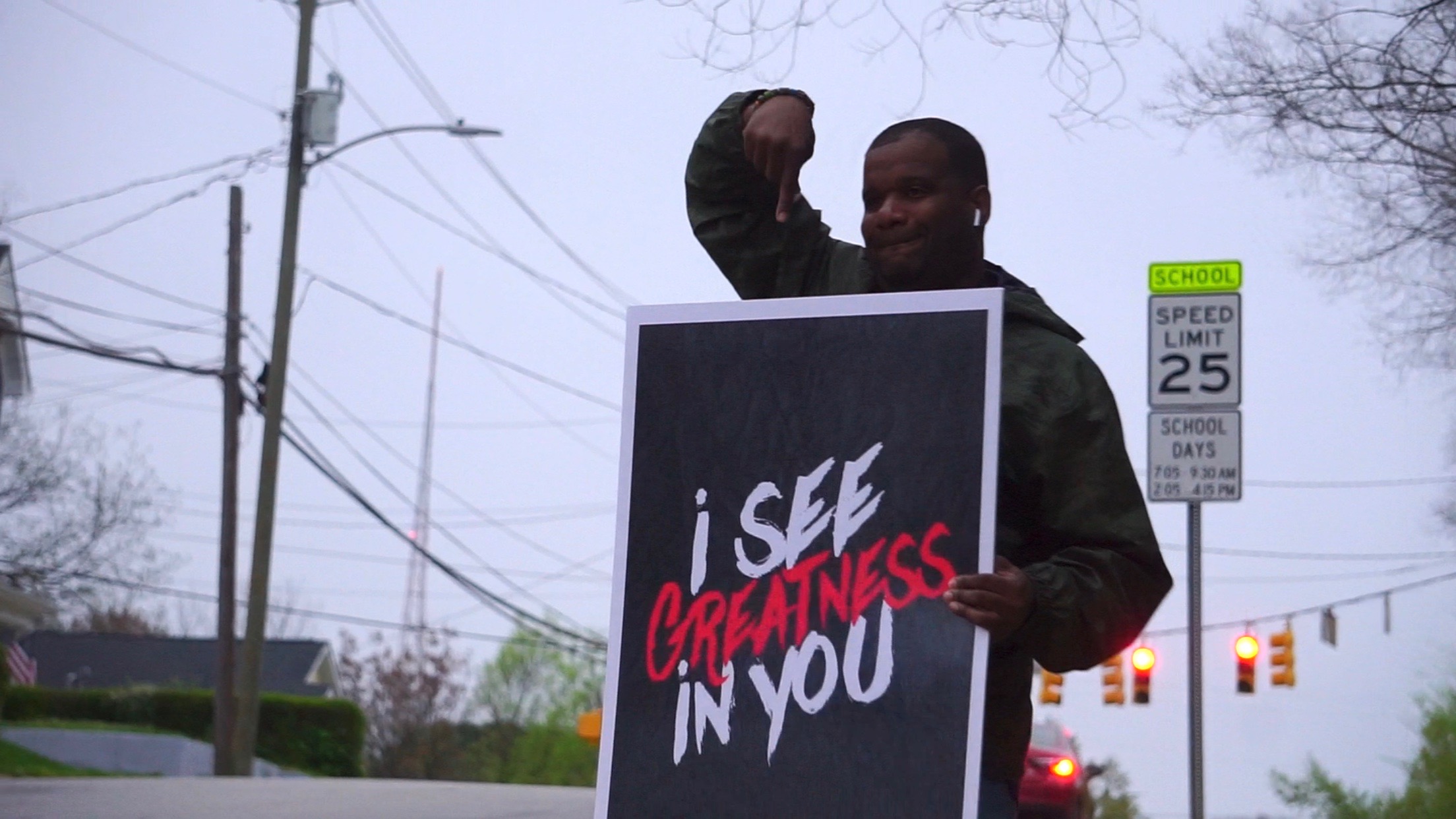
What sets me apart is I don’t treat this like a project or a photo-op. I’m hands-on, I’m consistent, and I’m solutions-driven. I’m not interested in being the loudest voice in the room. I’m focused on being the person who helps make sure the student actually makes it. I SEE GREATNESS in all my students, and I refuse to let them forget it.
Any advice for finding a mentor or networking in general?
Yes. First thing: don’t go “mentor shopping” like you’re collecting contacts. Go looking for folks who you have alignment with.
I’ve built relationships by showing up in the work, not just at events. When people see you serve with integrity, they don’t need convincing. Also, I’ve learned to treat networking like community building: connect people who should know each other, keep your word, and protect your reputation like it’s currency, because it is.
The goal isn’t to “know everybody.” The goal is to build a circle of people who respect your character, trust your follow-through, and believe in the mission you’re attached to.
Pricing:
- Right now, most of what I do in the community and school space isn’t positioned like a traditional “service menu” with set prices, because the goal is access and impact, not putting support behind a paywall. That said, there are a few things that may be helpful for readers to know:
- Community mentoring and student-support work: This is typically delivered through partnerships with schools, nonprofits, and donors, so families and students aren’t paying out of pocket in most cases.
- Speaking, training, and facilitation: When I’m invited to speak or lead a workshop (youth development, mentoring systems, school-community partnership, SEL-minded support, etc.), pricing varies based on the event type, audience size, and prep needs
- Consulting / program-building support: If an organization is looking to build a mentoring model or strengthen their student-support structure, we usually start with a conversation to understand scope, then align on a rate.