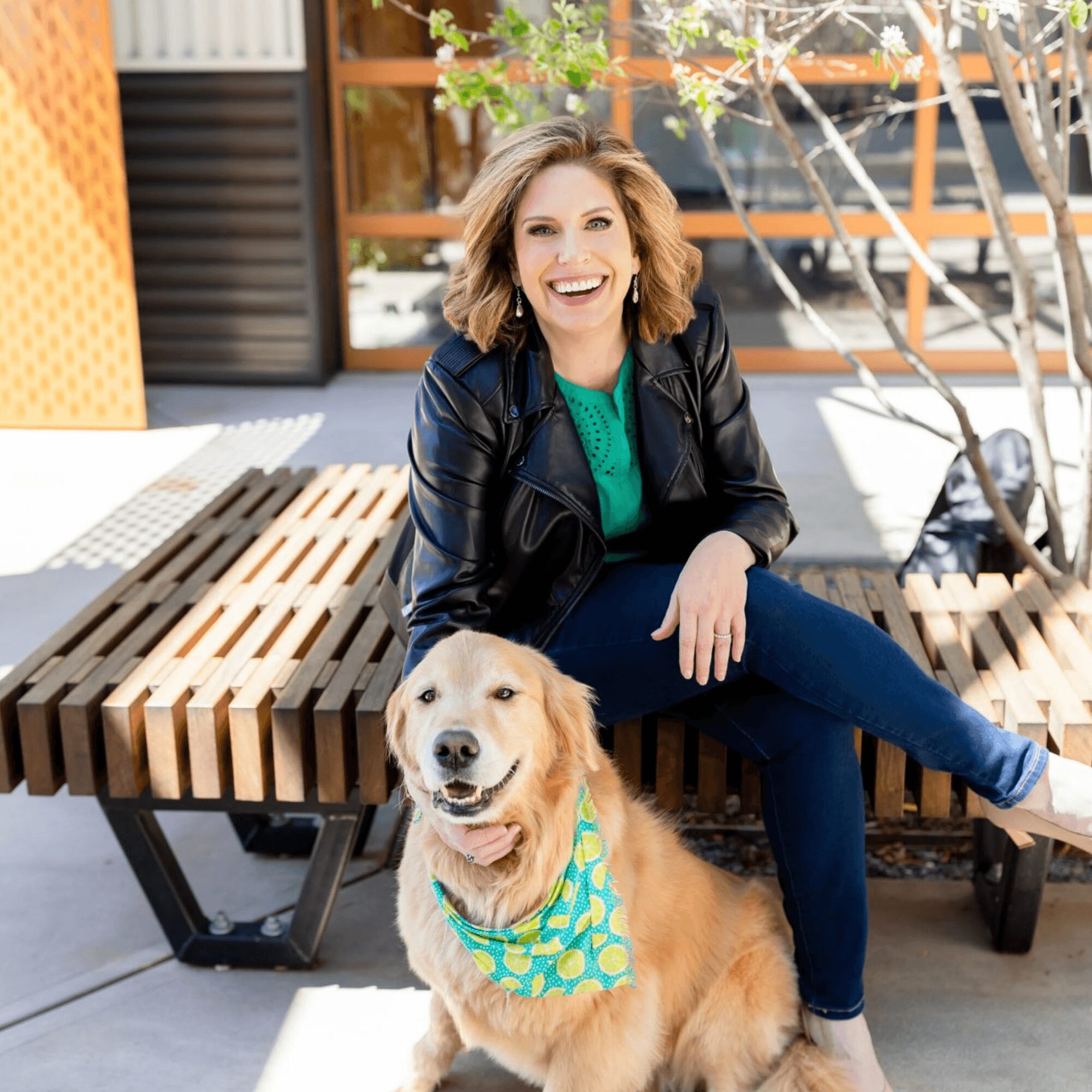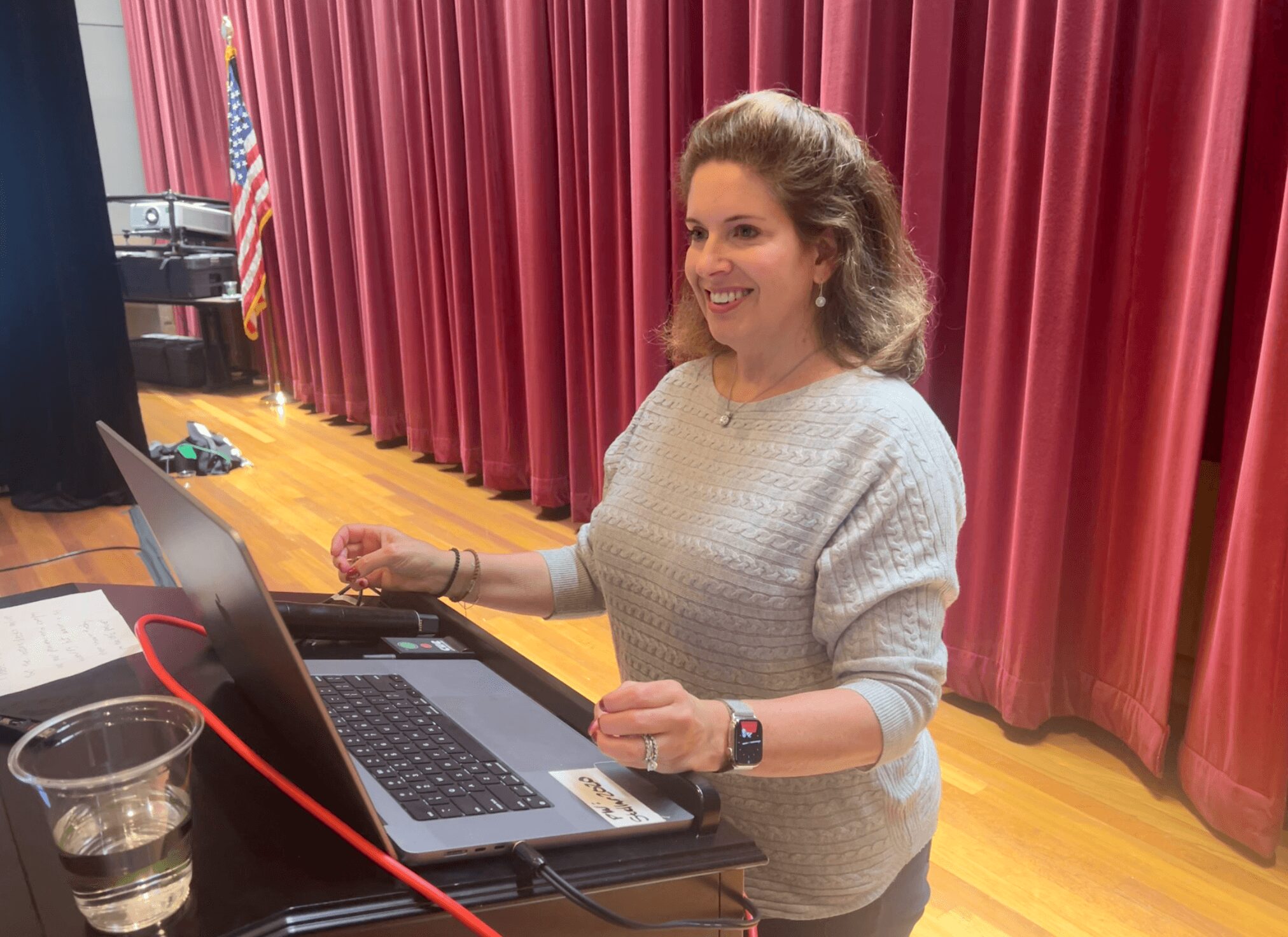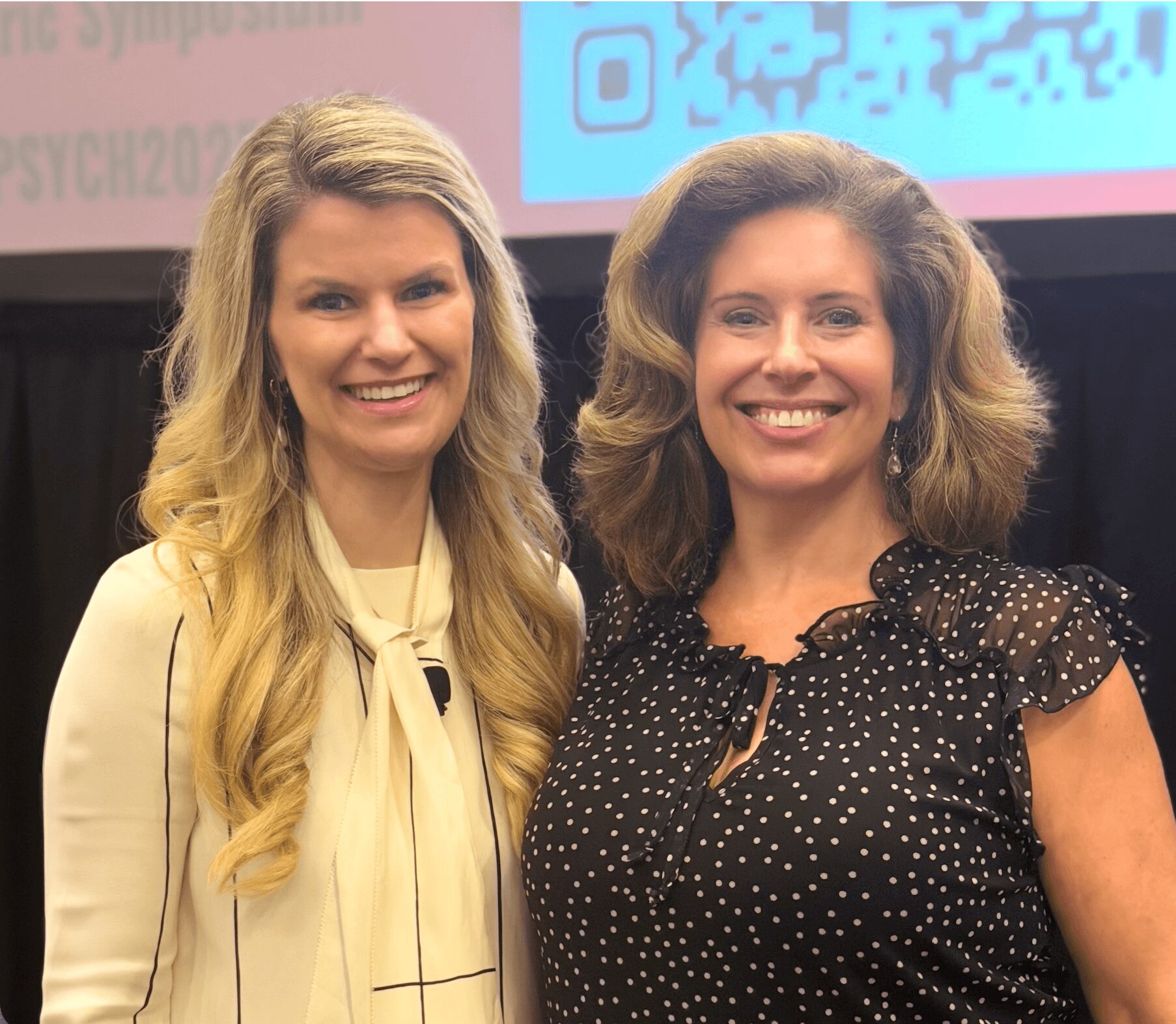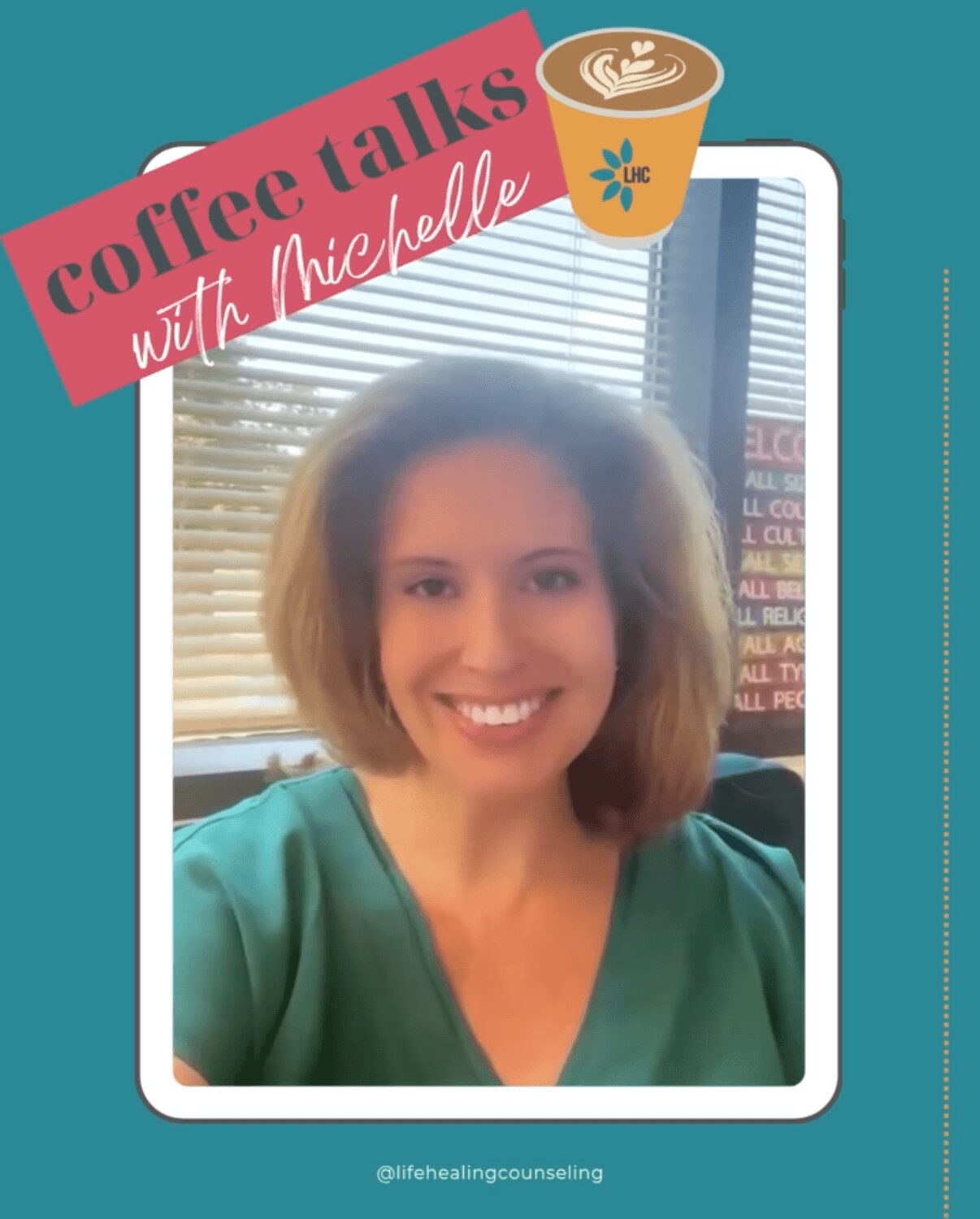




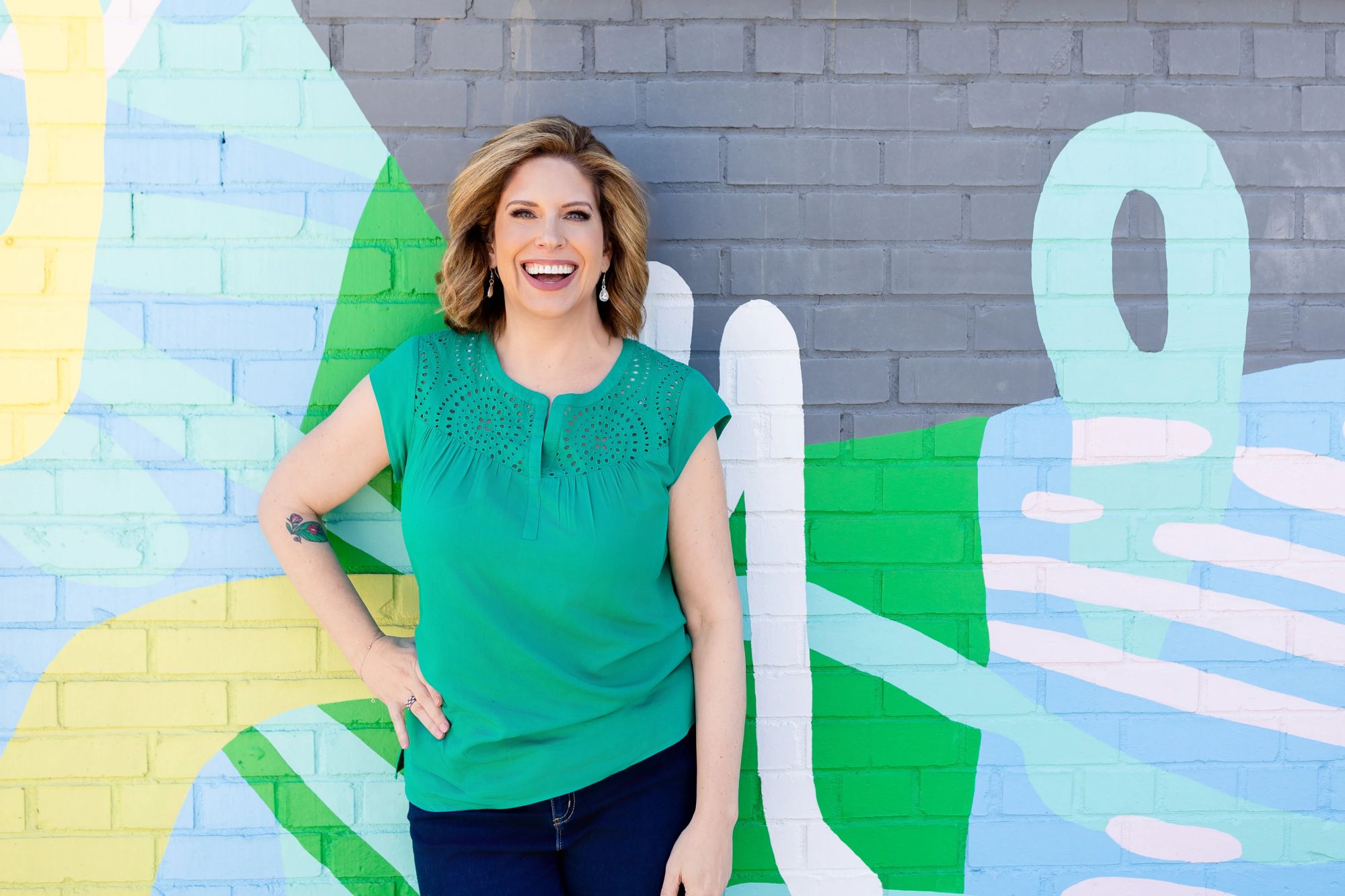
Today we’d like to introduce you to Michelle Holleman.
Hi Michelle, it’s an honor to have you on the platform. Thanks for taking the time to share your story with us – to start maybe you can share some of your backstory with our readers?
Because I treat sex and pornography addiction, betrayal trauma, and am a sex therapist, the thing most people want to know is what one of my high school friends asked me the other day, “How did you get into this field?”
The short and easy answer is, “It just interested me,” or, “I knew there was a need.” The truth is addiction and dysfunction are part of my own family’s story, so I understand what it is like for kids to witness and try to cope with addictions. As an adult, I experienced how this dysfunction shows up in our intimate relationships. Sex and pornography addictions are the ones no one wants to talk about, it’s shameful and stigmatized terribly in society. People think I work with sex offenders and rapists – and this couldn’t be further from the truth.
I knew, in graduate school I wanted to focus on addiction, but what fascinated me were the behavioral addictions – sex/pornography, tech and gaming, shopping, exercise, the combination of drug addiction and problematic sexual behaviors called chemsex. No one was writing papers about these things in my graduate program. Everyone was focused on chemical addictions. My professors encouraged me to keep exploring and were interested in my research. One of my internships was in community health at an inpatient detox program. The clients would tell me they had gotten sober from drugs and alcohol multiple times, but they couldn’t stop cheating or watching pornography. Sex addiction was showing up constantly, but no one could treat it.
I trained and got specialized, first as a Certified Sex Addiction Therapist (CSAT), then as a Certified Partner Trauma Therapist (CPTT,) and Certified Multiple Addiction Therapist (CMAT) specializing in gaming and tech.
This was a natural path as I was seeing the addicted person, and they were usually partnered. The betrayed partner needed support, and my clients needed more information of how to help heal their relationships. Becoming specialized in gaming and tech was integral because these were ways my clients, especially younger ones, found sexualized material and escalated in addiction.
With all these credentials, most people want to understand, why get a PhD in Clinical Sexology – sex therapy. My clients get healthy and heal their relationships. Healthy sex is a part of this and, if I’m already talking about these things all day in my practice, and need able to work with people who are struggling with all types of disordered intimacy.
The kink and fetish thing. I’m what my kinky clients call “kink-adjacent.” I’m not part of the kink community, but I advocate for, understand, and support the community. Because my clients are often higher acuity, things most clinicians would find “unusual” were showing up in my office all the time. I didn’t find it strange or repellant, it is just a different type of intimacy that can be healthy or unhealthy – like all things. The more I learned, the more I was able to help people, most importantly, by providing a safe space for kinky people to get therapy – which often has nothing to do with their kink. Now, I teach other clinicians how to work with kinky clients in my PhD program.
Can you talk to us a bit about the challenges and lessons you’ve learned along the way. Looking back would you say it’s been easy or smooth in retrospect?
I don’t think there is anything smooth about being a mental health pro, especially in the world we are living in currently. What I’ve had to learn are the things they don’t teach you in graduate school: How to run a private practice, how to manage the fallout of a client’s suicide, and finding group of colleagues who will listen to you and provide you with empathy, and support – not just feedback. The hardest lesson we are still experiencing is, you will have to hold space for entire communities; during a pandemic, Black Lives Matter, October 7, war, attacks on marginalized communities, and political movements that are confusing, enraging, and traumatizing.
One of the most challenging things specific to CSATs is push back from the public and our colleagues. Because sex/porn addiction isn’t an actual diagnosis, people think it’s not real or can’t be real. Whether we call it addiction, compulsive sexual behavior disorder, problematic sexual behavior, or sexual numbing and medicating, people need support and help healing from sexual behavior that is ruining their lives. Our clients are so much more than just a diagnosis, and, when I ask them, most clients could care less about the semantics. They just want to stop the pain and chaos destroying their lives.
As you know, we’re big fans of Life Healing Counseling. For our readers who might not be as familiar what can you tell them about the brand?
Life Healing Counseling (LHC) was started in 2018 to offer bold, inclusive, evidence-informed therapy to individuals and couples navigating sex and porn addiction, infidelity, betrayal trauma, kink/fetish exploration, and trauma recovery. LHC offers both in-person and virtual sessions and group therapy in Charlotte, NC.
It’s important for people to understand what my colleagues and I do is a true specialization. It takes years of training and education to treat sex addiction and the trauma that comes with it. It’s completely different than any other addiction. Many fantastic, well-meaning clinicians claim to treat sex addiction. Unfortunately, one of the first traumas I address with my clients is the inadvertent harm caused by a therapist working outside their scope.
Where do you see things going in the next 5-10 years?
It’s a real “therapist answer,” but what makes me happy is me walking out my own healing. I think happiness is easily accessed when we stop having to be right and focus on being kind. Releasing the need to have power and control over a situation or person is freedom for me. I manage my own choices, including who to have in my life and what to do with it. Choosing kindness and empathy works out every time. Also scuba diving!
Pricing:
- $230 for individual session
- $270 for family or couple sessions
- $85 for 90-minute group session
Contact Info:
- Website: https://lifehealingcounseling.com/
- Instagram: https://www.instagram.com/lifehealingcounseling/
- Facebook: https://www.facebook.com/michellehollemantherapy/