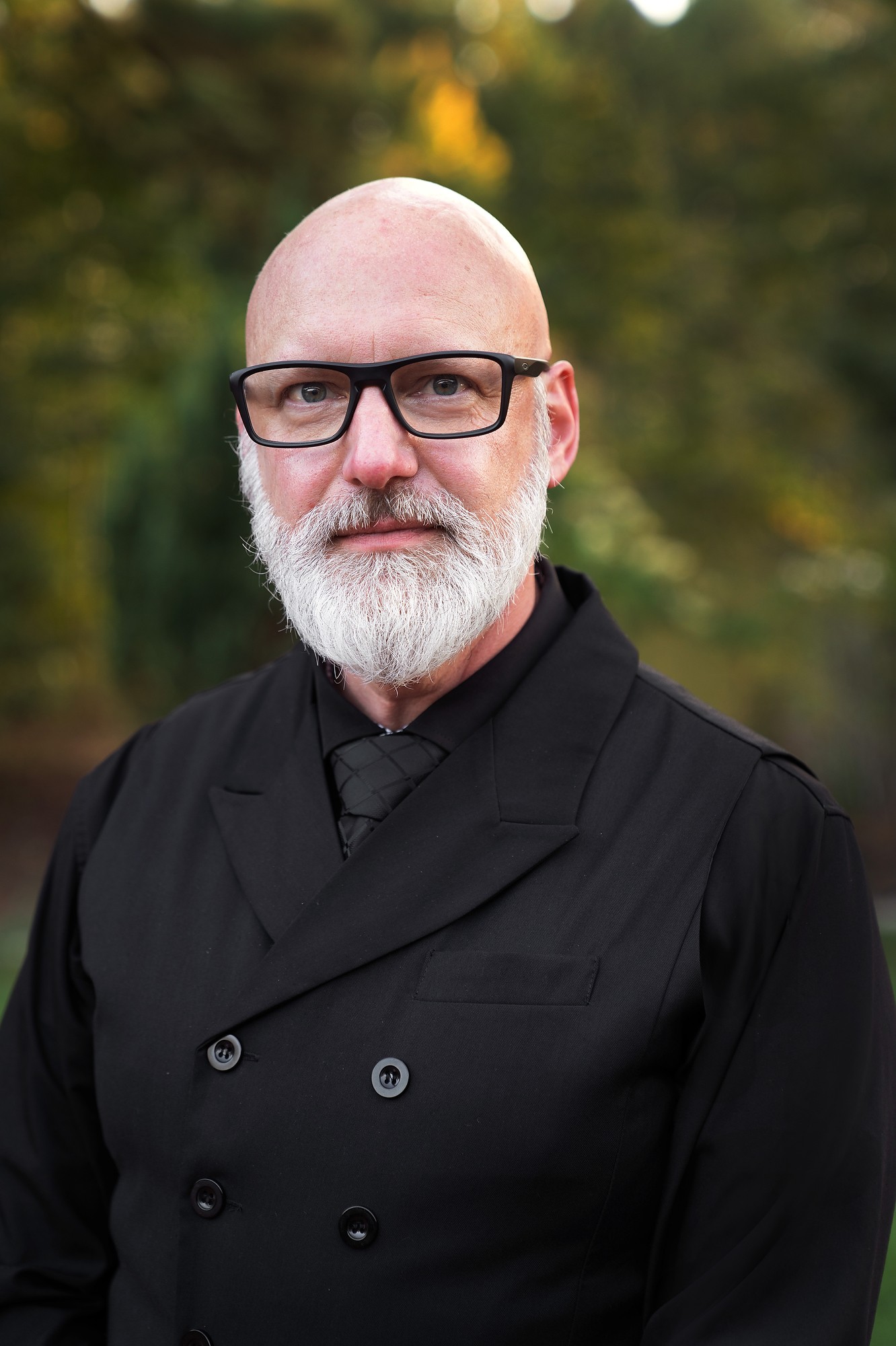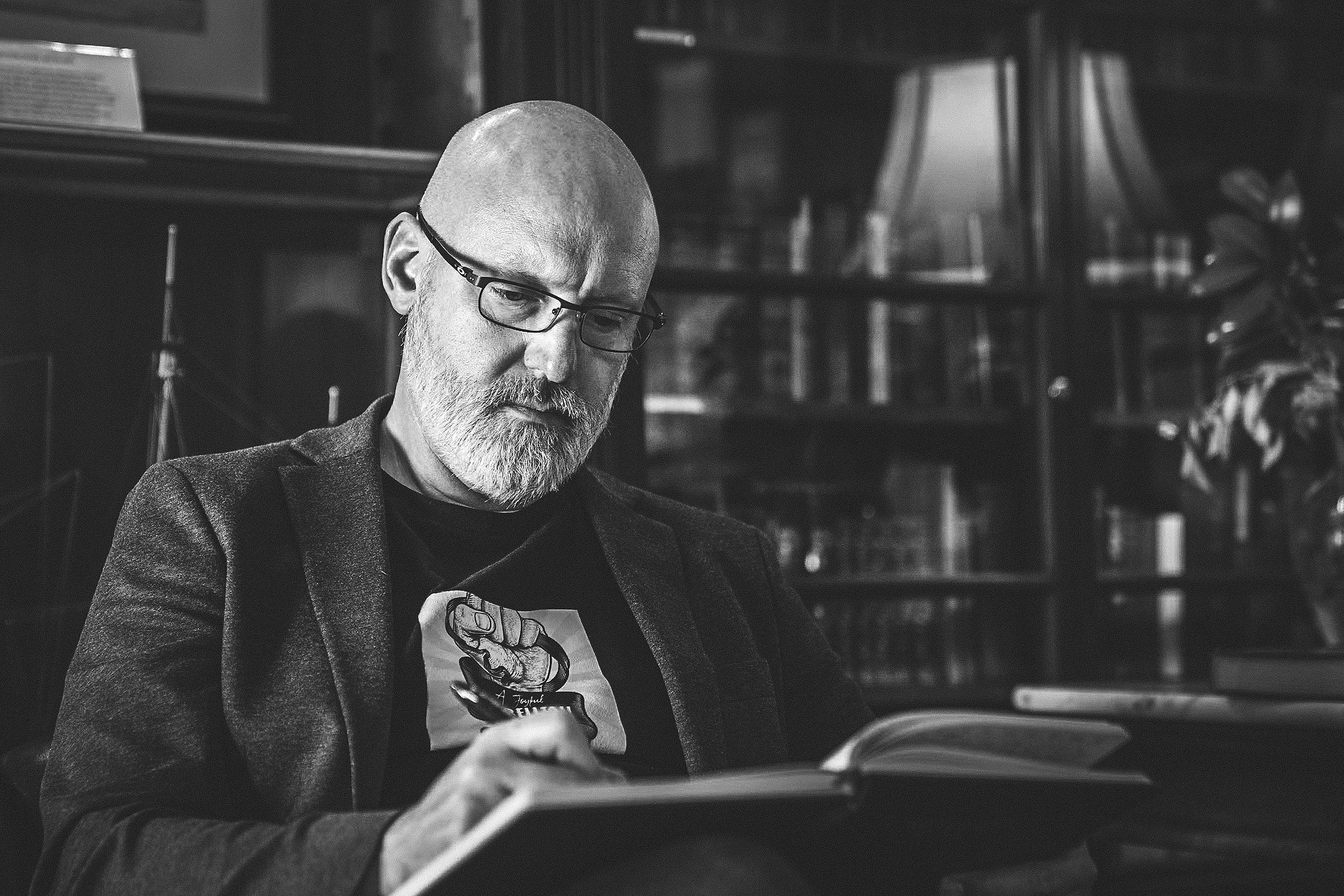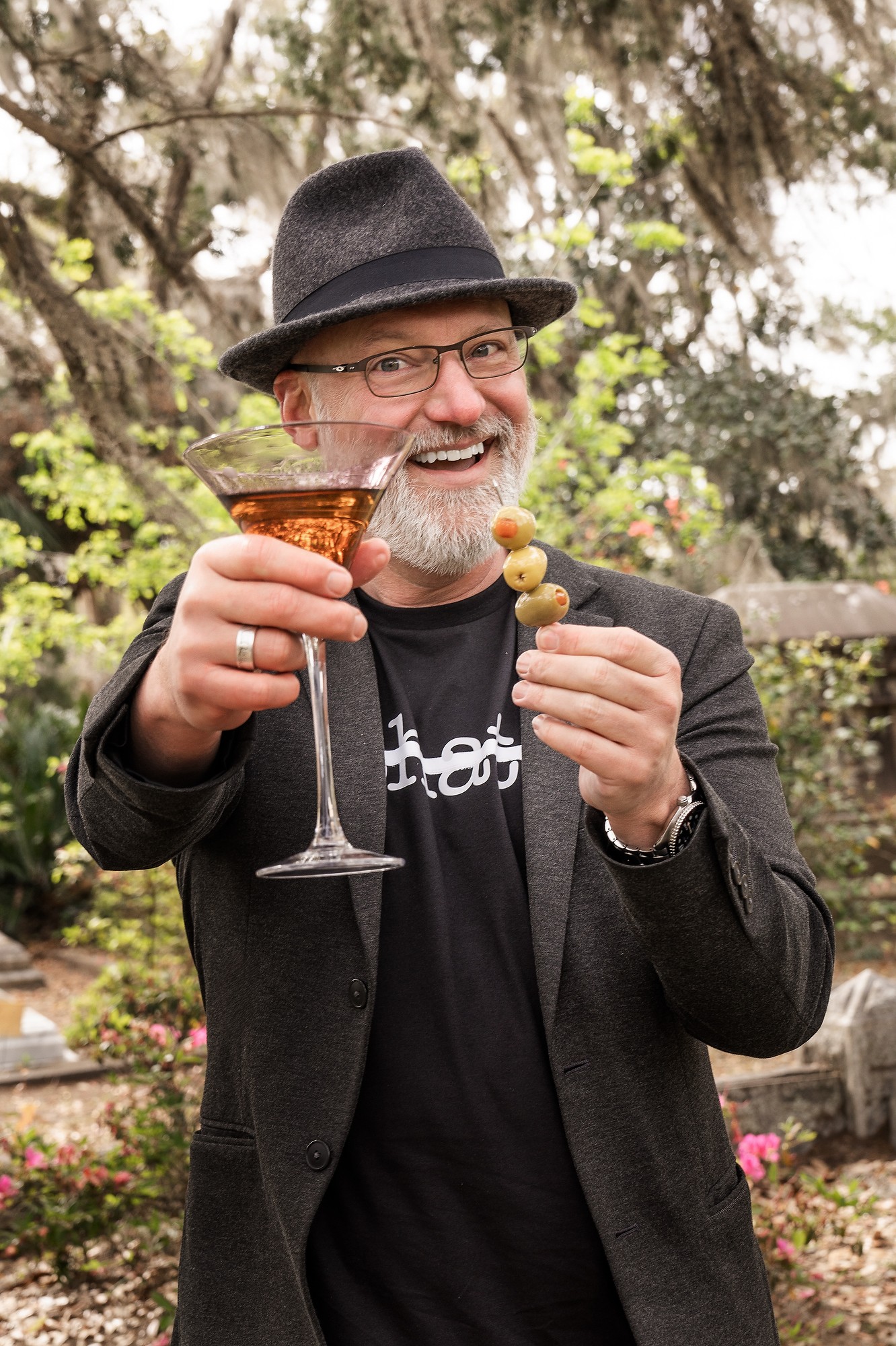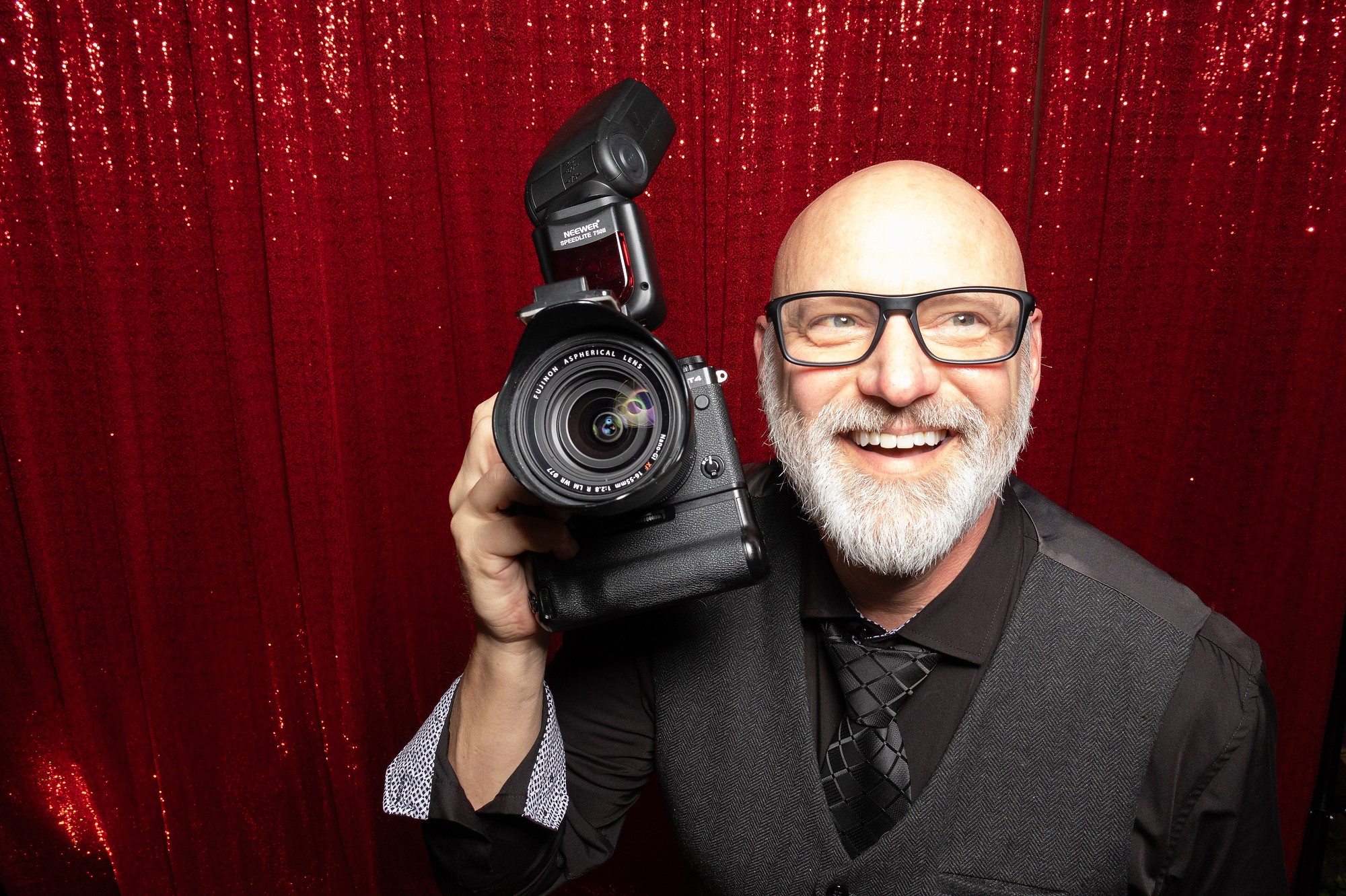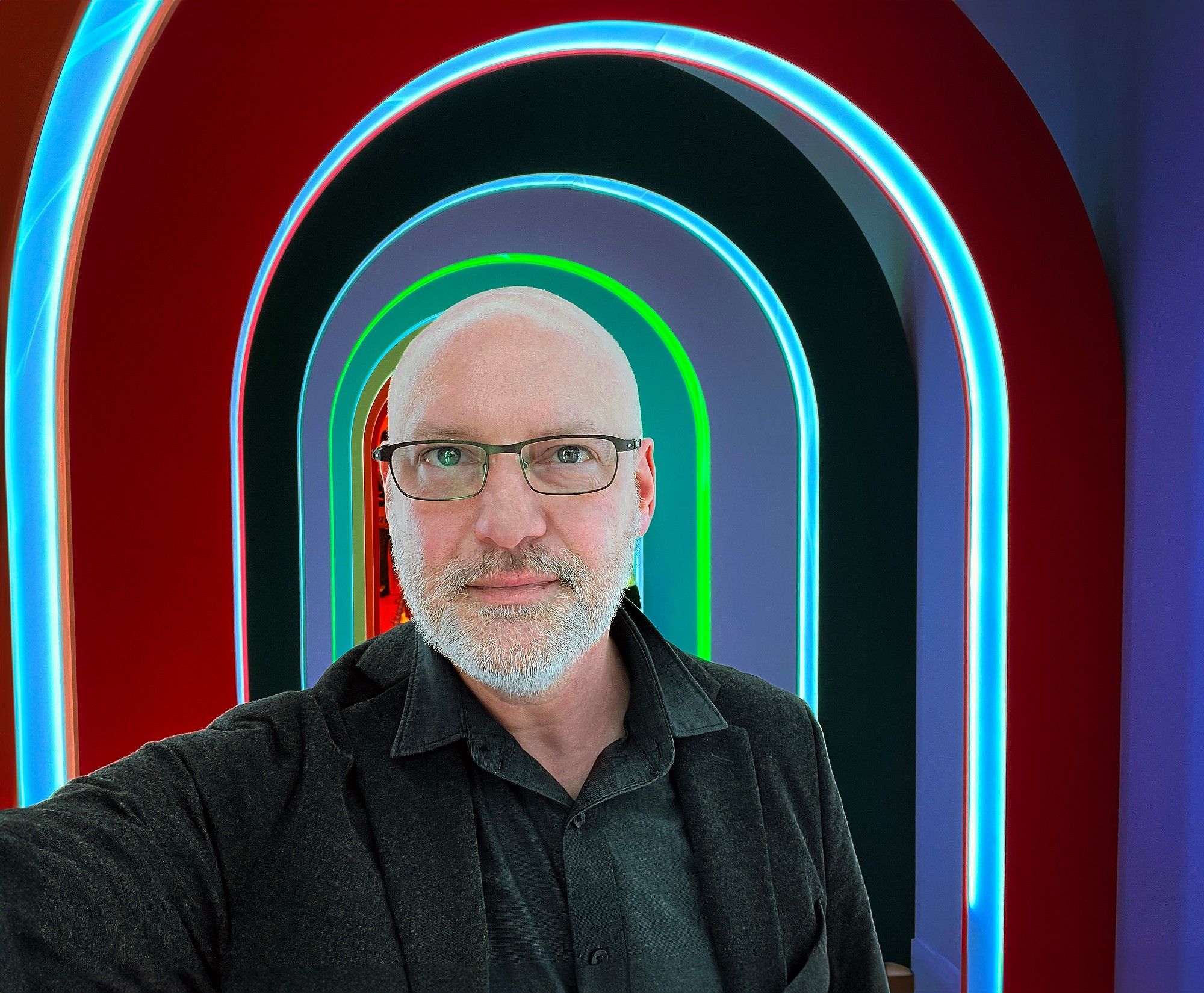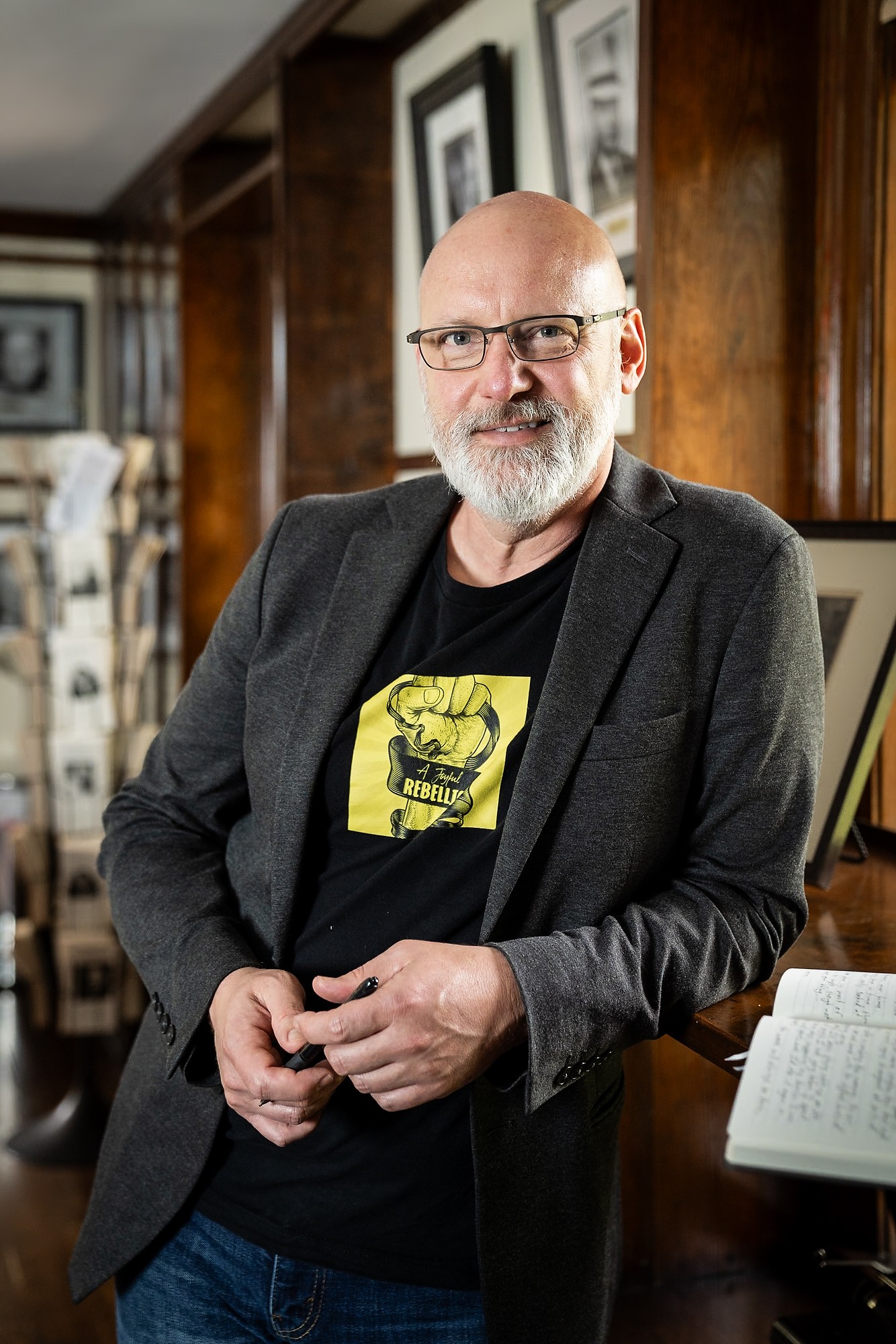




Today we’d like to introduce you to James Walters.
Hi James, we’d love for you to start by introducing yourself.
Morning light hits the pavement before it hits the houses.
When I was fifteen, I asked my younger siblings to stand still in the street while I drew chalk smiles where their faces would have been. Their shadows stretched across the asphalt, long and featureless. Later, in the darkroom, I flipped the print upside down so the shadows stood upright like people who had always existed that way.
I didn’t know it then, but that was the first time I realized a photograph could show more than what was in front of me.
I didn’t grow up planning to be a photographer. I was a quiet kid — the kind teachers probably thought was daydreaming. I was, but not in the way it looked. I was trying to make sense of things.
One of my earliest memories is panicking as a four-year-old walking beside my house, convinced I was hearing something following me, stalking me, until I realized the sound was just my corduroy pants brushing together. I remember laughing and crying at the same time. That moment stuck with me — sometimes what we feel and what’s actually happening are very different things.
Years later, I bought a pawn-shop Pentax K-1000 for a high school class and started photographing everything — friends, textures, shadows. Eventually I realized what fascinated me most: the camera turns a three-dimensional world into two dimensions. It forces you to decide what matters and what doesn’t.
From then on photography wasn’t about recording life for me.
It was about helping people notice it.
I went to college to study photography, then began my career in commercial photography — perfect lighting, perfect products — but the images felt disposable. A season later they didn’t matter anymore.
Weddings were different. Those memories seemed to appreciate n
I’m sure it wasn’t obstacle-free, but would you say the journey has been fairly smooth so far?
Not exactly. My struggles weren’t dramatic business failures — they were more internal than external.
Early in my career I started to feel boxed in by the idea of being a photographer. When your passion becomes your job, it’s easy to let it quietly become your identity. For a while I thought every part of who I was had to live or die by the quality of the images I made. That’s a heavy way to live, and honestly it narrows both your creativity and your relationships.
At the same time, I was doing successful commercial work, but the images didn’t matter for very long. They did their job and then disappeared. Later, as social media grew, I also felt myself helping people create versions of themselves they thought they were supposed to be instead of who they actually were. That bothered me more than any technical or financial obstacle ever did.
The real struggle became figuring out what my work was actually for — and separating who I am from what I produce.
Seeing families come back to photos years later, and especially volunteering for Flashes of Hope in a hospital environment shifted something for me. I stopped thinking about whether I had made a “good photograph” and started realizing I was helping someone hold onto a person, a moment, or a feeling they couldn’t get back any other way.
So the road wasn’t rough in the traditional sense, but it involved a lot of course-correcting — moving from trying to be a photographer to simply being a person who uses photography in service of other people. I’m still learning how to do that better every day.
Thanks for sharing that. So, maybe next you can tell us a bit more about your work?
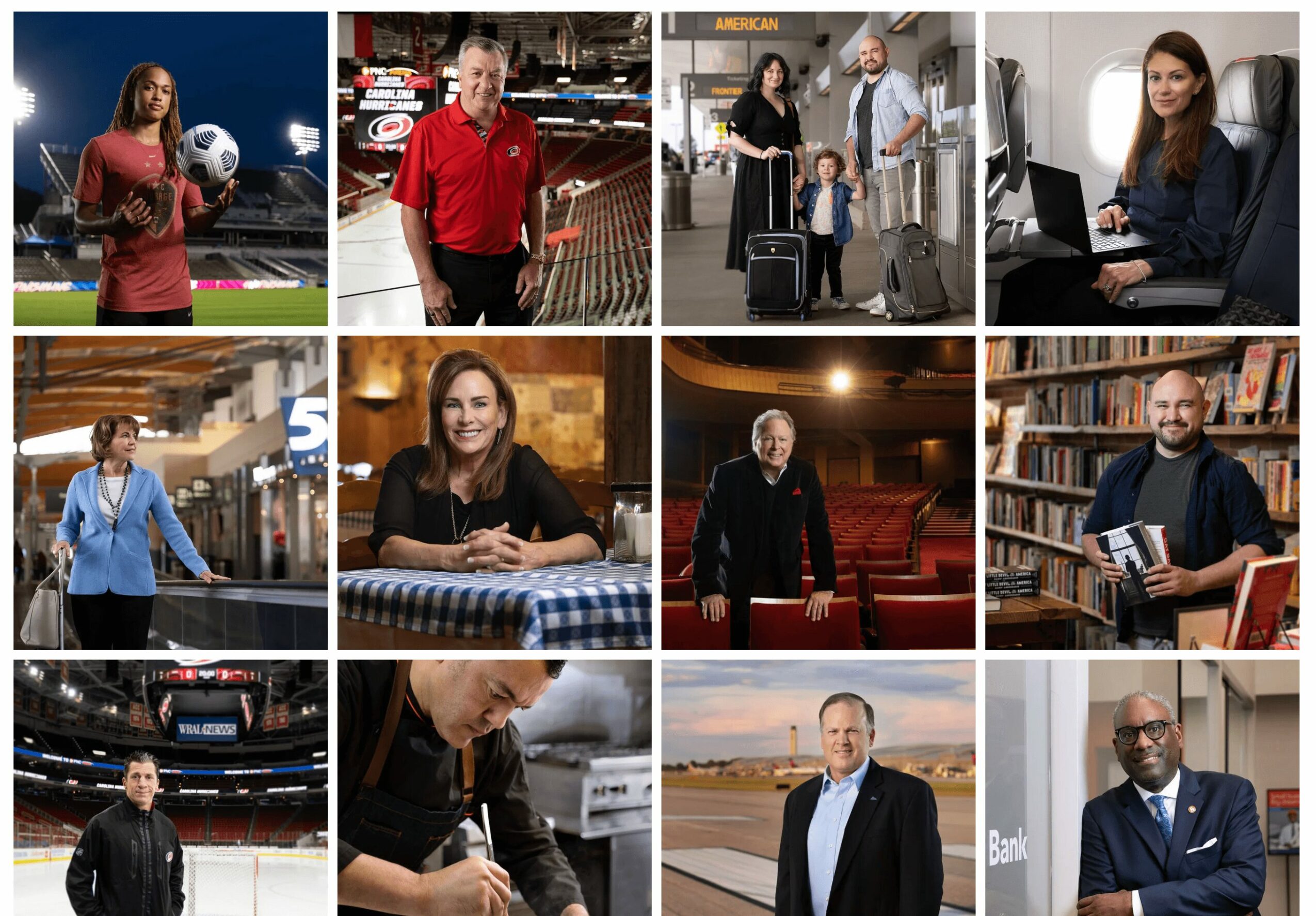
I photograph people, but more than that I help them recognize themselves in a moment they didn’t realize was meaningful at the time.
Most of my work lives around milestones — weddings, families, personal branding, and storytelling projects — but the common thread isn’t the event. It’s the experience. I spend a lot of time talking with people before I ever lift the camera so they can relax into being themselves. The goal isn’t to manufacture a perfect version of them, it’s to let something real surface.
I’m probably best known for calm energy during high-emotion situations. Over the years I’ve heard clients say they felt comfortable almost immediately, and that changes everything about a photograph. When people feel safe, they stop performing. That’s when the image actually starts to matter.
What I’m most proud of isn’t a specific photograph — it’s when someone reaches out years later and tells me a picture became important to them after time passed. That’s when I realized this was a long game that might be playing even long after I’m gone. Sometimes it’s the last photo of a loved one, sometimes it’s a moment they didn’t realize would matter. Those messages remind me the work isn’t only about creating impressive images; it’s about giving people something they can return to, and feel good about.
What probably sets me apart is that I don’t see the person in front of the camera as a subject. They’re a collaborator. My job isn’t to show what I can do — it’s to notice who they are and make space for that to exist in the frame.
Where do you see things going in the next 5-10 years?
I think the industry is splitting into two directions at the same time.
On one side, images that look like photography are becoming easier to produce than ever. AI can edit, sort, retouch, and even generate images now, and that’s only going to accelerate. A lot of the technical hurdles that used to define a professional photographer are disappearing. In some areas, the “perfect” image is becoming automated, and that’s going to change what clients think they need.
But interestingly, that’s also pushing people in the opposite direction.
The more synthetic images exist, the more valuable real moments become. I think we’re moving toward an authenticity premium — people caring less about flawless pictures and more about honest ones that actually feel like their life.
For me, that connects directly to storytelling. Cameras won’t be the differentiator anymore — perspective will. The photographers who last won’t just be the ones who can make beautiful images, but the ones who can help people recognize themselves in them.
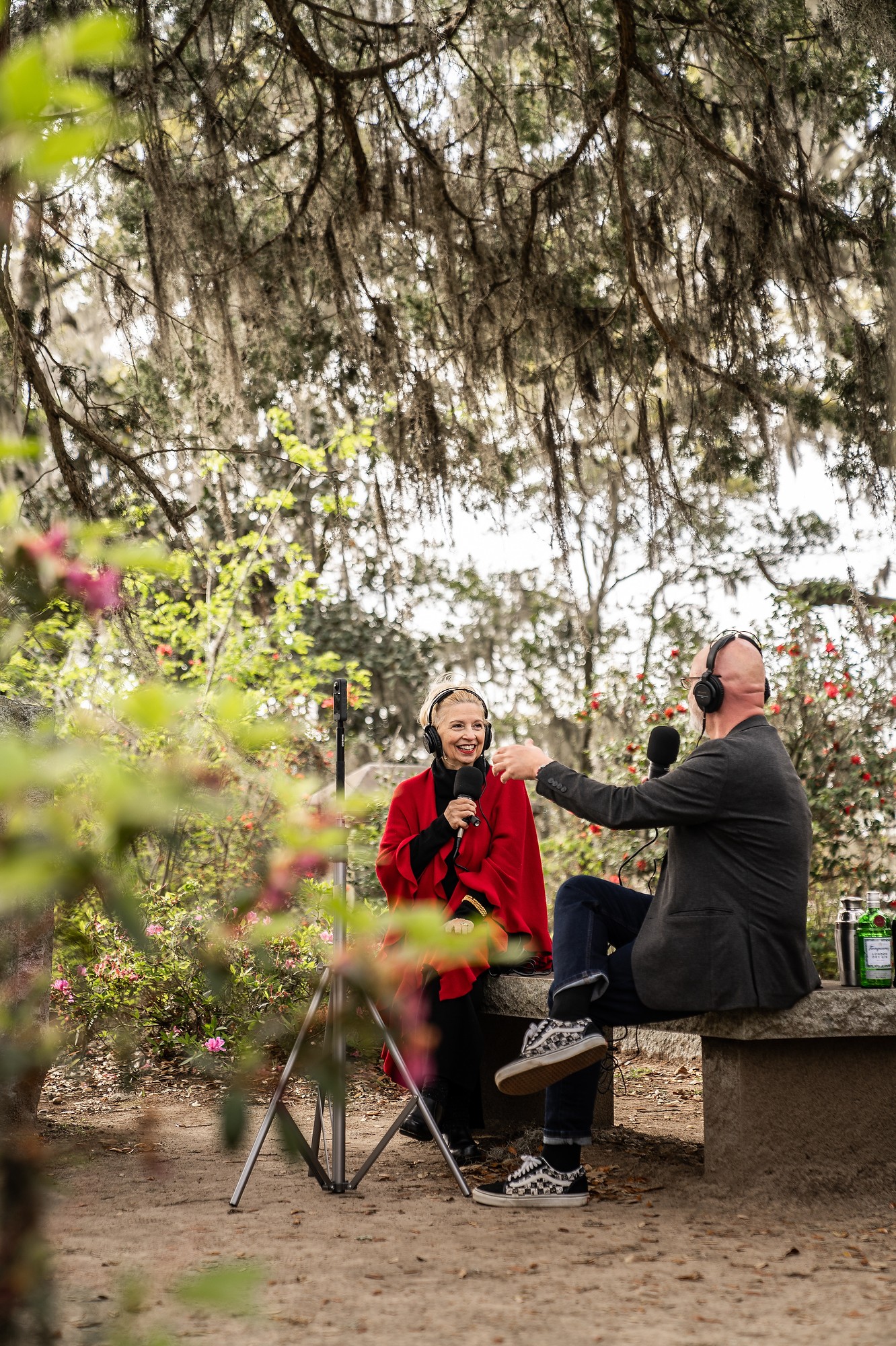
I also think photography will blend more with other forms of storytelling — video, audio, documentary-style work — because people aren’t just documenting events anymore, they’re trying to understand their lives. That’s where I see my work going: less about producing photos and more about helping people preserve meaning.
So I don’t see photography disappearing. I see it becoming more human.
The technology will handle the perfection.
We’ll be responsible for the truth behind it.
Contact Info:
- Website: https://jameswalters.com
- Instagram: a.joyful.rebellion
- Youtube: https://www.youtube.com/@AJoyfulRebellionPodcast