




Today we’d like to introduce you to Ben Harris.
Ben, we appreciate you taking the time to share your story with us today. Where does your story begin?
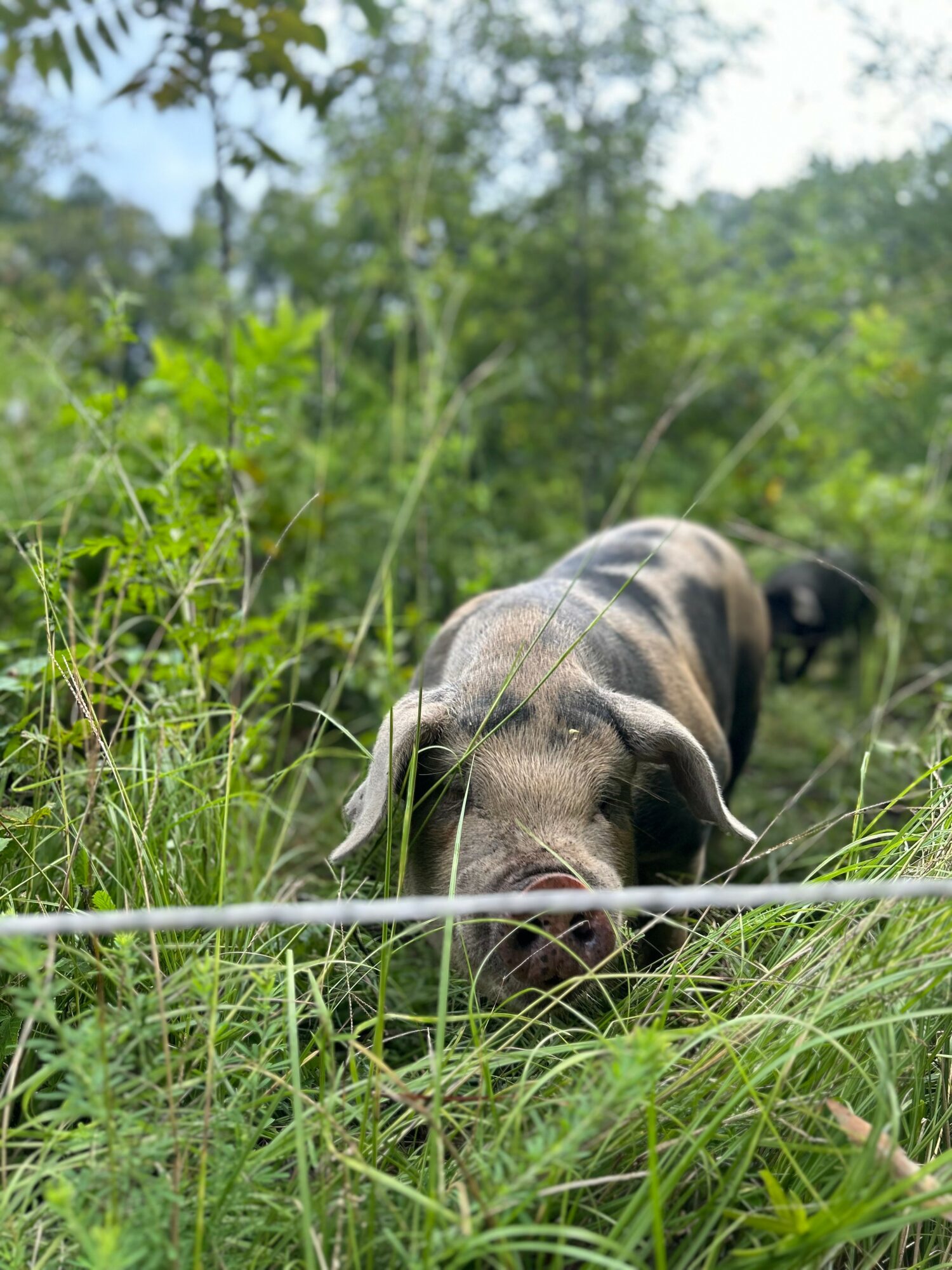
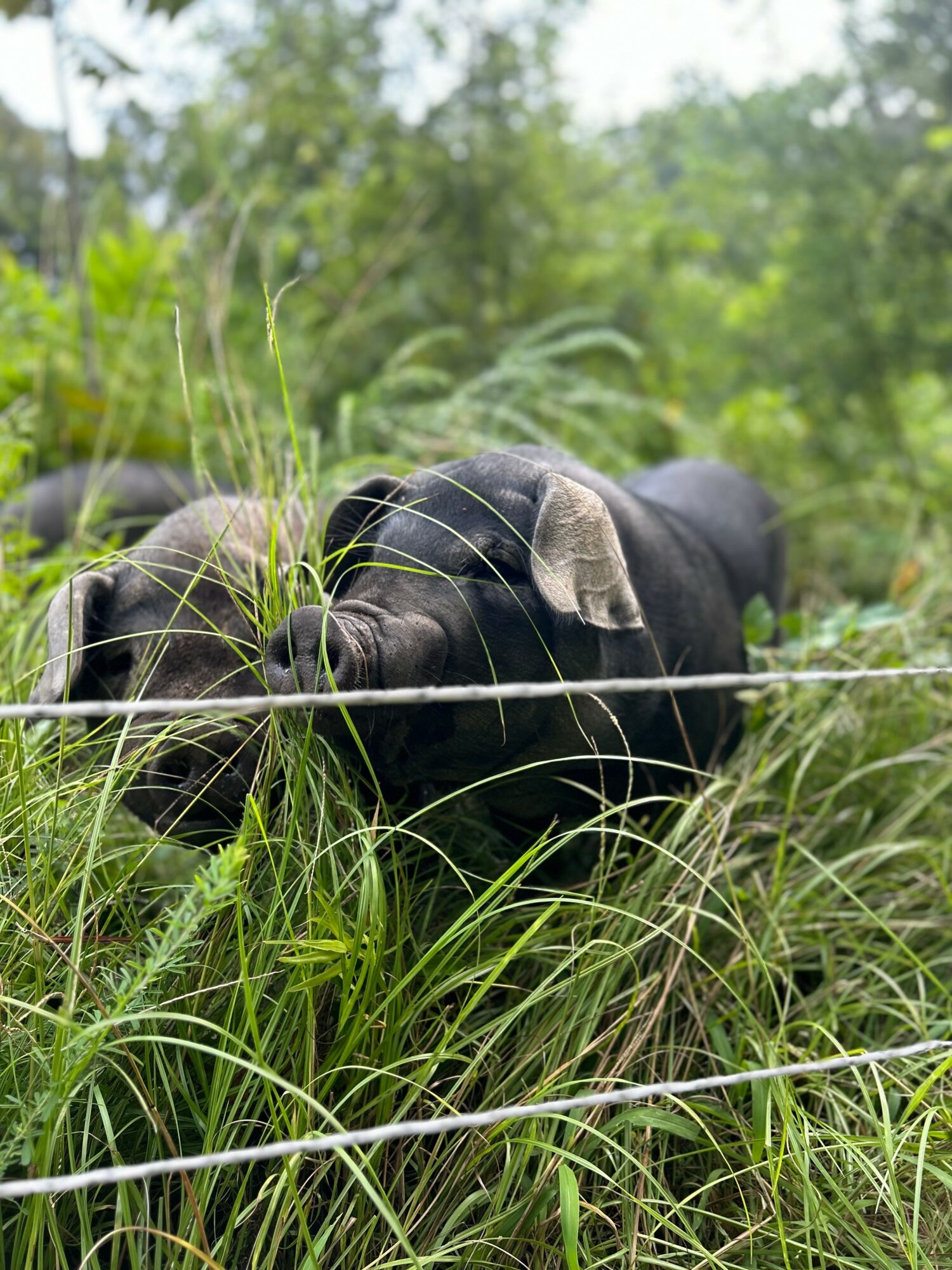
When we bought this property, it was dominated by invasive and undesirable plants — tons of wisteria, kudzu, green briar, bermuda grass, and poison ivy. Pigs are little bulldozers — they ate and uprooted the undesirable plants and fertilized the soil with their manure and urine. And because I constantly move them to new areas, they always get fresh forage to eat, and the land has time to recover behind them. Immediately after the pigs leave a paddock, the soil is disturbed and packed with fertility. A few months after that, the area isn’t just fully recovered and lush with fresh growth, it’s lush with even more native species than before the pigs arrived. Their impact and fertility stimulates the native ecology to thrive. Today, because of the pigs, the farm is more ecologically diverse, has many more native species, and fewer invasives. This type of livestock management is great for the animals and for the land. Each group of pigs experiences a more diverse and verdant ecosystem than the one before it, and each year, the farm is able to capture more sunlight, more rainwater, more nutrients, and become a better habitat for native ecology. It’s exciting to see how the farm becomes more productive each and every year.
I’m sure it wasn’t obstacle-free, but would you say the journey has been fairly smooth so far?
Selling high quality pork is extremely difficult. Because of industrial hog farming, people are used to pork being dirt cheap and flavorless. Most folks are willing to buy steak for $15-20/lb, but not pork, even when the quality, flavor, and nutritional value of my pork beats mass-produced grocery store steak by a mile.
As you know, we’re big fans of you and your work. For our readers who might not be as familiar what can you tell them about what you do?
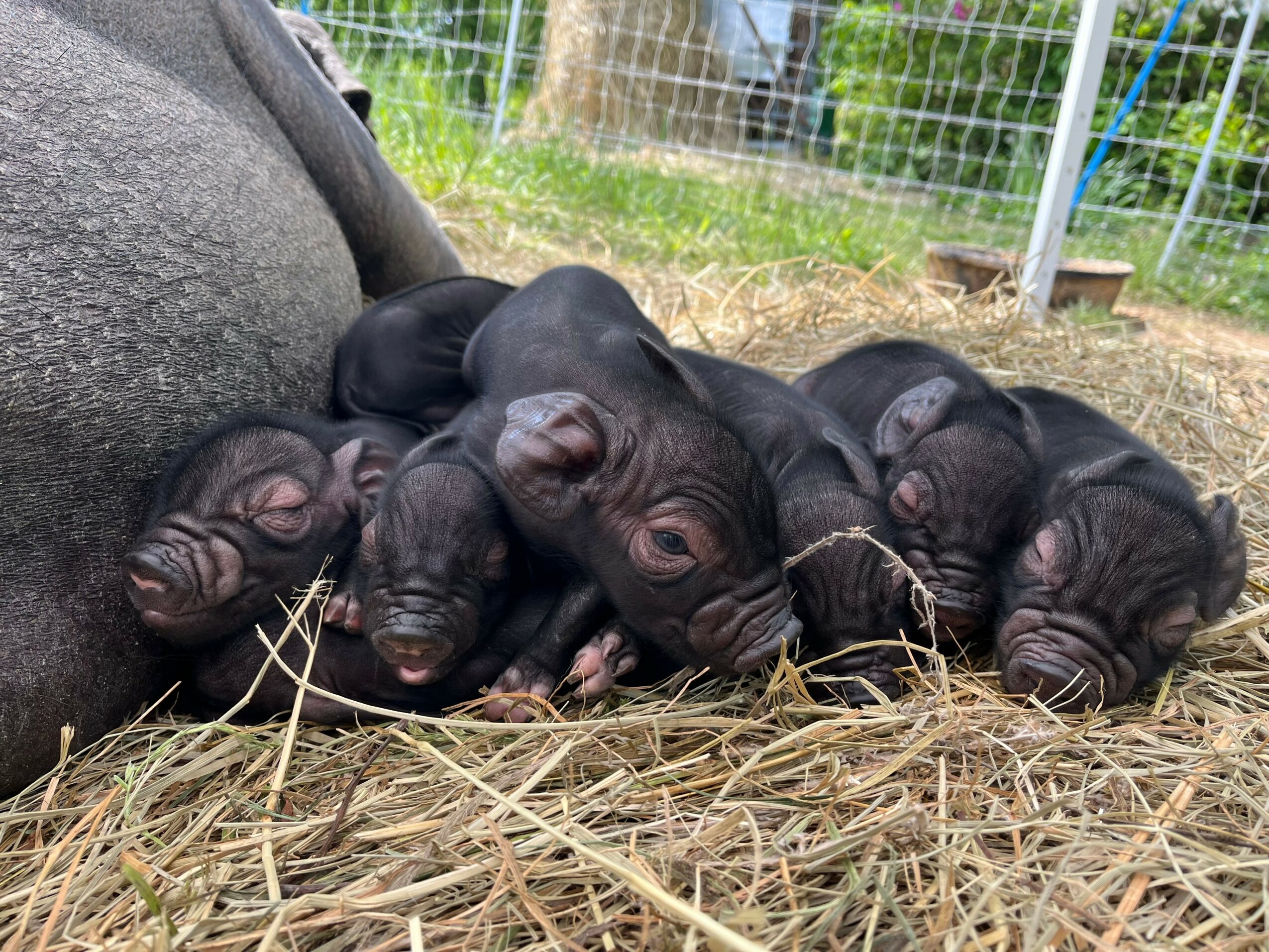
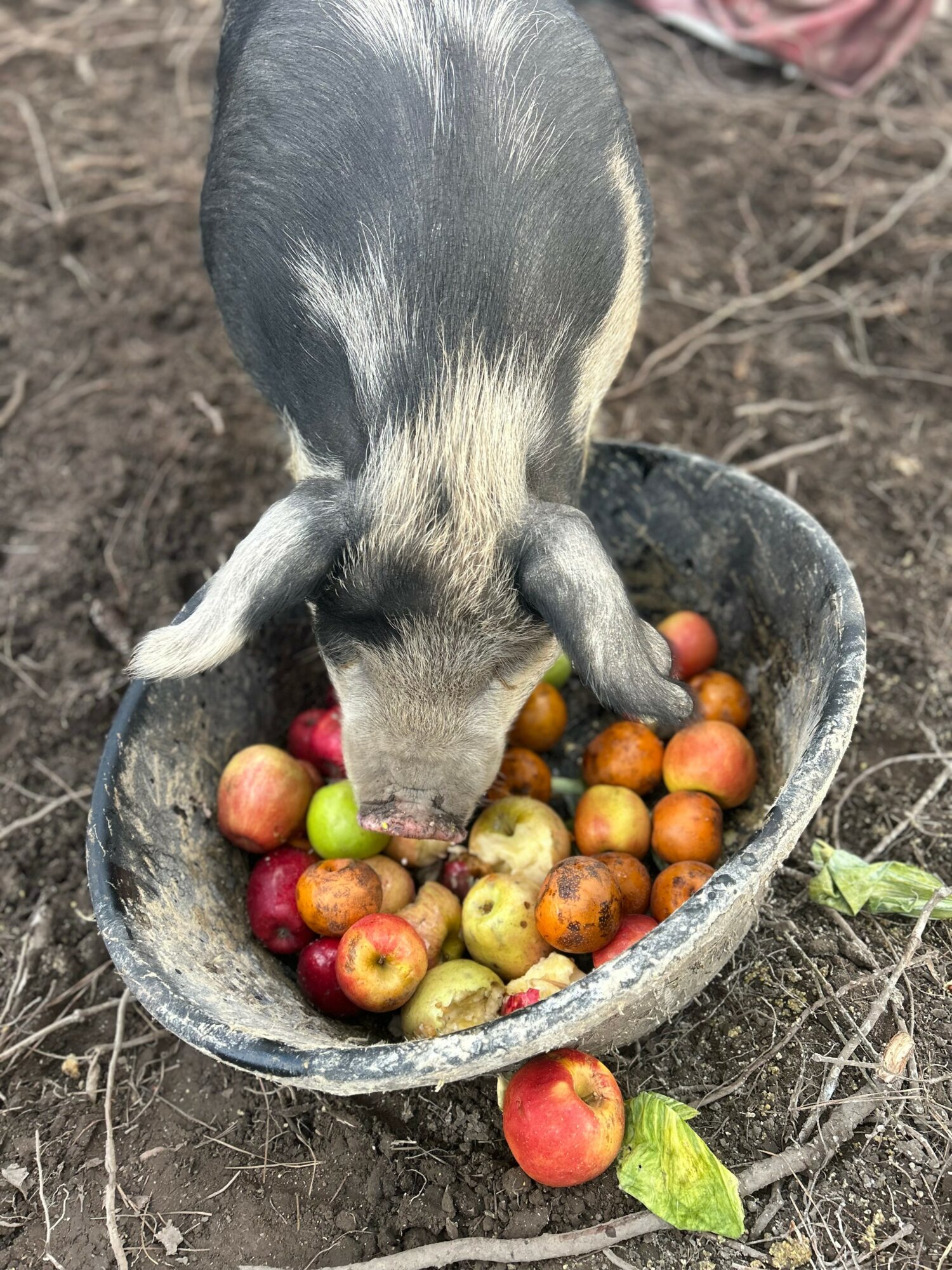
I’m extremely proud of the animals I raise. Some of Durham’s best chefs say that my pork is among the best they’ve ever had, anywhere in the world. It starts with breeding. My pigs’ genetics are carefully selected from specific breeds that are known for their flavor, texture, and ability to digest and store nutrients in their muscle tissues and fat. Then they’re fed an excellent diet. I ferment high-quality feed to make it maximally nutritious for them, and supplement with weekly truckloads of bruised fruits and vegetables — the stuff that doesn’t sell at farmers markets, but is still perfectly healthy and nutritious. And of course the pigs moving around the farm eating all sorts of plants, flowers, berries, seeds, and nuts. My pigs get fat and happy on things like collards, pumpkins, apples, seeds, acorns, grasses, clovers, and whole grains, and all those vitamins and minerals and nutrients get stored in their meat and fat. The end result is pork that’s deep red in color (some people mistake it for beef), intensely flavorful, and very nutritious. There are lots of great pig farmers around the state, but I think I’m the only one who has these genetics, and feeds this high-quality feed.
So, before we go, how can our readers or others connect or collaborate with you? How can they support you?
Buy my product. Splurge on high quality, extremely healthy local pork instead of grocery store feedlot grain fed beef. It’s healthier for you, keeps more money in the local economy, and keeps my farm running.
Pricing:
- https://static1.squarespace.com/static/61f0868836251a5eac6598e1/t/683f8f49a7773521f0efd97c/1748995914075/Copy+of+PORK+PRICES+%282%29.jpg
Contact Info:
- Website: https://www.rootedtreenc.com/
- Instagram: https://www.instagram.com/rootedtreenc