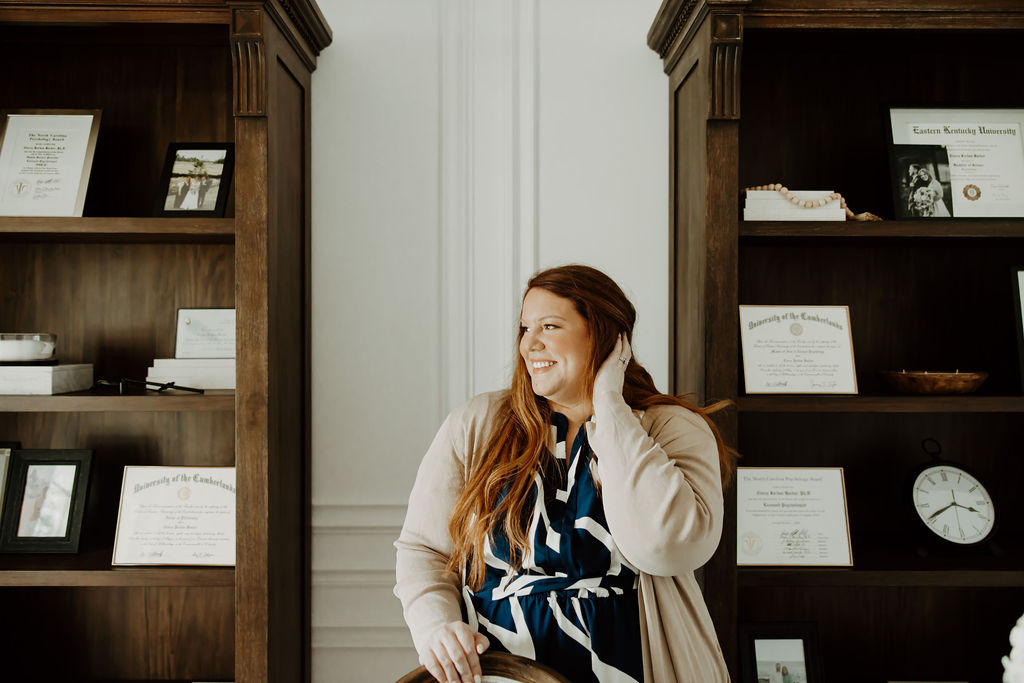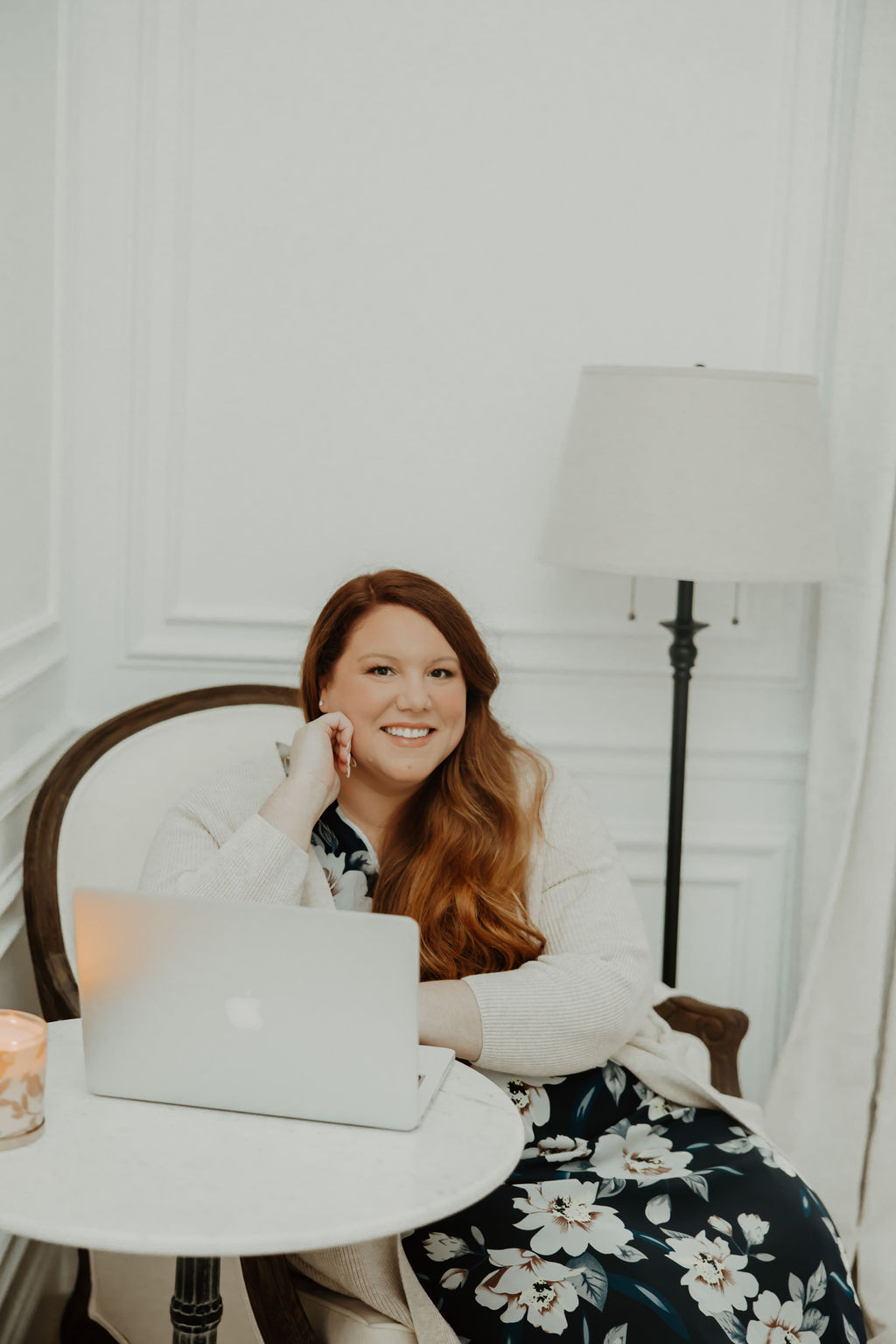





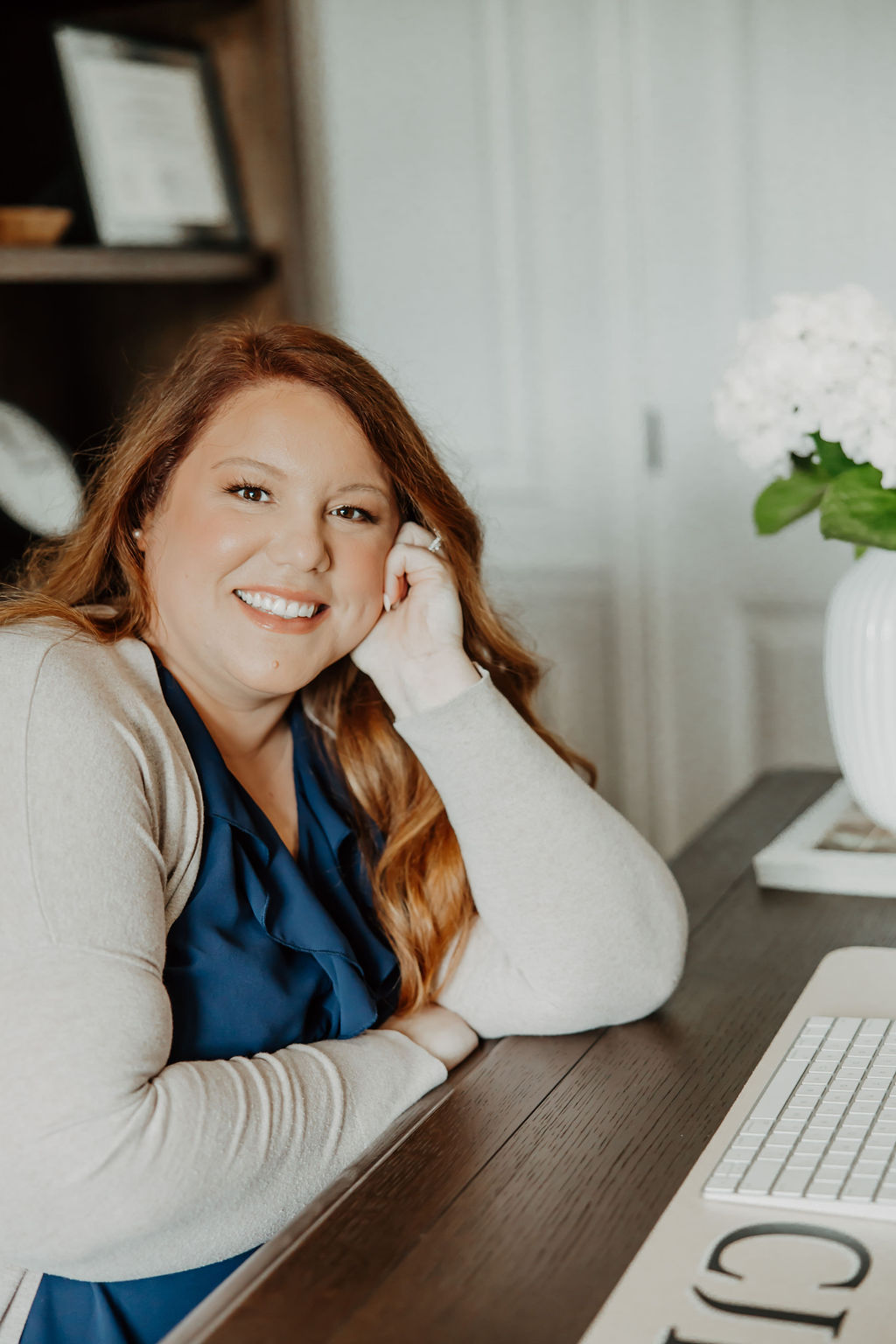
Today we’d like to introduce you to Dr. Cierra Listermann.
Hi Dr. Cierra, please kick things off for us with an introduction to yourself and your story.
I didn’t always practice the way I do now. Early in my career, I followed a pretty traditional path of working in clinical settings, seeing clients weekly, doing what most psychologists are trained to do. But, I felt that something was missing and quickly noticed a pattern. Clients would come in motivated and insightful, but progress often felt slow or fragmented and there often wasn’t enough time in a traditional 50-minute window to complete deeper emotional processing, especially when working through trauma and PTSD. That didn’t sit right with me. I knew therapy could be more effective than that and trauma survivors’ stories deserved more.
So I started to shift, questioning the structure of therapy itself, and reflecting on: what would it look like if therapy didn’t feel rushed? How can I create enough space for real, meaningful shifts in this specific type of therapeutic work? I pursued advanced training in evidence-based trauma treatments, particularly Cognitive Processing Therapy, and began reimagining how trauma therapy could be delivered with the goal of feeling less rushed, more intentional, and designed for deeper work.
What I’ve built now reflects that evolution. My practice exclusively offers longer, more focused sessions and intensives that allow my clients to engage in meaningful, structured work without feeling rushed. It’s a more refined approach to therapy, and one that’s designed for trauma survivors who are ready for lasting change. Extended sessions and intensives give my clients the time and structure needed to really move through their experiences and foster sustained trauma recovery. It’s a different pace, a different level of care, and ultimately, a different outcome.
We all face challenges, but looking back would you describe it as a relatively smooth road?
It definitely hasn’t been a smooth road. Like most clinicians in the mental health field, I started in systems that prioritize volume over depth (my pre-doctoral internship was in correctional facilities). I feel there’s a real moral tension in that paradox as a clinician wanting to provide high-quality care while navigating limitations that don’t always support it.
One of the biggest challenges for me was stepping away from that model. Moving into private practice, refining my niche, and building something more specialized required a level of clarity and risk tolerance that isn’t often talked about. There’s also the ongoing work of holding high clinical standards while running a business. Those are two very different skill sets with a steep learning curve that I’m still figuring out as my practice and technology grows and evolves over time.
These challenges ultimately shaped the practice I have now, which I’m grateful for. They pushed me to be more intentional about how I work and who I serve, which has made my clinical work more aligned with my values as a psychologist and also more effective for my clients.
Thanks – so what else should our readers know about Carolina Trauma Recovery and Psychological Services?
My private practice is fully virtual, serving adult clients across North Carolina. That decision was very intentional. Trauma work requires consistency, vulnerability, and a sense of psychological and environmental safety. For many clients, being able to engage in therapy from their own environment with their own personal comforts often removes barriers and allows for deeper focus in therapy sessions. It also creates greater access to specialized care, without being limited by location.
I specialize in working with adults navigating trauma and PTSD, as well as support clients navigating anxiety, depression, chronic stress and burnout, traumatic grief, stressful life transitions, and women’s issues. I also provide LGBTQIA+ affirming care. I often work with clients who are insightful, motivated, and used to holding it all together, but often feel stuck in traditional therapy models and are searching for something more.
I’m known for offering Cognitive Processing Therapy (CPT) in a more focused, elevated format, including 90-minute extended sessions and therapy intensives. This creates a level of continuity and momentum that’s often missing in standard weekly care, allowing clients to move through stabilizing, processing, and integration with more clarity and efficiency.
What truly sets my practice apart is the structure and intentionality behind it. Every element, from session length to treatment planning, is designed to support forward movement. I operate outside of high-volume models, which allows me to provide a more tailored, high-touch experience. My clients engage in a structured, evidence-based approach that’s designed to create meaningful, measurable, and long-lasting change.
From a brand perspective, I’m most proud of creating something that feels both clinically rigorous and deeply considered. The therapy experience is refined, comprehensive, and aligned from start to finish. It’s a thoughtfully designed experience where clients can do deep, focused work in a way that feels contained, supported, and ultimately transformative.
Where do you see things going in the next 5-10 years?
The industry is changing quickly, and honestly, clients are driving a lot of that change. People want therapy that is accessible, effective, and actually moves them forward, not something that feels open-ended or slow without a roadmap.
We’re seeing a huge rise in virtual therapy that began during the pandemic. I believe that’s here to stay and it’s becoming mostly the standard for practices to offer telehealth services at this point. This shift has made care more accessible and convenient, and for many clients, it simply works better for them in the busy world we live in.
There’s also a big push toward more personalized and specialized care. Clients are looking for mental health clinicians who really understand their specific concerns, like trauma or burnout, and who can offer evidence-based approaches that are research-backed to provide results, but can still be personalized to meet identified treatment goals and provide meaningful change.
Technology will continue to play a role too, such as AI tools, and mental health apps, but I think those will be most beneficial to complement therapy, not replace it. The human relationship, genuine connection, and clinical expertise are still essential to the therapeutic process. If anything, I think we’re moving toward a model that’s increasingly focused and efficient, and more tailored to the individual, which is a really positive and necessary shift.
Contact Info:
- Website: https://www.carolinatraumarecovery.com
- Instagram: https://www.instagram.com/carolinatraumarecovery/
- LinkedIn: https://www.linkedin.com/in/cierra-listermann-ph-d-hsp-p-23bba3154/