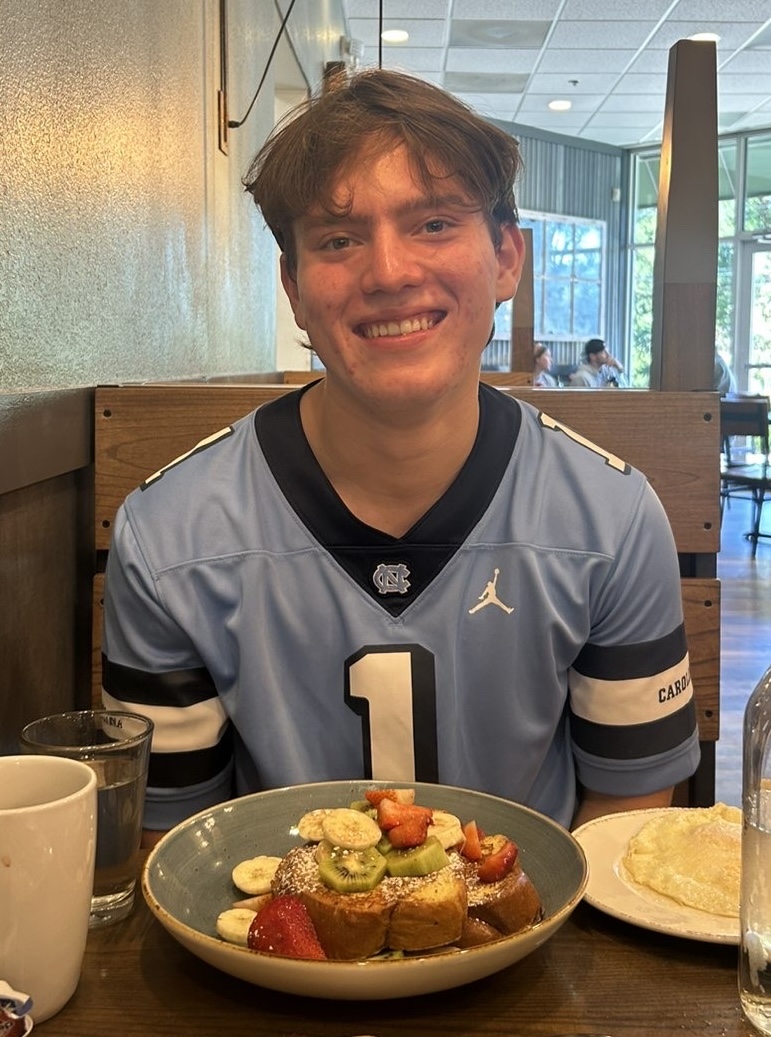





Today we’d like to introduce you to Alan Solis Elrod.
Hi Alan, we’d love for you to start by introducing yourself.
I’m a serial entrepreneur—I started my first online business at 16, building AI-generated content farms and learning how to scale traffic and automate distribution early on. That experience taught me leverage at a systems level, but also showed me the limits of purely consumer-facing models.
At 18, I pivoted into B2B SaaS and launched RT4Orgs under Solis Consulting, focusing on high-signal recruitment data for student organizations. We scaled that across universities nationwide, working with a wide range of fraternities and helping them modernize how they recruit. That naturally expanded into adjacent problems—especially around NIL services and institutional visibility—where we began building systems to help universities and organizations better understand and act on real data.
Now at 19, I’m preparing the next phase: RT4Athletics, an NIL risk modeling SaaS platform designed for basketball and college football athletic departments. The focus is on bringing structure and predictive intelligence to a space that’s currently chaotic—helping ADs evaluate risk, optimize NIL allocation, and make more informed decisions in a rapidly evolving market.
Across everything I’ve built, the common thread is turning messy, opaque systems into something measurable, structured, and actionable—and scaling that into products that institutions actually use.
I’m sure it wasn’t obstacle-free, but would you say the journey has been fairly smooth so far?
Not at all—it’s been pretty chaotic, honestly.
Early on, when I was running AI content farms, the biggest challenge was durability. You can generate traffic and even revenue, but platforms change fast—algorithms shift, content gets commoditized, and what works one month can disappear the next. That forced me to think beyond short-term wins and start focusing on building something with real staying power.
When I moved into B2B with Solis Consulting, the challenges completely changed. Instead of just building, I had to learn how to sell—how to convince real organizations to trust a product built by a 18–19 year old. Getting those first customers was hard. There’s no brand, no credibility, and every conversation is uphill at the beginning.
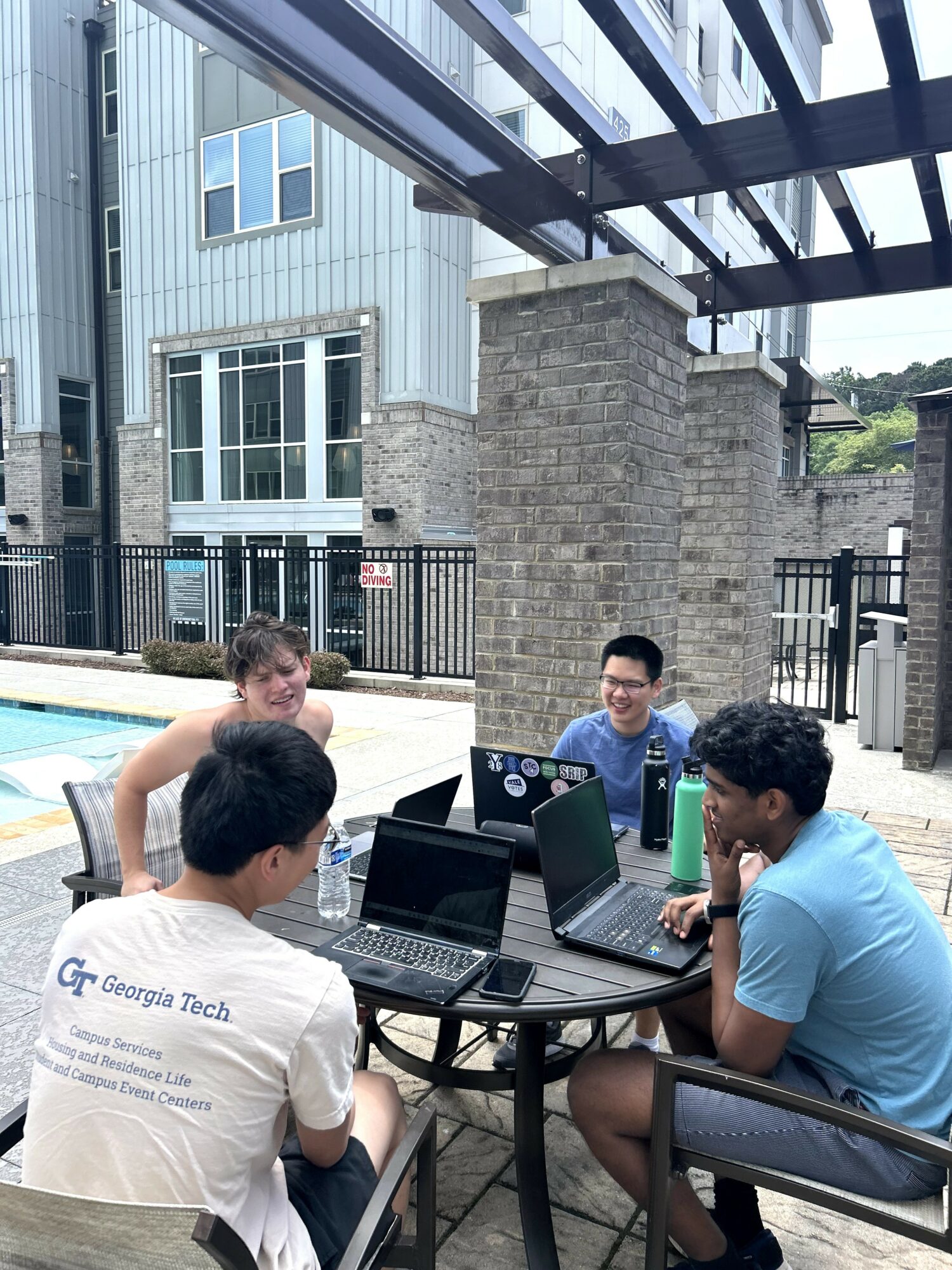
On top of that, I was building everything while still in school at University of North Carolina at Chapel Hill, juggling academics, sales, product, and a team. There were definitely periods where it felt like too many things at once—especially financially, after losing a stable income source and needing the business to actually start working.
There have also been technical and operational struggles—data quality issues, scaling pipelines, figuring out how to turn scrappy systems into something reliable enough for institutions. And more broadly, just figuring things out without a clear playbook. A lot of it has been trial and error.
But I think that’s kind of the point. Every phase forced a shift—from quick wins to durable systems, from building to selling, from individual execution to managing people and products. It hasn’t been smooth, but each challenge pushed the business into something more real.
Appreciate you sharing that. What should we know about Solis Consulting?
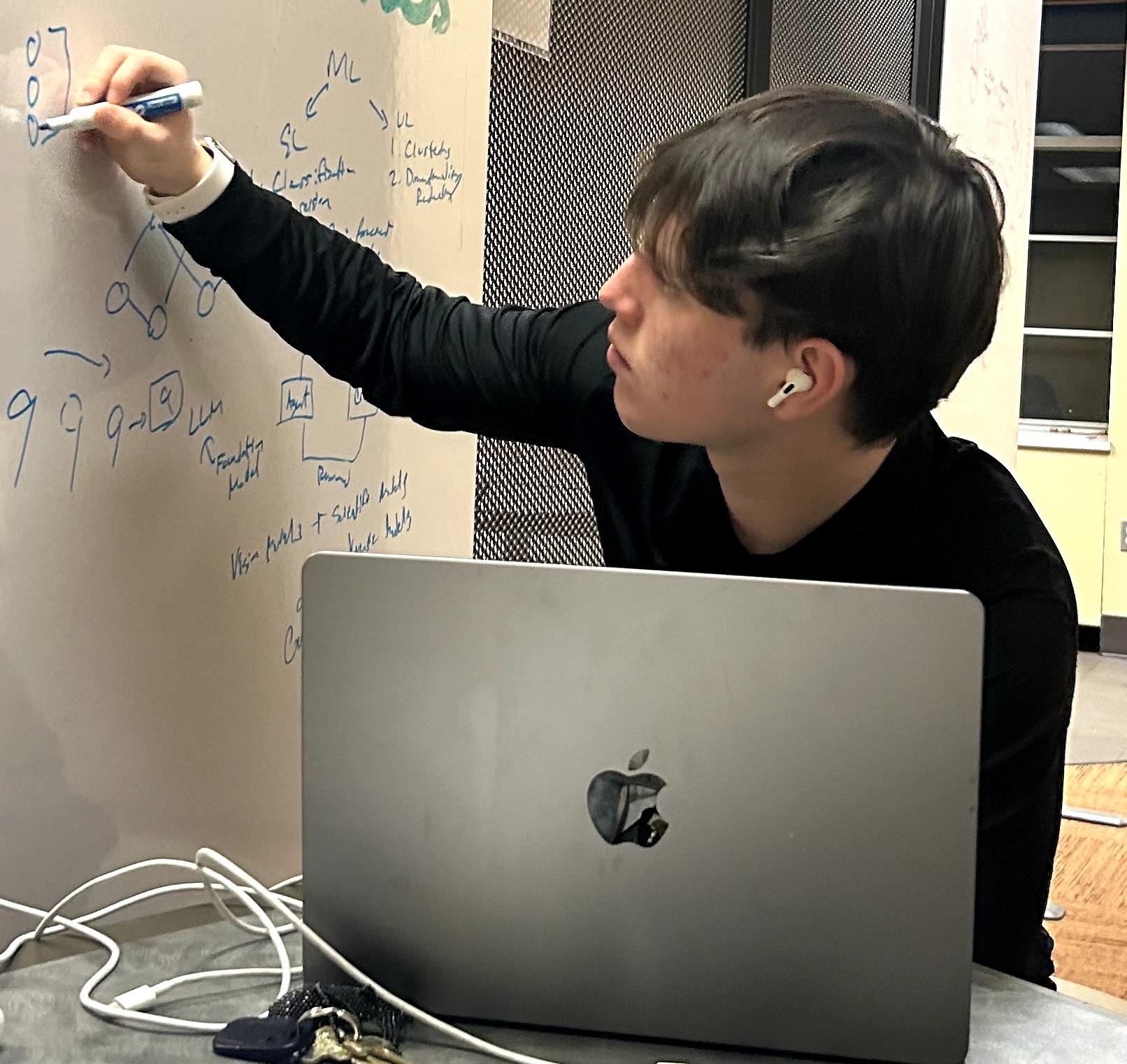
At its core, Solis Consulting is an applied AI company focused on one thing: making complex, opaque systems measurable and actionable.
We build data infrastructure and SaaS products that help organizations—especially universities and student ecosystems—actually see what’s happening in real time, instead of relying on outdated reports or assumptions.
Our core products reflect that:
RT4Orgs – high-signal recruitment intelligence for student organizations (fraternities, clubs, etc.), helping them identify and reach the right people more effectively
RT4Athletics (upcoming) – NIL risk modeling for athletic departments, helping them navigate one of the most chaotic and rapidly evolving markets in college sports
What we specialize in is enumeration and real-time intelligence. Instead of scraping surface-level data or relying on proxies, we build structured systems that aim to fully map a given environment—whether that’s data analytics, a campus ecosystem, or a recruiting pool—and keep it continuously updated.
That’s really what sets us apart. Most tools in these spaces are either static, self-reported, or incomplete. We focus on coverage, structure, and usability —taking messy, fragmented data and turning it into something decision-makers can actually rely on.
Brand-wise, what I’m most proud of is that everything we’ve built is real and in use. We’ve worked with organizations across universities nationwide, and even at an early stage, we’ve been able to deliver something people will pay for and use operationally. It’s still lean, but it’s not hypothetical.
More than anything, I want people to understand that we’re not just building tools—we’re building infrastructure for visibility. Whether it’s recruiting, analytics, or NIL, these are all systems where decisions are being made with incomplete information. Our goal is to change that, and over time, expand into a broader platform that helps institutions see and act on reality in real time.
What quality or characteristic do you feel is most important to your success?
I’d say the most important quality has been relentless adaptability.
Nothing I’ve worked on has gone according to plan—markets shift, products don’t land the way you expect, customers respond differently than you think. The ability to adjust quickly, drop what isn’t working, and move toward something better has been everything.
I’ve gone from AI content farms → B2C → B2B SaaS → institutional products → now NIL modeling. Each step required letting go of what I thought the business was and rebuilding around what actually had traction.
A close second is just persistence under uncertainty. There are long stretches where nothing is validated yet—no big deals closed, no clear signal that it’s working—but you still have to keep building, selling, and refining at the same time.
If I had to summarize it: I’m willing to change direction fast, but I don’t stop moving forward.
Contact Info:
- Website: https://solisconsultinggroup.com
- Instagram: https://www.instagram.com/solisconsulting/
- LinkedIn: https://www.linkedin.com/company/solis-consulting-us