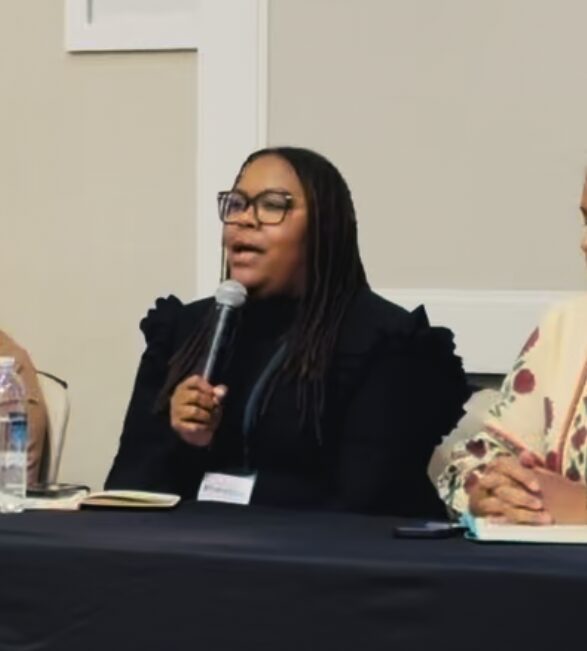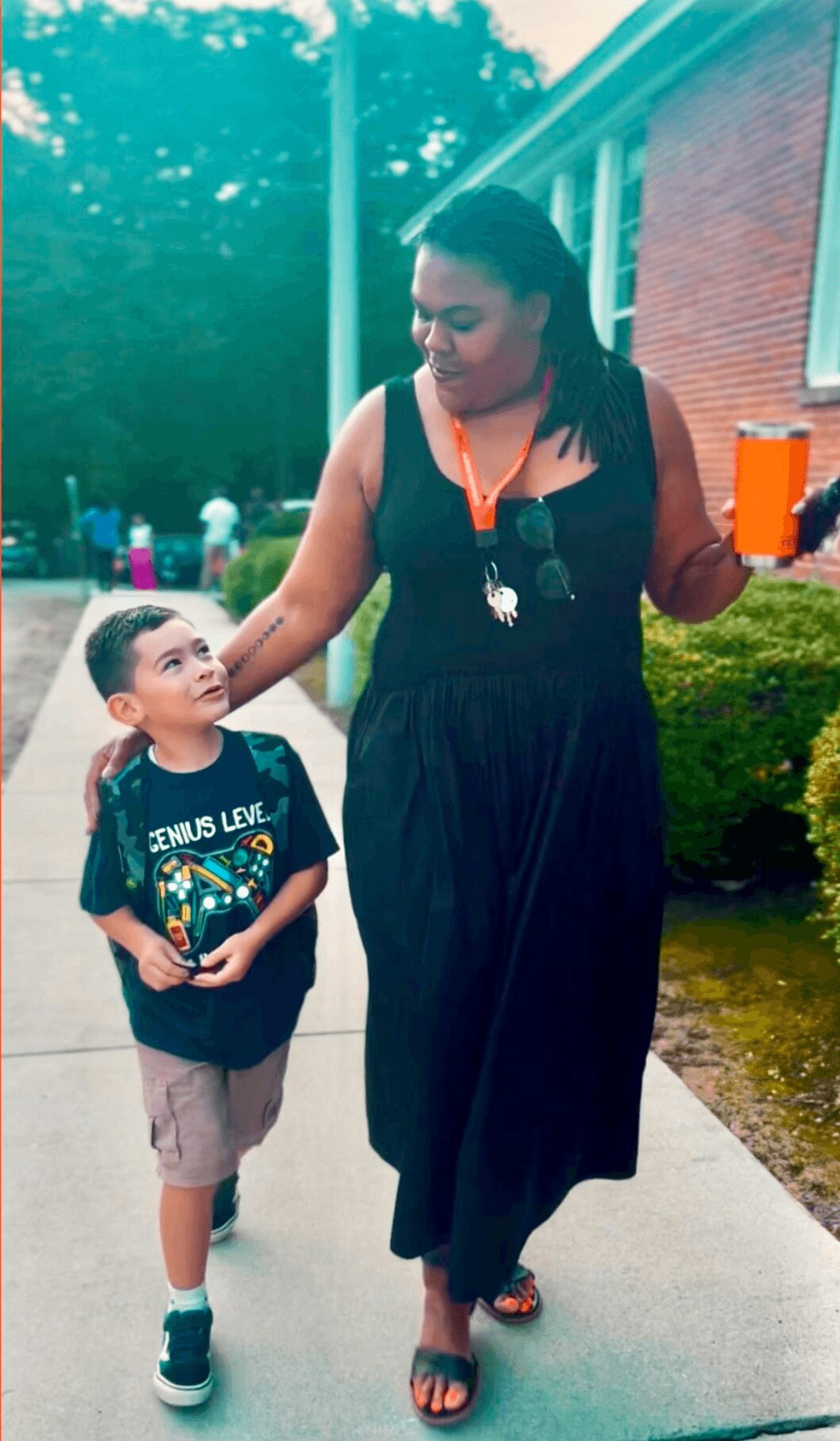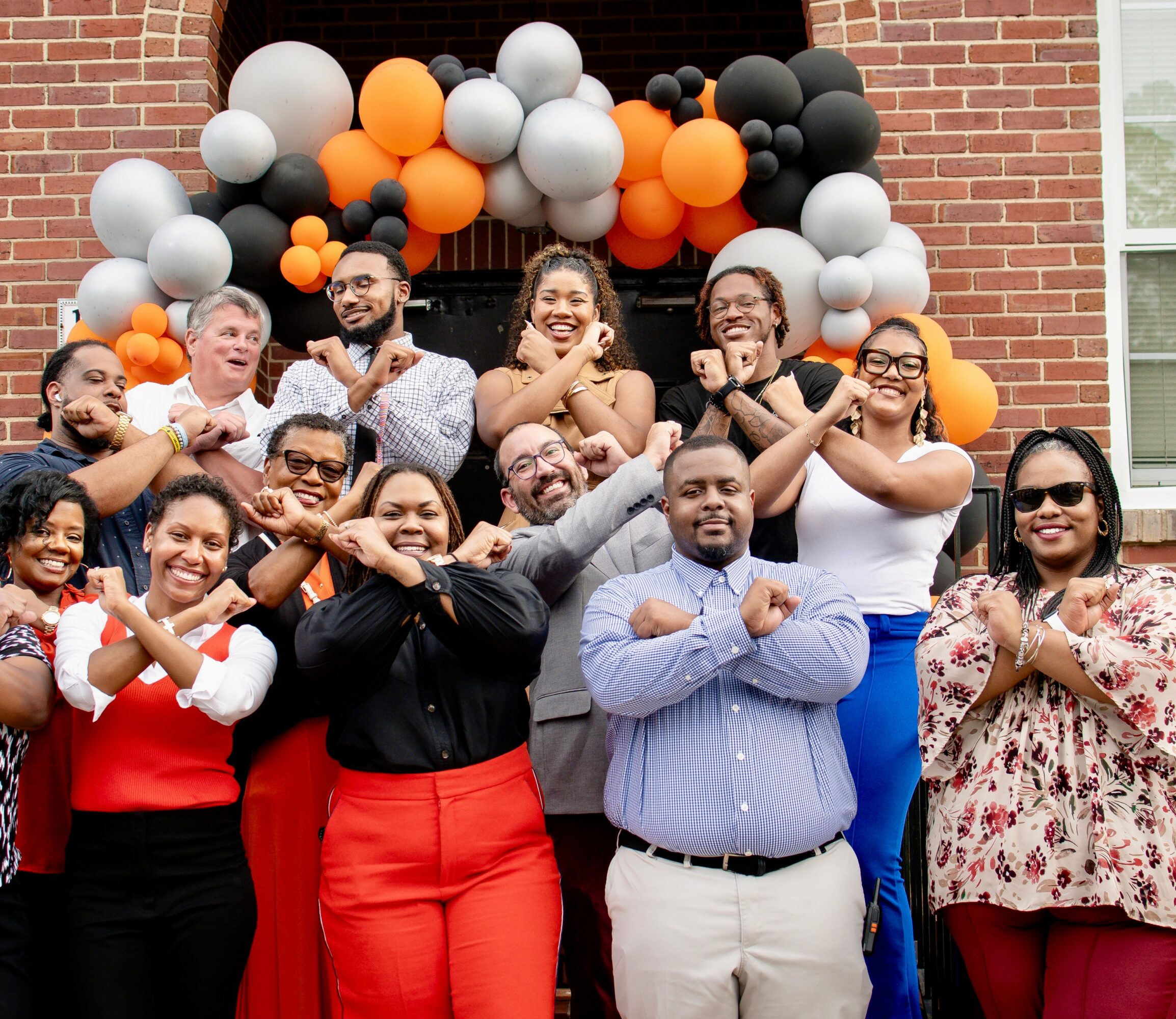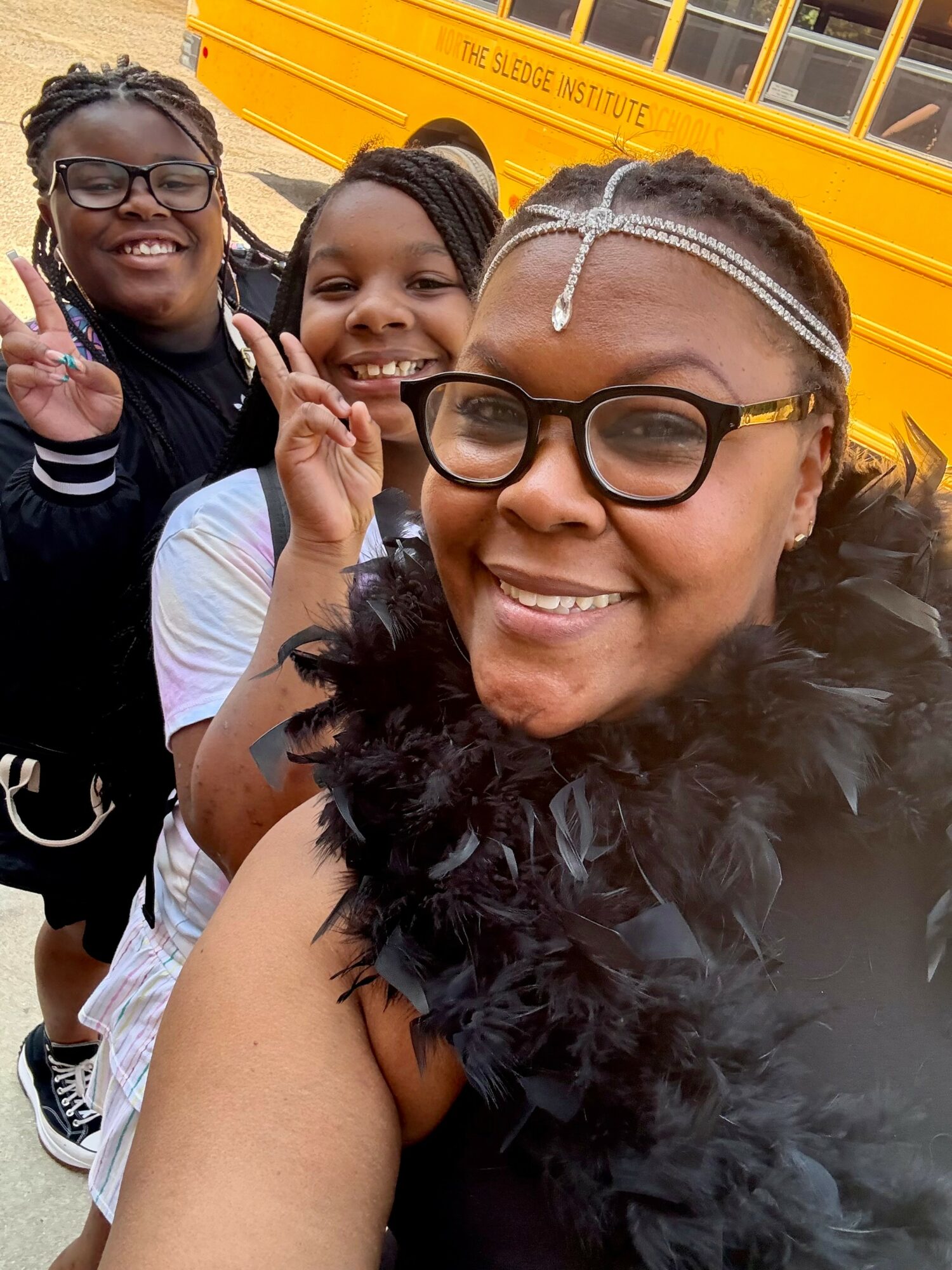





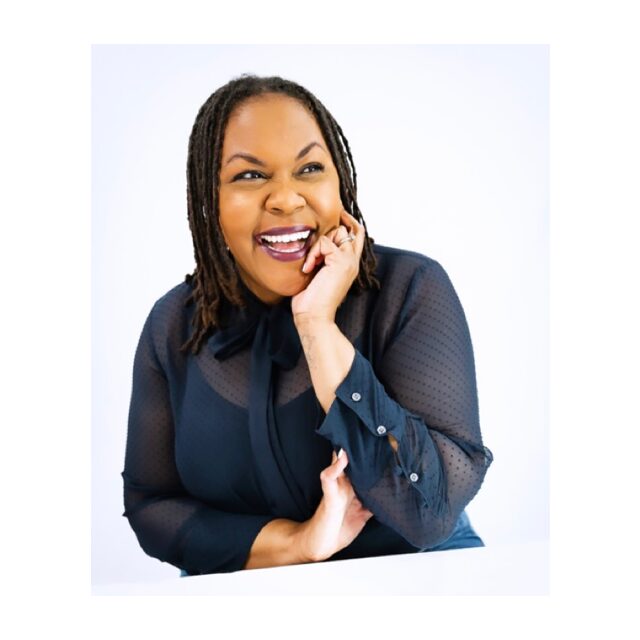
Today we’d like to introduce you to Dr. Chandra Sledge Mathias.
Dr. Chandra, we appreciate you taking the time to share your story with us today. Where does your story begin?
My journey to starting Sledge Institute really comes from the work I’ve been fortunate to do in education across the United States and in collaboration with schools in other countries. Over the years, I had the opportunity to see innovative, effective schools that were doing incredible things for students — project-based learning, competency-based learning, global experiences, strong school culture, wellness programs, real-world internships. I spent much of my career leading and helping to design innovative schools and programs, and through that work, people would often tell me that I should open a school.
For a long time, I wasn’t ready. The weight of opening a school and being responsible for students, families, staff, and a community is something I don’t even know that I have the right word for — it’s heavy, and it’s personal. This is not something I would ever take on lightly. I knew that if I was going to do this work, I needed to be ready to do it well and ready to honor my commitment to serve families and students in our community the way they deserve.
I’m from rural North Carolina, and I never lost my connection to the communities that raised me. Over time, I started to feel more and more strongly that the innovative practices and opportunities I had seen in schools around the country and the world shouldn’t only exist in big cities or private schools. Students in rural communities deserve those same opportunities.
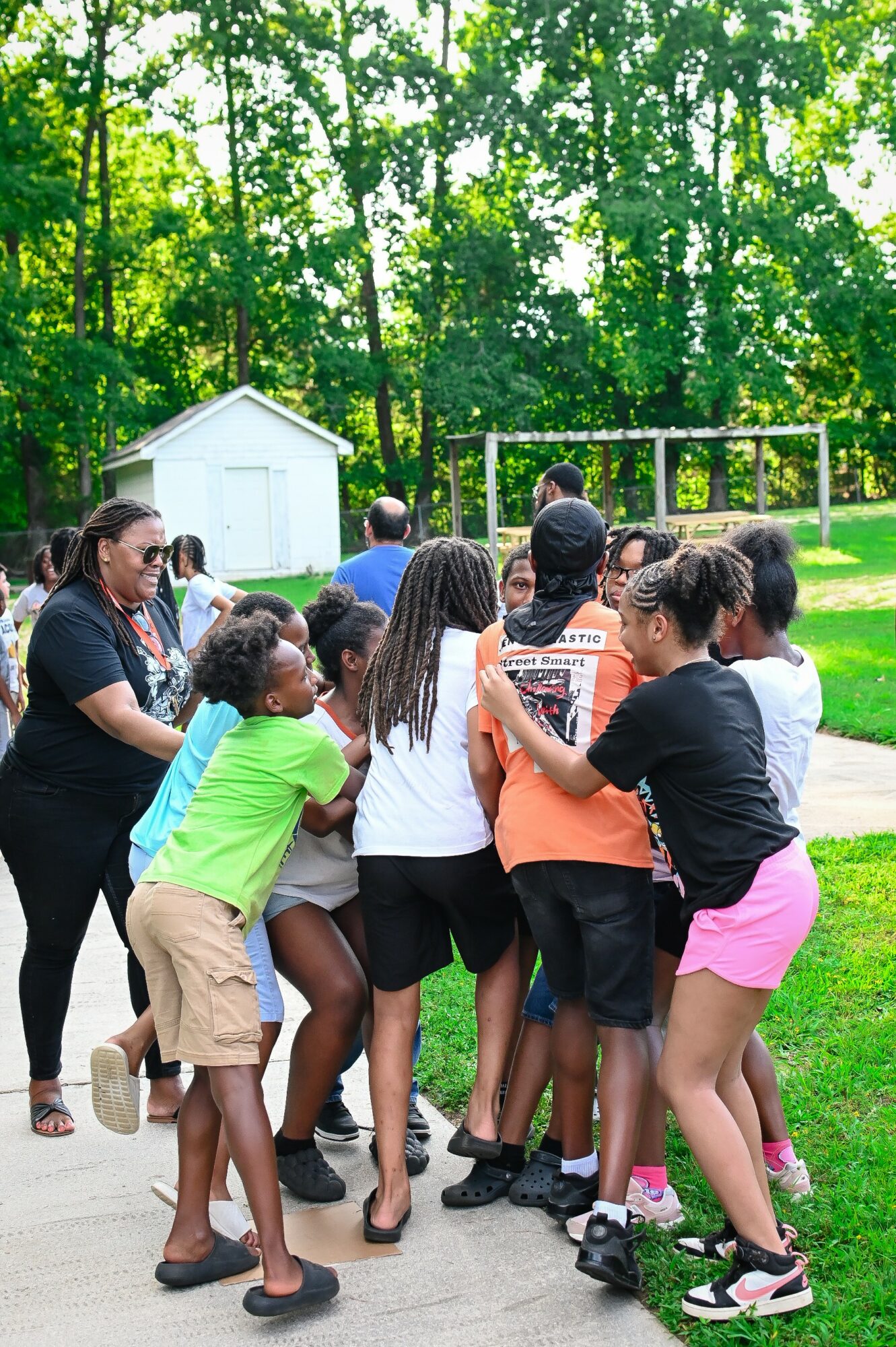
So when I finally felt ready, I did it. Sledge Institute is really my love letter to the communities that raised me. I wanted to create a school that brought the most promising practices I had seen around the country and the world back home — a school where students are known, where learning is connected to the real world, where students travel, build things, solve problems, take care of their wellness, and see a future for themselves that is bigger than their zip code.
Starting a school from scratch has been one of the hardest and most humbling things I’ve ever done. It required me to grow from educator to founder to CEO, and I’m still learning every day. But when I walk through our school and see our students, our staff, and our families building this community together, I’m reminded why I started this in the first place.
Alright, so let’s dig a little deeper into the story – has it been an easy path overall and if not, what were the challenges you’ve had to overcome?
So smooth. No obstacles. Next question.
Just kidding.
It has been one of the most challenging experiences I’ve ever faced. Every day feels like a roller coaster where the twists, turns, hills, and dips change constantly. I feel just about every emotion possible in a single day — excitement, pride, stress, fear, joy, frustration, gratitude — sometimes all before lunch.
Starting a school means you are responsible for so many things at once: students, families, staff, budgets, buildings, transportation, curriculum, culture, compliance, fundraising, enrollment — and all of those things matter and all of them are urgent at the same time. People see the school now, but they don’t always see the years of planning, the setbacks, the hard decisions, the moments where you had to figure things out without a roadmap.
One of the biggest challenges has been the financial and operational side of starting a new school. As a public charter school, funding is tied directly to enrollment, so there is a constant balance between growing the school, maintaining strong programming, and making responsible financial decisions. Building a new organization requires a lot of strategic planning, flexibility, and resilience, and that has been one of the biggest leadership learning experiences for me.
Another challenge has been introducing instructional approaches that are not new in education, but have not traditionally been widely accessible or offered in rural communities like ours. Approaches like project-based learning, competency-based education, global learning experiences, and a strong focus on wellness require a shift in how people think about school. That means we spend a lot of time building relationships, communicating our vision, and helping families and students understand not just what we do differently, but why it benefits students. That process takes time and trust, but it has been incredibly rewarding to see our community begin to really understand and embrace what we’re building.
But even with all of that, I would still do it again. The work is hard, but it’s meaningful. And when I see our students thriving, our staff growing, and our families believing in what we’re building, it reminds me that hard and worthwhile often show up together.
Thanks for sharing that. So, maybe next you can tell us a bit more about your business?
Sledge Institute is a public charter school specializing in project-based learning, competency-based education, global education, place-based education, postsecondary readiness, and all-inclusive wellness. That means our students don’t just sit and memorize information — they build things, conduct research, present their work publicly, work with community partners, travel, learn about the world, and track their progress toward mastering real skills and competencies. We focus a lot on communication, collaboration, problem solving, and leadership because those are the skills that will matter for our students’ futures.
I think what sets us apart is that everything we do is intentional. Our house system builds community and leadership. Our advisory program makes sure every student is known well by at least one adult. Our competency-based model helps students understand what they are learning and why it matters. Our wellness focus includes healthy meals, movement, social-emotional learning, and family engagement. We try to design the entire student experience, not just the academic schedule.
Brand-wise, I’m probably most proud that Sledge Institute actually feels like something when you walk into the building. There is a strong sense of belonging, community, and pride. Students feel like they are part of something. Staff feel like they are building something. Families feel welcomed and included. That culture didn’t happen by accident — we built it intentionally.
I want people to know that Sledge Institute is proof that innovative education doesn’t only belong in big cities or private schools. Rural students deserve innovative opportunities, global experiences, strong academics, and a school that believes in their potential just as much as students anywhere else. That’s really what our brand is about — possibility, opportunity, community, and preparing students to lead meaningful lives, not just pass tests.
We’d love to hear about how you think about risk taking?
Risk taking is my comfort zone. I am definitely the person that builds the plan while flying it, the person who leaps and builds the staircase on the way down, and any other cliché you can think of about adventurous people. But for me, risk has never meant being careless — it means being willing to move forward even when you don’t have every answer yet.
I look at every risk, every move I make, as an opportunity to learn. If something works out the way I envisioned, then I learn that I have an effective strategy and plan. If it doesn’t, then I learn from that too. Either way, I gain information, experience, and clarity. That approach to life and leadership has served me well.
Starting Sledge Institute was definitely the biggest risk I’ve ever taken. Leaving stable roles, stepping into entrepreneurship, raising money, hiring people, signing leases, and opening a school where families are trusting you with their children — that’s a huge risk and a huge responsibility. There are no guarantees, and there are a lot of moments where you are making decisions with incomplete information and very high stakes.
But I also believe that if you’re trying to build something meaningful or change something that matters, there will always be risk involved. You can’t wait until everything is perfect or certain because that moment never comes. You prepare, you plan, you surround yourself with smart people, you listen, you adjust, and you keep moving forward.
I don’t think of risk as something to avoid. I think of it as the price of building something that matters.
Contact Info:
- Website: https://sledgeinstitute.org
- Instagram: https://www.instagram.com/sledgeinstitute/?hl=en
- Facebook: https://www.facebook.com/people/Sledge-Institute/100091683040976/
- LinkedIn: https://www.linkedin.com/in/chandra-sledge-mathias-ed-d-1a8653147/