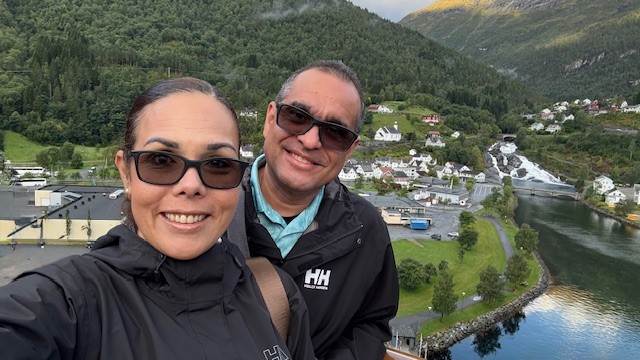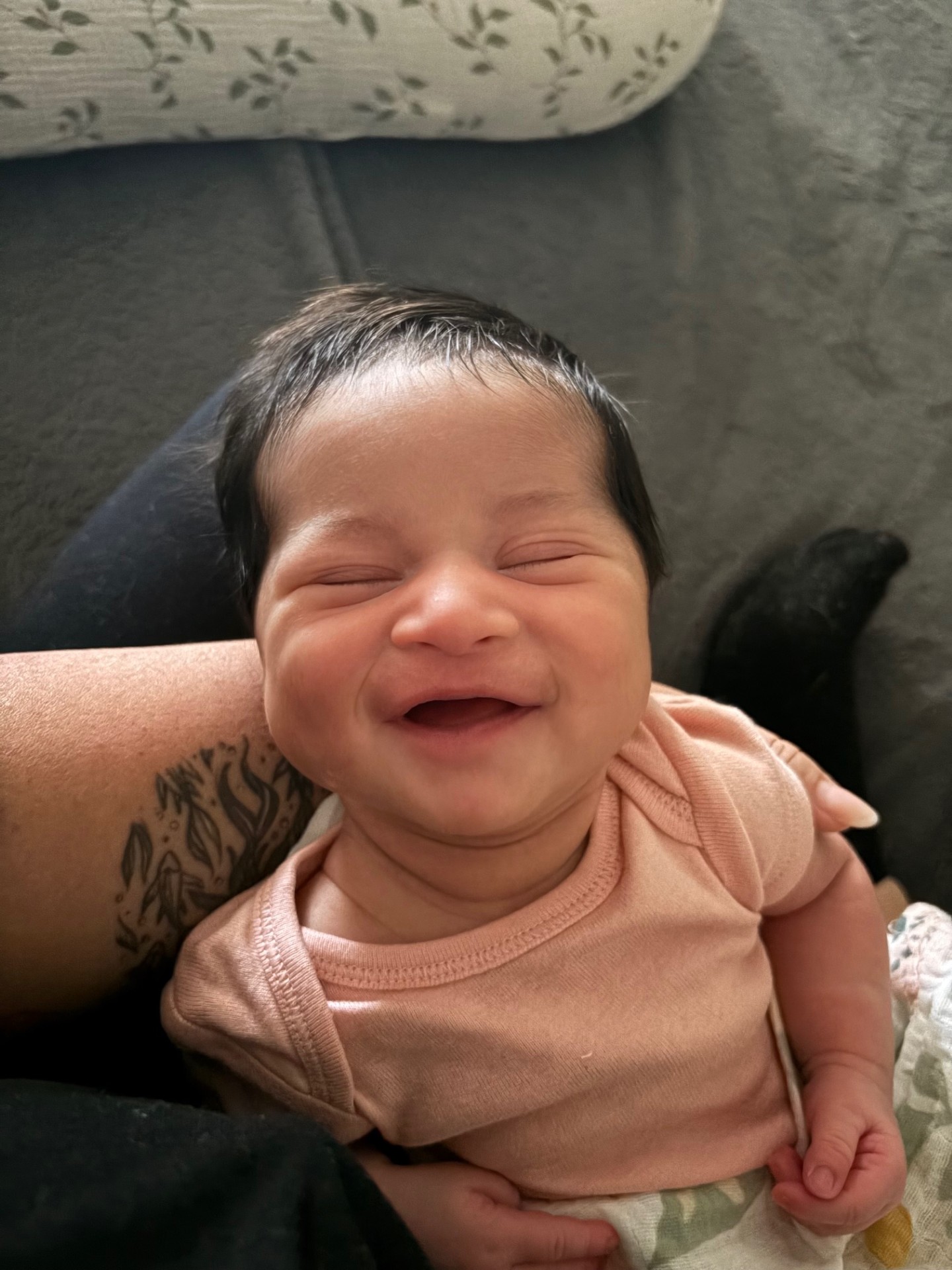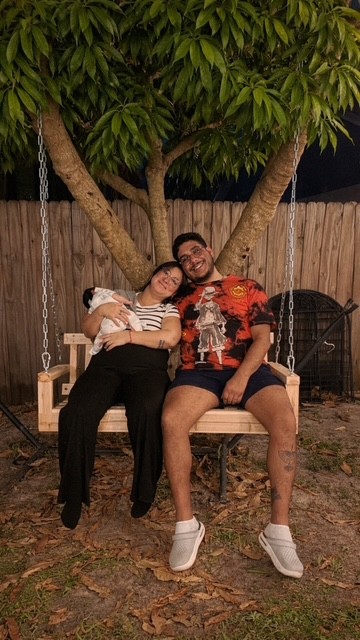


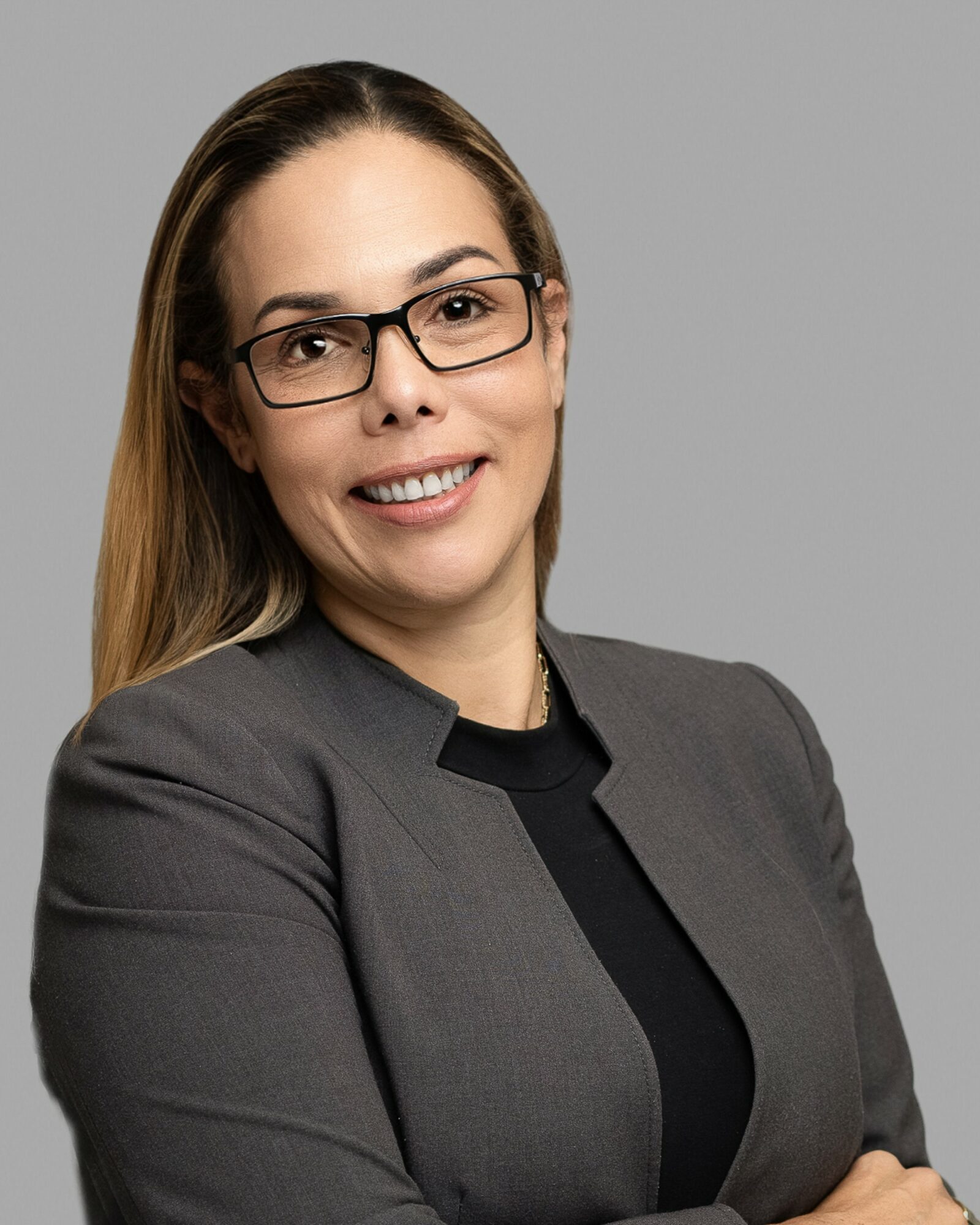
Today we’d like to introduce you to Daniella Jaimes-Colina.
Hi Daniella, please kick things off for us with an introduction to yourself and your story.
I am a mom. A wife. A daughter. a grandmother. A friend. A Latina. A cancer survivor. A woman built on grit, determination, love, and persistence. And I am the CEO of Piedmont Health Services, Inc. — a role that fills my heart with more gratitude than words can fully express.
My journey to this seat was not a straight line. It was beautifully, gloriously winding. I grew up in Venezuela, where I graduated from high school in 1994 — and was accepted to university that very same year, at just 16 years old. In Venezuela, that is not uncommon, but looking back, I smile at that young girl who was already a single mom was running toward her future. I graduated as a clinician in 2001 from the University of Carabobo — a proud milestone that shaped how I see patients, people, and purpose.
I came to the United States as an international student to pursue my MBA in 2020, and that decision changed everything. It opened doors I had only dreamed of, and it placed me on a path of service that has defined my life ever since. By the time I joined community health, I brought with me not only my education, but my culture, my story, and an unshakeable belief that every person deserves quality care — regardless of their zip code, their income, or the language they speak.
Would you say it’s been a smooth road, and if not what are some of the biggest challenges you’ve faced along the way?
Has it been a smooth road? Let me tell you the truth.
No. It has not. And I say that not for sympathy — I say it because someone reading this right now needs to know that extraordinary lives are not born from easy circumstances. They are forged in fire.
I was sixteen years old when I became a mother.
Sixteen. Still a child myself, with a child of my own, trying to figure out who I was while simultaneously figuring out how to be everything for someone else. In a moment when most teenagers were worrying about Friday nights and first loves, I was learning what unconditional responsibility truly meant. There was no safety net. There was no perfect support system. There was just me, my baby, and a fierce, unrelenting love that refused to let either of us down.
That baby did not break my dreams. That baby became my dreams.
And then — before I could even catch my breath — cancer.
I was a young mother, a university student, barely into my first degree at the University of Carabobo in Venezuela, when I received a diagnosis that no one is ever truly prepared for. I was not in a place in life where you expect to have to fight for your physical survival. I was young. I was just getting started. I had a child depending on me and a future I had barely begun to build.
The word cancer at that age, in those circumstances, is not just a medical diagnosis. It is an earthquake. It shakes everything — your sense of safety, your sense of time, your belief in the future you had been so carefully imagining. I had a baby to raise, exams to pass, and a life to fight for — all at the same time.
And so I fought.
I went through treatment as a young single mother in Venezuela, far from the finish line of my degree, with everything feeling uncertain and nothing feeling fair. There were days of exhaustion so deep it felt bottomless. Days of fear I could not fully show because someone small and innocent was watching me and learning how to be brave from the way I handled being terrified.
I finished my degree anyway. I graduated as a clinician in 2001. I did it as a young mother. I did it as a cancer survivor. I did it because the alternative — giving up — was never something I was willing to teach my child.
Then I left everything I knew.
Leaving Venezuela was not a romantic adventure. It was one of the hardest decisions of my life. I left behind my family, my culture, my language as the dominant voice in the room, my identity as a clinician — everything that had defined me. I arrived in the United States as an international student, already carrying more lived experience than most people twice my age, and I started completely over.
I pursued my MBA because I knew that reinvention required new tools. I walked into rooms where I was the only Latina, the only immigrant, the only one with an accent, the only one who had ever had to translate not just her words but her entire existence for the people around her. I smiled through the moments that stung. I worked twice as hard to be taken half as seriously. And I kept going.
Here is what all of those struggles gave me.
They gave me the ability to sit across from a frightened patient and mean it when I say — I understand. Not as a rehearsed line, but as a woman who has been that frightened patient. Who has sat in that chair. Who has wondered if she would be around to see her child grow up.
They gave me the audacity to dream big for communities that have been told to expect little. They gave me the backbone to fight fiercely for the uninsured, the underserved, and the invisible — because I know intimately what it feels like to be vulnerable and to need someone in your corner.
They gave me a CEO’s vision with a survivor’s soul.
I am not successful despite my story. I am successful because of it.
Every young mother who wonders if her dreams survived the detour — they did. Every person sitting in a hospital chair in the middle of building their life, wondering if they will get to finish — keep going. Every immigrant who wonders if starting over will break them — it will not. It will reveal a strength you did not know you had.
I know. Because I lived every single one of those chapters.
I lead Piedmont Health Services today not as someone who had it easy — but as someone who understands, at the deepest human level, what is at stake when we get healthcare right for the people who need it most.
That understanding is not something you learn in a classroom. It is something life carves into you. And I wear every scar with pride.
Thanks for sharing that. So, maybe next you can tell us a bit more about your work?
What Do I Do? I Build People. I Build Communities. I Build Hope.
That is the simplest and most honest answer I can give you.
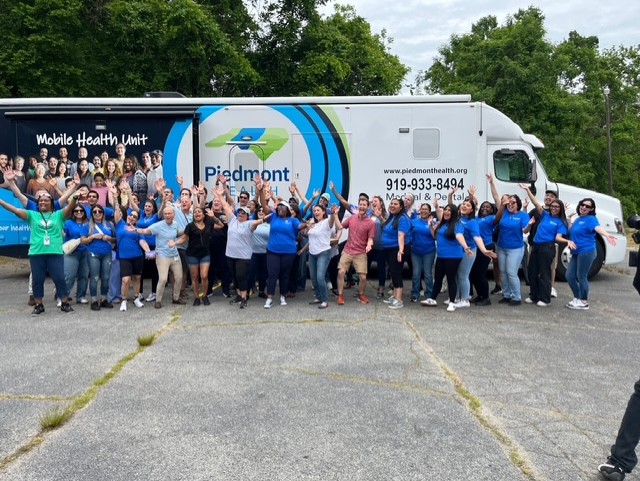
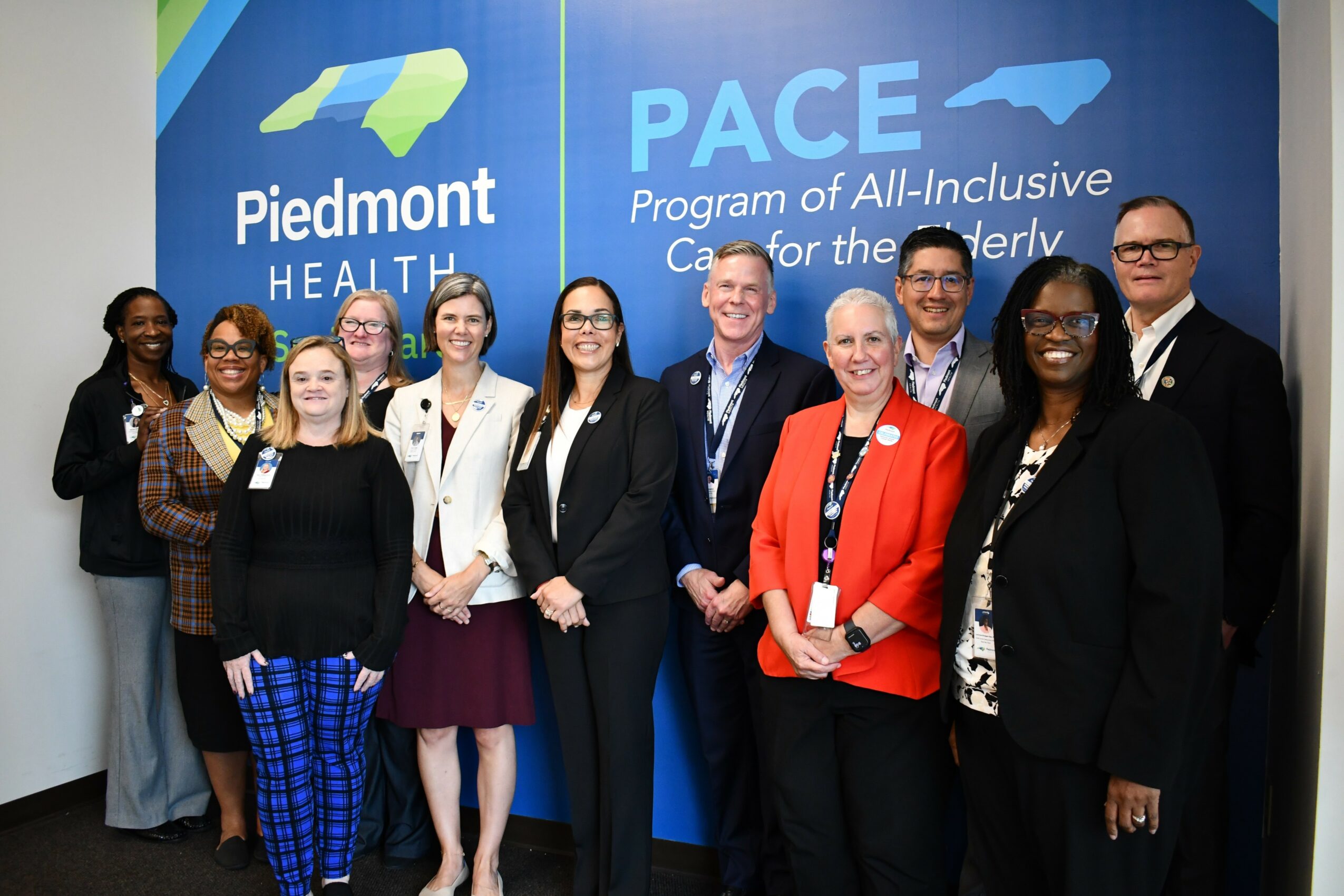
My name is Daniella Jaimes-Colina. I am the Chief Executive Officer of Piedmont Health Services, Inc. — North Carolina’s first Federally Qualified Health Center, serving five counties across central North Carolina with 12 community health centers, two PACE SeniorCare centers, and two Mobile Health Units. I lead a team of 600 extraordinary human beings who show up every single day to deliver high-quality, affordable, compassionate healthcare to some of the most underserved communities in our region.
But the title and the numbers only tell part of the story.
What I Truly Specialize In
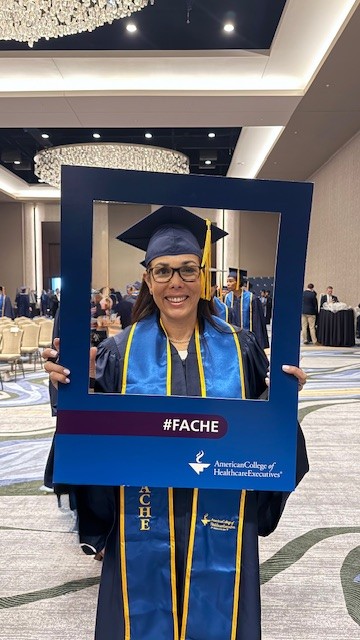
My academic foundation is rooted in Industrial and Organizational Psychology — I hold a PhD in I/O Psychology, which means I have dedicated years of rigorous study to understanding the most complex, fascinating, and important system in any organization: people. Human behavior. Team dynamics. Organizational culture. Leadership effectiveness. Motivation. Change management. The invisible architecture that determines whether an organization merely survives — or truly thrives.
That lens changes everything about how I lead.
I do not just manage an organization. I architect a culture. I study what makes people feel seen, valued, and empowered — and then I build systems around those insights. I ask not just what we are delivering but how our people feel while delivering it, because I know with certainty that the wellbeing of our team is directly connected to the wellbeing of our patients. You cannot pour from an empty cup, and I refuse to let my team run on empty.
I specialize in transformational leadership — the kind that does not just move numbers on a spreadsheet but moves hearts and minds toward a shared vision. I specialize in building bridges between communities and healthcare systems that have historically failed them. I specialize in creating spaces where diverse, multicultural teams feel not just included but genuinely celebrated. And I specialize in turning organizational challenges into opportunities for growth, innovation, and deeper community impact.
What I Am Known For
I am known for showing up — fully, authentically, and without pretense. In a world where leaders can become disconnected from the people they serve, I have made it a personal and professional commitment to remain grounded in the reality of our patients and our staff. I visit our health centers. I sit with patients. I listen to front-line workers. I believe deeply that the best intelligence an organization has lives not in reports and dashboards, but in the human beings doing the work every single day.
I am known for my ability to build and inspire high-performing teams. Leading 600 people across multiple counties, service lines, and communities is no small undertaking — and doing it in a way that keeps culture, mission, and morale at the center requires both science and soul. My background in I/O psychology gives me the science. My life story gives me the soul.
I am known for being a fierce, unapologetic advocate for health equity. I believe that your zip code should never determine the quality of care you receive. I believe that language, immigration status, income, and race should never be barriers to dignity and healing. I have built programs, forged partnerships, and launched initiatives rooted in that conviction — and I will never stop pushing until that vision becomes a full reality.
I am also known for being real. I do not perform leadership. I live it. I bring my whole self to this work — the PhD, yes, but also the teenage mother, the cancer survivor, the immigrant who started over, the Latina who has sat in rooms not designed for her and decided to redesign them anyway.
What I Am Most Proud Of
I am most proud of the culture we are building at Piedmont Health Services. Not the accolades. Not the expansions. Not even the metrics — though those matter deeply. What fills my heart the most is walking into one of our health centers and feeling the energy of a team that believes in what they are doing. Seeing a provider light up when talking about a patient breakthrough. Watching a new staff member discover that this organization is truly different — that here, they are not just an employee, they are a purpose-carrier.
I am proud of our Mobile Health Unit expansion, which is bringing care directly to farmworkers, rural families, and individuals who had gone years — sometimes decades — without access to basic medical and dental services. I championed that initiative because I understood the data, yes, but more importantly because I understood the human beings behind it.
I am proud of the leadership pipeline we are developing — investing in our team members, creating pathways for growth, and building the next generation of community health leaders from within our own walls.
And I am profoundly proud of the trust we have earned in our communities. That is the most hard-won and most precious achievement of all.
What Sets Me Apart
Honestly? It is the combination of things that were never supposed to go together.
A PhD in Industrial and Organizational Psychology and a clinical background. Academic rigor and street-level empathy. Executive strategy and a survivor’s urgency. Corporate discipline and a mother’s heart. The perspective of someone who has been the patient, the immigrant, the outsider, the underserved — and who now sits at the head of the table and uses every single one of those experiences to lead with uncommon depth and authenticity.
Most leaders either have the theory or the lived experience. I have both. And that combination — I believe — is what allows me to connect with a farmworker in a mobile health unit and a philanthropic funder in a boardroom with equal sincerity and equal effectiveness.
I do not lead from a place of having had it easy. I lead from a place of knowing exactly what is at stake — because I have lived the stakes personally.
At the end of the day, here is what I want people to say about my leadership:
She saw us. She fought for us. She never forgot where she came from. And she built something that outlasted her presence in any single room.
That is my work. That is my specialization. That is my pride.
And I am just getting started.
We’d love to hear about any fond memories you have from when you were growing up?
My Favorite Childhood Memory? It Smells Like Queso de Mano and Tastes Like Freedom.
Close your eyes for a moment and picture this.
A car winding through the lush, vibrant roads of Venezuela. My mother behind the wheel — smiling that smile that only mothers have, the one that makes the whole world feel safe and full of possibility. My sister and I in the back seat, negotiating with the fierce diplomacy that only siblings understand, over who had earned the sacred right to sit in the front this time.
And the food. Oh, the food.
Queso de mano, soft and fresh, passed around like treasure. Hallaquitas de chicharrón — warm, wrapped in corn husks, picked up from tiny local shops tucked along the road like little gifts waiting to be discovered. We did not need a fancy restaurant. We did not need a reservation. We had a car, an open road, a fearless mother, and a picnic that tasted like home in every single bite.
Those road trips were everything.
My mother had this extraordinary gift of turning an ordinary drive into an adventure. Every small town we passed through was a world waiting to be explored. Every new beach was a miracle. Every winding road held the promise of something beautiful just around the next curve. She taught us — without ever using the word — that curiosity is one of the greatest gifts you can give a child. That the world is endlessly fascinating if you are willing to slow down and look at it.
My sister and I would press our faces against the windows, watching Venezuela unfold before us like a living, breathing story. New towns. New people. New smells and sounds and colors. And through all of it, my mother’s voice — singing, laughing, pointing out something wonderful she had spotted on the side of the road.
I can still see her smile. I can still hear the music playing. I can still taste that queso de mano.
What I did not know then — what I only understand now as a mother and a leader — is that those road trips were teaching me everything I would need for life. My mother was showing us that the journey matters as much as the destination. That community lives in small towns and local shops and the people who make food with their hands and their hearts. That adventure does not require wealth or perfection — it requires presence, openness, and the willingness to explore.
She was raising curious, brave, culturally rooted little girls who would grow up to love people — all kinds of people, in all kinds of places — because she had driven us through enough of the world to know that every community has beauty, every person has a story, and every road leads somewhere worth discovering.
I carry those road trips with me into every community I serve today. When I walk into a small rural town in central North Carolina to visit one of our health centers, I feel something familiar. When I sit with a patient whose life looks nothing like mine on the surface but whose hopes and fears mirror my own perfectly — I feel it again. That same wide-eyed wonder my mother awakened in me from the front seat of that car.
She did not know she was raising a leader. She was just raising a daughter who loved the world.
And I think that might be the best foundation any leader could ever have.
Gracias, Mamá. Por todo. Por los viajes. Por la música. Por las hallaquitas. Y por enseñarnos que el mundo es hermoso si te atreves a explorarlo.
(Thank you, Mom. For everything. For the road trips. For the music. For the hallaquitas. And for teaching us that the world is beautiful if you dare to explore it.)
Contact Info:
- Website: https://piedmonthealth.org/
- LinkedIn: https://www.linkedin.com/in/dr-daniella-jaimes-colina-ph-d-mba-fache-891b2b41