



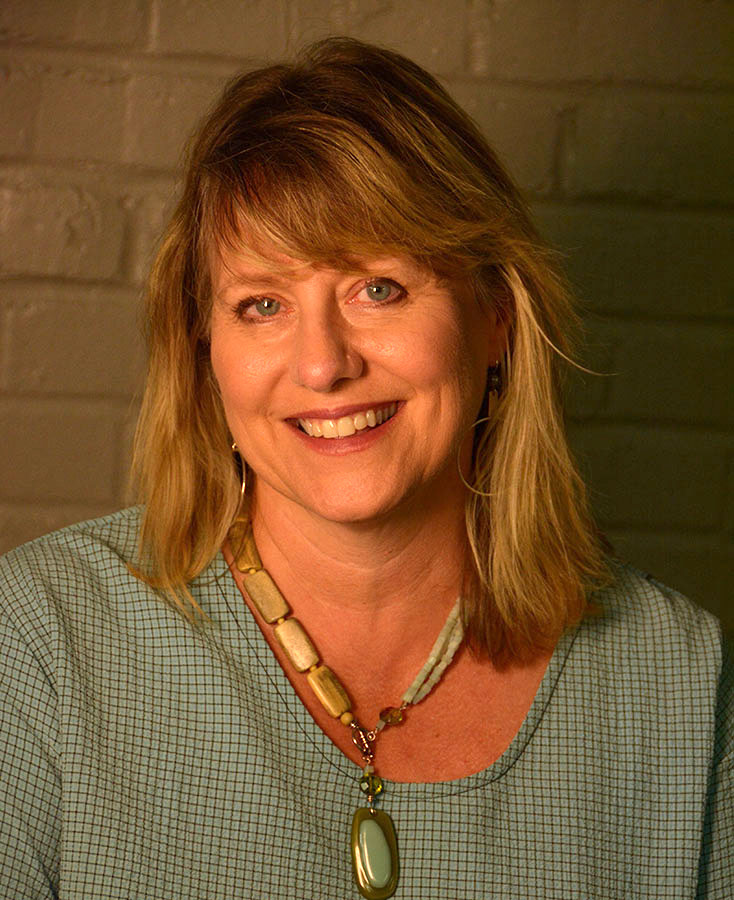
Today we’d like to introduce you to Sharon Grubbs.
Hi Sharon, we’d love for you to start by introducing yourself.
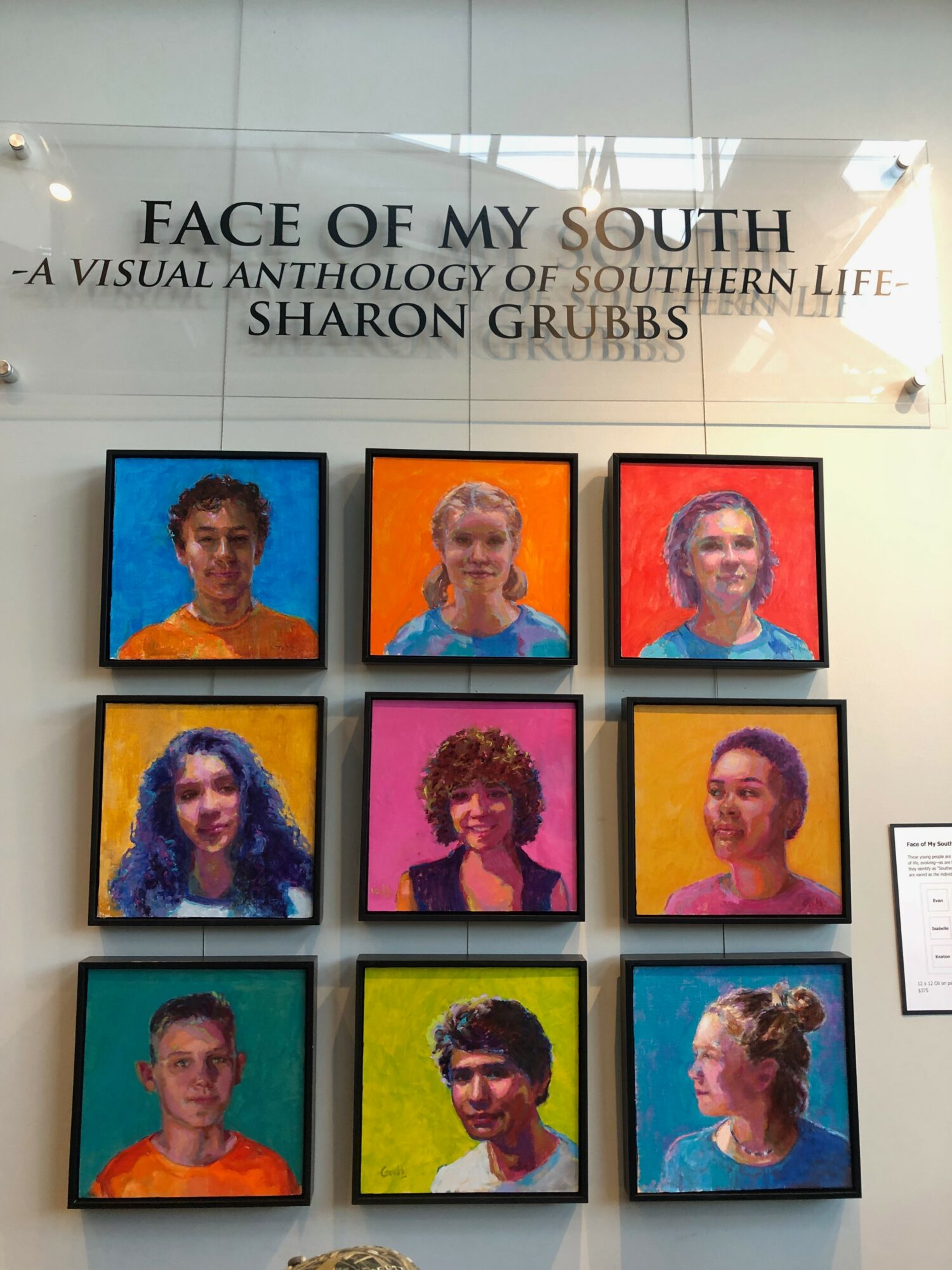
My series of portraits paired with personal narratives began around 2018, during a time when conversations surrounding the Confederate flag were intensifying. In response, I felt compelled to create a body of work titled Face of My South. It became a way for me to examine how the flag is often romanticized, while also confronting the deeper, more painful realities it represents for many.
Through meaningful conversations—especially with a close friend who shared a different perspective—I began to better understand the weight of that symbol and its impact. That shift in understanding became the foundation of the work.
My goal then, and still today, is to promote understanding by giving voice to the diverse thoughts and experiences of people living in the South. Face of My South is a visual anthology of individuals and the landscapes they inhabit. Whether someone has lived here their entire life or has chosen to make it home, each person brings a unique story and perspective. The work spans a wide range of backgrounds—different races, beliefs, and life experiences—but ultimately, the stories themselves are the heart of each exhibition.
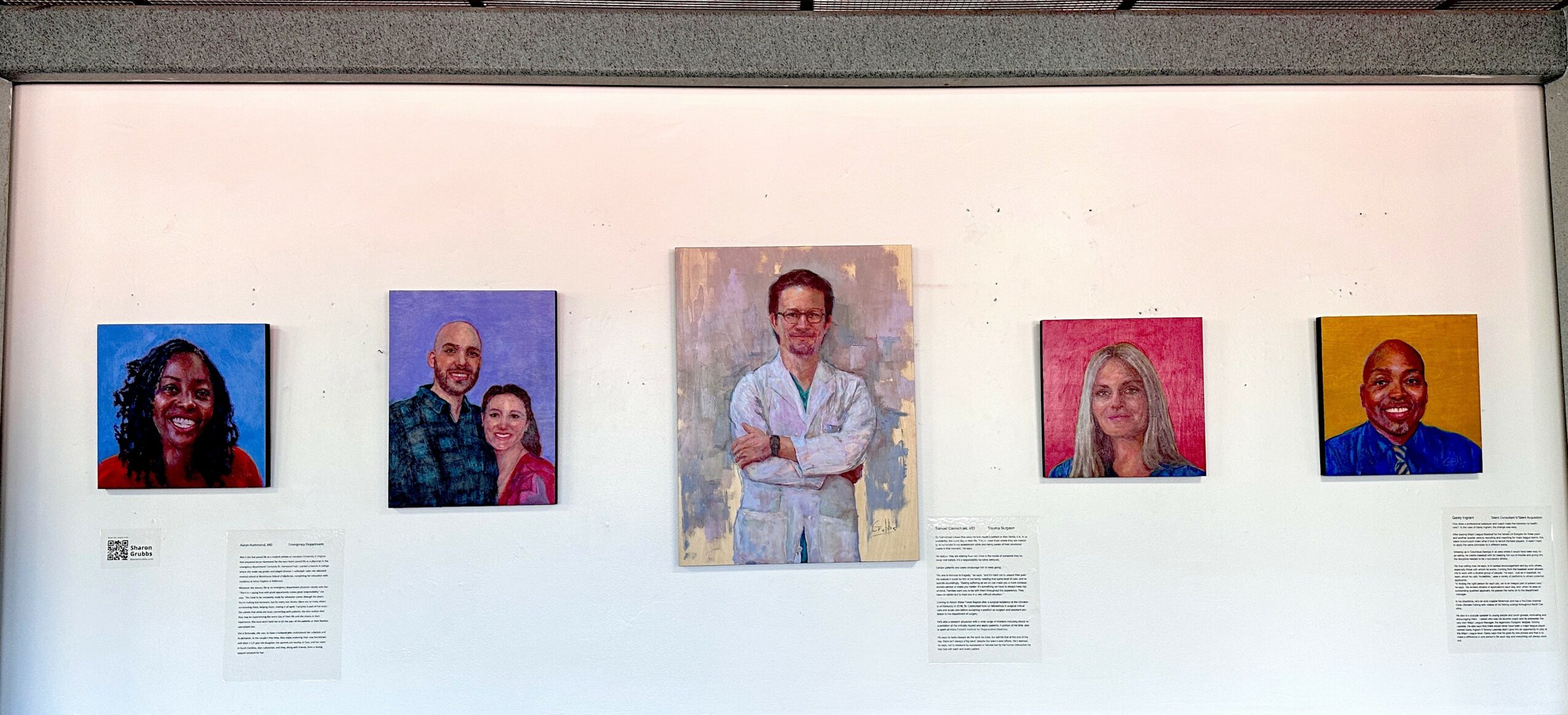
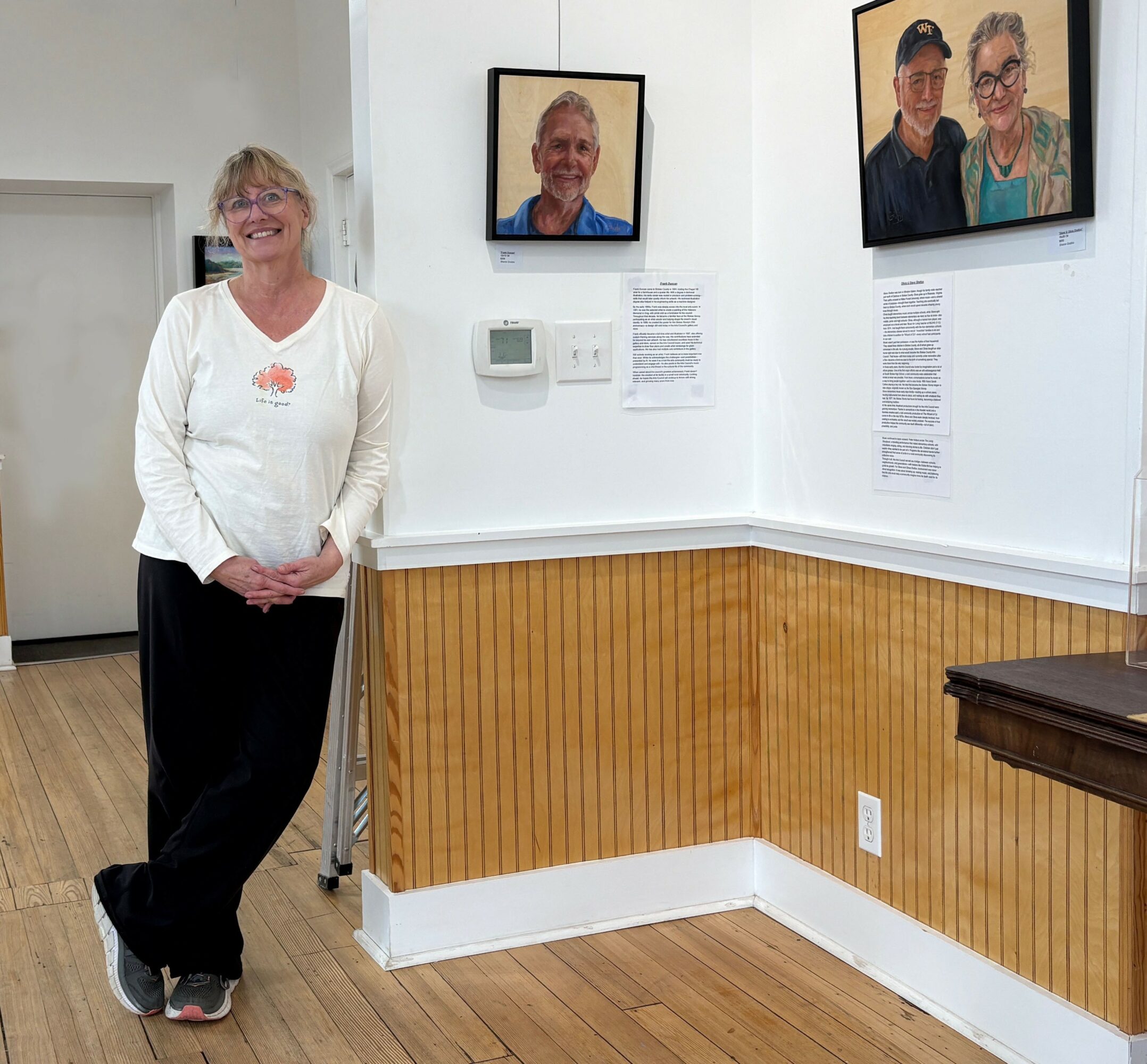
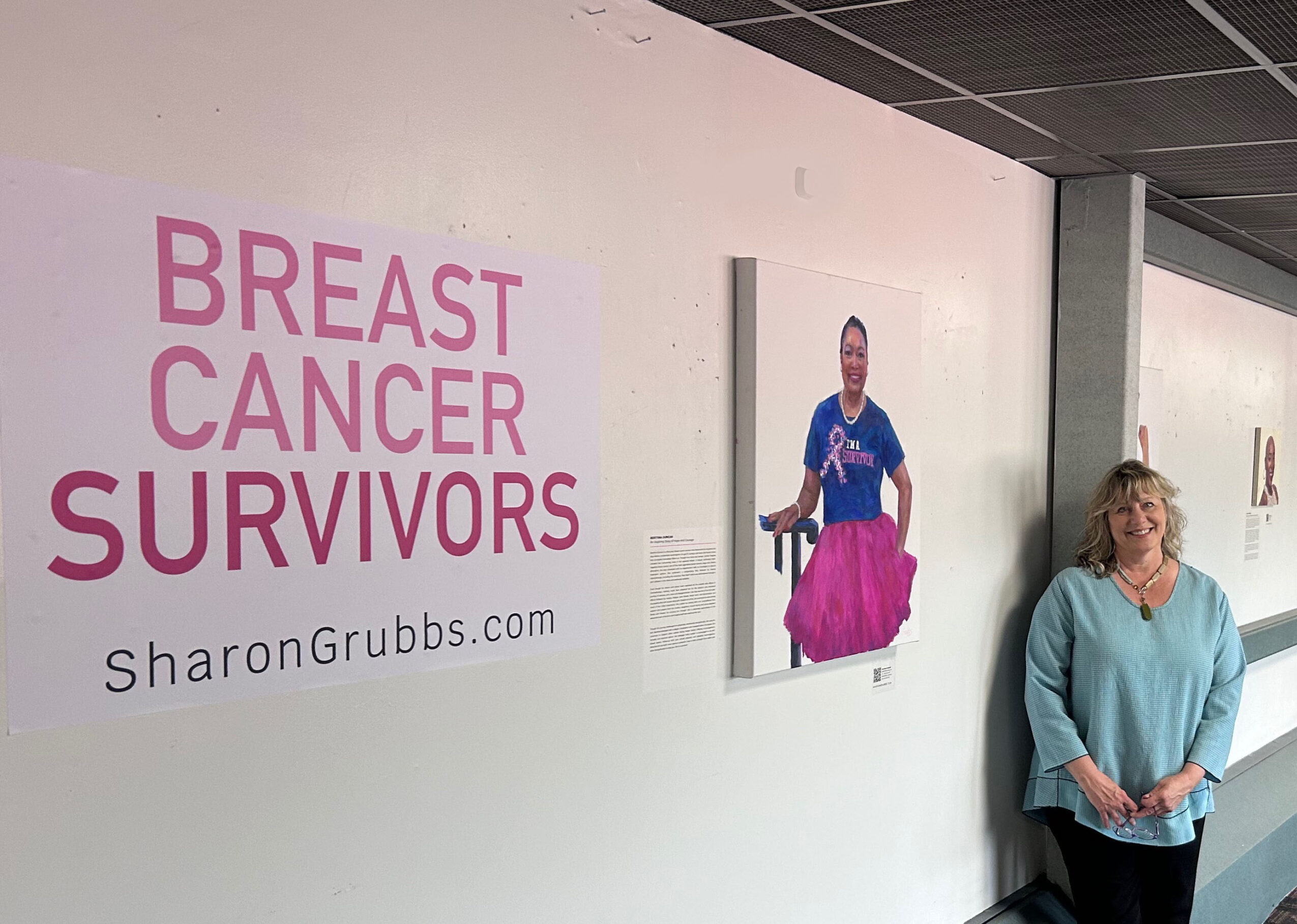
This project opened the door to a broader exploration of storytelling through portraiture. It has since led me to create additional series focused on healthcare workers, breast cancer survivors, and most recently, individuals who have played a vital role in building and sustaining a vibrant arts community in a rural area. Each project continues to deepen my interest in human connection, and in the power of art to foster empathy and shared understanding.
Would you say it’s been a smooth road, and if not what are some of the biggest challenges you’ve faced along the way?
No, it hasn’t always been a smooth road. There are the expected challenges—technical difficulties, deadlines—but for me, the deeper challenges come from sitting with people’s stories, especially when they are emotional or complex. Those moments make me very aware of the responsibility I carry to represent each person in an honest and respectful way.
That kind of work requires a great deal of trust. There have been times when I’ve questioned whether I was capturing someone’s story truthfully, or doing it justice. Alongside that is the very real commitment of time and resources poured into work that may not always be marketable, which adds another layer of uncertainty.
But those questions and risks are important—they push me to look closer, listen more carefully, and approach each piece with greater sensitivity and intention. And in the end, it’s that responsibility and connection that make the work meaningful—not just for me, but for the people whose stories are being seen and shared.
Alright, so let’s switch gears a bit and talk business. What should we know about your work?
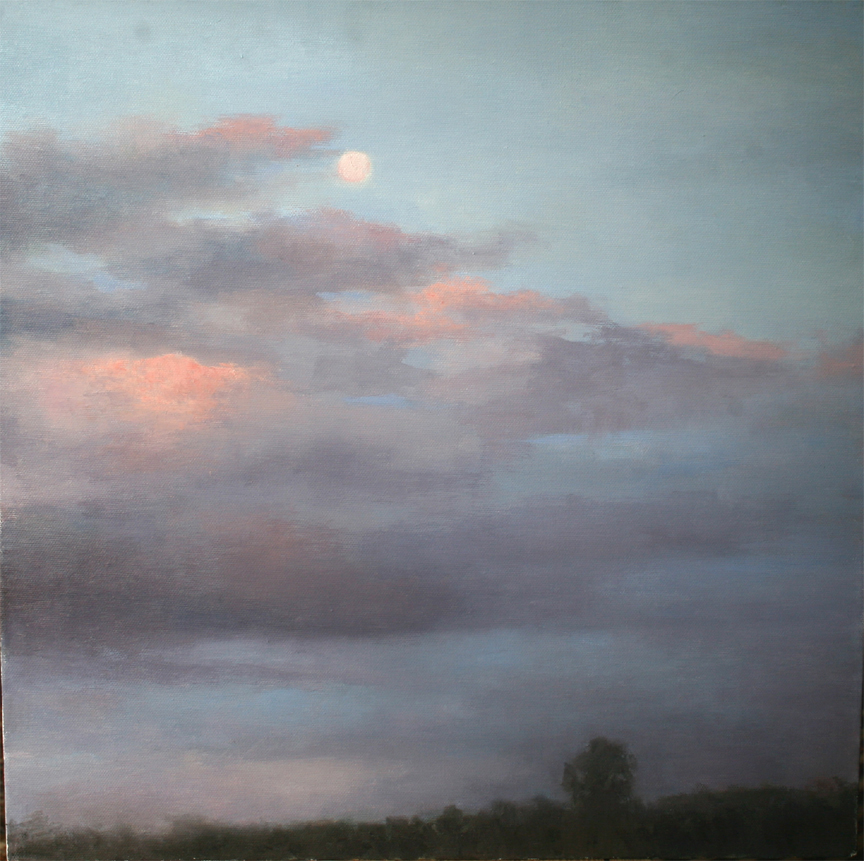
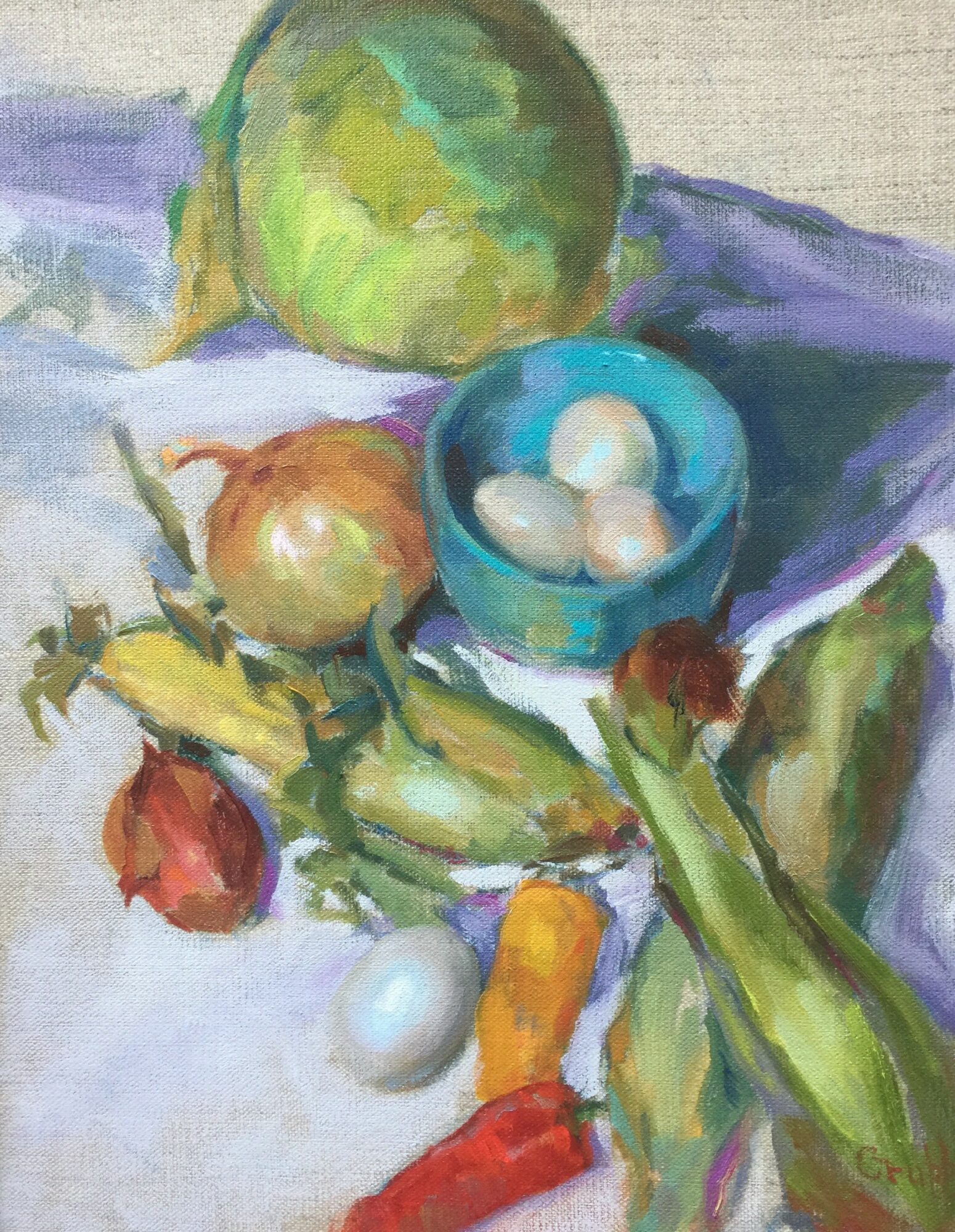
Stylistically, my work is rooted in contemporary realism, but I’m deeply influenced by abstraction. I’m drawn to breaking forms into shapes, using color, movement, and expressive brushwork to create a sense of life within the painting. Whether it’s a portrait, landscape, or still life, I want the work to feel active and alive—where representation and interpretation exist side by side.
I’m probably best known for my portrait series that bring together diverse individuals within a shared context—whether that’s a region, a community, or a collective experience. These bodies of work often include accompanying text, allowing viewers to engage not only with the visual presence of the subject, but with their voice as well. These are the works I’m most proud of.
What sets my work apart is that combination of visual and narrative storytelling. The paintings are only one part of the experience—the stories are equally important. Together, they create a fuller, more human connection—inviting the viewer not just to observe, but to feel, to reflect, and to step, if only for a moment, into another life.
What would you say have been one of the most important lessons you’ve learned?
The most important lesson I’ve learned is actually twofold—one on the professional side, and one on the personal.
Early on, while working on Face of My South, my sister—who works in finance—created a spreadsheet and timeline to help keep me on track with deadlines. While that kind of structure doesn’t come naturally to me, I’ve come to realize how invaluable it is. That simple tool has carried over into all of my projects and has become an essential part of how I manage my work.
On a more personal level, I’ve learned the importance of being fully present with my subjects. When I sit with someone, I have to be completely focused on them—listening carefully, observing, and taking in not just what they say, but what they feel. Capturing that emotional presence is just as important to me as capturing a likeness, and it’s at the heart of everything I do.
Contact Info:
- Website: https://sharongrubbs.com
- Instagram: sharongrubbsart
- Facebook: Sharon Grubbs Fine Art