




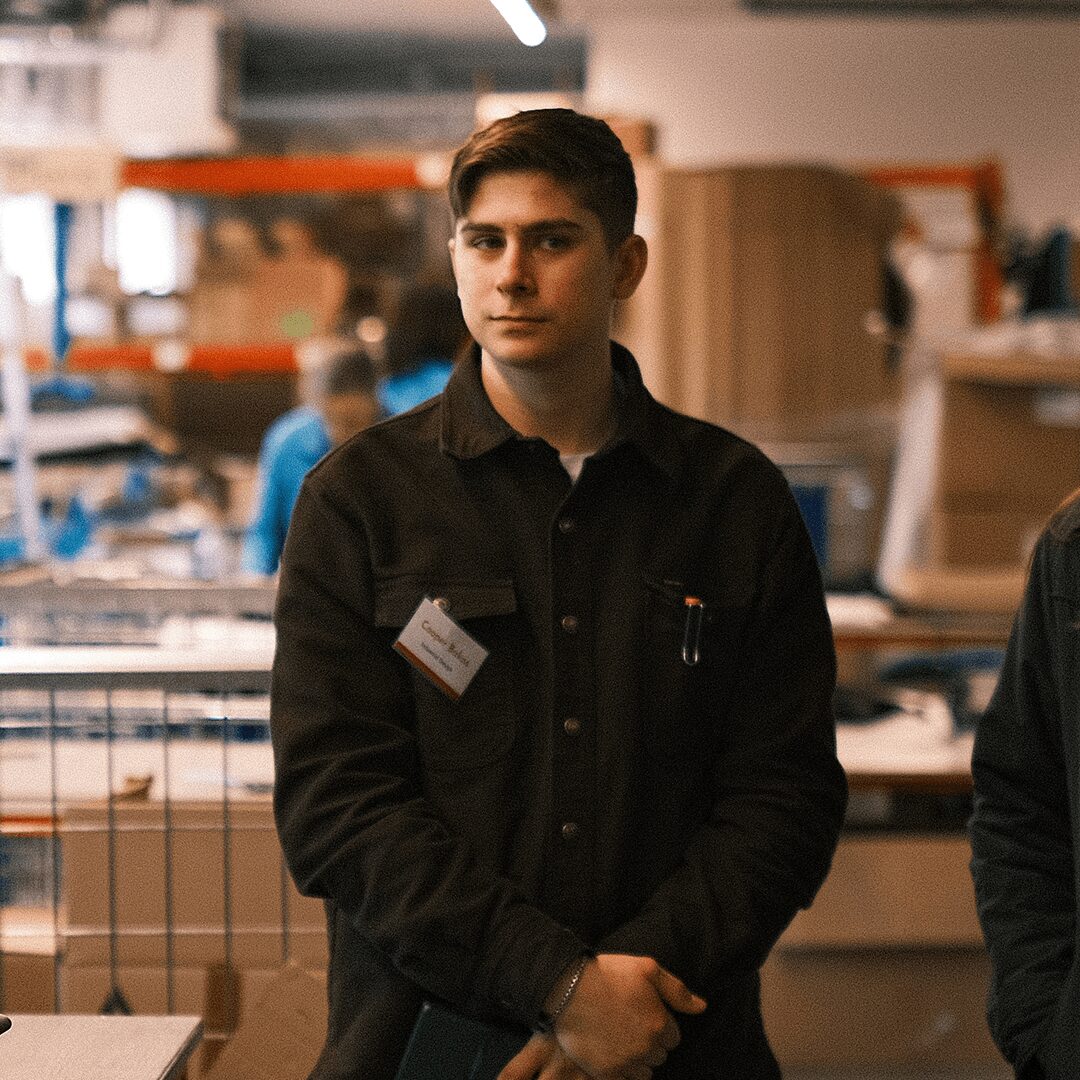
Today we’d like to introduce you to Cooper Bakos.
Hi Cooper, can you start by introducing yourself? We’d love to learn more about how you got to where you are today?
My whole life ive been obsessed with the items I bring along on my everyday journeys. That obsession was born from my fascination of survivial, and knowing what to bring for every possible scenario. While I wish I could have grown up in the backcountry of the Rockies playing survival, I’m actually from South Florida, and while I grew up in a city, I got my fair share of outdoor exploration, spending every possible moment out fishing somewhere i probably shouldn’t have been. No matter the activity, i always had my personal items I cherished, which typically were a pocket knife, and my Altoids survival tin, which is a niche community of people who turn Altoid tins into a mini survival box, streamlining and CROPping their personal belongings to fit into the 3.75×2.35″ tin box.
I went through middle and high school pretending I wanted to be a marine biologist, being a normal kid who really didn’t know what they wanted to be, but i always had an interest in making, just making. My 12th birthday present was a Dremel, a simple handheld rotary tool that i somehow found a way to turn into any tool I needed, and with the Dremel, I would just make things. I also was fascinated with my dad’s practice of architecture, and how whether it was a catapult that could launch a softball 50 feet, or a bridge from hundreds of popsicle sticks, clearly not made by a 3rd grader, i could accomplish any science project i wanted.
With my Senior year of high school coming up, my dreams of just surviving in the woods seemed unrealistic, but I was luckily introduced to Product design through an NC state magazine. After a summer at the Georgia Tech industrial design camp, I knew I had found my path. I remember getting accepted into NC State’s industrial design program like it was yesterday, feeling bad for the other cooper they accidentally switched my name with on the acceptance list.
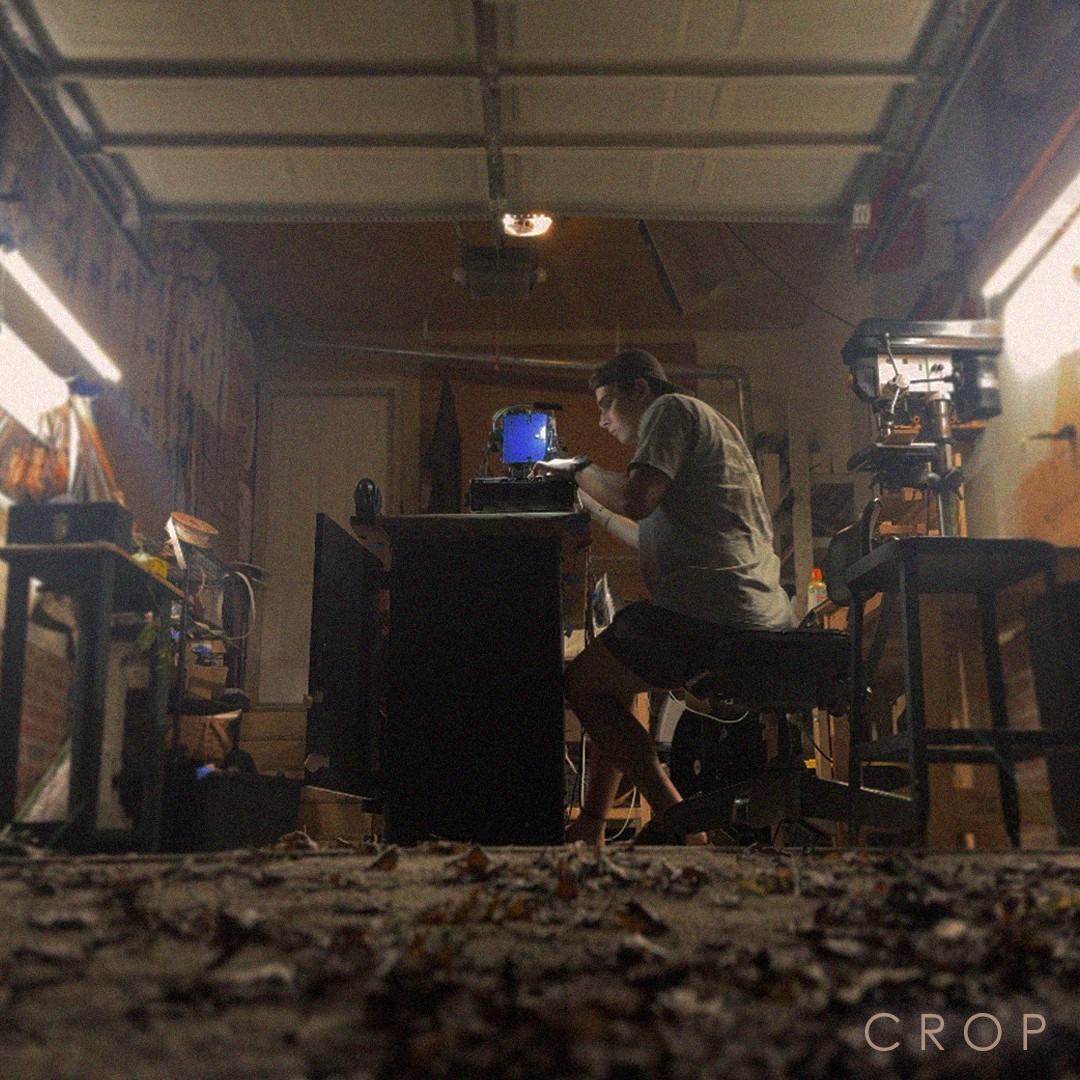
My experience at NC State was easily the most impactful time of my life. I fell in love with the process of product design, and somehow always found a way to relate my projects to my obsession with everyday carry items. From project to project, i started spending more and more time in the incredible NC State Materials Lab workshop. While it was because I loved making, I realized I loved designing for in-house manufacturing, and wanted to actually make the thing i was designing. I also became more and more aware of the impact that designers have on the world of mass production. I went down a rabbit hole of sustainability, and started spiraling. I realized there’s no “FDA” for sustainability, and looked for the answers on how I could practice sustainability as a designer.
By the end of my first semester of senior year, i was in a really bad place, struggling with feeling good about being a product designer, not being able to justify what I just spent 4 years learning, because I thought i was playing a huge role in mass production, and felt it would be impossible to design with my standards of sustainability for someone else.
I decided to push myself to create my own product line of everyday tools that would align with my standards for sustainability. Not only to feel good about my profession, but to make an impact on the world of design and help reframe the way people look at sustainability. My standards are simple, there is no need to produce a new product unless its truly benefiting someone on their daily journey, using materials that would otherwise be waste, and the product should be designed for generational use.
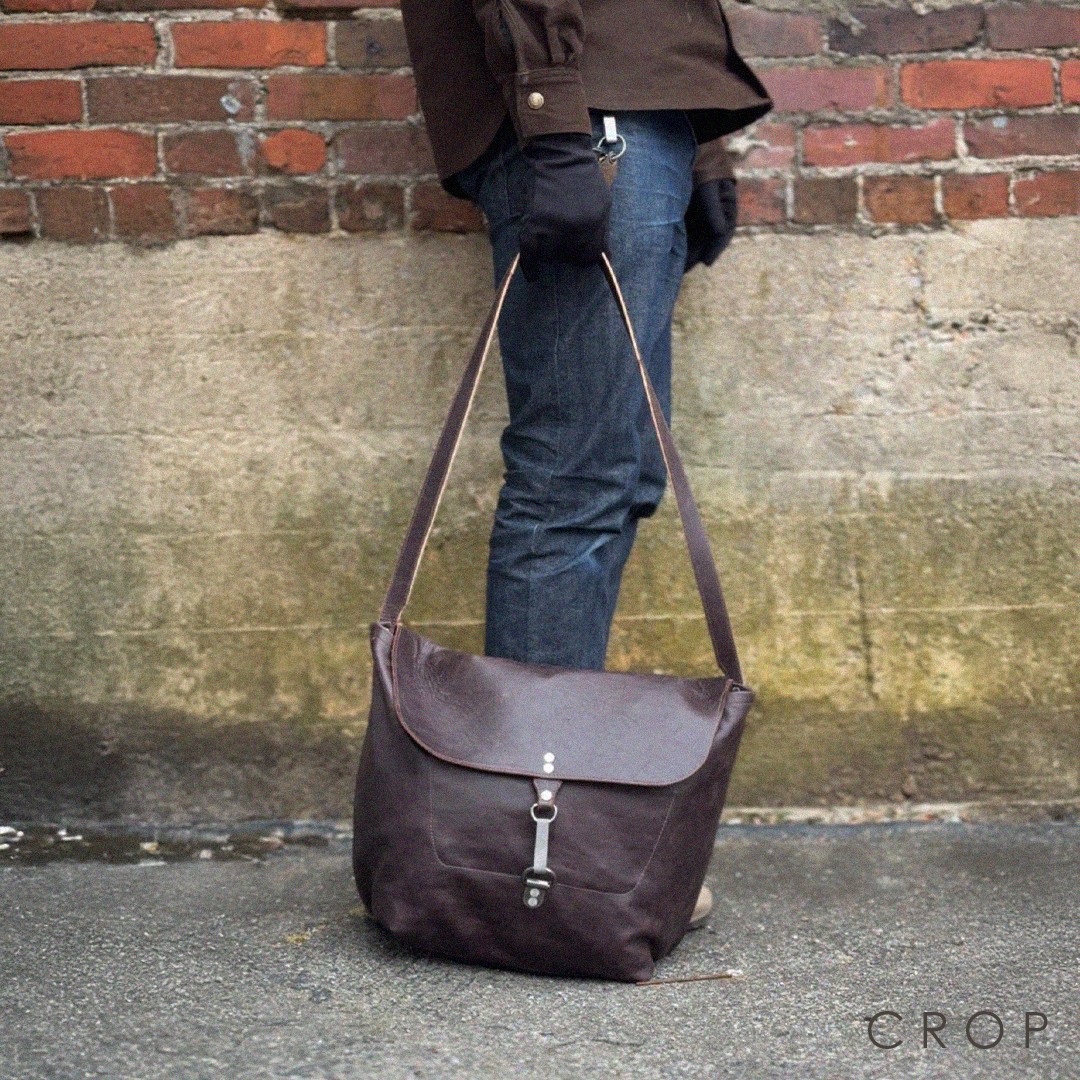
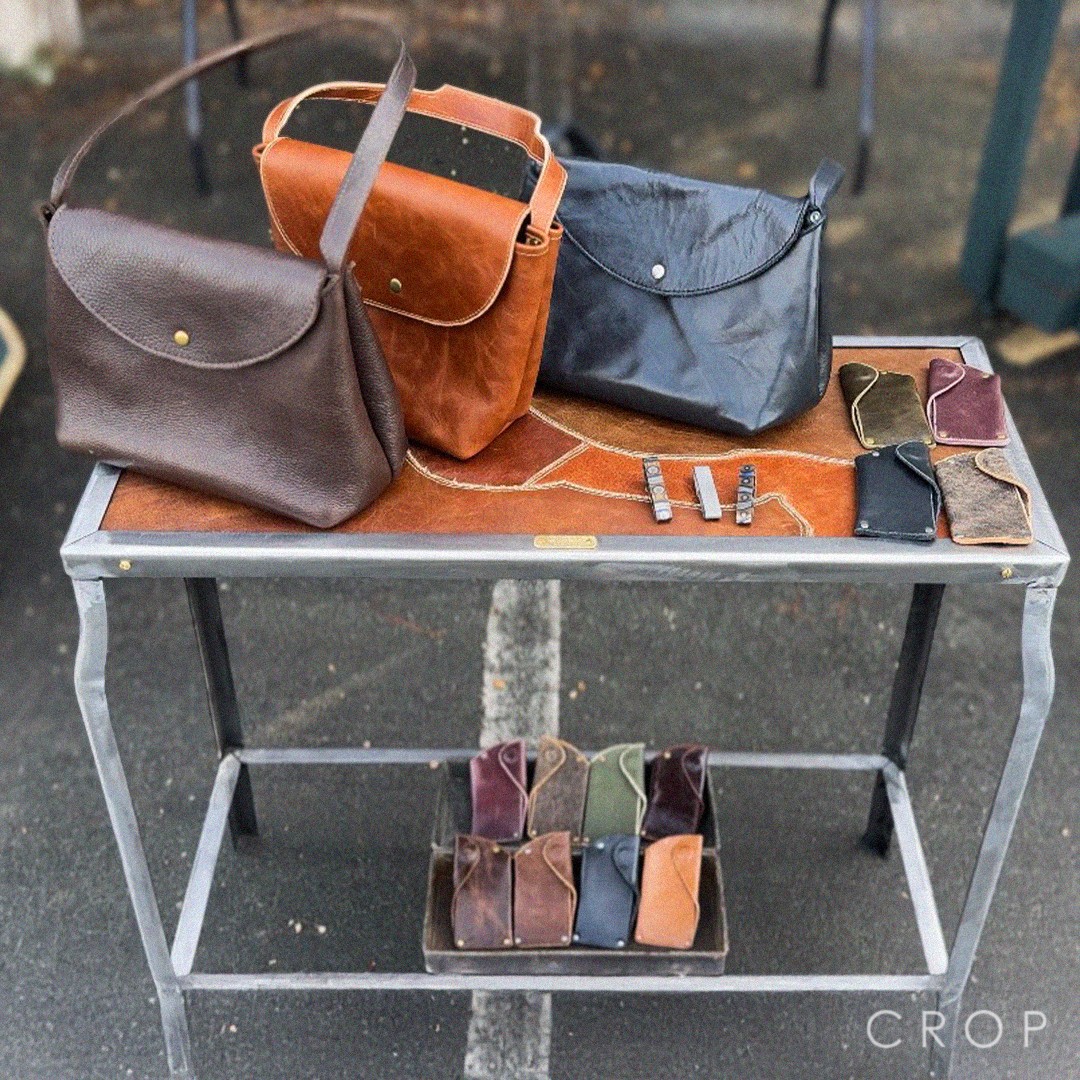
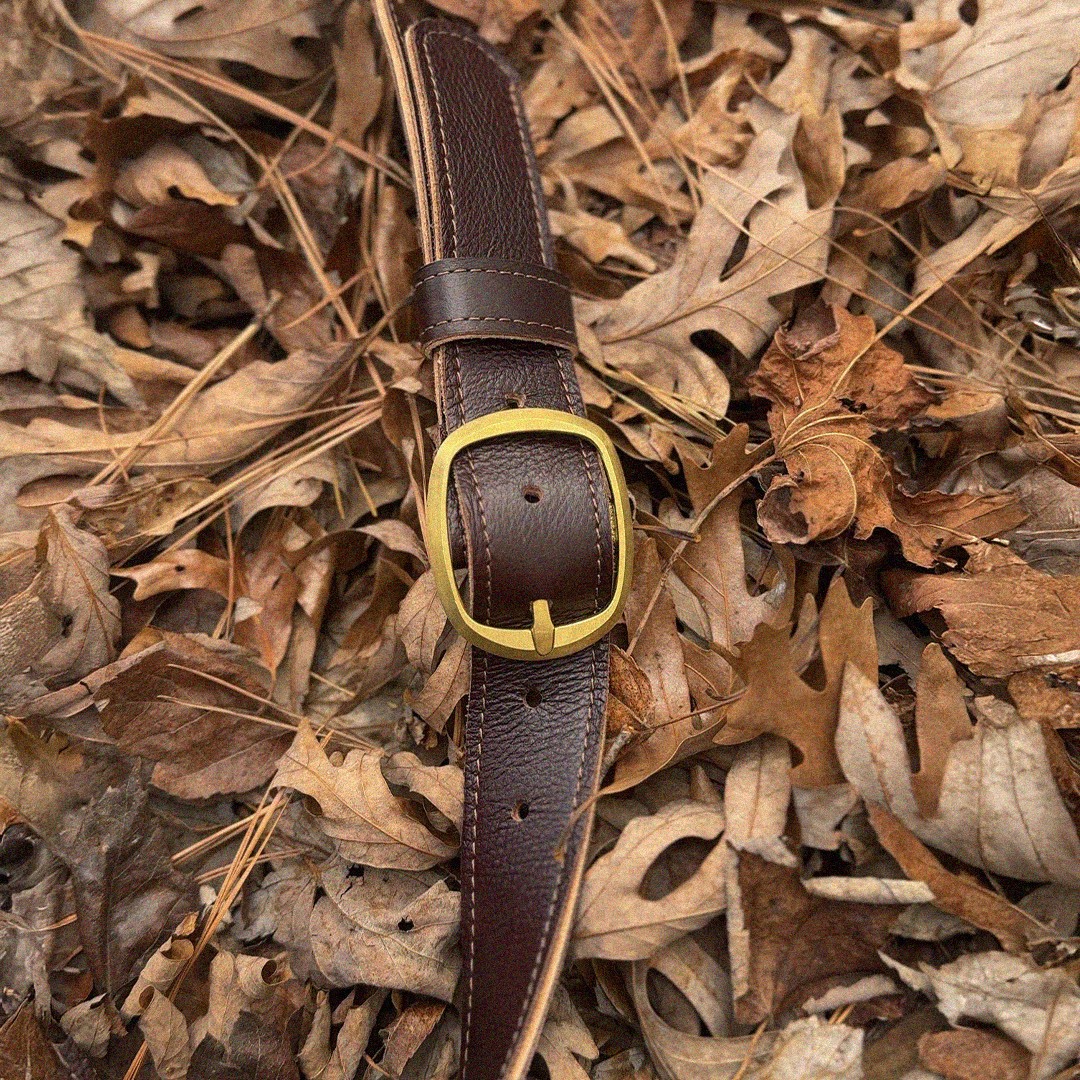
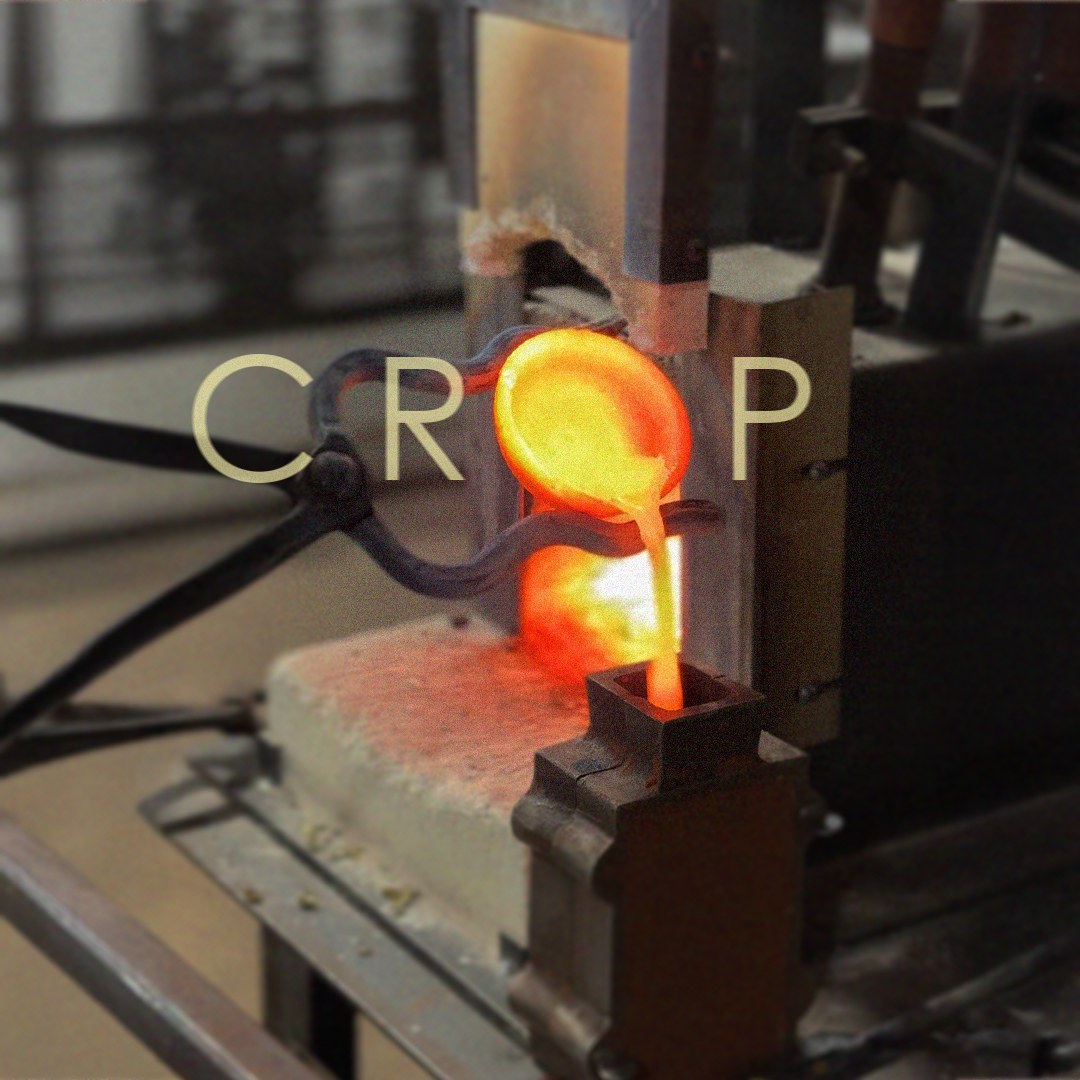
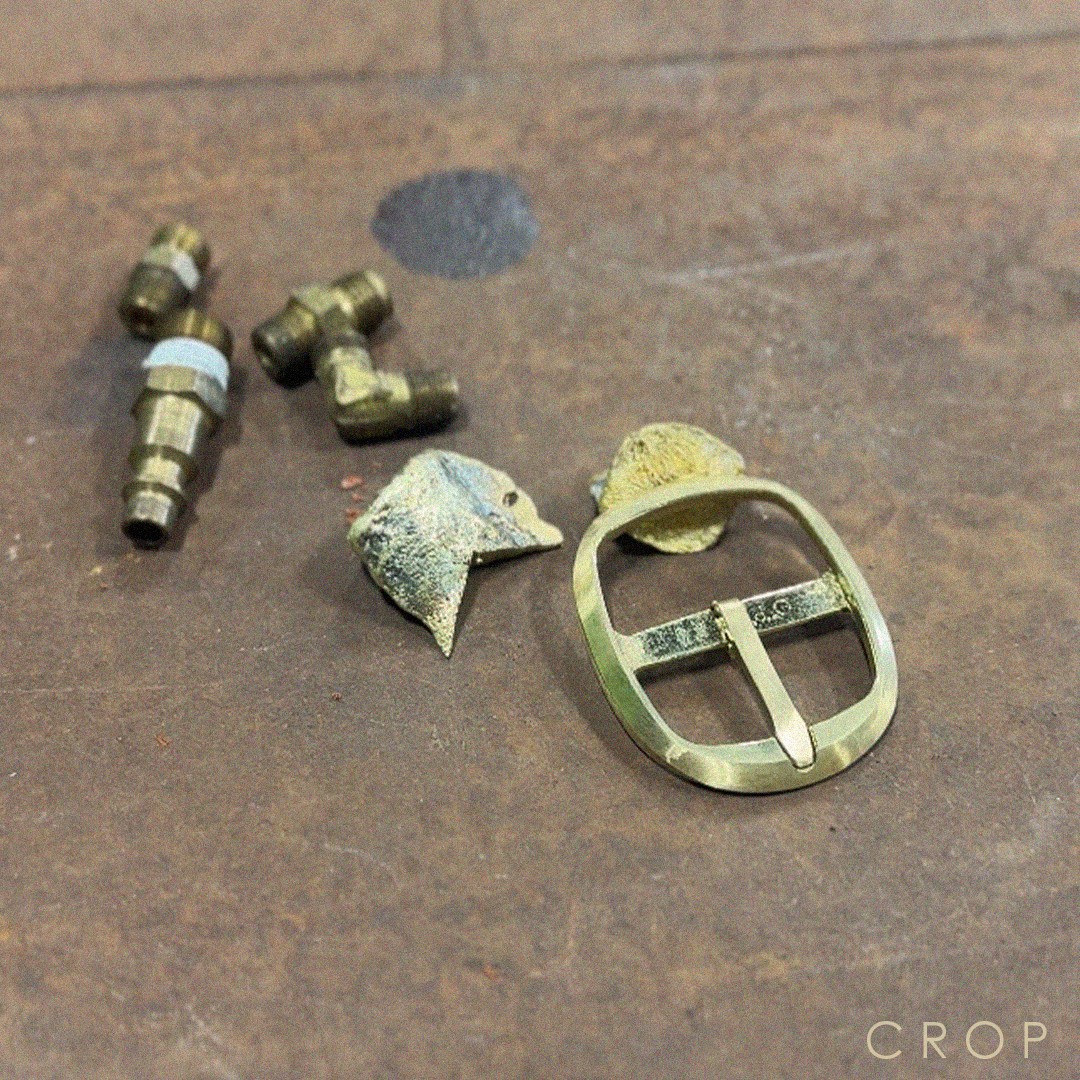
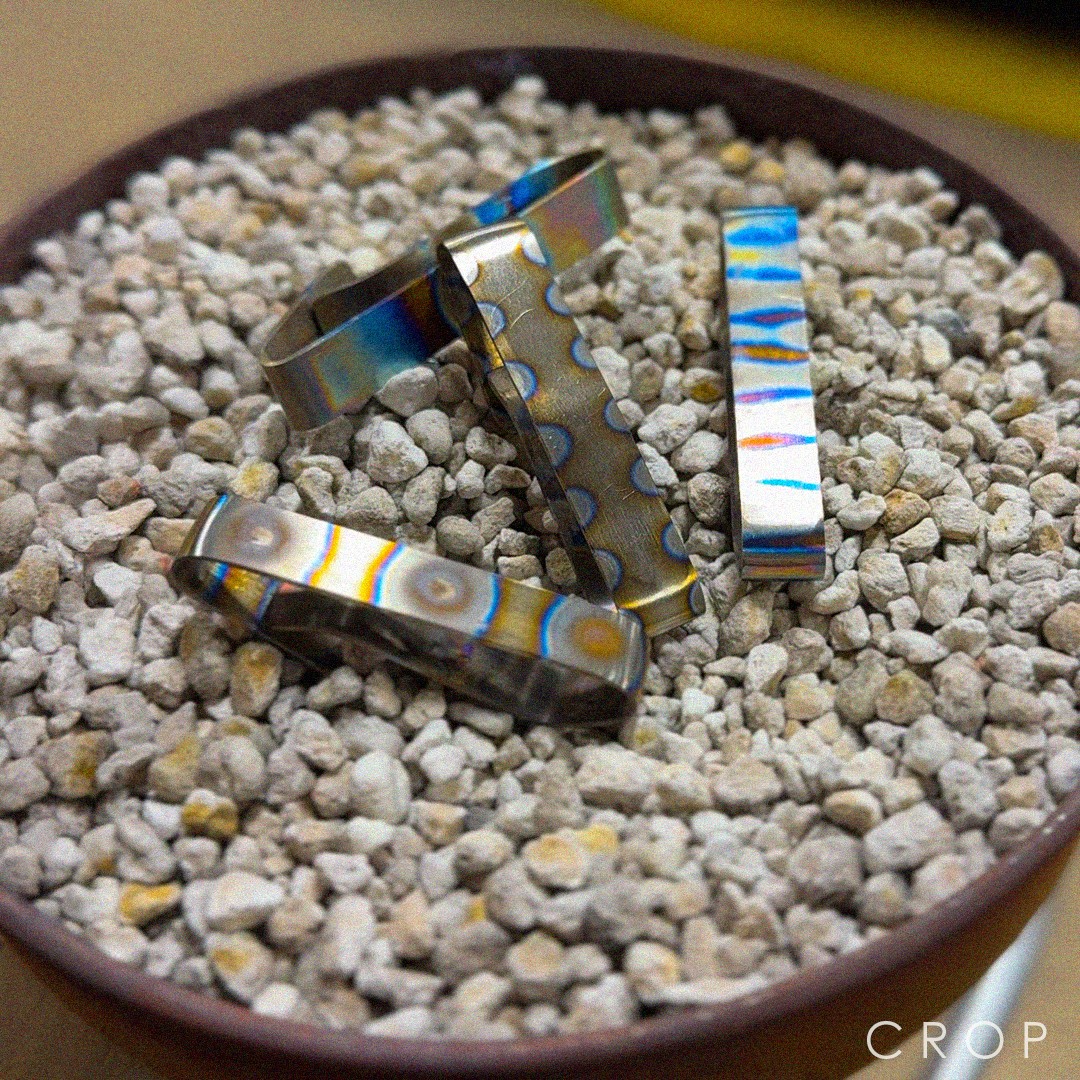
CROP, or Cooper Reid Outwear Products, was born. A Handmade Lifestyle accessories brand, creating generational-use products, from scrap materials, designed to be repairable and functional. Whether it be handmade leather bags or wallets utilizing offcut scrap leather from the upholstery leather industry, Sandcasting Belt buckles from old brass hardware, or forging titanium carabiners that are designed to be used for any outfit, I am completely committed to my goal of creating a product that is sustainable, functional, and can last generations. While CROP stands for Cooper Reid Outwear Products, there’s a deeper meaning. More than my name, its about the practice of CROPing something to be better. CROPPing a bag to utilize a scrap material instead of buying manufactured material, Or CROPing a the design of a belt to be repairable, allowing it to last longer, OR CROPing the design of a wallet to better fit women’s jeans to be more inclusive.
This Goal of CROpping my products grows, and im so excited to share it with you!
Can you talk to us a bit about the challenges and lessons you’ve learned along the way. Looking back would you say it’s been easy or smooth in retrospect?
I would say it’s been a lot of ups and downs since starting CROP. Im beyond grateful for the ability to pursue my passion, but I struggle with mental health, and as much as CROP builds me up, the low moments can really put me down. Im thankful for all the problems I struggle with, because it’s typically related to my passion and stubbornness to stay true to my mission and values. I will say this, though, it’s the people who appreciate my passion and show me love and support who keep me afloat.
Can you tell our readers more about what you do and what you think sets you apart from others?
I started a handmade Lifestyle accessories brand. Id say what makes me stand out is my harmony of sustainability and functionality. Many designers and companies start the design process by addressing a problem and finding a solution for it, or taking an existing product and redesigning it to be more trendy and modern. There’s nothing wrong with this process, and in most scenarios, it is the practical path, but I push myself to start with sustainability. For example, I start with material such as scrap upholstery leather. A type of leather used for furniture and cushions, which tends to produce an incredible amount of waste and scraps. I then find innovative ways to utilize the material to the best of its ability, always keeping in mind functionality and repairability.
Im proud that ive been able to create a functional and sustainable product, at an approachable price. Leather goods and handmade goods are not cheap, and it’s hard for people not to choose the more affordable route when buying products, but im so proud im able to feasibly make quality products that people can feel good about buying.
Do you have any advice for those looking to network or find a mentor?
I have had some unbelievably impactful mentors in my life, and they have all come from the vocalization of my passion. From bringing my ideas to life and having something real to show people. I wish I could give better advice, but it’s so different for each person. But what I can say is if there’s ever a door, and on the other side of that door, there might be a person, place, or space for opportunity that is home to your passion, walk through those doors.
Pricing:
- $20
- $600
Contact Info:
- Website: https://cropdesigns.com
- Instagram: cropdesigns
- LinkedIn: cooper-bakos