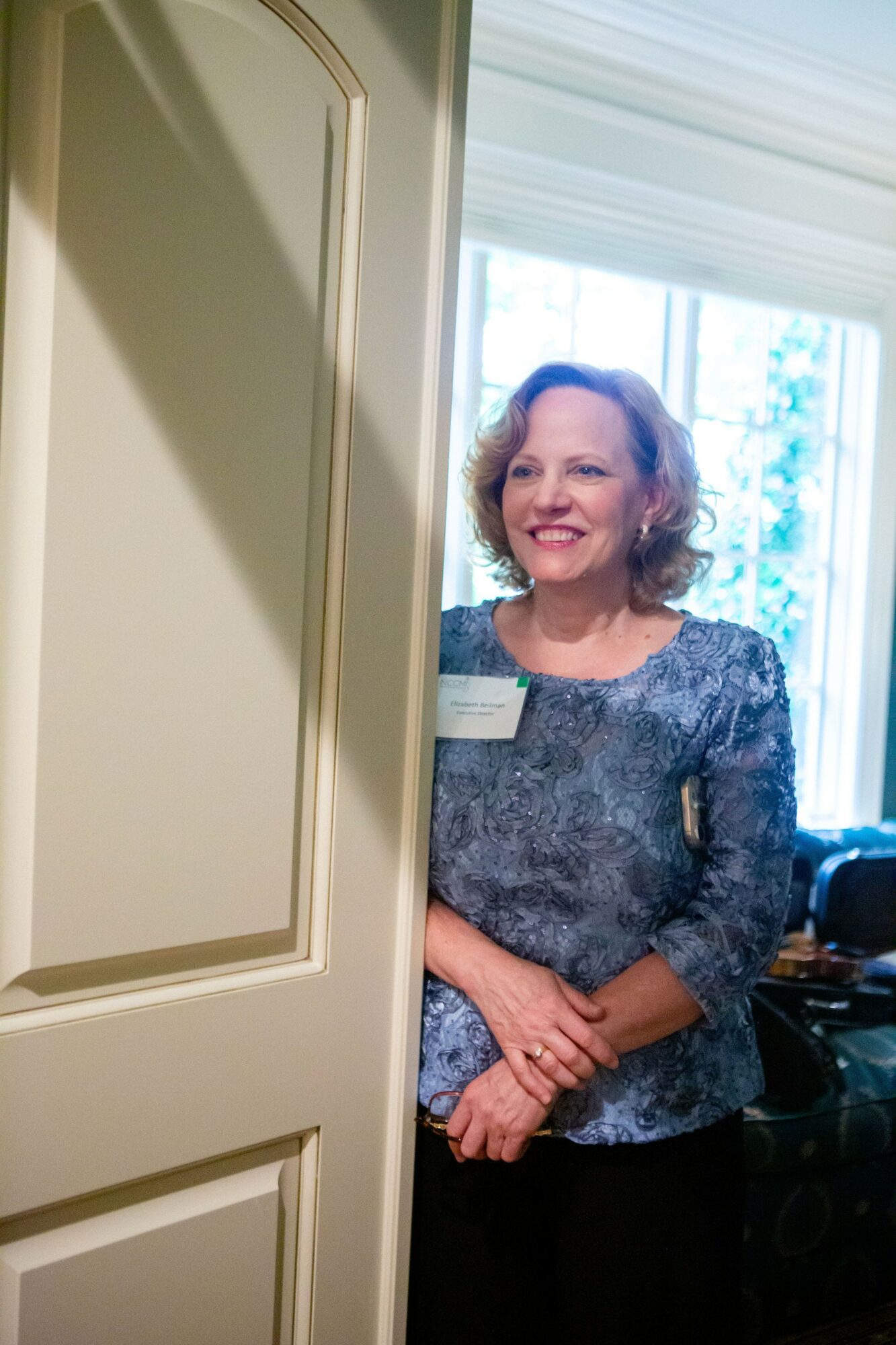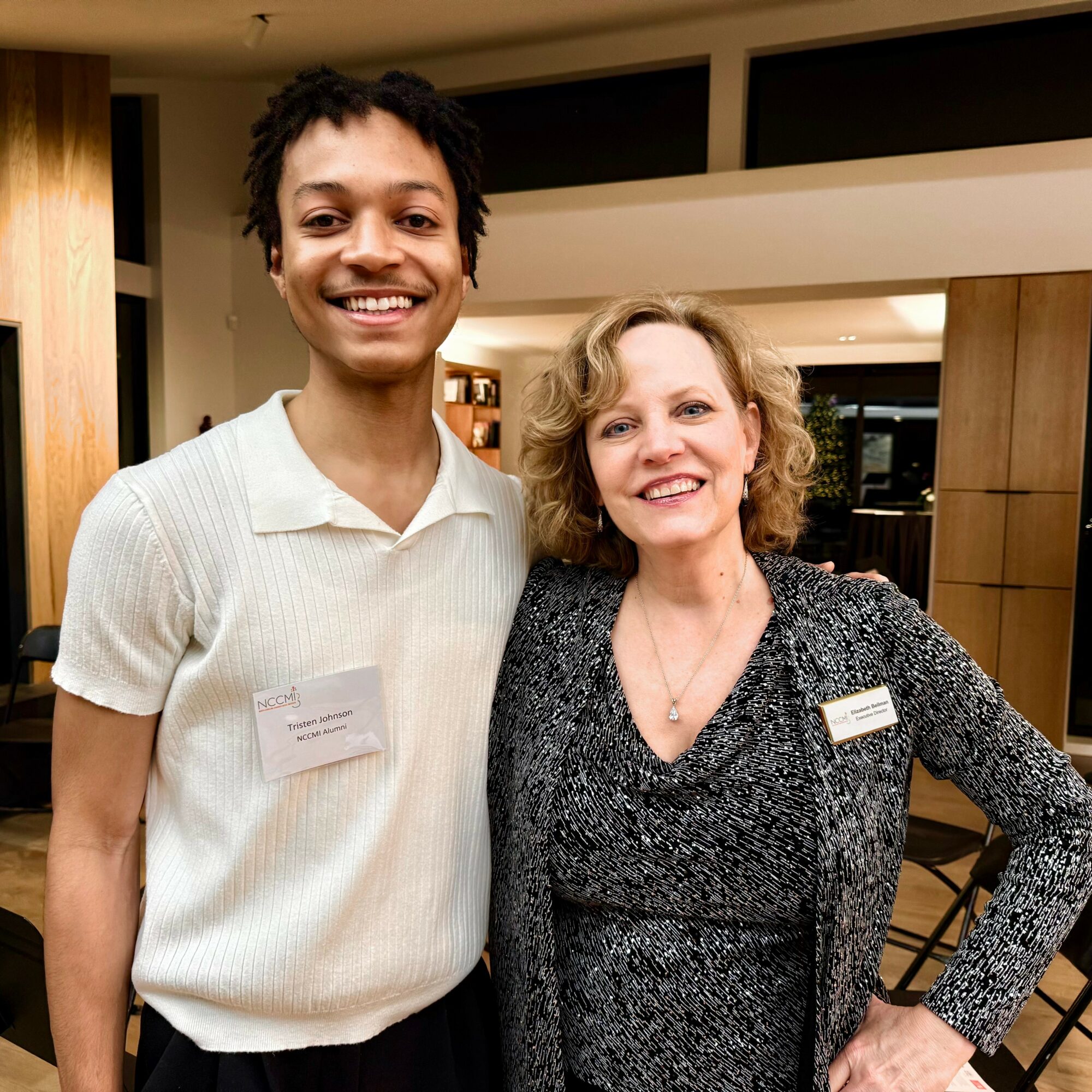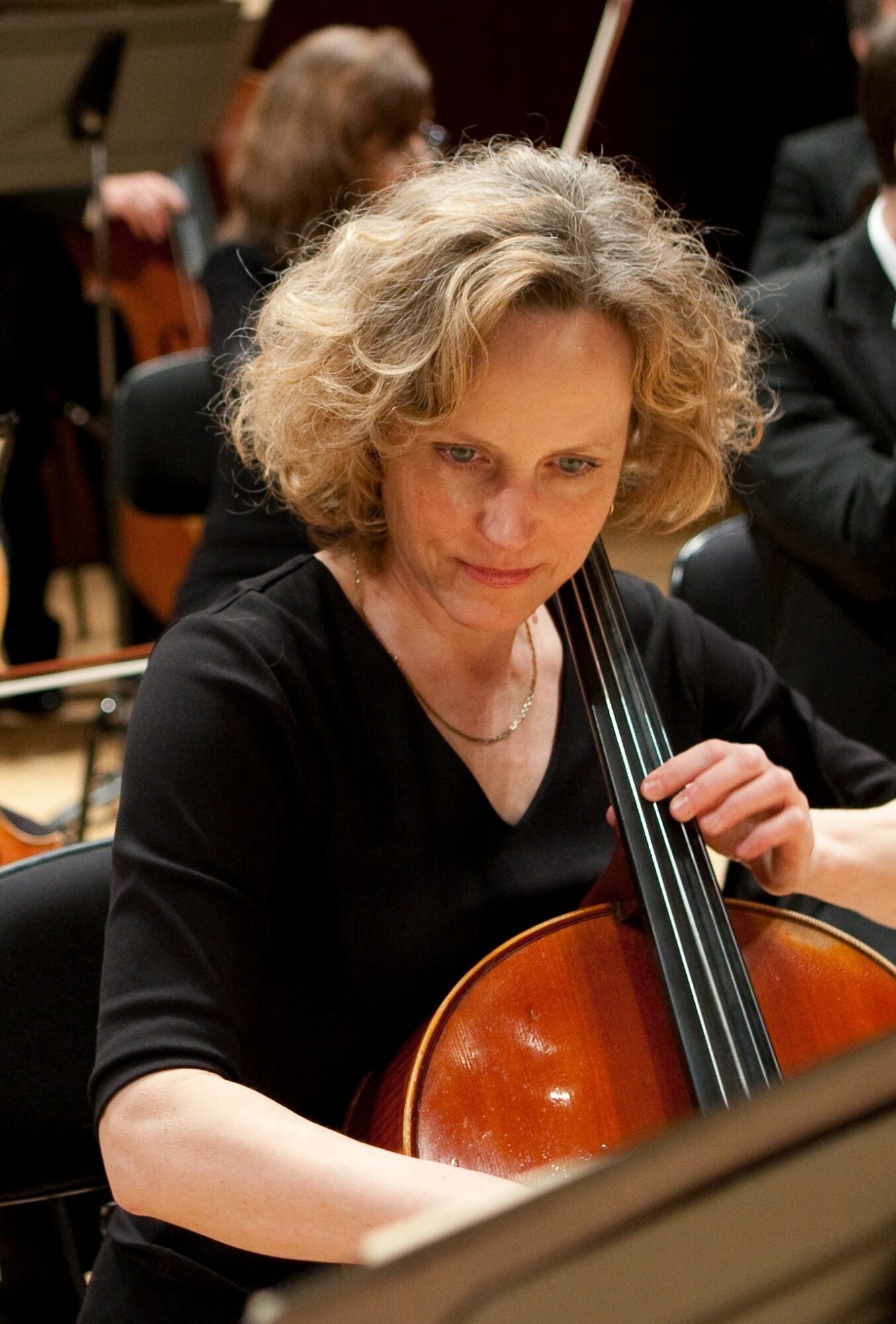





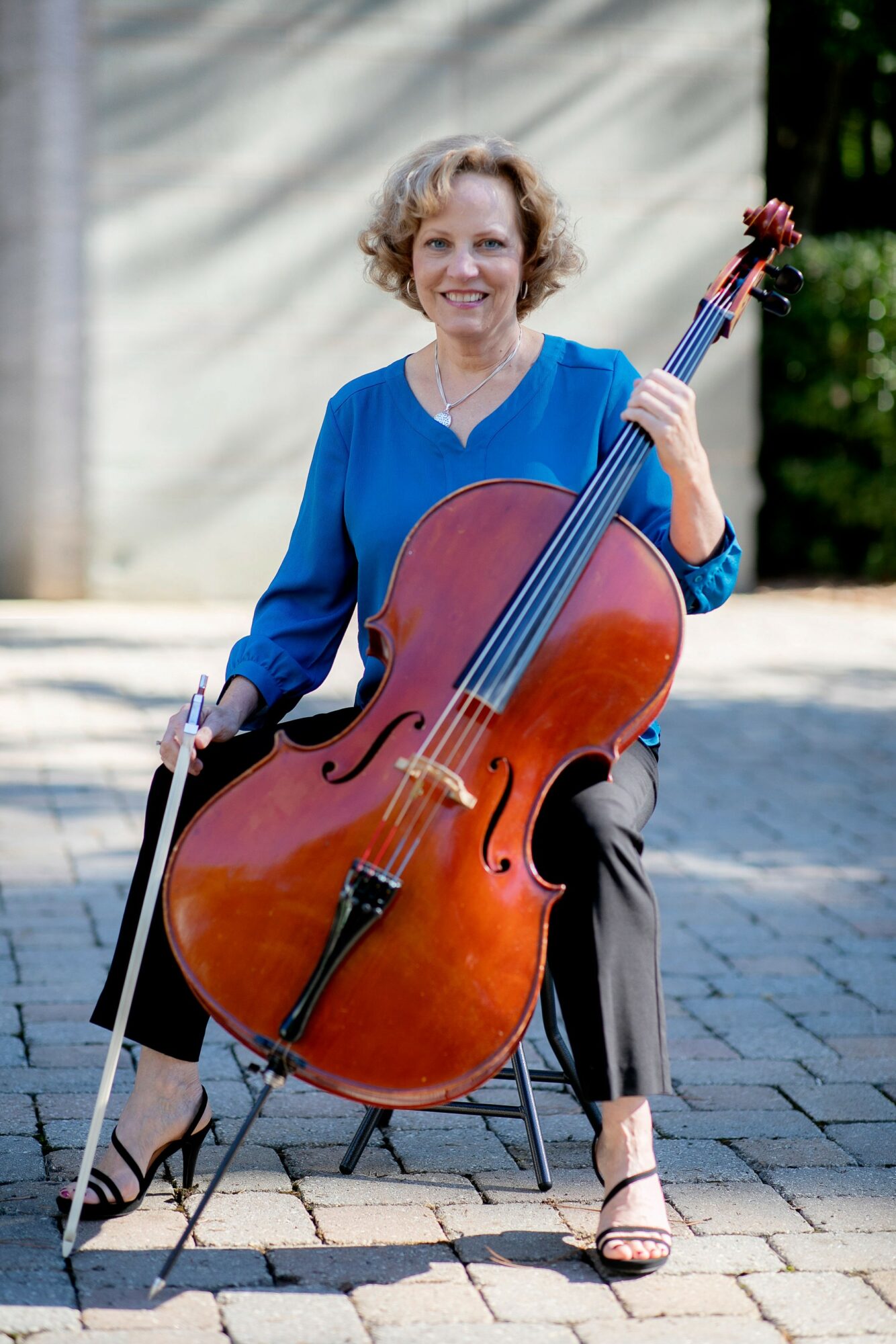
Today we’d like to introduce you to Elizabeth Beilman.
Alright, so thank you so much for sharing your story and insight with our readers. To kick things off, can you tell us a bit about how you got started?
My journey really begins with a family experiment. My father fell in love with Eine kleine Nachtmusik and decided his children should form a string quartet. He told us we could stop lessons once we could play that piece! By the time we got there, though, the plan had backfired—in the best possible way. We were hooked. Two of us went on to become professional musicians, and chamber music became a central part of my life from the very beginning.
What I loved most—and still love—is that chamber music is deeply collaborative. It’s music made in small ensembles without a conductor, where every voice matters. That sense of shared creativity and connection is incredibly powerful.
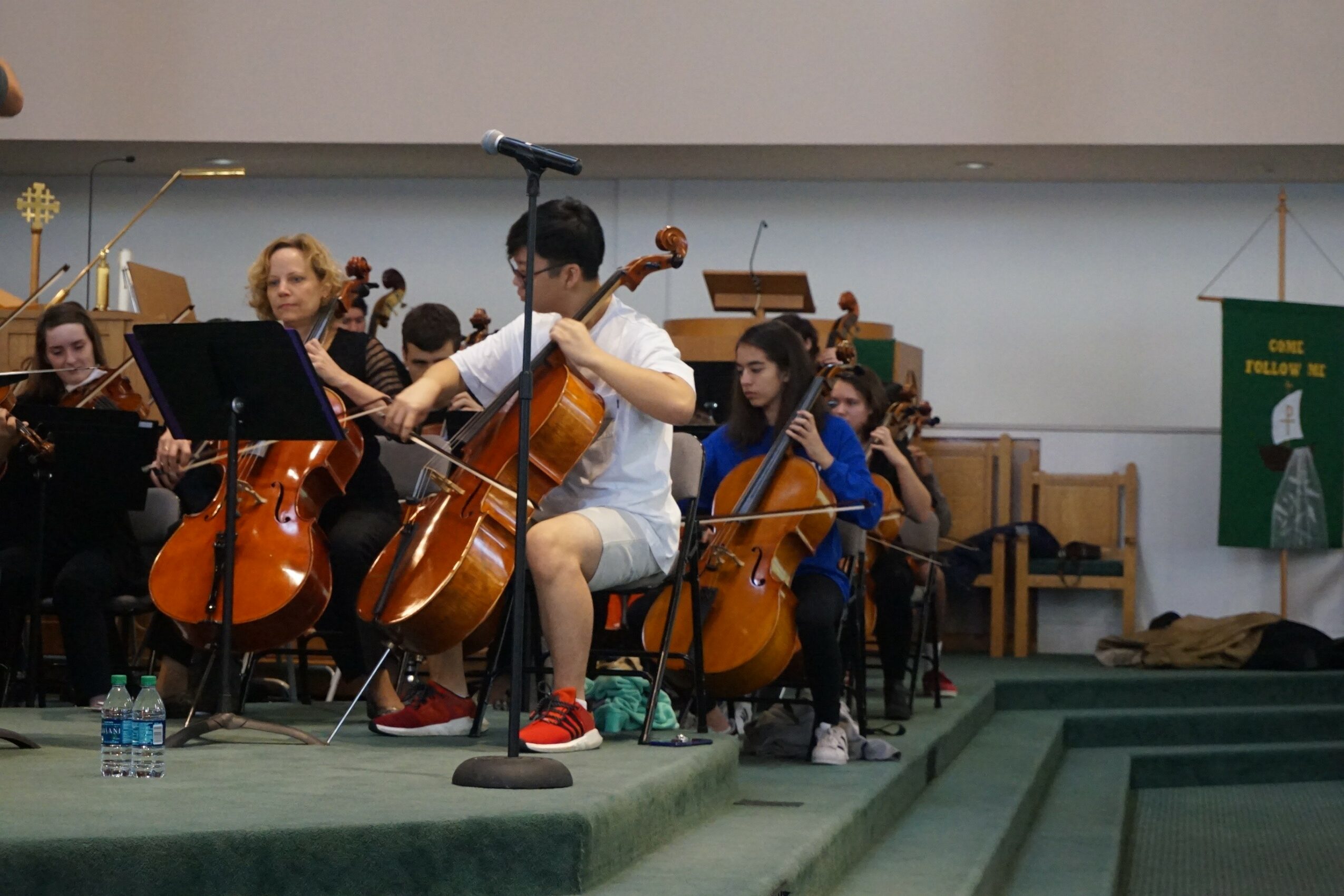
Years later, after joining the North Carolina Symphony as a cellist (a true joy in itself), I continued to pursue chamber music alongside orchestral playing. My husband, a former principal clarinetist with the Symphony, and I formed our own ensemble, Aurora Musicalis, and recorded Echoes of America on the Albany label. Around that same time, we began coaching chamber music at a summer program in Raleigh.
What happened next really changed everything: the students didn’t want it to end. They asked us to keep their groups going during the year—and that simple request became the seed for what is now the North Carolina Chamber Music Institute.
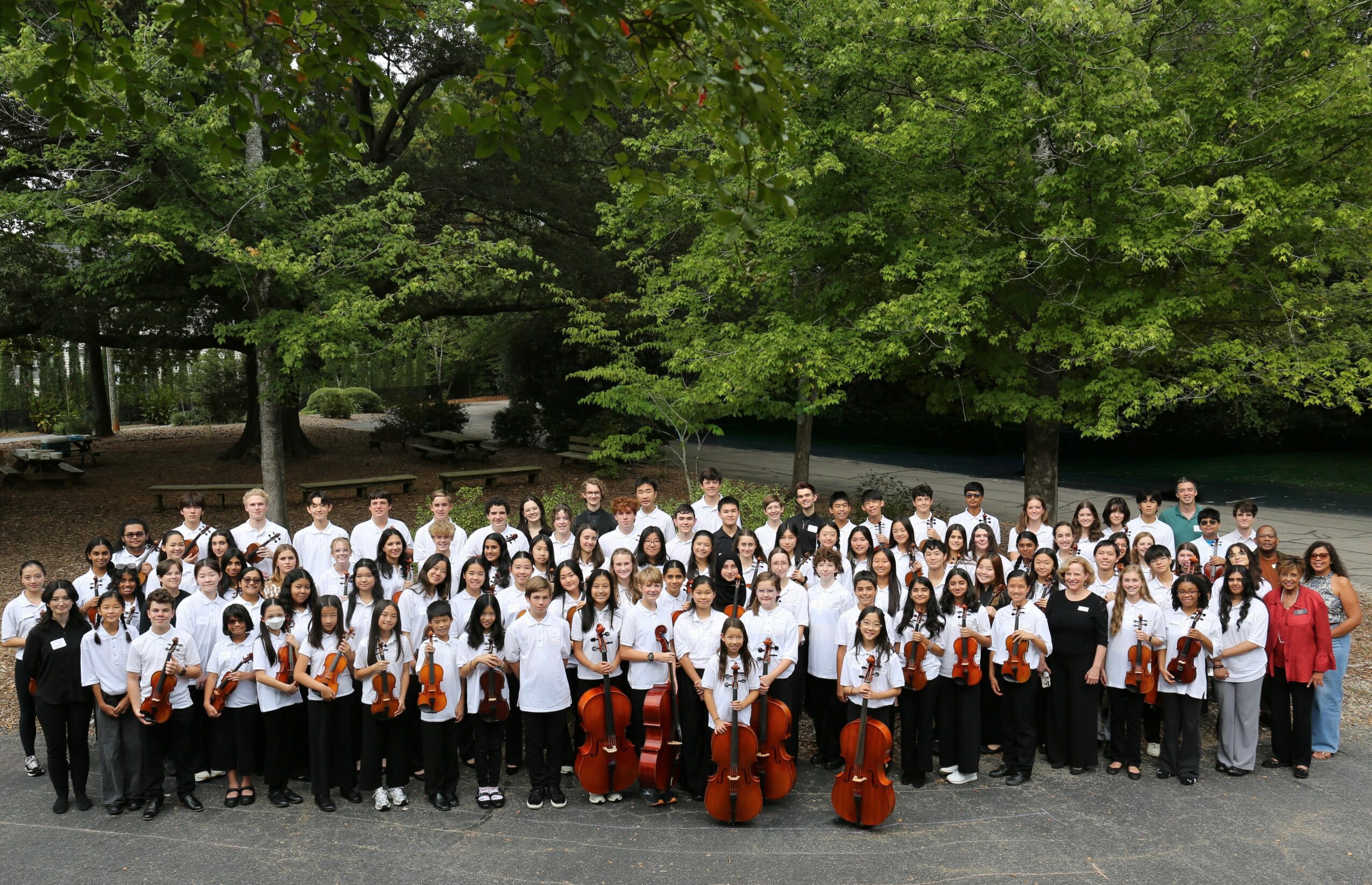
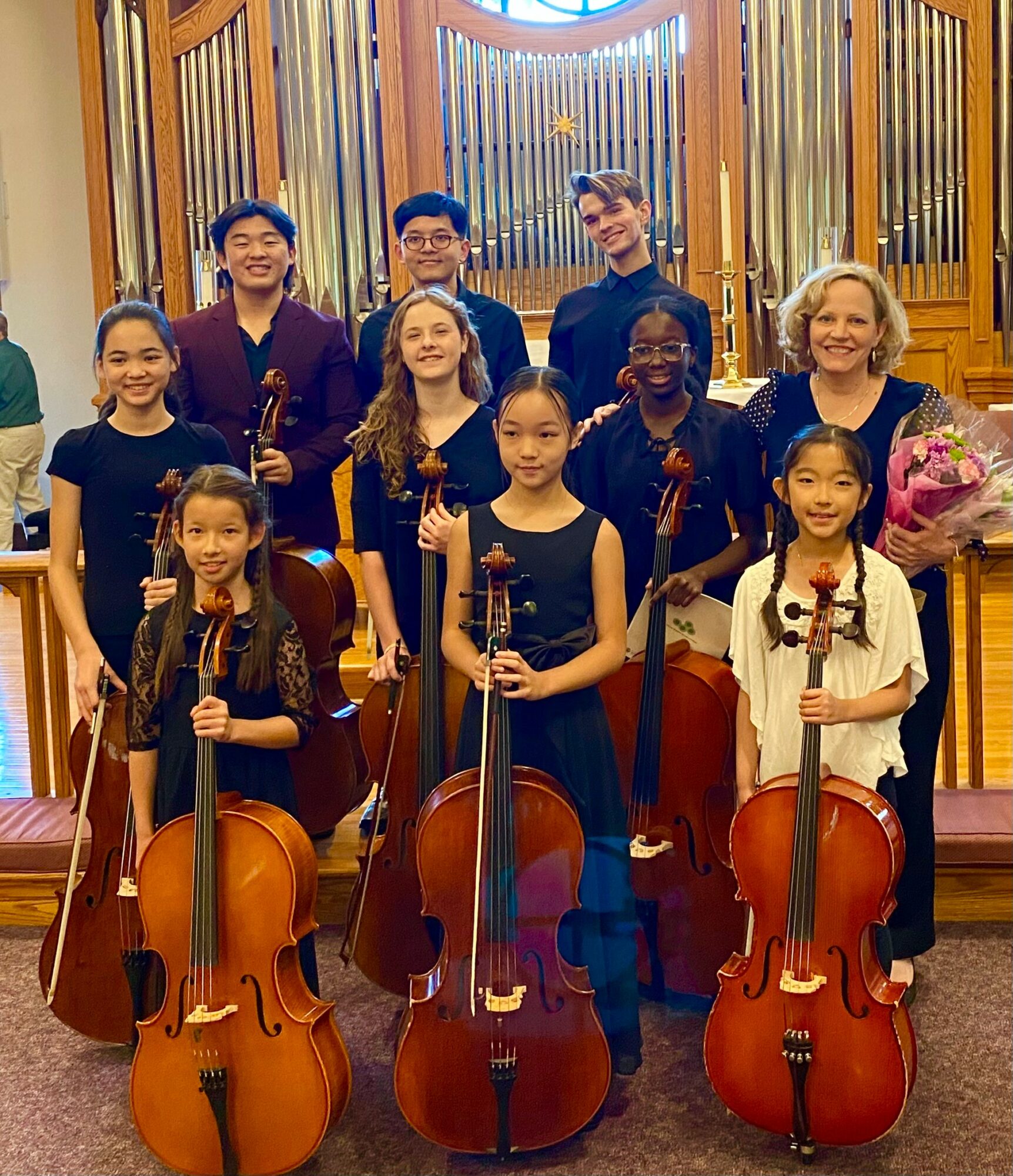
We started with just 13 students. Since becoming a nonprofit in 2014, we’ve grown steadily with the support of wonderful partners like the City of Raleigh Arts Commission, the United Arts Council of Raleigh and Wake County, and the North Carolina Arts Council. Today, we serve over 100 students in more than 25 ensembles, each one developing its own artistic voice within a shared vision of excellence and collaboration.
It’s been an exciting—and deeply meaningful—ride.
Alright, so let’s dig a little deeper into the story – has it been an easy path overall and if not, what were the challenges you’ve had to overcome?
It definitely hasn’t been a completely smooth road. Like so many in the arts, the pandemic brought one of our greatest challenges—both for me personally as a musician with the North Carolina Symphony and for our students at the North Carolina Chamber Music Institute. Music is meant to be shared, and suddenly, live performance—and even rehearsing together—wasn’t possible.
But in a way, the very nature of chamber music helped us adapt. That spirit of collaboration and problem-solving carried us through. For our first spring “concerts,” each student recorded their part individually, often playing along with a metronome or reference track. We then stitched those videos together into ensemble “mosaics,” creating performances that still captured a sense of connection.
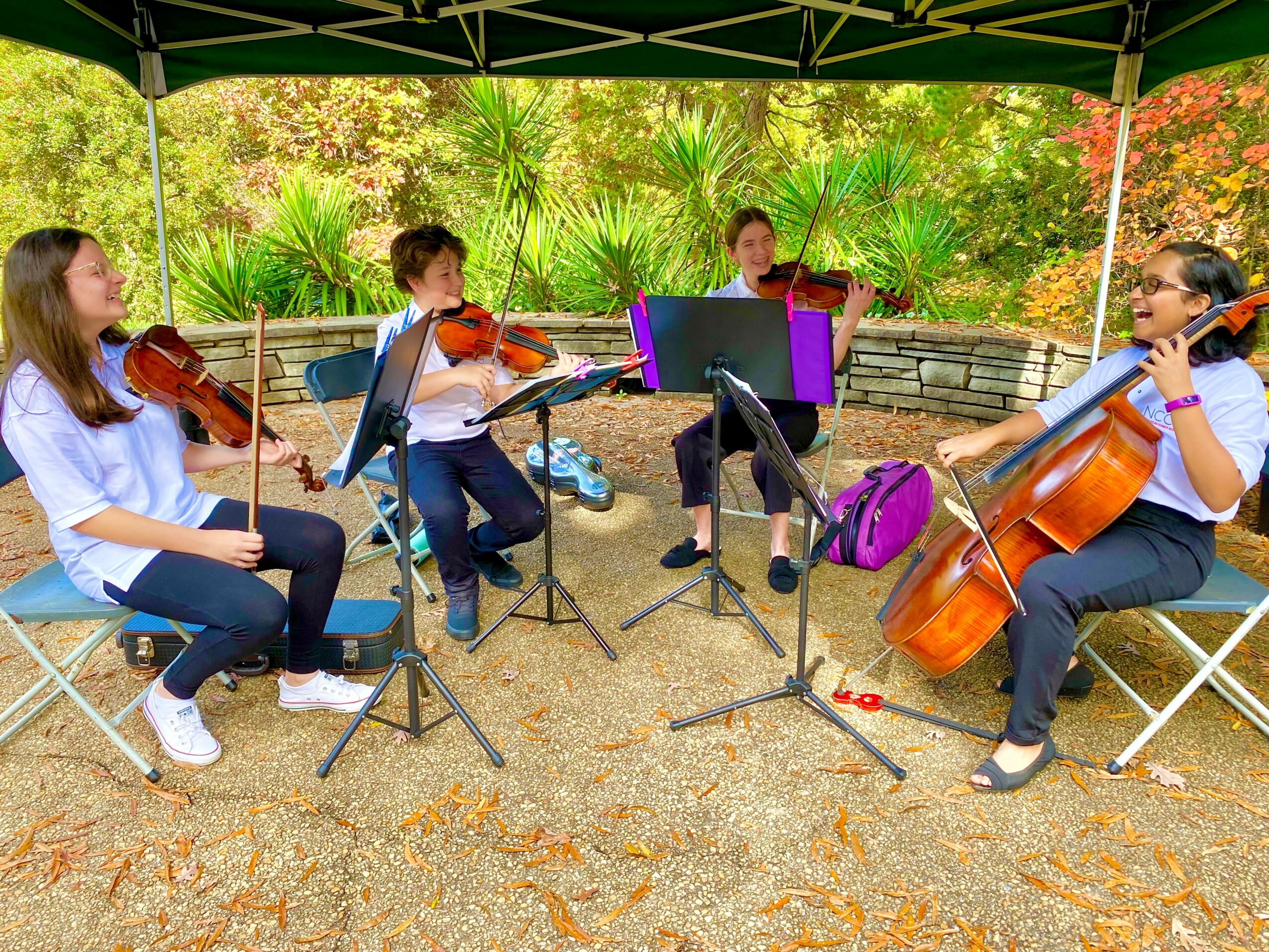
The following year, we got creative again—meeting on screened porches, decks, and outdoor spaces, masked and distanced, just to keep the music going. It wasn’t easy. We could see the toll that isolation was taking on our students, and that was the hardest part.
At the same time, something remarkable happened. Those small, in-person rehearsals became a lifeline. Playing chamber music together gave students a sense of purpose, connection, and joy during an incredibly uncertain time. In many ways, their commitment to each other—and to the music—deepened.
Since then, we’ve actually seen more students choosing to pursue music seriously, even professionally. That period tested us, but it also reaffirmed why this work matters so much.
Thanks for sharing that. So, maybe next you can tell us a bit more about your work?
I’ve had the privilege of building a career that lives in two deeply connected worlds: performance and education. For over 30 years, I’ve been the Associate Principal Cellist with the North Carolina Symphony—a role that continues to inspire me every day. Performing great repertoire at the highest level, alongside incredible colleagues, is something I never take for granted.
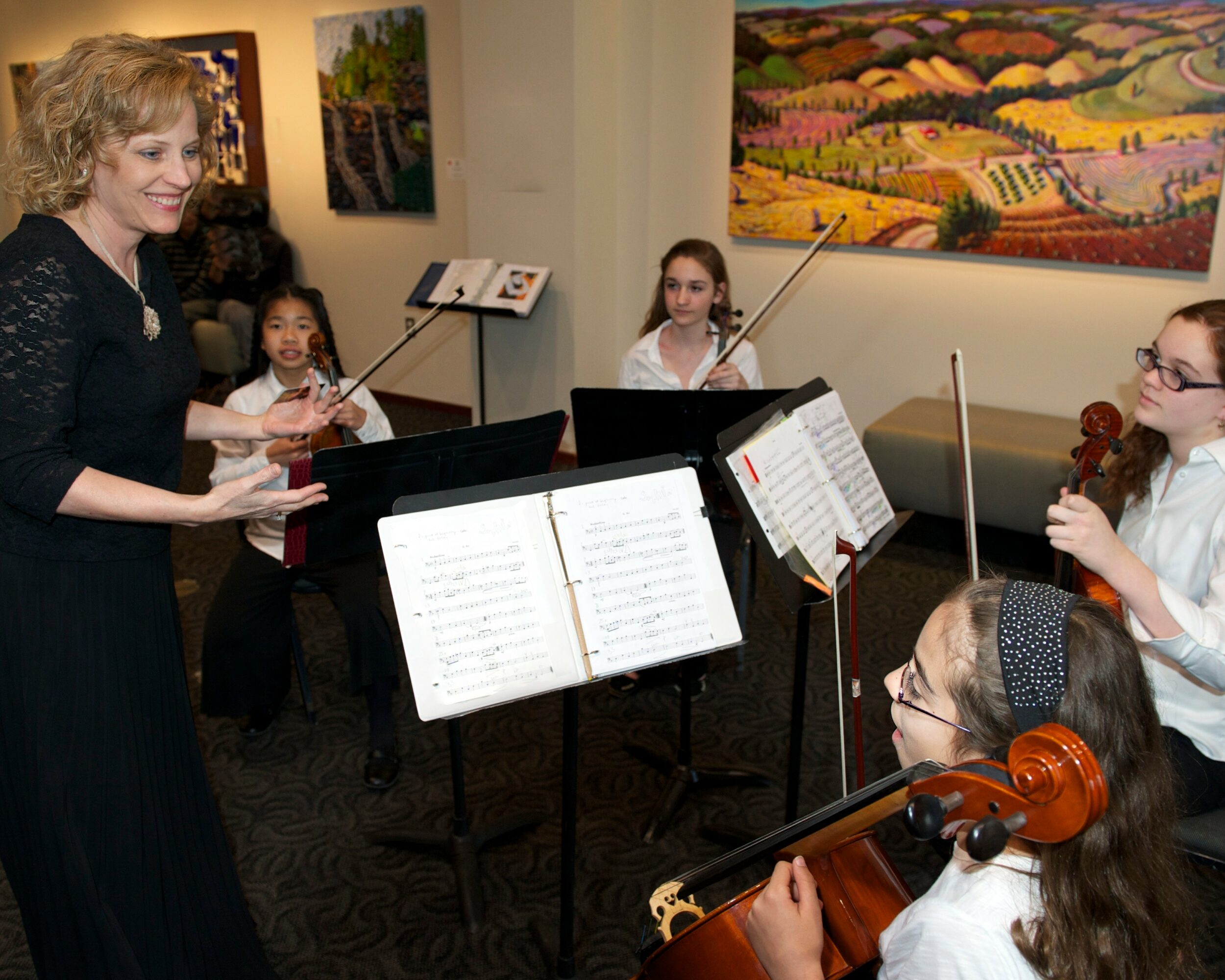
Equally important to me is my work as a teacher and co-founder of the North Carolina Chamber Music Institute. Teaching is truly a gift. Whether I’m working one-on-one with a cello student or coaching a chamber ensemble, I’m constantly learning from them. Every student is different, and finding the right way to motivate and inspire each one is both a challenge and a joy.
What makes chamber music education so special is the intimacy of it. In a small ensemble, you really get to know the students—not just as musicians, but as people. It becomes a mentoring relationship that often extends far beyond the rehearsal room. Many of my students and their families remain lifelong connections.
I’m also deeply inspired by the lineage of teaching in classical music. My own teacher, Fritz Magg at Indiana University Jacobs School of Music, studied with Diran Alexanian at the Paris Conservatory—who in turn worked directly with Johannes Brahms, even playing his cello sonatas for him. I love telling my students that this makes me a “great-grandchild” of Brahms—and them, in turn, part of that same musical family. It’s a reminder that they are part of something much bigger than themselves.
What I’m most proud of is helping students grow not just as musicians, but as confident, thoughtful individuals. That transformation—watching a young person find their voice—is incredibly meaningful.
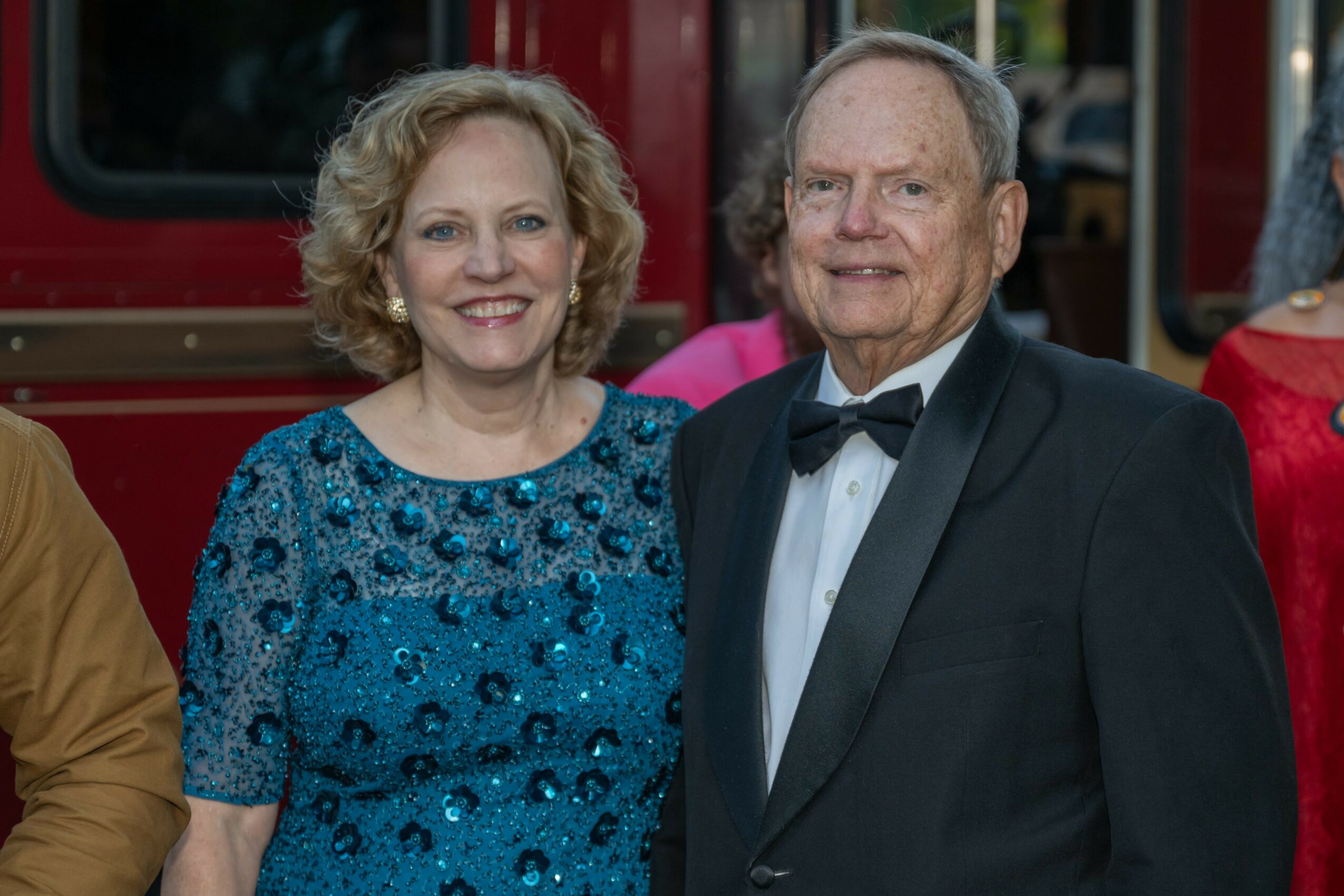
In 2024, my husband, Jimmy Gilmore, and I were honored to receive the Raleigh Medal of Arts for Creative Leadership. It was a special recognition of both our performing careers and our shared commitment to building community through music.
Ultimately, what sets my work apart is that it’s rooted in connection—between musicians, between generations, and between the music and the people who bring it to life.
What quality or characteristic do you feel is most important to your success?
I would say tenacity, positive thinking, and mental focus have been the most important to my success.
A career in music—whether performing with the North Carolina Symphony or building an organization like the North Carolina Chamber Music Institute—requires persistence. There are always challenges, and the ability to stay committed and keep moving forward is essential.
Just as important is maintaining a positive mindset. Music is about expression, connection, and joy, and I try to bring that spirit into everything I do, even in difficult moments.
Finally, mental focus is key—both on stage and in teaching. Being fully present allows me to perform at my best and to truly listen, respond, and connect with my students and colleagues.
Those three qualities—staying the course, keeping a positive outlook, and being fully engaged—have shaped not only my career, but also the way I approach life.
Contact Info:
- Website: https://nccmi.org or https://ncsymphony.org/people/elizabeth-beilman/
- Instagram: https://www.instagram.com/thenccmi/
- Facebook: https://www.facebook.com/ebeilman
- LinkedIn: https://www.linkedin.com/in/elizabeth-beilman-79399b50/
- Youtube: https://www.youtube.com/watch?v=-wIRkkGCLa8&list=RD-wIRkkGCLa8&start_radio=1 OR https://www.youtube.com/watch?v=gUldECpgvPg