




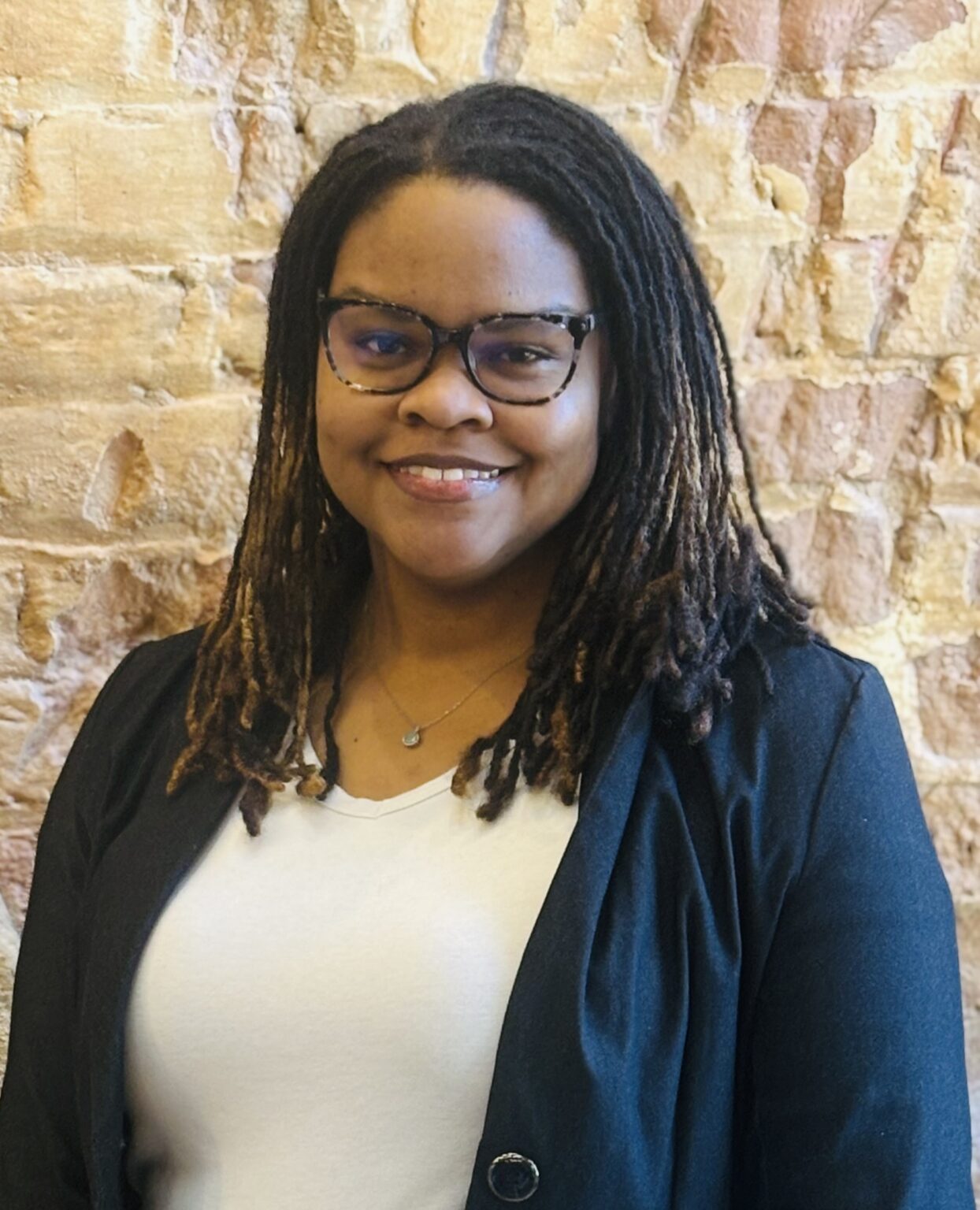
Today we’d like to introduce you to Dalia Wimberly.
Hi Dalia, it’s an honor to have you on the platform. Thanks for taking the time to share your story with us – to start maybe you can share some of your backstory with our readers?
I’ve always carried a vision of a world where people learn to respect, accept, and even be fascinated by our differences—and where young people are supported in discovering their own gifts and leadership. That vision started to crystallize through my early work with youth: helping launch a college-access organization at UNC–Chapel Hill, tutoring students through the Durham Scholars Program, teaching English in Costa Rica, and helping build an after-school program in Jacksonville, North Carolina. One of my most formative experiences was mentoring middle school students in the Mississippi Delta; a student once wrote to tell me that whatever shaped me into who I was was who she wanted to become. That moment confirmed for me how powerful it is when a young person feels seen and believed in.
Professionally, my life has been at the intersection of education, youth development, and social justice. I spent years supporting children and families in early education roles—as an enrollment coordinator, assistant director, and center director—helping kids discover who they are and develop their own voices. Later, I served as a program coordinator and advisor for middle and high school scholars at Duke University, preparing young people to take on leadership roles with strong academic and relational support.
Over time, I became increasingly frustrated by the systemic barriers to opportunity that the youth I loved were running up against: under-resourced schools, inequitable policies, and systems that asked them to be “resilient” without providing real support. That’s what led me to graduate school in public policy at Duke University—I wanted to understand not just how to support individual students, but how to change the conditions shaping their lives. Since then, my work has spanned nonprofit leadership, consulting, and operations across North Carolina, always focused on advancing equity and expanding access to opportunity for young people and their communities.
Those experiences eventually brought me to The Resiliency Collaborative, where I now serve as Executive Director. TRC grew out of a simple but urgent belief: every young person deserves a secure, caring, and stimulating environment in which to grow emotionally, intellectually, physically, and socially—and that takes both strong relationships on the ground and systems that are willing to invest in them. Today my role sits at the intersection of storytelling, fundraising, and partnership-building, making sure TRC has the resources, relationships, and strategy to keep saying “yes” to youth in ways that honor their leadership and sustain our team for the long haul.
I’m sure it wasn’t obstacle-free, but would you say the journey has been fairly smooth so far?
One of the first moments that shaped me as a leader happened in my hometown, when I was a junior camp counselor as a teenager. A seven-year-old in my group looked at me and called me a “stupid blackie.” I still remember the sting of that moment—the mix of shock, embarrassment, and anger, and the way it made me suddenly aware of how race and power were already operating in that small room. I had to figure out, on the spot, how to respond in a way that protected my dignity, cared for the other kids watching, and didn’t just absorb the harm in silence. Moments like that taught me early how much emotional labor can sit on the shoulders of adults of color in youth spaces, even when we’re still young ourselves.
As my leadership responsibilities grew, some of the challenges just changed shape. I’ve often been one of the only people in the room who shares my background or perspective, which means I’m navigating my own experiences while also translating, educating, and holding space for others. It can be deeply meaningful work, but it can also be lonely and tiring—especially when you’re leading organizations where you’re responsible for staff wellbeing, program quality, and, in many seasons, carrying the bulk of fundraising and external relationships yourself. Balancing the desire to protect and support my team with the reality that I can’t fix everything or shield everyone from hard decisions has stretched me more than anything else.
Those experiences have pushed me to grow my capacity to hold tension without shutting down: to stay present in conflict, to name harm when it happens, and to set boundaries so I don’t quietly burn out. They’ve also made me more committed to building organizations where younger leaders don’t have to carry those same weights alone, and where staff and youth can show up more fully as themselves without constantly bracing for impact.
Appreciate you sharing that. What else should we know about what you do?
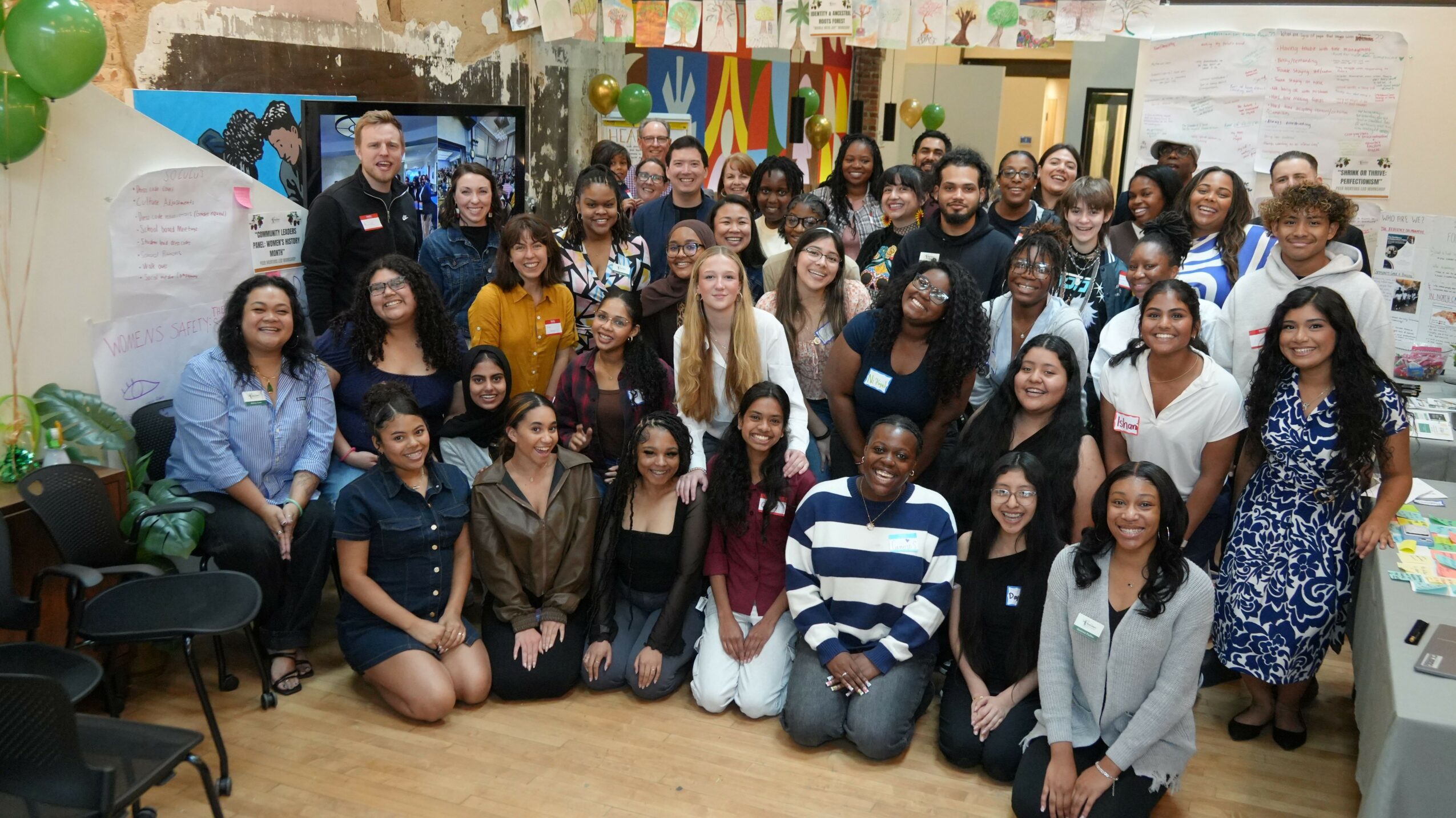
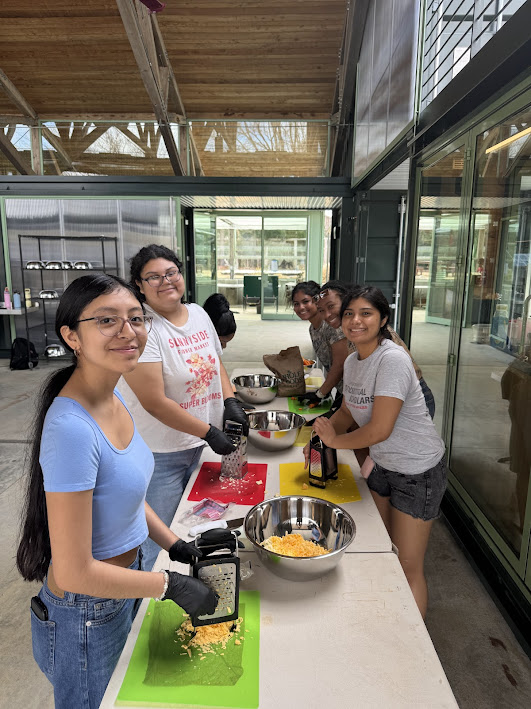
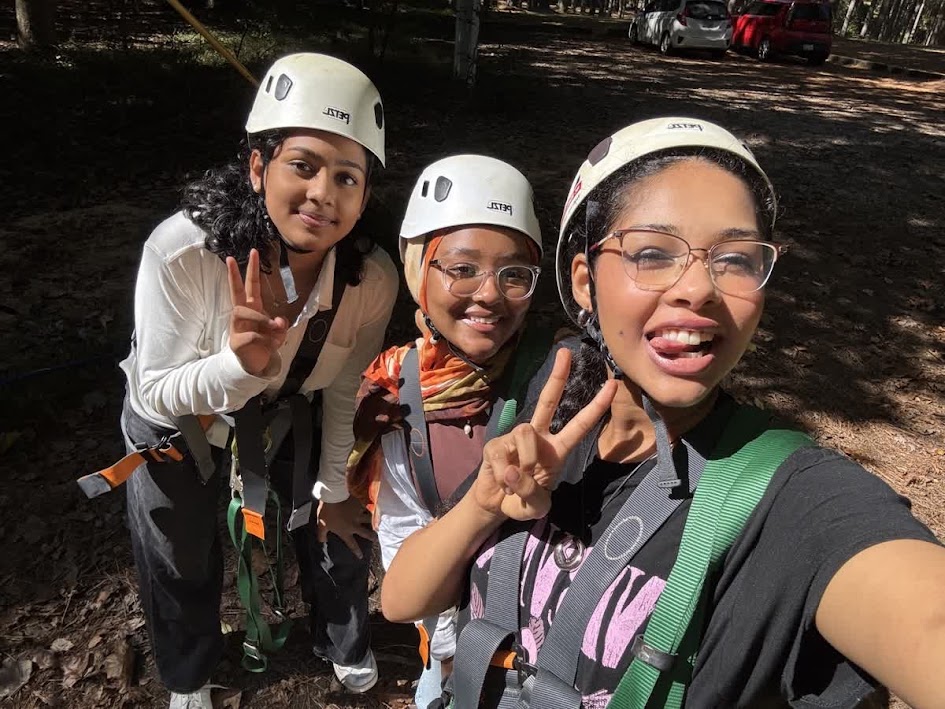
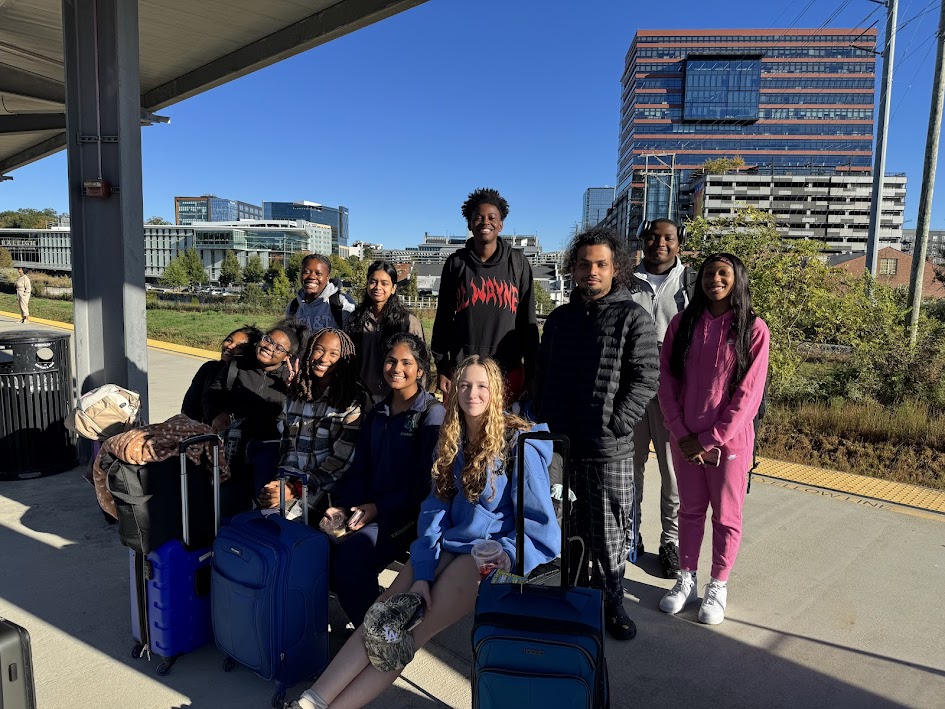
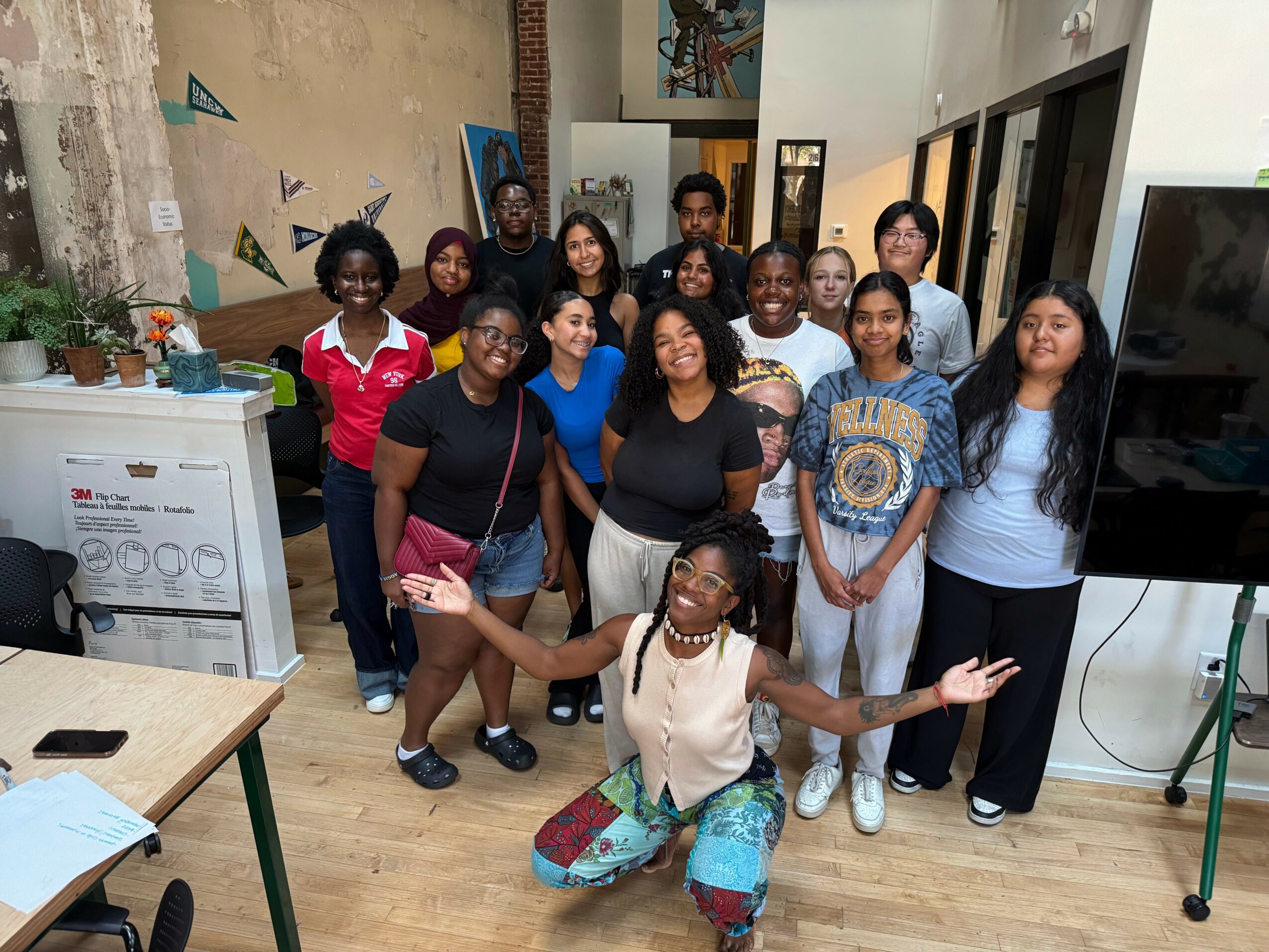
I’m the Executive Director of The Resiliency Collaborative, a youth-serving nonprofit whose mission is to empower young people to shape a stronger and more connected community through education, leadership, and resilience. In practice, that looks like after-school and summer programs where teens and young adults can get academic support, build social-emotional and mental health skills, earn stipends, and practice real leadership in their schools, families, and neighborhoods. I specialize in leading programs and partnerships that are deeply relational and healing-centered while also being grounded in data, strategy, and long-term sustainability.
Day to day, my work sits at the intersection of storytelling, fundraising, and ecosystem-building. I lead a small but mighty team—three full-time and four part-time staff—while also carrying the full fundraising and development portfolio, from grants and individual donors to events and strategic partnerships. I’m known for being a bridge-builder: translating between youth and adults, between community wisdom and policy language, and between the on-the-ground realities of young people’s lives and the priorities of funders and institutions.
What I’m most proud of isn’t a single award or metric; it’s the young people who come back to tell us, “TRC is where I learned to see myself differently,” or who step into leadership roles in college, work, and community spaces with a deeper sense of their own value. I’m also proud that, even as a lean organization, we’ve stayed grounded in relationships by taking the time to know youth and families by name, all while still building the systems, partnerships, and financial strategy needed for long-term impact.
What sets me apart is that my entire career has lived at the intersection of education, youth development, and social justice, and I bring both classroom and community-level experience and graduate training in public policy and youth development leadership to the work. I’m as comfortable sitting in circle with a group of teens talking about mental health and identity as I am in a boardroom making the case for why investing in youth is essential infrastructure for a healthier region. I see those as parts of the same calling.
We’d love to hear about how you think about risk taking?
I don’t think of myself as a thrill-seeker, but I do see myself as someone who takes values-based risks, especially when staying “safe” would mean staying misaligned.
One of the biggest risks I’ve taken was saying yes to becoming Executive Director of The Resiliency Collaborative at a moment when the organization was still young, lean, and in transition. The funding base wasn’t guaranteed, our systems were still being built, and stepping into that role meant taking on full responsibility for fundraising, staff, and strategy without a long runway. It required me to let go of a more predictable path, trust my skills and calling, and ask my family and community to believe with me that this work was worth the uncertainty.
For me, risk is less about chasing big dramatic moves and more about the daily willingness to choose the right thing over comfort. That might mean being honest with a funder about what we can and can’t do, restructuring a role, or making a decision that I know will disappoint people in the short term but is healthier for the organization and our team in the long term. Because my life and work sit at the intersection of education, youth development, and social justice, I’m very aware that there is risk in speaking plainly about inequity, and there is also risk in staying quiet. I try to approach risk by asking: Is this aligned with our mission and my integrity? Will it move us closer to the kind of world I want for young people, even if the outcome isn’t guaranteed? If the answer is yes, then I’m usually willing to step forward, even with shaking hands.
Contact Info:
- Website: https://www.trcnc.org
- Instagram: https://www.instagram.com/theresiliencycollaborative/
- Facebook: https://www.facebook.com/ResiliencyCollaborative
- LinkedIn: https://www.linkedin.com/company/the-resiliency-collaborative/