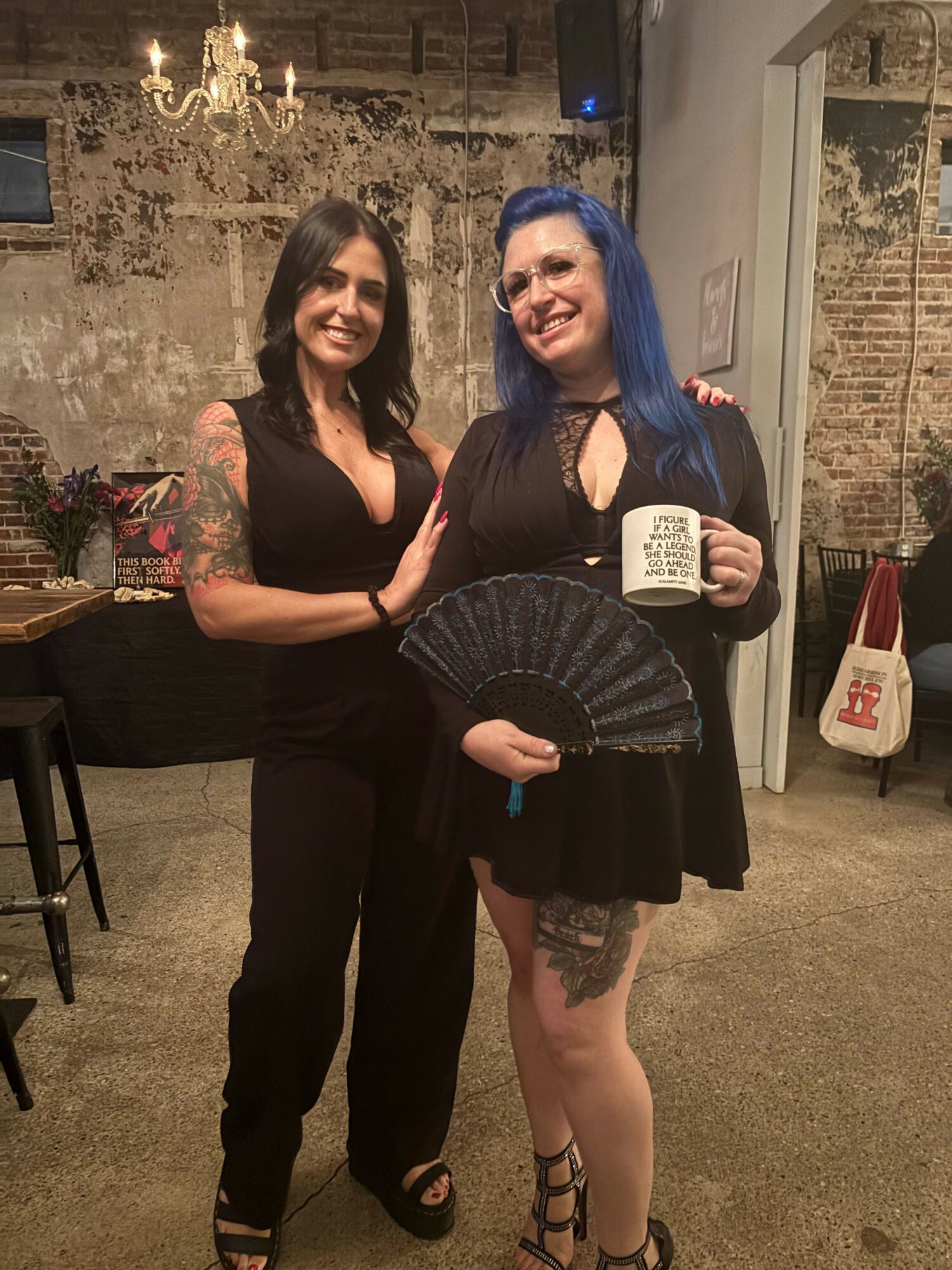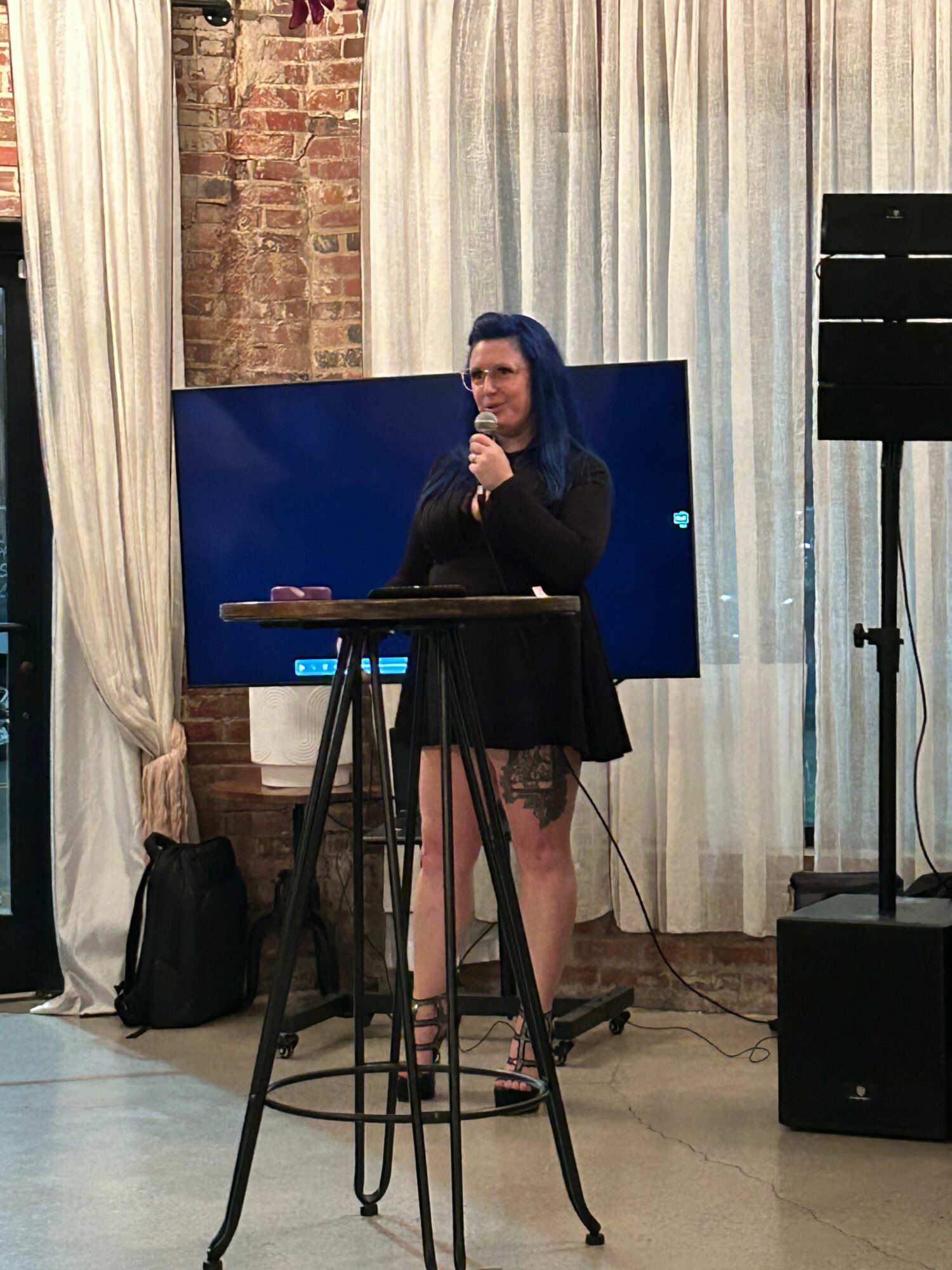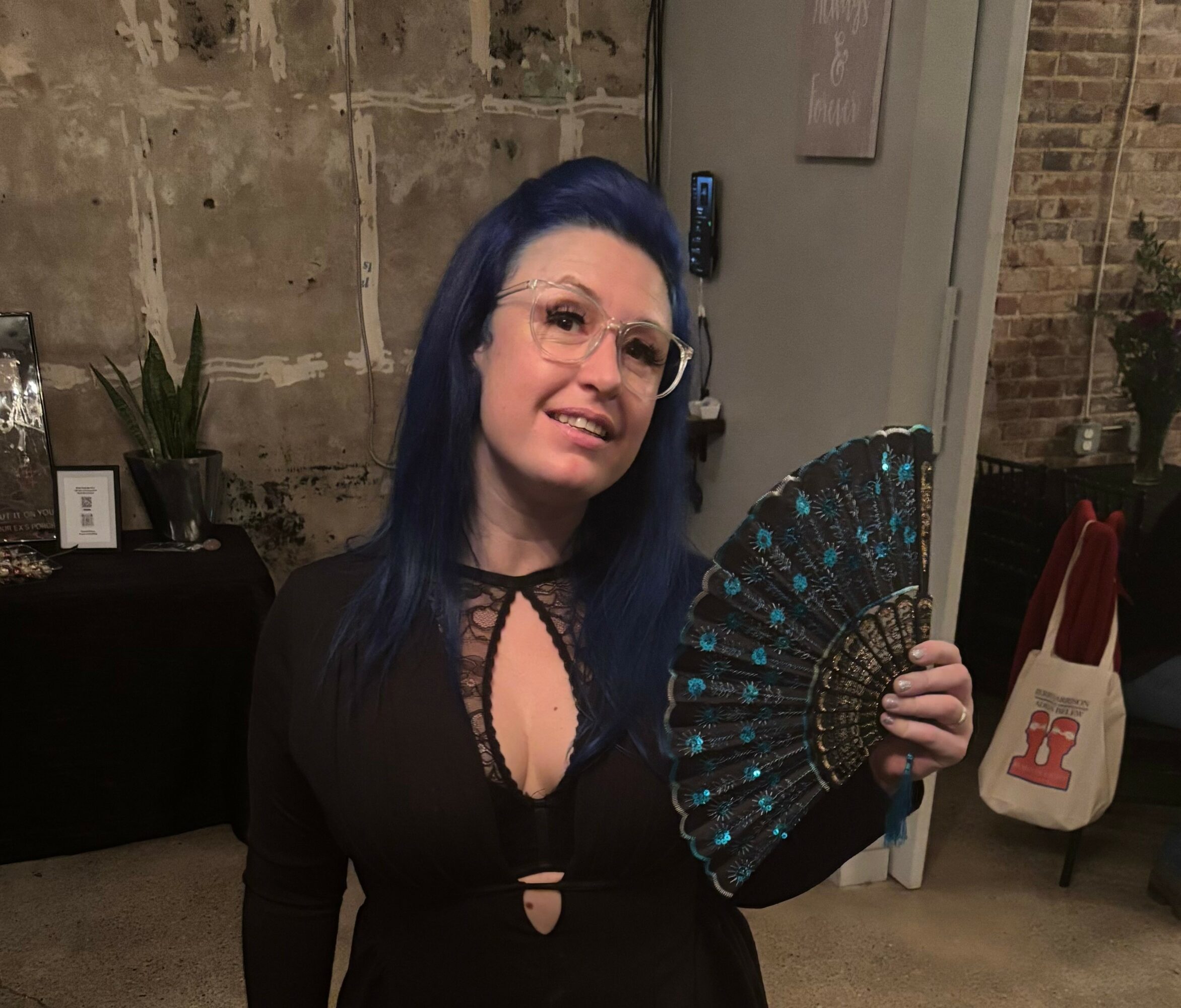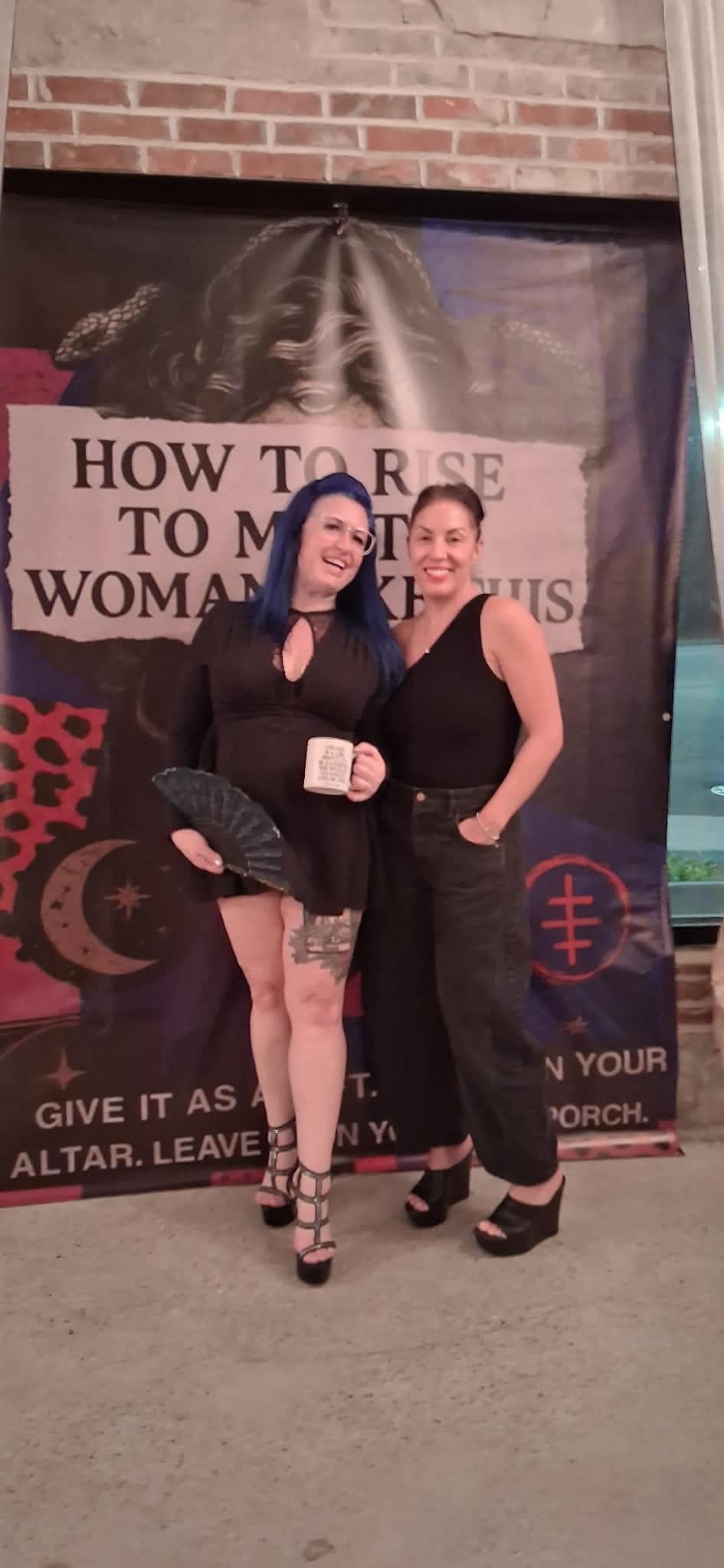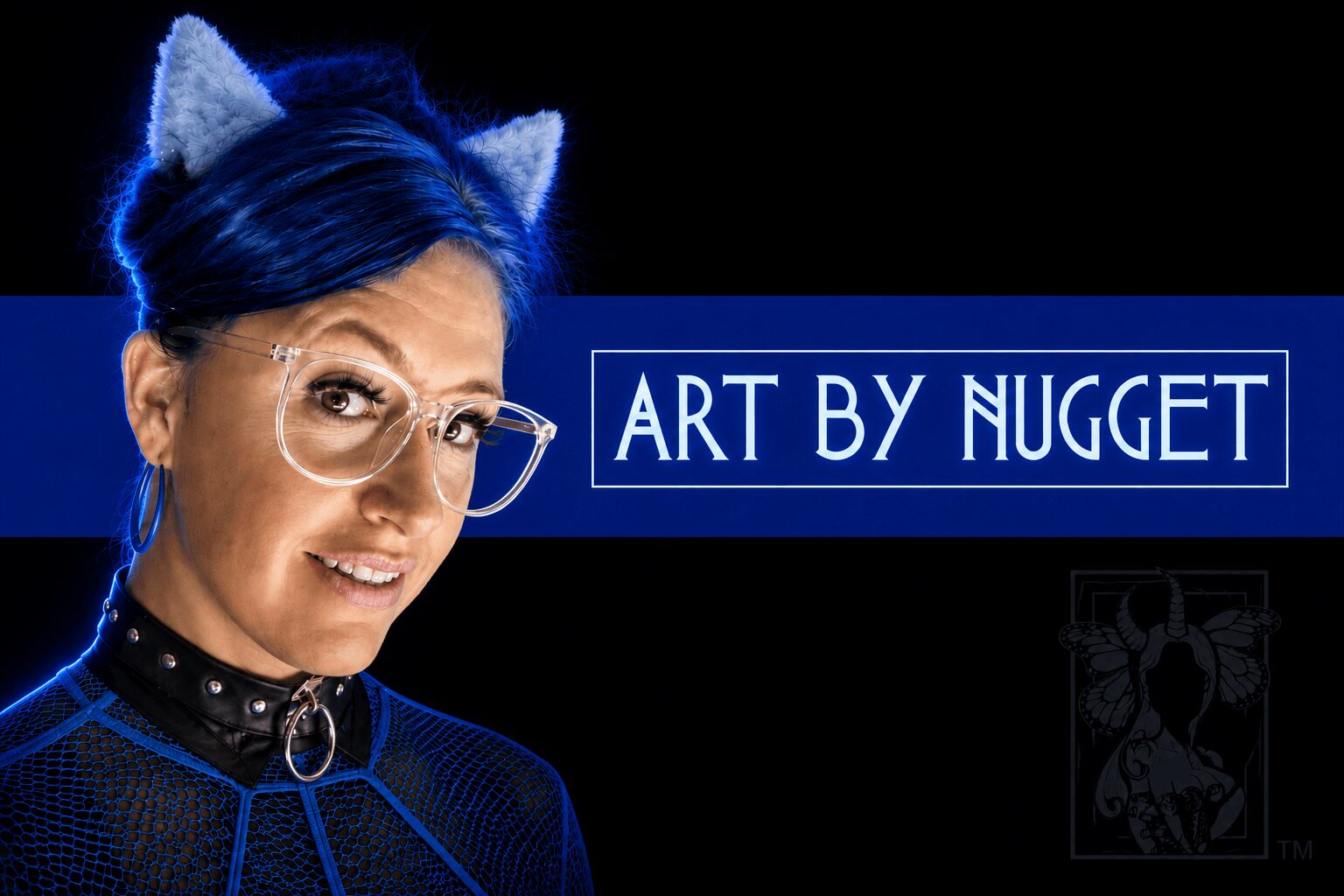



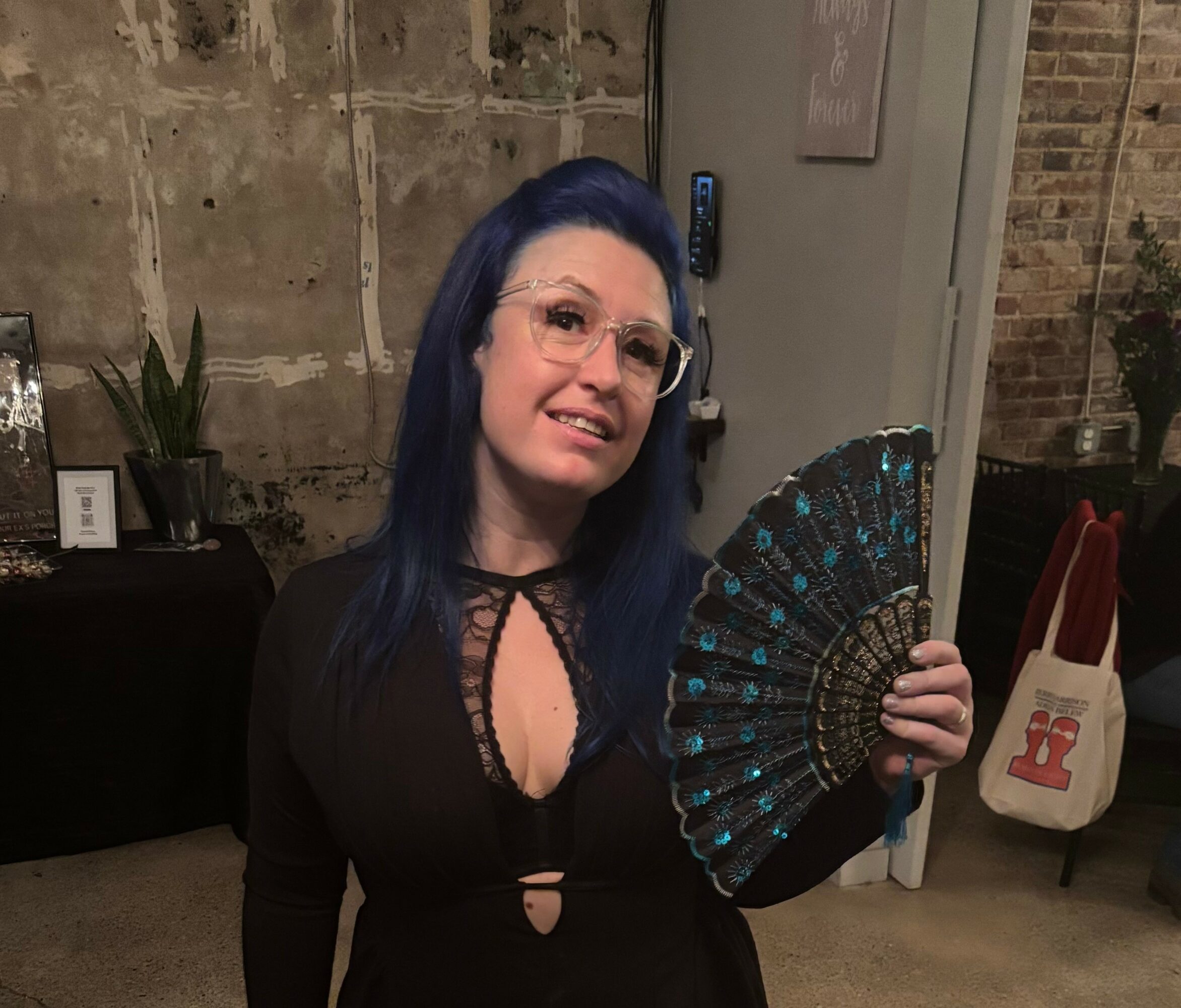
Today we’d like to introduce you to Tiffany Machler.
Hi Tiffany, we’re thrilled to have a chance to learn your story today. So, before we get into specifics, maybe you can briefly walk us through how you got to where you are today?
I’m a multidisciplinary artist, author, speaker, and community builder based in Wilmington, North Carolina. My creative career has never fit neatly into one category. I have spent more than fifteen years creating paintings, murals, public art, live art experiences, and installations, but the deeper purpose behind my work has always been connection.
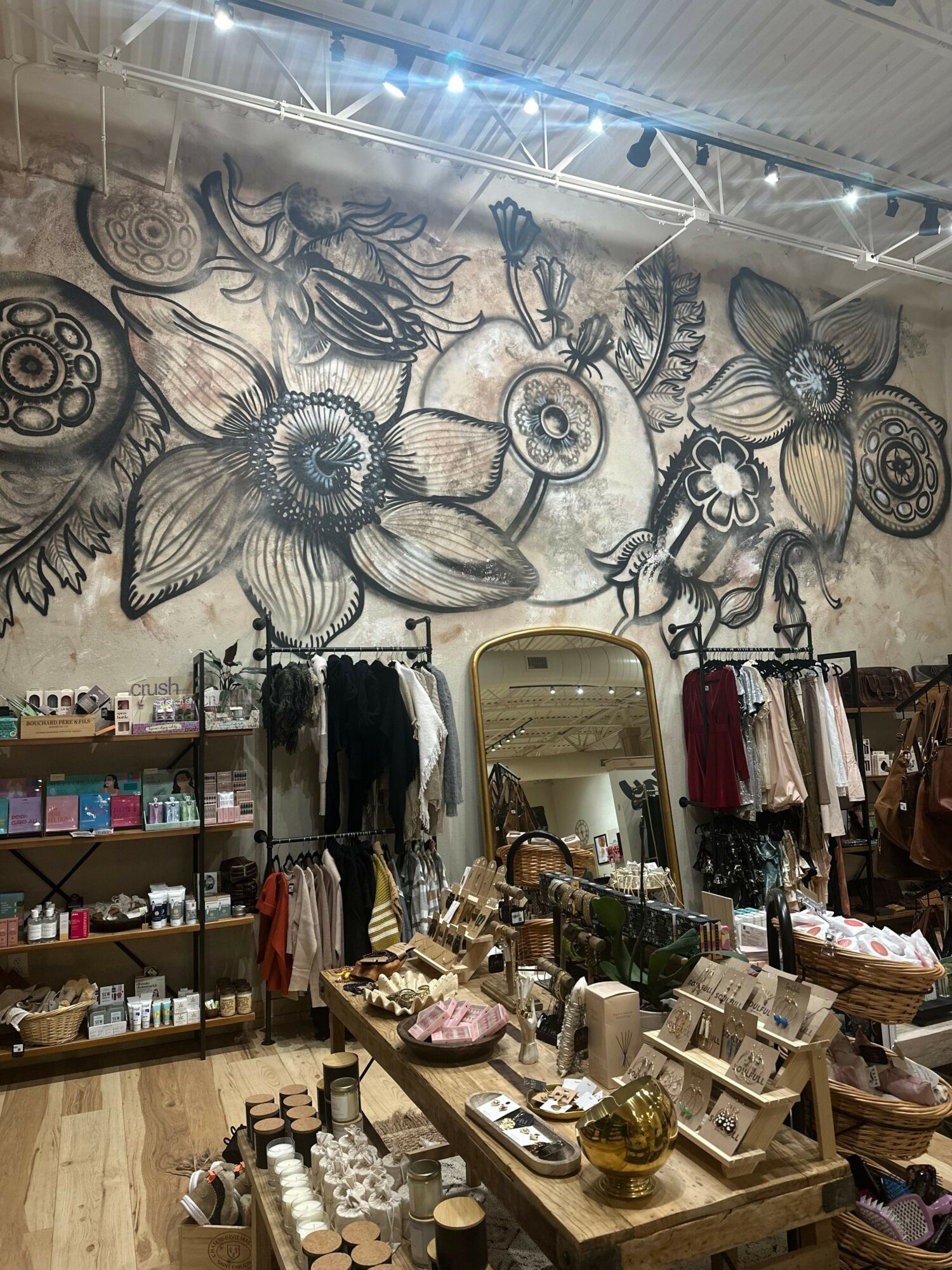
I believe art can do more than decorate a space. It can tell the story of a community, create a sense of belonging, open difficult conversations, and help people imagine what is possible. That belief has guided me through more than thirty large-scale public art projects, residential and commercial commissions, teaching opportunities, community collaborations, and leadership roles.
My work in public art also led me toward advocacy and ecosystem building. I am a founding board member of the Carolina Beach Mural Project, where we have worked to create opportunities for artists while helping establish public art as a lasting part of the town’s identity. I am passionate about helping communities develop sustainable public art programs, not simply creating one mural at a time. I want to help build the relationships, opportunities, and infrastructure that allow artists and creative communities to thrive.
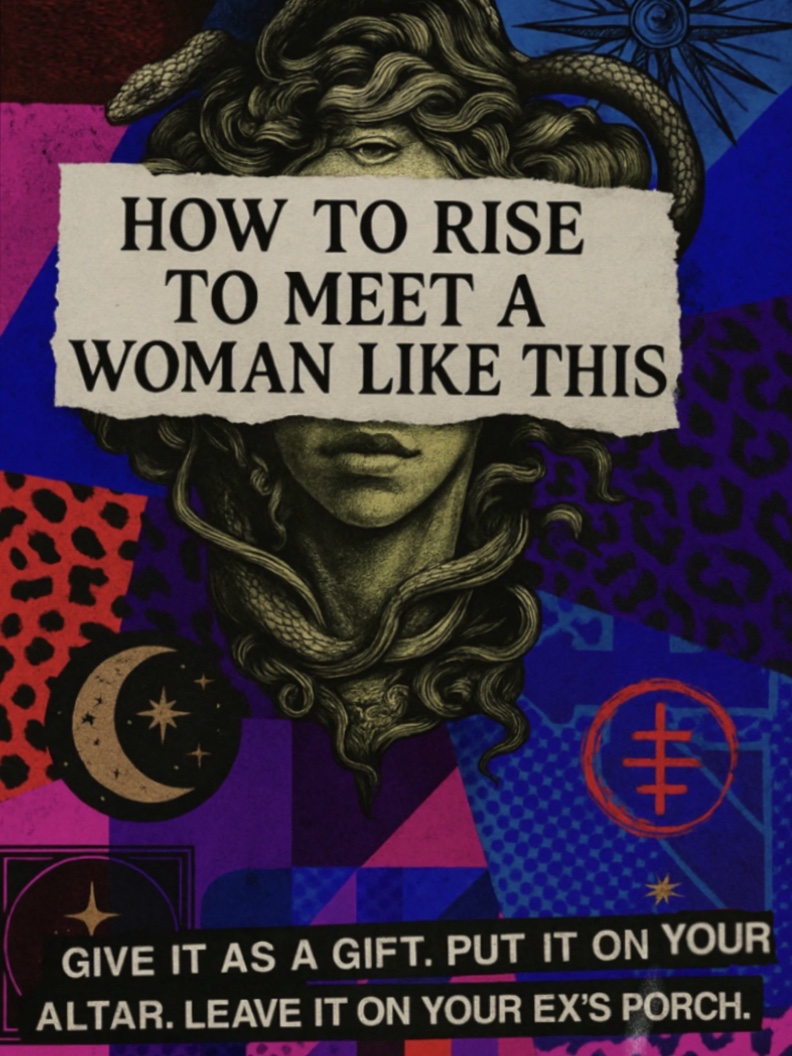
More recently, I expanded my creative practice into writing with my first book, How to Rise to Meet a Woman Like This. Becoming an author felt less like changing directions and more like opening another door within the same creative house. Whether I am painting a wall, writing a chapter, teaching a workshop, or speaking to a room, I am exploring many of the same themes: identity, transformation, accountability, resilience, relationships, and what it means to live more honestly.
At the center of everything I do is the desire to create meaningful work and stronger creative communities. I do not only want to be an artist working within an ecosystem. I want to help build the ecosystem.
Alright, so let’s dig a little deeper into the story – has it been an easy path overall and if not, what were the challenges you’ve had to overcome?
One of the biggest challenges in building my career was that I did not have a clear roadmap for the kind of creative entrepreneurship I wanted to create. I did not have one specific role model whose career reflected the life I was trying to build as a public artist, author, speaker, educator, and community builder.
Because I could not find that exact blueprint, I had to create one through observation, trial and error, persistence, and reinvention. That experience now shapes how I carry myself. I am intentional about becoming the kind of example I would have benefited from when I was younger. I want emerging artists to see not only the finished mural or published book, but also the proposals, negotiations, mistakes, administrative work, pivots, and perseverance behind them. I believe visibility can be a form of mentorship.
Self-publishing my first book was another major learning curve. Writing it was only one part of the process. I also had to learn fundraising, publishing, production, fulfillment, marketing, and audience development. To prepare for my Kickstarter campaign, I studied creators who had successfully used that model, adapted what I learned to my own voice, and leaned into the creative community I had built over time.
For thirty days, I personally contacted roughly fifty people each day and shared the process consistently online. It was exhausting and vulnerable, but it taught me that asking for support is not the same as asking for charity. I was inviting people to participate in creating something meaningful. The campaign also helped me develop a much stronger habit of showing my work, sharing the process, and allowing people to become invested in the journey.
Public art comes with its own structural challenges. Artists are often expected to invest substantial time in applications, research, sketches, budgets, and proposals before knowing whether they will be selected or compensated. Even an artist with a strong success rate may still complete far more unpaid proposal work than paid work. That makes the field especially difficult for emerging artists and anyone without significant financial flexibility.
There are also local challenges surrounding where public art can exist, how it is funded, and how communities balance historic preservation with cultural growth. Wilmington has a rich artistic community, but we do not yet have the kind of established and consistently funded public art infrastructure found in some larger cities. That is one reason my involvement with the Carolina Beach Mural Project matters so much to me. I want to help build sustainable programs that support artists, engage residents, and recognize public art as an investment in community identity and economic vitality rather than an afterthought.
More broadly, creative entrepreneurship requires constant adaptation. Projects change. Timelines move. Budgets shrink. Opportunities disappear, and good ideas sometimes need to be completely redesigned before they can survive.
I have learned to pivot without treating every change as a failure. I have also learned not to let pride become an obstacle. There have been seasons when art was highly profitable and seasons when I supplemented my income with other work, including overnight shifts at Sheetz. I do not see that as separate from my creative story. It was part of the discipline required to protect my long-term vision.
The greatest lesson has been that resilience is not simply enduring difficulty. It is remaining flexible, teachable, and committed to your integrity while continuing to create, even when the path looks nothing like the one you originally imagined.
Can you tell our readers more about what you do and what you think sets you apart from others?
I am a multidisciplinary artist, author, speaker, educator, and community builder based in Wilmington, North Carolina. I am best known for large-scale murals and public art, but my creative practice also includes studio painting, live painting, installations, residential and commercial commissions, writing, workshops, and public speaking.
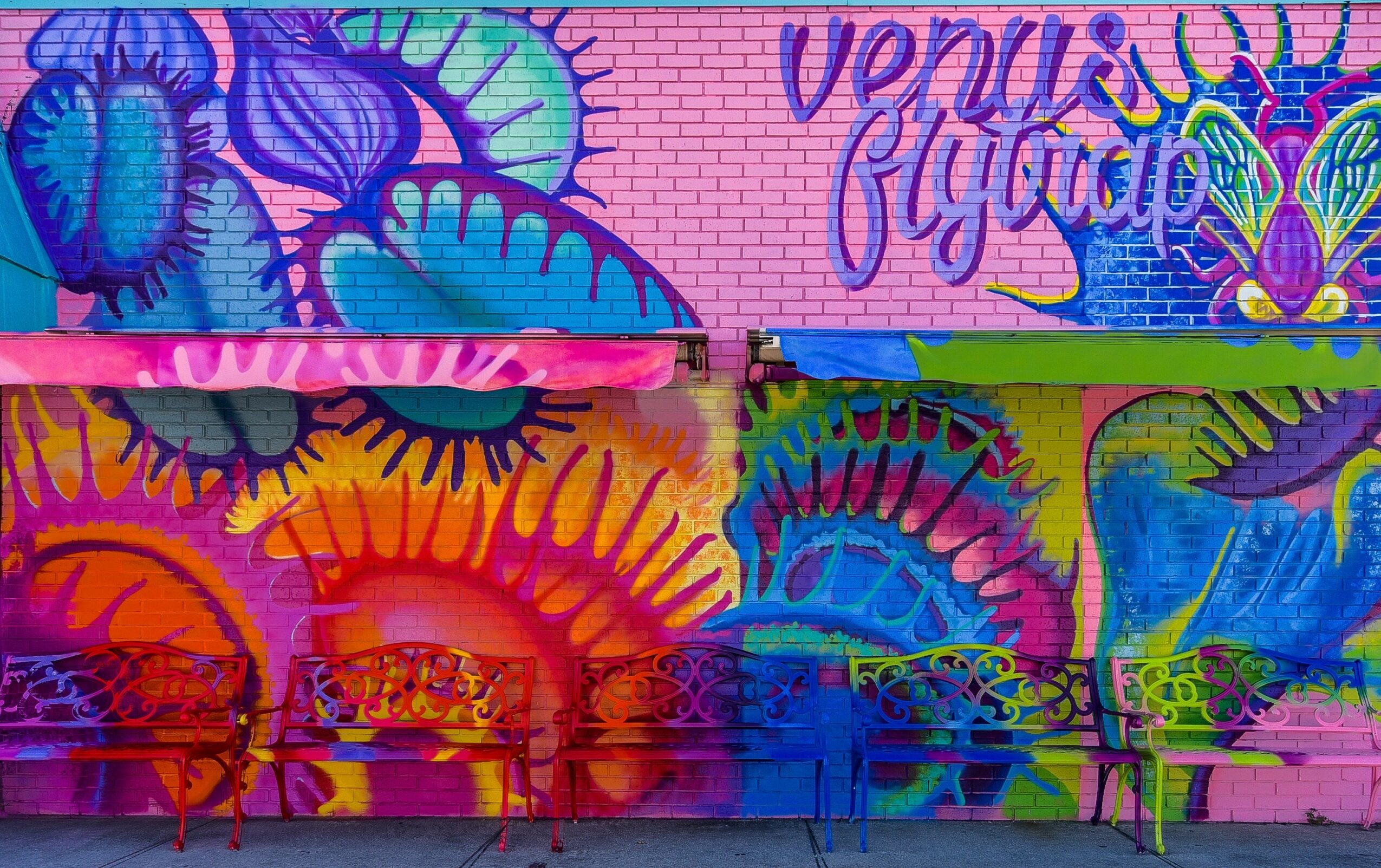
Over the past fifteen years, I have created more than thirty large-scale public works and collaborated with businesses, municipalities, nonprofit organizations, schools, festivals, and national brands. My work is colorful, narrative-driven, and rooted in the identity of the people and places it represents. I am especially interested in art that transforms shared spaces, encourages connection, and helps communities see themselves reflected with dignity and imagination.
I am proud of the range of projects I have completed, from intimate residential commissions to major commercial murals and community-centered public artworks. Public art requires more than creating a strong image. It also requires listening, research, collaboration, problem-solving, and an understanding of how the work will live within a community.
My creative practice recently expanded into publishing with my first book, How to Rise to Meet a Woman Like This. The book explores identity, relationships, personal accountability, transformation, and the process of becoming more whole. Moving into authorship felt like a natural extension of my visual work. Whether I am painting, writing, teaching, or speaking, I am ultimately telling stories and creating opportunities for people to recognize themselves more clearly.
What sets me apart is that I do not only think about the artwork in front of me. I think about the larger creative ecosystem surrounding it. Through my involvement with organizations such as the Carolina Beach Mural Project, I work to create opportunities for artists while helping public art become a sustainable part of a community’s identity.
I am interested in building stronger pipelines between artists, property owners, businesses, civic leaders, educators, and cultural organizations so creative opportunities are not isolated or dependent on one person’s access.
I am most proud that my work has grown beyond making art into helping build the conditions in which art and artists can thrive. I want to create meaningful work, but I also want to leave behind stronger systems, more visible pathways, and a larger table for the creatives coming after me.
Any advice for finding a mentor or networking in general?
I have never had one single mentor who could guide every part of the career I was building. Instead, I have learned from different people across public art, business, publishing, leadership, and community development.
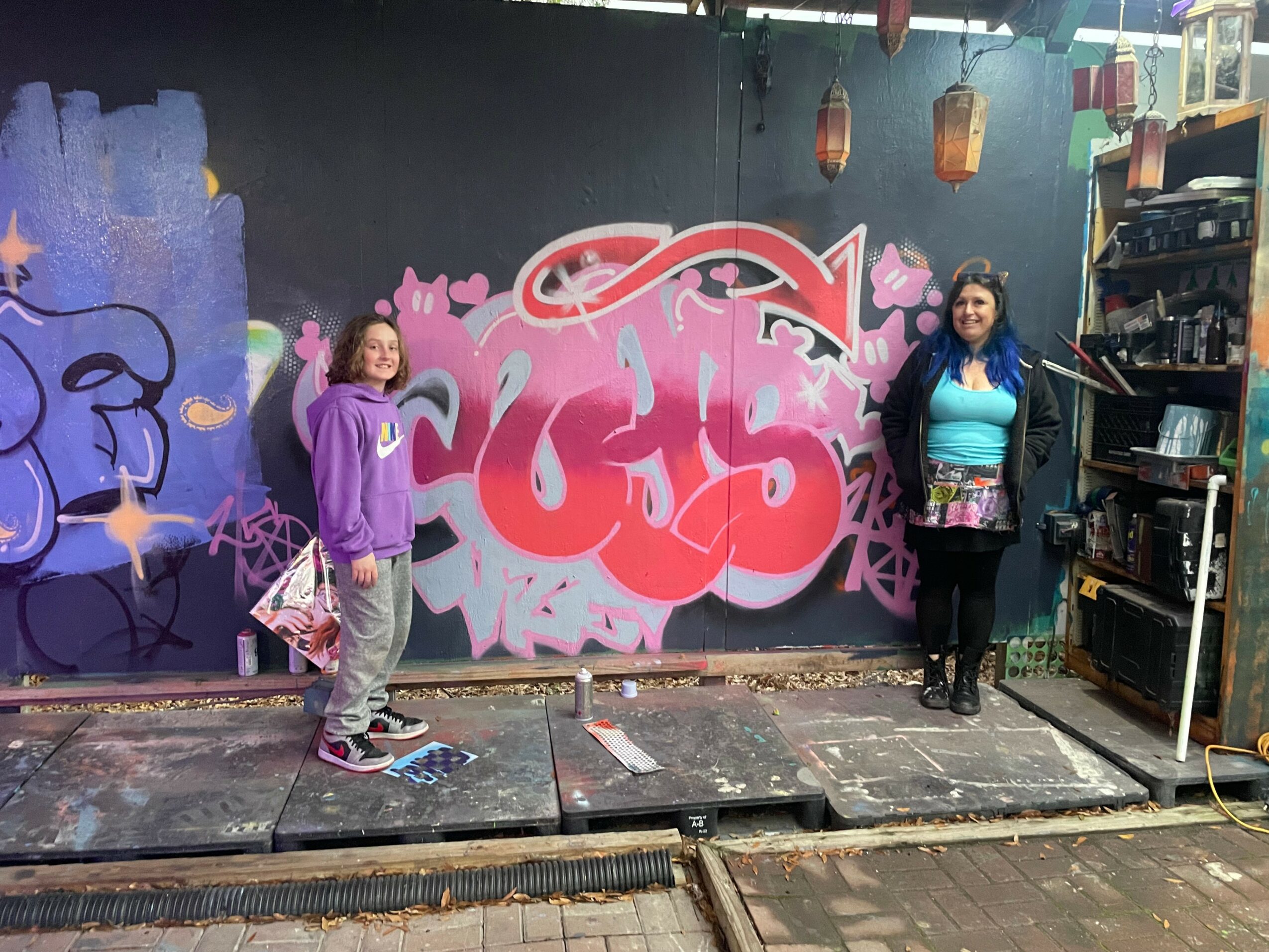
Now, mentoring others has become especially meaningful to me. I am currently working with a recent UNCW graduate, which feels very full circle. I try to mentor from the perspective of what I would have needed when I was starting out. That means not only giving advice, but also walking someone through real experiences, explaining why I approach things a certain way, and debriefing afterward so they can ask the questions they did not know to ask beforehand.
My advice is to seek specific guidance rather than waiting for one perfect mentor. Networking has worked best for me when I treat it as relationship-building, show up consistently, support others, follow through, and stay open to learning from both established professionals and peers growing alongside me.
Pricing:
- How to Rise to Meet a Woman Like This first edition glow in the dark cover paperback 27.99
- Contact for pricing on commissions, public art, speaking, and workshops
Contact Info:
- Instagram: https://www.instagram.com/artbynugget/
- Facebook: https://www.facebook.com/artbynugget/
- LinkedIn: https://www.linkedin.com/in/artbynugget
- Youtube: https://www.youtube.com/channel/UCTFdMQu5LO11PjLqilLQ03g