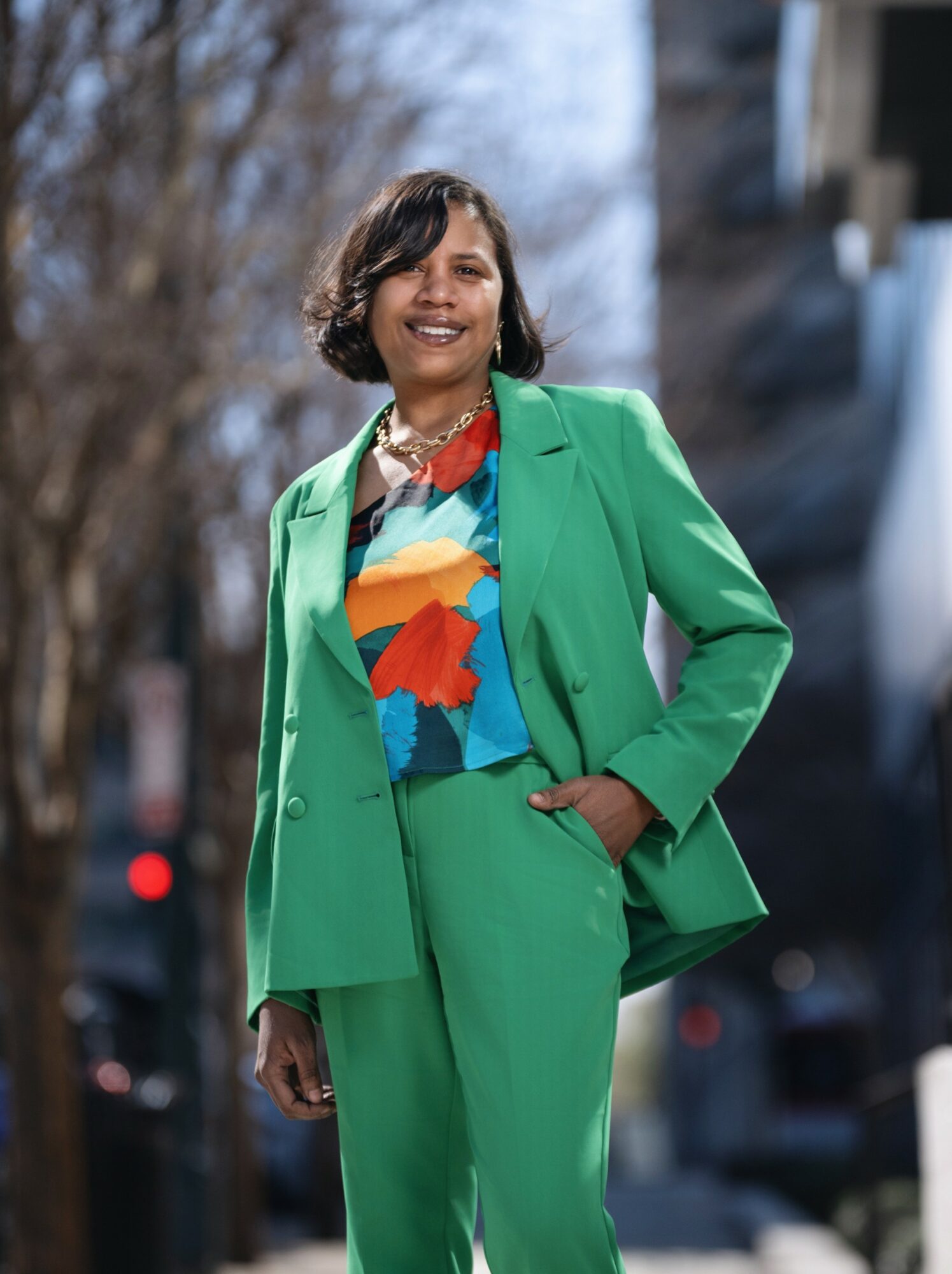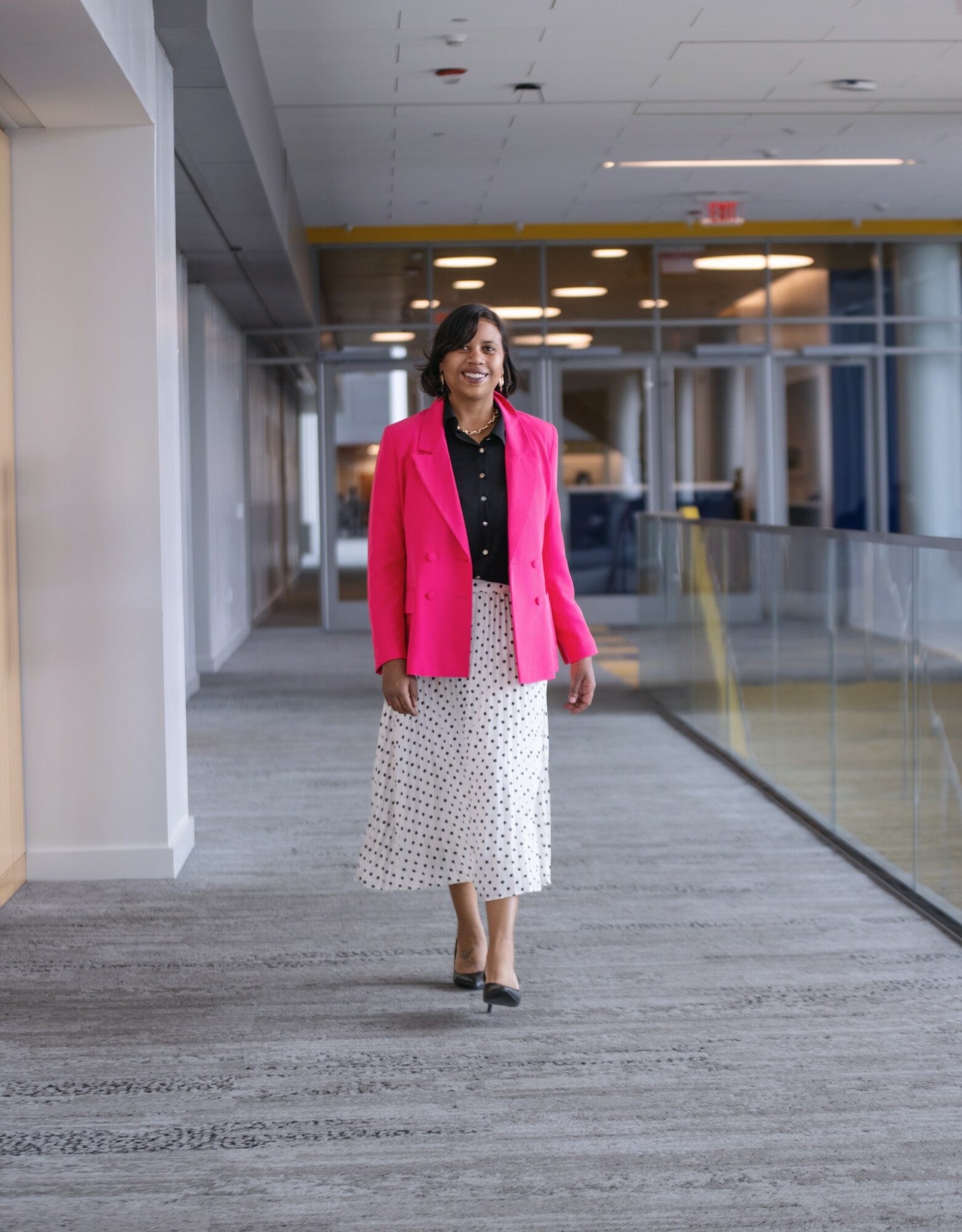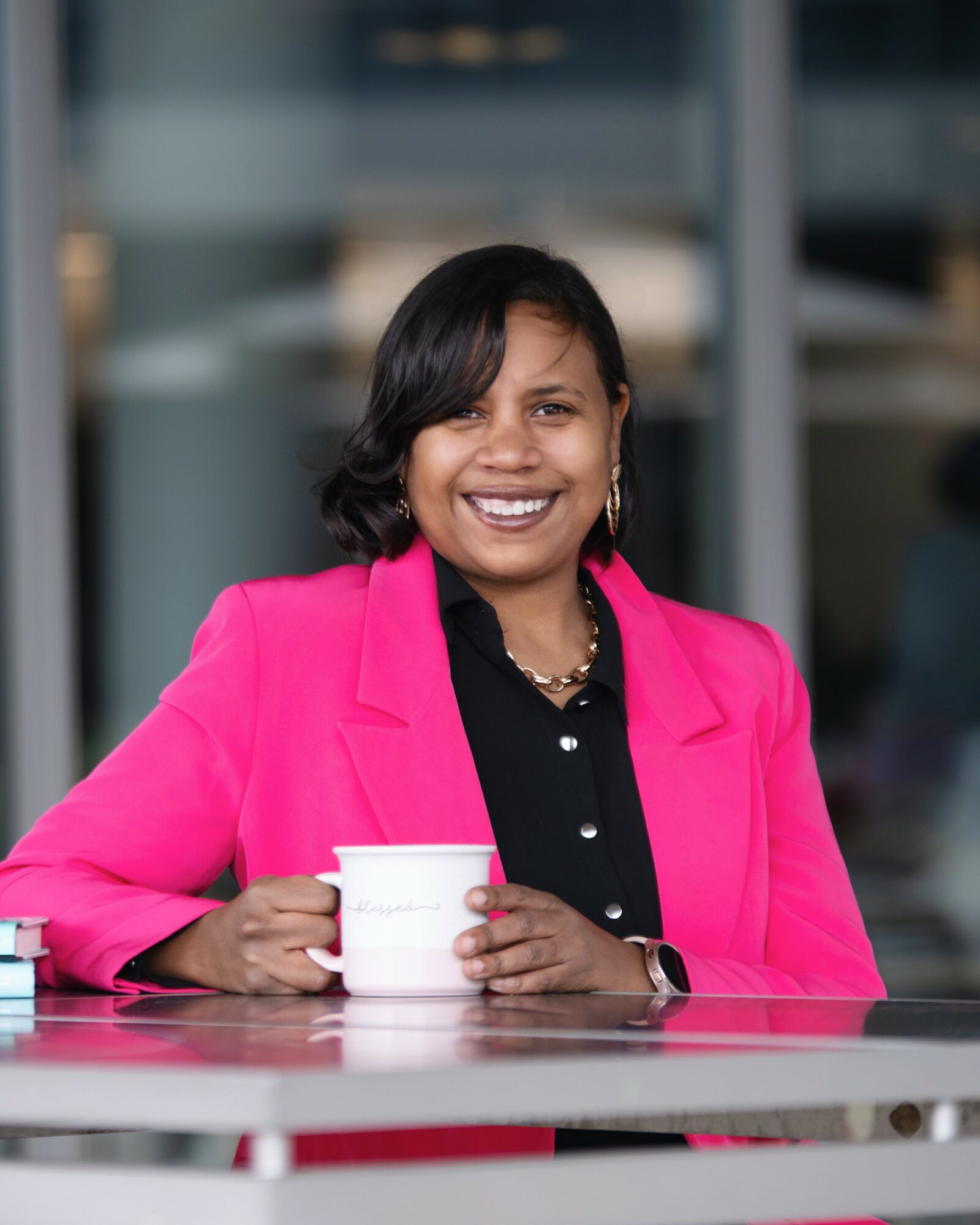




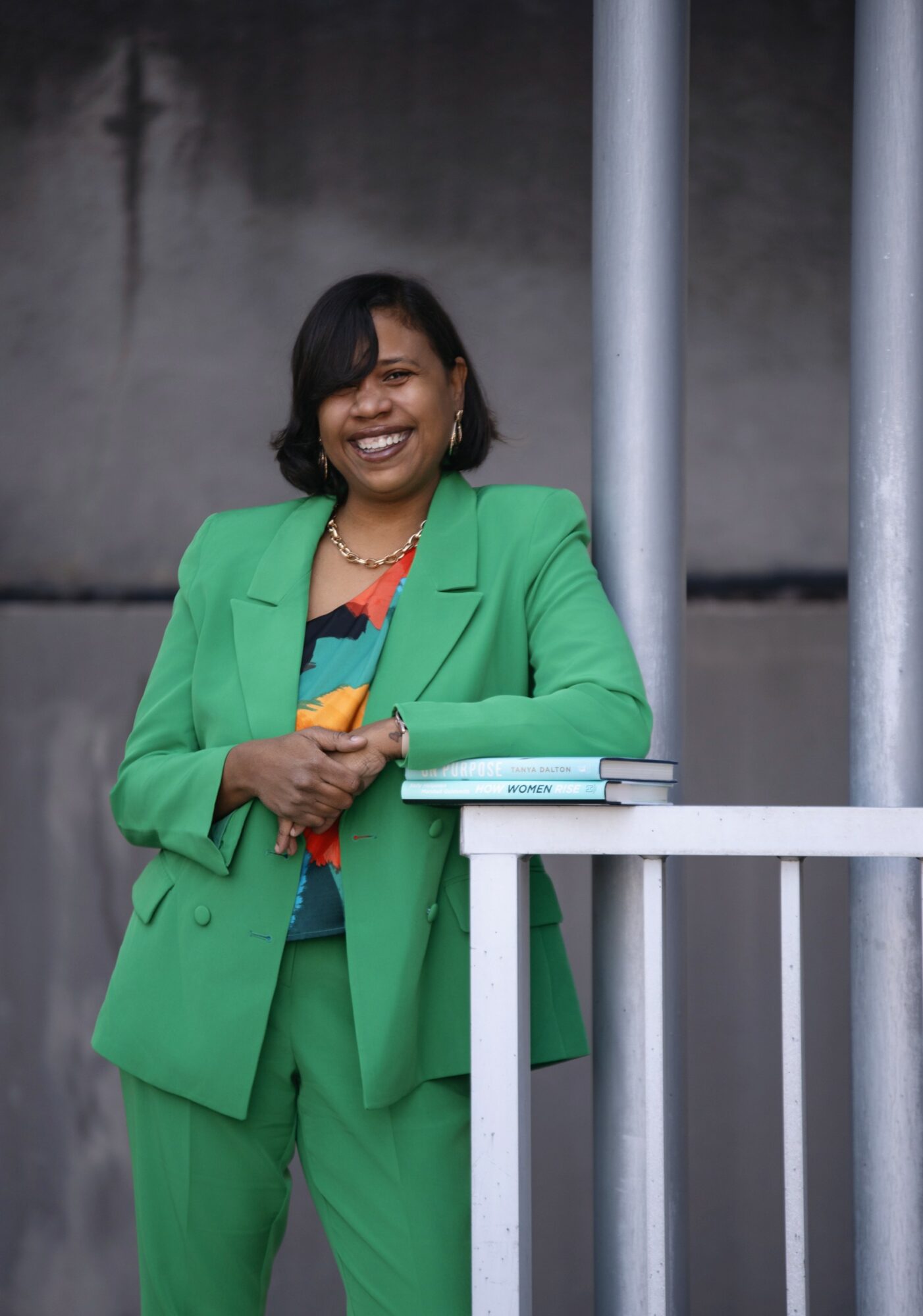
Today we’d like to introduce you to Dr. Shinika McKiever.
Hi Dr. Shinika, so excited to have you with us today. What can you tell us about your story?
Looking back, I can see that my career has been shaped by a series of unexpected opportunities. I grew up in Liberty, North Carolina, a small rural town where I learned the value of community, believing in yourself, and helping others. My family instilled the importance of giving back, living with purpose, and using your talents to serve others. They also encouraged creativity. My mom, grandmother, and aunts loved crafting, and my mom was always finding creative projects for us to do. That is where I learned to sew and discovered a love for creating. As the oldest of my siblings, I also felt a responsibility to set the example of what was possible, which helped shape my drive and determination. I originally thought I wanted to become a lawyer, but after not being accepted into law school, I pursued a Master of Public Administration at North Carolina Central University. What I thought was my backup plan became one of the most important pivots in my life because it introduced me to philanthropy, a career I never knew existed but immediately knew was where I belonged.
After graduating during the 2007 recession, I accepted a fellowship at a private foundation where I was introduced to grantmaking, nonprofit organizations, and community investment. I later worked in philanthropic services within the banking industry, which gave me a broader understanding of philanthropy through charitable planning, fiduciary services, and wealth management. After reaching a point where I realized there was limited opportunity for growth in corporate America, I chose to bet on myself and transitioned into higher education fundraising while earning my PhD in Leadership Studies. During the pandemic, my research on women entrepreneurs, combined with rediscovering my love for sewing and building my own business, sparked a passion for entrepreneurship and leadership. In 2022, I left higher education to pursue consulting full time, helping nonprofit organizations, entrepreneurs, and community leaders strengthen their leadership, fundraising, and organizational strategy.
Today, I serve as Chief Development Officer at United Way of Forsyth County while continuing to grow my consulting practice, which focuses on philanthropic fundraising strategy and executive coaching for nonprofit leaders. When I look back, every unexpected turn prepared me for the next chapter. My journey has taught me that growth rarely follows the path you plan, but when you stay open to learning, embrace new opportunities, and remain grounded in your purpose, you often end up exactly where you’re meant to be. When I look back, I can see how every experience prepared me for the next one. Whether working in philanthropy, higher education, entrepreneurship, or nonprofit leadership, the common thread has always been helping people and organizations create meaningful impact. I’m grateful that I get to do work I love while continuing to serve others.
Would you say it’s been a smooth road, and if not what are some of the biggest challenges you’ve faced along the way?
Every stage of my career has come with its own challenges, but each one has ultimately shaped the direction of my life and career. As a first-generation college graduate, much of my path was new to me. I didn’t have a roadmap for navigating college, graduate school, or building a professional career, so I learned along the way. I asked questions, stayed curious, and took advantage of every opportunity to grow. I also entered the workforce during the 2007 recession, which required me to be open to opportunities I hadn’t originally planned for. Looking back, some of the moments that felt like setbacks became the opportunities that changed the course of my career.
One of the most defining challenges came while I was working in corporate America. I loved the work and had advanced into management, but eventually I realized there wasn’t a path for me to continue growing. As a Black woman in management, I experienced what many refer to as the concrete ceiling. I didn’t see people who looked like me in senior leadership, and I didn’t feel supported in advancing my career. I reached a point where I had to make a difficult decision. I had to choose between myself and a job, and I chose me. That decision changed the trajectory of my career. It led me into higher education fundraising, where I pursued my PhD in Leadership Studies. Looking back, I don’t believe I would have gone back to school had I stayed where I was.
Entrepreneurship presented a different set of challenges. Building a business required me to adapt, make difficult decisions, and continuously evaluate how I could better serve my clients. It also gave me the opportunity to discover strengths I didn’t know I had. Today, I don’t view those experiences as obstacles. I see them as defining moments that prepared me for opportunities I never would have pursued otherwise. Each challenge strengthened my perspective, expanded my leadership, and continues to influence how I serve others today.
Thanks – so what else should our readers know about your work and what you’re currently focused on?
Professionally, I work in the nonprofit sector, where I focus on philanthropy, fundraising, and leadership. I currently serve as Chief Development Officer at United Way of Forsyth County, and I also lead The McKiever Group Creative Company, a strategic consulting firm that helps nonprofit organizations strengthen their fundraising, leadership, and organizational capacity. My work centers on helping leaders and organizations build sustainable strategies that align with their mission and create long-term impact. Throughout my career, I’ve had the opportunity to work in the foundation sector, philanthropic wealth management, higher education fundraising, and nonprofit leadership, which has given me a well-rounded perspective on philanthropy and organizational development.
I specialize in philanthropic fundraising strategy, leadership development, and capacity building. People often come to me because I can take complex ideas and turn them into practical, actionable strategies that organizations can implement with confidence. Whether I’m developing a fundraising strategy, coaching an executive, or leading a training session, my goal is always the same: to help people feel equipped, supported, and confident in their ability to lead and grow their organizations.
What I’m most proud of isn’t a title or an accomplishment. It’s the opportunity to do work that aligns with my purpose while helping others achieve theirs. I also take pride in being the kind of leader I always needed. I believe leadership starts with seeing people, investing in their growth, and creating opportunities for them to succeed. I think what sets me apart is the combination of my experiences across philanthropy, leadership, and entrepreneurship, along with my ability to connect strategy with practical execution. I don’t believe in one-size-fits-all solutions. Every organization and every leader is different, and I enjoy helping them discover approaches that work for their unique goals, mission, and community.
What sort of changes are you expecting over the next 5-10 years?
The nonprofit sector is entering a period where organizations will have to be more strategic, adaptable, and relationship focused than ever before. Traditional funding sources are becoming increasingly competitive, and many organizations can no longer rely on grants or a small number of institutional funders to sustain their work. At the same time, the need for nonprofit services continues to grow as communities face rising costs of living, economic uncertainty, and increasingly complex challenges. I believe organizations that are successful over the next five to ten years will be those that diversify their funding, invest in individual giving, strengthen donor relationships, and clearly demonstrate their impact.
I also believe collaboration will become even more important. No single organization can solve today’s challenges alone, and partnerships across the nonprofit, corporate, and public sectors will continue to create opportunities for greater impact. Nonprofit leaders will also need to think differently about how they build sustainable organizations by investing in leadership, organizational capacity, and long-term planning rather than focusing solely on short-term funding.
The role of nonprofit leaders is evolving as well. Success will require leaders who can adapt to change, make informed decisions in uncertain environments, and build organizations that are resilient enough to navigate shifting funding landscapes and community needs. While the challenges facing the sector are significant, I also believe they present an opportunity for organizations to rethink how they engage donors, strengthen community partnerships, and create lasting impact.
Contact Info:
- Website: https://www.themckievergroup.com
- Instagram: https://www.instagram.com/drshinikamckiever/
- Facebook: https://www.facebook.com/DrShinikaMcKiever
- LinkedIn: https://www.linkedin.com/in/shinikamckiever/