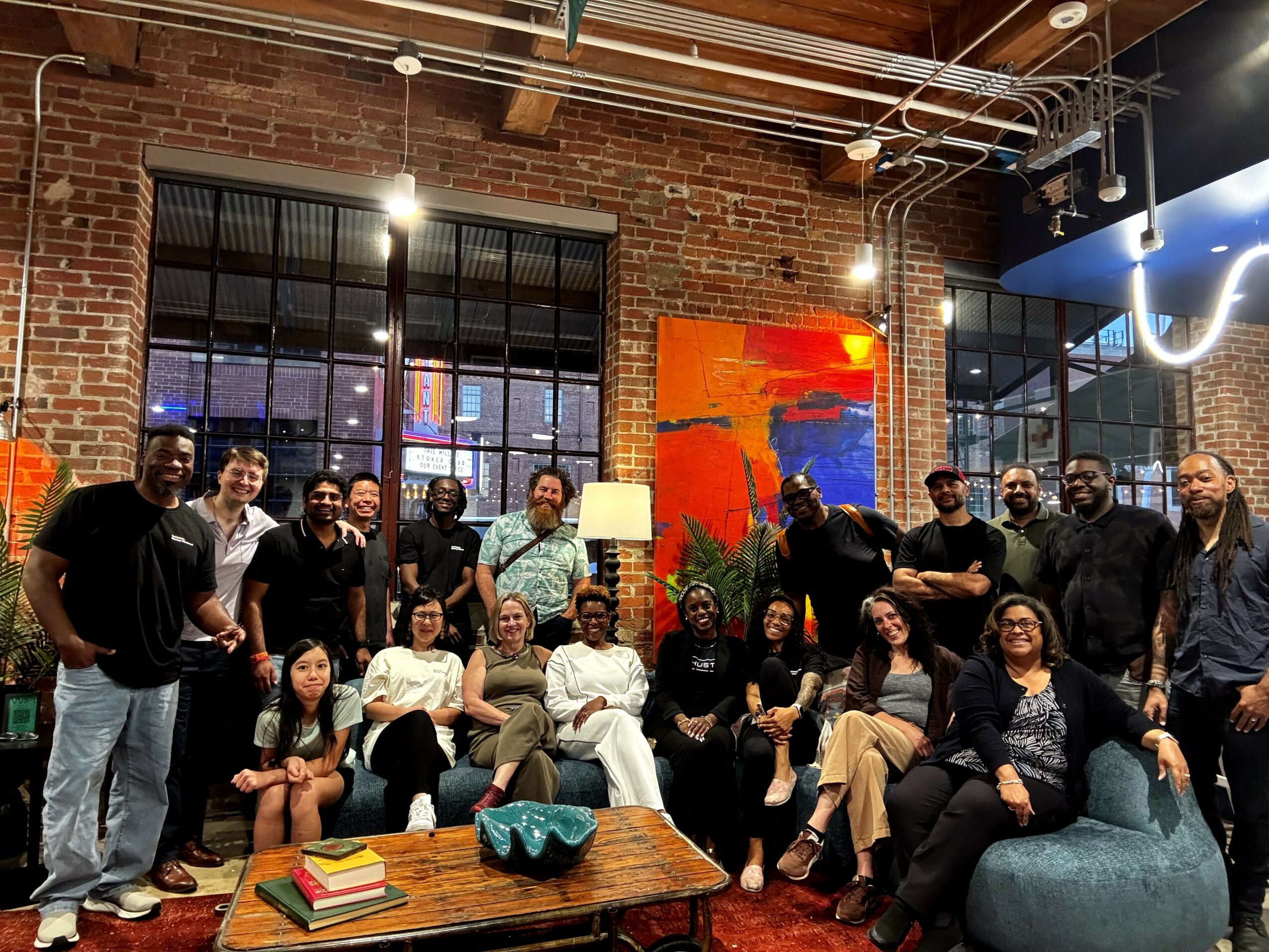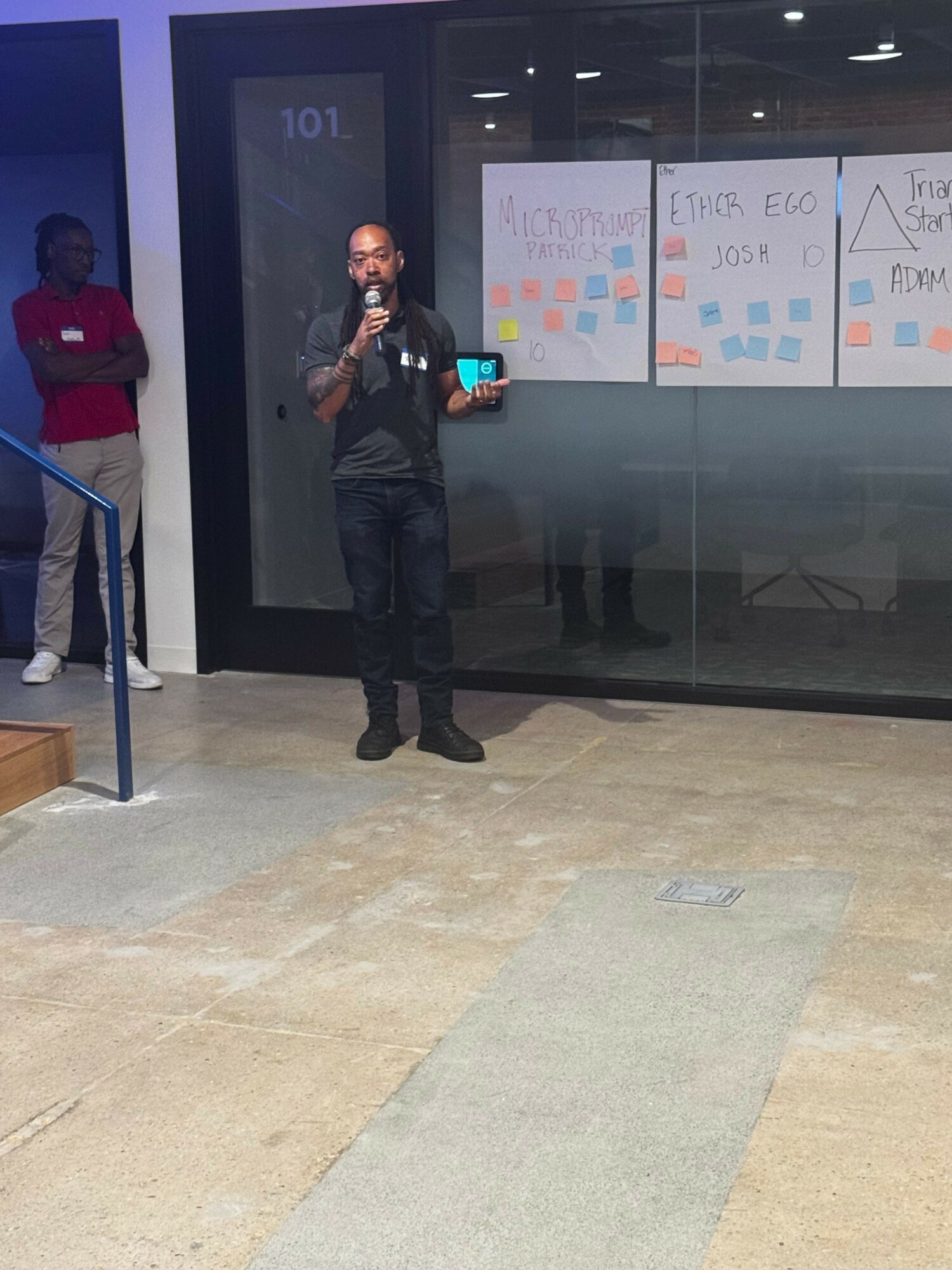





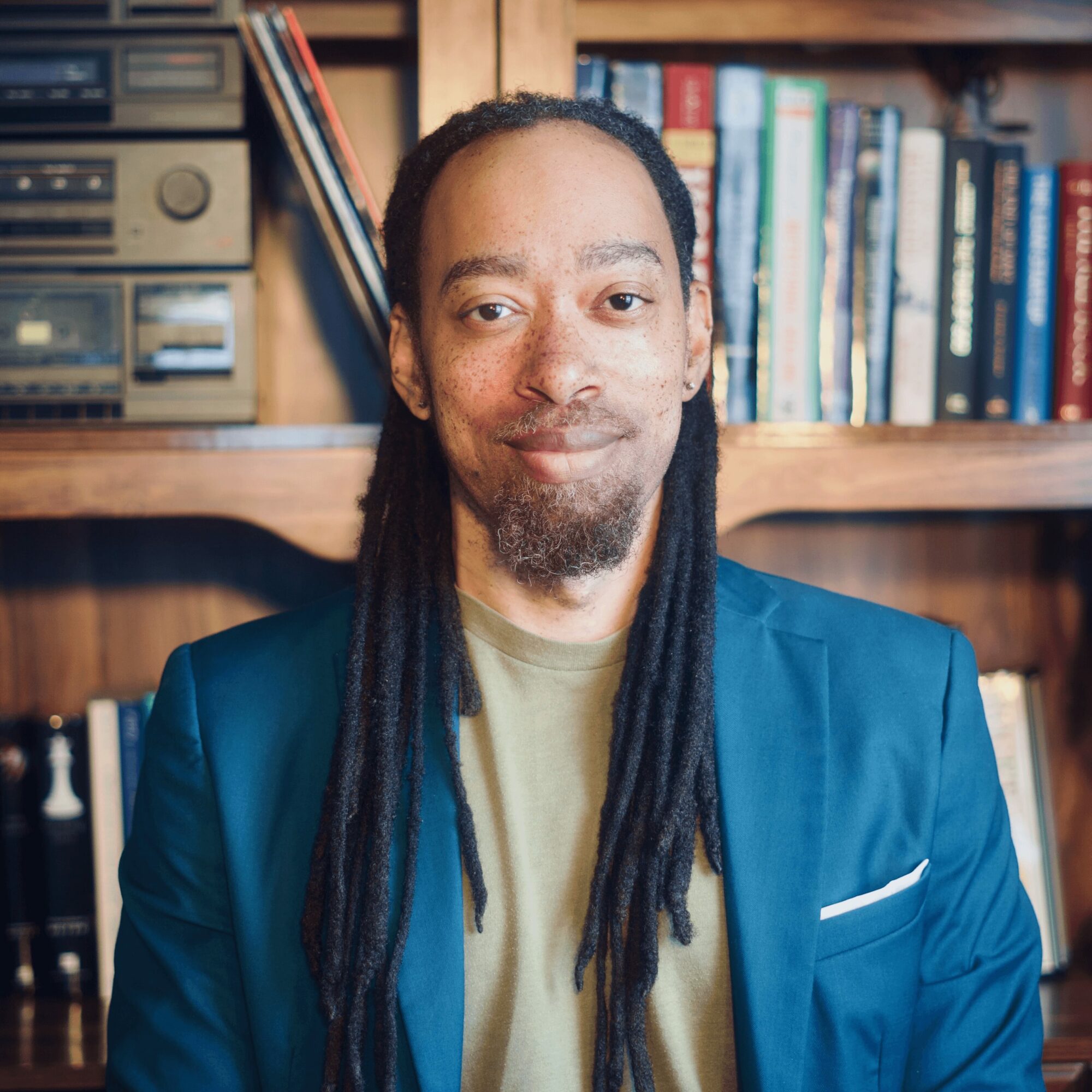
Today we’d like to introduce you to Patrick Steele.
Hi Patrick, we’d love for you to start by introducing yourself.
It started with taking things apart. I was the kid pulling apart old computers just to see how they worked, and I never really lost that. Fast forward and I ended up in science over a decade in biotechnology now but the instinct is the same. I want to see the inside of the machine.
Being a scientist makes you an observer. It comes with the job. And the thing I observed at almost every place I’ve worked is that business moves slow, and the systems a business builds can mean life or death for it. I’ve watched multi-million-dollar clients walk out the door because of bad internal systems. I’ve watched what comes after that, which is groups of employees getting walked out too. From the outside a company can look like it’s running fine while the inside is a mess, and the people who work there often see the problem clearly but have no idea how to fix it.
So I started MicroBioCol AI with my cofounder, Dr. Stephany Taylor. What’s changed since then is focus. We started broad, helping businesses figure out where AI actually fits. What we kept running into was the harder version of the problem, the one I’ve seen. Regulated work.
That’s what we’re building now. Our product is called Cadelume. It gives life sciences teams AI agents that can run real regulated work and prove every action they take. A human stays in control of every decision, the work gets sealed into evidence someone else can verify, and we track the environmental cost of the AI by default, because not many are being honest about what this stuff costs in energy and water.
The belief underneath it hasn’t changed since the first time I talked about this. AI is a powerful tool if it’s done right. Maximizing people’s skills is far better than replacing them. It’s good, but it’s not laying off half your workforce good.
We all face challenges, but looking back would you describe it as a relatively smooth road?
Not smooth at all. I’d be lying if I said otherwise.
The first struggle was that I was building all of this around a full-time job. I’m a working scientist. That doesn’t stop because you started a company. So the building happened at night, on weekends, in the hours nobody else wanted. There’s no version of this where you get to be fresh.
The second struggle was learning what to kill. I built products that don’t exist anymore. A video call app, an educational content series. Both of them were real work and real hours, and both of them are shelved. That stings the first time. What I understand now is that shipping something and then admitting it isn’t the thing is not failure, it’s information. But you have to actually be willing to walk away, and founders are usually the last people in the room willing to do that with their own work.
The third one was focus, and I’d say I’m still in it. When you’re small, every opportunity looks like the one. Someone tells you your tool would work great in their industry and you start imagining it there. We started broad. What I eventually accepted is that being useful to everyone means being essential to no one. Narrowing down to regulated life sciences work was uncomfortable because it means saying no to revenue that’s sitting right in front of you.
The fourth is the one I’m living in right now, and it’s the least glamorous. Customer discovery. Getting in front of the right people. I can build the thing. Building was never my problem. But an inbox full of the wrong conversations doesn’t move a company forward, and warm introductions into pharma quality organizations are not something you can code your way into. That’s the work right now.
And underneath all of it there’s the part I don’t talk about much. I’m the first man in my family to earn a degree and the first to become a scientist. There was no one at the dinner table who had done any of this. No one to call and ask whether a term sheet was reasonable or whether I was being taken advantage of. You end up learning the language of an entire world in public, in real time, while people who grew up speaking it are watching. You get comfortable with looking like you don’t know things.
So no. Not a smooth road. But I’d say most of the roads worth being on aren’t.
Great, so let’s talk business. Can you tell our readers more about what you do and what you think sets you apart from others?
MicroBioCol AI is a small, founder-led company in Raleigh, North Carolina. My cofounder is Dr. Stephany Taylor, who holds a PhD in Energy and Environmental Systems. We build at the intersection of AI, biotech, and the regulated work that the world quietly depends on. Somebody made the drug you take. Somebody signed off on the record that says it was made correctly. That’s the work I mean.
Our flagship product is called Cadelume. It gives life sciences teams AI agents that can run real regulated tasks and prove every action they take. A human stays in control of every decision. The work gets sealed into evidence that someone outside the room can independently verify. And the environmental cost of running the AI is tracked by default, not as a footnote.
What sets us apart is that we came at this from inside the industry rather than from the outside. I spent over a decade in biotechnology doing the actual work. Endotoxin testing, bioburden, tech transfer, GMP manufacturing. I know what it feels like to sit in an audit. So when I say most AI tools can’t survive that room, it isn’t a marketing line. If a regulator asks which model, which prompt version, which settings produced a given result, most teams simply cannot answer. Everyone else is building a smarter assistant. We’re building the part that lets you prove what the assistant did.
The other thing that separates us is that we say out loud what this technology costs. Every AI query burns energy and water. Most tools run every task as a fresh call with no compression, no caching, no reuse, and nobody mentions it. Our architecture reduces that with every review cycle, and we publish what we can and don’t claim more than we can prove. We’re not carbon neutral and we don’t say we are. We’re also inviting other companies to contribute real data so the industry can finally measure this honestly instead of guessing. We call that the Eco-Data Initiative.
Brand-wise, what I’m proudest of is that we built our values into the product instead of a slide. Assist, don’t replace. Transparency over secrecy. Provable, not plausible. That last one is the whole company in three words. Anyone can build AI that sounds right. We’re building AI that can be checked.
What I’d want your readers to know is why we bothered. We’ve seen this movie before. Social media, dating apps, endless-scroll entertainment all promised to help us and quietly rewired us instead, while the people who built them looked away. AI has that same power at a far larger scale and it’s being built the same way. Fast, secret, and measured only by growth. We started MicroBioCol to build the opposite.
Cadelume is in development right now and we’re onboarding design partners. If your team is curious about AI but can’t risk your compliance, we want to build it with you.
We all have a different way of looking at and defining success. How do you define success?
For a long time I would have answered that with a number. A title, a salary, a valuation. That’s the version of success you inherit before you’ve had a chance to think about it.
Where I’ve landed is simpler. Success is whether I gave it everything I had and stayed true to the path I was actually on, rather than the one I was handed.
That distinction matters to me because I’ve been on a lot of paths. I’ve been a store clerk, a pharmacy technician, a certified nurse assistant, a tennis coach, a photographer, a biologist, a scientist. Some of that I loved and some of it I hated while I was in it. But every one of those stops taught me something I use now. If I’d measured success by whether each of those jobs was the destination, I’d have called most of my life a failure. Measured by whether I was honest about where I was going and gave it what I had, it looks completely different.
Tennis taught me the same lesson in a smaller frame. You cannot control whether you win. You can control your preparation, your effort, and whether you stayed with your game plan when the match got uncomfortable. Players who define success as winning fall apart against someone better. Players who define it by execution get better every time out. That transfers directly to building a company, and it’s the only reason I’ve been able to keep going through the parts where nothing was working.
There’s also a version of success that’s specific to what we’re building. If MicroBioCol becomes large and we got there by shipping AI that nobody can verify, or by helping companies replace people who didn’t need replacing, I would not consider that a success no matter what the balance sheet says. We built this company because we watched an earlier generation of technology promise to help people and quietly rewire them instead, while the people who built it looked away. Getting big while doing the same thing would be losing.
So the honest answer is that success for me is being able to look back and say I did the work, I did it the right way, and I didn’t spend my life chasing something I never actually wanted.
Contact Info:
- Website: https://microbiocol.com
- LinkedIn: https://www.linkedin.com/company/microbiocol-ai/