




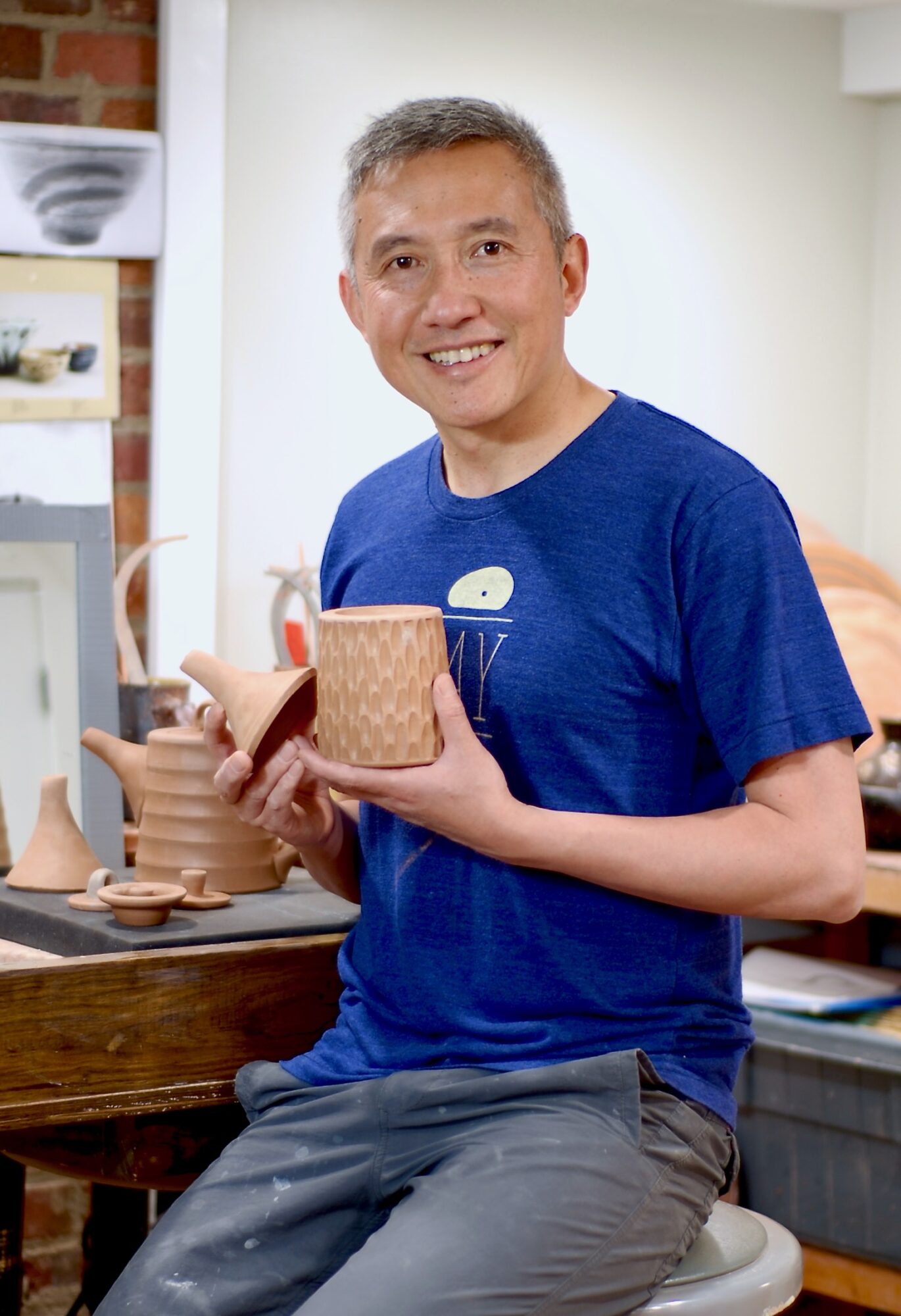
Today we’d like to introduce you to Wei Sun.
Hi Wei, it’s an honor to have you on the platform. Thanks for taking the time to share your story with us – to start maybe you can share some of your backstory with our readers?
As an Asian descendant, ceramic has always been part of my culture. We used Jinde Zheng porcelain and YiXin teapots everyday. However, I have never worked on clay or even seen a pottery studio when I grow up. In 1994 I came to US for grad school studying computer science. After school I moved to Raleigh in 1998 to start my career as a software engineer and stayed since.
My first experience to clay was a tour in 2010 to Seagrove NC, a local pottery town where generations of potters making traditional salt-glazed stoneware since late 18th century. The deep clay history and beautiful craftsmanship there immediately sparked a desire to learn more. Soon after my tour, I started exploring on clay through evening classes at local community studios in Raleigh, including the Pullen Arts Center and the NC State Crafts Center. What started as a creative outlet quickly became a passion.
Then a pivotal moment came in the summer of 2016 when I took a three-week pottery class at the Penland School of Craft. That experience expanded my perspective on what functional craft could be. To deepen my skills, In 2019, I took a gap year and completed an apprenticeship under Marsha Owen Pottery, learning the pottery techniques, as well as studio operations of a working potter.
Over time, that initial curiosity grew into a full studio practice. Today, I balance my engineering work with making pottery at my home studio, exhibiting at regional galleries, teaching workshops. For me, making pots is deeply important because it is how I express my own creativity while bringing art into people’s everyday lives.
Would you say it’s been a smooth road, and if not what are some of the biggest challenges you’ve faced along the way?
Like any creative journey, it hasn’t always been a smooth, linear road.
There is the physical reality of working with clay. The learning curve in ceramics is steep, and failure happens at every stage of the process. Learning how to throw, glaze, and fire properly means facing countless cracked pots, glaze misfires, and kilns that don’t go as planned. In the beginning, it was frustrating to experience all the failures in order to learn. Over time, however, those technical failures helped me build resilience and a deeper understanding of the medium.
Navigating the transition from making pots as a hobby to operating a business also came with its own learning curve—managing inventory, gallery relationships, marketing, and the logistics of selling work. Embracing those struggles as part of the process has made the rewards, like seeing someone use my pots in their daily life, all the more meaningful.
The other major challenge has been finding the balance between a full-time job and a serious studio practice. Pottery requires dedicated time, patience, and mental focus, so managing time between two very different worlds of software engineering and pottery making takes constant discipline and energy. I resolved this problem by switching my day time job to a work-from-home position with a flexible schedule, which allows me to balance my time nicely between both worlds.
Alright, so let’s switch gears a bit and talk business. What should we know about your work?
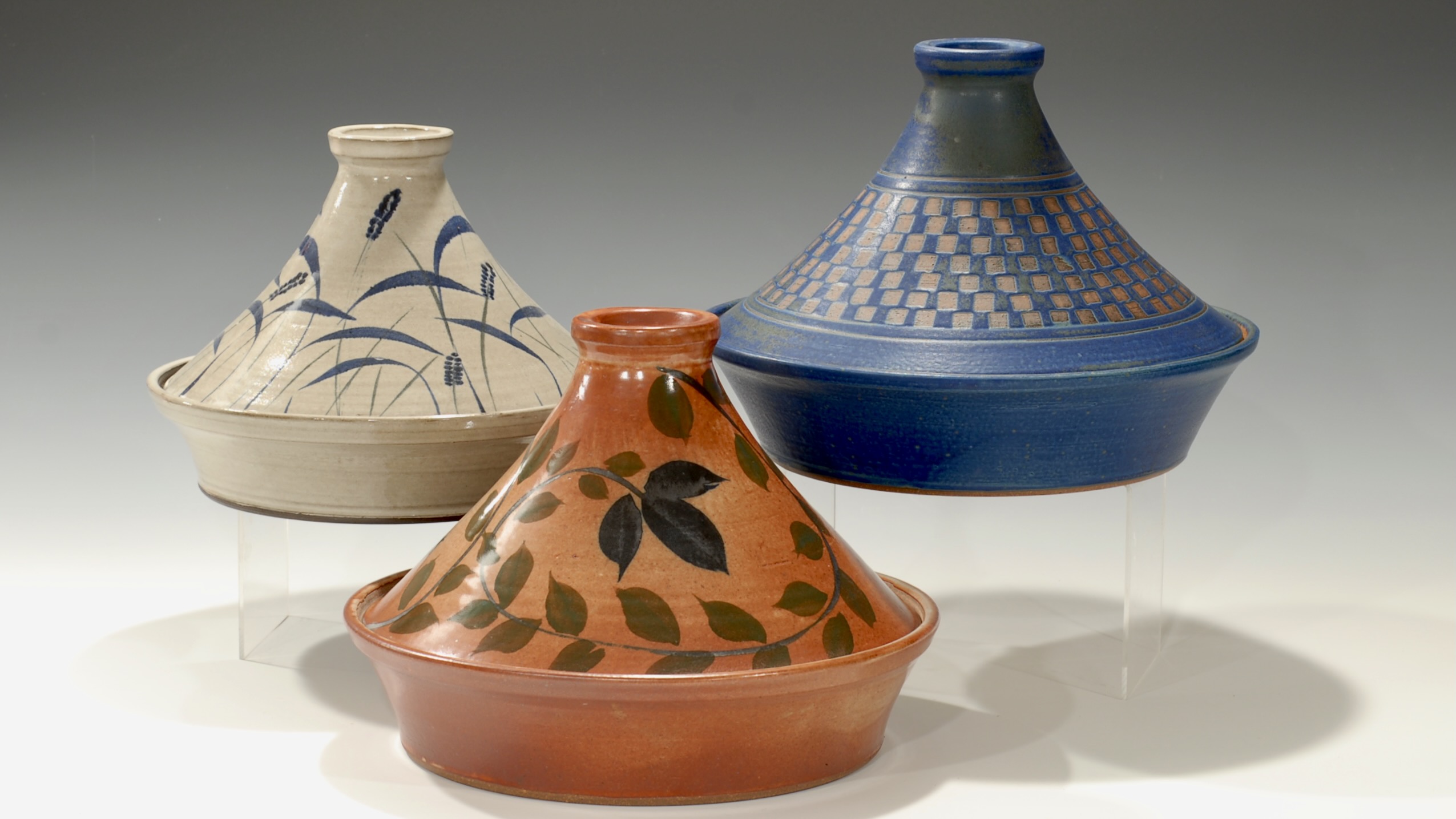
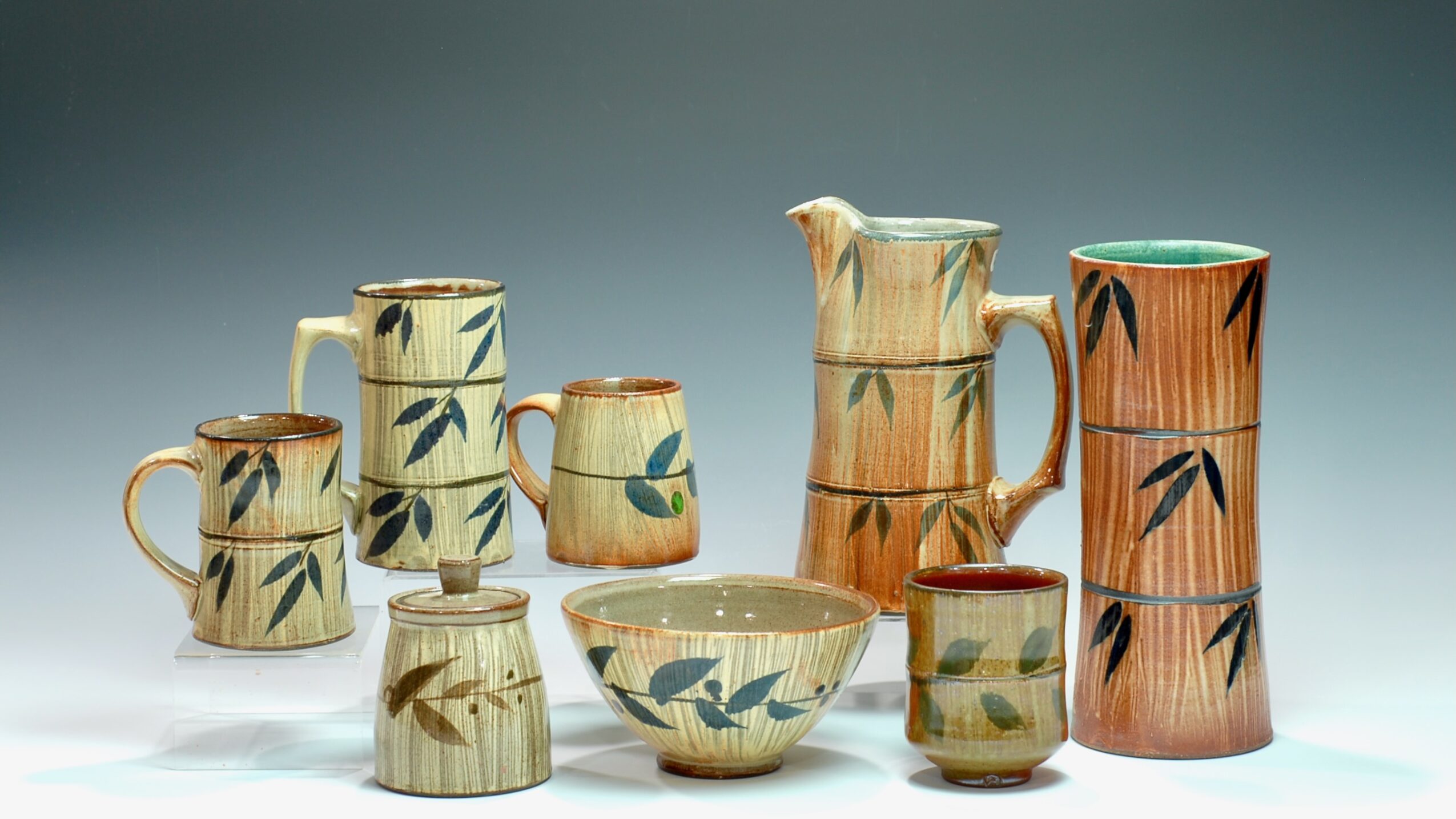
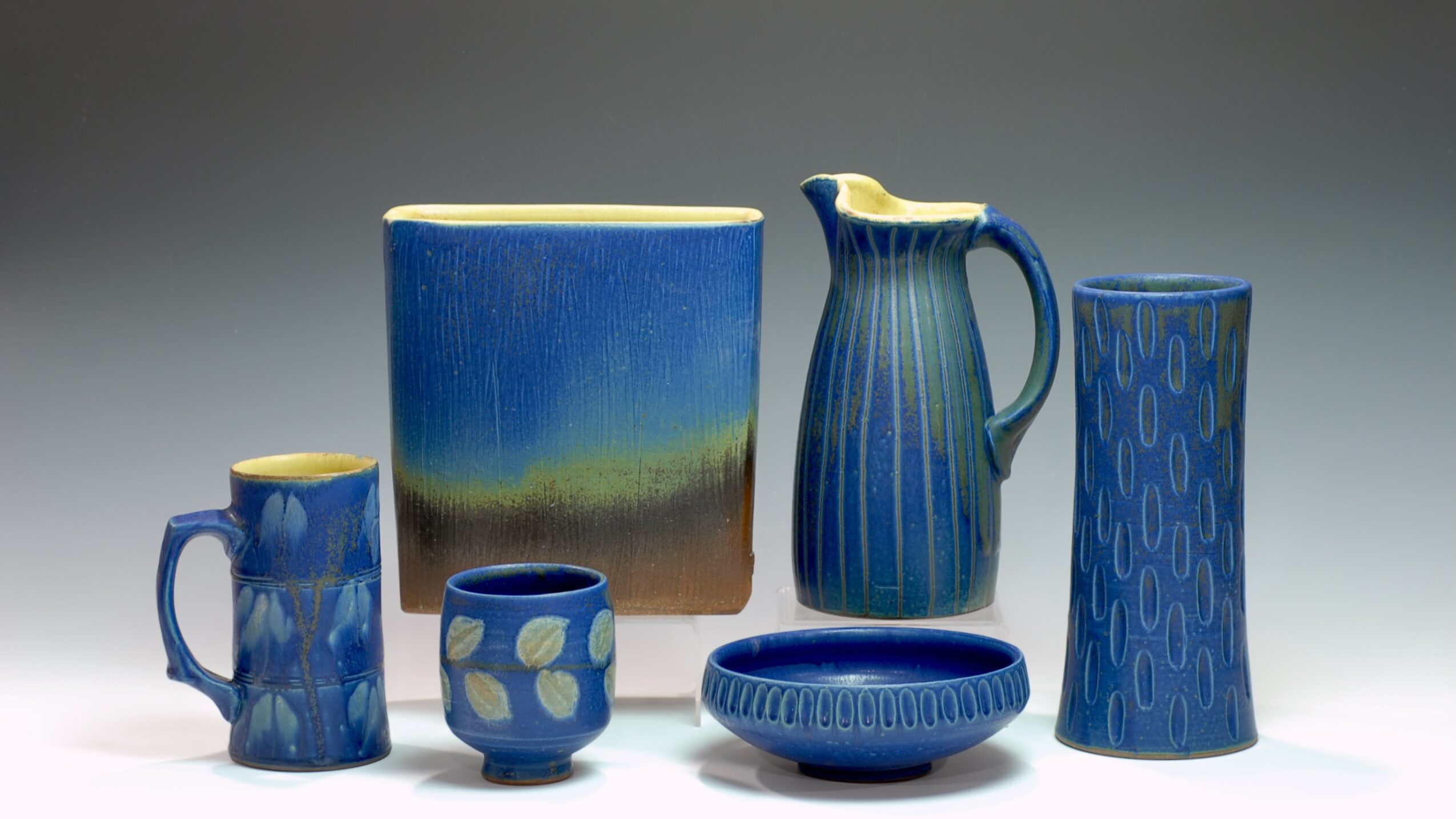
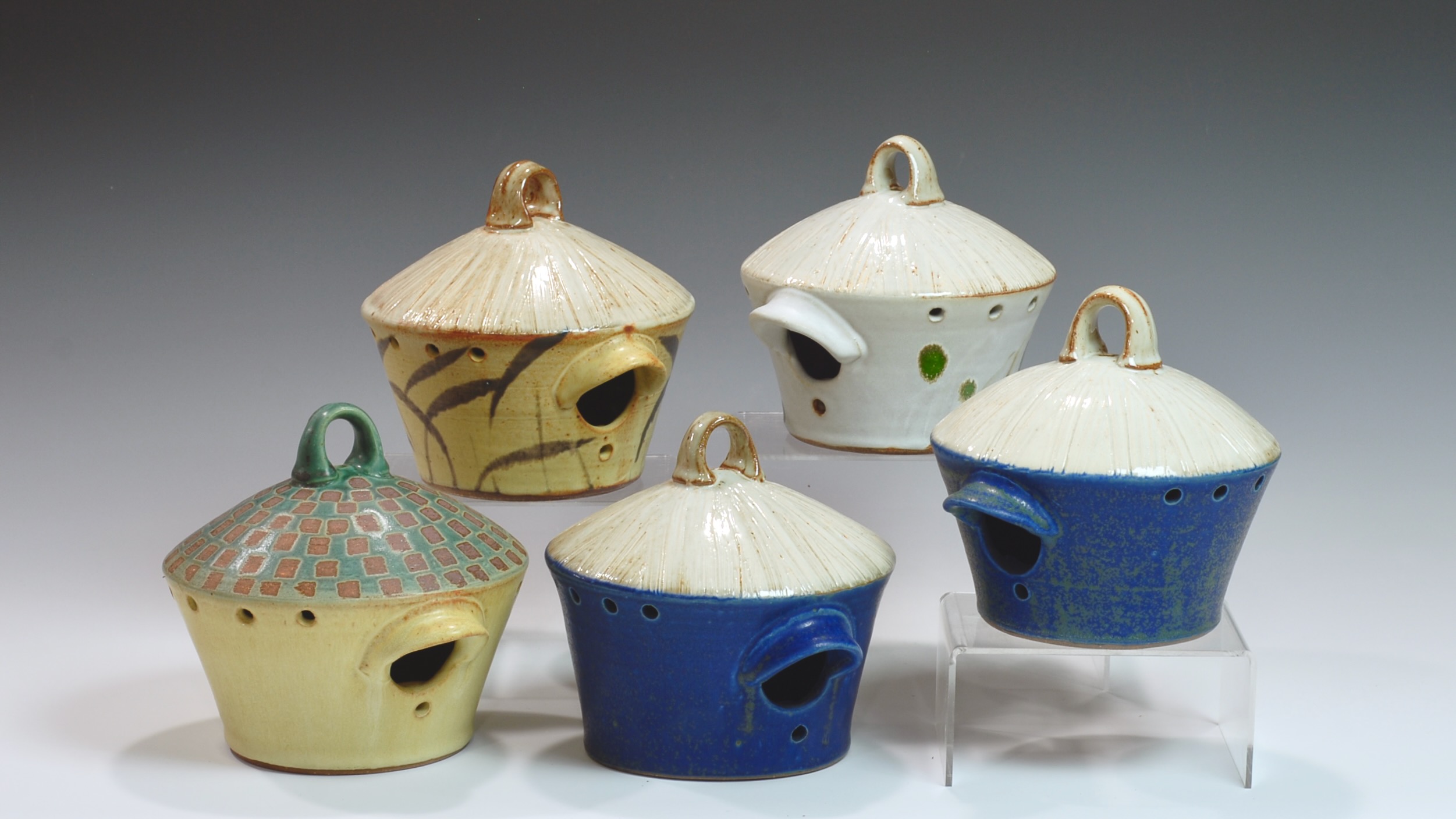
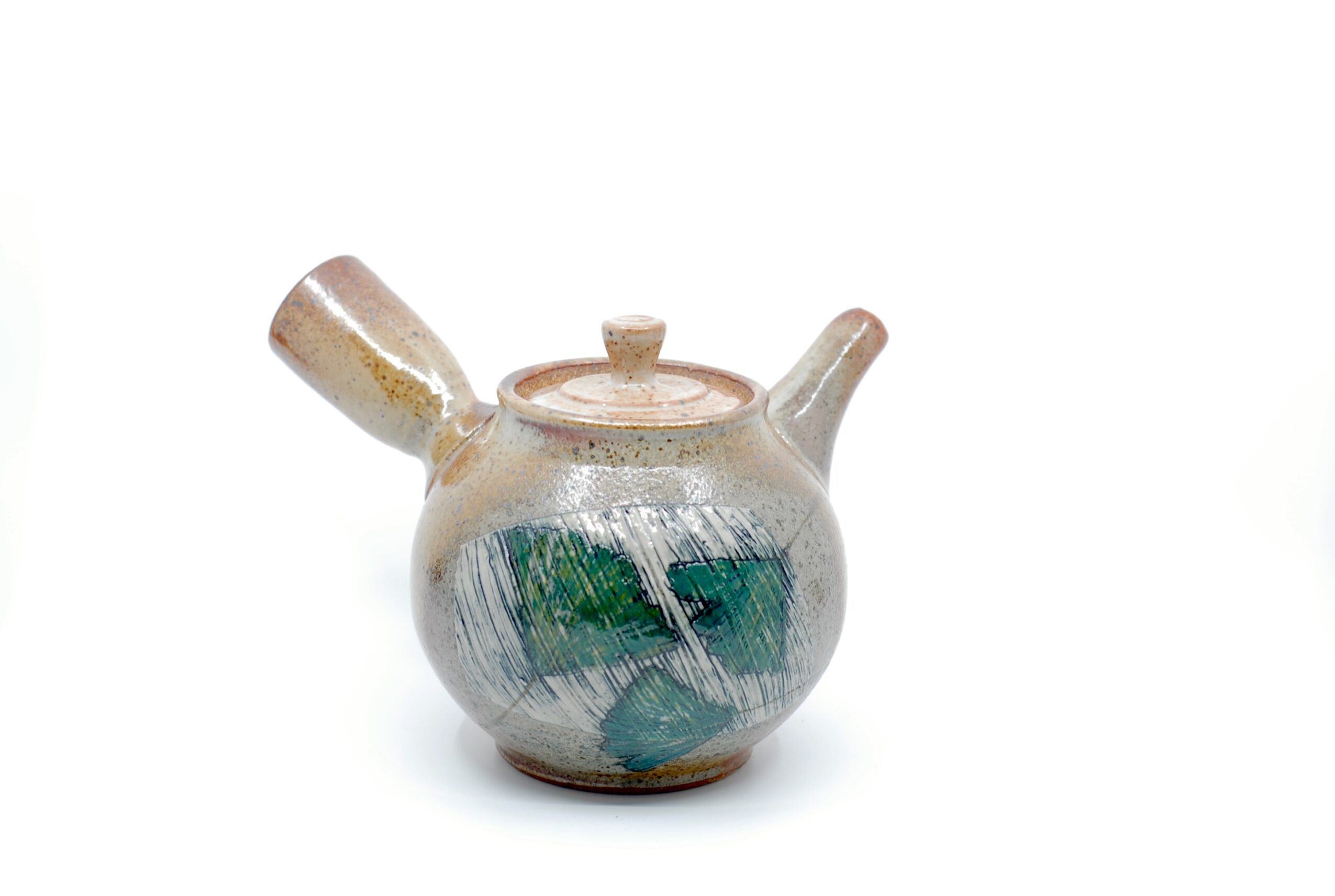
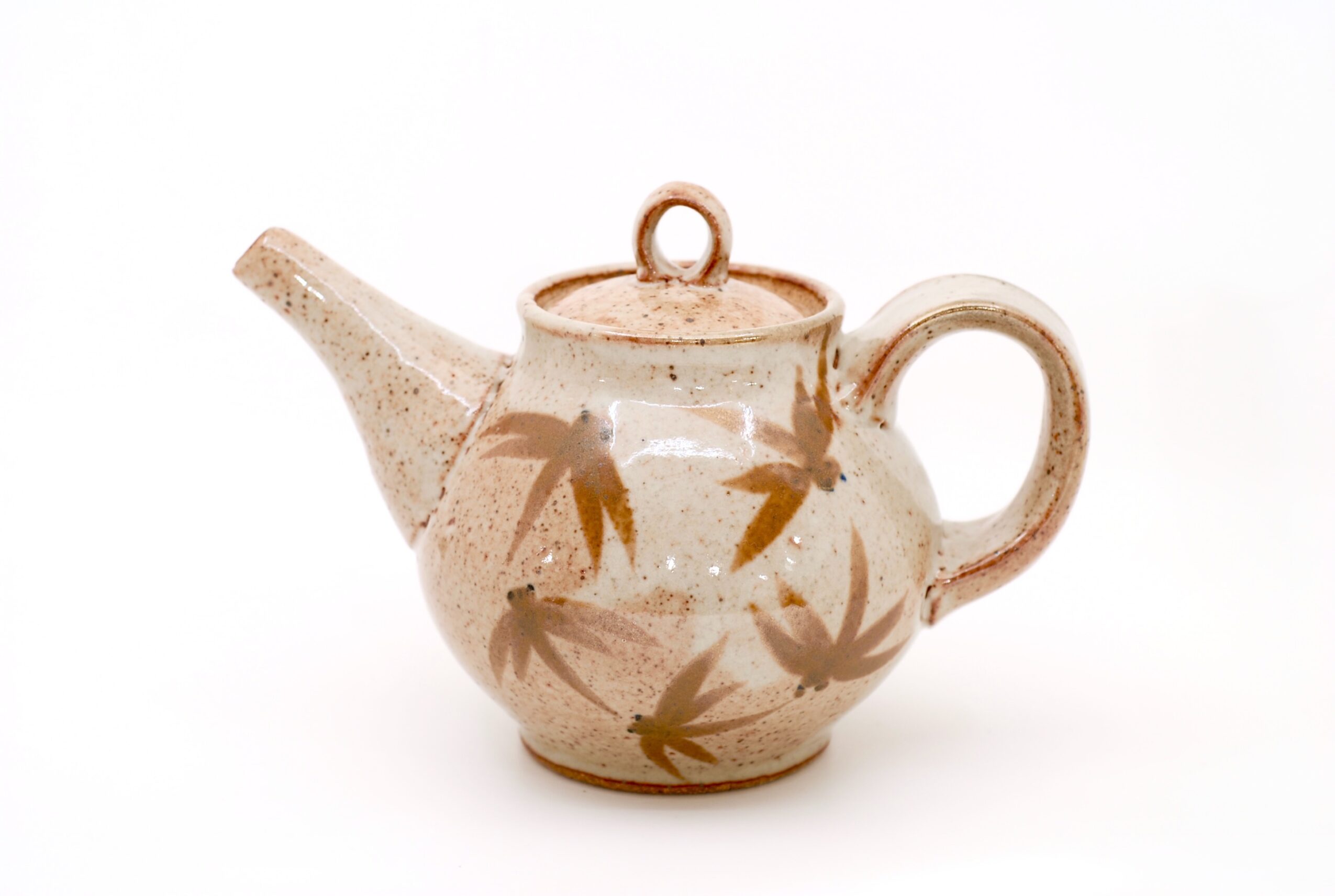
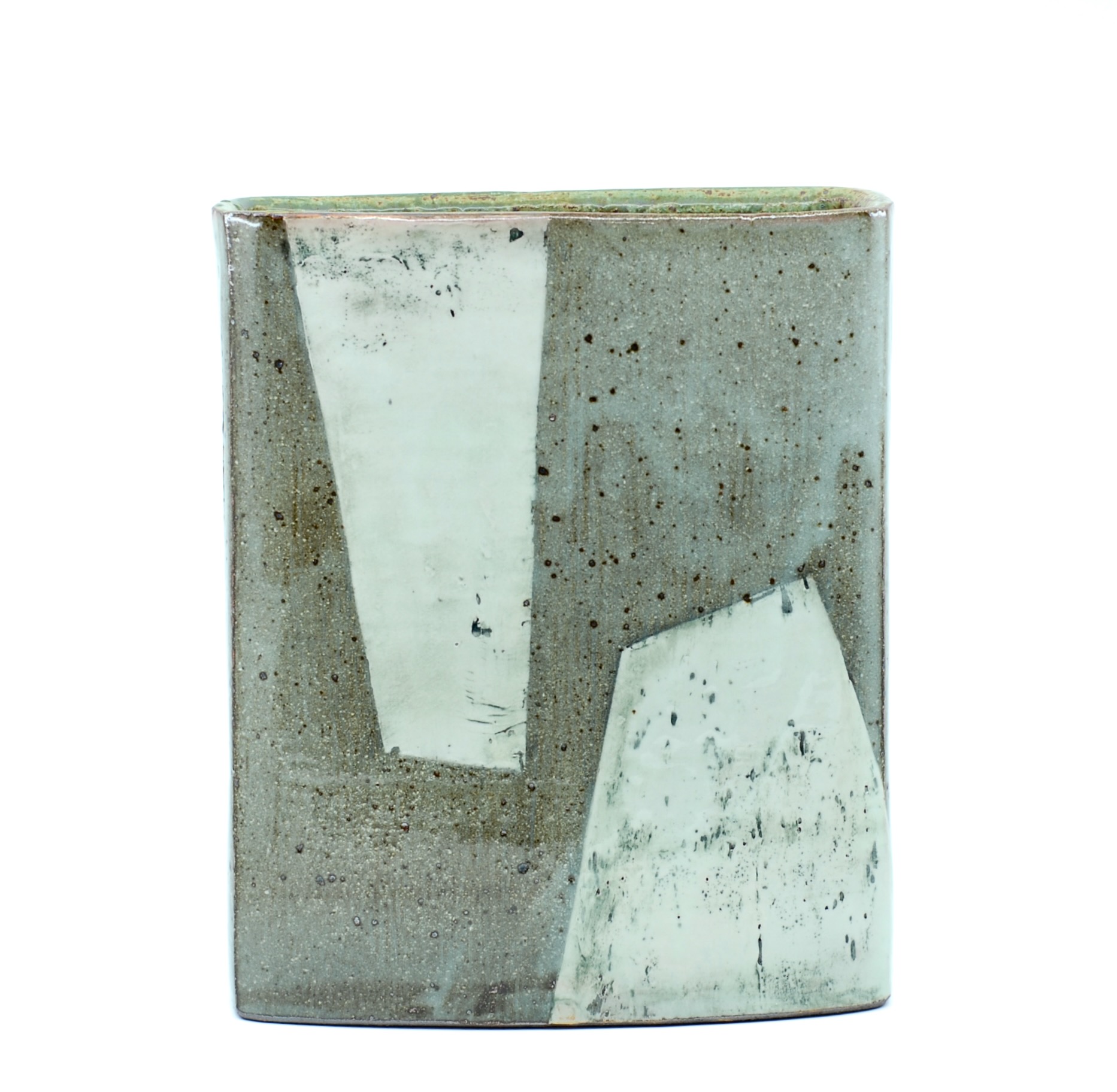
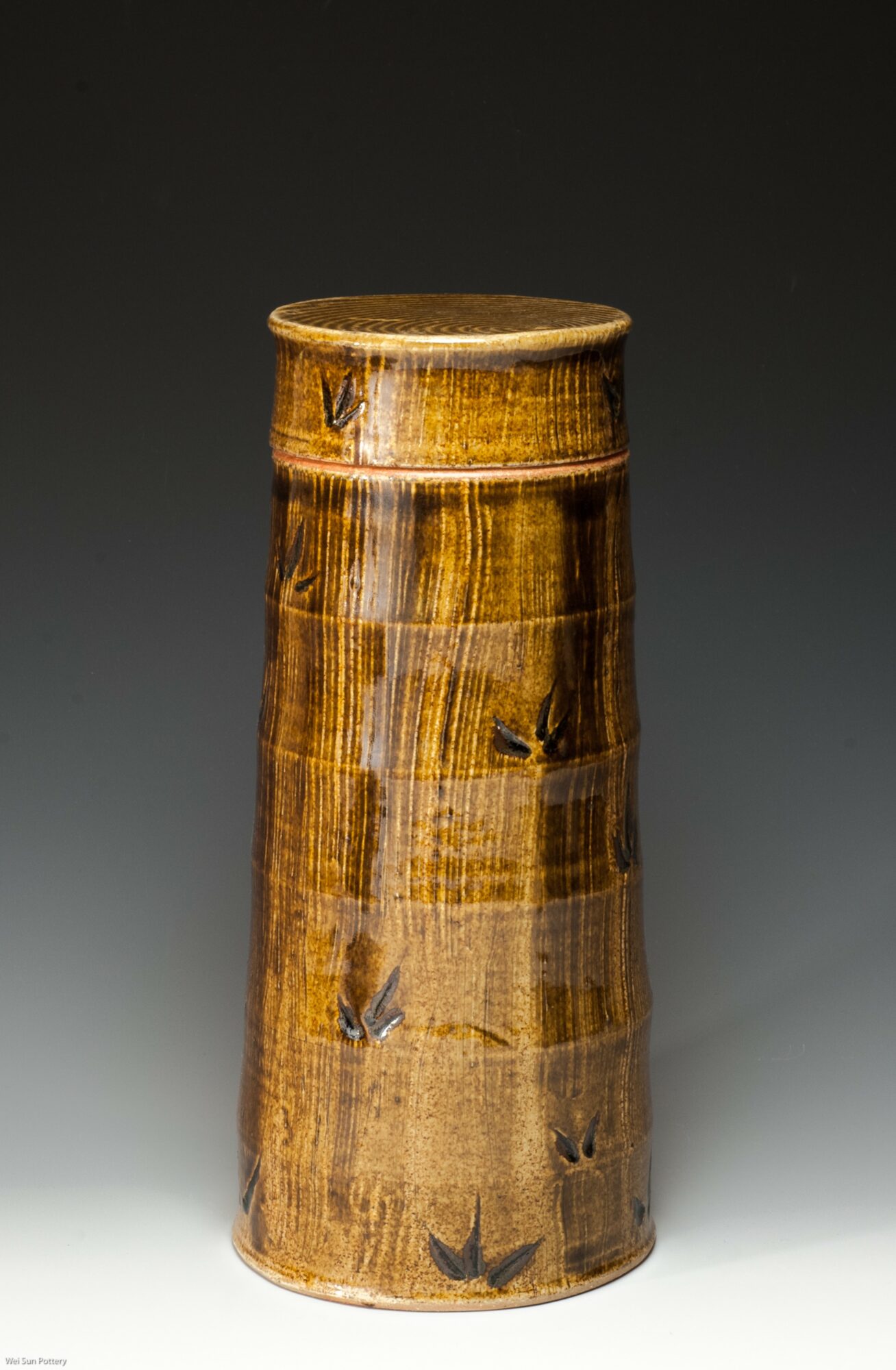
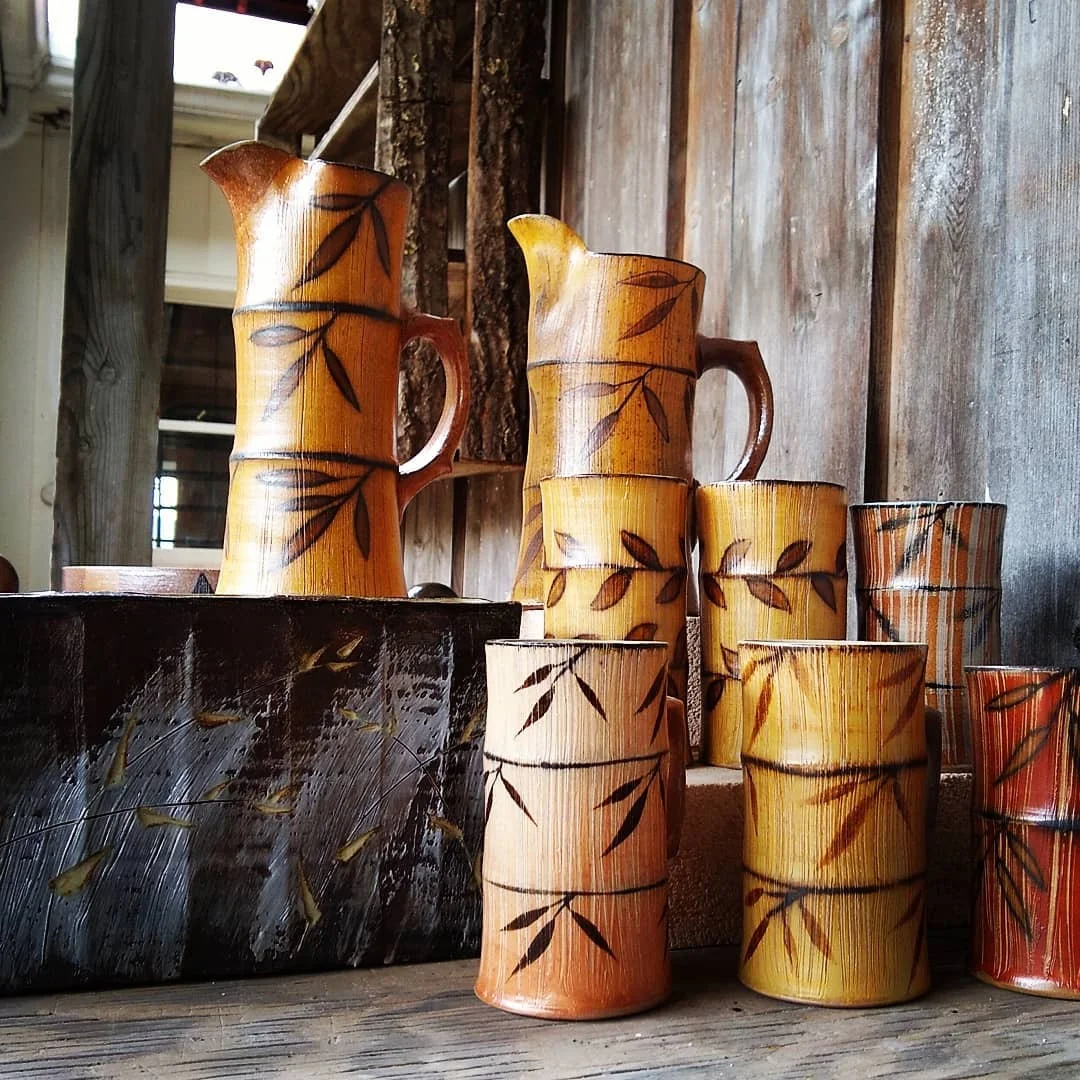
At Wei Sun Pottery, I specialize in wheel-thrown, functional stoneware designed for everyday living and dining—from mugs and bowls to teapots, vases, and serving dishes. My goal is to create functional ceramics designed to rest comfortably in the hand while elevating everyday meals and gatherings into intentional, artful moments.
What sets my work apart is the dialogue between my cultural roots and my adopted home. My pottery training in North Carolina led me to the traditional shapes and forms of Western functional wares, and I incorporate Asian-style surface techniques like expressive brushwork to bring them to life. By blending the timeless elegance of traditional Asian ceramics from my native China with the rich, earthy pottery traditions of North Carolina, I am trying to create a unique bridge between the two cultures.
I am deeply proud of my involvement with the Penland School of Craft—moving from a student taking a summer workshop, to multiple times of winter resident, to teaching a workshop in 2024, and finally to serving on their Board of Trustees since 2024. It has allowed me to give back to the vibrant craft community that shaped my journey.
What I’m most proud of is how making pots allows me to connect with people on a personal level. There is immense satisfaction in knowing that something I made by hand becomes part of someone’s morning coffee routine or family dinner table.
Before we let you go, we’ve got to ask if you have any advice for those who are just starting out?
My biggest advice for anyone starting out with ceramics—or any creative pursuit—is to embrace the process and give yourself permission to make bad work. Clay has a steep learning curve, and it takes time to build the muscle memory and technical understanding required to make what is in your mind’s eye. Don’t get overly attached to early pieces; regard every cracked pot or failed glaze as a valuable lesson rather than a mistake. Go practice, practice and more practice.. Don’t give up!
Something I found really helpful is to involve myself with a supportive community. Pottery can feel like a solitary practice, but learning from other makers, seeking out apprenticeships or workshops, and engaging with craft organizations accelerates my growth immensely.
Finally, find a sustainable rhythm that fits your life. Be a hobbyist, part time or full time potter, we can always find a way for our arts. Building a studio practice step-by-step allows you the financial and creative freedom to experiment without unnecessary pressure, letting your passion grow naturally into a fulfilling lifelong craft.
Pricing:
- Mugs $40-$68
- Bowls $35-$125
- Vases $35-$150
- Tagine, $175+
- Teapot $200+
Contact Info:
- Website: https://weisunpottery.com/
- Instagram: https://www.instagram.com/weisunpottery/
- Facebook: https://www.facebook.com/weisunpottery
- LinkedIn: https://www.linkedin.com/in/weisun2/