



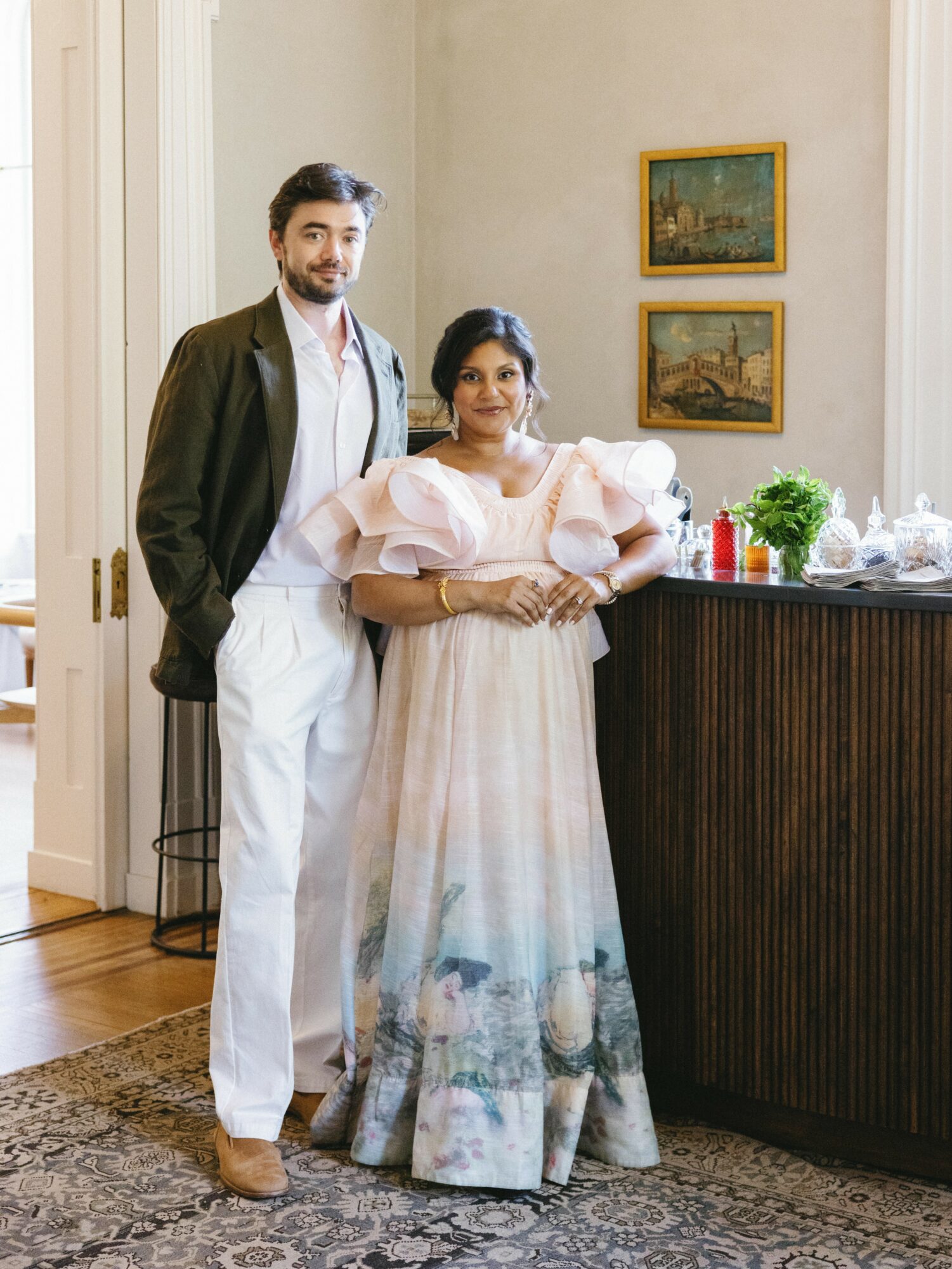
Today we’d like to introduce you to Radhika McDiarmid.
Hi Radhika, we’re thrilled to have a chance to learn your story today. So, before we get into specifics, maybe you can briefly walk us through how you got to where you are today?
Radian Photography started somewhat accidentally.
My husband, Ian, and I met while we were both working in education, and photography was something we loved long before we ever thought of it as a business. In 2011, we photographed a friend’s engagement session, then were asked to photograph family sessions and found we loved photographing our travels, and somewhere along the way realized we were building something we cared deeply about.
Over the last decade, that little business has taken us around the world photographing weddings, families, and people in some incredibly meaningful seasons of their lives. But I think the biggest evolution has been in understanding why we photograph the way we do.
We’ve always been drawn to images that feel like something. We shoot a lot of film, not because it’s trendy or nostalgic, but because we love its permanence and physicality. We love photographs that are beautiful enough to become art but honest enough to bring you right back to a particular person, place, or feeling. As we’ve grown older, built a family of our own, and watched the people we photograph move through different chapters of their lives, that idea has become even more important to us.
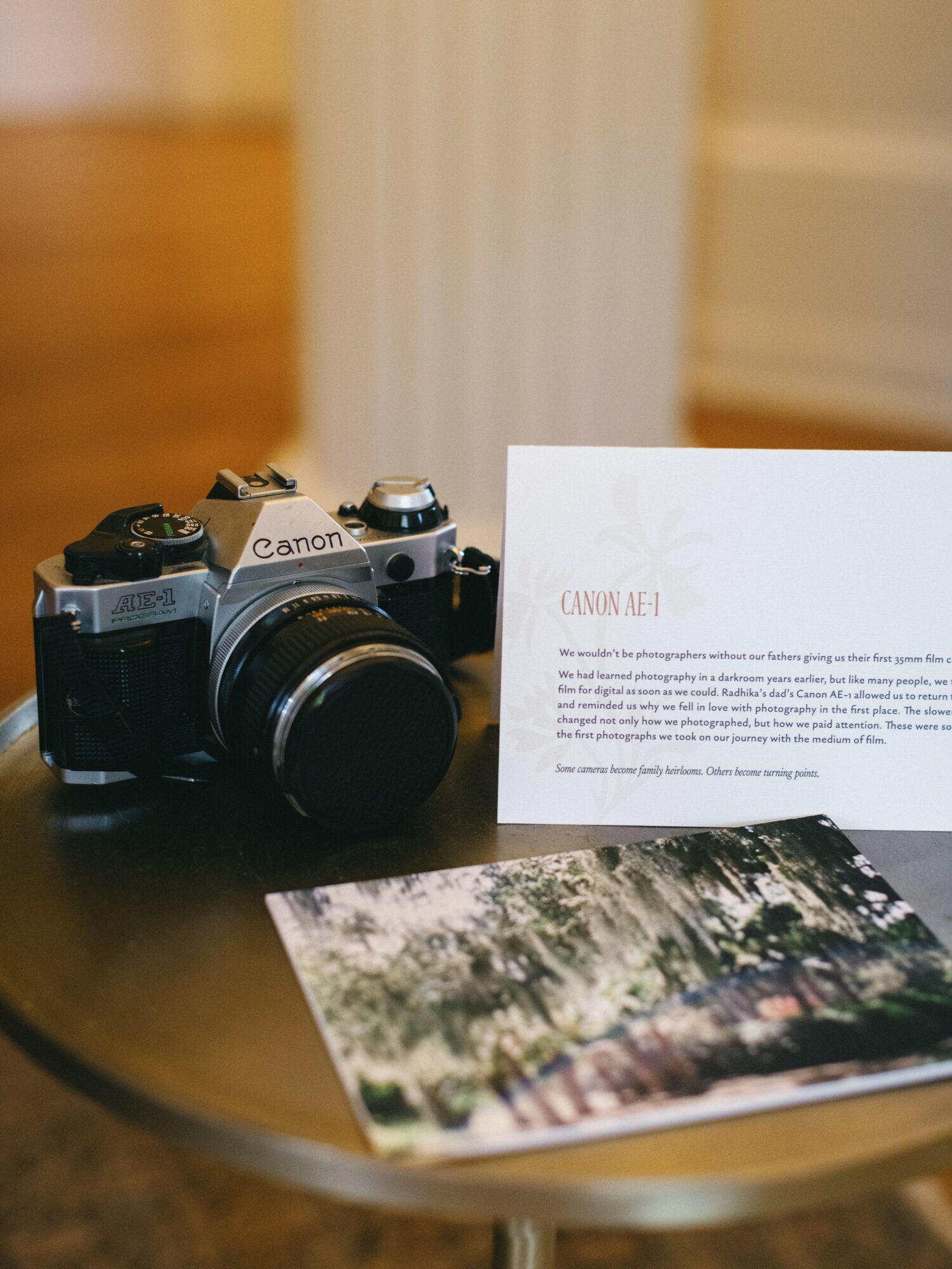
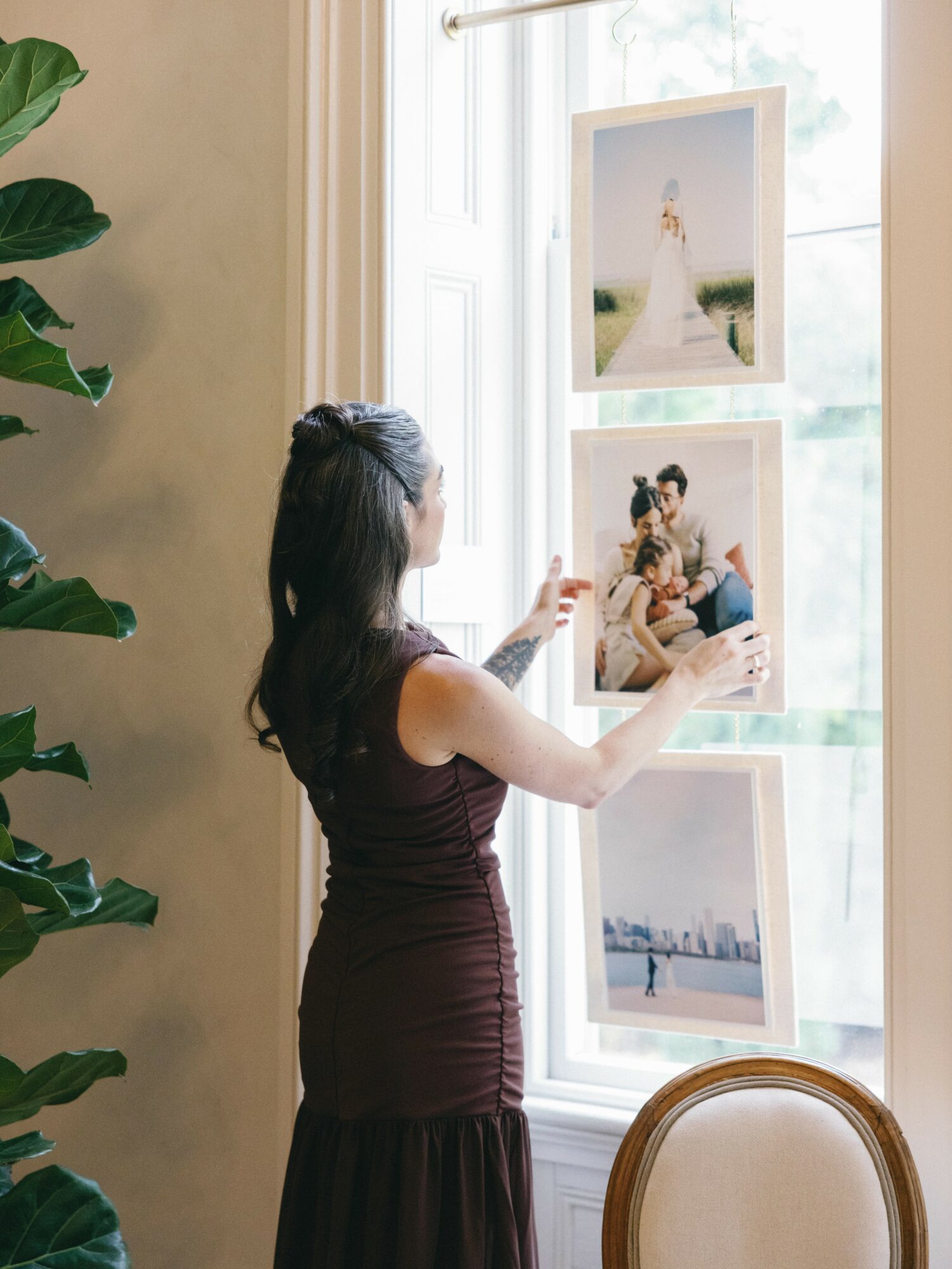
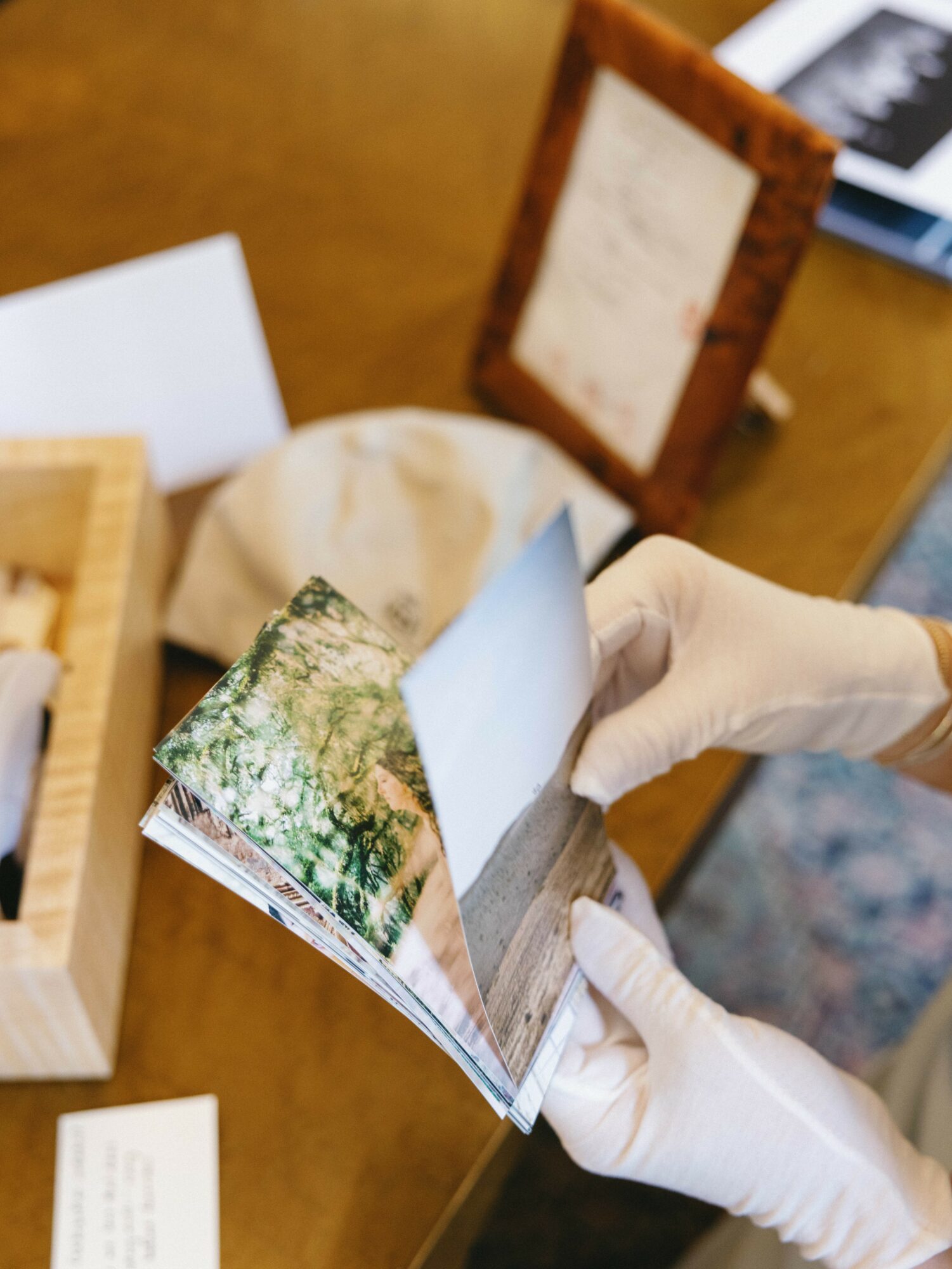
This year, we realized our brand no longer fully reflected the work we were making or the artists and people we had become. So rather than simply unveiling a new logo and website, we decided to mark this next chapter with a gallery exhibition at Heights House in Raleigh. We pulled photographs from more than a decade of work and presented them alongside film negatives, Super 8, personal artifacts, and large-scale prints. It was an opportunity to take images that usually live on screens and put them into the physical world, surrounded by many of the people who have been part of our story.
In a lot of ways, it felt less like becoming a new company and more like finally finding the words and visual language for what Radian has been becoming all along.
Today, we’re still photographing weddings and families together, still shooting film, still arguing lovingly over which photograph is the best one, and still incredibly interested in the same question that started all of this: what will you want to remember?
Would you say it’s been a smooth road, and if not what are some of the biggest challenges you’ve faced along the way?
Definitely not. For the first eight years of Radian, I was also working a full-time job in education. I loved my career, but it meant building this business in the margins: evenings, weekends, early mornings, and whatever pockets of time I could find. For a long time, there wasn’t really a moment when I wasn’t working on one thing or the other.
Then, of course, there was 2020. We were navigating a wedding photography business during a pandemic while I was pregnant with our second child. Weddings were postponing, plans were changing constantly, and we were trying to figure out what our business looked like when the thing it was built around, people gathering together, suddenly wasn’t possible in the same way.
More broadly, one of the ongoing challenges has been running a business while building a family. Wedding photography asks a lot of you at very specific times: weekends, evenings, travel, long days away from home. As our family has grown, we’ve had to become much more intentional about what we say yes to and what we want the business to make possible for our lives, rather than letting the business dictate them.
Creatively, I think one of my biggest struggles has been learning to trust my own point of view. The wedding industry can be incredibly trend-driven, and there’s always another platform telling you what you should be making, posting, or selling. It’s easy to look around and wonder whether you should be doing what everyone else is doing.
Some of the most important growth for us has come from turning down that noise and returning to the things we’ve always loved: film, physical photographs, honest moments, beautiful portraits, and images that don’t feel tied to a particular trend or year.
In many ways, our recent rebrand came out of that realization. After more than a decade, we’re less interested in trying to be everything to everyone and much more interested in being really specific about what matters to us, both in the work we make and in the life we’re building around it.
Alright, so let’s switch gears a bit and talk business. What should we know about your work?
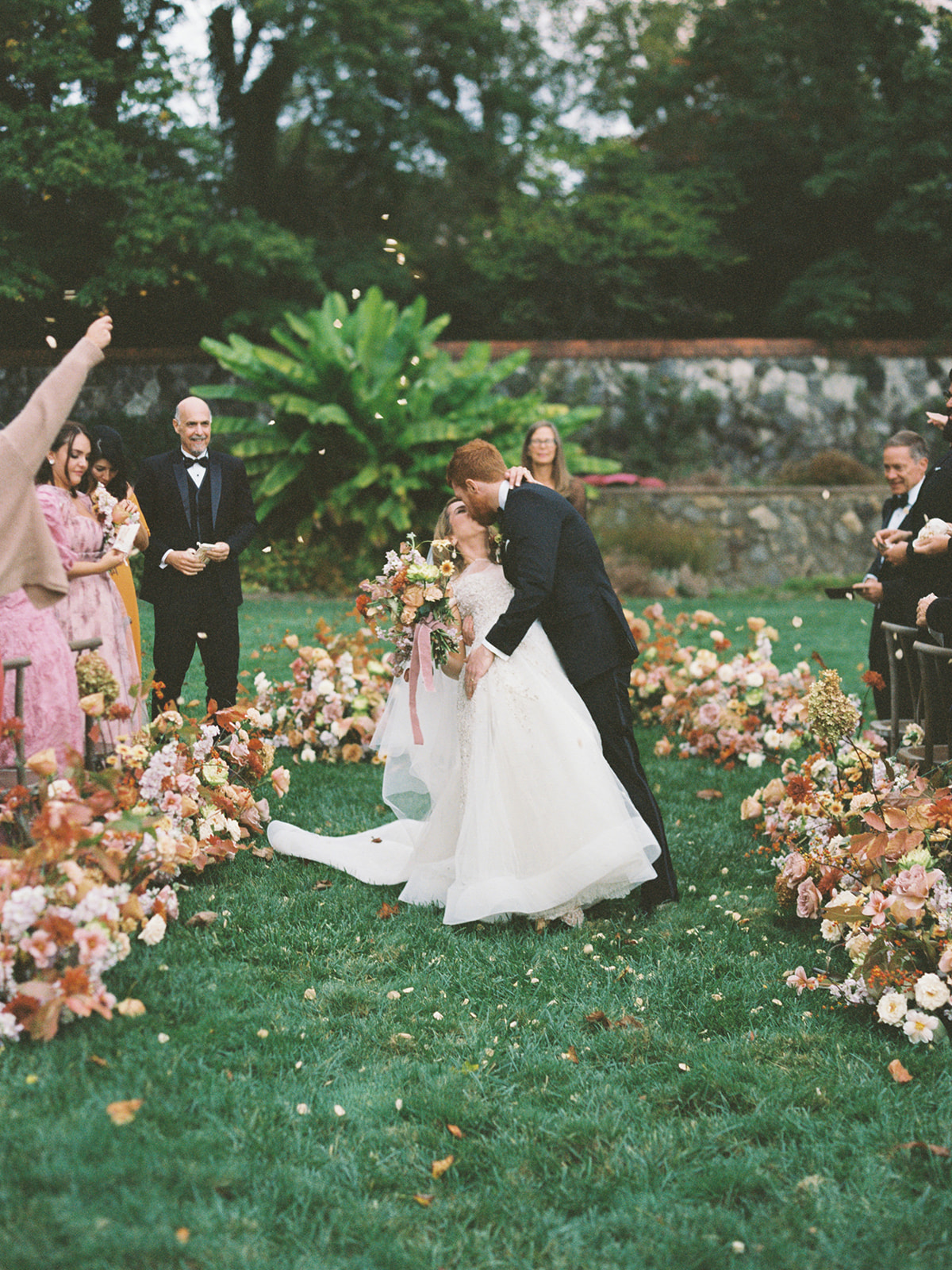
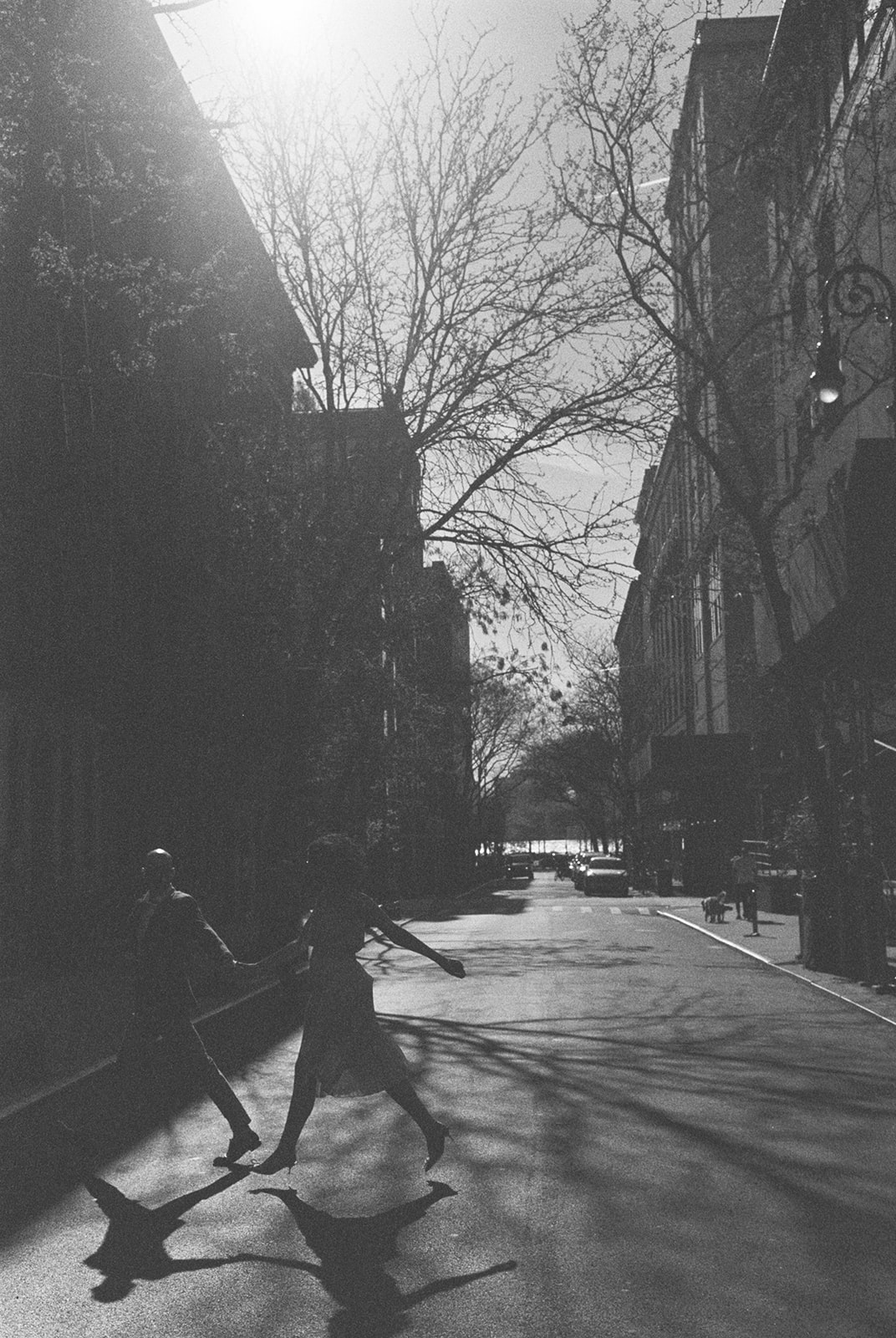
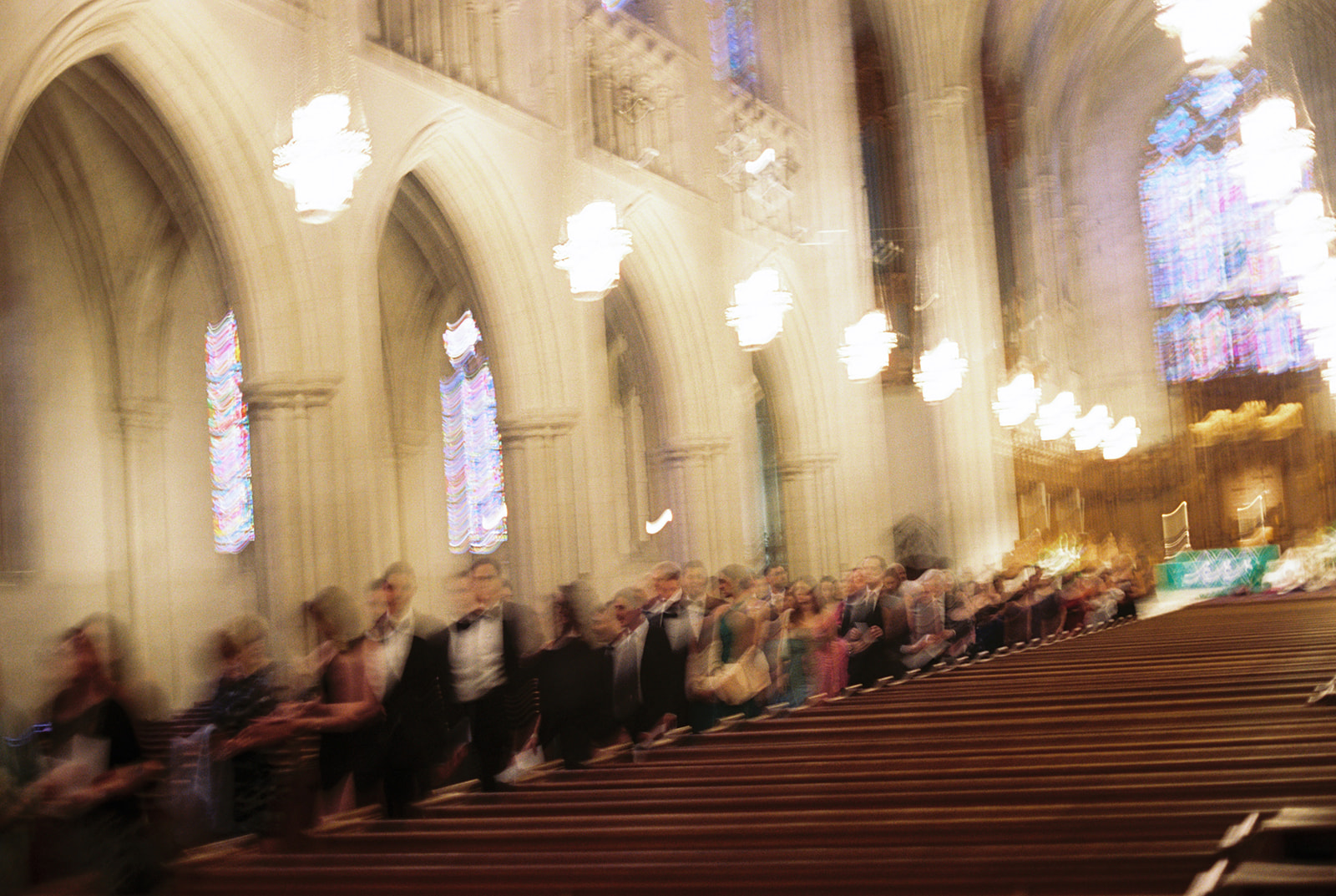
Radian is a photography studio specializing in weddings, portraits, and editorial brand work, with a particular love for film. Ian and I photograph together, and our work lives somewhere between editorial and documentary: creating intentional, artful portraits while also paying very close attention to the moments happening around us that can’t be recreated.
I think what we’re known for most is the way we balance those two things. We want to make the photograph that could hang on your wall as a piece of art, but we also want the photograph of your grandmother’s hand on your shoulder, your friends laughing at dinner, or the way your parents looked at you when you weren’t paying attention. The spectacular and the seemingly ordinary both matter.
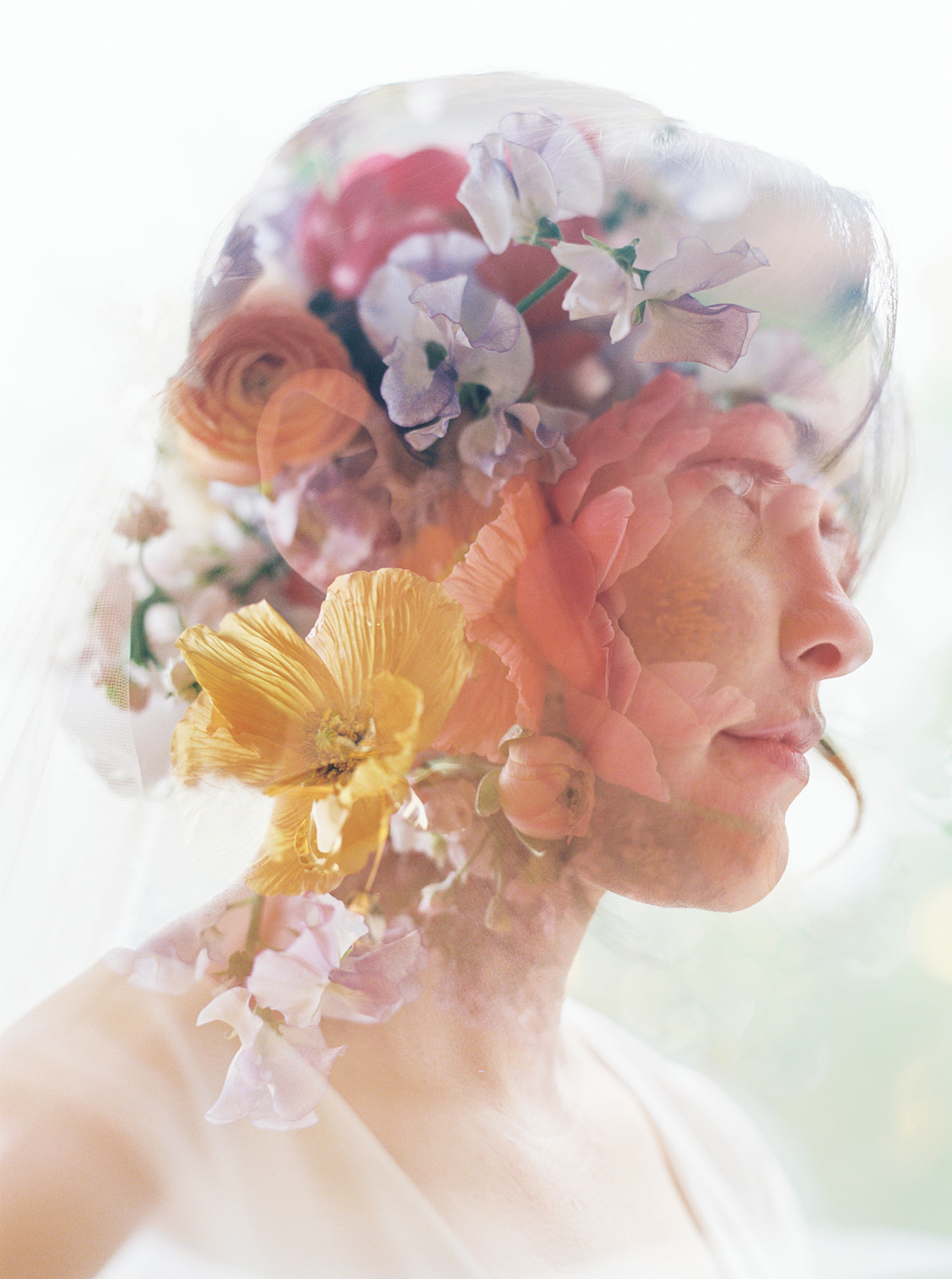
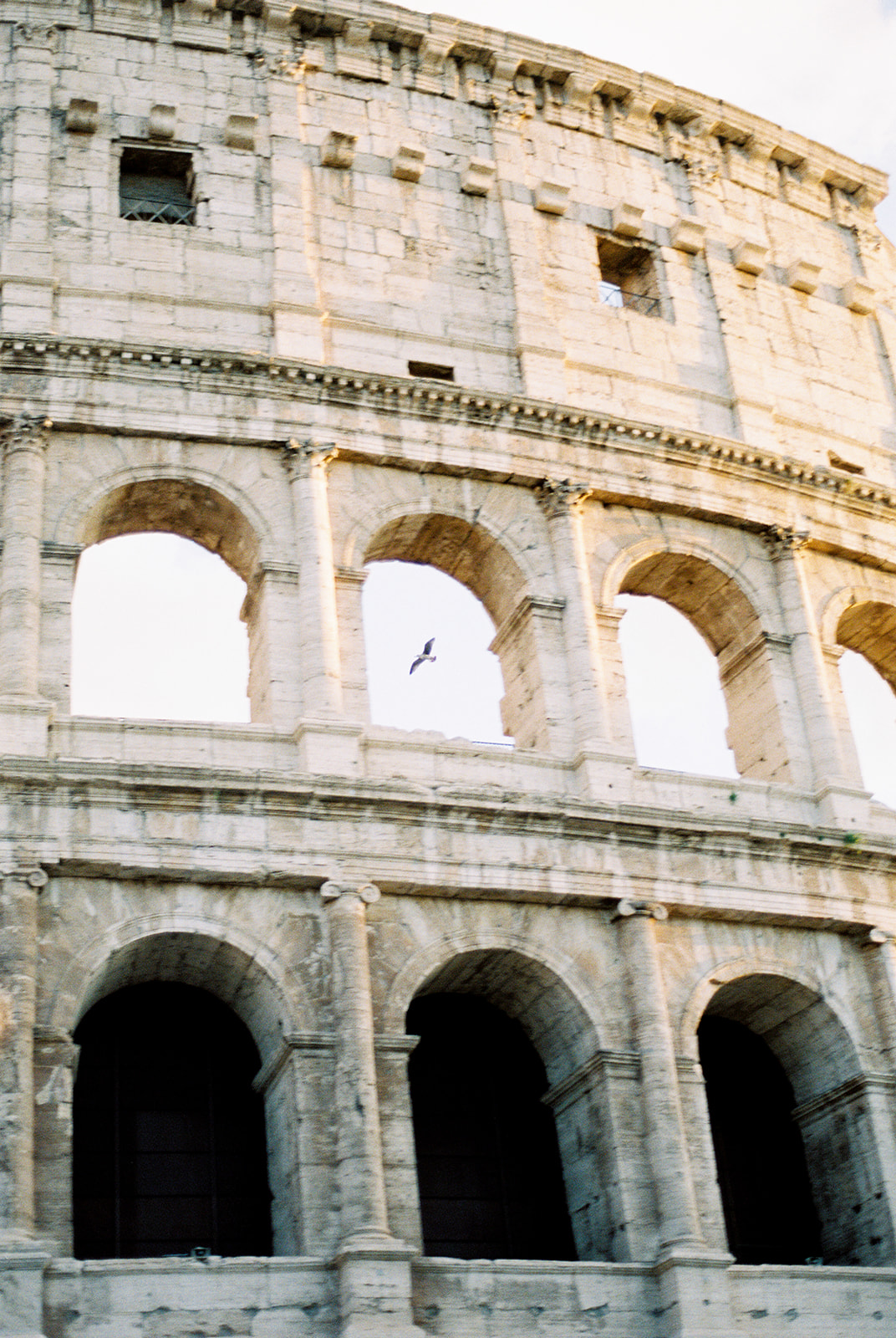
Film is a huge part of how we work. We photograph on medium format and 35mm film alongside digital, and we also use Super 8 motion film. Film isn’t an add-on for us or something we adopted because it became popular again. It was actually our first introduction to photography through darkroom classes in high school, and we love the physicality and permanence of it. There is something meaningful about creating a tangible negative that existed in the same place and moment as the people in the photograph.
What I’m most proud of is that, after more than a decade, we’re still curious. We’ve photographed hundreds of celebrations and families, but we don’t want to arrive with a formula for what someone’s life should look like. We want to notice what is particular to them.
That’s also what our recent gallery exhibition was really about. We took photographs that were originally created for individual people and families and gave them a physical life outside of a gallery link or Instagram post. Seeing those images printed large, projected on walls, shown alongside negatives and Super 8 film, and experienced by a room full of people reminded me that the final photograph is only part of what we’re making.
Ultimately, I think what sets Radian apart is that we’re thinking about photographs not only as documentation of what something looked like, but as objects that will carry memory forward. We’re always asking ourselves: what will still matter about this photograph in 20, 30, or 50 years?
Is there any advice you’d like to share with our readers who might just be starting out?
I think I’d tell anyone starting out to give themselves permission to be bad at something for a while. There’s so much pressure now to launch with a perfectly defined brand, aesthetic, niche, and point of view. We definitely did not have any of that figured out in 2011. We had cameras, enthusiasm, and apparently the confidence to make our friends walk around UNC’s campus for a four-hour engagement session in August.
Your point of view develops by making a lot of work. Photograph what interests you, experiment, make mistakes, and pay attention to the images you keep coming back to. Don’t be so focused on creating work that looks like what is successful right now that you miss the opportunity to figure out what actually looks like you.
I also wish I had understood earlier that you’re building a life at the same time you’re building a business. It’s very easy, especially in the beginning, to believe that growth is always the goal: more weddings, more revenue, more followers, more recognition. But every yes creates something else in your life, too. A Saturday booked is a Saturday you’re not somewhere else. Travel can be exciting and also take you away from home. Success is much more useful when you’ve decided what you actually want it to give you.
And finally, make the work you want to be hired to make. Some of the biggest shifts in our business happened when we stopped waiting for permission to move in a certain creative direction and simply started showing people what we cared about. You don’t have to know exactly where it’s all going. You just have to keep paying attention to what feels worth following.
Contact Info:
- Website: https://radianphotography.com/
- Instagram: https://www.instagram.com/radianphotography/
- Facebook: https://www.facebook.com/radianphoto