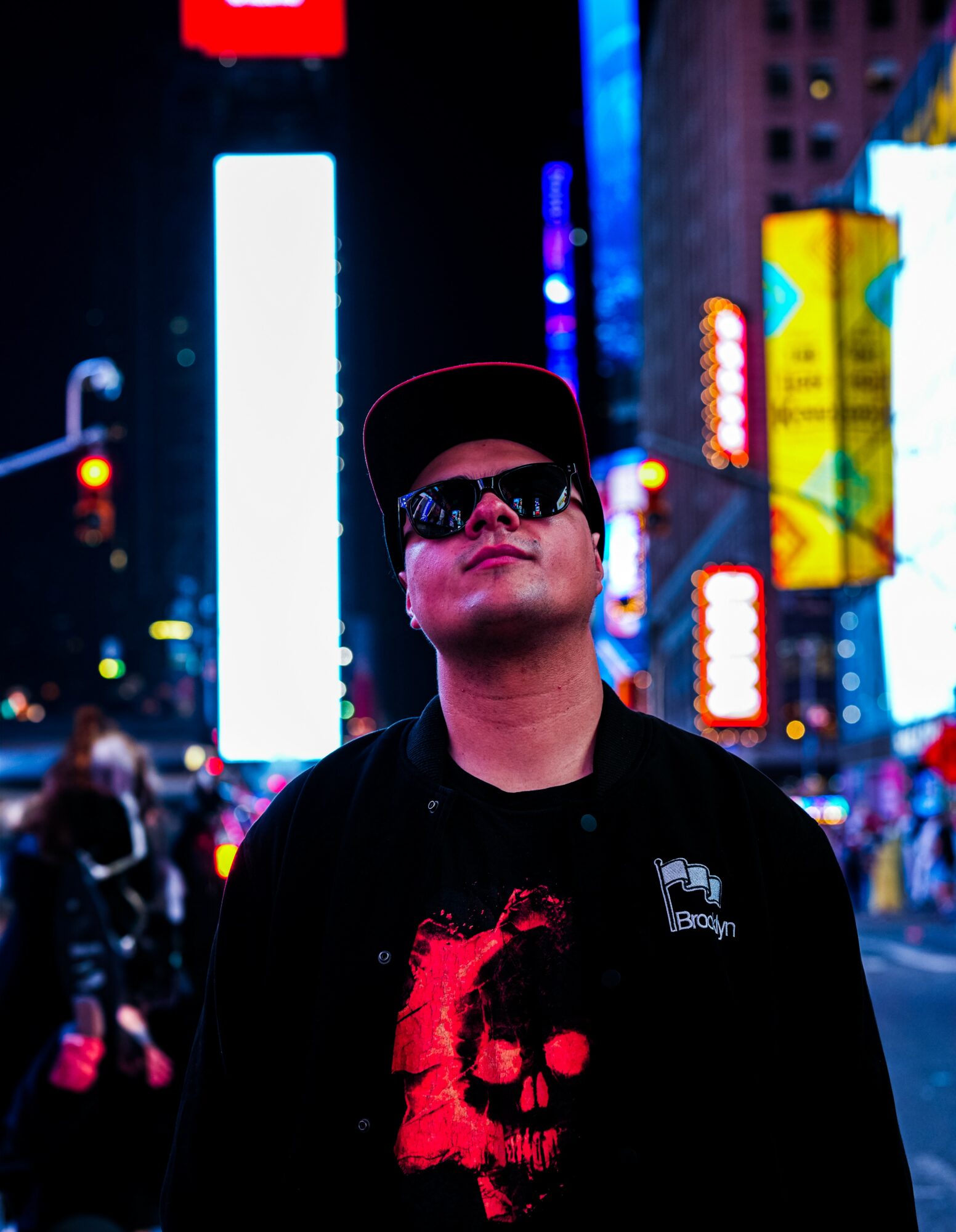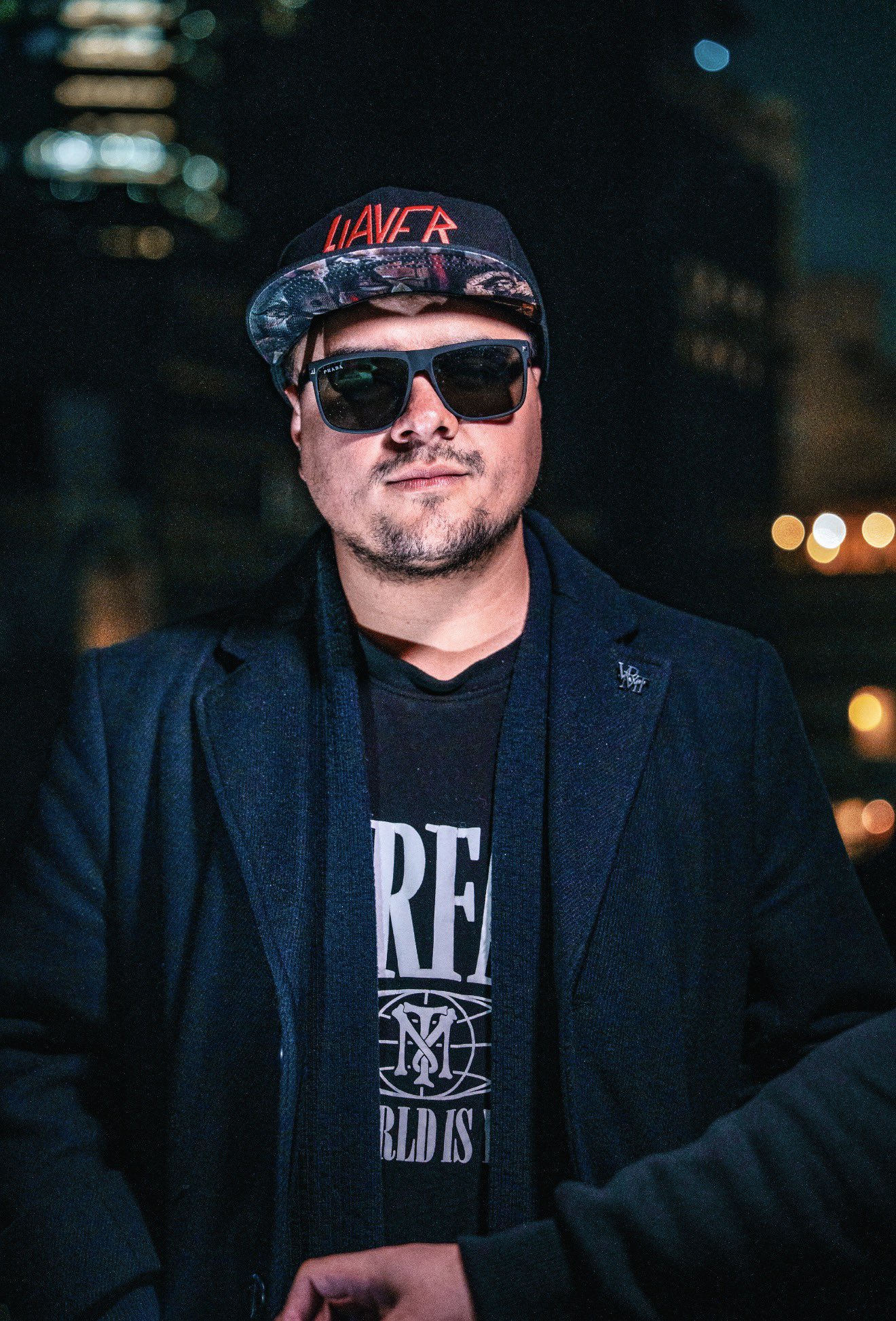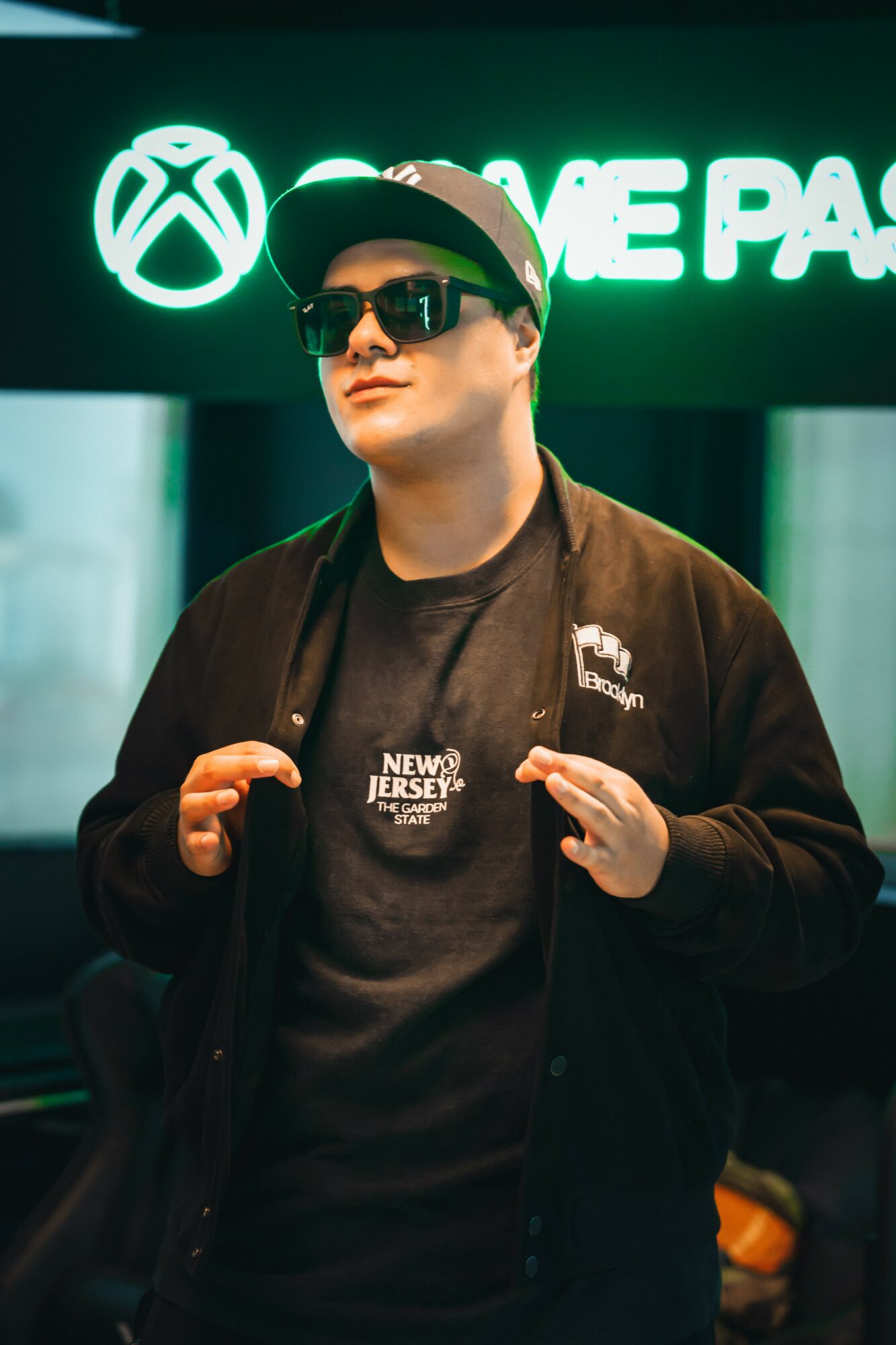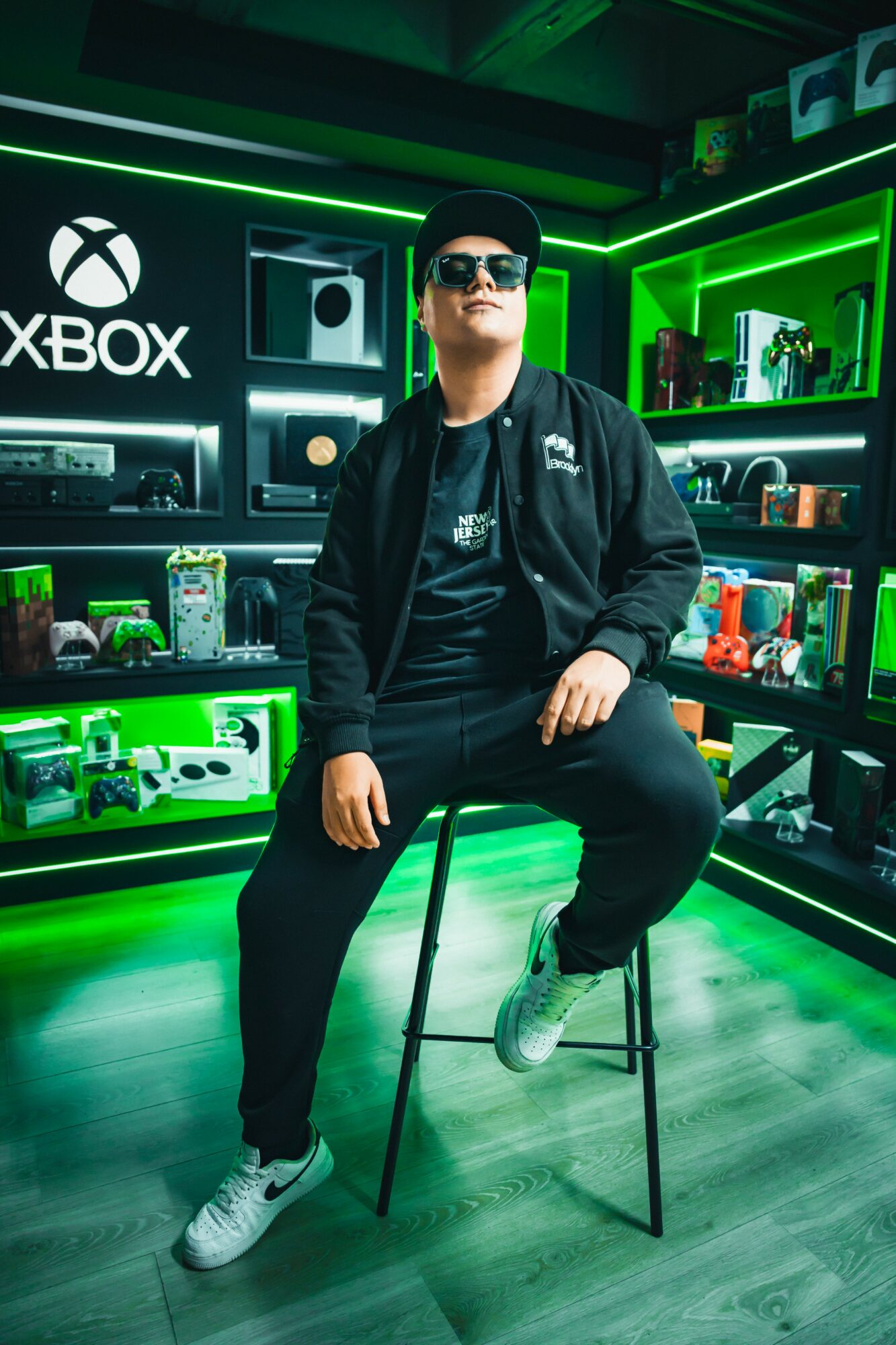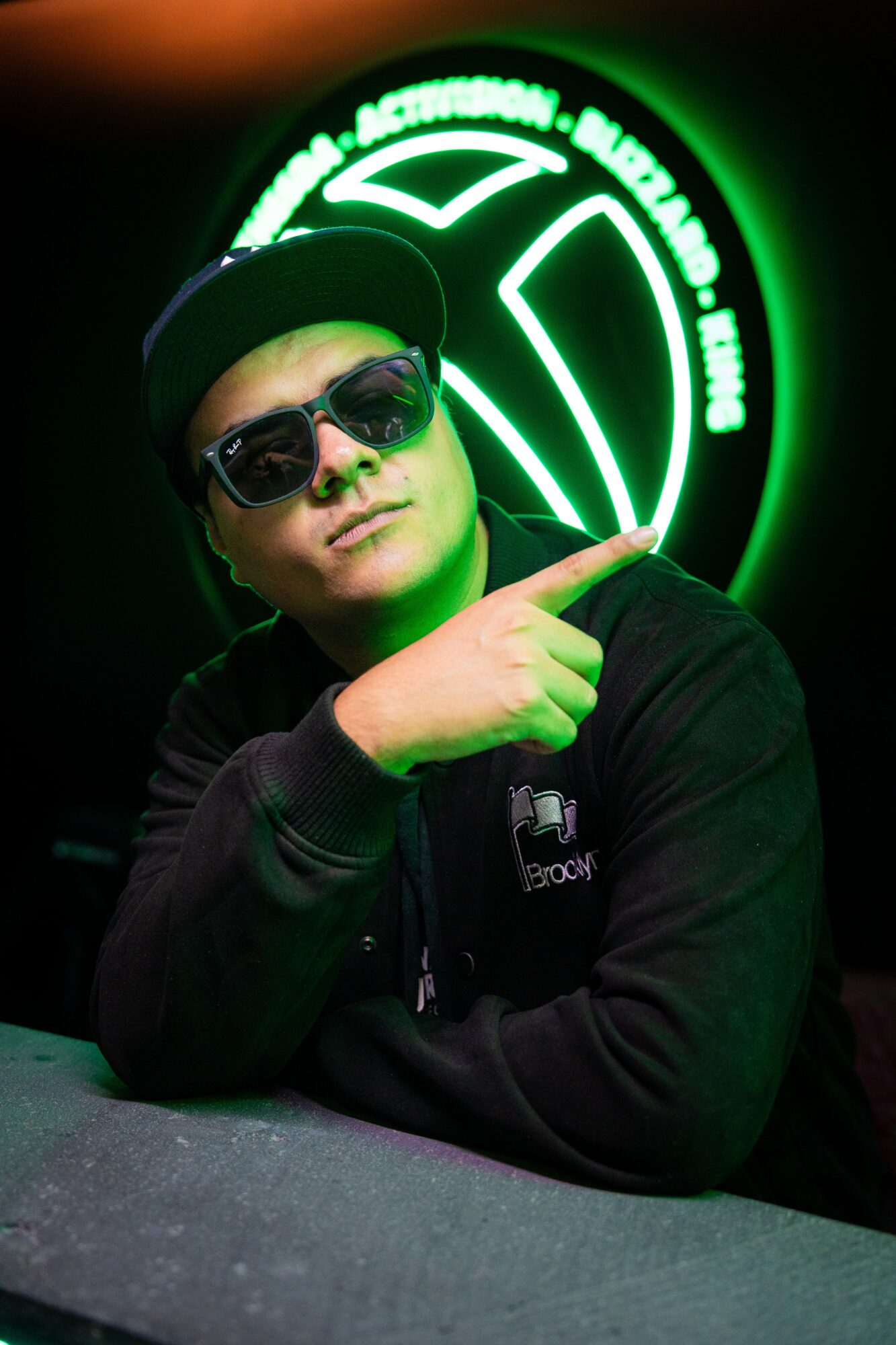





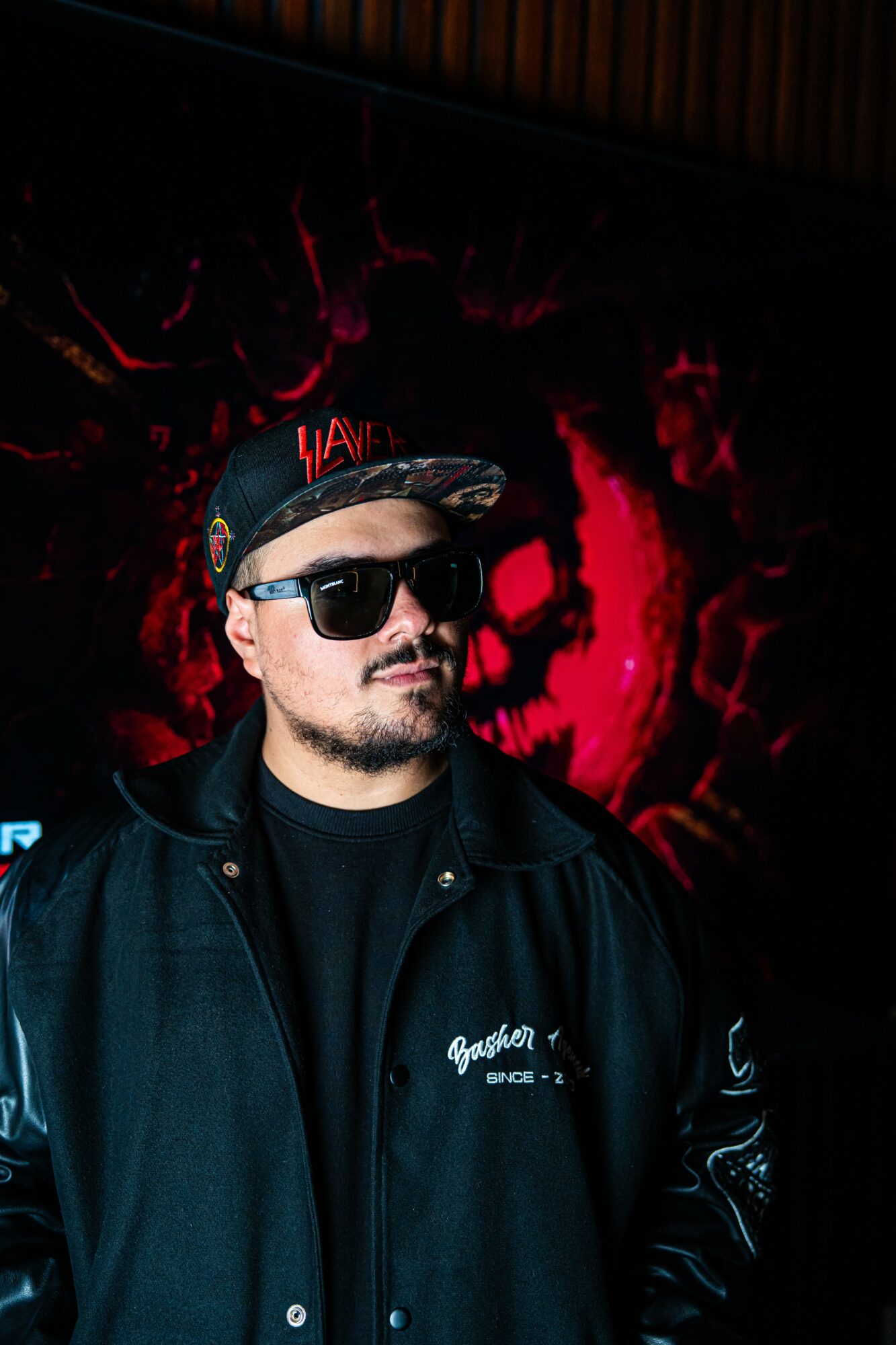
Today we’d like to introduce you to Luis Alejandro Arroyo Villegas.
Hi Luis Alejandro, so excited to have you with us today. What can you tell us about your story?
I started my professional career when I was 15, although I think the path began much earlier than that. Growing up, movies, music, art, and storytelling were never simply forms of entertainment to me. They were an essential part of how I understood the world. Even before I knew exactly what I wanted to do, I knew that my life would somehow be connected to creativity, production, and the ability to make people feel something.
More than eleven years later, I have dedicated a significant part of my life to audiovisual production, both as an on-camera talent and as a producer. I built my career on the internet through gaming and content creation, and that journey has allowed me to work with and cross paths with companies such as Microsoft, Xbox, and Epic Games, as well as many other global brands looking to connect with audiences through creators and digital talent.
Over time, my career expanded far beyond my own platforms. I became a manager for other creators, eventually moved into operations, and later held a leadership role at a global agency. That side of my career completely changed my perspective. I went from thinking primarily as a creator to understanding the larger ecosystem behind talent, brands, production, business, and culture.
It also gave me the opportunity to travel, meet people from very different backgrounds, challenge my own ideas, and give talks in different cities. I was fortunate to experience much of that while I was still in my early twenties, which meant that my professional growth happened almost simultaneously with some of the most formative years of my personal life.
I think that is an important part of my story because my generation entered adulthood during a particularly strange moment in history. COVID-19 accelerated our relationship with the internet and left us navigating an increasingly connected world while many of us were still trying to understand who we were becoming. I experienced the ambitions, crises, failures, relationships, losses, opportunities, and joys of my early twenties while building a public-facing career online. In many ways, I had to grow up personally and professionally at the same time.
I was born in Mexico City, which remains a fundamental part of who I am and where I spend a significant amount of my time. But New York has also become an important place in my life. I have spent meaningful periods of time between both cities, and many experiences that shaped the person I am today happened in New York. Living between those environments has given me two very different ways of looking at culture, ambition, creativity, and human connection.
Today, I continue my career as a creator and talent while producing projects and helping other people develop their own ideas and careers. I am also writing my first book, something that feels like a natural evolution of everything I have experienced and thought about over the years.
Outside of my professional life, I have spent a lot of time studying philosophy. I write, I read, I question things, and I try to love as deeply as I can. I have been fortunate enough to live through an unusual number of experiences in a relatively short period of time, and I try not to take that for granted.
At this stage of my life, success means something different to me than it did when I was 15. Back then, I wanted to build something meaningful and prove that I could make a life out of creativity. Today, I am more interested in longevity and impact. I want to continue creating, producing, learning, and helping others, but above all, I hope that the work I do—and the way I live—leaves something meaningful behind in the people I meet along the way.
I am still figuring out what that legacy will ultimately look like. And I think that uncertainty is part of what keeps me moving forward.
We all face challenges, but looking back would you describe it as a relatively smooth road?
No, it has definitely not been a smooth road.
One of the hardest parts of this journey is that nobody prepared me for how many experiences could be compressed into such a short period of my life. I went through things in my early twenties that people used to tell me I would probably understand in my thirties or forties. And strangely enough, as a certain degree of success began to arrive alongside those challenges, I slowly started losing two things that had always been essential to me: my capacity for wonder and, for a while, my ability to truly desire things.
That became a much bigger struggle than any professional obstacle.
For a long time, I had to learn how to see life in color again. I tend to experience the world in shades of gray—not necessarily because I believe life is hopeless, but because I have always had a tendency to question things deeply, sometimes to the point of exhaustion. Existential crises eventually contributed to a period of depression, and that forced me to confront questions that professional success simply could not answer.
What helped me navigate that period was learning to understand love from different perspectives and allowing myself to see life through the eyes of people I loved. I have been incredibly fortunate to have a group of friends who have challenged me, supported me, and allowed me to grow. I have also had important teachers in life who probably never intended to be teachers at all. My last relationship, for example, taught me enormously about love, freedom, attachment, loss, and ultimately about myself.
At the same time, there were very tangible problems behind all of those philosophical questions. There were financial struggles, health problems, illness within my family, losing people I loved, heartbreak, uncertainty, and depression. When those things begin to accumulate, the existential questions stop being abstract. They become part of your everyday reality.
One of the hardest lessons I had to learn very young was that reality does not always change according to how we perceive it.
I sometimes explain it through the color red. Red is still red if someone is color-blind and perceives it differently. Red is still red if you paint blue over it. It is still red underneath if you remember it as blue, and it does not become blue simply because you desperately wish it were.
That may sound overly philosophical, but to me it represents something very practical: learning to distinguish between reality, perception, memory, and desire. There are moments in life when accepting what something actually is can hurt tremendously, but refusing to accept it can hurt for much longer.
There is also a particular kind of loneliness that can come from living a highly stimulating life. When you experience unusual things at a young age, sometimes it becomes difficult to explain why you are struggling. People see the opportunities, the travel, the career, or the accomplishments and naturally assume that your grass must be greener. The strange part is knowing that your grass actually is green—being genuinely grateful for your life—and still recognizing that something inside you does not feel right.
That contradiction was difficult for me to understand.
Eventually, I realized that gratitude and pain are not mutually exclusive. You can recognize that you have been incredibly fortunate and still be hurting. You can love your life and still struggle to live it. And you can be surrounded by people while experiencing an enormous sense of solitude.
The challenge then becomes learning how to move through those periods without destroying yourself along the way. It is very easy to lose yourself in addictions, destructive habits, unhealthy relationships, impulsive decisions, or anything that temporarily makes the noise disappear. One of the things I am most grateful for is that I was eventually able to confront what I was experiencing rather than build my life around escaping it.
Working through that process played an important role in eventually finding my way out of depression.
Today, I try to build my life almost like a pyramid. Career and success can be important parts of it, but they cannot be the foundation. Health, family, meaningful relationships, friendship, self-respect, and the ability to live peacefully with yourself are the pillars that actually hold everything else up. Losing or struggling with some of those things taught me their value far more effectively than success ever could.
So when I think about the struggles along the way, I do not immediately think about algorithms, business decisions, failed projects, or career setbacks. Those things matter, but they are rarely the things that fundamentally change us. I think about illness. Death. Heartbreak. Depression. Financial uncertainty. Loneliness. Love. And the difficult process of accepting reality when reality is not what you hoped it would be.
Those experiences have probably shaped me more than any accomplishment on my résumé.
I am still learning how to navigate all of it. Life gives us plenty of road signs, even if there may ultimately be no predetermined destination. I think my responsibility is simply to keep paying attention to them, continue moving forward, and try not to lose myself—or my capacity to love, wonder, and care about other people—somewhere along the way.
Thanks for sharing that. So, maybe next you can tell us a bit more about your work?
At the most visible level, I am a content creator. I have built an online community under the name ElGamerWICHO, with more than 185,000 subscribers on YouTube and a presence across several social platforms. A significant part of my work has been built around something very specific: my love for Gears of War.
What is interesting, though, is that something as seemingly simple as loving a video game became the starting point for almost everything else in my professional life.
Specializing in that world gave me the opportunity to understand how communities are built and how storytelling, entertainment, and communication can turn a niche interest into something much larger. Eventually, that experience took me beyond digital content and into traditional media. I had the opportunity to gain professional experience in audiovisual production for national television in Mexico, as well as radio and other media. Over time, I also began managing other talent, producing content, developing events, and helping people transform their own ideas into high-quality audiovisual projects.
Today, I also run an audiovisual production company in Mexico with a business partner. That has allowed me to experience both sides of the camera: being the person audiences recognize and being the person behind the scenes figuring out how to turn an idea into something real.
My life has developed into this unusual duality. There is the public version of me: the guy on the internet who talks about Gears of War. Then there is this entire parallel career that has emerged because of the communication skills, relationships, curiosity, and willingness to say yes to challenges that I developed through that first identity.
That second path has taken me to places I never could have predicted when I started making videos. I have had opportunities to speak alongside a former president of Mexico and to participate in international conferences and professional environments across Europe, the United States, Mexico, and Venezuela. In Venezuela, I was invited as a representative of young entrepreneurs because of an app that, at the time of this interview, I am still developing with friends and collaborators with whom I have also shared significant periods of my life in New York.
So when people ask me exactly what I do, I sometimes struggle to reduce it to a job title.
I create. I communicate. I produce. I build communities. I work with talent. I develop ideas and, whenever possible, help turn those ideas into something tangible.
I think what I am most proud of is not necessarily one particular number, project, company, conference, or accomplishment. It is the fact that I have been able to take something incredibly specific that I genuinely loved as a teenager and use it as a doorway into an entire life that I could never have designed in advance.
And perhaps what sets me apart is my relationship with that success.
I do not believe my story is purely meritocratic. I think that narrative can become dangerous because it encourages us to believe that everyone receives exactly what they deserve if they simply work hard enough. Life is much more complicated than that. I have worked extremely hard, but I have also been fortunate. I have been in the right place at the right time. I have met the right people. I have been exposed to circumstances that other equally talented and hardworking people may never encounter.
Acknowledging that does not diminish the work behind what I have accomplished. If anything, it gives me a greater sense of responsibility toward it.
What I eventually learned was that I could not control whether I would always be in the right place at the right time, but I could work on becoming the right person when those moments arrived.
I could learn. I could listen. I could become better at communicating. I could treat people well. I could develop the skills necessary to contribute something meaningful when someone opened a door for me. And over time, something interesting happened: by trying to become the right person for the people already around me, more of the right people began appearing in my life.
That philosophy has probably shaped my career more than any business strategy.
I am proud of the audience I have built and the projects I have produced, but I am even more proud that the teenager who started talking about a video game somehow grew into someone capable of sitting in very different rooms, with very different people, and still finding a way to communicate, contribute, and belong.
I still talk about Gears of War. I still make videos. And I genuinely love that part of my life.
It just turns out that the video game was never the destination. It was the first door.
Can you talk to us a bit about happiness and what makes you happy?
What makes me happy today is surprisingly simple: sitting with my friends, having a meaningful conversation, and laughing until, for a moment, nothing else seems particularly important.
It took me a long time to understand why something so ordinary could mean so much to me.
At some point, I accepted that we are constantly moving toward destinations marked by all kinds of signs along the road—success, relationships, money, recognition, purpose—even though some of those destinations may not actually exist in the way we imagine them. The only destination we can be absolutely certain of is death, which is something most of us understandably prefer not to think about.
Oddly enough, becoming comfortable with that thought made me appreciate being alive much more.
It is probably why I am almost addicted to deep conversations. I love reaching that point in a conversation where the person in front of me removes the social mask for a moment and we experience what I would describe as a kind of intellectual intimacy. Not necessarily agreement, and not necessarily vulnerability for its own sake, but two people genuinely allowing each other to see how they understand the world.
Those moments fascinate me because they are real, and reality is temporary.
I also stopped thinking about happiness as a permanent state that I am supposed to achieve. Happiness, to me, happens in moments. Trying to make it permanent can turn us into dogs chasing cars: we become obsessed with catching something without ever asking ourselves what we are supposed to do once we finally catch it. The excitement lasts for a moment, and then we immediately need another car to chase.
So I stopped making happiness the destination.
What I am trying to pursue instead is peace.
I do not know whether I will ever completely reach it, and perhaps that is the point. There is something strangely peaceful about pursuing peace rather than demanding constant happiness from life. It has allowed me to stop asking every good moment to last forever and simply experience it while it is happening.
A great conversation makes me happy. A ridiculous joke with my closest friends makes me happy. Seeing my mother, my father, and my sister doing well makes me happy. Creating memories with the people I love makes me happy.
And because I no longer expect those moments to become a permanent condition, I think I can appreciate them more honestly.
Maybe happiness was never supposed to be somewhere we arrive.
Maybe it is simply what occasionally happens while we are on the road.
Contact Info:
- Website: https://twitch.tv/elgamerwicho
- Instagram: https://www.instagram.com/eg_wicho/
- Facebook: https://www.facebook.com/profile.php?id=100057645961023
- Twitter: https://x.com/EG_wicho
- Youtube: https://www.youtube.com/@ElGamerWICHO