



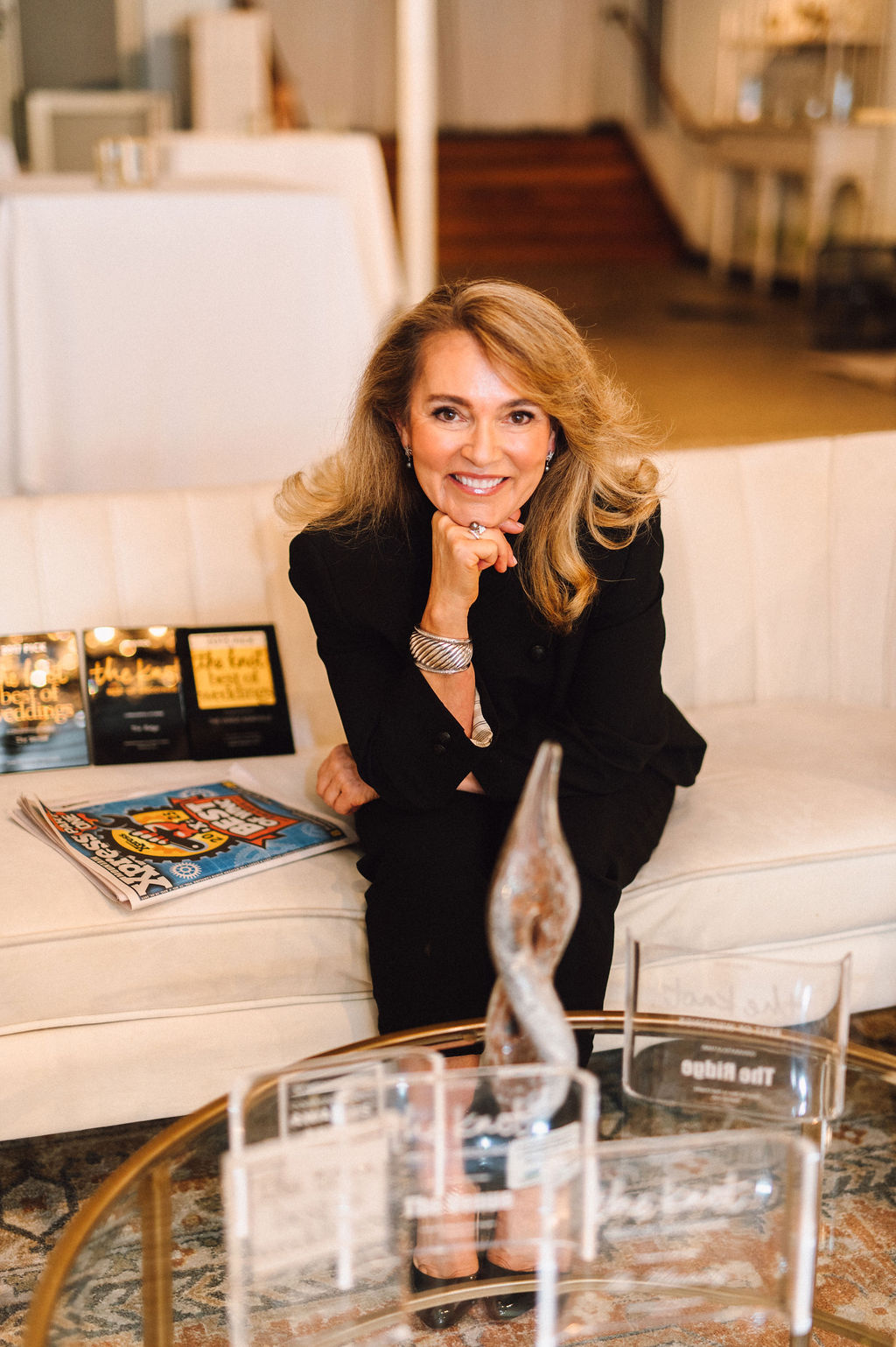
Today we’d like to introduce you to Marta Santamaria.
Marta, we appreciate you taking the time to share your story with us today. Where does your story begin?
Absolutely. Based on what you’ve shared with me about your journey, I would make it **personal, entrepreneurial, and authentic**, rather than making it sound like a corporate biography.
How I Started in the Wedding Industry
I never set out to become a wedding industry entrepreneur. In fact, when I first started my career, I could not have imagined that weddings would become such a defining part of my life.
My story began in the restaurant business. I was a young immigrant from Colombia, learning a new language and building a life in the United States. I learned very quickly that if I wanted to succeed, I had to be willing to work hard, figure things out as I went, and create opportunities rather than wait for them.
Over the years, I became fascinated by the hospitality business, not simply the food or the physical space, but by the experience we create for people. I discovered that there is something incredibly powerful about bringing people together and creating an environment where they can celebrate the moments that matter most.
That eventually led me to weddings.
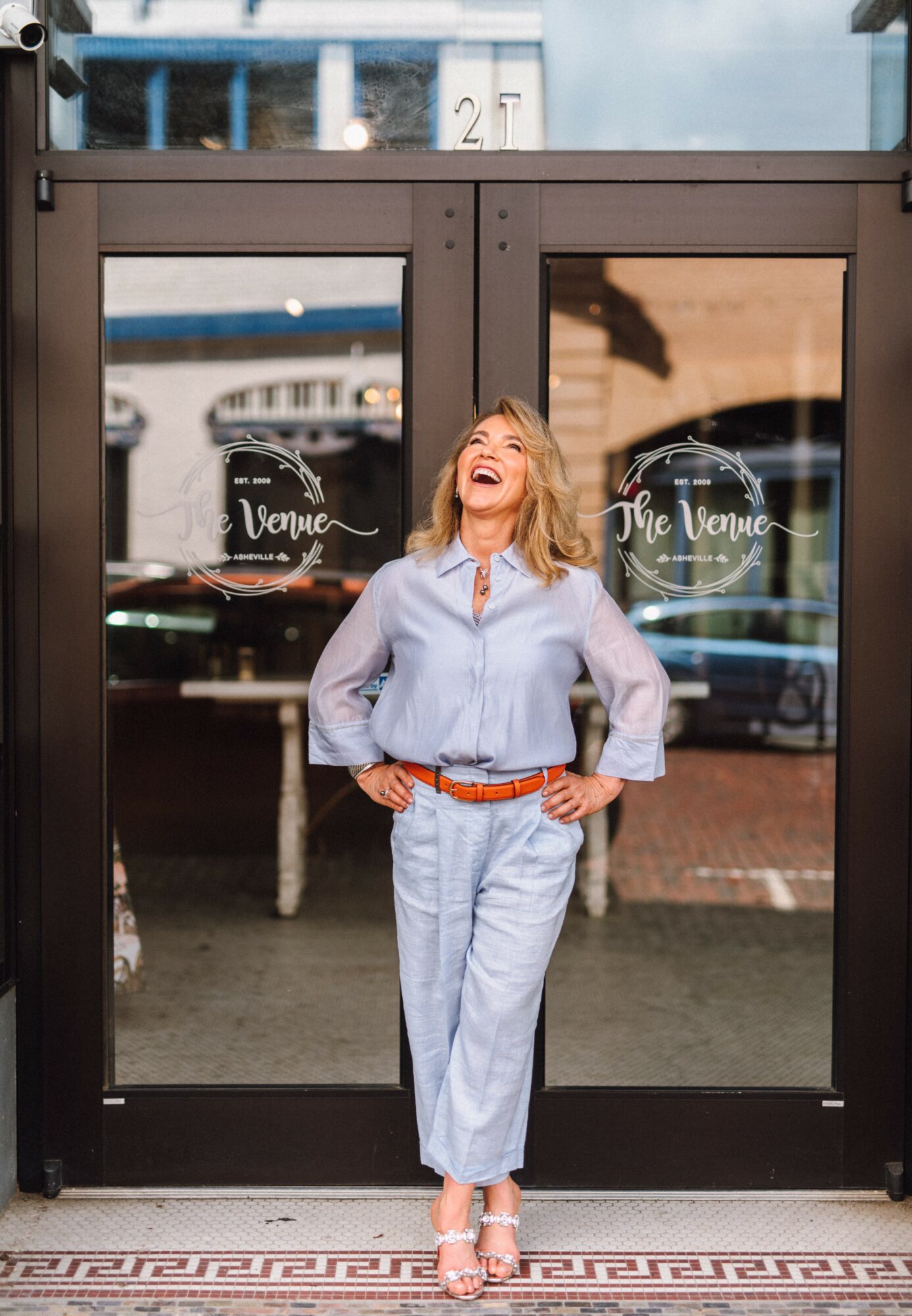
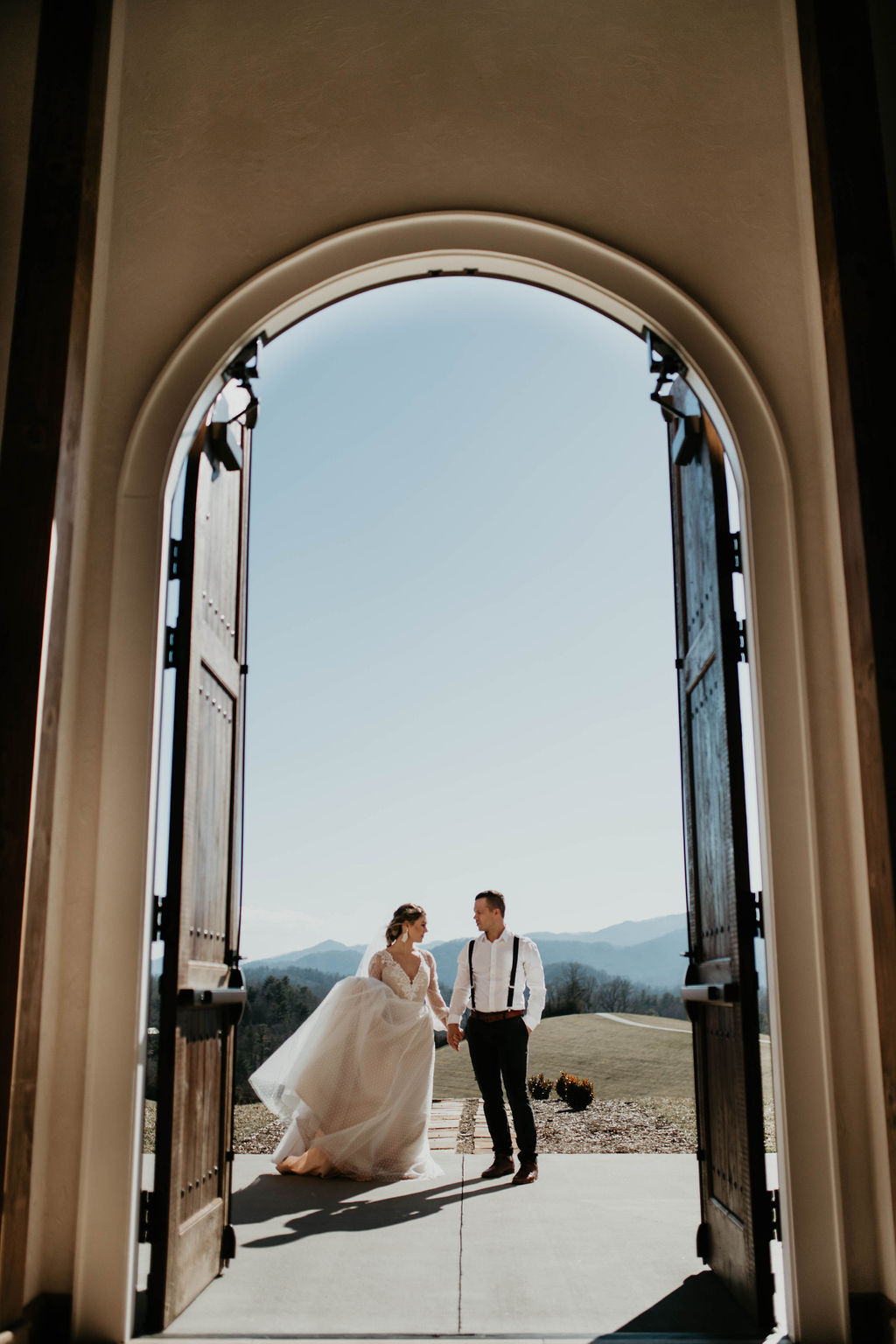
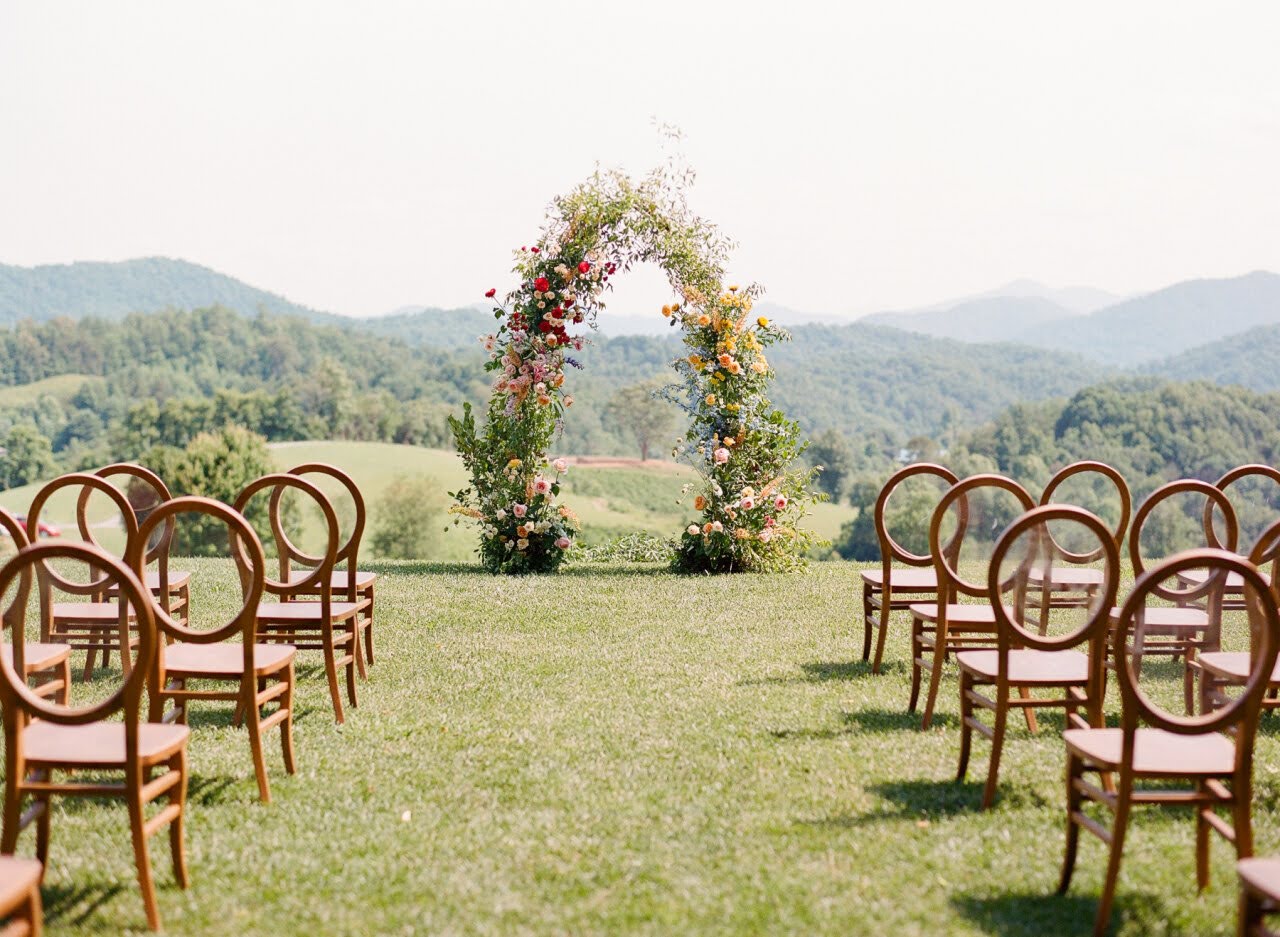
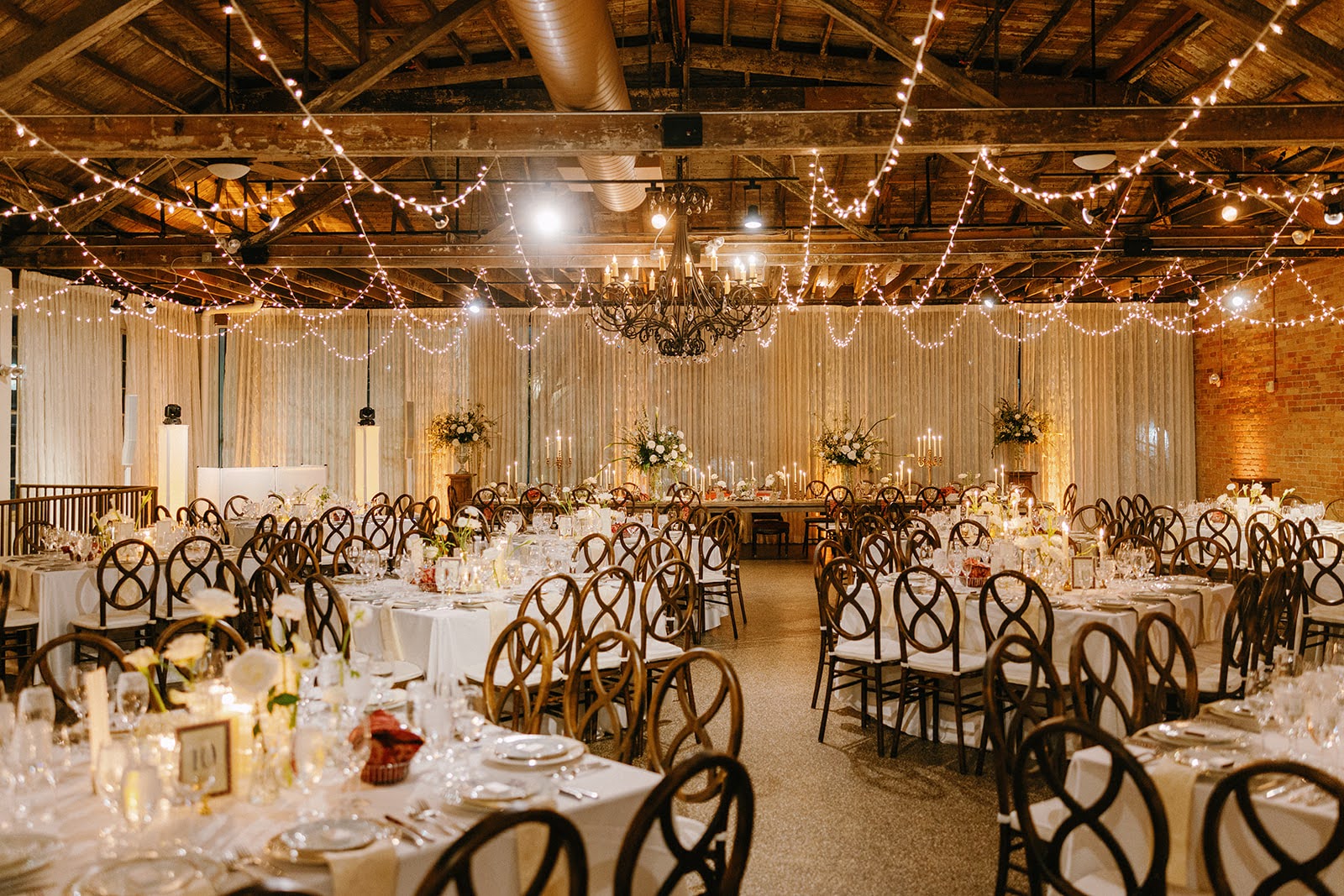
In 2009, I took a leap of faith and opened **The Venue in downtown Asheville**. At the time, I didn’t have a blueprint for building a successful wedding venue. I had an understanding of hospitality, a strong work ethic, an entrepreneurial instinct, and, perhaps most importantly, a genuine love for people.
The building itself had character and history. We saw something in it that others didn’t necessarily see a place that could become more than a building. We transformed it into an industrial-chic event space where couples could create weddings that felt personal and distinctive.
And then I learned the real business of weddings.
A wedding is not simply an event on a calendar. It is one of the most emotionally important days in a person’s life. Couples arrive with expectations, dreams, family dynamics, budgets, personalities and sometimes a tremendous amount of stress. Our job was to take all of that and turn it into an experience where, for a few hours, everything felt effortless.
That became my passion.
I learned how to listen to couples, how to anticipate problems before they happened, how to negotiate with vendors, how to build relationships, how to create systems, and how to protect a business through strong contracts and good management. I also learned that the most successful wedding businesses are built on something much deeper than beautiful photographs. They are built on **trust**.
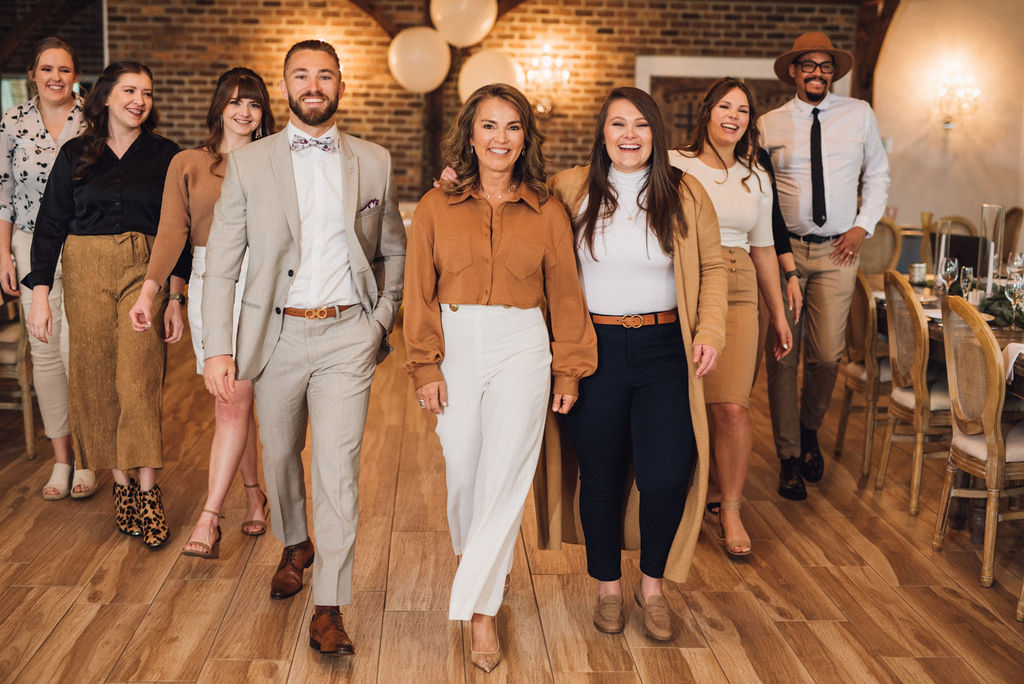
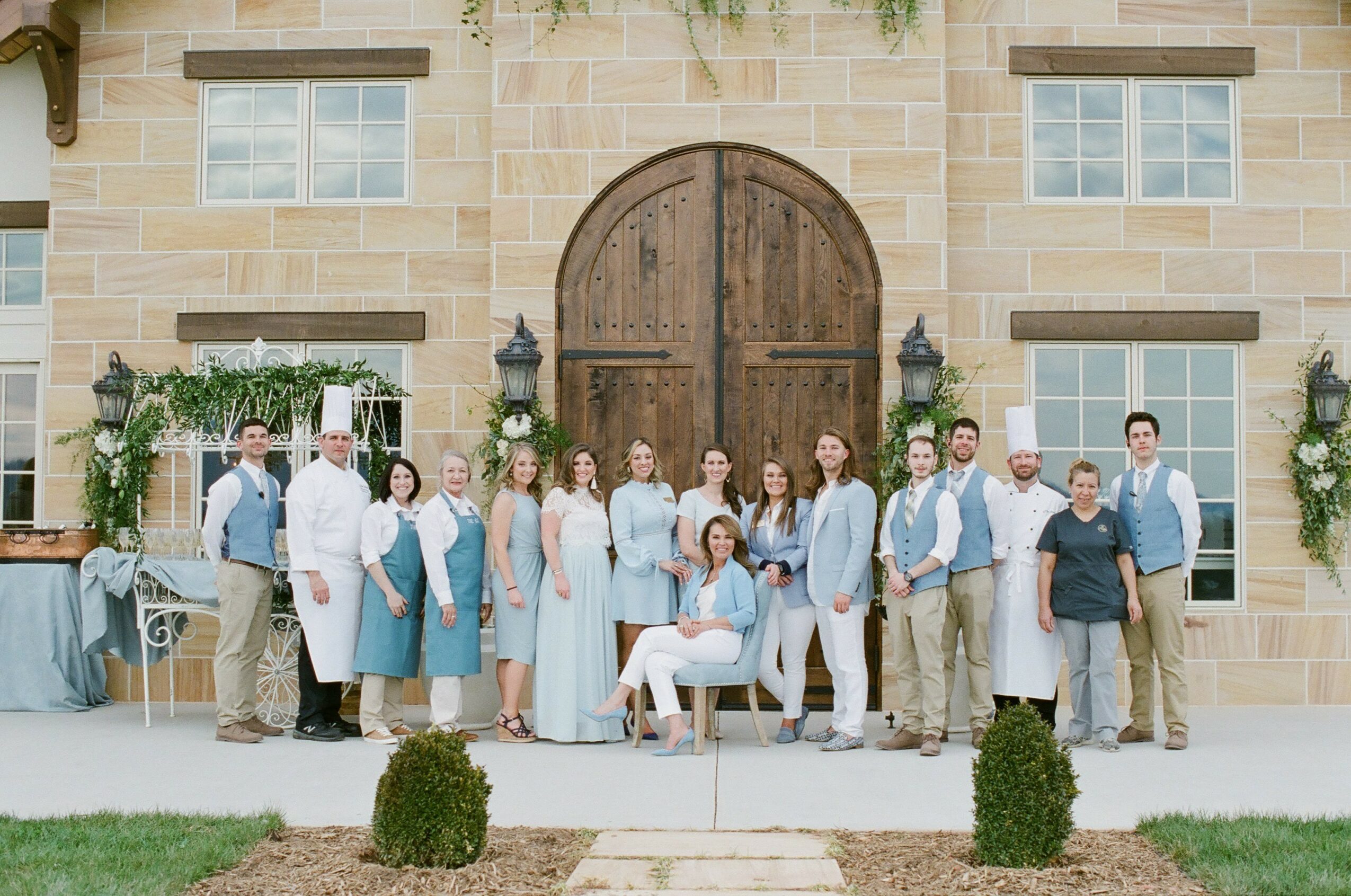
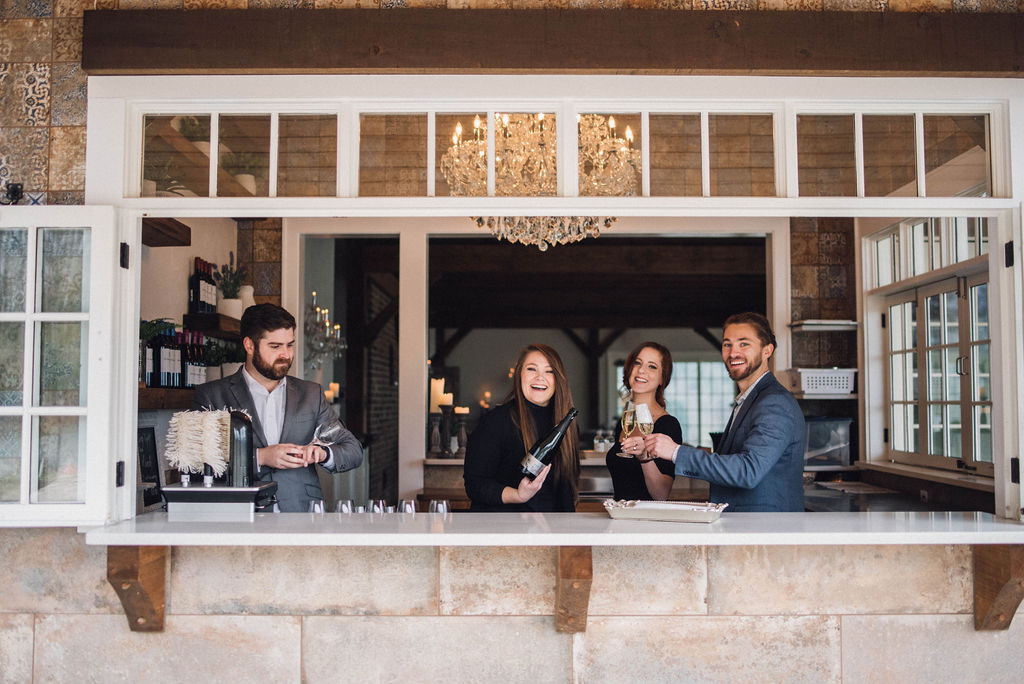
Over the years, The Venue became more than a business for me. It became a community. We worked with countless couples, planners, photographers, caterers, florists, musicians and other professionals, and I began to understand just how interconnected the wedding industry really is.
I also learned that entrepreneurship is rarely a straight line.
There were wonderful years, difficult years and moments when I had to completely rethink the business. Hurricane Helene was one of the most challenging chapters. Asheville’s wedding industry was deeply affected, and we experienced firsthand how quickly circumstances outside of our control can change a business. It forced me to step back and look at what I had built, what I wanted for the future and what I wanted my next chapter to look like.
Today, I see my journey in the wedding industry differently than I did when I started.
I continue to be interested in running a venue, but now it is time for me to ** share what I’ve learned**.
There are so many lessons behind the beautiful weddings: the contracts, the negotiations, the vendors, the staffing, the finances, the client relationships, the unexpected emergencies, and the countless decisions that happen behind the scenes.
After more than a decade in the industry, I have come to believe that the real magic of weddings isn’t just what happens on the wedding day.
**It’s everything that happens behind the scenes to make that day possible.**
And that is the part of the wedding industry I continue to love.
Can you talk to us a bit about the challenges and lessons you’ve learned along the way. Looking back would you say it’s been easy or smooth in retrospect?
### Has it been a smooth road? If not, what were some of the struggles along the way?
Absolutely not. And I think that is one of the most valuable lessons entrepreneurship has taught me: **nothing worthwhile is built on an easy road.**
There have been many challenges throughout my career, but Hurricane Helene has been, without question, the greatest challenge I have ever faced in business. What made it particularly difficult was that we had spent years building The Venue, growing our team, developing our reputation and creating a business that was moving forward with tremendous momentum. It felt like we had finally built something that could run almost like a well-oiled machine.
Then, almost overnight, everything changed.
We went from a team of 12 people to a team of 4. We lost an enormous amount of business during what should have been one of our strongest seasons. The community around us was struggling, our clients were struggling, and we were trying to figure out how to keep the business alive while so much of our environment was uncertain.
It was heartbreaking.
But it also taught me something I don’t think I could have learned any other way: **you have to understand the bones of your business.**
When everything is working, it is easy to focus on growth—more employees, more events, more revenue, more clients, more opportunities. But when something takes all of that away, you find out very quickly what actually makes the wheel turn.
What are the essential things the business cannot operate without?
Who are the people who truly move the business forward?
What expenses are essential and which ones are simply nice to have?
What does the customer actually value?
What can you eliminate, simplify or change without losing the heart of what you built?
When you have a team that is loyal and hard workers, Understanding who goes and who stays
Hurricane Helene forced us to answer those questions.
We had to **adjust, pivot and become incredibly resourceful**. We had to let go of the way we had always done things and concentrate on what mattered most. It wasn’t about rebuilding the business exactly as it was. It became about figuring out what the business needed to become next.
And that is an important lesson for any entrepreneur: **adaptability is not a sign that your original vision failed. It is what allows your vision to survive.**
There were days when it would have been very easy to become discouraged. But I kept reminding myself that businesses, just like people, go through seasons. Sometimes you are building. Sometimes you are growing. Sometimes you are protecting what you’ve built. And sometimes you have to start rebuilding from the ground up.
I also learned that leadership looks very different during a crisis. When you have a large team, you can distribute responsibilities. When suddenly you have four people, everyone has to understand the entire business. You can’t just know your own department anymore. You have to know the **bones** of the company.
And ultimately, that became one of the greatest lessons of Helene for me.
**Build a business that you understand deeply—not just one that you know how to grow.**
Because growth can make a business look healthy, but understanding what makes it work is what makes it resilient.
We are still on the recovery journey. I don’t pretend that everything went back to normal overnight, because it didn’t. But I have learned to appreciate the rebuilding process. It has made me a better entrepreneur, a better leader and, I believe, a more grounded person.
If there is one thing I would tell another entrepreneur facing a difficult season, it would be this:
**Don’t waste the crisis.**
Use it to look underneath the surface. Revisit your assumptions. Simplify. Learn what truly matters. Protect the core of your business. And don’t be afraid to change direction.
Sometimes the road doesn’t take you where you originally planned to go.
**That doesn’t mean you are lost. It may mean you are being given the opportunity to build something stronger.**
Appreciate you sharing that. What else should we know about what you do?
What do you do, and what sets you apart from others?
My professional life has always been rooted in one thing: **creating experiences and building businesses around people.** I am an entrepreneur, investor, and hospitality professional, but at the heart of everything I do is my ability to see potential where others may not.
I entered the hospitality industry years ago, and eventually, in 2009, I founded The Venue in downtown Asheville. Over the years, I grew it into a successful wedding and event business and became deeply immersed in every aspect of the industry from sales and operations to contracts, staffing, vendor relationships and the countless details that happen behind the scenes of a wedding.
What I specialize in is perhaps less about one particular service and more about **understanding how all the pieces of a business have to work together.** I have learned that a beautiful product alone doesn’t make a successful business. You need strong systems, good people, financial discipline, excellent relationships and the ability to adapt when circumstances change.
I am particularly proud of the fact that I built my business from the ground up while navigating the many challenges that come with entrepreneurship. I am proud of the team and community we built around The Venue, and of the relationships I’ve developed throughout the wedding industry.
But what sets me apart is probably my ability to **pivot without losing sight of the bigger picture.**
Hurricane Helene was a profound example of that. We went from a thriving business with a team of 12 to operating with a dramatically smaller team almost overnight. It forced me to go back to the fundamentals—to understand the “bones” of my business and identify what truly made the wheel turn. It taught me that resilience isn’t simply about holding on. Sometimes resilience means having the courage to change.
Today, I am entering a new chapter in my professional life. I am increasingly interested in sharing the knowledge I’ve gained over the years and helping others understand the business behind the beautiful moments we see in the wedding industry.
I believe there is enormous value in the lessons that don’t show up in the photographs: **how to build strong contracts, protect your business, lead people, navigate difficult clients, manage through uncertainty, and create a business that can withstand the unexpected.**
What I am most proud of isn’t simply the businesses I’ve built. It is the fact that I have continued to evolve.
I’ve learned that success isn’t about building something that never changes. **It’s about building something strong enough to change with you.**
Are there any important lessons you’ve learned that you can share with us?
One of the most important lessons I’ve learned is that you cannot build a great business by trying to do everything yourself.
When you are an entrepreneur, especially in the beginning, it is very easy to believe that no one will care about the business as much as you do. You know every detail, every client, every problem, and every decision. You become accustomed to being the person who steps in and fixes everything.
But eventually, you have to learn to let go.
For me, one of the most important lessons has been learning to trust the team I built. It meant giving people real responsibility—not just assigning tasks—and allowing them to make decisions, solve problems, take ownership and sometimes do things differently than I would have done them.
I learned that leadership isn’t about having all the answers. It’s about recognizing the talent and value that exists in the people around you and giving them the space to use it.
Hurricane Helene made that lesson very real for me.
When you are suddenly faced with a crisis of that magnitude, you quickly realize that you cannot do everything yourself. You have to divide and conquer. And strangely enough, it was during one of the most difficult periods of my professional life that I had the opportunity to see just how much talent, resilience and creativity existed within the people I had surrounded myself with.
I have to give special credit to my daughter, Deandra Bodenhorst. She was truly the glue that helped keep everything together during the recovery. Her resilience, her ideas, her ability to adapt and her determination played an enormous role in helping The Venue survive that period and continue moving forward. Watching her step up during such an uncertain time was one of the things that made me realize that sometimes the people you’ve been preparing and investing in are capable of carrying much more than you ever imagined.
And it wasn’t just Deandra. I saw the same commitment in the managers and team members who stayed with us through the storm. They could have walked away. Instead, they stayed, adapted and helped us navigate circumstances none of us had ever experienced before.
That experience changed my understanding of leadership.
When you divide and conquer, you don’t divide the mission; you multiply the talent.
You give people the opportunity to step into their strengths. You discover that someone who may have been excellent at one responsibility has an entirely different talent you had never seen because you were too busy doing everything yourself.
For years, I had carried the mindset that if I wanted something done correctly, I needed to be involved. Helene taught me something much more valuable: I could not do it all, and I shouldn’t have been doing it all.
The responsibility of a leader is not to become indispensable. It is to build a team that is capable, confident and empowered enough to move forward together.
I learned to let go, not because I cared less, but because I had learned to trust more.
And perhaps that has been one of the greatest gifts of the most difficult chapter of my career. I didn’t just discover how resilient my business could be. I discovered how resilient and talented the people who helped build it could be.
That was not always easy.
There is a difference between delegating a task and delegating responsibility. Delegating means saying, “Do this for me.” Trusting your team means saying, “This is yours. I trust you to figure it out.”
That shift changed the way I led.
I also learned that if you build the right team and constantly feel the need to step in, you are actually limiting the very people you hired. You have to give people room to grow into their responsibilities. And sometimes you have to let them make a mistake so they can learn from it.
The other lesson has been learning to trust the process and be patient.
As an entrepreneur, you naturally want results. You want the investment to pay off, the business to grow, the problem to be solved and the next opportunity to arrive. But businesses, and people, don’t always grow according to our timeline.
I’ve learned that there are seasons for building, seasons for growing, seasons for protecting what you’ve built and seasons for simply being patient.
Hurricane Helene reinforced that lesson for me. When so much of what we had built was disrupted almost overnight, I had to accept that I couldn’t force the recovery to happen on my schedule. We had to take one step at a time, make the best decisions we could with the information we had, trust our team and keep moving forward.
I think patience is often misunderstood. Patience doesn’t mean standing still. It means continuing to do the work while understanding that not everything happens immediately.
Today, I try to lead with much more trust: trust in my team, trust in the systems we’ve built, trust in my own experience and trust that sometimes the path becomes clear only after you start walking it.
The greatest freedom I’ve found as an entrepreneur has come from realizing that I don’t have to hold everything in my hands anymore.
I can build capable people, give them the responsibility to carry the business forward, and allow myself to step back and see the bigger picture.
And perhaps that is the ultimate evolution of an entrepreneur: going from being the person who makes everything happen to becoming the person who builds something capable of happening without you.
Contact Info:
- Website: https://ashevillevenue.com/
- Instagram: thevenueavl
- Facebook: https://www.facebook.com/AshevilleVenue/about?_rdr
- LinkedIn: https://www.linkedin.com/company/12577068/admin/dashboard/