




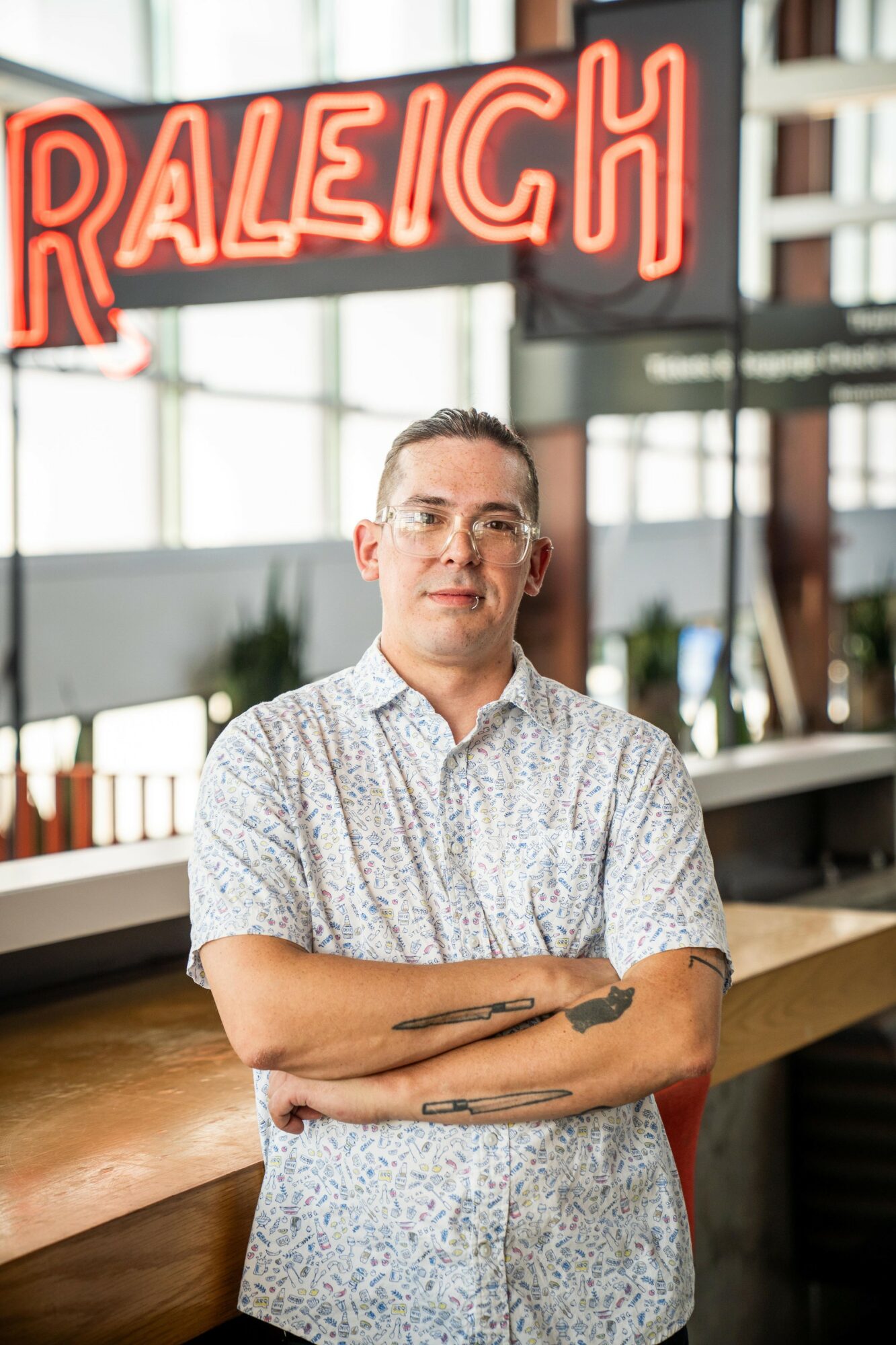
Today we’d like to introduce you to Caleb Vasquez.
Hi Caleb, please kick things off for us with an introduction to yourself and your story.
My entry into the culinary world wasn’t a grand plan; it was an accident born out of necessity and survival. Fresh out of high school, I walked into Geppetto’s—a chaotic local institution in Ashland, Oregon, that’s now just a ghost lost to time. I interviewed to be a server. Naturally, they shoved me into the dish pit instead. I spent a week buried in steam, grease, and clattering porcelain, quietly memorising the closing routine.
One night, the line cook on duty just went dark—a no-call, no-show. The kitchen was grinding to a halt. I walked straight into a back-room business meeting where the owner was holding court, completely oblivious to the impending disaster on the line. I looked him in the eye and said, ‘Hey, I can do this.’ He gave me a silent thumbs-up from across the table, and just like that, I was thrown into the fire.
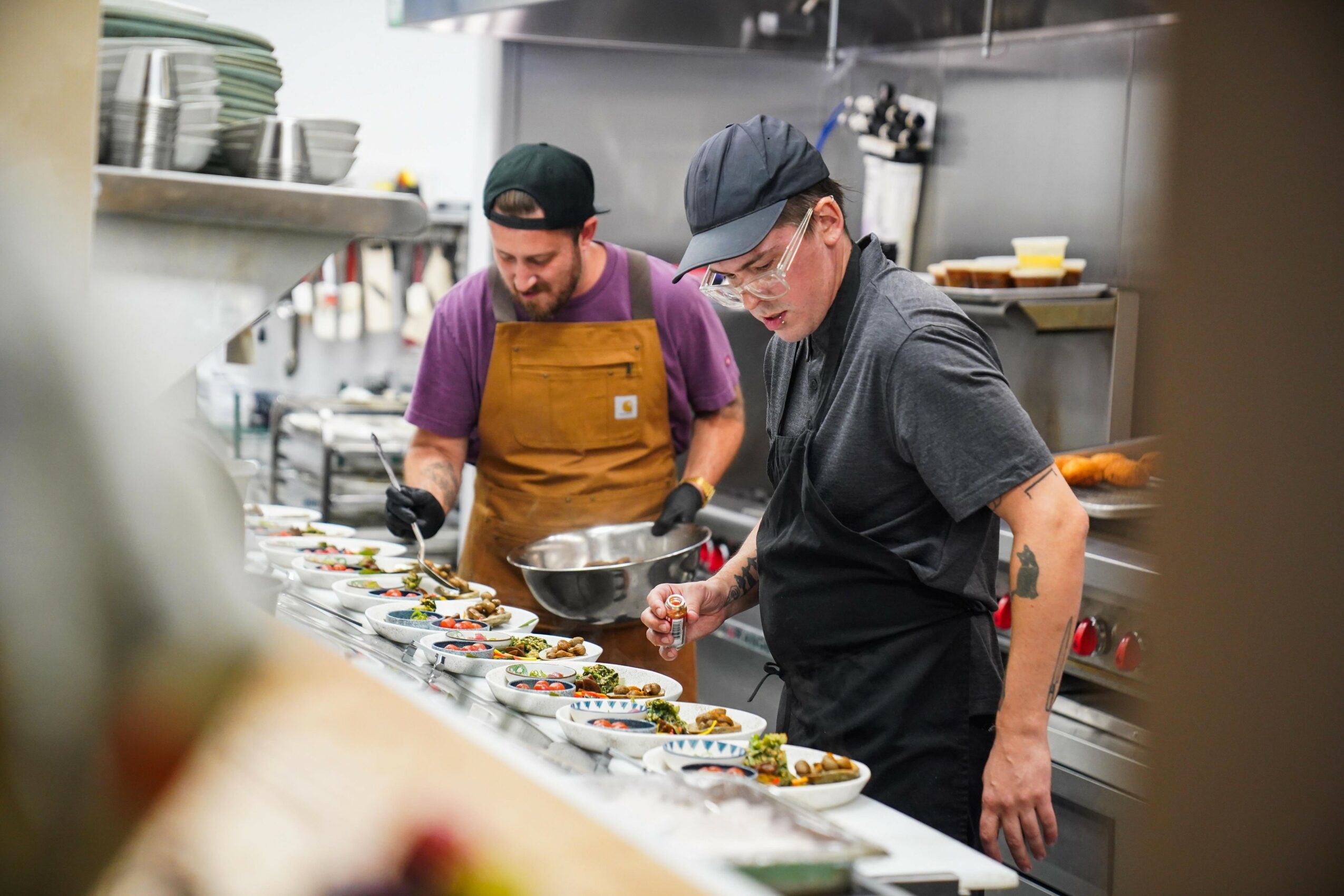
The heat and adrenaline hooked me immediately. I spent the next few years grinding on the line to fund my bachelor’s degree in painting and sculpture. After graduating, I spent over a decade in the trenches of Portland’s food scene, working as a chef and sous-chef across the spectrum of Japanese cuisine—from the silent precision of high-end sushi bars to the smoky, high-velocity chaos of izakayas and late-night ramen joints.
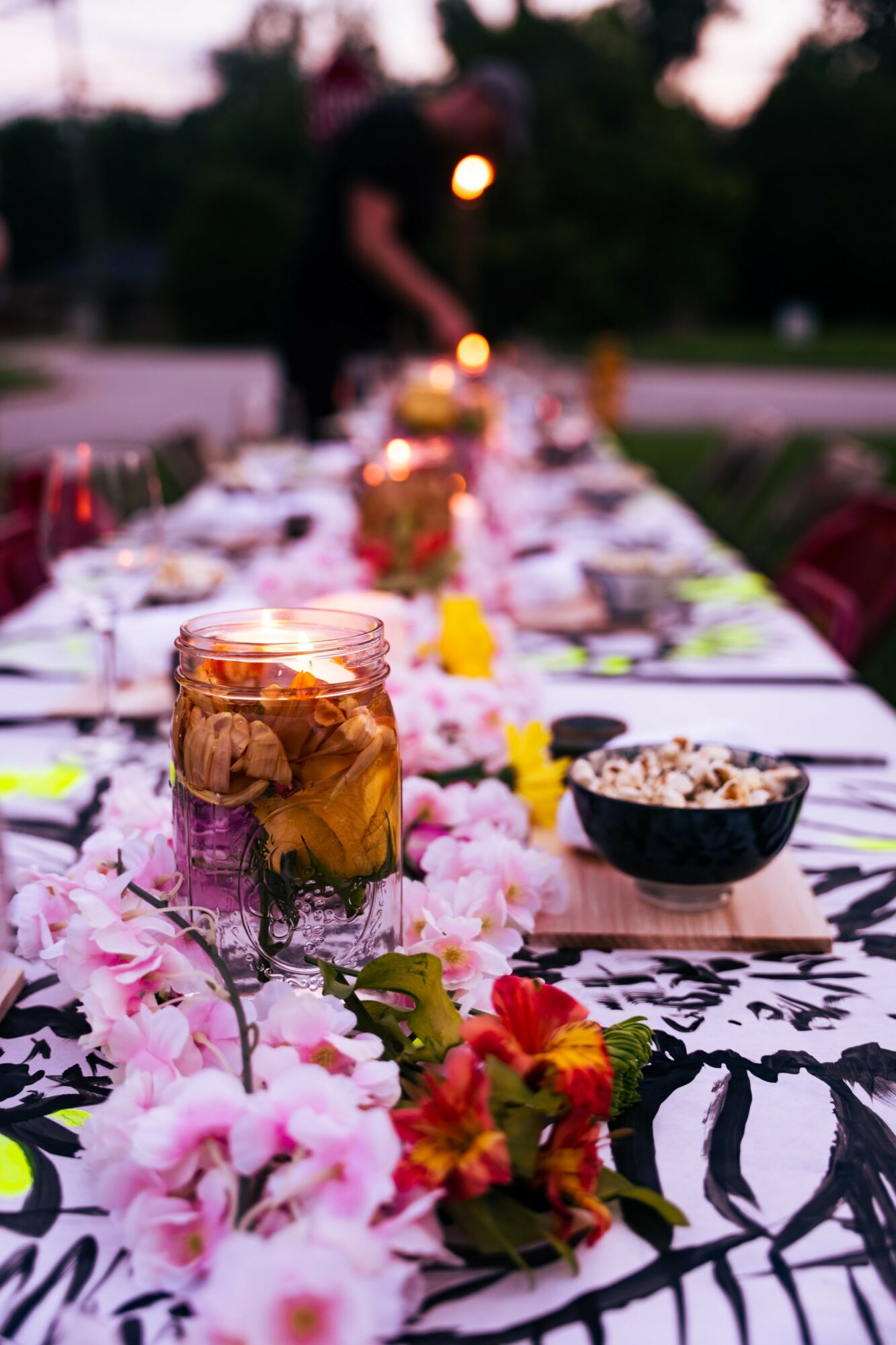
Eventually, I packed up and headed east, looking for a new landscape. I landed in Raleigh in December, 2019 – took a job cooking at Stanbury. It was an incredible, gracious chapter. Chef Drew was amazing to learn from, and the camaraderie in that kitchen was absolute gold—the kind of rare team dynamic that reminds you why you love this industry. But traditional restaurant kitchens eventually feel like a cage for my specific vision. My real obsession was to take my fine arts background and turn dining into a living, breathing installation. That broke wide open during a rogue, supper-club-style dinner at the home of my friend Geremy Prichard. That night, I finally had the canvas to manipulate the physical environment, crafting a fully immersive atmosphere through visual art and hyper-intentional table settings. It was also the night I brought in Nicole Pletcher to orchestrate the beverage pairings. The table cracked open with energy. People weren’t just eating; they were locked into an experience. Afterward, Geremy pulled me aside and told me flat-out that I needed to run with this concept. The immediate flood of private dinner inquiries told me everything I needed to know: the traditional kitchen line was behind me.
Alright, so let’s dig a little deeper into the story – has it been an easy path overall and if not, what were the challenges you’ve had to overcome?
Not even close. The road has been a brutal mix of financial tightropes and profound personal loss. On the business side, nobody is cutting me checks. I am completely self-made, self-funded, and still chipping away at student loans like everyone else. Building an immersive, high-end dining concept from scratch out of your own pocket means playing a dangerous chess game with credit cards, banking hacks, and absolute financial cunning. Every single plate, ingredient, and venue rental has been financed on my own dime and my own risk.
But the financial grind is nothing compared to the emotional toll. Nikki was my partner in this. She was amazing, beautiful, and I miss her dearly. When we worked on menus together, our creative energy was seamless, inseparable, and unlike anything I have ever experienced with anyone else. When she passed away just six months after we were married, the world went completely dark. I walked away from the kitchen for a year just to survive the grief.
Taking our planned honeymoon trip to Japan alone last Fall was the hardest thing I’ve ever done. Navigating that landscape through a heavy fog of sadness was crushing, but it forced me down to the bare metal of human connection. I sat with locals, drank with them, shared my story, and ended up crying with strangers who didn’t even speak my language but understood the weight of it. Food became the bridge. That raw, communal vulnerability in Japan ultimately saved me and reignited the fire. Coming back to Raleigh to restart these dinners was a fight, and it still is—it’s a daily choice to channel that grief back into the art, funding it all with my own sweat, and keeping our shared vision alive.
I feel community around me has been my emotional safety net and in such, I desire to create dinners that are an ode to our community and also Nicole.
Can you tell our readers more about what you do and what you think sets you apart from others?
What sets me apart from standard chefs is that I don’t view dining as a service; I view it as a temporary, site-specific art installation. My background is in fine arts. During my bachelor’s degree, I hyper-focused on learning every technique possible—oil painting, watercolors, casting, welding, and jewelry. I leaned heavily into abstract art and became obsessed with the physical architecture of space and how human emotion interacts with it.
I was always the guy who bypassed the daily routine only to show up under high-stakes deadlines with something completely unhinged. For a final critique requiring ‘100 paintings,’ I was the only student to actually build all 100, showing up at 2 AM to painstakingly nail and staple the supports for a massive, elaborate mosaic.
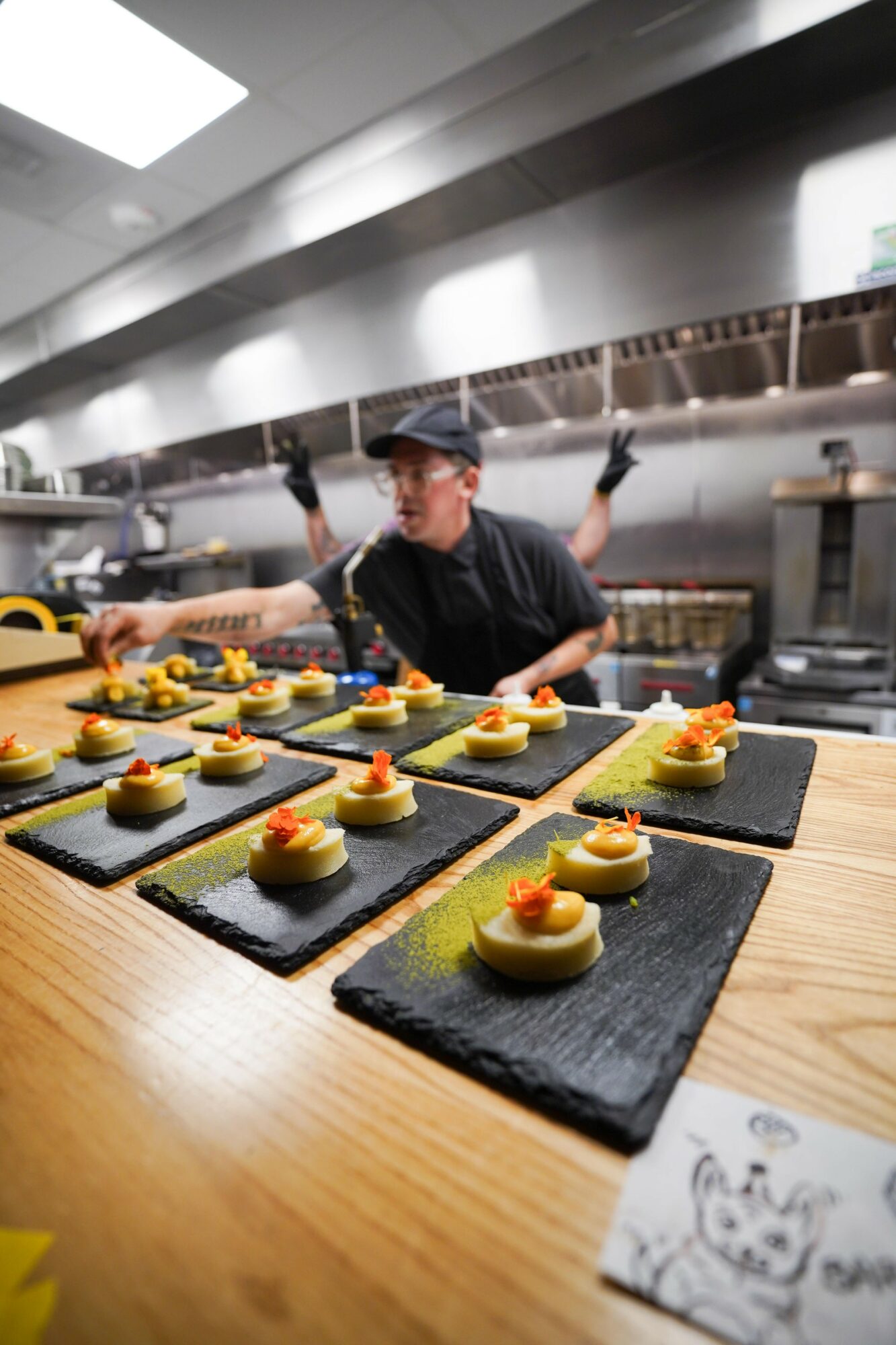
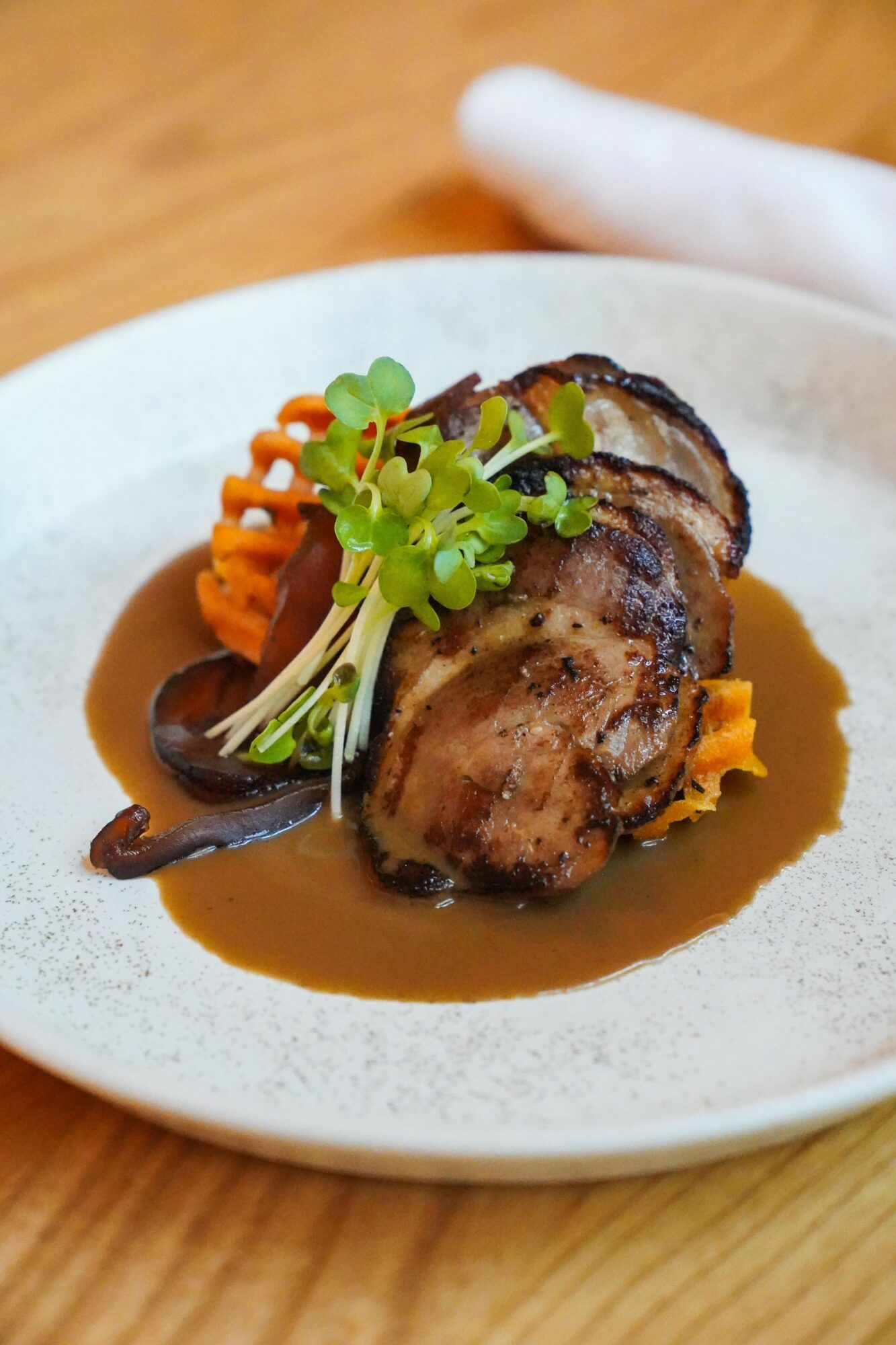
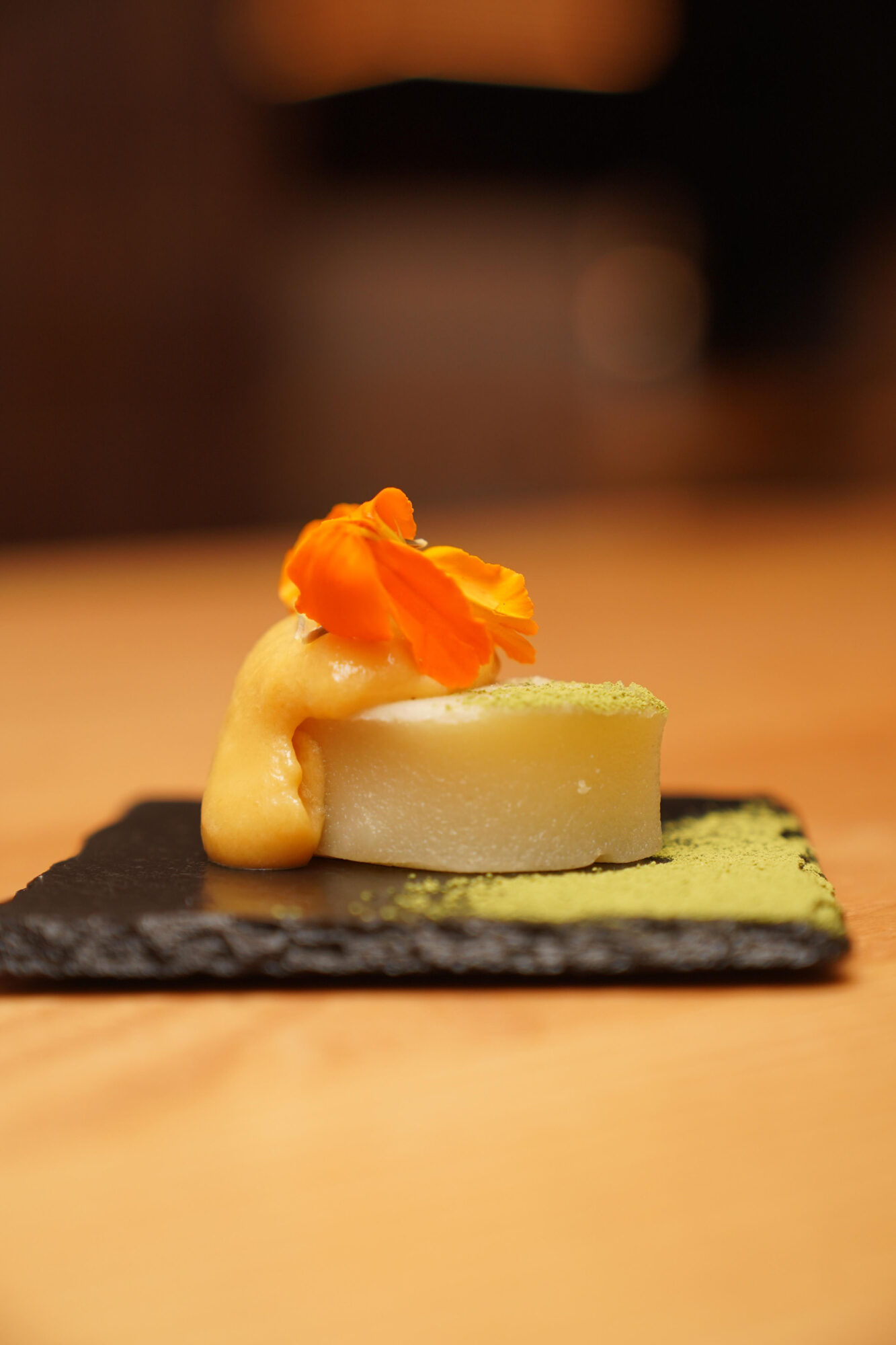
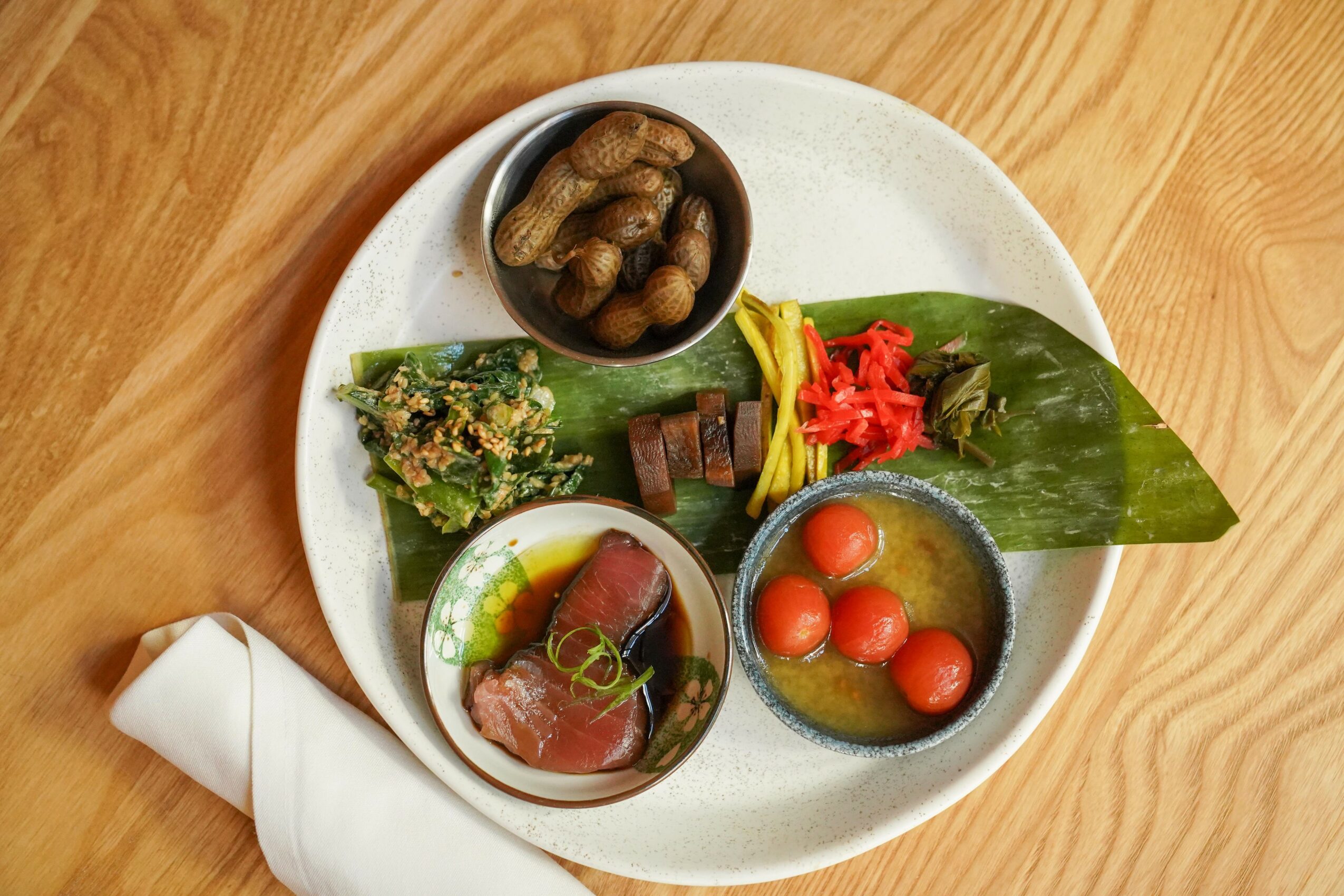
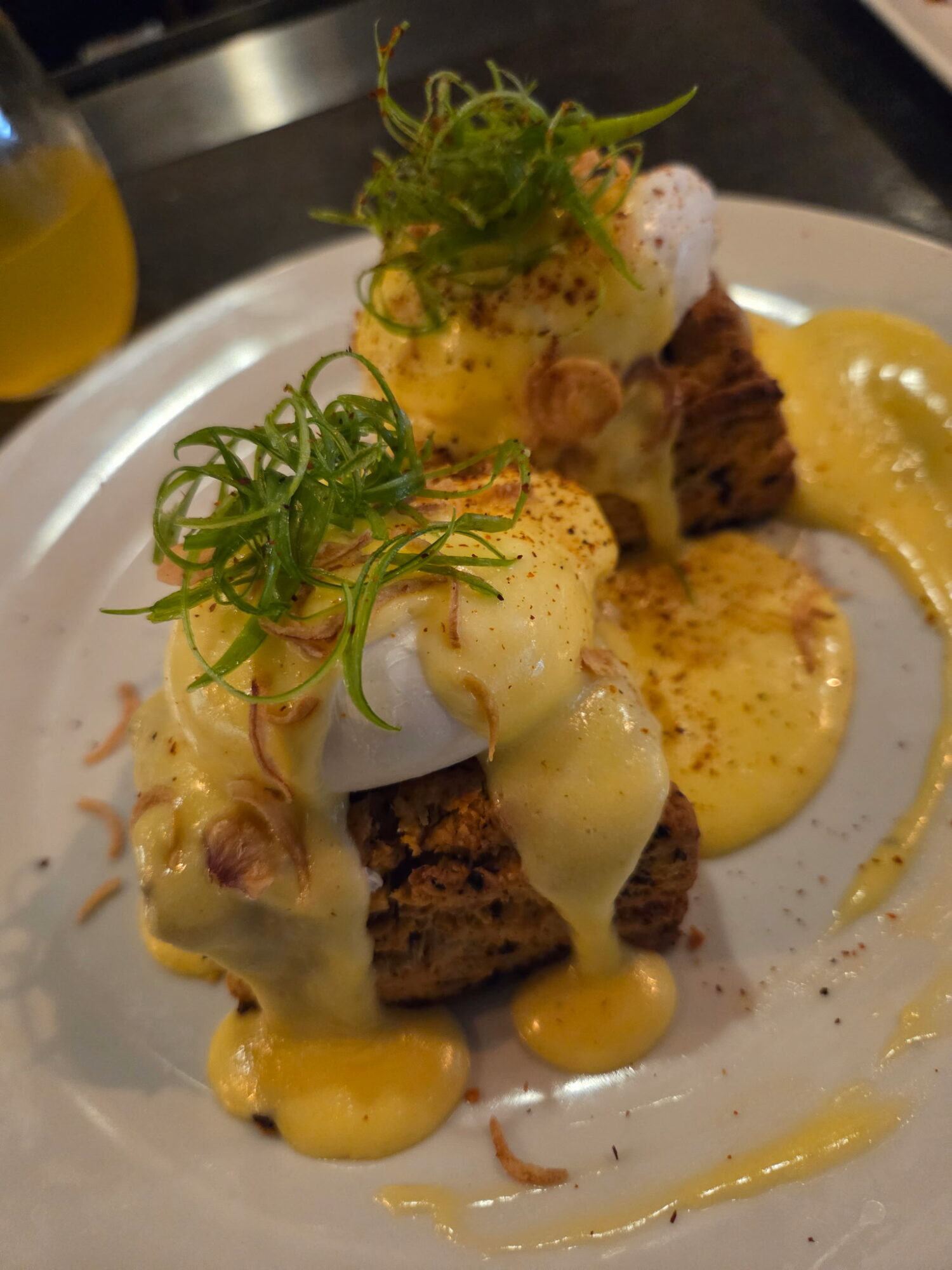
That exact same obsessive, all-or-nothing energy is what drives my culinary work today. I specialize in highly immersive, multi-course Japanese-inspired dining experiences where the food is just one component of a larger ecosystem.
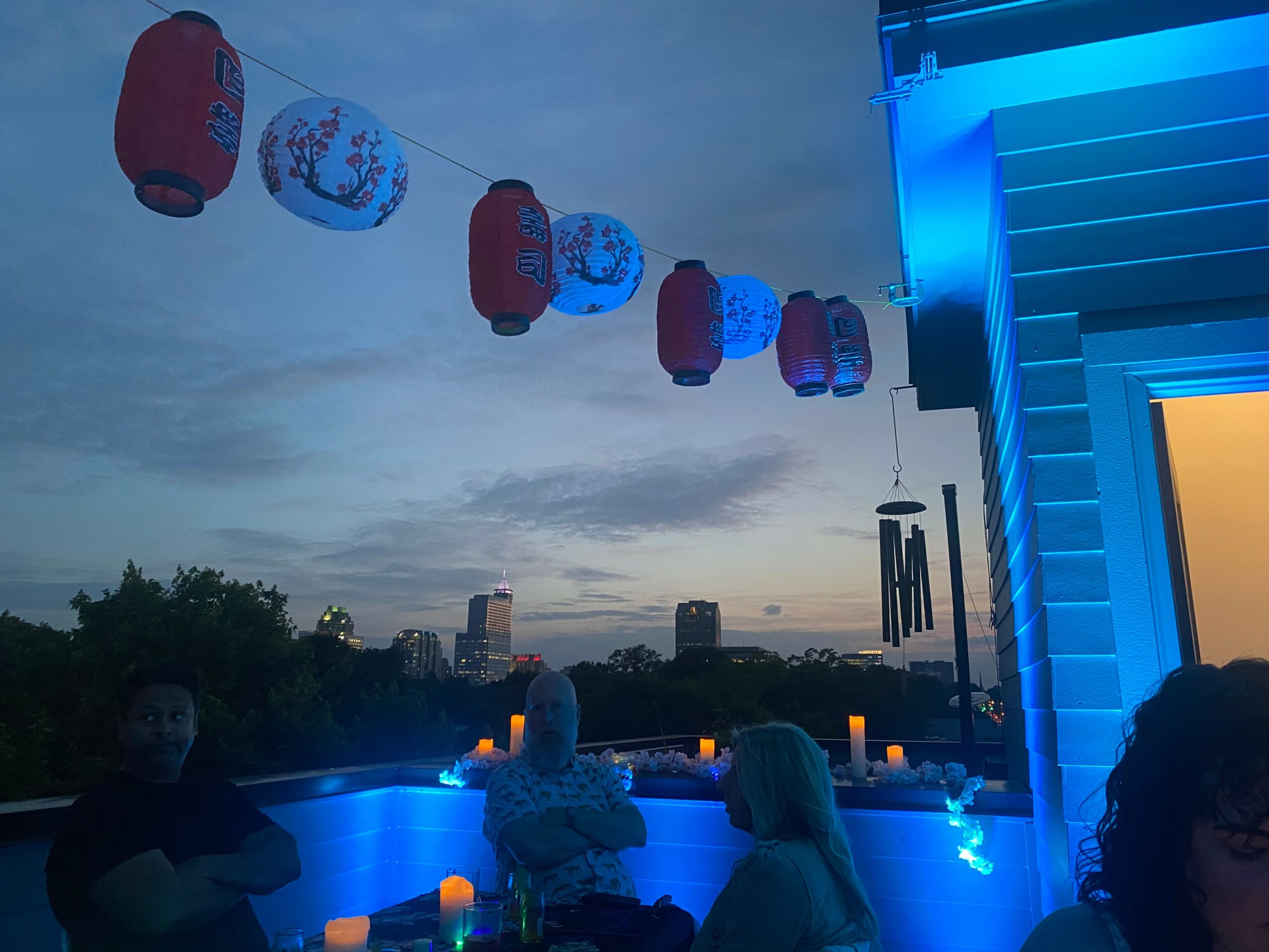
A perfect example was my first major event after returning from Japan, executed this past February at William and Company. I didn’t just write a menu; I designed a whole installation-style dinner spanning nine courses. With the help of my closest crew, we completely gutted their back patio. I spent months building the visual landscape from scratch—painting ten massive 4-by-8-foot mural panels, rigging custom lighting, and curating every single piece of glassware and plate. I even deployed a fog machine to completely obscure the dining room during cocktail hour, ensuring that when guests finally sat down, their visual slate was entirely wiped clean for the first course. I am most proud of this uncompromising approach. Anyone can sear a piece of fish, but I am building a living, breathing exhibition where you eat the art
Can you tell us more about what you were like growing up?
I grew up in Grants Pass, a small town in Southern Oregon, back in a time before cell phones or the internet ruled daily life. I was raised in a highly religious environment, but by my early teens, a rebellious streak kicked in. I drifted hard into skateboarding, punk music, playing guitar, and sweating out summers at the local skatepark.
Personality-wise, I was an awkward, goofy kid with zero traditional social skills, so I weaponized humor and became the class comedian. During middle school lunches, I made it a point to float between every single social circle—checking in on the punk kids, the popular kids, and the basketball players, even though I couldn’t shoot a hoop to save my life. I wanted to see how everyone was doing. That desire to bridge different worlds and create a shared vibe started right there.
Art was always my constant. My uncle taught me how to draw dinosaurs when I was three years old, heavily fueled by an absolute obsession with Jurassic Park. I crushed every art class I took up until high school, which is where things got a bit derailed. My high school art teacher wasn’t a fan because I regularly skipped morning classes—mostly because I was staying up until the broad daylight hours playing video games or writing music.
At sixteen, I took a job at Dairy Queen, which was a brutal wakeup call about what it actually meant to hold down a job, but I stuck it out until I finally packed up and moved to Ashland. I was chaotic, visual, fiercely independent, and constantly looking for a canvas—I just didn’t realize yet that the canvas would eventually become a dinner table.
Contact Info:
- Instagram: @karasu.dining