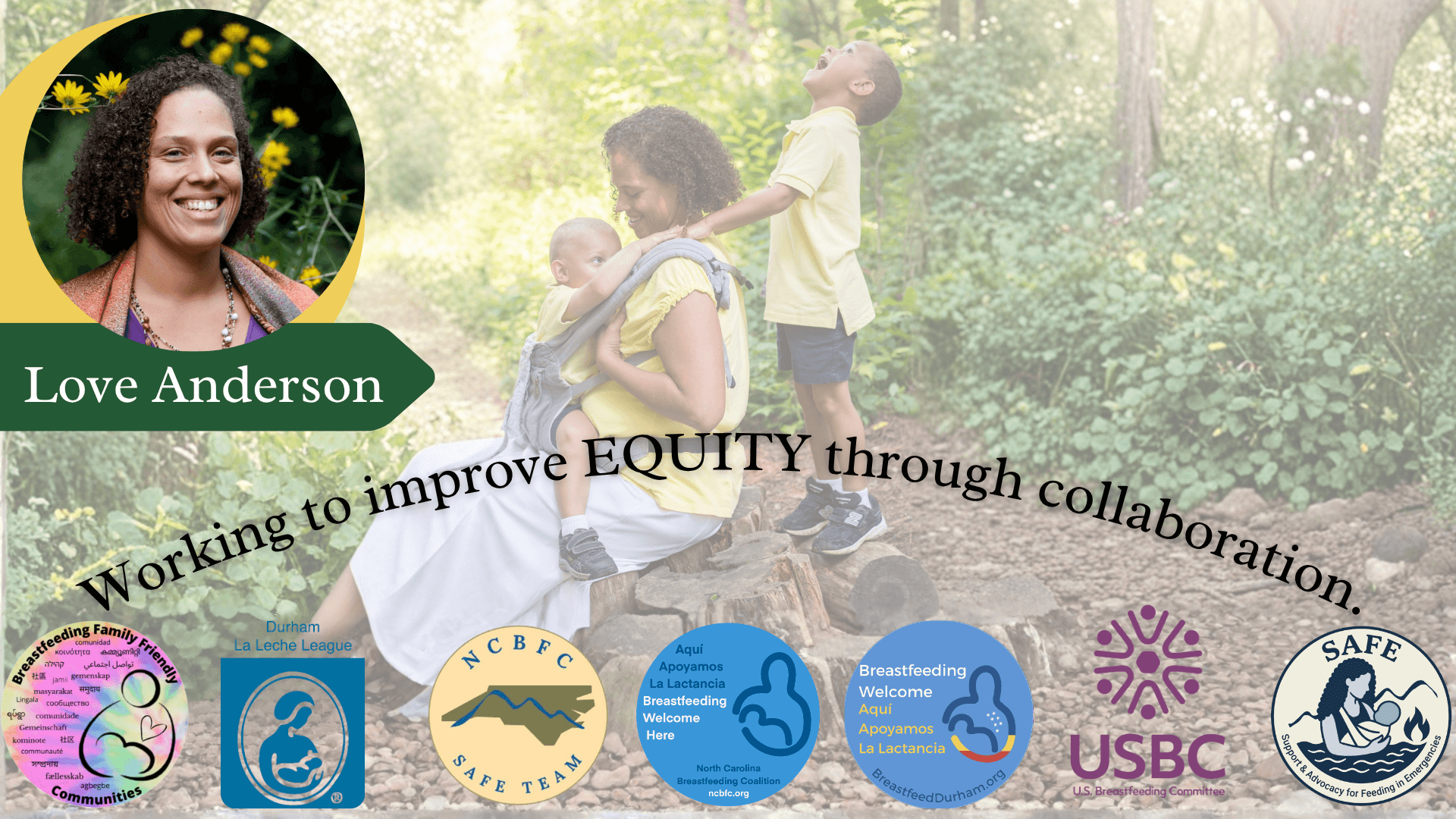





Today we’d like to introduce you to Love Anderspm.
Hi Love, we’re thrilled to have a chance to learn your story today. So, before we get into specifics, maybe you can briefly walk us through how you got to where you are today?
Breastfeed Durham began with a few angry moms.
That was the year Durham had the widest infant mortality disparity in the state. It was an exceptionally bad year, and we were exceptionally angry.
I was doing peer to peer lactation support at the time, and the thing that made me maddest was smaller and more ordinary than the statistics. Families in Durham were driving to surrounding counties to get help feeding their babies. I wanted to see real lactation support for our racially diverse families and for families who had historically been left out of this work, so I went on a little campaign. I talked to every nonprofit in the city, one after another, looking for somebody who would take the project on.
Nobody did. What I got instead was a cup of coffee.
A nurse home visitor sat down with me and introduced me to the Ten Steps to a Breastfeeding Family Friendly Community, which grew out of the World Health Organization and UNICEF’s Baby-Friendly Hospital Initiative. Instead of asking mothers to try harder, it asks the whole community to do the work: the employers, the childcare centers, the schools, the parks, the places of worship, the county. She convinced me we could do this here. That cup of coffee changed my life.
Then came a series of fortunate events. I became the very last person to register for the U.S. Breastfeeding Committee’s national conference, and the North Carolina Breastfeeding Coalition paid my way there. At that conference I met Tina Sherman of MomsRising, who happened to live in Cary and who offered to come to my house and help anytime I needed her. Two people turned into twenty.
From April to November we planned and we organized. In November of 2018, twelve people sat around my dining room table and looked hard at this project to see whether Durham could actually do it. On MLK Day we tabled for the very first time, just trying to normalize breastfeeding in Durham.
Twenty has since turned into two thousand.
Durham’s disparity came back down toward normal over the years that followed, and I believe this work is part of why. But the number I care about most is the one that is hardest to chart. We have built a community where a family with a young child feels safe being vulnerable in public. Where the perinatal health landscape is connected instead of scattered, and the people in it know each other by name. Where more than 300 businesses have earned Breastfeeding Welcome Here recognition, all 189 childcare providers have the curriculum, and the county health department adopted a human milk feeding strategic plan we helped write.
Then other places started calling. Buncombe County, then Pennsylvania, Virginia, Wisconsin. So we incorporated Breastfeeding Family Friendly Communities as a nonprofit to hand the model to anyone who wants it, and today it supports more than two dozen communities around the country.
All of it started with a handful of furious mothers who were tired of driving out of town.
I’m sure it wasn’t obstacle-free, but would you say the journey has been fairly smooth so far?
No. It was about as bumpy as a road can get.
The first real crack showed up about a year in. I had been putting too many hours into this on top of everything else, and by the fall of 2019 I finally said out loud that it was too much work to keep doing for free. I had to get paid. That same nurse who bought me the cup of coffee found me a job as a community health worker at the health department.
And then it was nothing but hitches. The money I thought I had secured turned out to be money I had to split with somebody I had never met, a woman named Bernadette Greene. I will tell you now that she is one of the best things that ever happened to this organization. I did not know that at the time. At the time it just felt like half.
We wrote a grant with the health department in the fall of 2019, and then the world changed between the writing and the funding. By June of 2020, COVID had hit and George Floyd had been murdered. How health care works, how this country talks about race equity, how people connect to each other and decide whether they are safe, all of it was disrupted, and none of it has gone back to the way it was. We were a brand new organization trying to build community during the exact stretch of time when community itself was coming apart.
The funding has never once felt secure. Two years later our community health worker contract was not renewed, which at the time felt like the floor giving out. What we could not see was that Durham County was pivoting to fund the nonprofit directly instead. That shift gave us the flexibility to actually meet families where they are, and it is the reason we were able to grow into a national organization.
And all of that is only the part that shows up in a report. Behind it were emergency gallbladder surgeries. People we love have died. Our team has carried housing instability, cancer diagnoses in our families, children who grew all the way up, grandchildren who moved into the house. Some of our founders went from being the mother of one to the mother of three in the middle of this work. We have never once had the luxury of one crisis at a time.
Then there is the thing nobody warns you about, which is that we had to learn how to run a national nonprofit while we were already running one. Watching your annual budget double every year is a gift. It is also a very tall stack of things you do not know yet, and every one of them gets learned in public, usually the hard way.
Bernadette is the lesson I keep coming back to. The thing that felt like a loss at the time turned out to be the thing that made us.
Thanks – so what else should our readers know about Breastfeeding Family Friendly Communities. Locally, and where all of this started, we are Breastfeed Durham.?
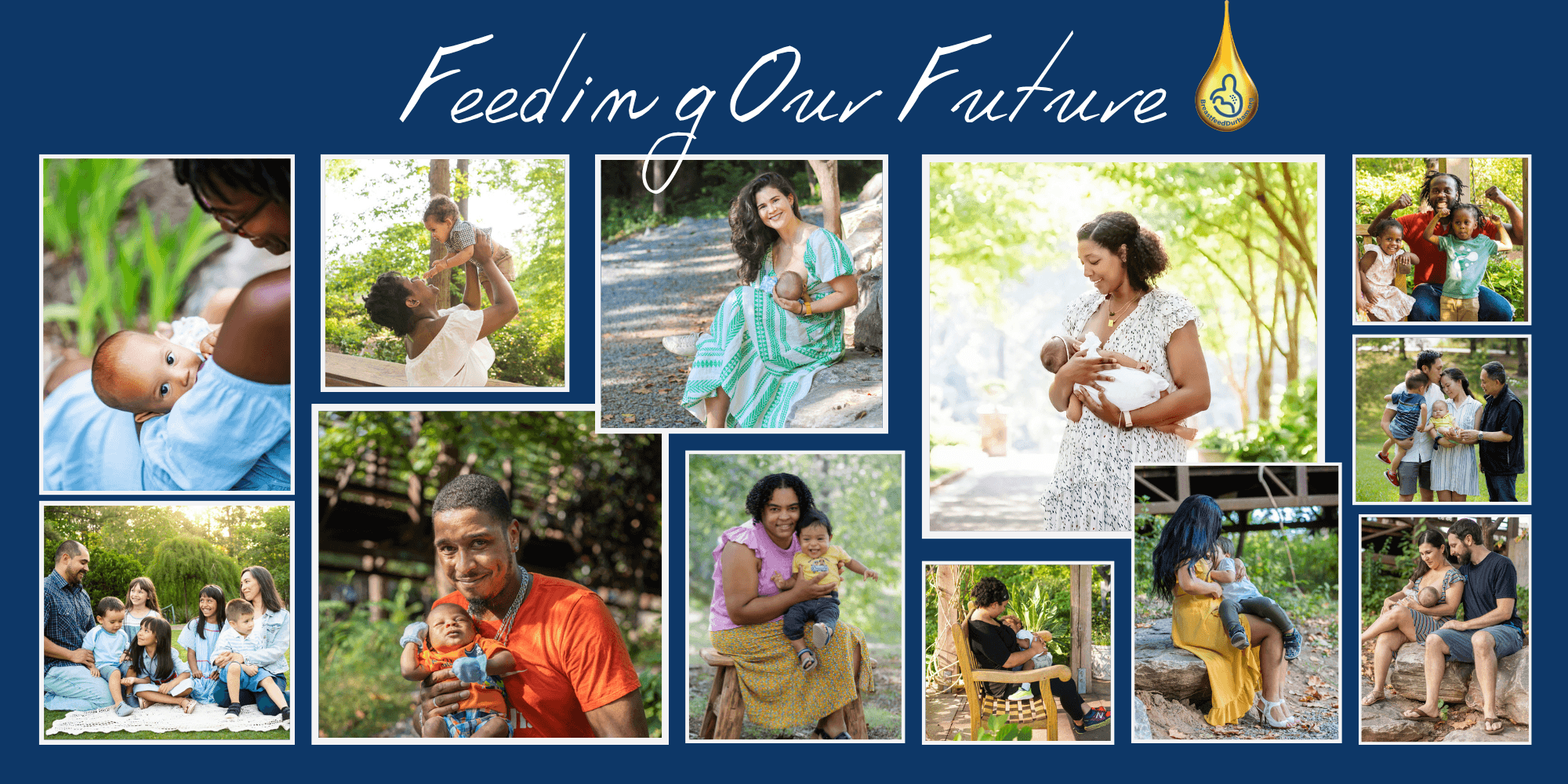
Most breastfeeding work in this country is aimed at the parent. Take a class, read a pamphlet, try harder. We do the opposite. We work on everything around the parent. The Ten Steps to a Breastfeeding Family Friendly Community is a framework for the whole community, so we are in the childcare centers and the school system, the employers and the places of worship, the parks and the hospitals and the county government, asking each of them to become a place where feeding a baby is easy. When a mother in Durham stops nursing sooner than she wanted to, that is almost never a failure of willpower. It is a supply closet at work, or a stranger’s comment at a restaurant, or a childcare provider who was never taught how to handle a bottle of human milk. Those are all fixable. That is our entire job.
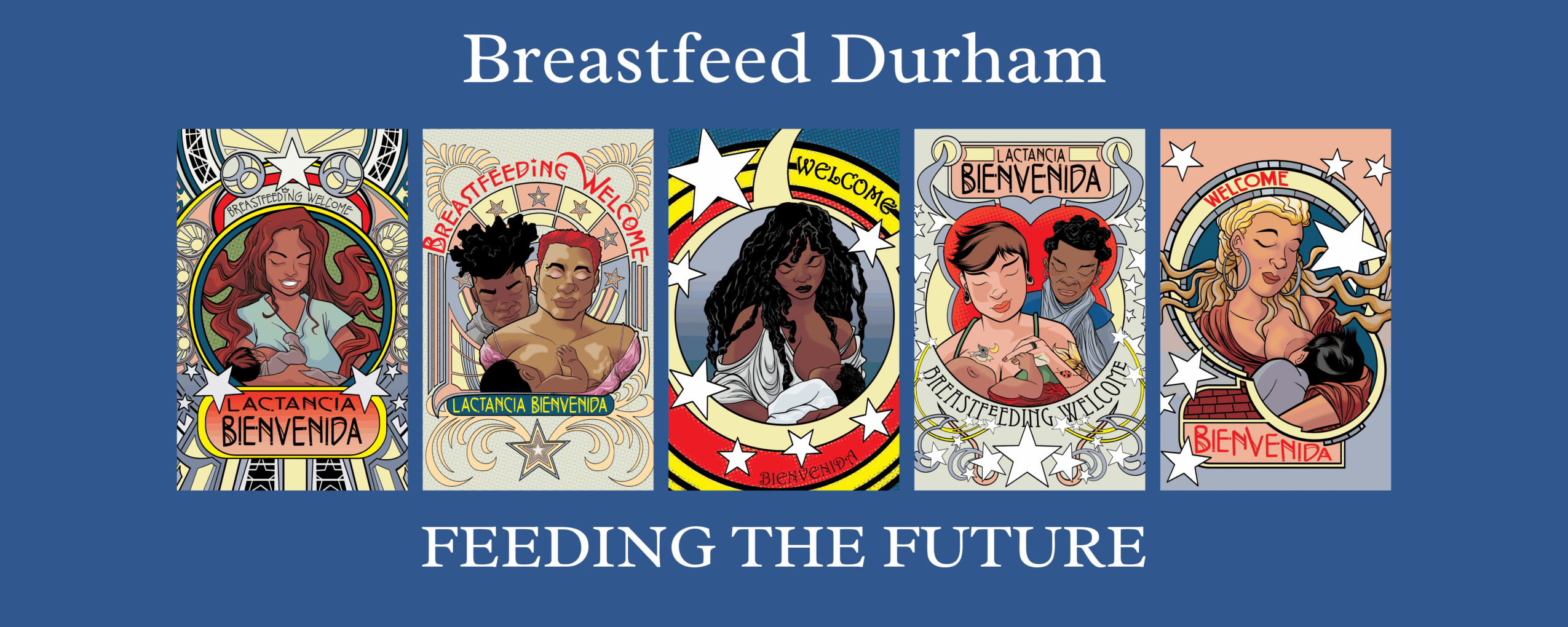
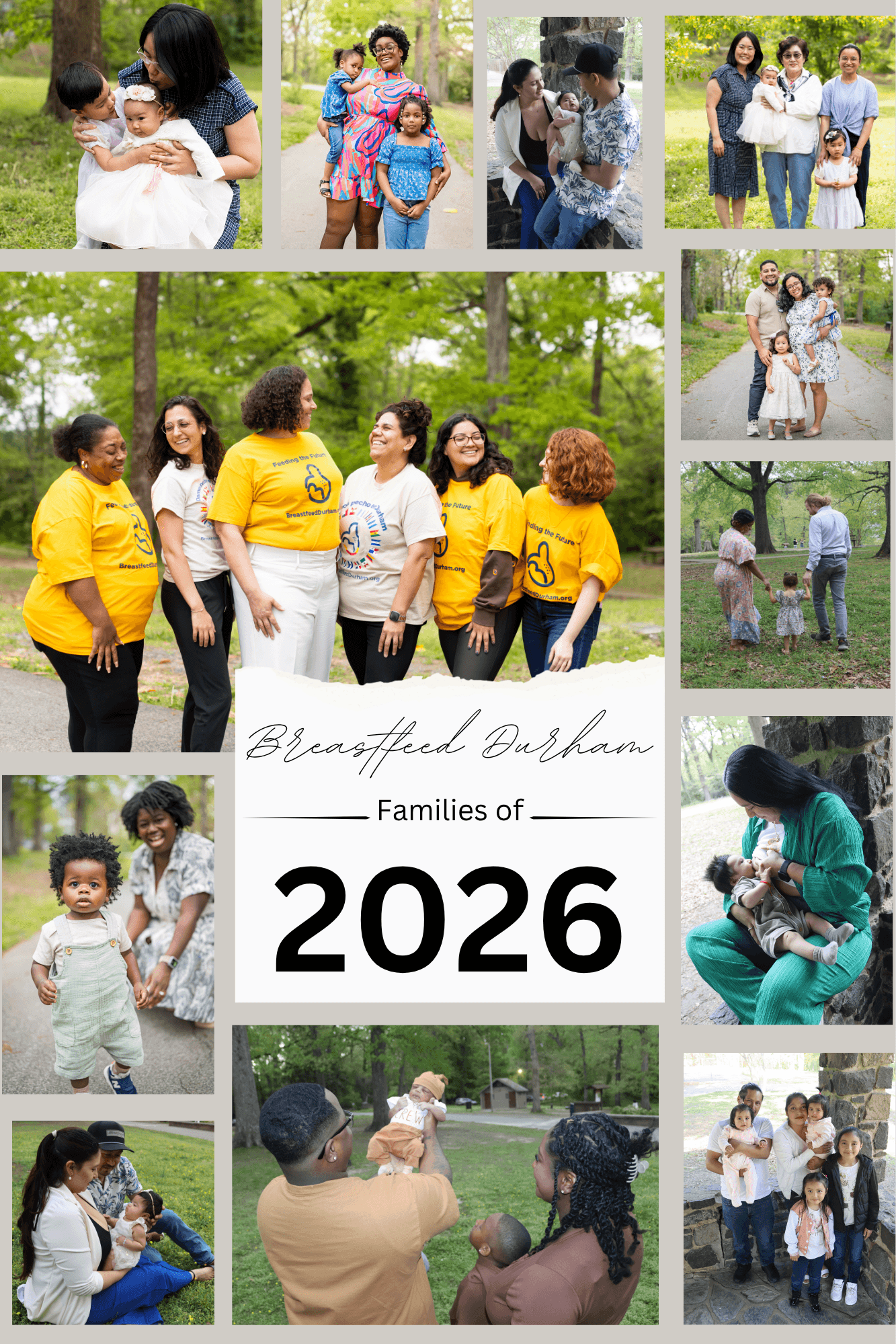
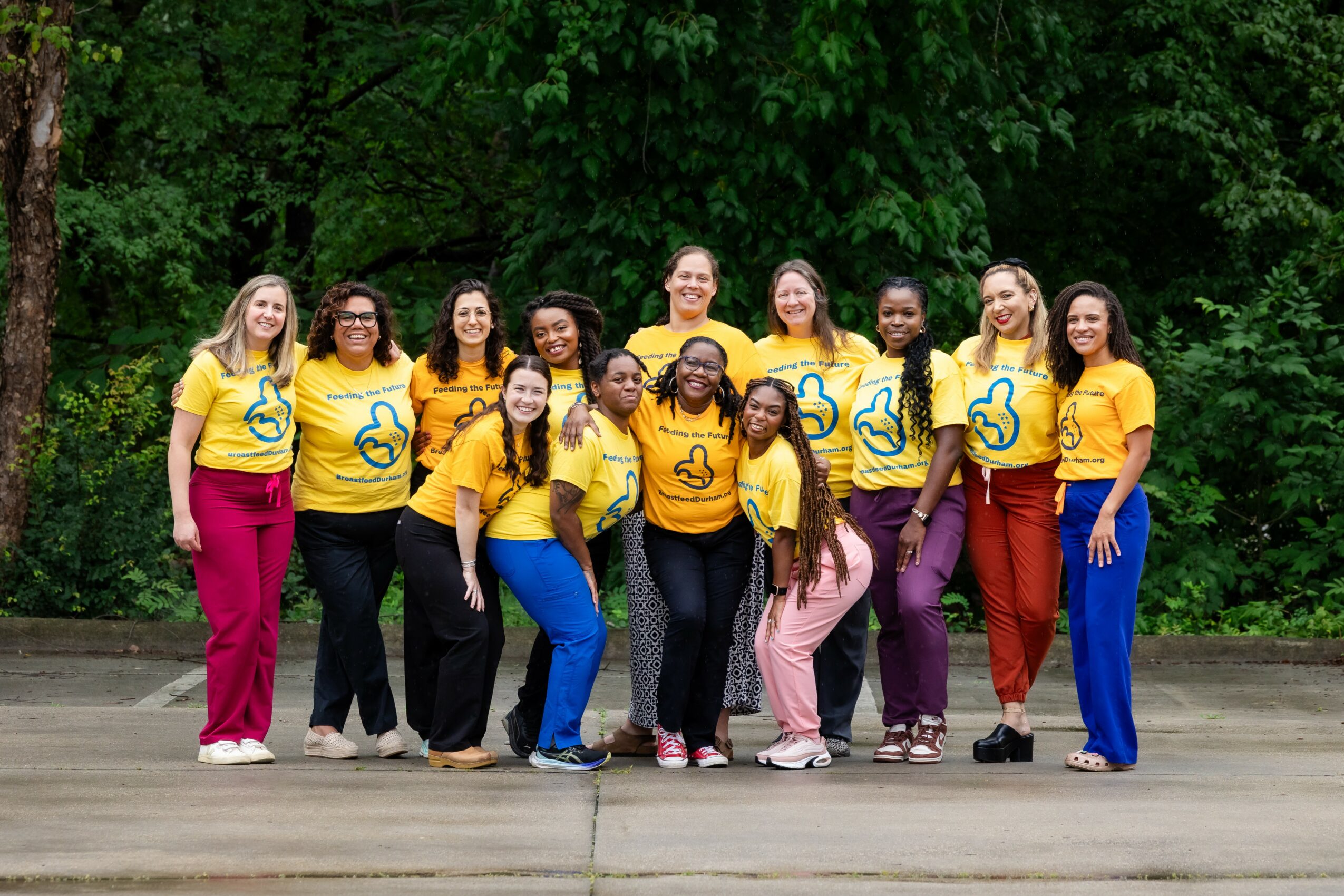
The other thing that sets us apart is who does the work. We are multiracial, intergenerational, and led by Durham residents, including people who have lived on WIC, on Medicaid, and in Head Start. When families did not see themselves in this movement, they built coalitions inside our organization rather than outside of it: the Black Breastfeeding Coalition, Lactancia Latina, Tea and Milk for Asian American, Native Hawaiian, Pacific Islander and Middle Eastern families, and our LGBTQ+ human milk feeding work. Each one is run by the people it serves.
Brand wise, the thing I am proudest of is a sticker. More than 300 Durham businesses have earned Breastfeeding Welcome Here recognition, and that little decal in a window means a parent can walk in and know, before she has to ask anyone, that she is welcome there. Years of policy work compressed into something you can see from the sidewalk.
And then there is the work I never planned on. When Hurricane Helene hit western North Carolina in September 2024, infant feeding was almost entirely missing from the disaster response. There was no clean water to mix formula with. There was no power to keep pumped milk cold. Donated formula was arriving by the pallet into communities that could not safely prepare it, and mothers were being told their milk would dry up, which is not true. So we put out an open call, and nine days after the storm the first team of 23 infant feeding specialists drove into Asheville. Over five months, hundreds of volunteers from our network and the North Carolina Breastfeeding Coalition worked those mountain counties. That became the SAFE Team, Support and Advocacy for Infant Feeding in Emergencies, and it has since consulted on emergencies in Virginia, Texas, and California.
What I want your readers to know is that all of this is free and most of it is closer to them than they think. If you own a business in the Triangle, you can be recognized. If you are a parent who needs help, you can get it without paying anyone. And if you are angry about something happening to families in your town, that is the entire qualification. It is how every one of us got here.
What matters most to you? Why?
Love and safety.
Becoming a parent was the hardest thing I have ever done. Not the labor. The after. Learning how to love this particular person, how to care for them, how to give of myself in a way I had never had to give before. It was the hardest thing I have done and the most important thing I have done, and it did not leave much room for anything else.
And nobody does it alone. Feeding a baby has never been one person’s job. It belongs to the partner who gets up at three in the morning, the grandmother who knows exactly what to do when no one else does, the big sister, the friend who shows up with food. A family feeds a baby. What we are building is the next ring out from that, a whole community doing the same thing.
All I have ever wanted for my children is that they be safe and that they feel loved. That is the entire list.
So when I am sitting in a park feeding my baby and a stranger asks me to cover up, the part that gets me is not the rudeness. It is the distraction. I am doing the hardest work of my life, and someone has just pulled my attention out of it to go manage their comfort instead. Now multiply that by a workplace, a waiting room, a church pew, a bus. That is a family spending energy it does not have on a problem that was never theirs to begin with.
The community should be on our side. Becoming a parent is hard enough.
Everything we do is just a longer way of saying that.
Contact Info:
- Website: https://breastfeeddurham.org
- Instagram: @breastfeeddurham
- Facebook: https://facebook.com/BreastfeedDurham
- LinkedIn: https://linkedin.com/company/breastfeed-durham
- Youtube: Breastfeed Durham
- Soundcloud: breastfeedingcommunities.org
- Other: https://safeinfantfeeding.org