




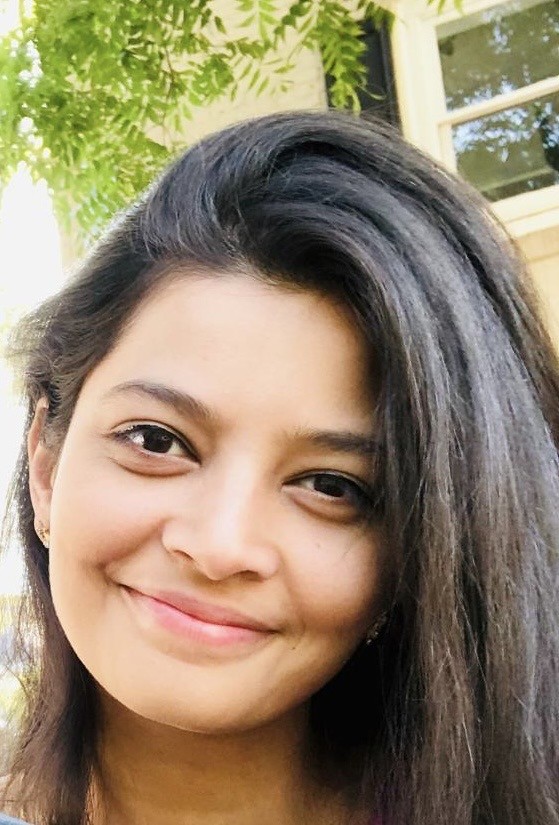
Today we’d like to introduce you to Vaishnavi Vijayakumar.
Hi Vaishnavi, it’s an honor to have you on the platform. Thanks for taking the time to share your story with us – to start maybe you can share some of your backstory with our readers?
I grew up in a conservative joint family in India where your path was predetermined. You listened. You followed. You didn’t question. I did my undergrad in IT, married right after – arranged marriage, the traditional way – and accepted that this was my life.
Then, at twenty-one, I left everything. My husband was accepted to a PhD program at University College Dublin. I’d never left my state. I’d never left my country. I’d never had to think for myself.
Ireland shattered every assumption I had about who I was. Suddenly, independence wasn’t a luxury – it was a requirement. I was terrified. I was also free. That’s when I realized: I don’t have to be who everyone told me to be.
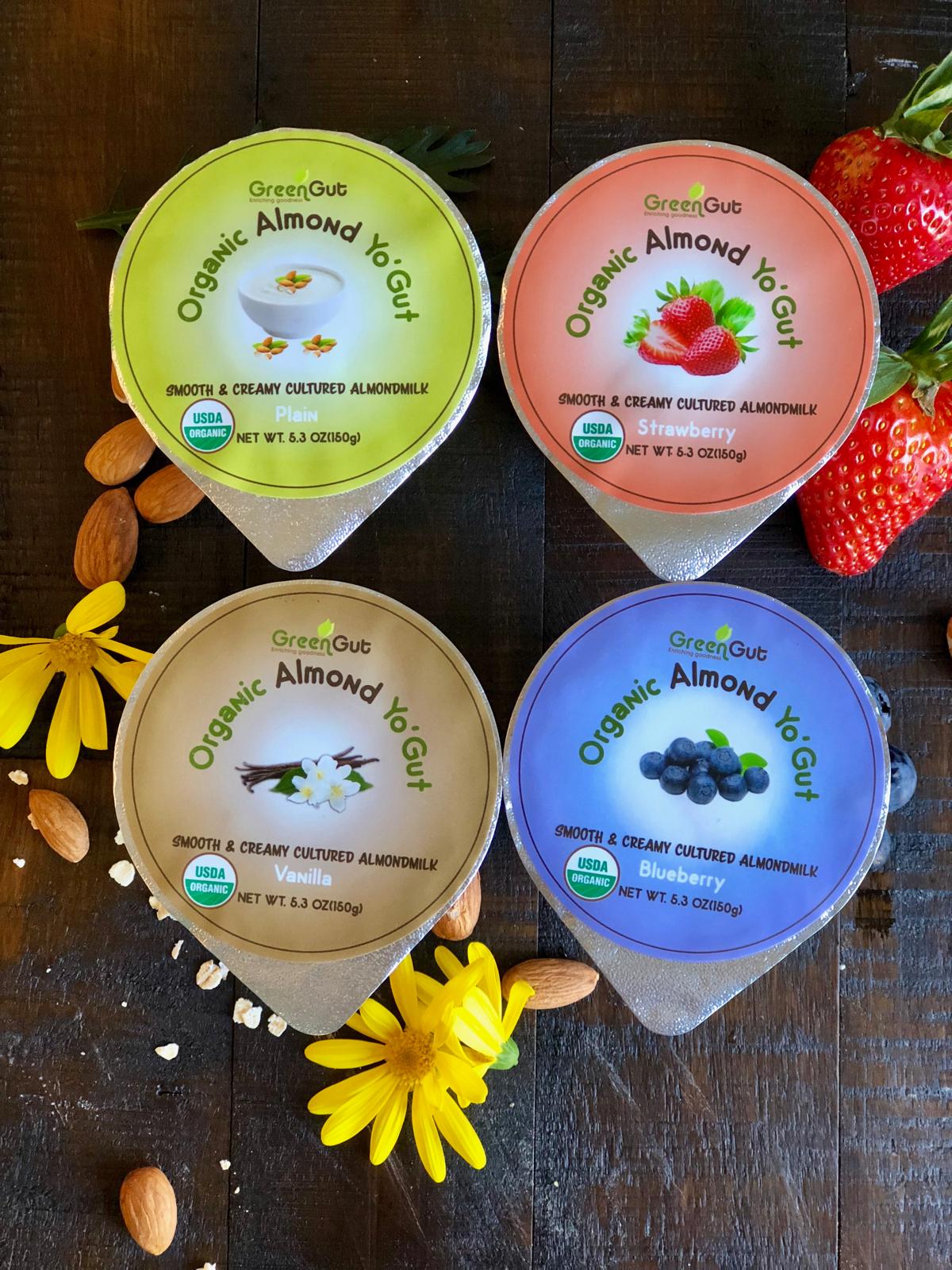
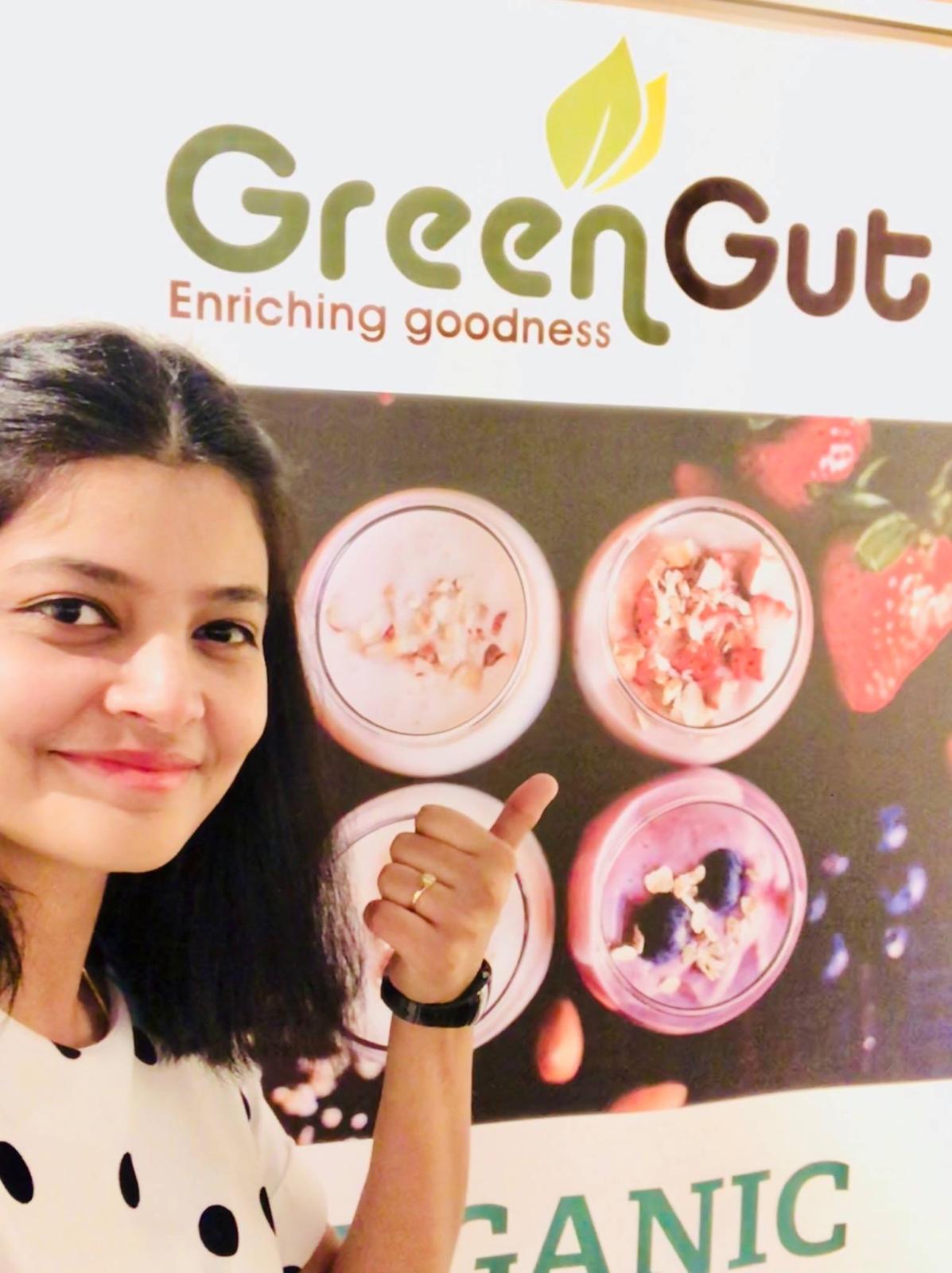
We moved to California, and that childhood pull toward healthcare resurfaced. I volunteered relentlessly, but what really drove me was building something with my own hands. I started making vegan yogurt at home – almonds, cashews – and friends kept asking if this was “real” yogurt. That became Greengut in 2015. I sourced, manufactured, packed, and sold it myself at farmers markets on weekends. We became the first USDA Organic certified vegan yogurt in America. (I even wrote a vegan cookbook along the way – it’s selling well on Amazon.)
But in 2019, we moved to North Carolina to be closer to my family. I had to wind down the business. And I realized something: it was never really about yogurt or recipes. It was about proving I could create something meaningful with my own hands.
That’s when I finally stepped into what I’d been reaching for—healthcare and serving patients. I learned Salesforce. Applied to Biogen. Got the job. Became a technical lead. And now I lead engineering teams at AssistRx as a Director of Software Engineering. I help patients access life-changing therapy faster.
The girl from a small Indian town who was told to listen – she’s now leading multiple teams, making decisions, building services that saves lives. The woman who was afraid to question is now someone who asks: *How do I serve better? How does what I build change someone’s life?*
That’s the real transformation. It was never about the job titles. It was never about breaking free from constraints. It was about discovering your real purpose—to serve. And nothing compares to the satisfaction of knowing your work changes someone’s life.
I’m sure it wasn’t obstacle-free, but would you say the journey has been fairly smooth so far?
Not at all. There were stretches that felt impossible.
When I first moved to Ireland, I had a complete identity crisis. I’d been trained my whole life to follow instructions—to be the “good daughter,” the “good wife.” Suddenly I was expected to have opinions, to debate in class, to think independently. I remember sitting in lectures where colleagues asked “what do you think?” and I’d freeze. I didn’t know how to think for myself. That took two years to even begin to unpack.
In California, being a dependent meant watching from the sidelines, even though my husband was very supportive. I couldn’t work full-time on what I wanted. I had to squeeze my ambitions into evenings and weekends. The frustration of that—seeing the healthcare space evolving around me but feeling locked out—was real.
Greengut was my dream, but winding it down in 2019 broke me for a while. We’d built something real. We were in major grocery chains. And then I had to let it go. That failure forced me to confront: *Was I building a company or was I building an identity?* Both, it turns out. Letting it go felt like losing myself again.
The hardest part? Learning Salesforce as a career pivot. Switching careers midstream from business, from making yogurt. Everyone around me seemed to know code from age twelve. I’d sit with documentation, completely lost, wondering if I was foolish to think I could do this. Imposter syndrome was brutal.
And honestly, balancing everything—the emotional weight of leaving family, building businesses, pivoting careers, being a good partner—there were nights I didn’t sleep. Times I questioned if I was selfish for wanting more than what I was “supposed” to want.
But what I learned is this: the struggle *is* the point. Every time I thought “I can’t do this,” I did it anyway. Every pivot taught me something I couldn’t have learned staying safe. The discomfort wasn’t a sign I was failing—it was proof I was growing.
Thanks – so what else should our readers know about your work and what you’re currently focused on?
I’m a Director of Engineering at AssistRx, leading teams that build technology to help patients access life-changing therapies faster. I specialize in Salesforce architecture and development, but honestly, that’s just the tool – the real work is translating what patients need into what engineers build.
What sets me apart is probably the why. I didn’t grow up wanting to be a tech leader. I wanted to serve. I’ve worked in multiple healthcare and pharma companies, and I’ve intentionally chosen roles where technology directly impacts patient outcomes. When I review code or lead a team through a sprint, I ask: *How does this serve the patient?* That lens changes everything.
I’m most proud of building teams that see themselves as part of something bigger than shipping features. Engineers who understand that a bug fix might mean a patient gets their medication on time. That’s the culture I cultivate. I’m also proud that I mentor constantly—I remember being the person who didn’t know Salesforce, didn’t know if I belonged in tech, and having someone believe in me made all the difference.
What you won’t find in many tech leaders: I built a business from scratch, launched products to market, ran a manufacturing operation, and wrote a cookbook. Those aren’t on my resume for decoration. They taught me how to think like an entrepreneur, how to solve problems under constraint, and how to understand what it takes to actually deliver something real. That wisdom carries into how I lead engineering.
I’m still learning, still hungry. I believe the moment you think you know everything is the moment you stop growing. But I know this: I’m someone who will never lose sight of why we’re building. And I’ll fight to make sure my teams don’t either.
Are there any important lessons you’ve learned that you can share with us?
The most important lesson: You’re not trapped by where you come from or what you’re “supposed” to be. You’re *propelled* by it, but only if you let yourself be.
I spent my first twenty-two years following a script. Do well in school, marry, settle. That script was handed to me by family, culture, circumstance. And for a while, I thought that was my ceiling. Then I left.
What I learned is this: the moment you stop asking for permission to be something different, everything changes. Not because the world suddenly opens up—it doesn’t. It changes because *you* do. You start seeing obstacles as information instead of walls. You take the skills from one world (manufacturing a product, understanding supply chains, building community) and apply them to another (leading engineering teams, architecting systems).
The second part of that lesson: purpose matters more than plan. I didn’t have a ten-year roadmap. I followed what called me—healthcare, technology that serves patients, people who needed help. Each choice led somewhere unexpected. The vegan yogurt led to direct consumer relationships and problem-solving under constraint. That led to appreciating how systems work. That led to Salesforce. That led to building teams that cure illness.
If I’d tried to engineer the perfect path, I’d still be waiting for permission. Instead, I said yes to things that scared me, failed publicly, pivoted, and kept moving toward what mattered.
So the real lesson: trust the pull toward service. It’s a more reliable compass than a plan. And understand that every version of you—the conservative girl from India, the scared student in Ireland, the entrepreneur who had to fail—wasn’t a stepping stone to who you are now. She *is* who you are now. The whole journey is the point.
Contact Info: