


Today we’d like to introduce you to Melissa Rooney.
Hi Melissa, thanks for sharing your story with us. To start, maybe you can tell our readers some of your backstory.
My grandparents emigrated to the United States from Poland and Lithuania in the mid 1900’s, and my parents grew up in different enclaves in New Jersey.
I was born in Richmond, VA, after w hichmy parents opened a dermatology practice in Martinsville, VA — home of the Martinsville Speedway, which has been on the NASCAR circuit since 1948. My father died when I was four years old, and my “pseudo-stepfather” was from Eden, NC. My mom still lives in Martinsville, and I have lived in Durham, NC for the last 25 years.
I received my B.S. in Chemistry and my B.A. in English from the College of William and Mary in 1993 and earned my Ph.D. in Chemistry from the University of North Carolina at Chapel Hill in 1998. From 1999-2002, I obtained a fellowship from the Australian Research Council and taught and conducted electrochemistry research at Monash University in Melbourne, Australia. I applied for and obtained Australian (dual) citizenship in 2002, just after I gave birth to my daughter. That same year, my husband and I moved back to the United States, where he got work in the pharmaceutical industry and I stayed home with my babies — eventually there were three.
While home with the kids, I became heavily involved in city and county development and planning issues. Durham was just starting to hit its housing boom, and I was appalled at the reckless degree of tree clearing and mass grading that was happening around me. Our waterways were already critically impaired by federal standards, and the erosion and sedimentation coming off these giant development sites were accelerating the situation. During this time, I contracted as a monthly columnist for the Durham Herald Sun and the Raleigh News and Observer, after whichI became a contract scientific editor for Durham-based American Journal Experts.
I volunteered for 10 years as an associate supervisor on Durham’s Soil and Water Conservation District, before taking a part-time job with a nonprofit called Urban Sustainability Solutions (UrbanSS.org), where I write grants for a workforce-development program that trains and pays public high-school teachers and their students to design and install best stormwater management practices (rain-gardens, streambank stabilizations, rain-harvesting cisterns), particularly on lower-income properties.
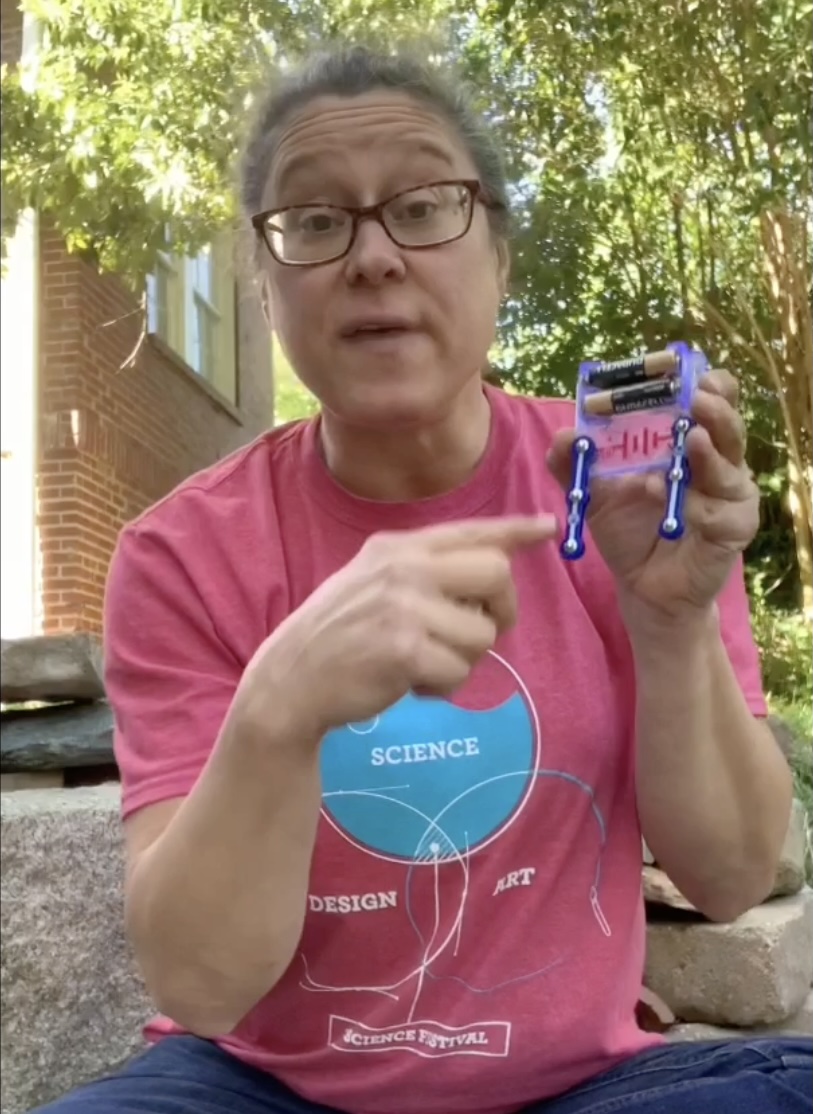
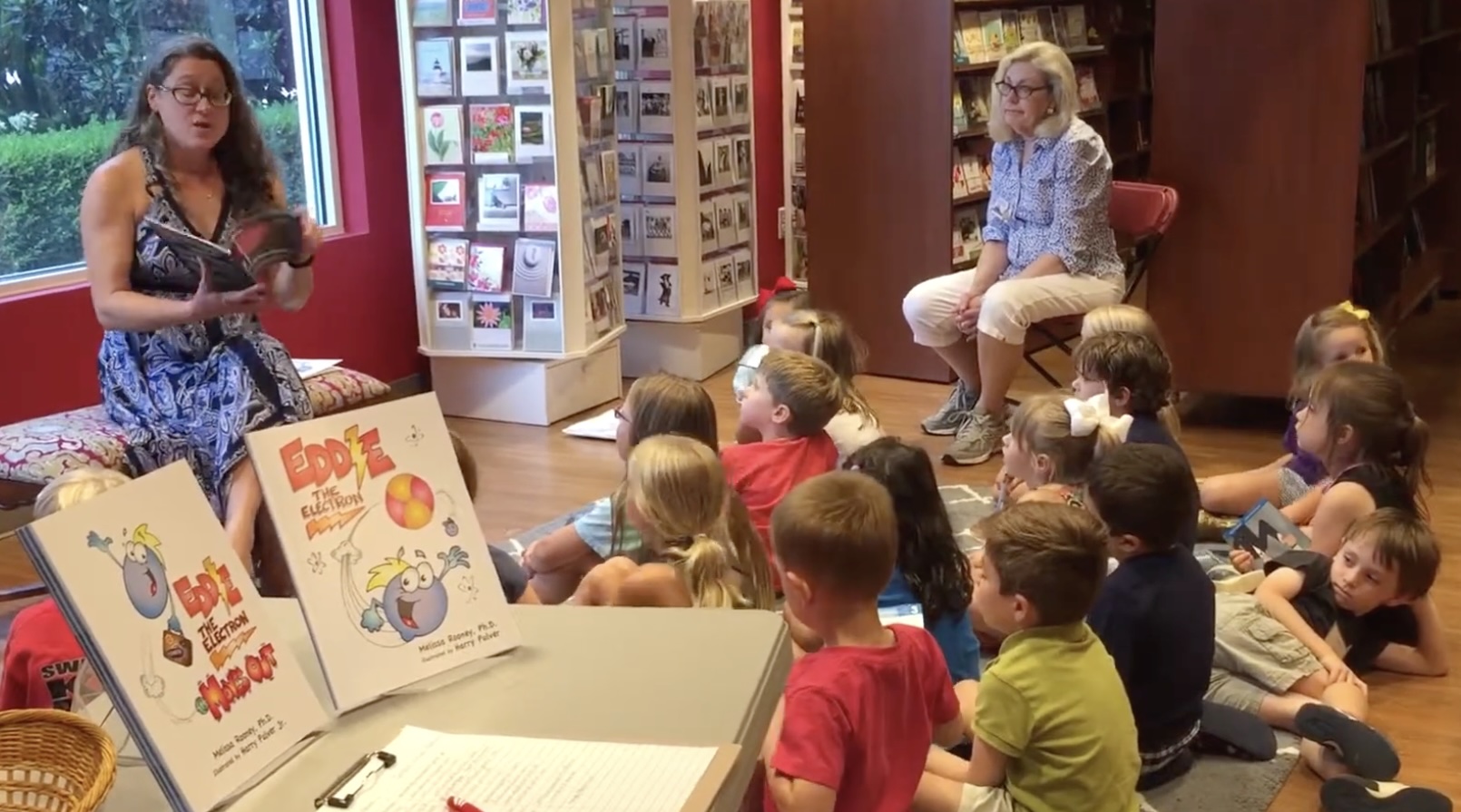
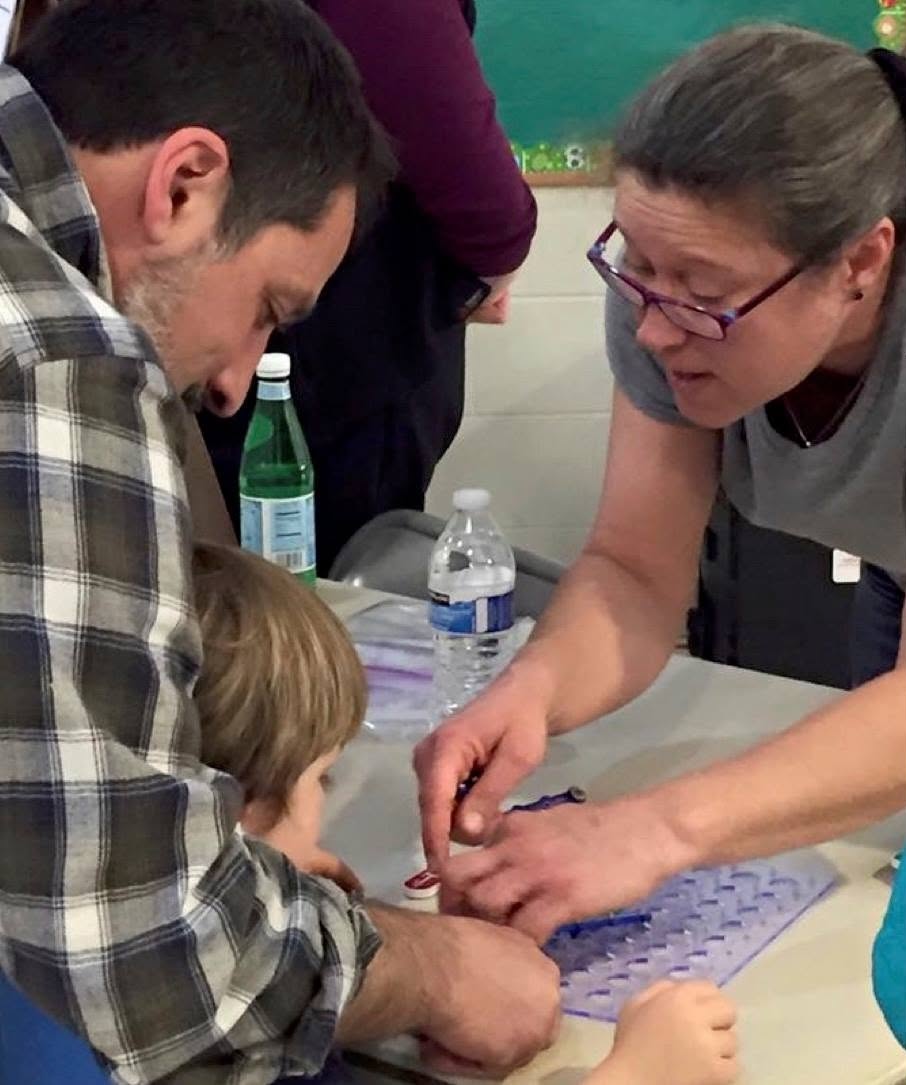
Ten years ago, I also became an educating literary artist with the Durham Arts Council (https://durhamarts.org/product/melissa-rooney/), through which I conduct multi-session creative writing residencies or one-hour workshops about atoms/electricity or water resources and sustainability, based on my first two picture books.
My first book, Eddie the Electron (https://www.chicagoreviewpress.com/eddie-the-electron-products-9780692467435.php) was published by Amberjack Publishing (now Chicago Review Press) in 2015. The sequel, Eddie the Electron Moves Out (https://www.chicagoreviewpress.com/eddie-the-electron-moves-out-products-9781944995140.php), was published in 2017.
In 2018, I published The Fate of the Frog with Mascot Books (www.youtube.com/watch?v=fNdlDfpxvg8), which I use in my workshop about water resources.
In 2024, I published Larry the Roanoke Logperch with Froward Press (www.wvtf.org/news/2024-05-31/childrens-book-larry-the-logperch-debuts-this-weekend-at-community-event-in-roanoke). Larry is a book about the endangered Roanoke Logperch, whose adorable rock-flipping existence is threatened by human development and waterway pollution. The Kiwanis Club of Roanoke, Virginia, commissioned the book to distribute to families living near these fishes’ habitat. I encourage anyone interested in using this book in their classroom or home to contact me at www.melissarooneywriting.com/contact-me, so I can send them a free copy.
My latest picture-book project, Summer Dreaming, follows the life cycle of a beautiful moth species in which only the male grows wings, presenting a metaphor that encourages children to be themselves – in all their glory and despite human-imposed limitations based on assigned gender. If anyone reading this thinks they can help me connect with a like-minded agent, please contact me at www.melissarooneywriting.com/contact-me.
I also review picture books and write reviews for Triangle Review (https://conta.cc/3OYRr6t), an email and online newsletter covering theater, dance, music and film in the Raleigh-Durham-Chapel Hill area of North Carolina.
My predominant goal, since I was a child, is to create picture books, and I think that the importance and quality of this genre is easily taken for granted by the publishing industry and ever-growing population of self-published authors. My writing path continues to be a circuitous one, but I’ve found that it only benefits when I follow my heart instead of trying to follow the money.
I’m sure it wasn’t obstacle-free, but would you say the journey has been fairly smooth so far?
It’s difficult to be what I want to be – which is a writer who writes what they want.
Chemistry grad school was HARD. Especially because I was following a direct path to financial security more than any special interest I had in the subject. But, after years of thinking otherwise, I don’t regret sticking it out. My degree took me to my husband as well as Australia.
Chemistry graduate school also gave me the material for my first picture book, Eddie the Electron, and I’m sure that my academic credentials were instrumental in finding a publisher.
Unfortunately, when Amberjack published Eddie the Electron Moves Out, they told me it would be their last picture book and that they were being sold to Chicago Review Press, which doesn’t publish children’s books.
So I hybrid published The Fate of The Frog with Mascot Books and marketed it myself. My heart leapt when it won the 2018 Beverly Hills Children’s Fiction Award. Amazon and its affiliates lowered the book’s retail price during the holidays, which I proudly crossposted and emailed to friends and neighbors, watching excitedly as book sales rose. However, I discovered that I didn’t make a single penny off these sales. In fact, taking printing, storage, and shipping costs into account, I actually lost 1 cent per book. Amazon has since been forced to change their predatory pricing policies.
After this experience, I focused on my contract position as scientific editor for American Journal Experts — a part-time, Ph.D.-required, online job I’d fallen into thanks to a friend who ran a lab at Duke.
I signed up with my local arts council to become a commission-based, visiting artist (STEM and ELA) for North Carolina public and private schools.
And I became heavily involved in my local public schools, particularly writing and implementing grants for sustainable outdoor improvements. Now I work for Urban Sustainability Solutions (UrbanSS.org), a nonprofit that trains and hires public high-school teachers and students to install rain-gardens, cisterns, and other best stormwater management practices on area properties experiencing flooding and erosion.
All in all, I am busy and content.
But I still want to write meaningful picture books.
So I still do.
And I determinedly send them out to anyone I think might help clear that path.
Sometimes opportunities come my way. Most the time, they don’t. But I live for the sometimes.
I hope this year’s path leads me to an agent for Summer Dreaming — someone who is interested in doing more meaningful projects together.
Though time-consuming and often tedious to the point of boredom, my 10+ years as an editor of scientific research has enforced brevity and clarity in my writing, two particularly important attributes.
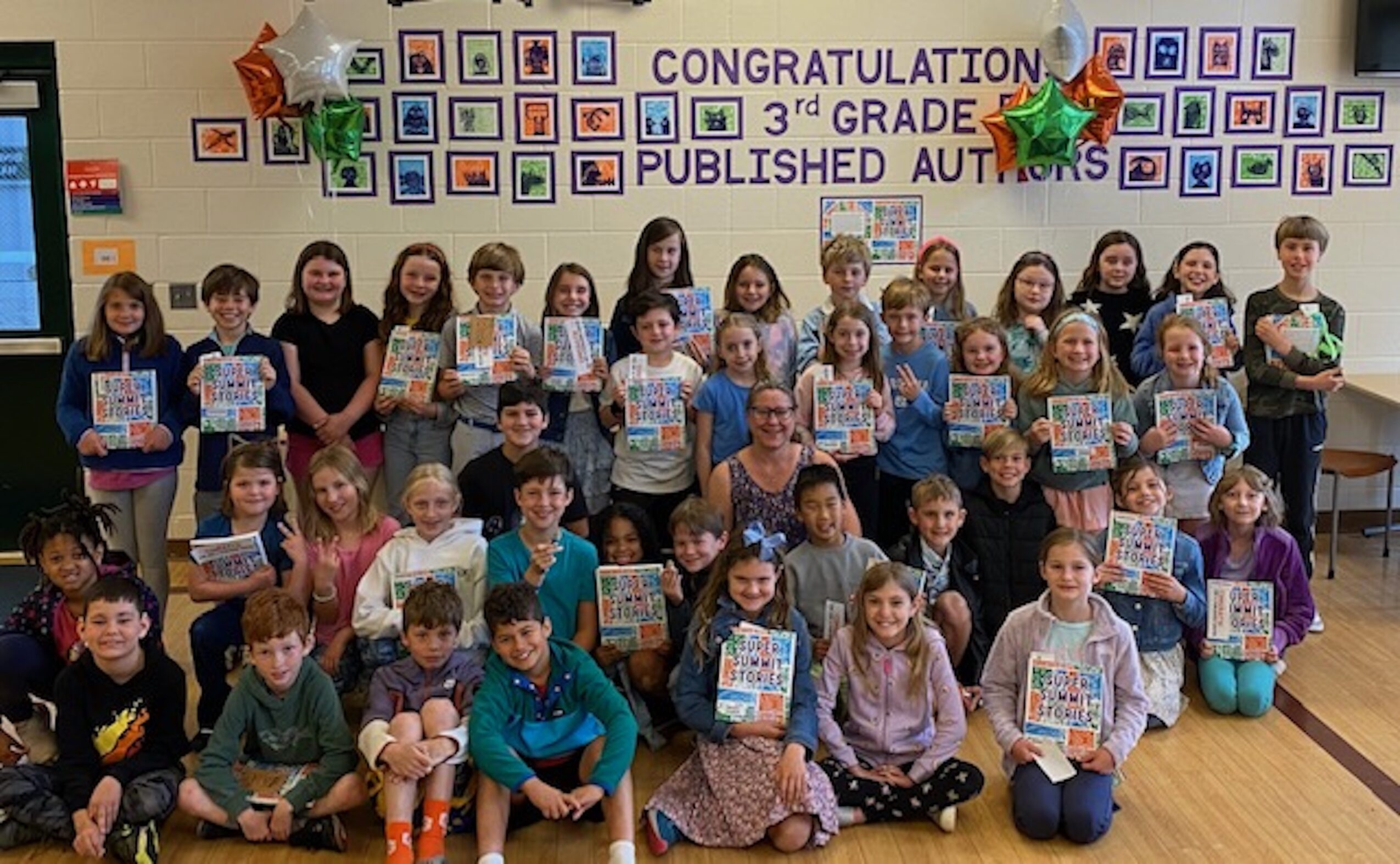
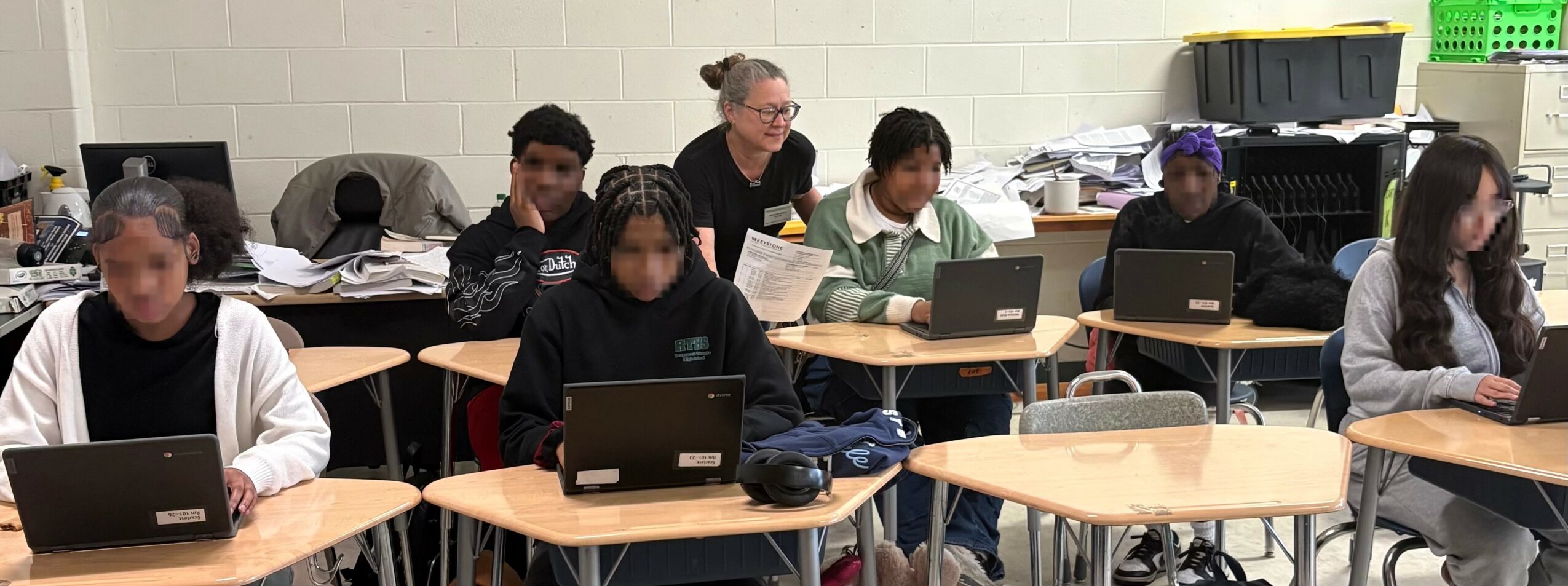
Chemistry graduate school and scientific editing has made me comfortable writing grants, enabling my work in conservation education and implementation, which I feel passionately about. This experience has given me the confidence to apply for grants on my own behalf. One of those grants paid for the overhaul of my website in 2022. Another paid me to conduct writing residencies in six 2023-24 public elementary-school classes. Last year a grant from the North Carolina Arts Council paid me to conduct writing residencies for ten 8th-grade classes at a local public middle school. I’ve found that helping young people write creatively is almost as satisfying as writing creatively, myself.
Patience is a quality that I am still learning. It’s often only in hindsight that I see the way the pieces of my life are fitting together to get me where I want to go.
Alright, so let’s switch gears a bit and talk business. What should we know about your work?
I established MelissaRooneyWriting as a sole proprietorship when I became a contract scientific editor over 10 years ago. Since then it has expanded to include my picture books, my scientific and creative editing services, and my primary and secondary school educational workshops.
A lot of my time is spent writing grants for Urban Sustainability Solutions (USS) and expanding the nonprofit’s outreach. When I began working for the organization in 2022, the annual budget was only $6,000. Only four years later, the budget is now around $500,000, thanks in large part to the grants and reports I have written. That’s something I’m really proud of.
I also enjoy writing picture books for nonprofit causes. Larry the Roanoke Logperch commemorates the Nature Park that the Kiwanis Club of Roanoke, Virginia, installed and maintains in the watershed of this endangered fish, and copies are still being distributed, free of charge, to families and educators who request them. It’s been an inspiring collaborative project spanning multiple organizations and individuals, and I would love to do more. If anyone reading this knows a nonprofit that may be interested, please get in touch with me using the form at www.melissarooneywriting.com/contact-me.
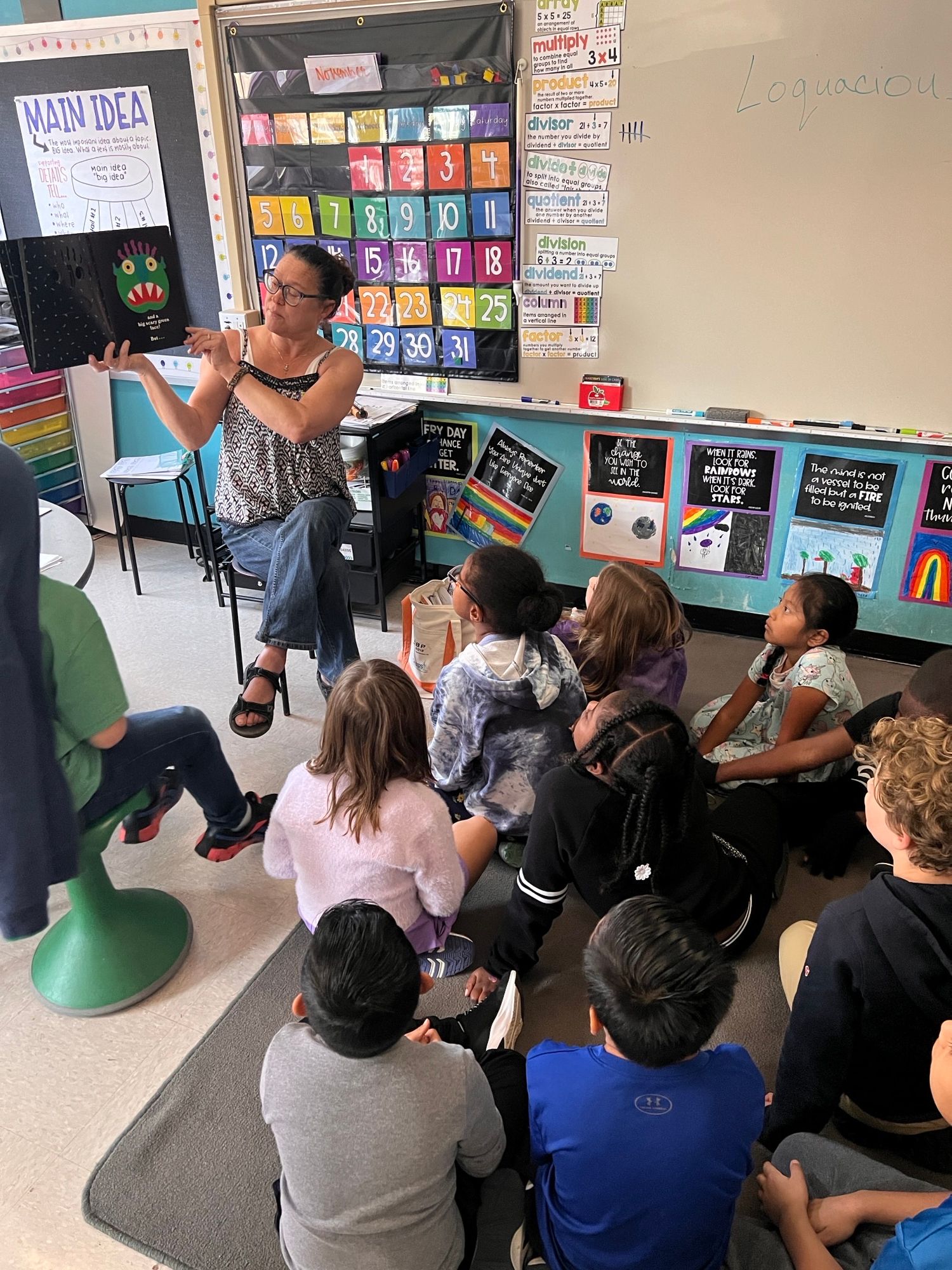
I conduct several educational workshops for public and private schools, which are detailed at this link: durhamarts.org/product/melissa-rooney/. My favorite is “Your Water Resources and The Fate of the Frog” — a great workshop for Earth Day and Seuss events (the book is written in anapestic tetrameter), during which the class makes plush tadpoles from recycled materials and learns about their own watershed, stormwater management, and how the vitalities of things like tadpoles and macroinvertebrates indicate water health.
And I do four- to six-session writing residencies for elementary through high school classes, during which students create anthologies. Each class’s anthology is formatted and published, and all student contributors, teachers, and funders receive hard copies at release parties before the end of the school year. I write grants to seek funding if the teacher/school doesn’t have it.
One of the things I’m most proud of is the poetry anthology I edited and published for third- through fifth-graders at Title-1 Scotland Neck Elementary School in North Carolina last year, which can be read at https://www.melissarooneywriting.com/scotlandneckelementary2026.
The students were enthusiastic about writing acrostic poems (in which each line starts with a subsequent letter in the title), but they complained when it was time to shift to Haikus.
“School is so boring,” one of them complained.
“Can I go to the bathroom?” another interjected.
“When can I go home?” a third groaned.
I counted the syllables in each of these statements, then wrote them on the whiteboard. “That’s a Haiku right there!” I told them. “And it’s perfect!”
My excitement was contagious. The students all began writing their own Haiku poems, and I used their class poem to motivate the other two classes as well.
You never know where you’ll find inspiration. Working with youth fills my soul.
Readers can contact me using the form at www.melissarooneywriting.com/contact-me if they would like to inquire about collaborating or are interested in any of my services described above.
Can you talk to us a bit about the role of luck?
I detail several of my “bad luck” experiences in my previous discussion—my first publisher deciding to stop publishing picture books, and Amazon’s policy of changing book prices, unbeknownst to me, so that I lost money on The Fate of the Frog. But I try not to focus on the negative.
Though I am grateful for my circumstances, I also don’t attribute much to good luck when it comes to my life’s work. Hard work, persistence, and perseverance have been crucial, and I’m not always good at these. My confidence and accomplishments go up and down, but I have learned each time I’m down that an upside is coming. Maintaining optimism and good will is a practice, just like physical exercise or eating well. I work hard to stay upbeat, trust the process, and keep putting myself out there, and when I’m feeling put upon, I remind myself that it’s okay to feel sorry for myself and take a break from everything.
I do think that I experience good luck in my daily life, particularly when I am traveling or doing new things. You know, like dragging myself to an exhibit or event I don’t really want to go to and then discovering that entry that day is free for some arbitrary (to me) reason. Or hesitantly booking a cheap room last minute at a hotel I know nothing about and being upgraded to the honeymoon suite when I get there.
I wholeheartedly believe in the power of positive thinking, and I’m still looking forward to my big break.
Pricing:
- $250/session for my writing residencies (4-6 sessions each): https://durhamarts.org/product/melissa-rooney/
- ~$15.00/book for my picture books: https://www.melissarooneywriting.com/books
- $150.00/workshop for my elementary and middle-school STEM workshops: https://www.melissarooneywriting.com/for-parents-teachers
- Contact me for scientific/literary editing fees: https://www.melissarooneywriting.com/editing-services
- Contact me for pricing for guest blog posts: https://www.melissarooneywriting.com/blog
Contact Info:
- Website: https://www.MelissaRooneyWriting.com
- Instagram: https://www.instagram.com/melissarooneywriting/
- Facebook: https://www.facebook.com/melissarooneywriting
- LinkedIn: https://www.linkedin.com/in/melissa-rooney-7529a51/
- Youtube: https://www.youtube.com/@melissarooneywriting
- Other: https://www.tiktok.com/@melissarooneywriting