

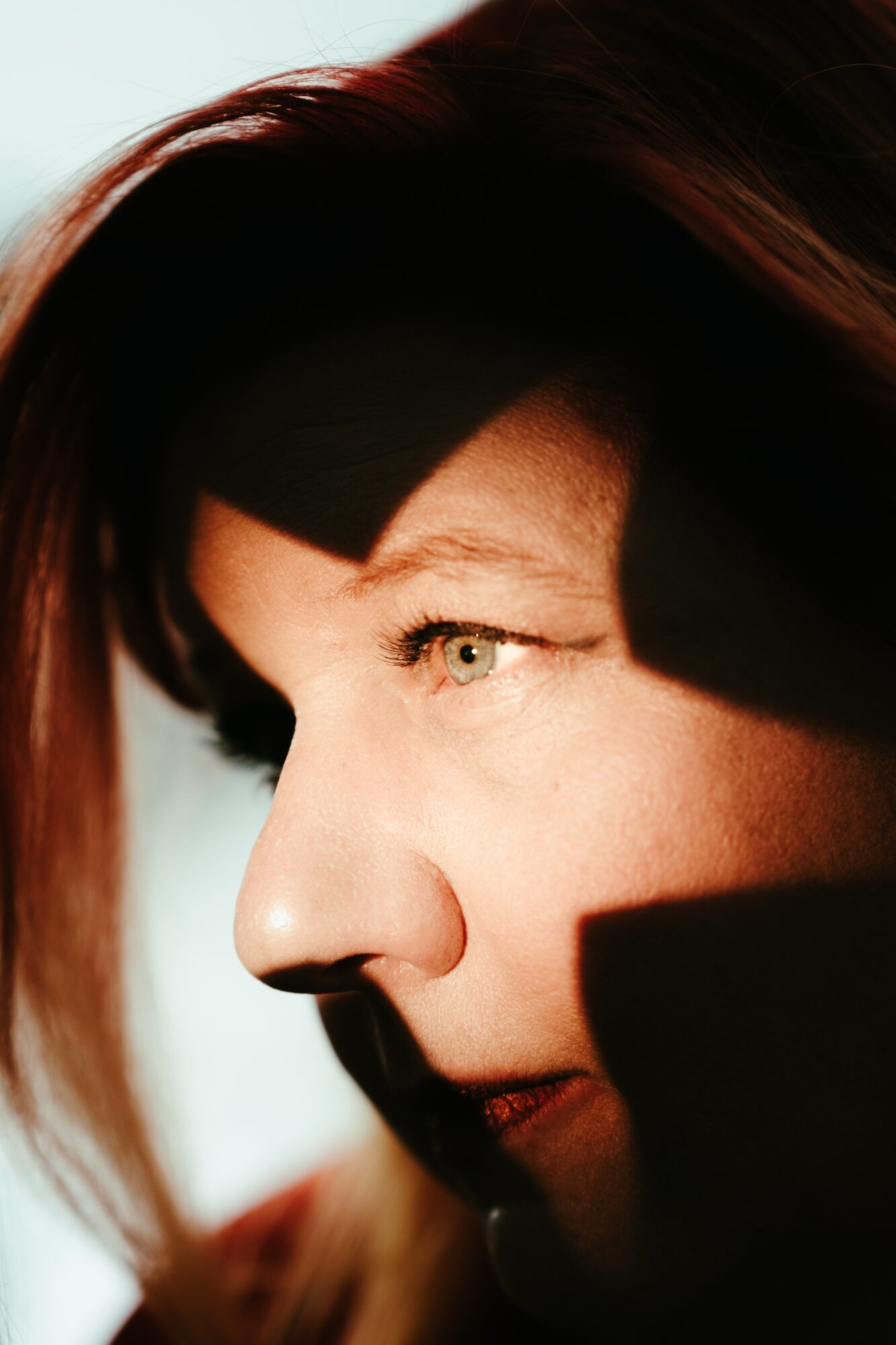
Today we’d like to introduce you to Jessi Cruger.
Jessi, we appreciate you taking the time to share your story with us today. Where does your story begin?
My journey into photography wasn’t exactly planned. I grew up in New Hampshire, where my dad encouraged me to explore the world beyond our small town. He always told me, “Leave this town, there’s so much more out there.” I don’t think either of us realized how much those words would shape my life.
I moved to North Carolina in 2006 and began my career in neuroscience research at Duke University. Photography became a creative outlet and an excuse to explore, meet people, and experience the world differently. I had no idea how many doors carrying a camera would open.
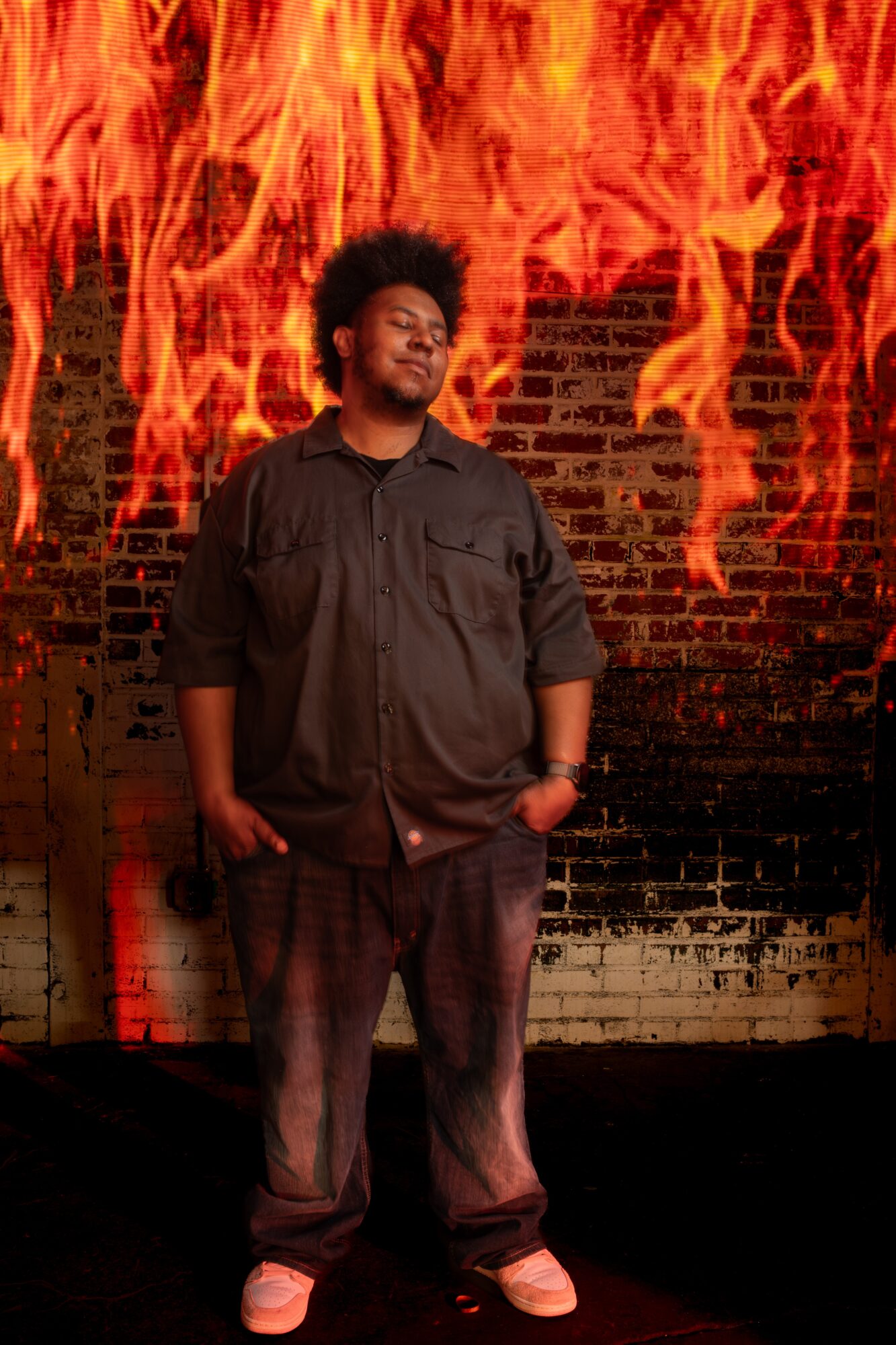
In 2014, I discovered light painting through my friendship and mentorship with Johnny Dickerson (Jedii Light Painting), and it completely changed how I saw photography. Creating images with darkness, movement, and light, all in-camera without digital manipulation, opened up a whole new creative world. It also connected me with an international community of artists, including a World Light Painting Alliance gathering in Virginia.
One of the most interesting parts of my journey has been finding ways to bring neuroscience and photography together. I’ve contributed to scientific publications and participated in Duke’s Art of a Scientist exhibitions over multiple years. Science and art have more in common than people might think. Both are rooted in curiosity, observation, experimentation, and discovering things we might otherwise overlook.
Over time, that curiosity grew into Cruger Creations. What began as a hobby evolved into professional opportunities, artistic collaborations, and connections with some incredible communities. From serving as a resident artist at Durham Fruit and Produce to photographing performances, events, and the wonderfully unconventional, photography has taken me places I never imagined.
Today, I continue balancing my career in neuroscience with freelance photography and experimental art. What I love most hasn’t changed: the people, the experiences, and the opportunity to see the world from a different perspective.
I’ve always believed that light erases dark, both literally in my artwork and figuratively in life. Photography has helped me navigate loss, celebrate joy, and build meaningful connections.
I don’t think of photography as a destination or a measure of validation. It’s a passport, and I’m still excited to see where it takes me next.
Alright, so let’s dig a little deeper into the story – has it been an easy path overall and if not, what were the challenges you’ve had to overcome?
Absolutely not, but I don’t think I’d have it any other way. Balancing a full-time career in neuroscience, family, life, and a growing photography business has definitely been challenging. There are never enough hours in the day, and creativity doesn’t always fit neatly into the time you have available.
One of my biggest struggles has been learning to value my own work. Photography is an interesting industry because people love what you create, but that doesn’t always translate into understanding the time, energy, equipment, and experience that go into it. Learning when to say yes, when to say no, and when to put a price on my time has been an ongoing process. I love giving back to my community, but I’ve also had to learn that my time and creativity have value.
There’s also the emotional side of being an artist. You put pieces of yourself into your work, and sometimes the images you’re most proud of don’t get much attention, while something you barely thought twice about resonates with people. It’s easy to fall into the trap of measuring your worth through recognition, social media, or opportunities that don’t always come when you hope they will.
I’ve had periods when life, work, and responsibilities have pulled me away from creating simply for the joy of it. That’s probably been one of the hardest parts, remembering to make space for the art that started this whole journey in the first place.
But the challenges have also taught me a lot. I’ve learned to embrace experimentation, accept that not everything has to be perfect, and recognize that success can look different for everyone. Some of my most meaningful experiences have had nothing to do with money or recognition. They’ve come from the people I’ve met, the trust I’ve been given, and the moments I’ve been lucky enough to capture.
I’m still figuring it out, and I think that’s okay. Photography has never been a straight road for me. It’s been a series of unexpected turns, wonderful people, occasional frustrations, and opportunities I never saw coming. And somewhere along the way, I’ve learned that the experience of creating and connecting is often just as valuable as the photograph itself.
Can you tell our readers more about what you do and what you think sets you apart from others?
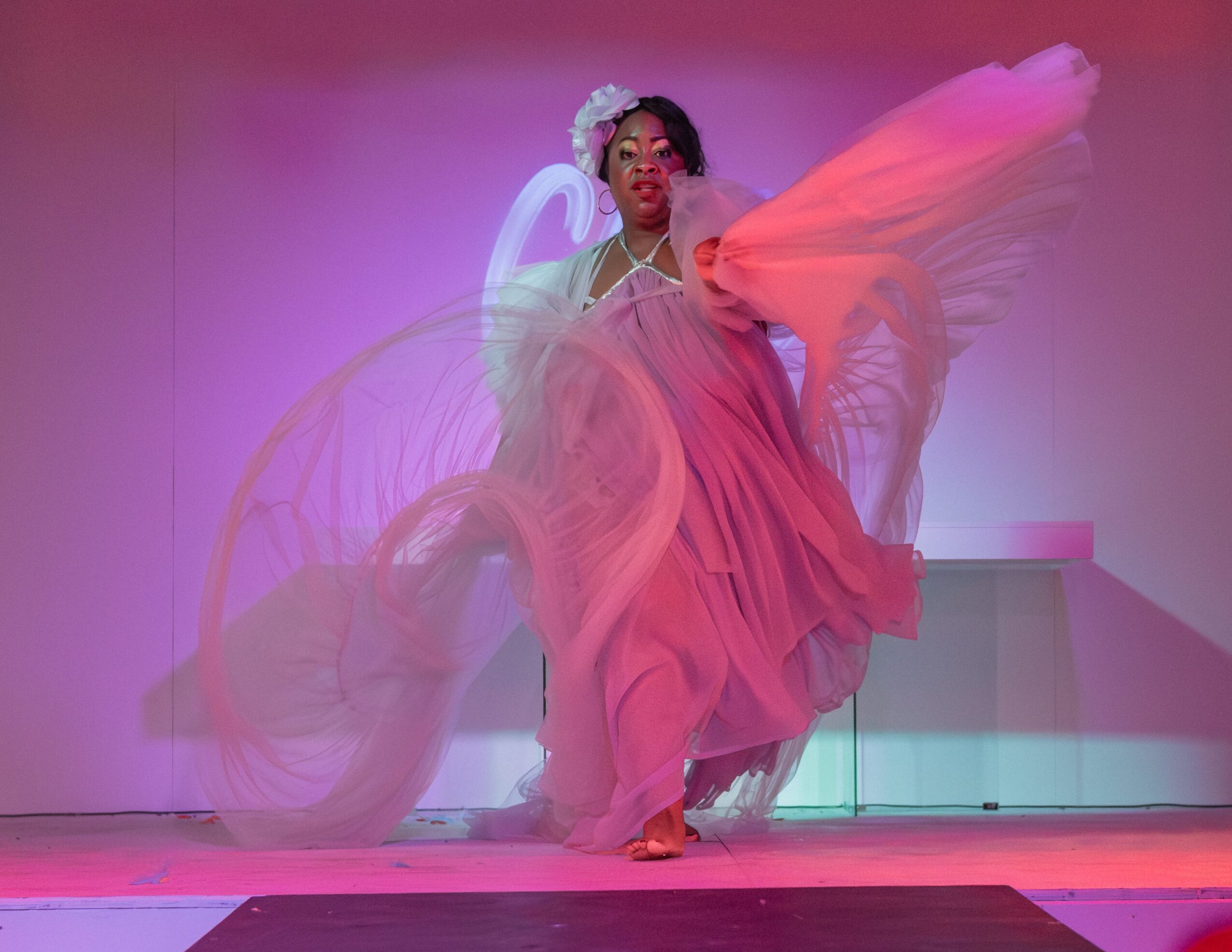
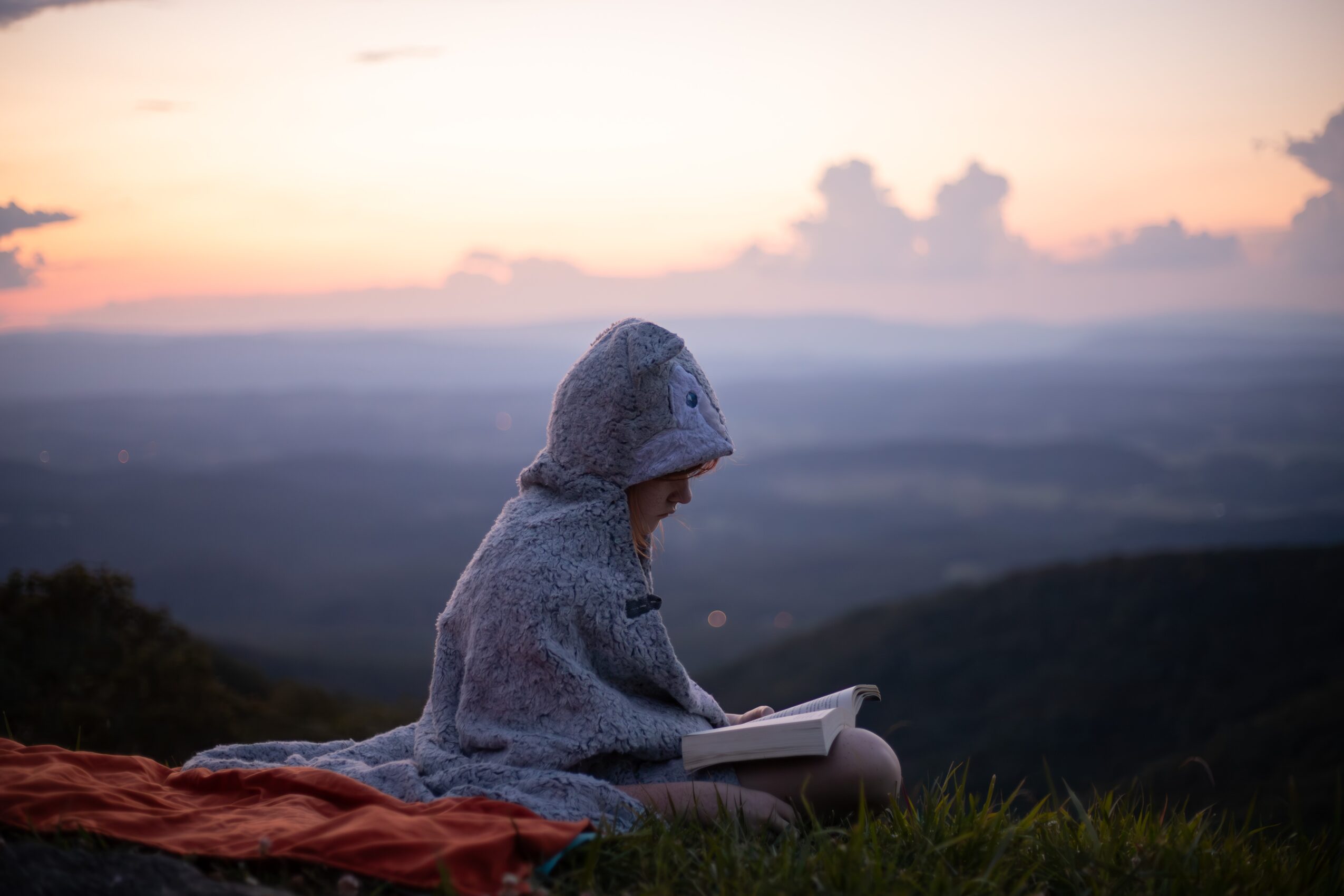
Through Cruger Creations, I work as a freelance photographer specializing in live performances, events, creative portraiture, real estate, and experimental light painting. I love the variety. One day I might be photographing a Broadway performance at DPAC, the next documenting a community festival, photographing a home, or standing in a dark tunnel waving lights around to create something unexpected.
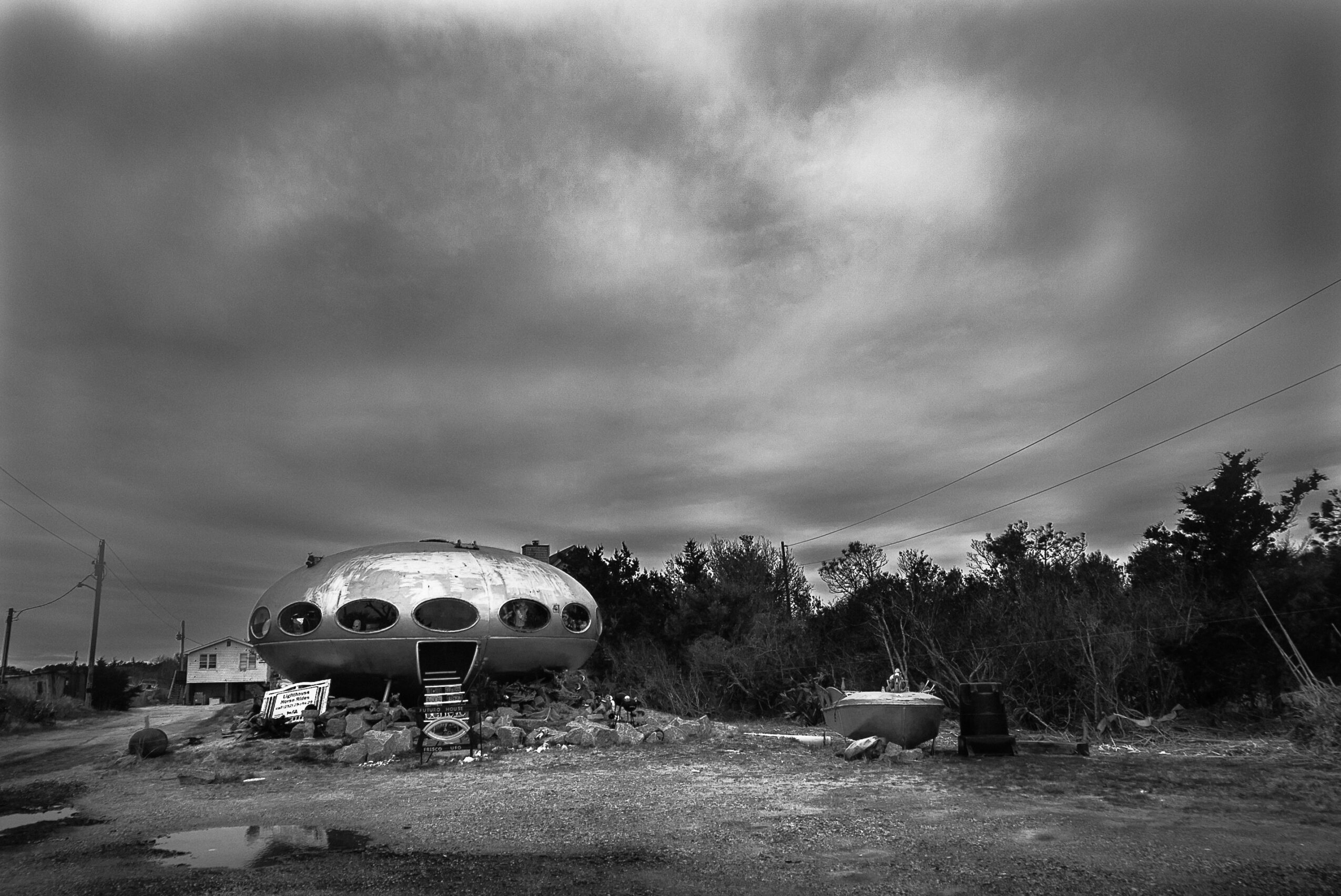
I’m especially drawn to the wonderfully unconventional. Musicians, burlesque performers, drag artists, circus performers, PUSH (BDSM/Kink), and creative communities have become a big part of my photographic world. I love capturing the energy of live performances and creating a space where people feel comfortable being themselves.
I also design and build custom photobooth sets, often using free, locally sourced, recycled, or repurposed materials. I enjoy the challenge of turning discarded items into something imaginative and interactive. Sometimes I incorporate light painting into these experiences, giving guests something beyond the traditional photobooth.
Light painting is probably my most recognizable artistic work. Using long exposures, movement, and different light sources, I create images in-camera without digital manipulation. My background in neuroscience plays into this. Science and photography both require curiosity, patience, experimentation, and a willingness to try something that might not work the first time.
Some of my proudest opportunities include being a house photographer at DPAC, working with the Durham Arts Council, serving as a resident artist at Durham Fruit and Produce, and contributing to Duke community events such at the Beaver Queen Pageant. But the smaller moments matter just as much, especially when someone sees a photograph of themselves and genuinely loves it.
What sets me apart is my adaptability, resourcefulness, and willingness to experiment. I don’t follow one formula, and I believe creativity doesn’t need a huge budget or a perfectly polished result to be meaningful.
Ultimately, I’m proud to have built a creative life that doesn’t fit neatly into one category. I want to celebrate people, capture the unexpected, and preserve moments that might otherwise disappear. That’s what keeps me picking up the camera.
Can you talk to us about how you think about risk?
I think I’m a bit of a contradiction when it comes to risk. I’m adventurous, curious, and often willing to jump into something completely unfamiliar, but I also have a practical side that likes a little security. Maybe that’s the scientist in me! One of my community names is actually SplashZone, which feels pretty appropriate. Whether I’m photographing fire breathers or working in other environments where things can get a little unpredictable, I’m often the person who wants to be right in the middle of the action. The name comes from being trained or authorized to get closer than most people safely can. I love being in the splash zone, but I also believe in understanding the risks before stepping into it.
Moving away from New Hampshire to North Carolina in 2006 was probably one of my biggest life risks. I left behind what was familiar to build something new, without really knowing where it would lead. Looking back, that decision opened the door to nearly everything that has shaped my life since.
Photography has been full of smaller risks that have added up to something pretty incredible. Walking into unfamiliar spaces, introducing myself to strangers, asking to photograph people, sharing my artwork publicly, and accepting opportunities that push me outside my comfort zone. Some of the most meaningful experiences I’ve had started with simply showing up somewhere I wasn’t entirely sure I belonged.
Light painting is a great example of how I approach creative risk. You can plan, experiment, and understand the technical side of what you’re doing, but there’s always an element of unpredictability. Sometimes you spend hours creating something that doesn’t work, and sometimes an unexpected mistake becomes your favorite image. My background in science has taught me that failure isn’t necessarily a bad thing. It’s information. You learn something, make adjustments, and try again.
Building Cruger Creations alongside a full-time career has also been a balancing act. I’ve chosen not to put all my financial security into photography, which gives me the freedom to take creative risks without every decision needing to generate income. That doesn’t mean it’s always easy, but it allows me to pursue projects because I believe in them, not just because they’ll pay the bills.
I think the biggest risk is sometimes allowing yourself to be seen. Putting your work, your ideas, and a little piece of yourself into the world means accepting that not everyone will connect with it. I’ve had to learn that recognition doesn’t determine the value of what I create.
Over time, I’ve come to believe that risk isn’t always about being fearless. It’s about being curious enough to move forward even when you don’t know exactly what’s waiting on the other side. Some things work out, some don’t, but I’ve rarely regretted the experiences that came from being willing to try.
After all, if I’d stayed where everything was familiar and comfortable, I would have missed out on an extraordinary number of people, places, and experiences. And for me, that’s a much bigger risk.
Pricing:
- Negotiable based on project and budget
Contact Info:
- Website: https://crugercreations.mypixieset.com/
- Instagram: cruger_creations
- Facebook: cruger creations
- Other: https://linktr.ee/JessCruger