




Today we’d like to introduce you to Raven Nicole.
Raven Gibbs is a graduate of the University of North Carolina at Chapel Hill with a BA in Psychology and Sociology and a concentration in Law and Cognitive Science. She recently received a degree in MS Clinical Mental Health Counseling! According to the National Alliance on Mental Illness, 19.1% of adults in the United States have experienced some form of mental illness (NAMI, 2018). This number in a simpler form is representative of one in five adults. Like the 47.6 million people in the United States that have experienced mental illness, living with mental illness has been a part of her reality since the age of 14.
In response to this diagnosis, she has worked tirelessly over the years to ensure that the young women she encountered were supported, loved and encouraged. Raven had a vision and executed a plan to address mental health challenges via dance to young ladies that were not open to traditional therapeutic techniques and interventions. Her work is much needed in communities that are plagued by stigma and limited healthcare resources. Through her a non-profit organization, Motiv8 Incorporated, and her for-profit company, Mindfulness Movement, Raven has helped to spread awareness to minority communities about their mental wellness while also positioning many students to go further in their pursuit of professional artistry. By hosting dance and wellness sessions to connect the dots with mental health, she has displayed a desire to help those in need; especially the next generation.
Raven is well on her way to shifting the narrative of mental health in the Black community. By providing a unique movement experience that promotes emotional, social, cognitive and physical integration for the purpose of improving health and fitness while tackling the issue of self-care and mental health, she is helping the 16% of Black America that had a diagnosable mental illness in the past year. She is currently certified in The Science of Well-Being (Yale University), Healing With the Arts (University of Florida), Mental Health Management During Covid-19 (University of Toronto), Mindfulness Coaching (New Skills Academy), Reiki (Udemy), and Registered Yoga Instruction (My Vinyasa Practice).
Would you say it’s been a smooth road, and if not what are some of the biggest challenges you’ve faced along the way?
Though quite rewarding, the journey to success was not without struggle or difficulty. Naturally, one’s first thoughts regarding such a stigmatized diagnosis are fear, greater anxiety, and denial. Instead of taking the suggested steps to better my mental health, I, like many others diagnosed with mental disabilities, continued as if the illnesses did not exist. Seeking help did not occur to me until the end of my first year of college when I had my first real bout with depression without my parents as close resources. The experience was terrifying and ultimately left me hospitalized. In that moment, this experience did not seem like one that would alter the trajectory of my life, however, during this brief hospitalization, I had more than enough time to think about my current situation and to truly observe my own passions and understanding of self.
Prior to this hospital experience, it had already become painfully clear that I would not be the doctor that my parents wished for; not because I lacked a passion for helping others, but a fear of blood as a doctor is sure to be limiting. In those hospitalized moments of quiet and stillness, I began to think of people like me that deal with the illnesses that one would not necessarily see. Thus, my interest in the counseling and therapy profession was born and I soon changed my major from Biology and Spanish to Psychology and Sociology with a minor in Cognitive Science. I was eager to take in as much information regarding the mind as possible. The classes were difficult and awakened some anxieties, but also challenged me to think outside of the box regarding my role in helping others.
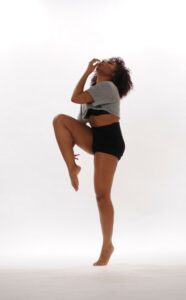
Dance has also been a passion of mine for quite some time. My mother would often tell others that I began dancing before I began walking. While this talent and creativity has provided a fruitful career by allowing me to tour as a professional background dancer, live well and better manage my own struggles with mental illness, my time onstage revealed more to me than almost any experience prior. Through various stages and sets, I learned that I am purposed for much more than an audience’s entertainment. This realization, combined with my desire to break the stigma that surrounds mental health birthed the idea of a unique dance experience that not only satisfies my desires to be on the stage but also aids in building safe communities and resources for those in need.
Appreciate you sharing that. What else should we know about what you do?
Starting dance when I was only four, I have gone on to dance and/or choreograph for several artists and companies including Steve Harvey, Tyler Perry, Ginuwine, Calvin Richardson, the Sacramento Kings, Georgetown University, AyHollywood, GiGi Torres, Tank, and Snoop Dogg. I have also had the opportunity to act as Director for UNC’s first coed dance team, UNC Kamikazi and lead instructor at both Bravo Academy of Dance and Faulkners’ Dance and Gymnastics, but can currently be found at home teaching adults and youth both dance technique and wellness strategies.
I am likely most known for my artistic contributions as they have been seen on PBS, Tyler Perry Studios, BET, BETher, Essence Festival, XONecole, Spirituality & Health Magazine, 102Jamz, Foxy 107/104, Spectacular Magazine, The CW, and more! Though these moments have been quite exciting, there has been nothing more thrilling than to see young dancers’ dreams come into fruition. I am proud to say that through the work of the company, three of our students received scholarships from us to continue their education. Not only are they using these scholarships to continue dancing and advancing their studies, they’ve committed to majors and professions that aid them in continuing our mission of wellness and excellence in minority communities.
What sets the work that we do apart from others is our experience. Because of the background of the board and I, we are able to connect to the community and our students in a way that is unmatched by any other. Personally, telling my story verbally for years has proven to be difficult. However, through my body, I have been able to communicate every thought, feeling, and emotion perfectly. Dancing and communicating through movement has been my therapy and for many, my story has resonated. I am a daughter, a sister, a student, an artist, and I am a person living with mental illness. Mental illness looks like you and me. It doesn’t discriminate. And for that reason, we continue to excel by bringing communities an unconventional method of healing and further teach, motivate, and assist you and your team in understanding the self, mental health, and mindfulness practice.
What sort of changes are you expecting over the next 5-10 years?
Based on current trends and data examining the dance industry, in the next 5-10 years, we can expect to see more studios operating throughout the United States. There is likely to be a growing interest in these spaces with many studios starting to offer dance fitness or other health-related dance courses, fusion, and culturally relevant classes. Due to the aftermath that is sure to follow the pandemic, we likely also see a rise in virtual lessons or hybrid class offerings. This allows students to receive extensive training from anywhere around the globe at a lower cost and a greater reach.
As far as demographic trends are concerned, it is likely that women will continue to dominate the industry as both dancers and choreographers. I do believe that diversity in the industry will continue to grow as our population continues to change, which is beautiful! I fully support greater representation for our youth. What I find particularly interesting is the age at which dancers are beginning to withdraw from the stage or educational setting. Dancers are remaining on the stage and teaching at upwards of age 30. This is encouraging because it demonstrates that it isn’t too late to begin learning about something that you love or once loved. Despite how great the demographic trends are, I do believe that the dance industry still has some tremendous opportunities for growth, especially with regard to insurance and fair pay.
Based on current research, communities can also prepare to see dance wellness begin to trend higher in the coming years. Dance and movement therapy have been around for decades but only recently started gaining popularity. Due to scientific support and research, we are better able to understand exactly how movement and dance can positively alter the body and brain’s chemistry. Individuals seeking greater cognitive function, emotional regulation, self-awareness, and neural plasticity find dance and movement therapy as a resource. This industry is extremely likely to grow post-pandemic and even more as more evidence is released to support its use.
Contact Info:
- Email: ravenngibbs@gmail.com
- Website: www.mindfulnessmovementnc.org
- Instagram: www.instagram.com/raven_nicole_
- Facebook: www.facebook.com/theravennicole
- Twitter: www.twitter.com/raven_nicole_
- Youtube: www.youtube.com/c/RavenNicole/
- Other: www.wemotiv8you.com
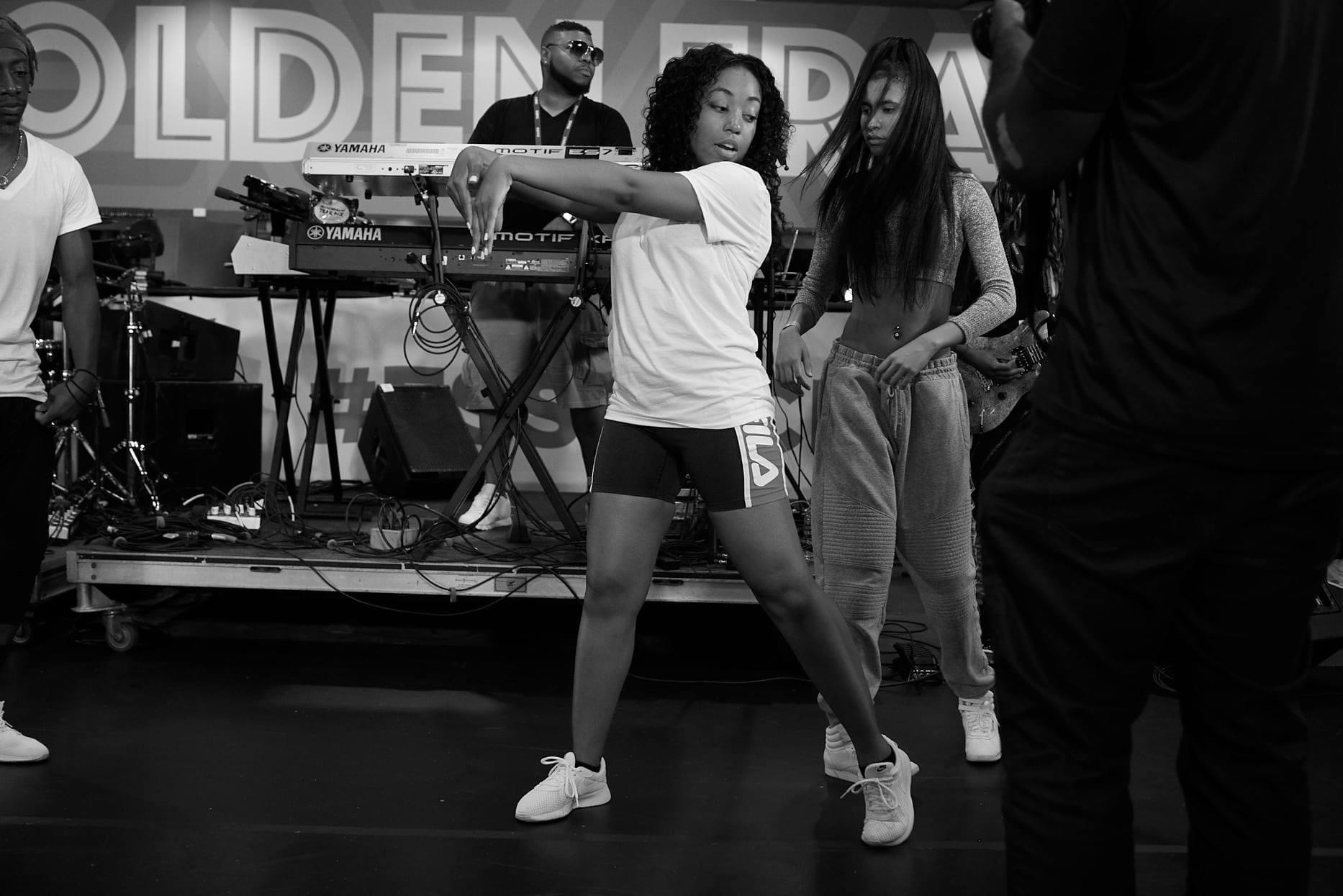
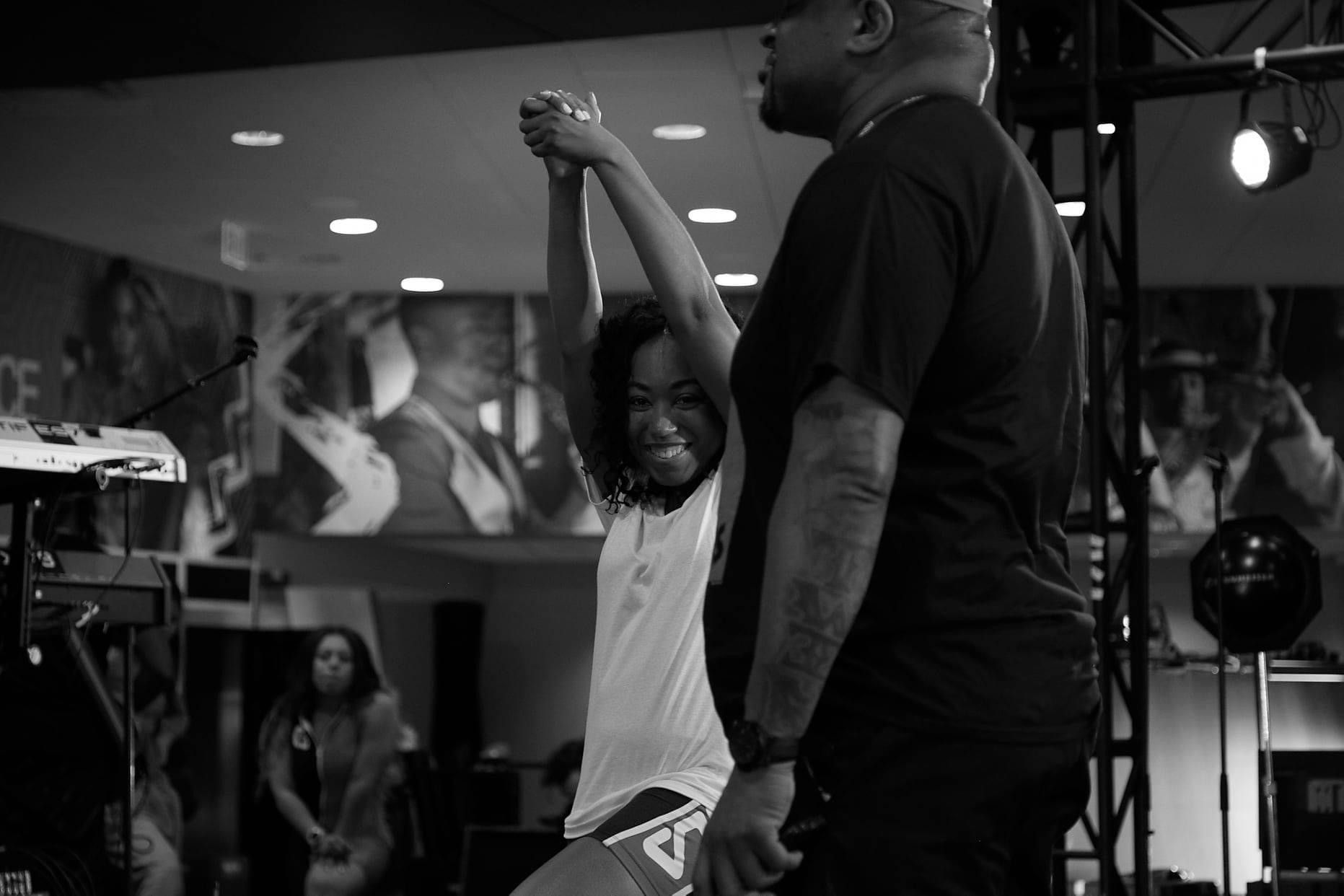

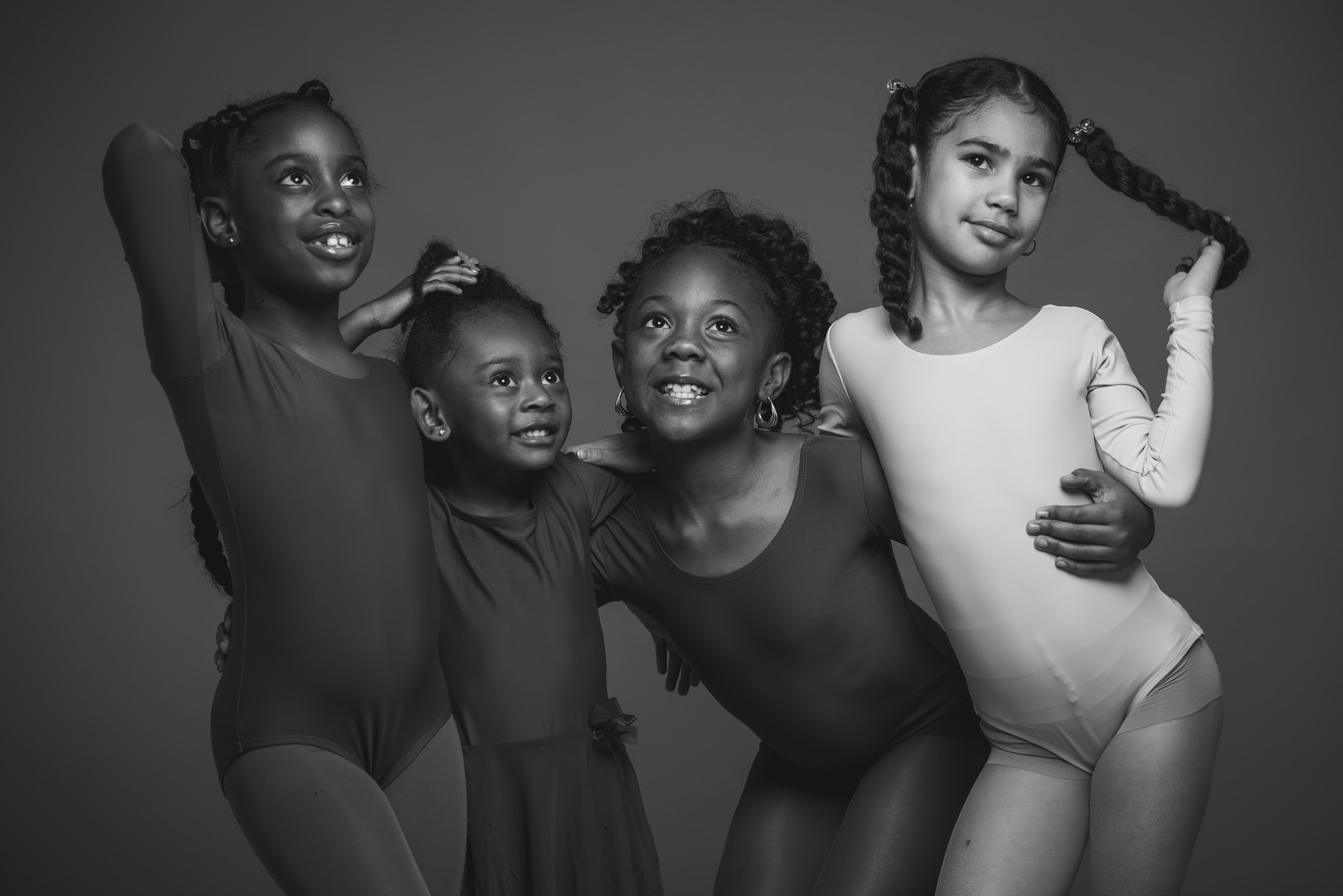
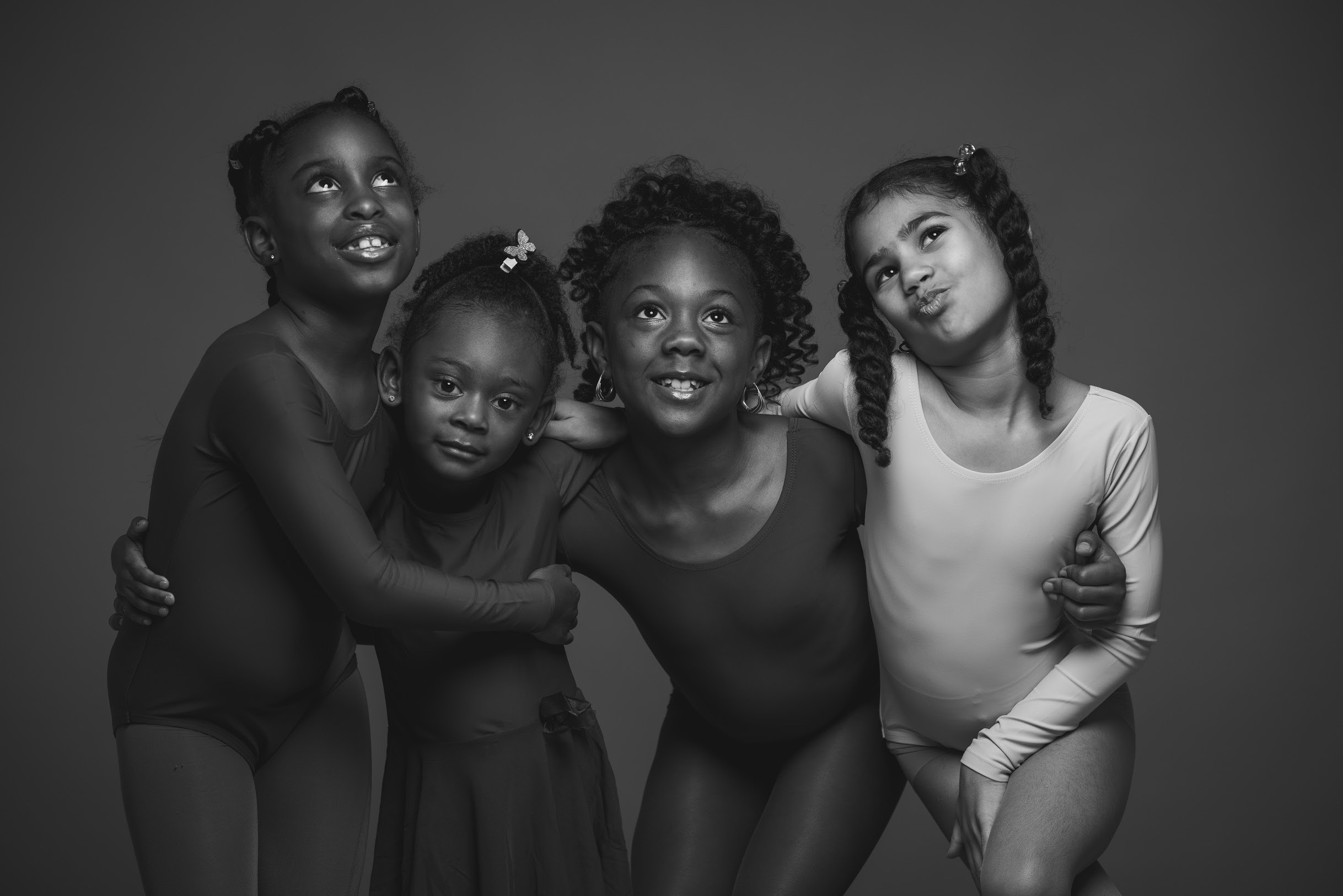
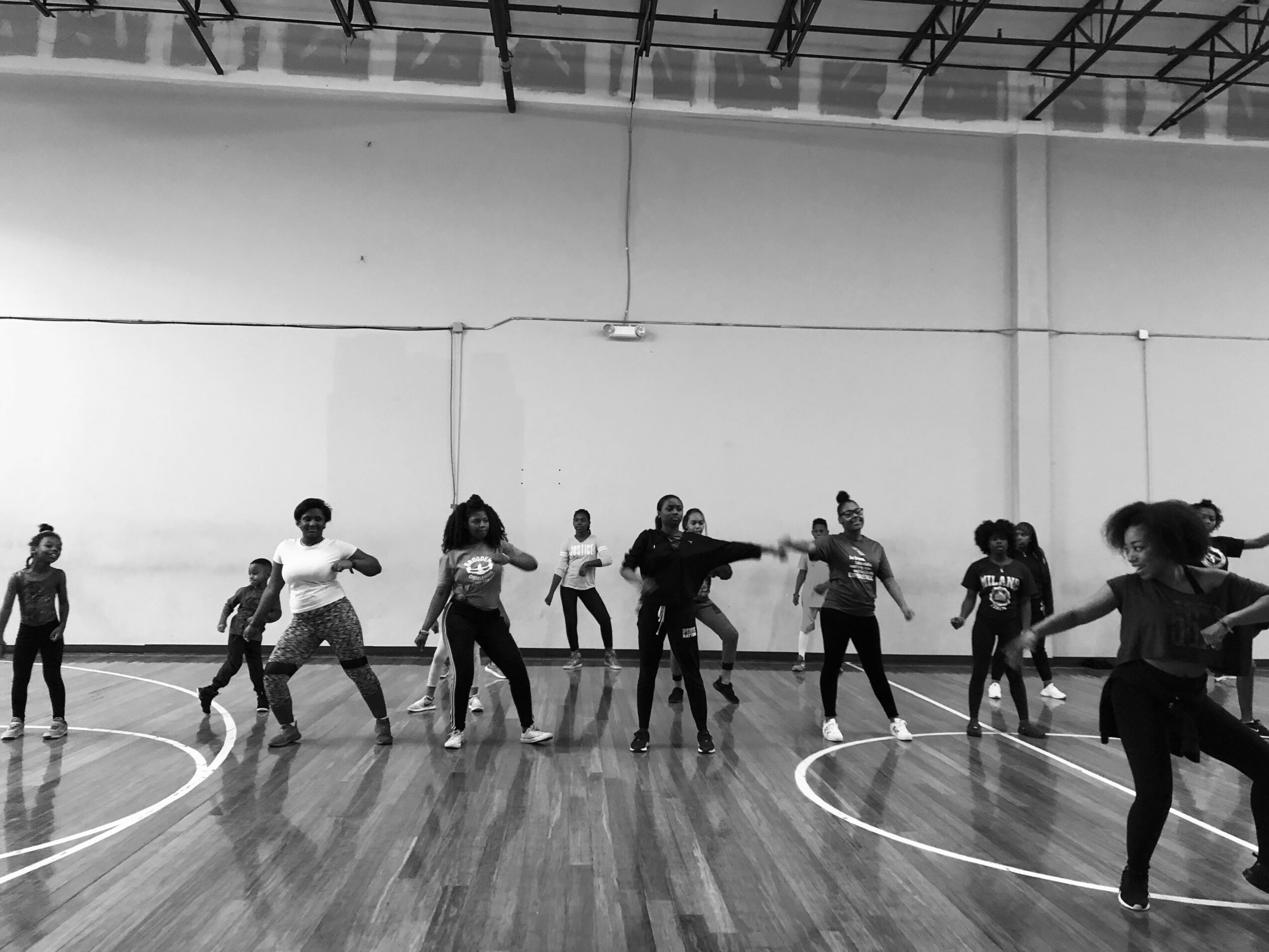
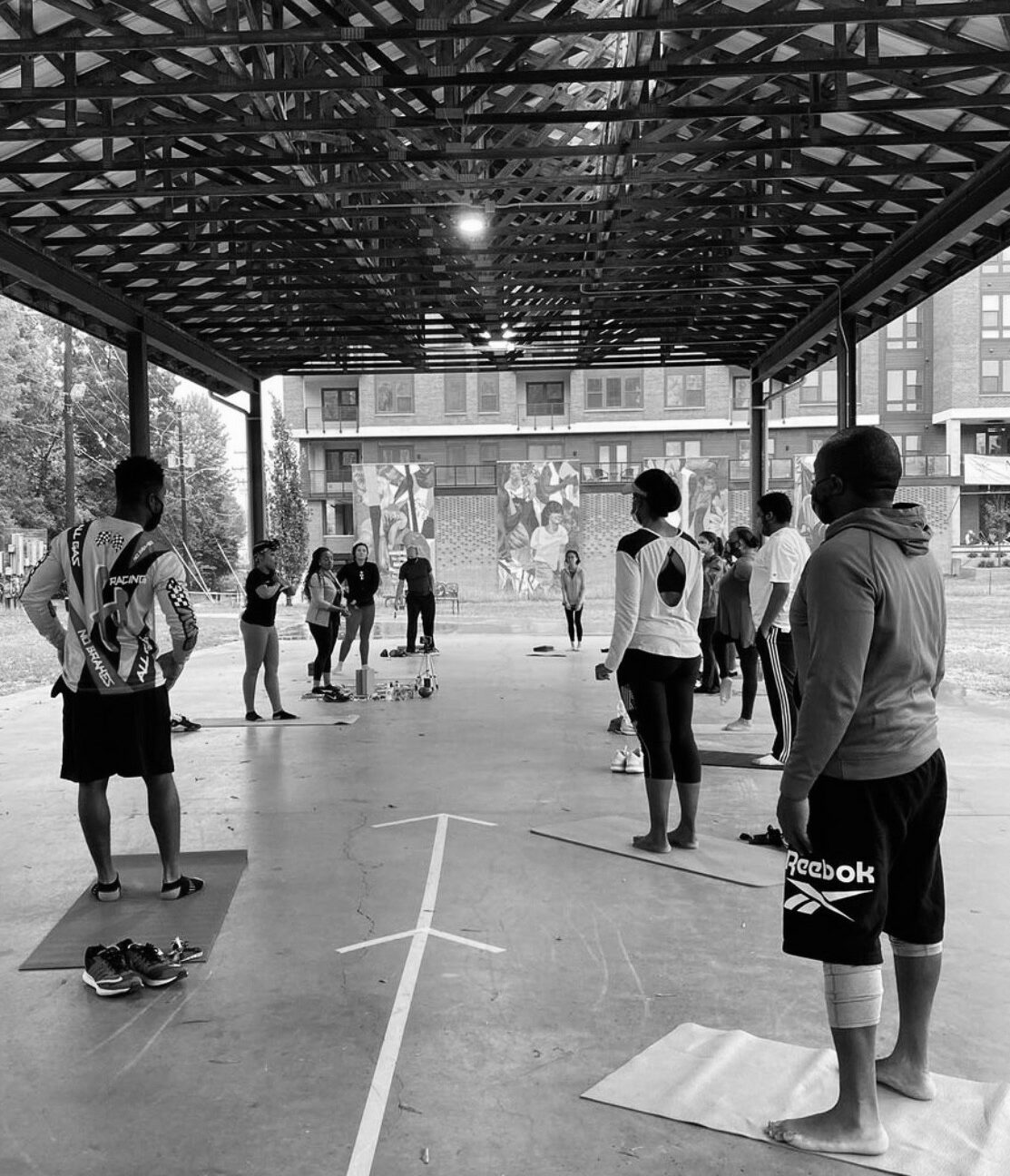 Image Credits
Vernon Samuels and Aaron Smalls






Rhonda Bryant
May 18, 2021 at 9:43 pm
Iam soooo proud of u! Keep up the Great Work!