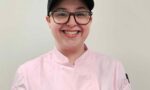





Today we’d like to introduce you to Jamie Katz Court.
Hi Jamie, we’d love for you to start by introducing yourself
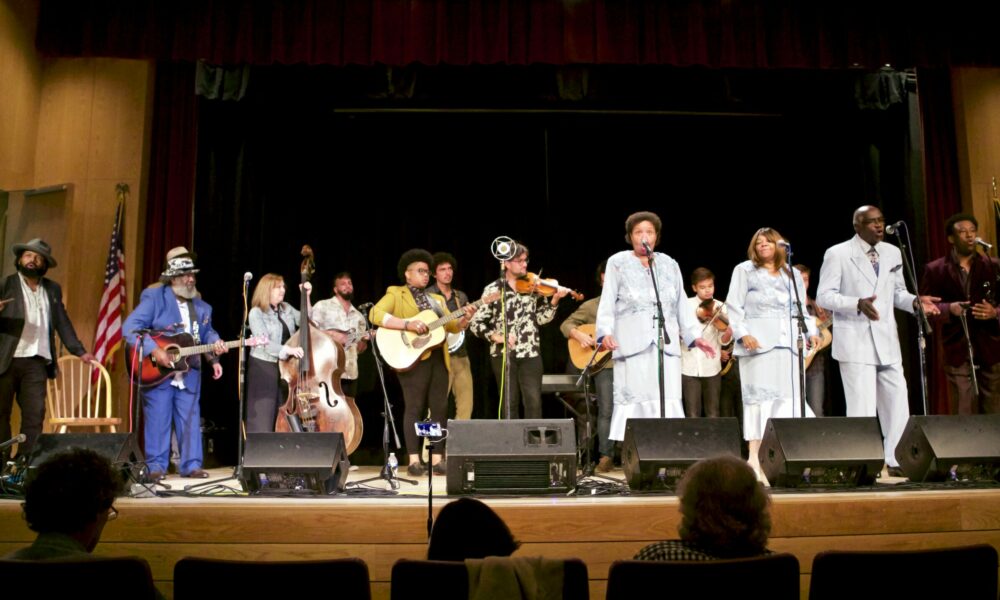
I often tell people that I “fell backward” into arts administration. I loved to write, so I studied journalism in college, but after a work-study job helping to run concerts and festivals during my senior year, I realized I wanted to do more of that. I ended up as a Performing Arts Intern at Longwood Gardens in Kennett Square, Pennsylvania, for a year, where I learned a lot from the Performing Arts Department staff about arts presenting and marketing. After that year, I moved back in with my parents for a short time before being hired by the United Arts Council of Raleigh and Wake County. I moved to Raleigh in 2004 and worked as the Artists in the Schools Coordinator there for about four years. I got to work with artists from a variety of backgrounds and disciplines (music, dance, theater, visual arts, creative writing/literary arts, etc.), and I also learned about the organizations that United Arts provided funding to, including PineCone, the Piedmont Council of Traditional Music. As a lifelong music fan, when I saw a job opening at PineCone, I applied, and when I was offered the job, I enthusiastically accepted! And that was almost 13 years ago. Since then, I’ve learned so much about North Carolina music, and even more about some of the history of the various styles and music traditions here, and how music and musicians from here have influenced music well beyond North Carolina’s borders, and how musicians here have been and continue to be influenced by their own lived experiences as well. And the more I learn, the more there is to learn – I feel so fortunate to be part of the work this organization does.
I’m sure you wouldn’t say it’s been obstacle-free, but so far would you say the journey has been a fairly smooth road?
I think it’s always hard to figure out what you don’t know in order to learn to be as effective as you can be. I’ve been very fortunate to have worked with folks who I could ask questions and learn from and to observe for myself what was working well and where I saw opportunities to improve or change how I handled things. It’s a lot easier to change your own behaviors first and to lead by example.
Covid has certainly been and continues to be a challenge for everyone, and particularly for arts organizations and artists, whose livelihoods have long depended on people being able to gather together. Figuring out how we as an organization and a team would continue to provide people with some connection to music during the pandemic was definitely a struggle, and perhaps even more so now as different people have different comfort levels as in-person events begin to resume.
We always learn when we struggle, even if it’s learning what doesn’t work. Also, noticing when you’re not bringing your full self to what you’re doing – figuring out the why behind that, and whether that means you want to change what you’re doing or whether it’s time for a bigger change – that’s how we keep moving forward.
As you know, we’re big fans of you and your work. For our readers who might not be as familiar what can you tell them about what you do?
As the Communications & Programs Manager for a small non-profit arts organization, my focus varies. I am responsible for all of our communications channels, including our website, e-newsletter, print newsletter (yes, we still have one!), and social media, as well as program logistics. And since we’re only a staff of three, we all wear a lot of hats and do a little bit of everything that the organization needs.
For me, one of those hats has been Accessibility Coordinator. Thanks to a local learning community set up for staff members of local nonprofit arts organizations a few years back, I got to learn about accessibility by attending the Kennedy Center’s Leadership Exchange in Arts & Disabilities (LEAD) conference. At first, it was overwhelming – there was so much to learn and take in! Thanks to the learning community, I was able to figure out some manageable first steps that I knew would benefit PineCone and the people we serve, and when one of my colleagues joined the learning community as well, we were able to work together to find new ways to make our organization’s programs even more welcoming and accessible to people with disabilities. We started a sighted guides program for the annual bluegrass festival that we produce in partnership with the International Bluegrass Music Association, and we were also able to purchase a simple assistive listening system for the concerts we do at venues that don’t have such a system themselves. We’ve even had American Sign Language interpreters at some of our programs! We’ve made some great strides in accessibility in the past several years, and we’ve also seen how much we can still improve.
And I believe that many of the lessons we’ve learned in making our programs more accessible can also inform how we address other systemic issues, such as diversity, equity, and inclusion – and making sure that accessibility is always part of those discussions as well.
Have you learned any interesting or important lessons due to the Covid-19 Crisis?
People want to help each other and connect, particularly in times of crisis or upheaval. Sometimes you need to trust your gut and advocate for what you know to be right. It’s okay to experiment and try new things – some will work out better than you could hope. And it’s also okay if things don’t go exactly as planned either – you can still learn from what you tried.
Contact Info:
- Email: communications@pinecone.org
- Website: https://pinecone.org
- Instagram: https://www.instagram.com/pineconenc/
- Facebook: https://www.facebook.com/PineConeNC
- Twitter: https://twitter.com/PineConeNC
- Youtube:https://www.youtube.com/channel/UCVyLGIUJwUMw5SpqvNVzTmw
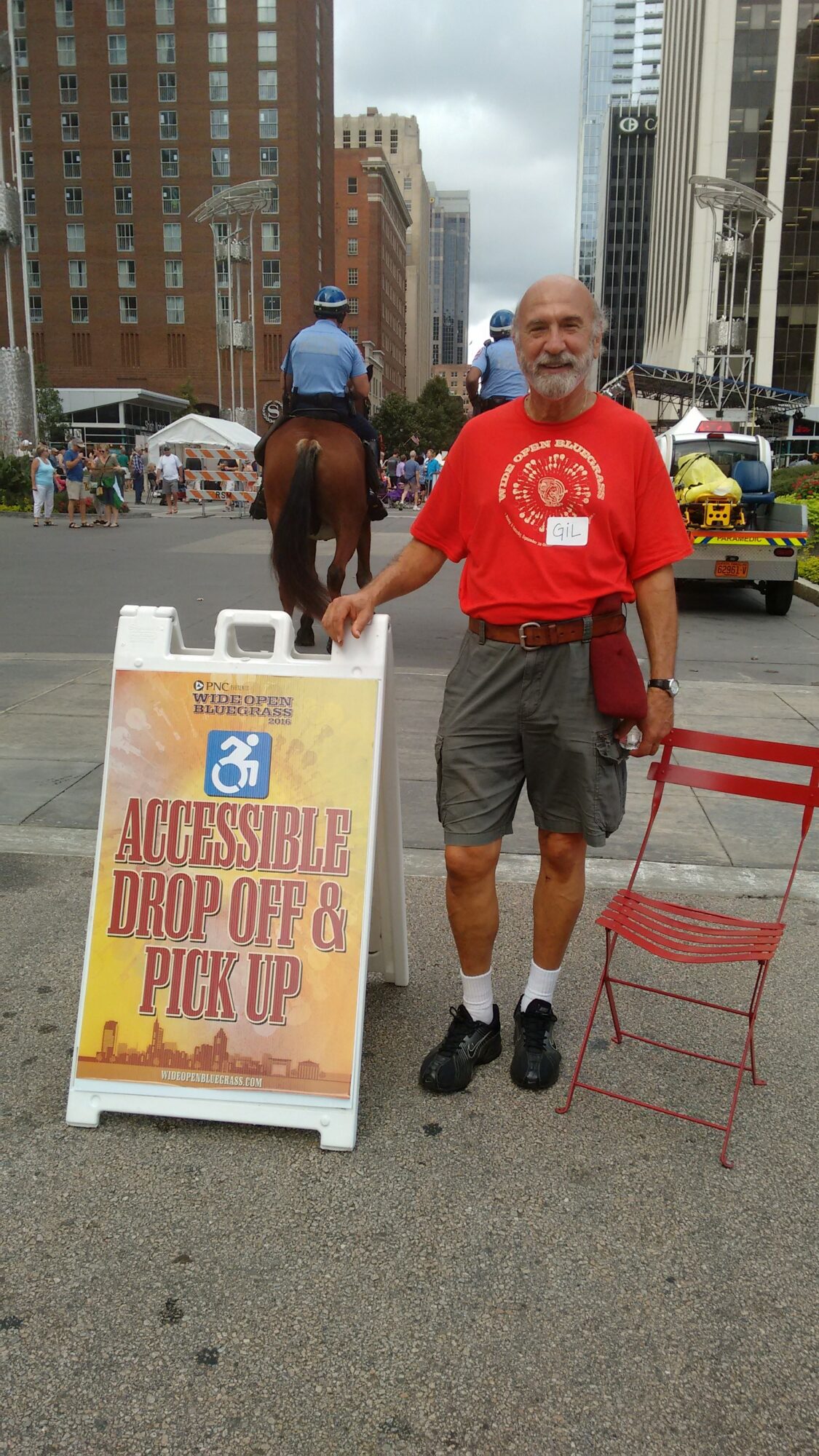
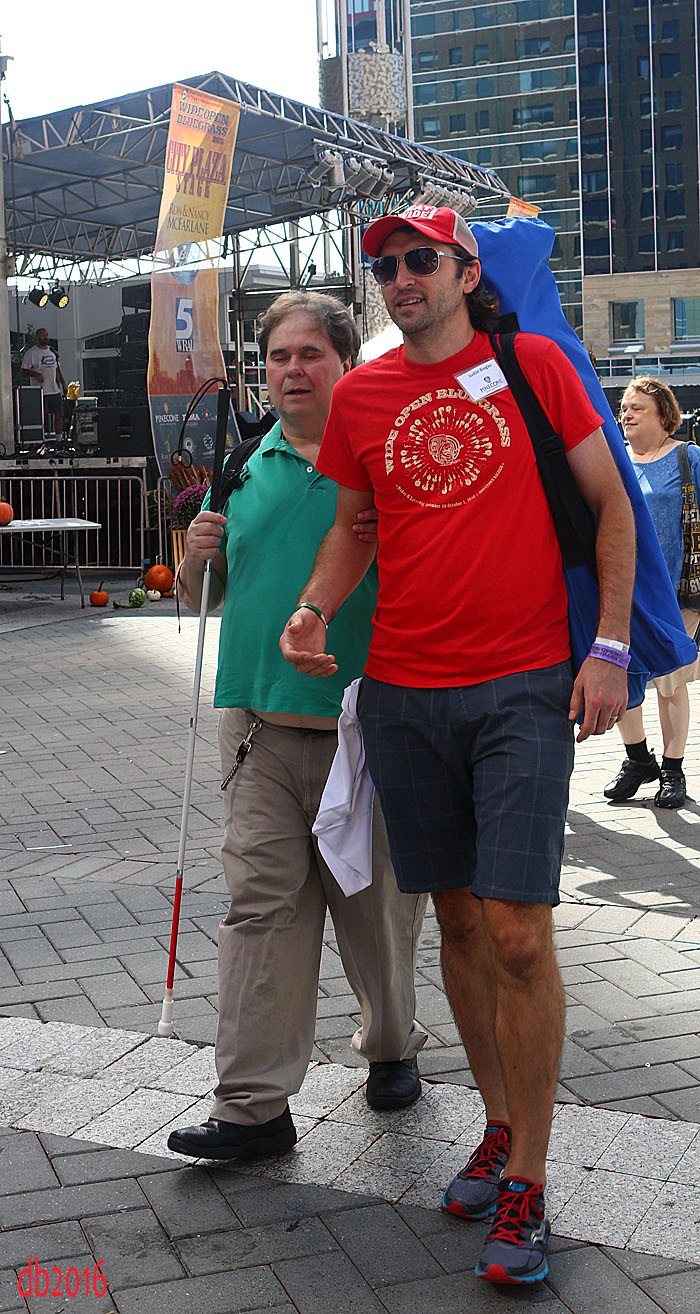
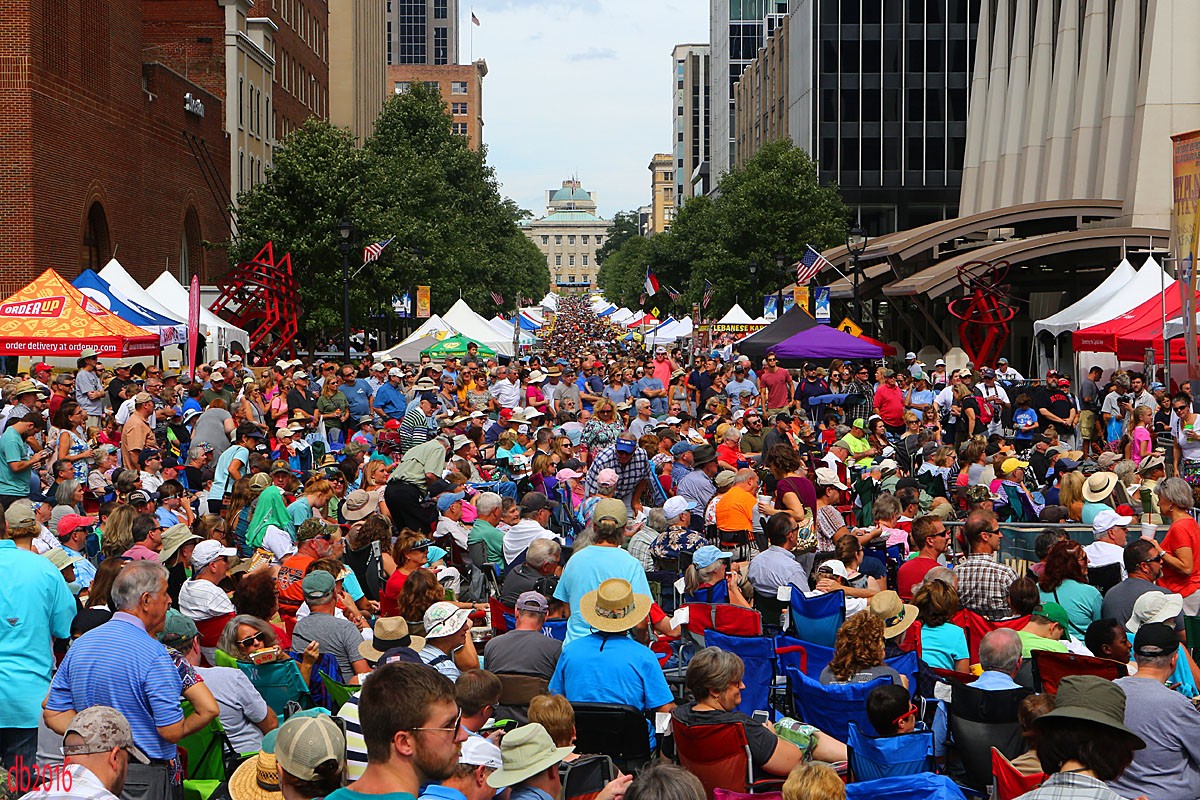
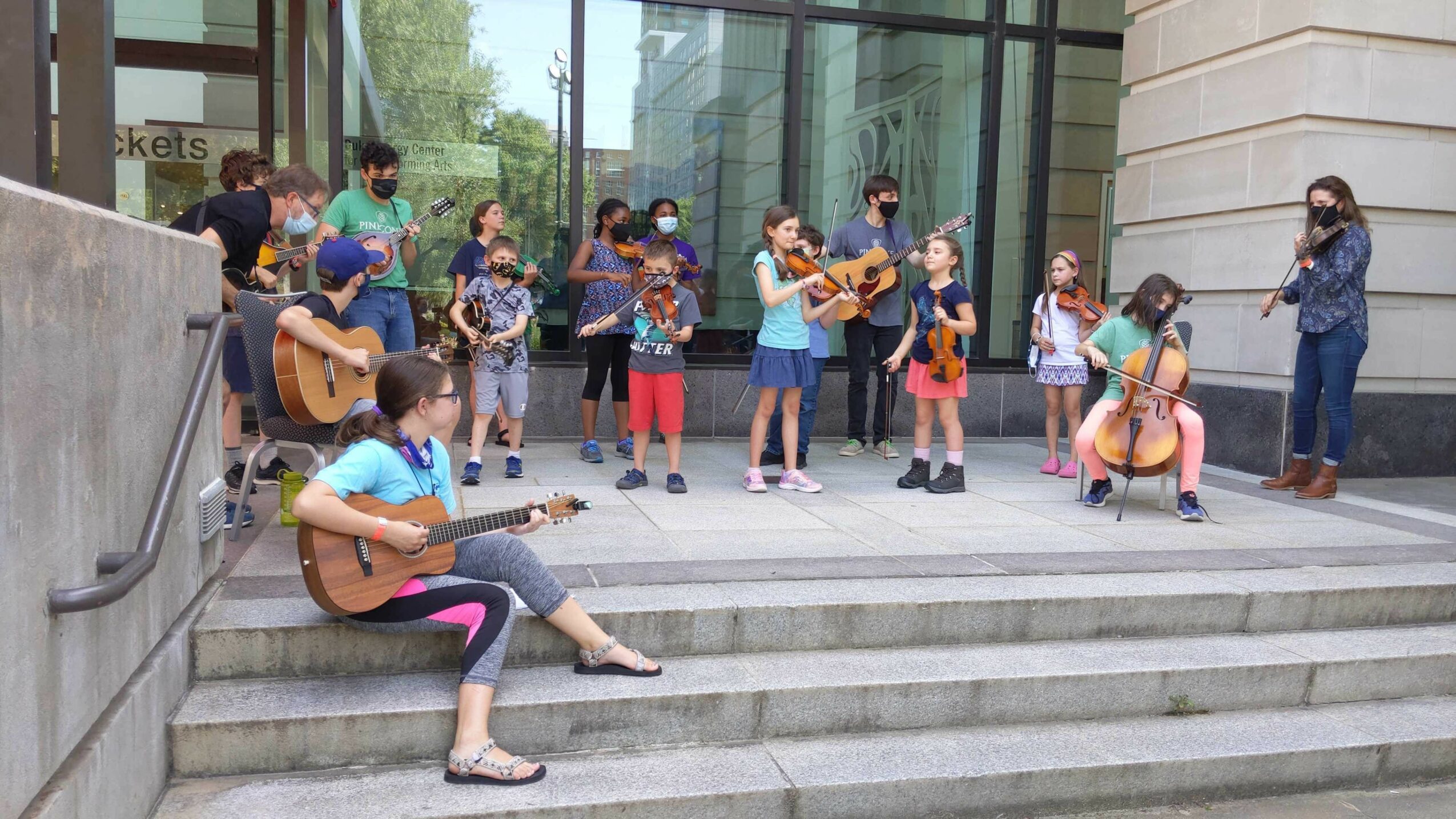
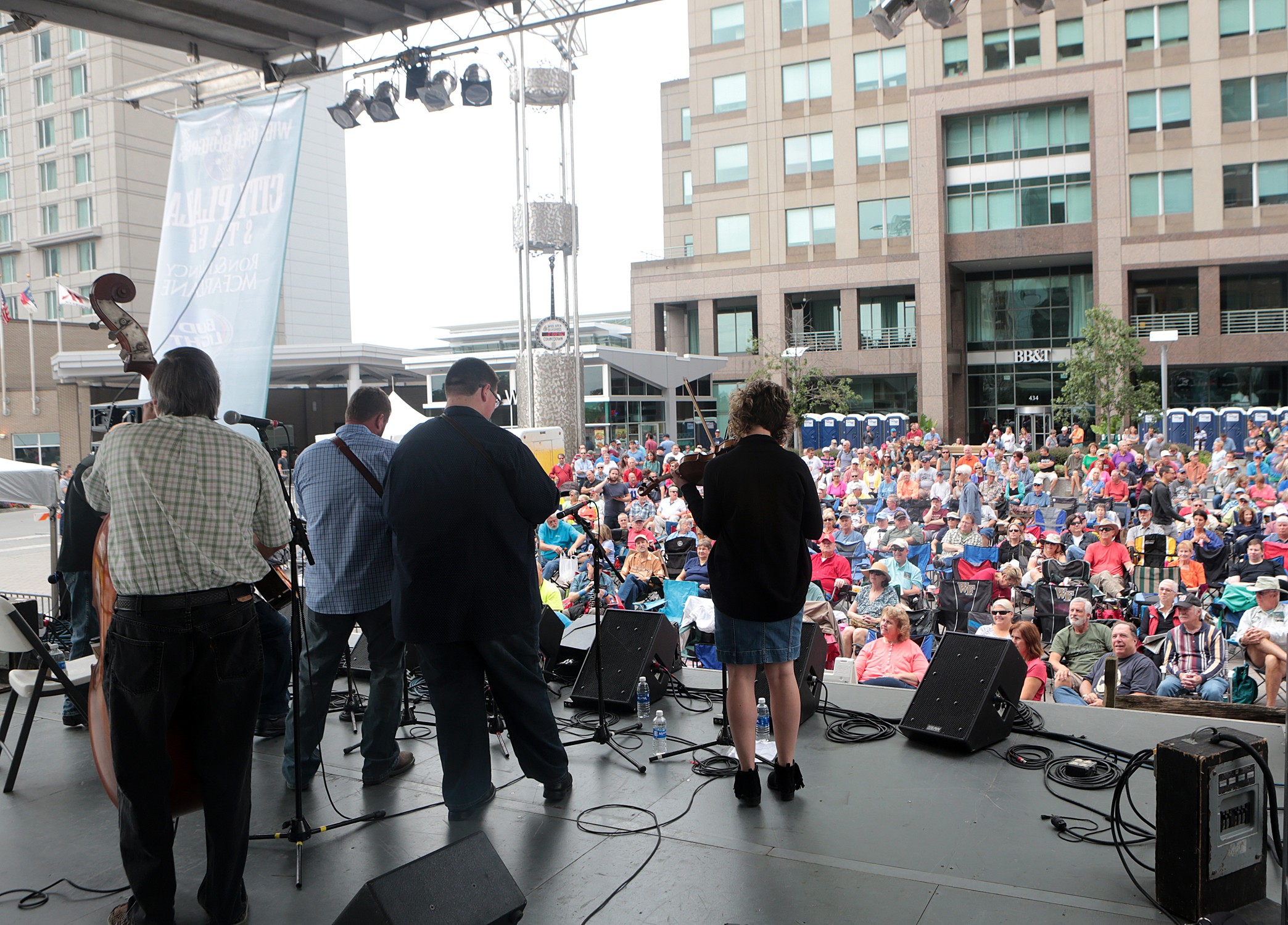 Image Credits
Brainard Photo