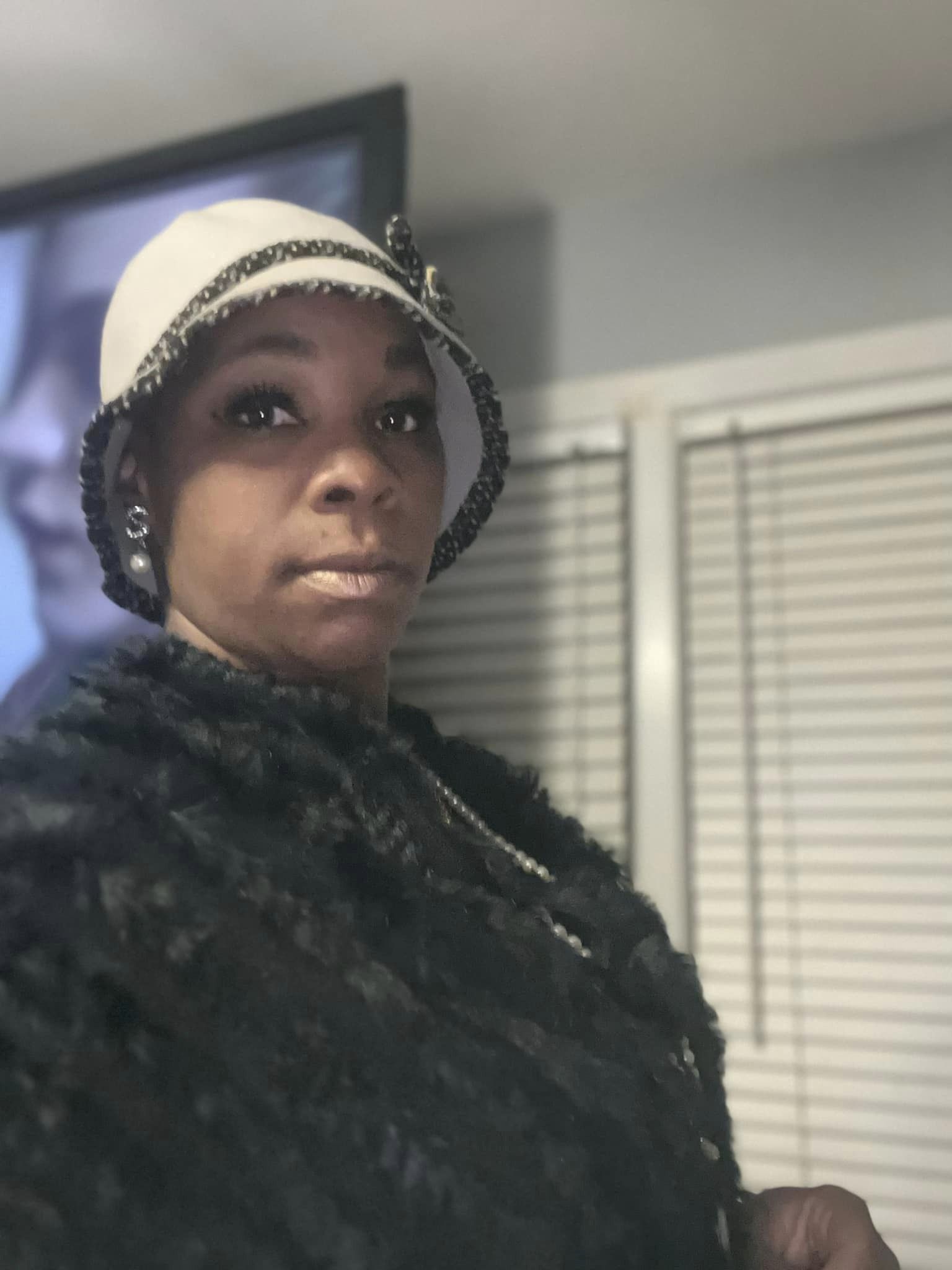





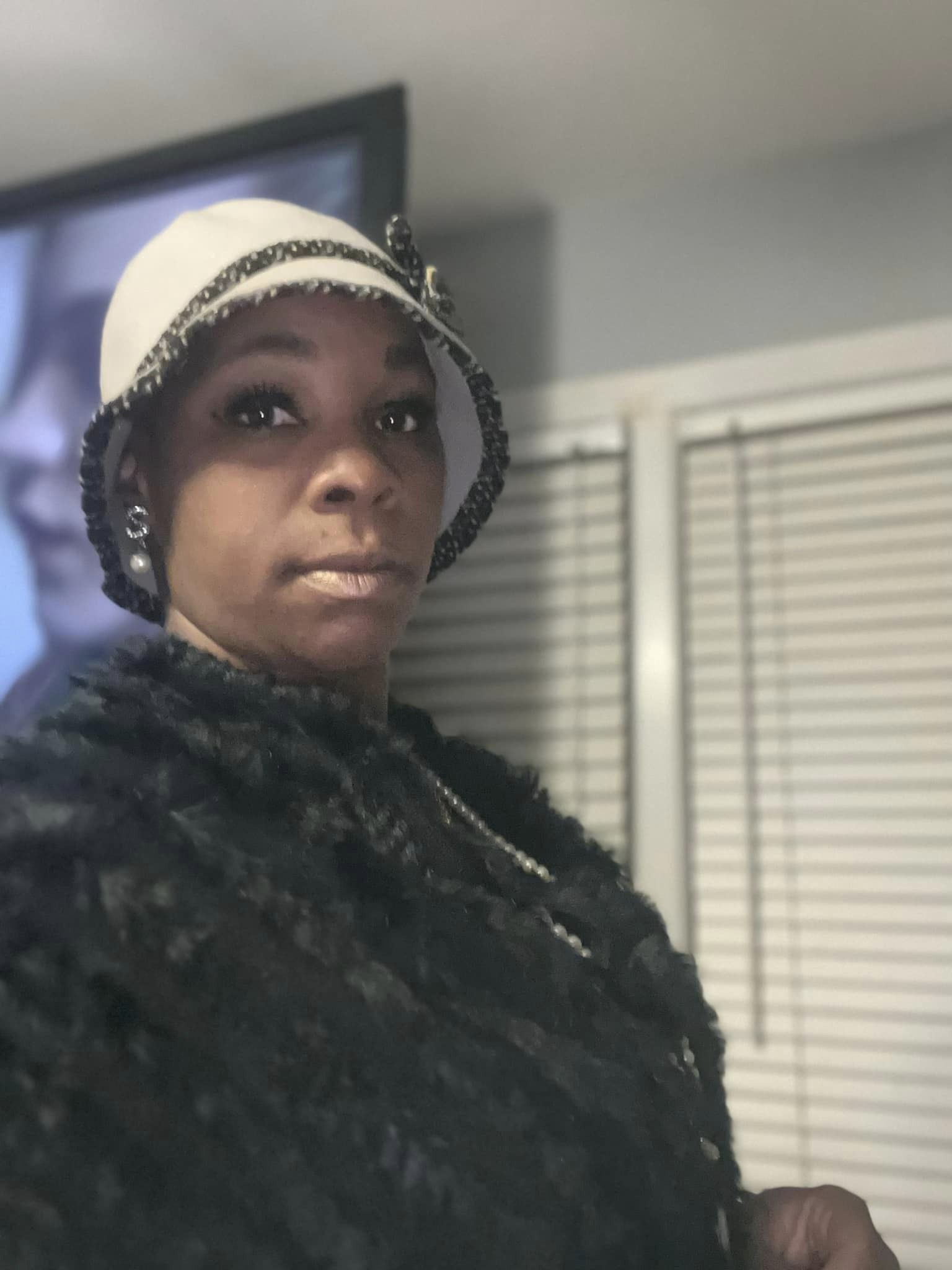
Today we’d like to introduce you to Gwendolyn Lee-Cooper.
Alright, so thank you so much for sharing your story and insight with our readers. To kick things off, can you tell us a bit about how you got started?
I was born and raised in Upstate New York and moved to Sanford in 2016. My professional journey spans 17 years in nonprofit work, 25 years of volunteer service, and five years in government healthcare, and it has given me a sharp understanding of both community needs and the systems that shape access to care. I have over a decade of leadership experience, supervising teams of up to 20 people and managing budgets from $2,500 up to $500,000.
My path has taken me through roles that prepared me for this work:
– Medicare Navigator with Aetna Healthcare
– Healthcare/Marketplace Navigator with New York State of Health
– Community Healthcare Organizer with the Public Policy & Education Fund and the NYS Healthcare Committee
– Multiple leadership roles with Citizen Action of New York, including Director, Community Advocate, Junior Board Member, and long-term volunteer
I trained as a CNA through Turner Job Corps, earned an AAS from Rochester Business Institute, and later attended the University of Rochester’s Simon Business School, where I completed my BS with a minor in Political Science.
I’m known for designing creative programs, building systems from the ground up, and pushing nonprofits to think beyond traditional models. Since 2007, I’ve raised more than $400,000 and helped secure over $8.5 million in grants for nonprofit organizations. Before becoming Executive Director, I served Helping Hand Clinic as a consultant to the Board, then as a board member for two years.
My goals remain steady:
– To please God in every part of my work
– To provide resources to those who need them most
– To expand Helping Hand Clinic’s reach
– To grow my fundraising and grant totals
– And to keep fighting for equitable, affordable, and truly accessible healthcare for all
Interview Question:
“Can you briefly walk us through your story – how you started and how you got to where you are today?”
Of course. My story begins in Upstate New York, in a family where service was a lifestyle, not a slogan. I grew up watching people look out for one another, and that shaped everything about me. Helping others wasn’t a job—it was our way of honoring God.
I started in healthcare as a CNA through Turner Job Corps, working directly with patients and learning what care looks like up close. Over time, I stepped into community organizing, healthcare navigation, and public policy work. I spent years helping families fight for coverage, navigate impossible insurance systems, and advocate for their health. Those experiences taught me how much courage it takes for people to ask for help—and how often systems make that harder than it should be.
When my family and I moved to Sanford in 2016, I didn’t come with a plan. I came with purpose. I first joined Helping Hand Clinic as a volunteer, then as a consultant, and later as a board member. Each step felt like God steering me closer to my calling. Three years ago, I became the Executive Director.
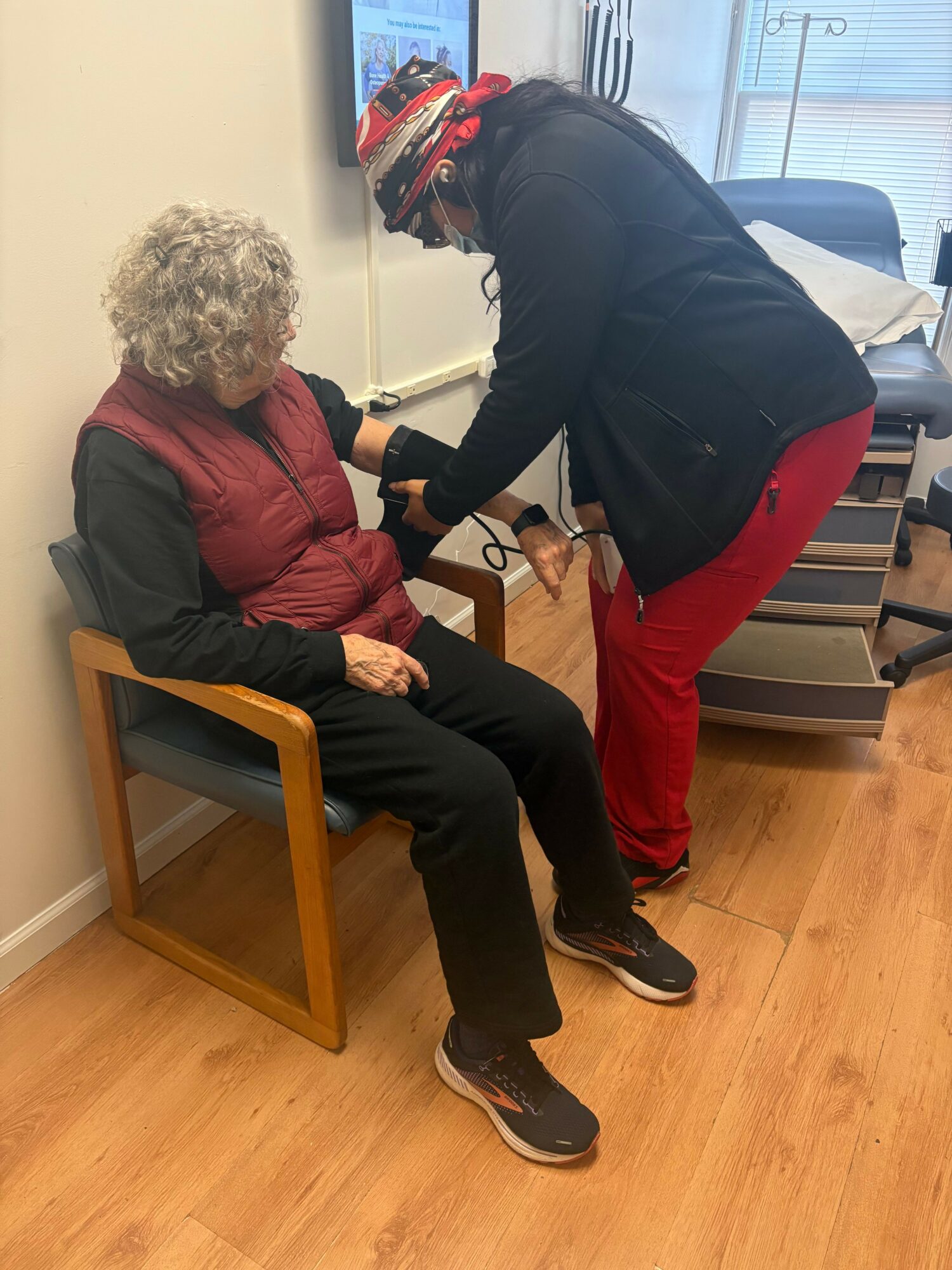
Today, I lead a clinic that charges nothing, bills nothing, and turns no one away. We serve uninsured and underinsured people with medical care, dental care, vision services, mental health support, and—most importantly—dignity. Every patient who walks through our doors is treated like a whole person, not a number.
My journey hasn’t been perfect or predictable, but it has been guided. I stand where I stand because of faith, resilience, community, and the belief that healthcare is a human right. I’m still growing, still learning, and still fighting for the people God placed in my path. The work continues—and so does the calling.
Alright, so let’s dig a little deeper into the story – has it been an easy path overall and if not, what were the challenges you’ve had to overcome?
No, it hasn’t been a smooth road—and I don’t pretend that it has. My journey has been shaped by faith, grit, and a whole lot of lessons learned the hard way. I’ve faced seasons where resources were scarce, where I had to lead without a safety net, and where the needs of the community felt bigger than the hands and time I had to give.
Stepping into leadership as a Black woman in healthcare and nonprofit spaces also came with its own set of challenges—earning trust, navigating systems not designed with us in mind, and constantly having to prove what I already knew I was capable of. There were moments where doors closed, funding fell through, and plans had to be rebuilt from scratch.
But every challenge taught me something essential about the work and about myself. I learned how to operate with integrity when no one was watching, how to advocate even when my voice shook, and how to rely on God’s timing instead of my own. I also learned that community healthcare is not driven by perfection—it’s driven by persistence, compassion, and the willingness to show up anyway.
So no, it hasn’t been smooth. But the rough places have strengthened me, clarified my purpose, and prepared me to lead Helping Hand Clinic with the resilience this work requires. Every obstacle became part of the foundation I stand on today.
We’ve been impressed with Helping Hand Clinic Inc., but for folks who might not be as familiar, what can you share with them about what you do and what sets you apart from others?
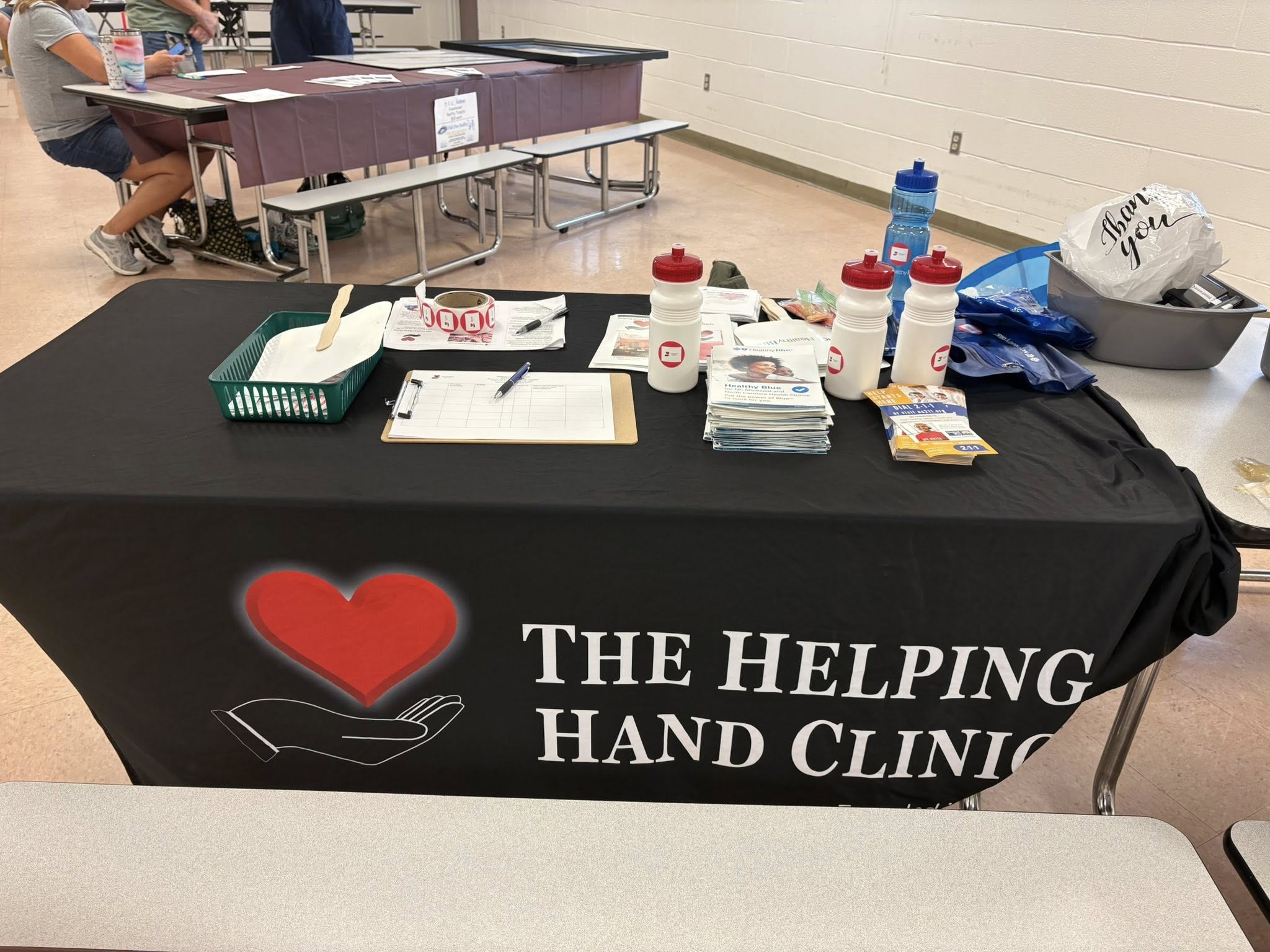
Helping Hand Clinic is more than a clinic—it’s a lifeline. We are the only 100% free brick-and-mortar healthcare provider in Sanford and Lee County, and every single service we offer is provided without billing, insurance, copays, or hidden costs. If someone walks through our doors, they are treated with dignity, cared for fully, and never asked to pay a penny.
We specialize in serving uninsured and underinsured residents with medical care, dental services, vision exams and glasses, chronic care management, pharmacy support, mental health services, and compassionate wraparound resources. Our work is grounded in equity, faith, and the belief that healthcare is a human right—not a luxury.
What sets us apart is our commitment to meeting people exactly where they are. We don’t screen people out; we welcome them in. We don’t judge their circumstances; we help them stabilize and rebuild. Our approach blends clinical excellence with a deep understanding of social needs—food insecurity, transportation barriers, medication access, and the emotional weight of being chronically underserved. We treat the whole person, because healing requires more than a prescription.
Brand-wise, I am most proud that our name—Helping Hand—is not a slogan. It’s a promise. It represents consistency, compassion, and community. Every staff member, volunteer, and partner knows that when someone steps into our clinic, they should feel seen, respected, and safe.
I want readers to know that Helping Hand Clinic stands in the gap for thousands of people who would otherwise go without care. We run innovative programs like Food Fixes Things, which tackles food insecurity and chronic disease together. We manage a fully licensed charitable pharmacy. And we do it all on a foundation of generosity—from donors, volunteers, and community partners who believe in the cause as much as we do.
At the end of the day, our brand is about hope. It’s about showing people that they matter, that their health matters, and that someone in their community is fighting for them. Helping Hand Clinic exists to serve—and we intend to keep that promise as long as God allows us to.
Can you talk to us about how you think about risk?
I don’t chase risk for the thrill of it—but I also don’t run from it when purpose calls. In community healthcare, especially in a free and charitable clinic, risk is woven into the work. You’re constantly weighing what’s possible against what’s necessary, and choosing to move forward anyway.
One of the biggest risks we’ve taken as a clinic is our decision to never change who we see or how we serve based on the political climate. When policies shift, when funding tightens, when the landscape becomes uncertain, many organizations narrow their doors. We chose the opposite—we keep ours wide open. We continue serving every uninsured and underinsured neighbor who needs care, without hesitation and without fear.
And we could only take those kinds of risks because we stand on a robust foundation of support. Our Board of Directors, including partners such as H3, Central Carolina Community College, United Way, and the North Carolina Association of Free and Charitable Clinics, give us the courage and stability to make bold decisions that put people first. They allow us to operate with integrity even when the road is uncertain.
Risk, to me, is not recklessness—it’s obedience. It’s listening to what God is asking me to do, looking honestly at the resources in front of us, and stepping forward with faith and strategy. Every risk I’ve taken in this role has been rooted in service: expanding programs before we had all the funding secured, building new partnerships, advocating publicly for the most vulnerable, and trusting that provision would follow purpose.
I’ve learned that meaningful work will always require courage. And every time we’ve chosen the bold path, the community has shown us why it was worth it. At Helping Hand Clinic, risk isn’t something we avoid—it’s something we steward, with wisdom, prayer, and a commitment to doing what’s right for the people we serve.
Pricing:
- all patients free
- we except donations
- we except sponsorships
- we over marketing and advertising packages
Contact Info:
- Website: https://hhcsanford.com
- Facebook: https://www.facebook.com/profile.php?id=100065090247315
- LinkedIn: https://www.linkedin.com/in/gwendolyn-lee-cooper-a33bb5297