




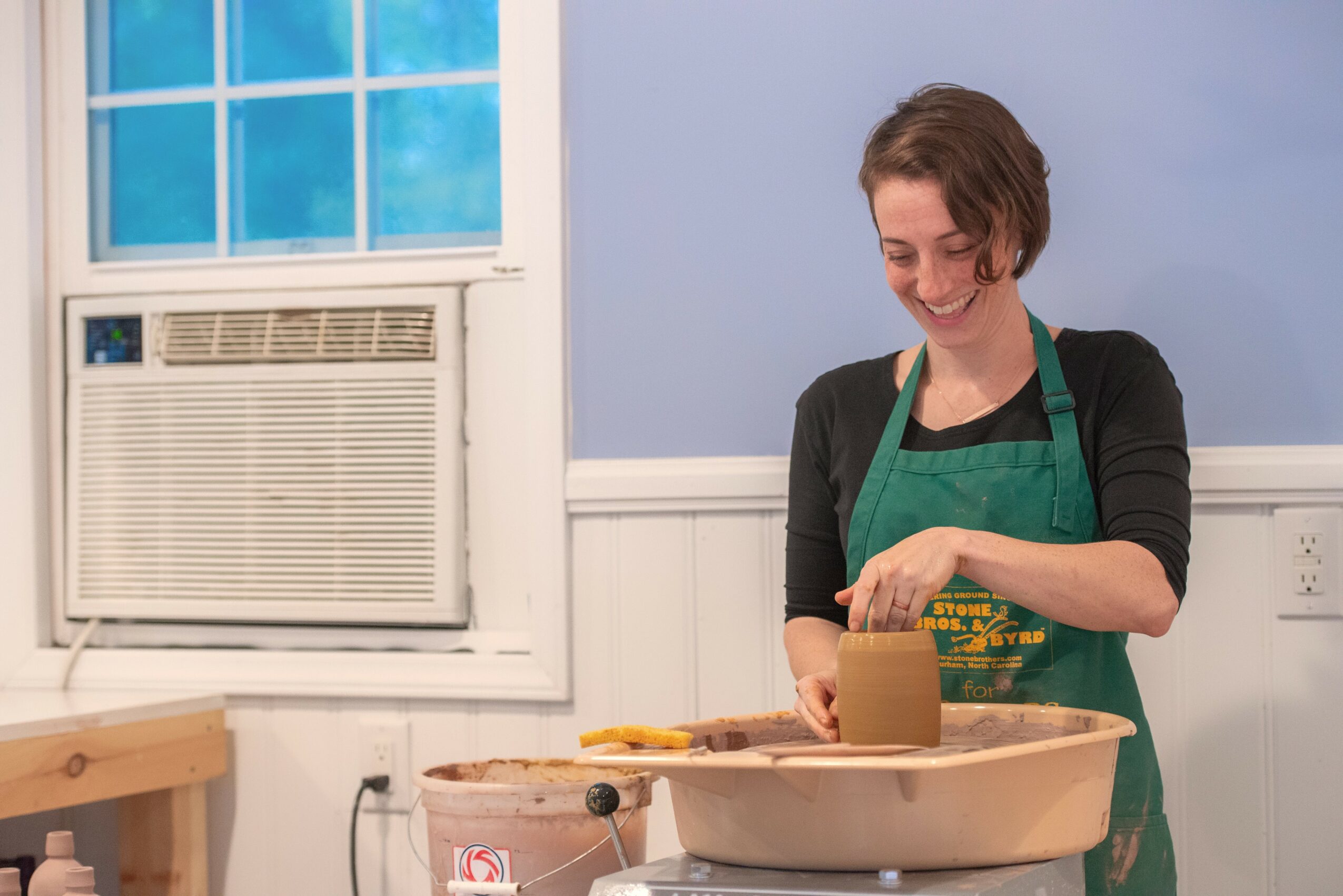
Today we’d like to introduce you to Katie King.
Hi Katie, can you start by introducing yourself? We’d love to learn more about how you got to where you are today?
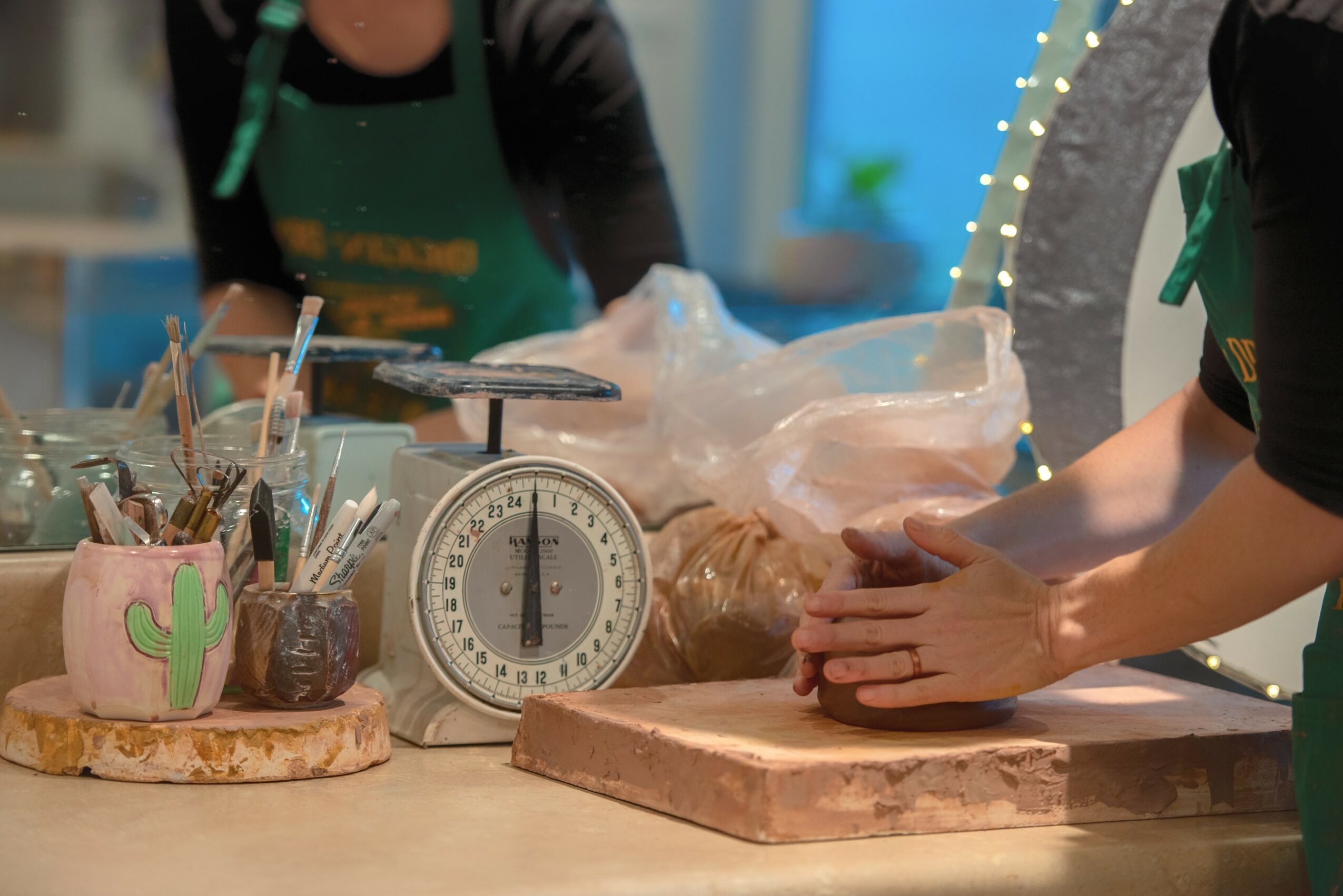
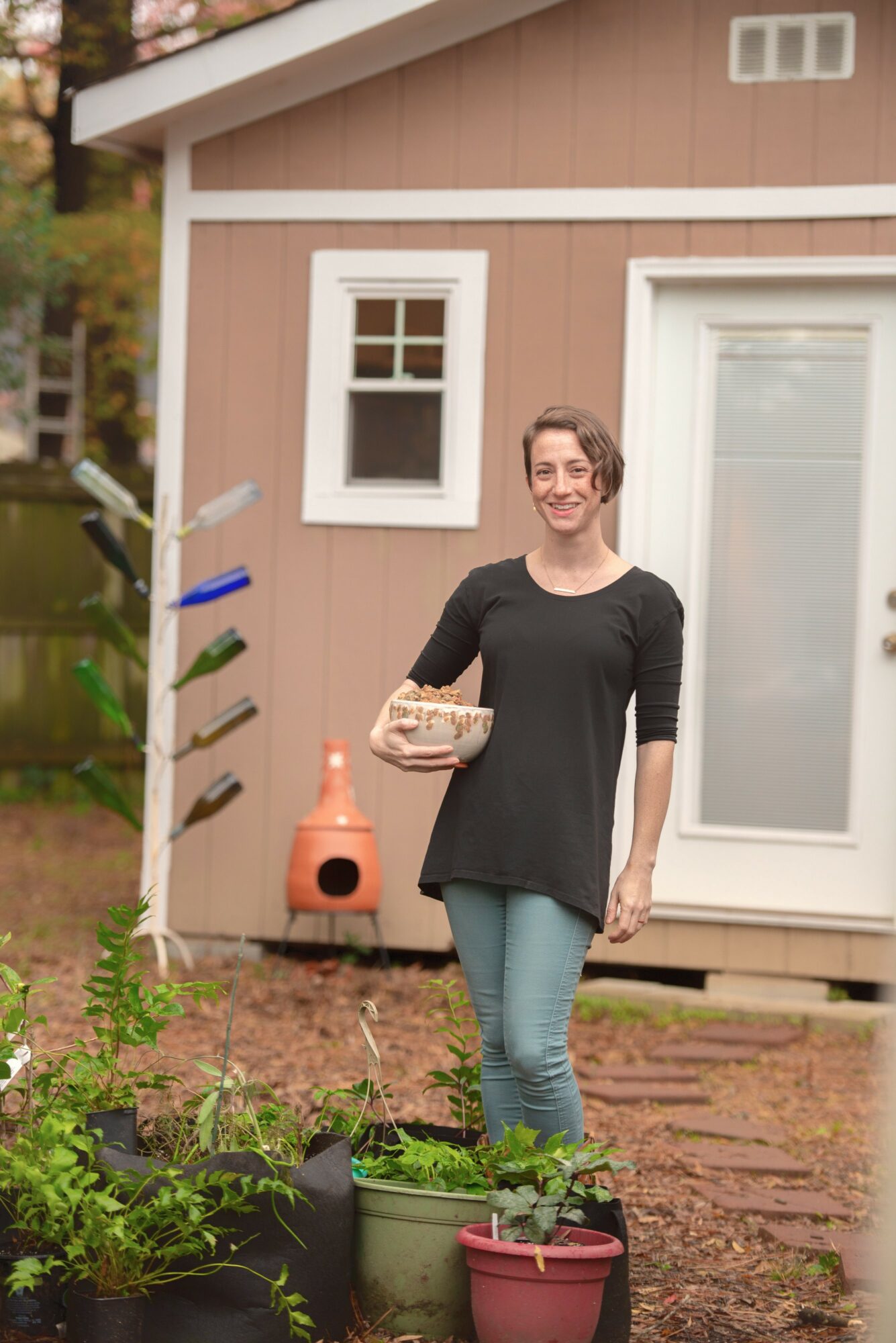
It all started in 2010 with a pottery class at the Arts Center in Carrboro. A the time I was working as a speech-language pathologist in Durham Public Schools and I wanted to do something for me to balance out the tedium and stress of my job. I’ve always made art but working with clay on the potter’s wheel had such a addictive draw that it became my medium of choice. I continued taking recreational pottery classes at Claymakers after moving from Chapel Hill to Durham. By 2014 I had too many pots for my cabinets and decided to start selling my pottery. I made my first sale through the gallery at Claymakers and then made more sales through Etsy and eventually at craft markets. I was fortunate to participate in the studio assistant program at Claymakers where I learned to mix glaze, operate kilns, and other behind the scenes tasks essential to operating a pottery studio. I used this knowledge to create my own pottery studio in my backyard. I found a fully insulated and wired shed for sale on Craiglist from a family in Garner who used it briefly as a dog grooming salon. I had mobile home movers haul it to Durham, avoiding the notorious can-opener bridges and taking out a few tree limbs along the way. That was in 2016 and since then I have hosted friends, Airbnb experiences, and the Durham Pottery Tour in that studio space. I have moved my online shop from Etsy to my own website and I rarely do craft markets these days. I prefer to focus on making pottery for the yearly Durham Pottery Tour in November, which I also help plan and promote. I have also been teaching pottery classes at Claymakers since 2022. I love teaching adults and helping provide a space for self-care and community through these classes. I still practice speech therapy, although now on a part-time schedule, which is so helpful in preventing burnout. I like to balance both of my professions, not hustling hard toward either one but letting them inform and contrast each other.
Can you talk to us a bit about the challenges and lessons you’ve learned along the way. Looking back would you say it’s been easy or smooth in retrospect?
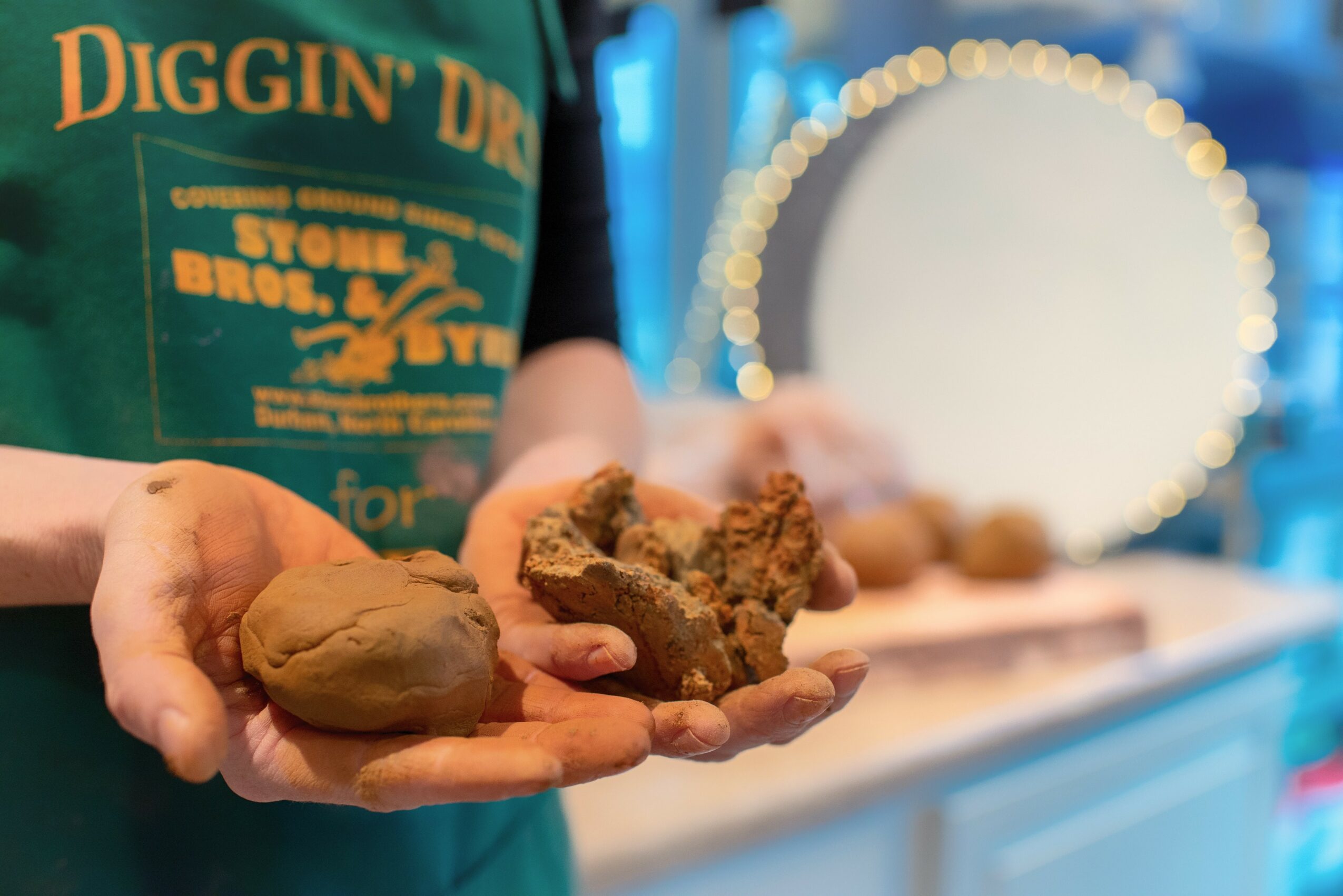
Having access to facilities, instruction, and community through Claymakers as well as the greater local craft community has made the road much smoother than it would have been without. However, I have encountered two main struggles in my journey. The first is burnout, which is so unexpected for a passion project that you’re supposed to enjoy. From about 2018-2020 I felt stuck in my ceramic work. I was burned out from doing markets and repetitive making of the same items. I wasn’t making pottery for joy and exploration like I was when I first started. I found myself avoiding my studio and then feeling guilty about it. What helped me overcome this slump was a series of new challenges that came out of finding wild clay in my yard and learning how to work with it. I had to learn how to work with the limitations of this wild clay brought. It had to be handled differently and it did not work well with the glazes I was using. This led to learning how to slip cast pottery in plaster molds as well as learning how to make those molds. I also had to do lots of experimentation and testing with glazes to find what would work with this finicky wild clay. These limitations and pivots are what I would call my second main struggle in this journey. However, the new challenge they brought to my ceramics practice reignited my curiosity and thus my passion for the medium. I have enjoyed exploring the different kinds of wild clay in the soil around central North Carolina. I currently use wild clay in all the pottery I make in my studio. I may not use wild clay forever but the technical skills and problem solving skills it has taught me will continue to be a part of my making practice.
Thanks for sharing that. So, maybe next you can tell us a bit more about your work?
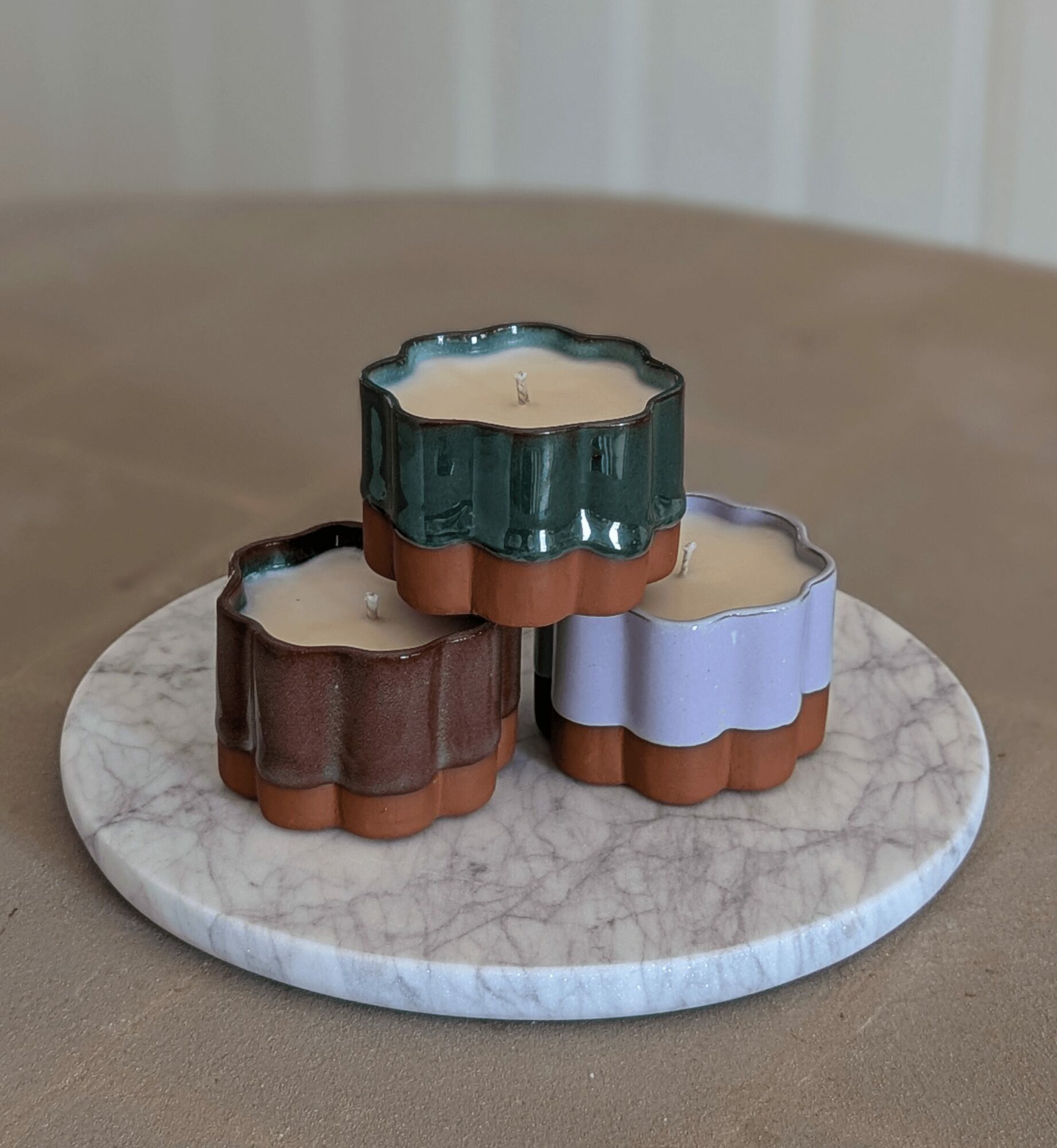
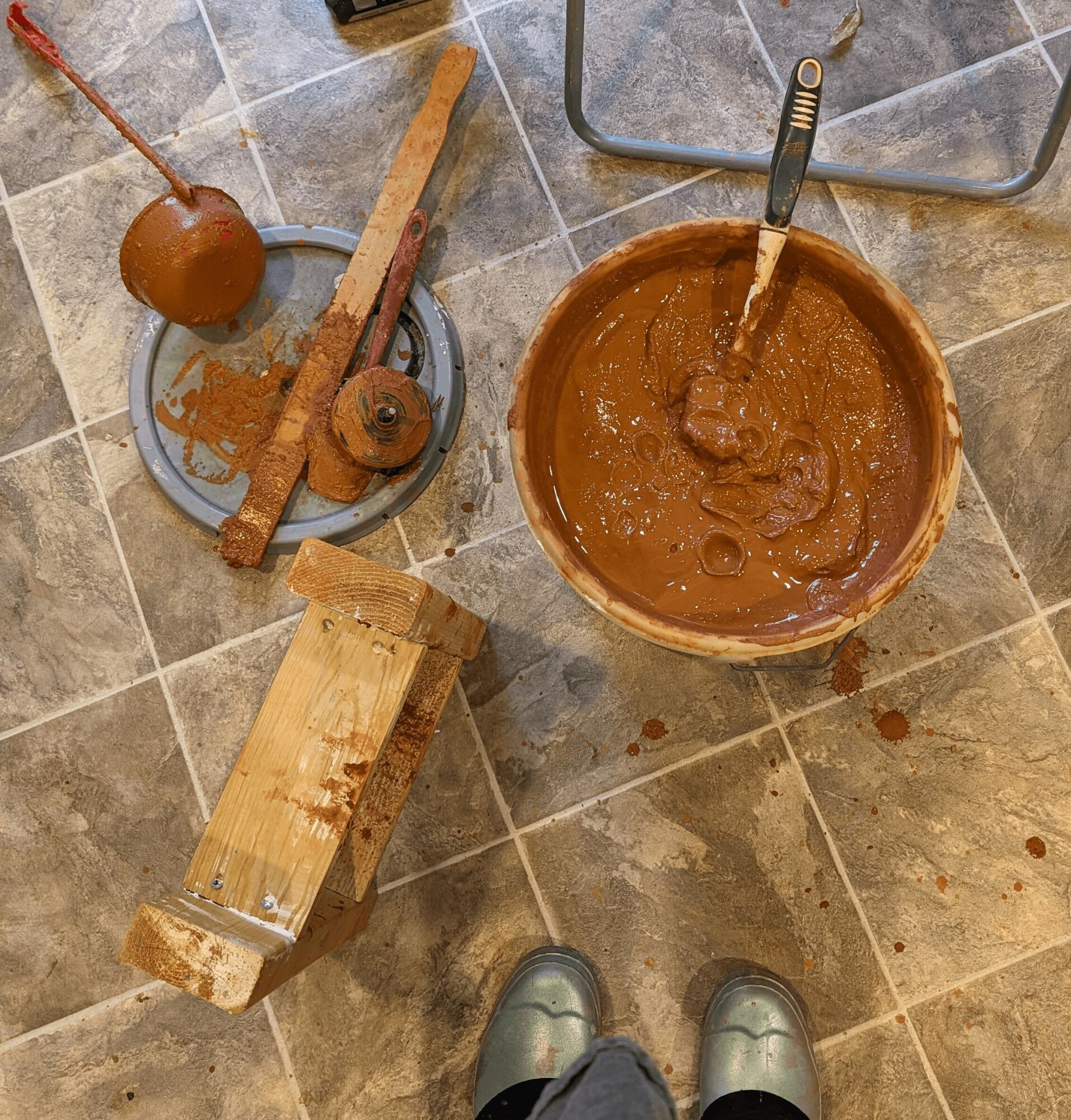
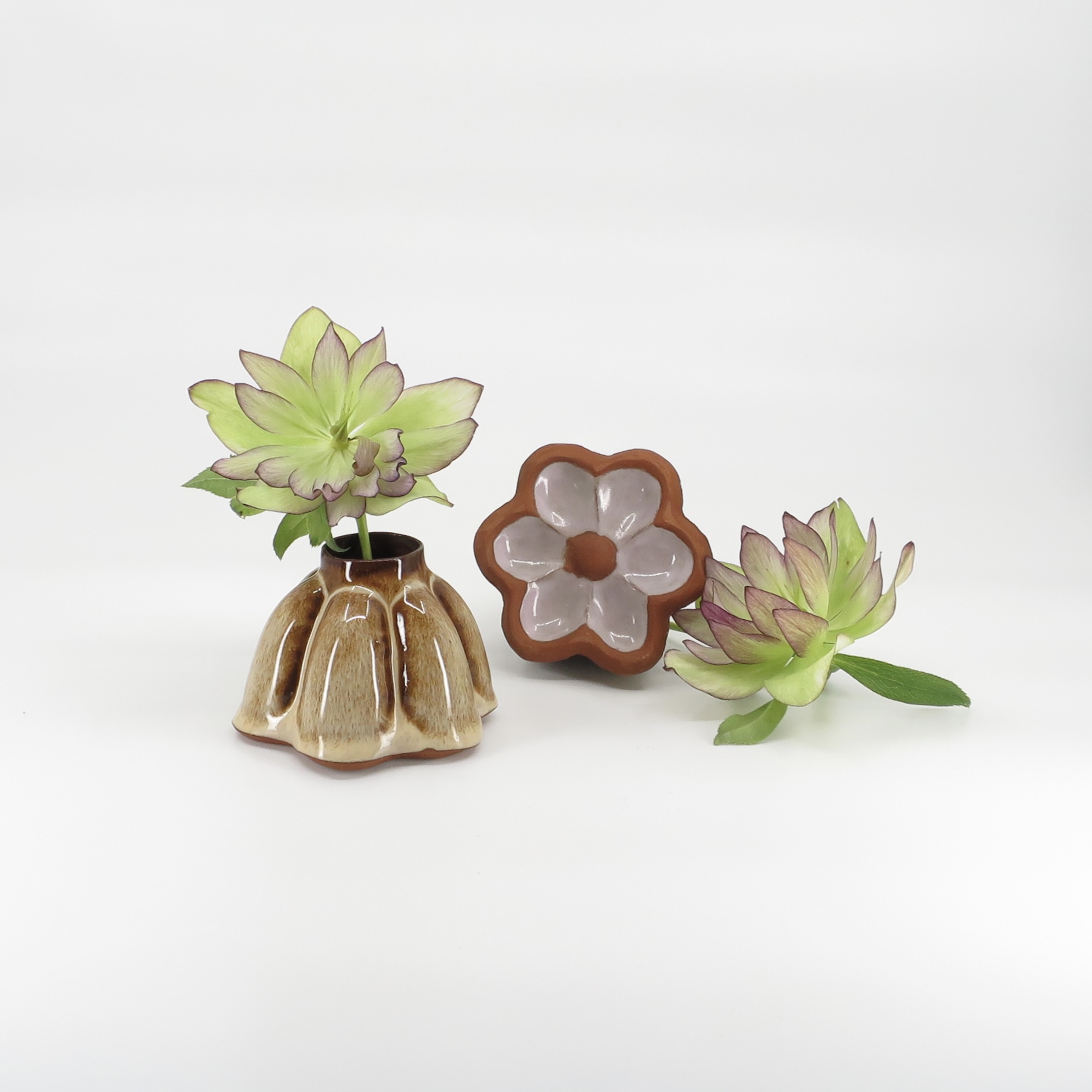
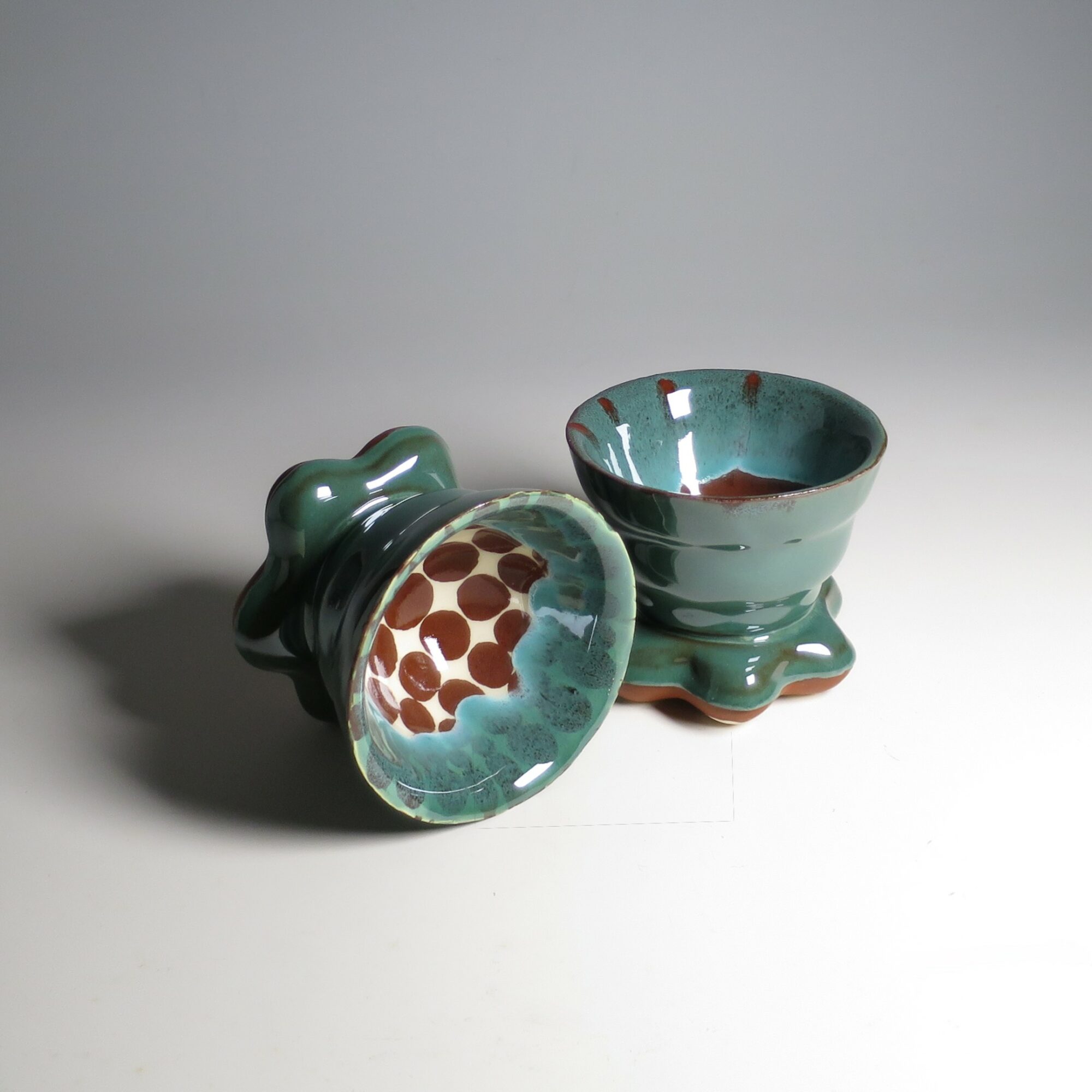
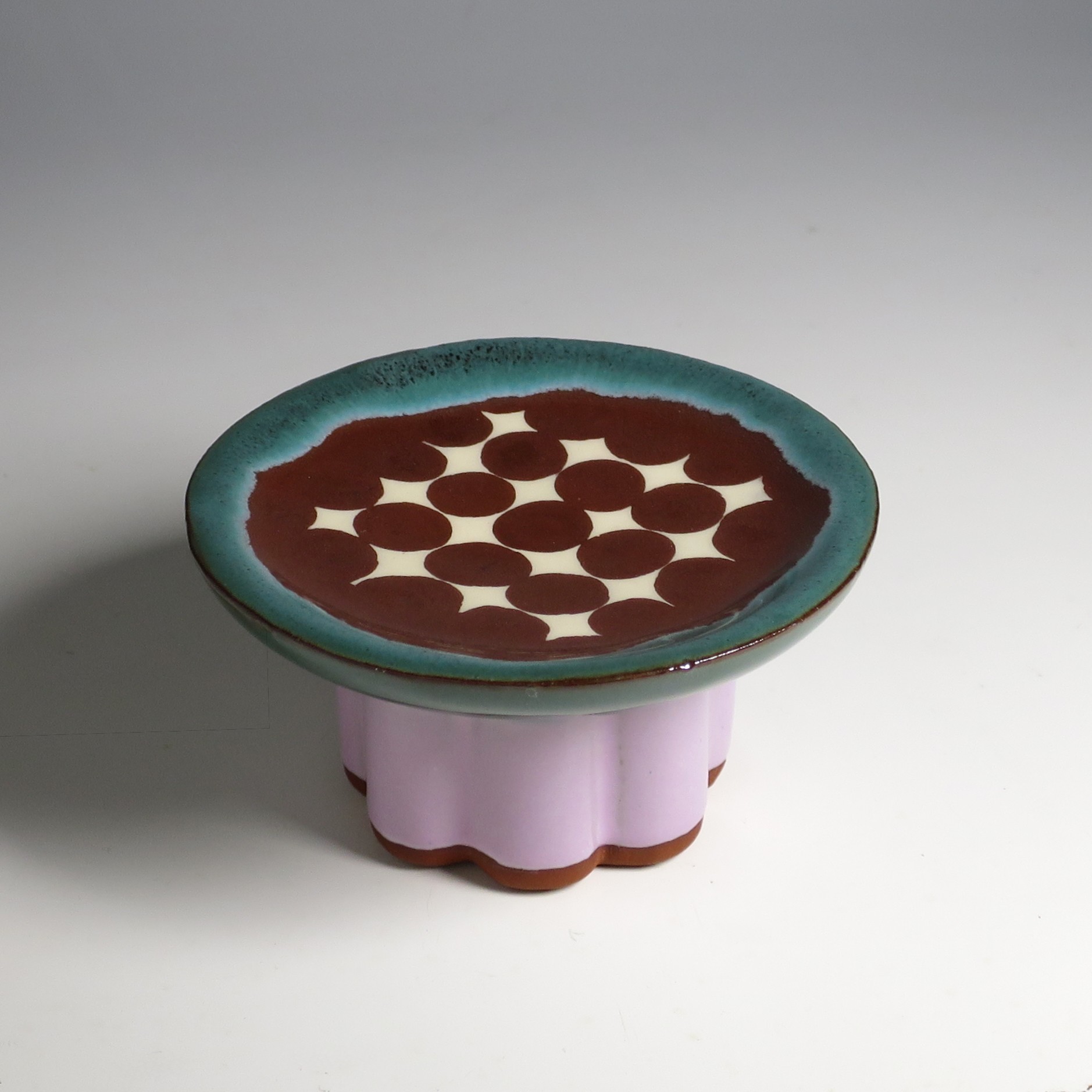
I currently make pottery using the abundant wild clay found here in central North Carolina. I acquire clays from my own yard or from building sites and land owned by friends. I have to remove rocks and roots from the soil and then mix it with water to make a clay “slip”. This slip can be poured into plaster molds and later removed when it has dried and taken on the shape of the mold, whether it is a cup, bowl, or decorative form. This process allows me to make lightweight pottery in shapes that are hard to achieve by hand, such as insulated double-walled cups. The clay I am working with now is a rich reddish brown which I to coat in glossy glaze, sometimes with pastel colors. I make pottery that no one can imitate because they do not have access to the specific local clay, bespoke glazes, or custom molds I use. Even if they did, the process is so labor-intensive that it deters would-be imitators. I am proud of all the testing, failures, and troubleshooting that happens behind the scenes to achieve the pottery I make. Outsiders looking at the final product have no idea of the labor and technical difficulty that it took to get there.
Alright, so to wrap up, is there anything else you’d like to share with us?
I would encourage folks to embrace trying things new that are challenging. I find I am most absorbed in new hobbies at the beginning, when it’s all a new challenge. I love watching my adult students put aside their pride to learn wheel throwing for the first time. There is a steep learning curve and you have to embrace failure as part of the learning process, but it is so exciting to learn something new!
Finding new challenges can be difficult after you have achieved some mastery in a field, but it is key to keeping up curiosity and drive. Adding the curveball of wild clay to my process brought the newness and joy back to my studio.
Contact Info:
- Website: https://waxinggibbouspottery.com
- Instagram: @waxinggibbouspottery
- Facebook: @waxinggibbouspottery
- Other: https://durhampotterytour.com