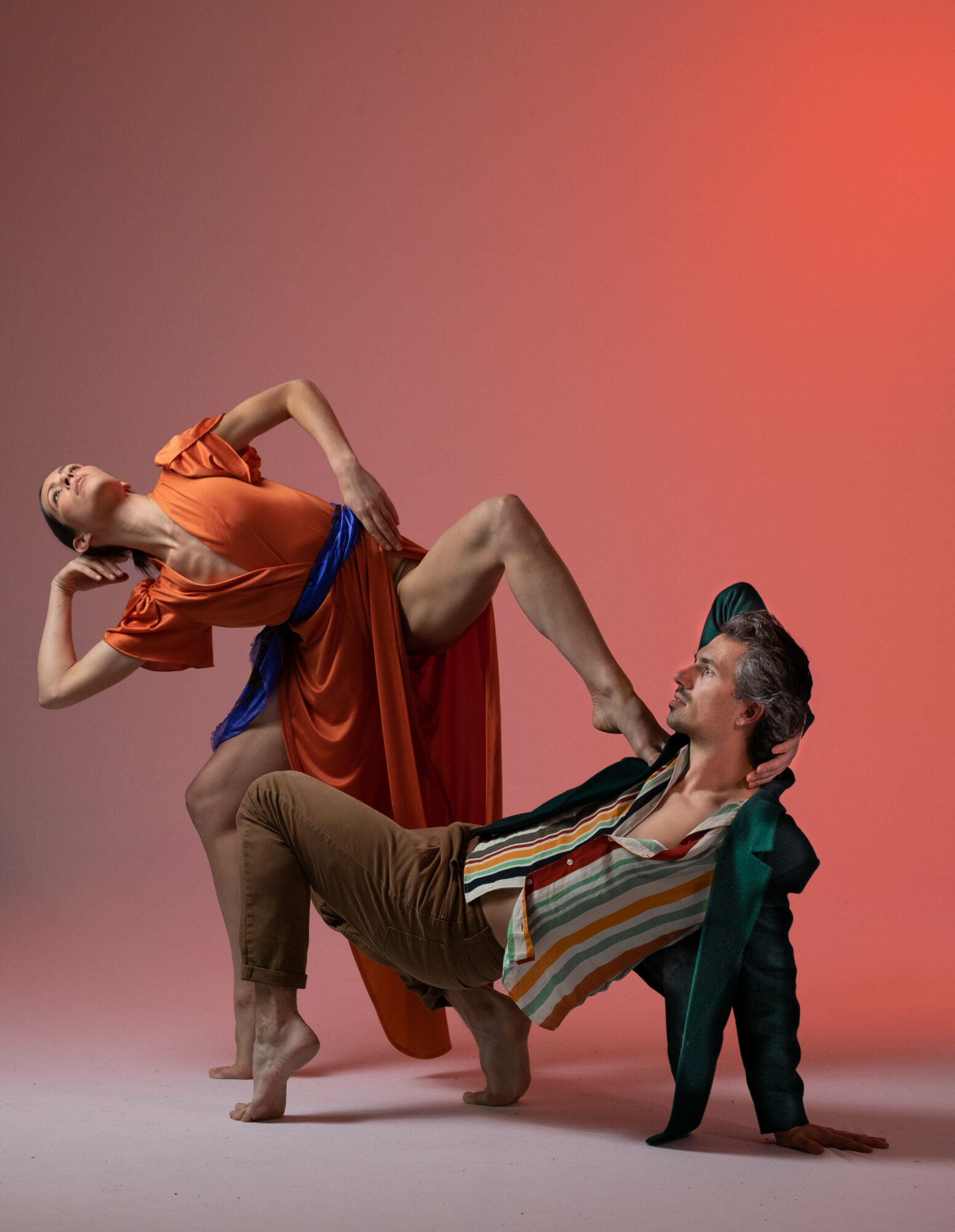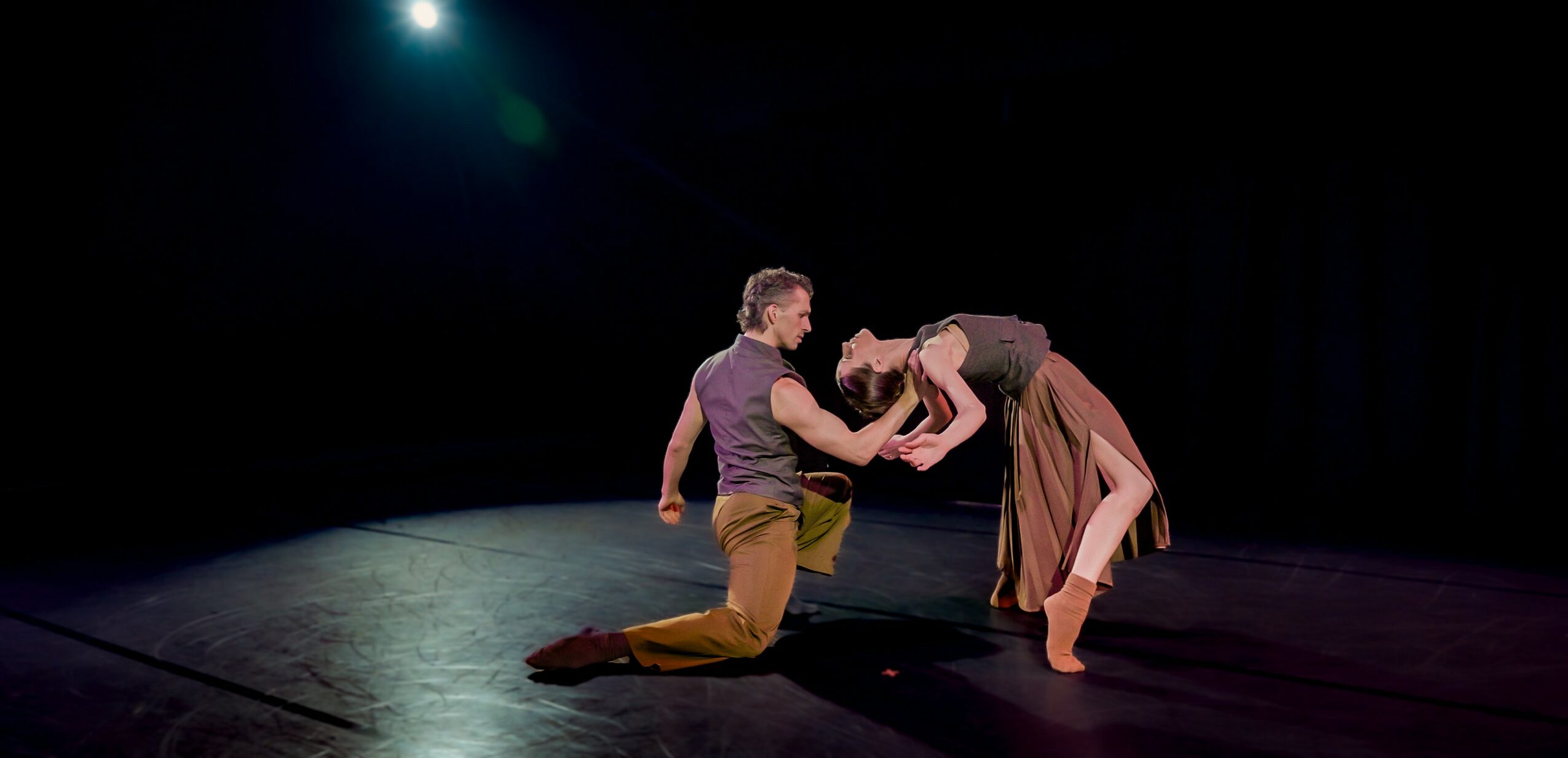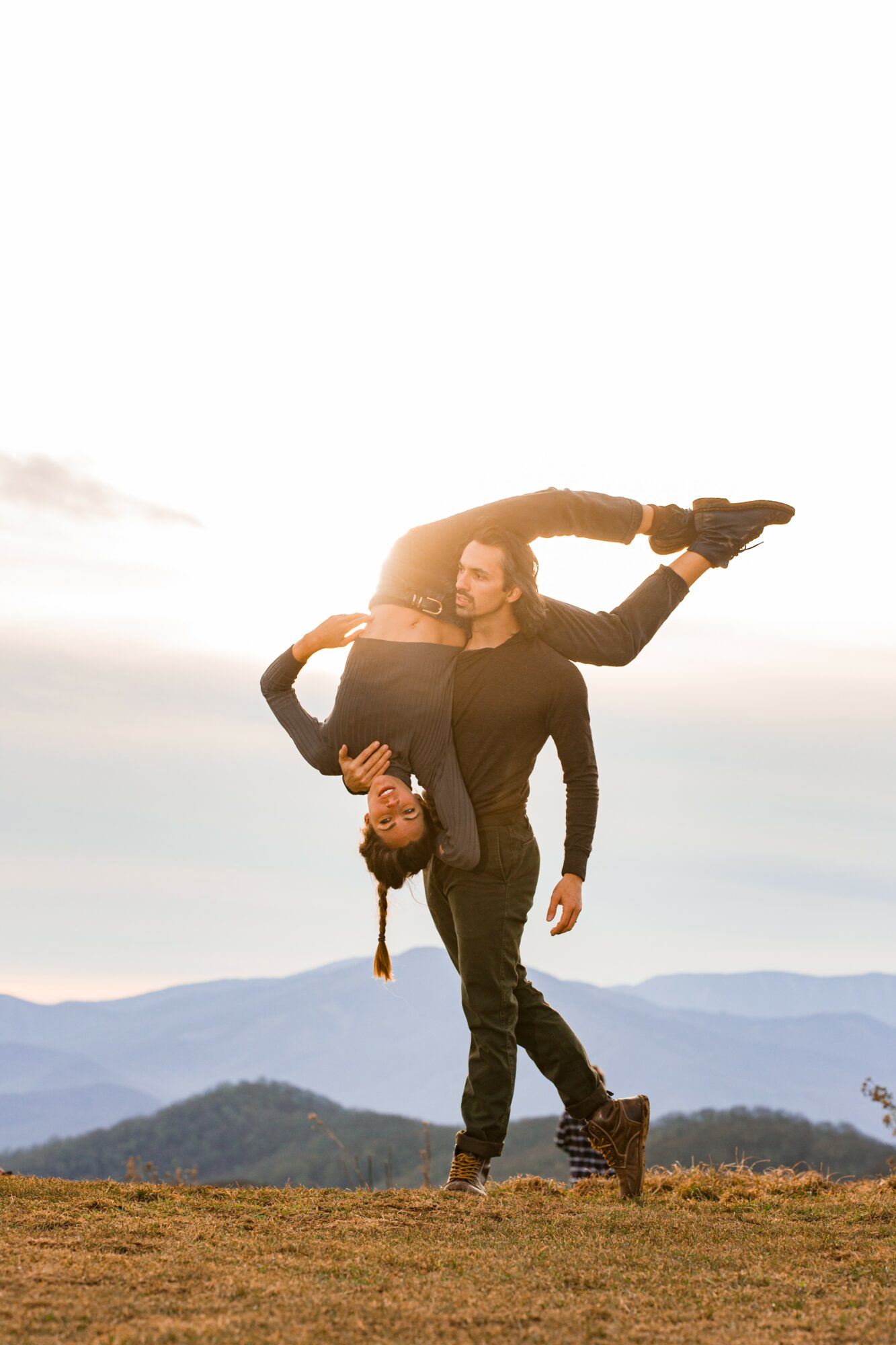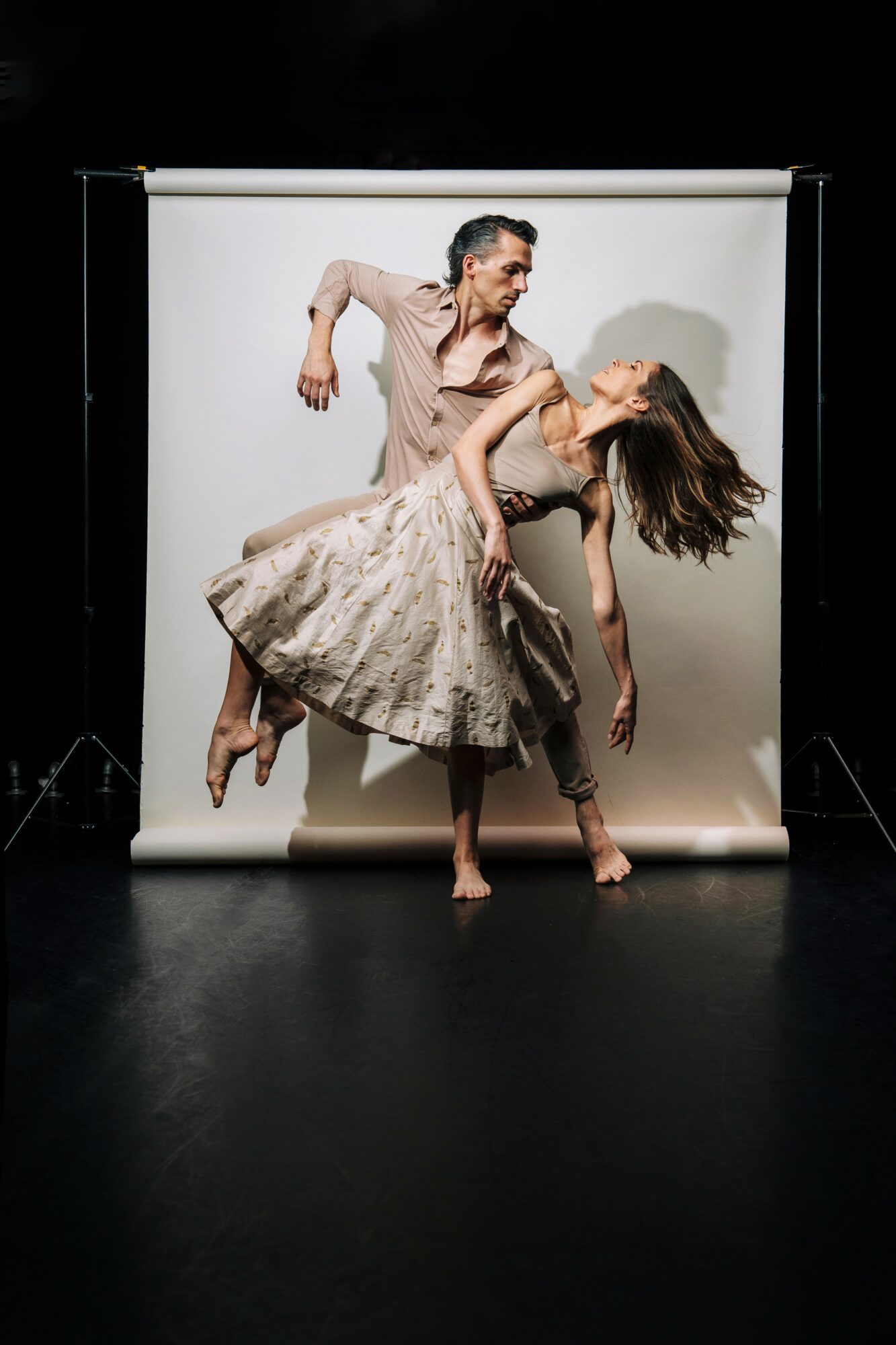





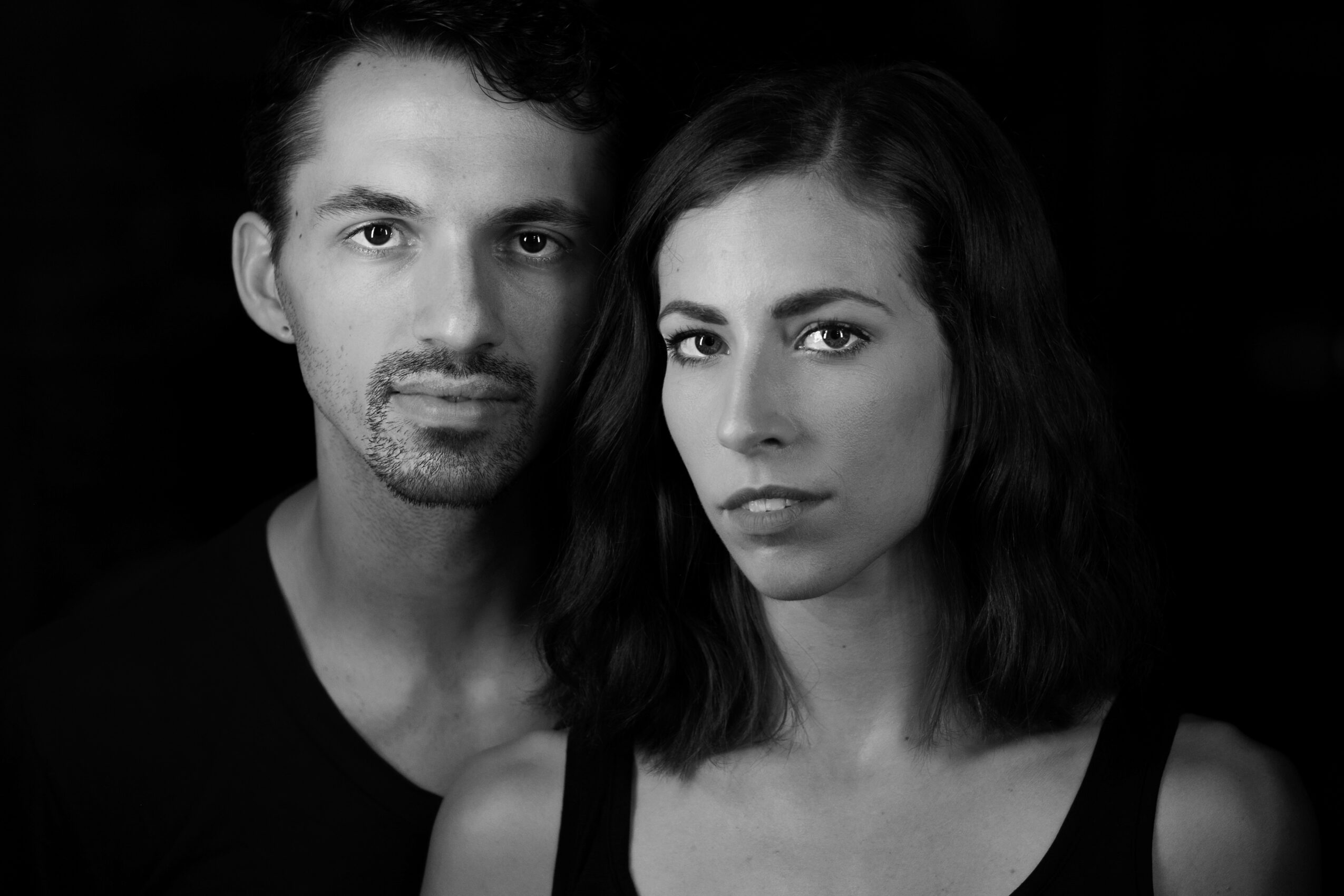
Today we’d like to introduce you to Vanessa & Gavin Owen & Stewart.
Hi Vanessa & Gavin, thanks for joining us today. We’d love for you to start by introducing yourself.
We met dancing in Kansas City in 2011 and pretty quickly discovered a shared creative spark. A year later we moved to Virginia, dancing for Richmond Ballet and Washington Reflections, and that’s where we first started choreographing together and producing our own work.
In 2014 we joined Company E in Washington, D.C., which was hugely formative. Through cultural diplomacy tours with the U.S. State Department, we performed, taught, and created work in countries across the globe, and those experiences really deepened our understanding of dance as a way to connect people across cultures—not just as performance.
During those busy years, Western North Carolina became the place we returned to for family, nature, and a sense of grounding. In 2017 we moved to Asheville thinking it would be temporary, freelancing as performers and choreographers around the country while developing our early work under the name Stewart/Owen Dance.
Then in 2020, when the pandemic halted touring, a chance conversation with the Wortham Center led to a drive-up outdoor performance project. The success of that collaboration essentially launched Stewart/Owen Dance as a company and opened our eyes to the need for more professional dance infrastructure in this region.
Since then, we’ve committed to building what we once wished existed here—creating new work annually, touring nationally, teaching ongoing community classes, and running training programs for both emerging and pre-professional dancers. Our goal is to help contemporary dance truly thrive in Western North Carolina and to create opportunities for artists to build sustainable careers here.
We all face challenges, but looking back would you describe it as a relatively smooth road?
Not at all, but the challenges have really shaped who we are as artists and as a company. Stewart/Owen Dance was essentially born during the pandemic, which meant we were building something at a time when performance spaces were closed, touring was impossible, and the entire field was in upheaval. In some ways, that forced us to be inventive from the very beginning, and it showed us how much our community valued connection through the arts even in the hardest moments.
One of the biggest ongoing challenges has been that a professional dance infrastructure simply does not exist in Western North Carolina. Everything from access to funding, to consistent audiences for contemporary dance, to rehearsal spaces large enough for a company, to low stakes opportunities for sharing new work, to professional level training and support for dancers… it’s all needed here. We (and the other dance artists in town) are essentially chipping away at this list of needs for the professional dance community.
There have also been external obstacles, like the devastating impact of Hurricane Helene last year and the significant cuts to arts funding in our region and beyond. Those moments have tested our sustainability and our capacity, but they have also reinforced why this work matters.
Thanks for sharing that. So, maybe next you can tell us a bit more about your work?
We are proud to make space for people to truly connect with themselves and with each other, both physically and emotionally. Witnessing someone move and feel in real time is vulnerable. In a world where people are less often in the same room, we are very grateful to spend our days in spaces with this kind of presence, even when it’s messy or uncertain (which it often is).
In terms of your work and the industry, what are some of the changes you are expecting to see over the next five to ten years?
To be honest, we really don’t know. Traditional theatre audiences are shrinking, funding is being cut, and the next generation often experiences dance digitally rather than live. At the same time, we see opportunities for dance to evolve to more immersive and site-specific work, bringing dance directly to community spaces instead of expecting audiences to come to a theatre that might feel inaccessible. We hope that in a world increasingly dominated by screens, technology, and AI, dance will become a necessity. Spaces where people can experience creativity, collaboration, physical and emotional connection with others could be more important than ever.
Contact Info:
- Website: https://www.stewartowendance.org
- Instagram: https://www.instagram.com/stewartowendance/
- Facebook: https://www.facebook.com/stewartowendance