




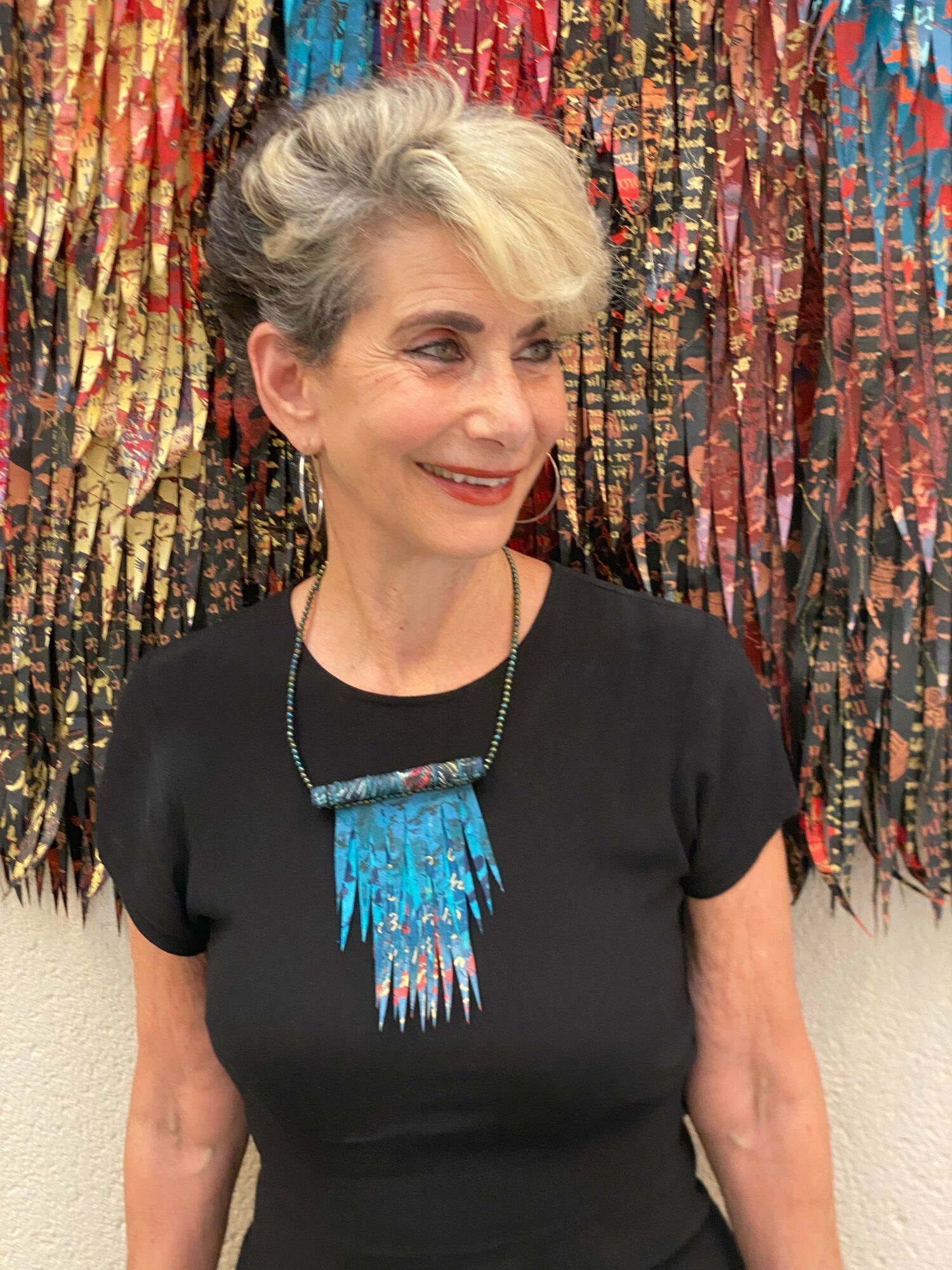
Today we’d like to introduce you to Deborah Kruger.
Hi Deborah, we’re thrilled to have a chance to learn your story today. So, before we get into specifics, maybe you can briefly walk us through how you got to where you are today?
I have known I was an artist since I was five years old. I grew up making things, especially clothing. Instead of going to college, I studied textile design and became a wallpaper designer.
I’ve always loved being in nature, walking in the woods, sitting by water, listening to birds. I was deeply influenced by reading Rachel Carson’s ‘Silent Spring.’
Working as a commercial artist was unsatisfying because my designs were determined by the marketplace and my art director.
My art career was born when I went into finance. I made enough money to support my family and made art when time allowed. I did this until my children were grown.
I retired in my 50s and started to work full time as an artist. Over these last 15 years my interests and experience coalesced.
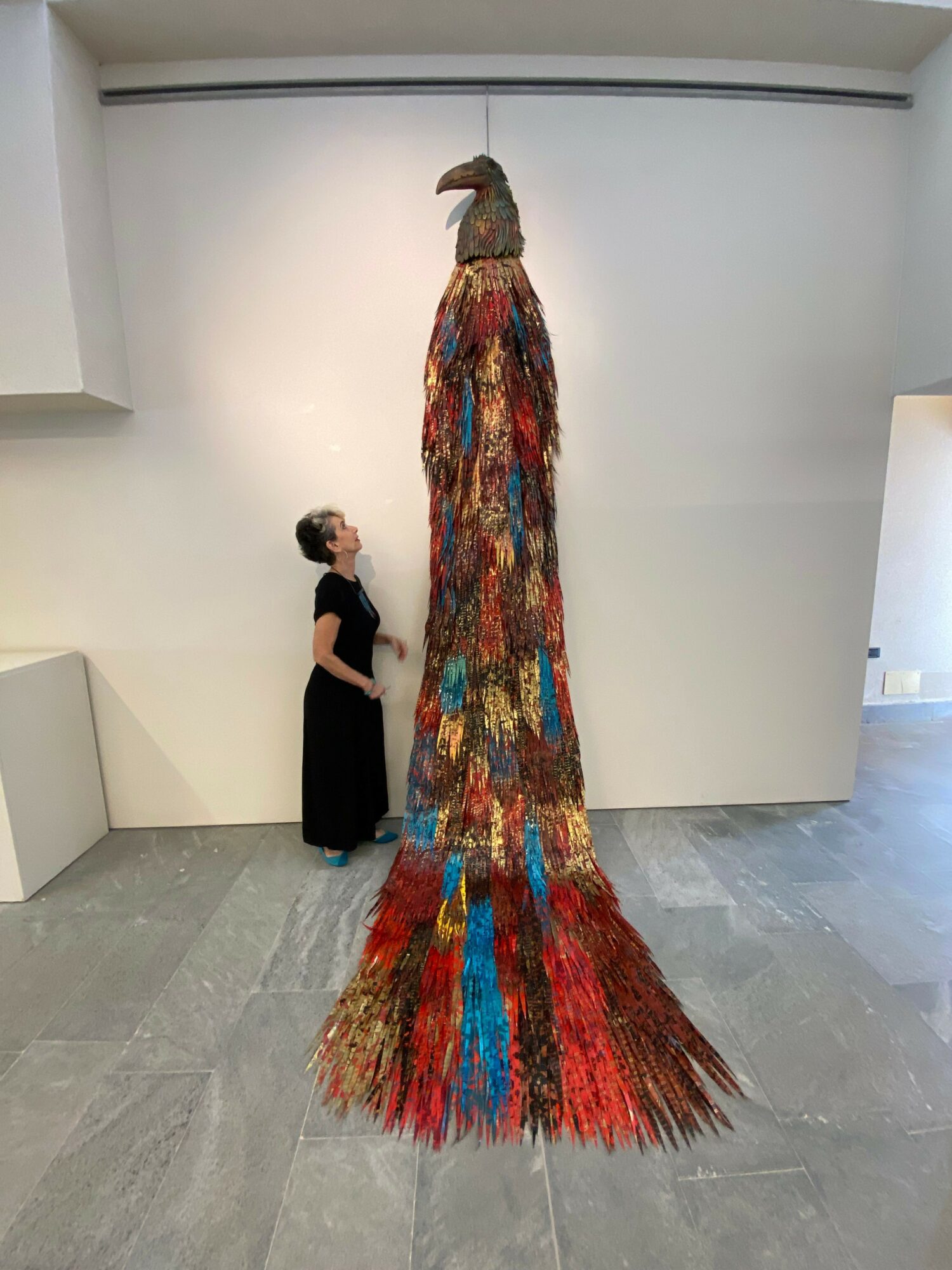
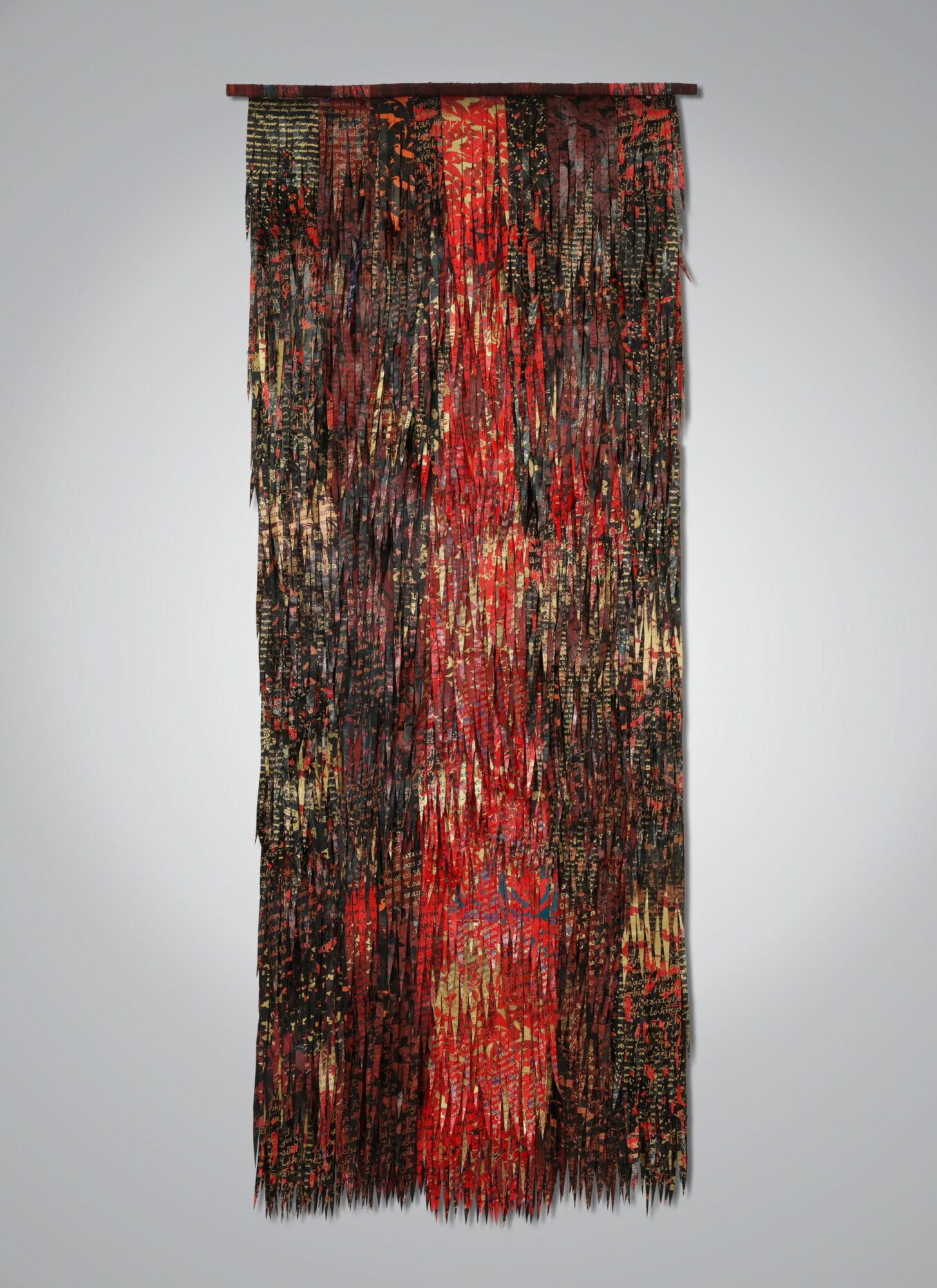
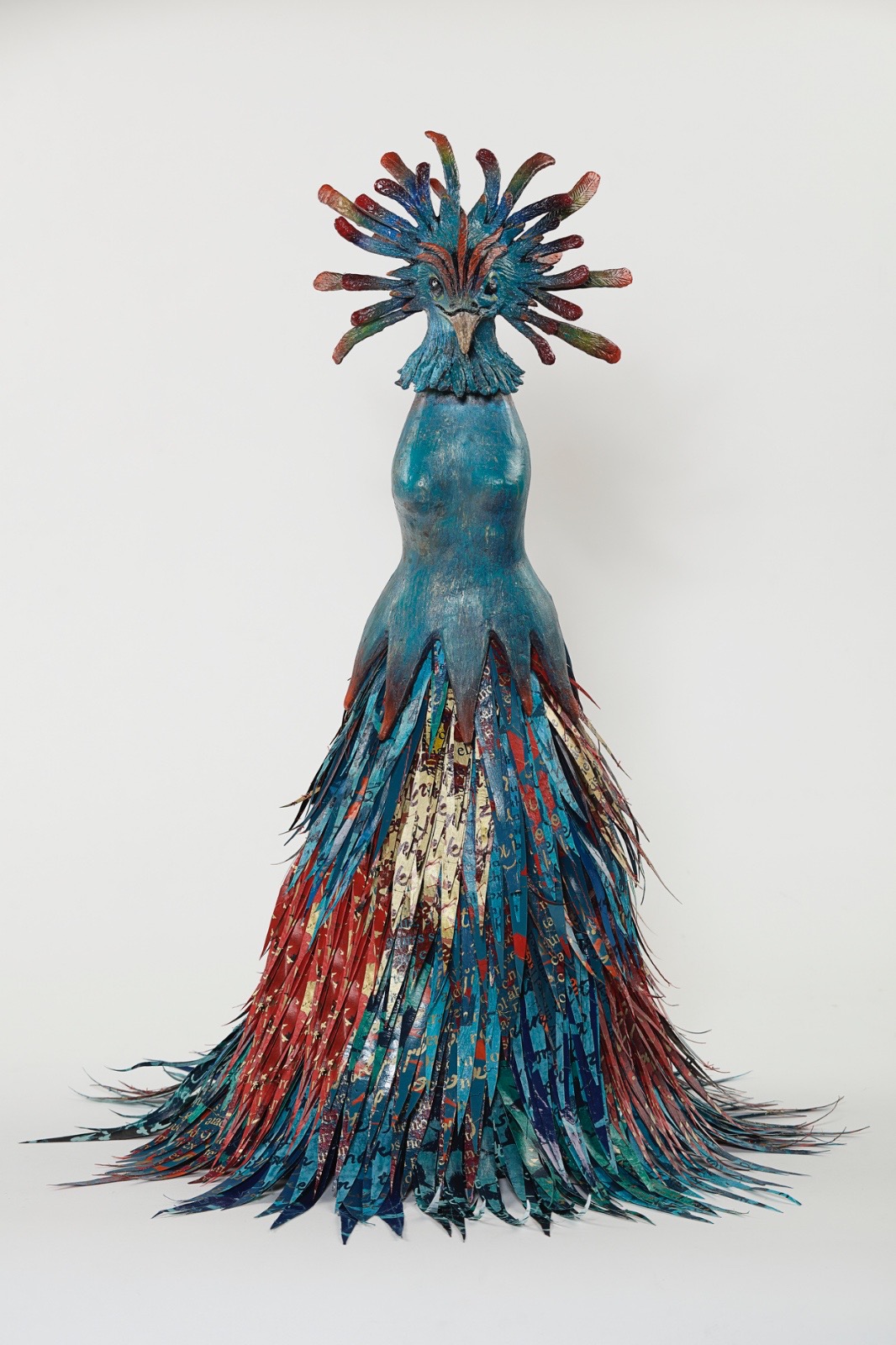
Now I make monumental environmental art using textiles. I see my artwork as a lament about endangered birds. I use my decorative training to make beautiful objects about sad issues.
We all face challenges, but looking back would you describe it as a relatively smooth road?
Money is a struggle for most artists and single mothers. Since commercial art and commodification turn me off, I chose to do less art but stay true to my creative vision.
I’m happy to say that my artwork has enjoyed great visibility in the South and also internationally. Right now I’m having a solo show at a museum in Italy.
However, until an artist is truly famous, most of the expenses of showing and marketing belong to her. So I still struggle financially, which is frustrating.
However, I prefer to define my success by the quality and complexity of my artwork and not by my income. Therefore, I consider myself extremely successful.
Thanks – so what else should our readers know about your work and what you’re currently focused on?
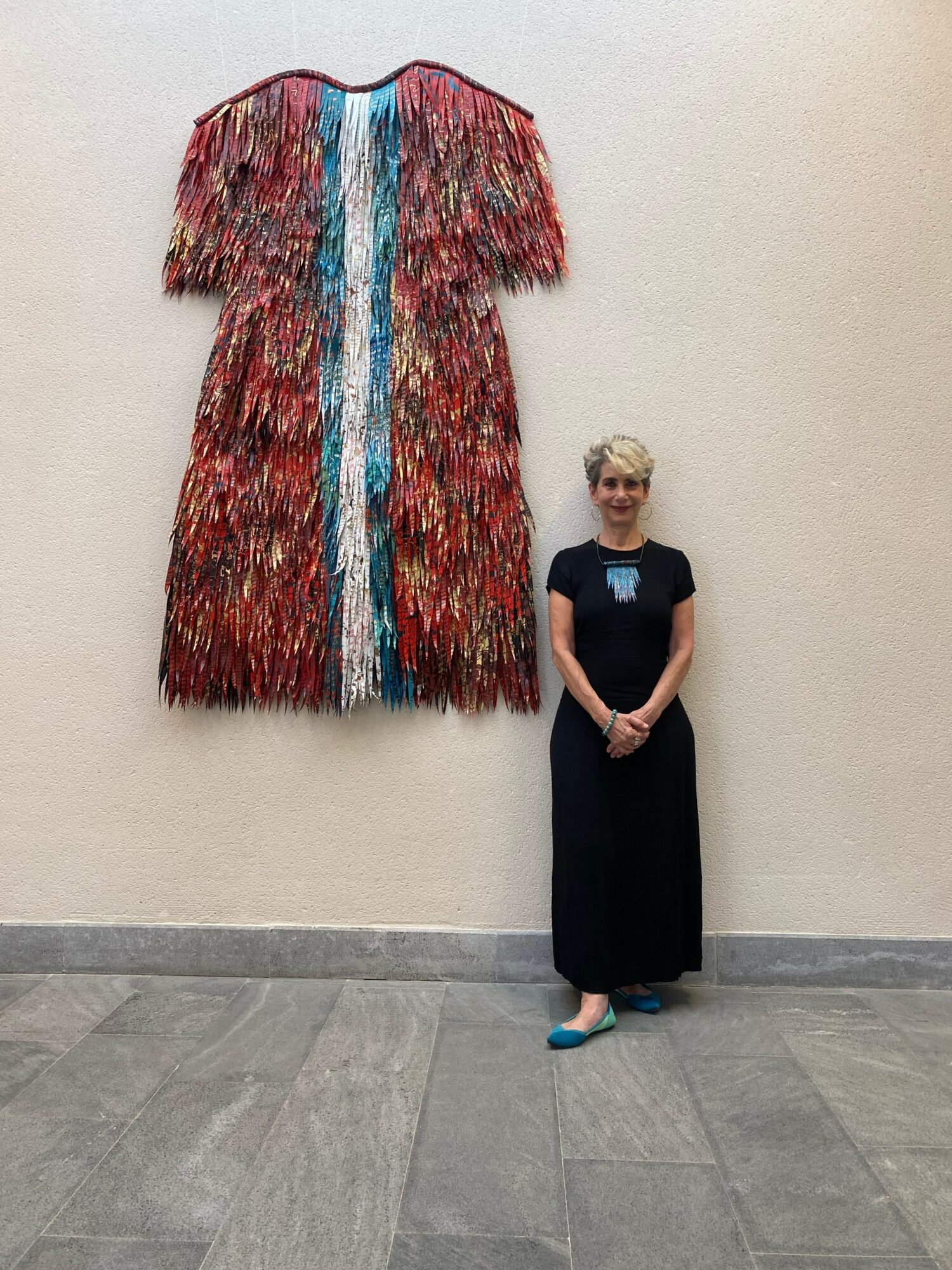
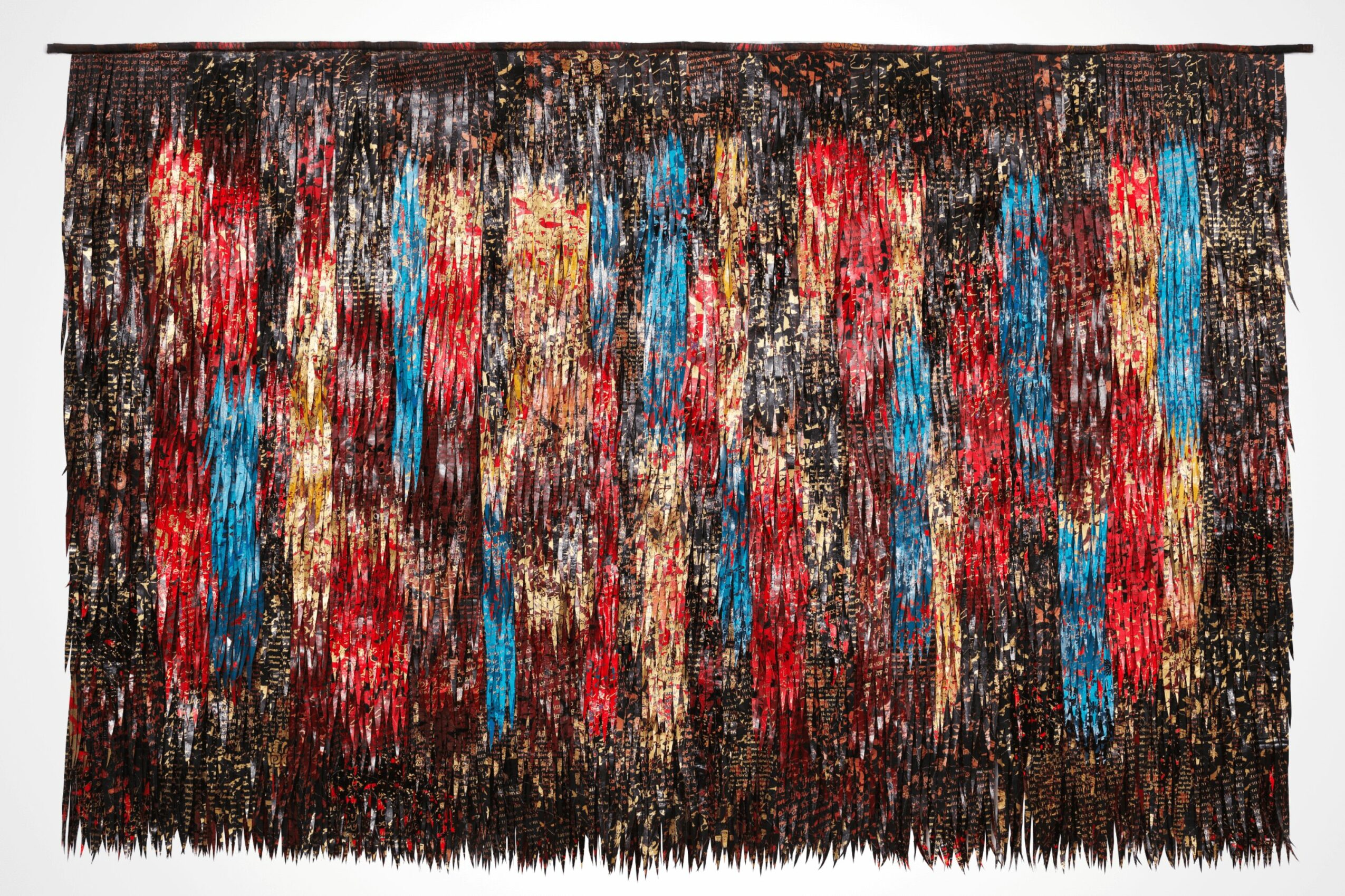
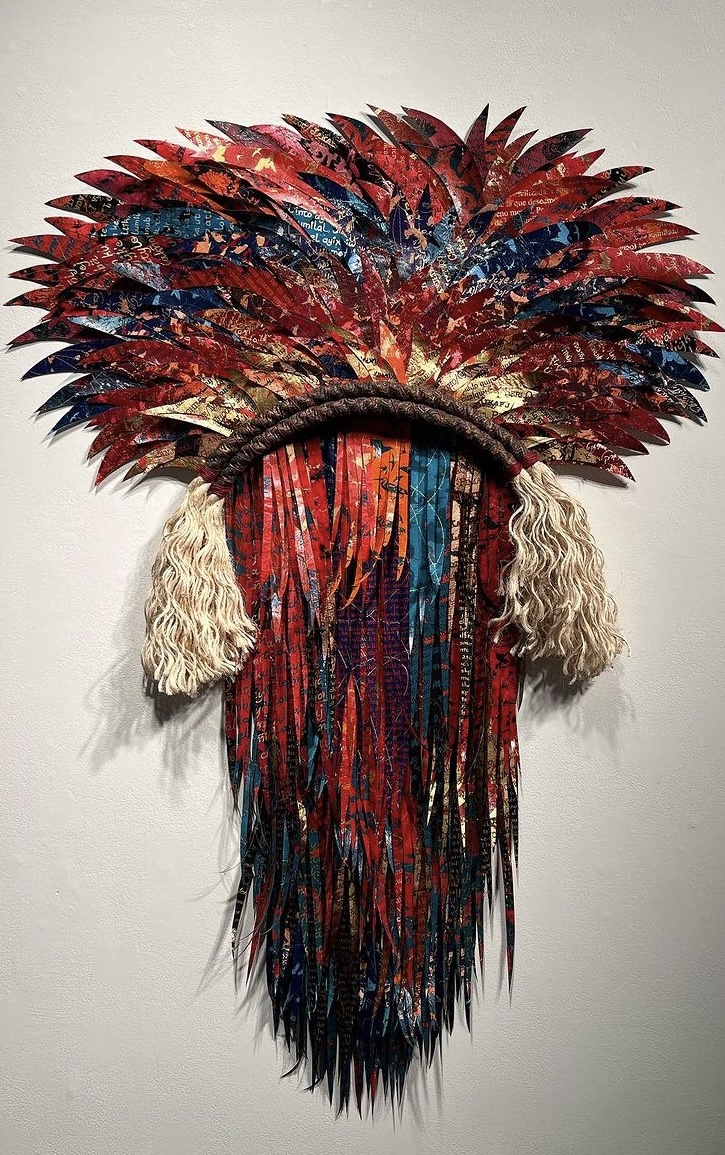
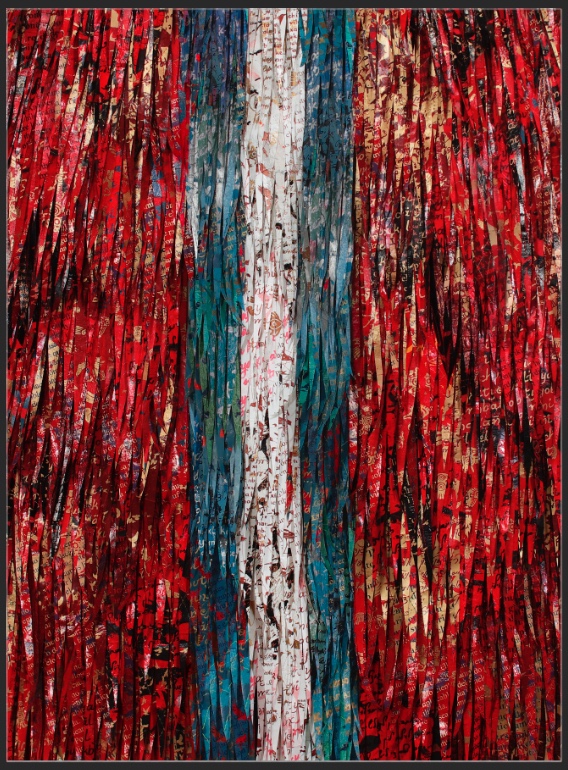
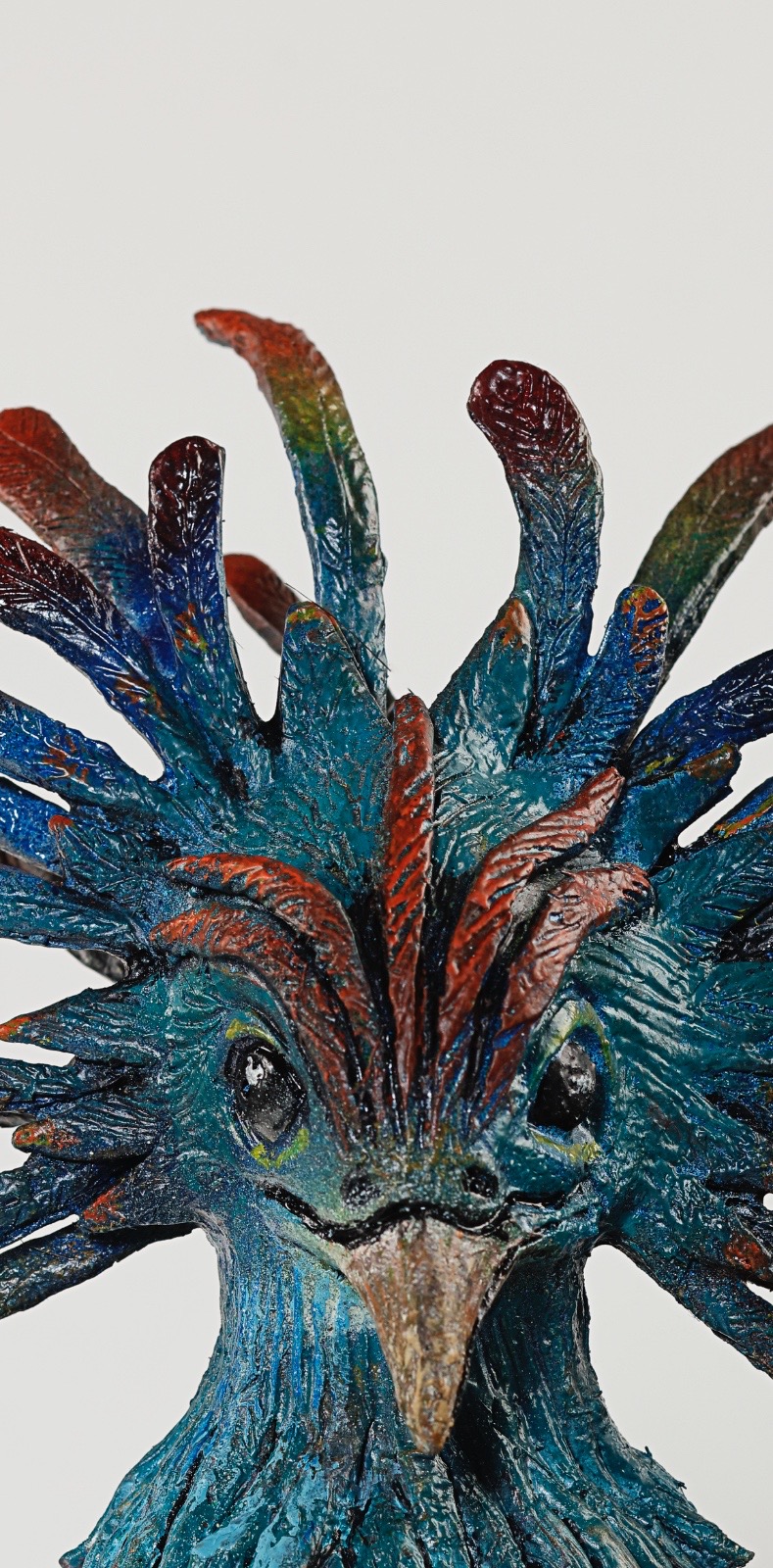
I am very proud that my artwork melds so many of my skills and concerns. As you’ll see, all my work is feathered. However I make these feathers by hand with help from my team.
We use recycled plastic (but it looks like paper or fiber) because it provides a commentary about the consumption that contributes to habitat fragmentation affecting birds and other species.
We screen print images of endangered birds overprinted with text from Silent Spring’ and use many handmade techniques that are themselves falling into disuse.
The forms of my artwork vary from maps of places where birds are highly endangered, traditional women’s clothing like kimono and huipils, murals and recently sculptures of bird heads that are integrated with the feathers.
Do you have recommendations for books, apps, blogs, etc?
Since I worked in business most of my life, I still enjoy listening to podcasts about efficiency, authenticity and better work practices. Some of my favorites are Ben Meer and Tim Ferris.
I am also inspired by listening to artist interviews. Here’s some favs: Mark Bradford, Deborah Roberts, Nick Cave, Sheila Hicks and El Anatsui.
Pricing:
- Please contact me directly about sales and commissions: deborahkrugerstudio@gmail.com
Contact Info:
- Website: https://deborahkruger.com/
- Instagram: https://www.instagram.com/deborahkrugerstudios/
- Youtube: https://www.youtube.com/@DeborahKruger