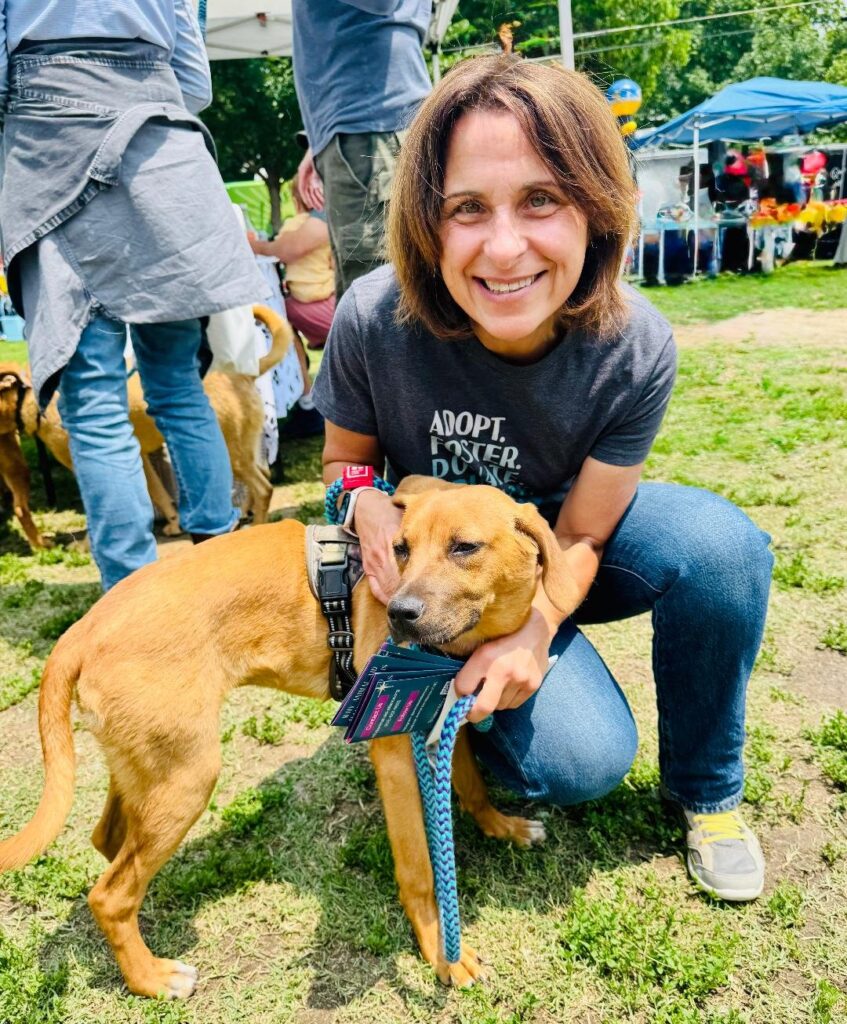





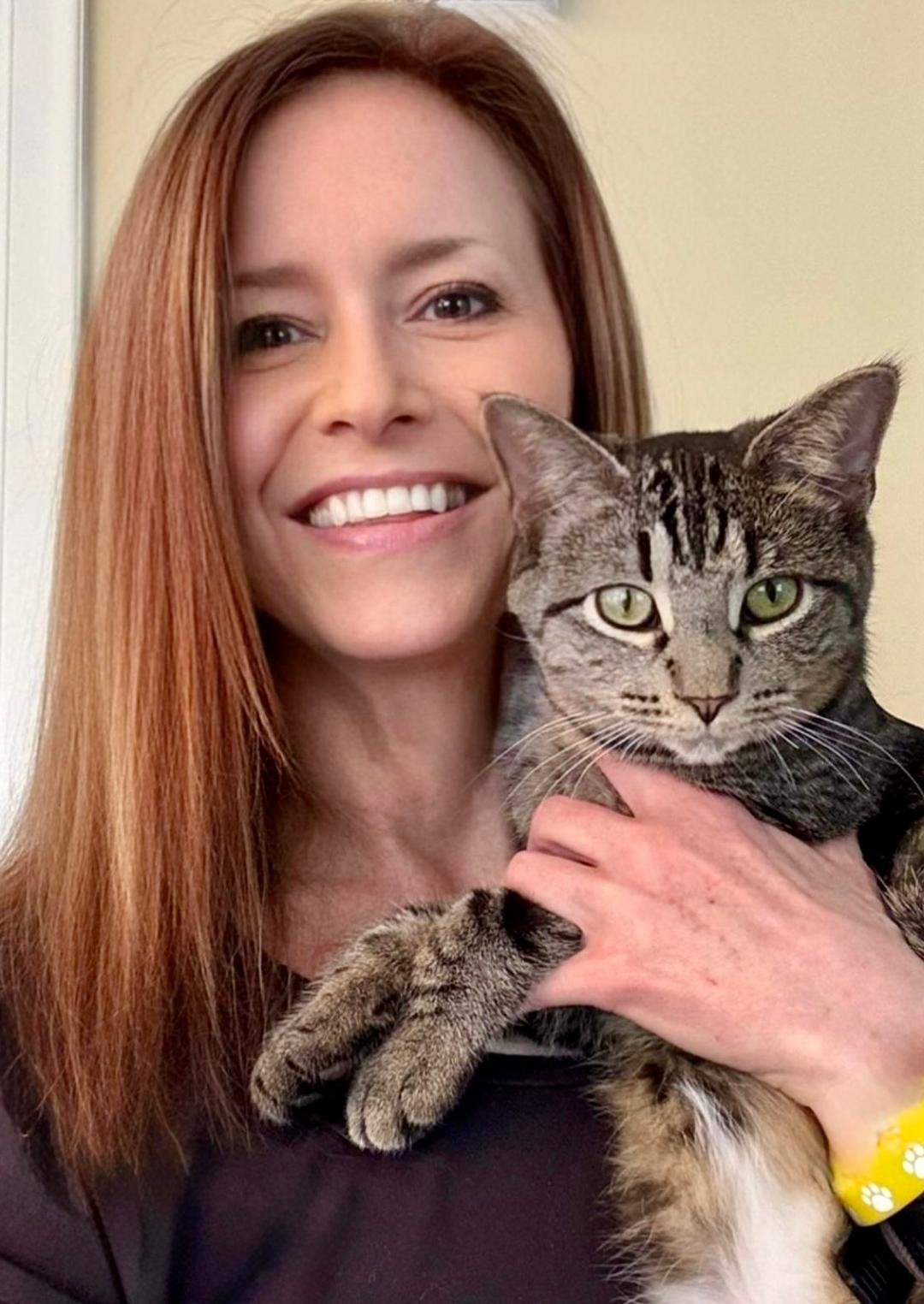
Today we’d like to introduce you to Julie Paddison.
Hi Julie, please kick things off for us with an introduction to yourself and your story.
Helping the Helpers: A New Force in Animal Welfare
In December 2024, a new kind of animal welfare organization quietly took flight in North Carolina — one not focused on intake or adoption, but on empowering those already doing the hard, lifesaving work.
Animal Aid Alliance of North Carolina was founded with a simple but powerful mission: to help the helpers.
Rather than forming another rescue group, the founding team — a mix of veterinarians, business professionals, and seasoned animal rescuers — saw a different need. “We knew there were already so many passionate, exhausted people on the ground doing this work,” says Julie Paddison, Advisory Committee Chair. “What they needed was support.”
The organization began 2025 by building its infrastructure and reaching out to rescue groups, low-cost clinics, shelters, and advocates across the state to better understand where it could make the most meaningful impact. One need quickly rose to the top of the list: affordable, accessible spay/neuter services.
“Spay/neuter is at the heart of ending shelter overpopulation,” explains Paddison. “It reduces intake, prevents suffering, and gives rescues a fighting chance.”
With this in mind, Animal Aid Alliance focused on building partnerships with high-quality, high-volume spay/neuter providers (HQHVSN) and supporting nonprofit animal groups with grants, outreach help, and other resources. In just a few short months, the Alliance began awarding funds to organizations across North Carolina — from helping trap neuter vaccinate release (TNVR) a colony of feral cats to covering fencing to free dogs from being chained.
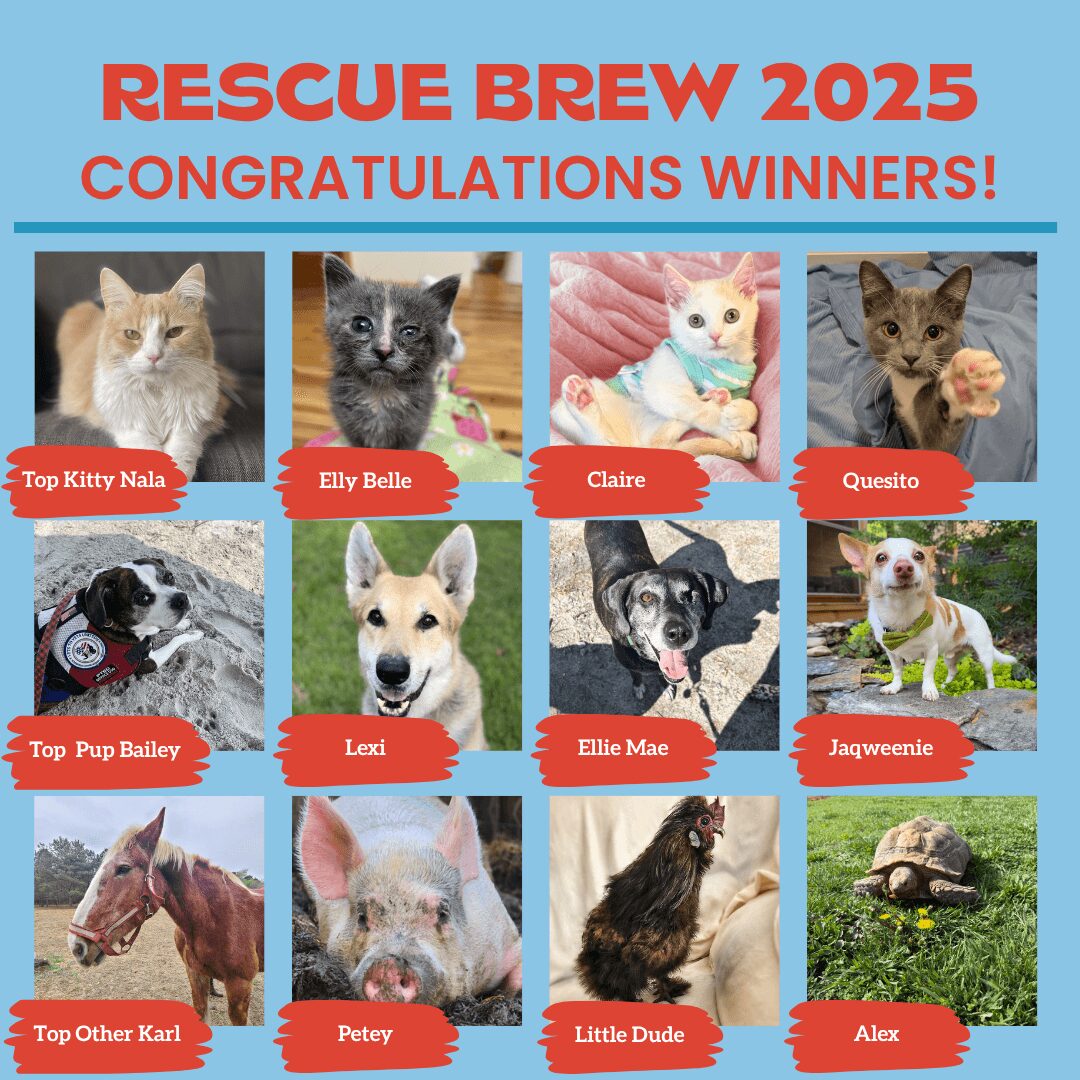
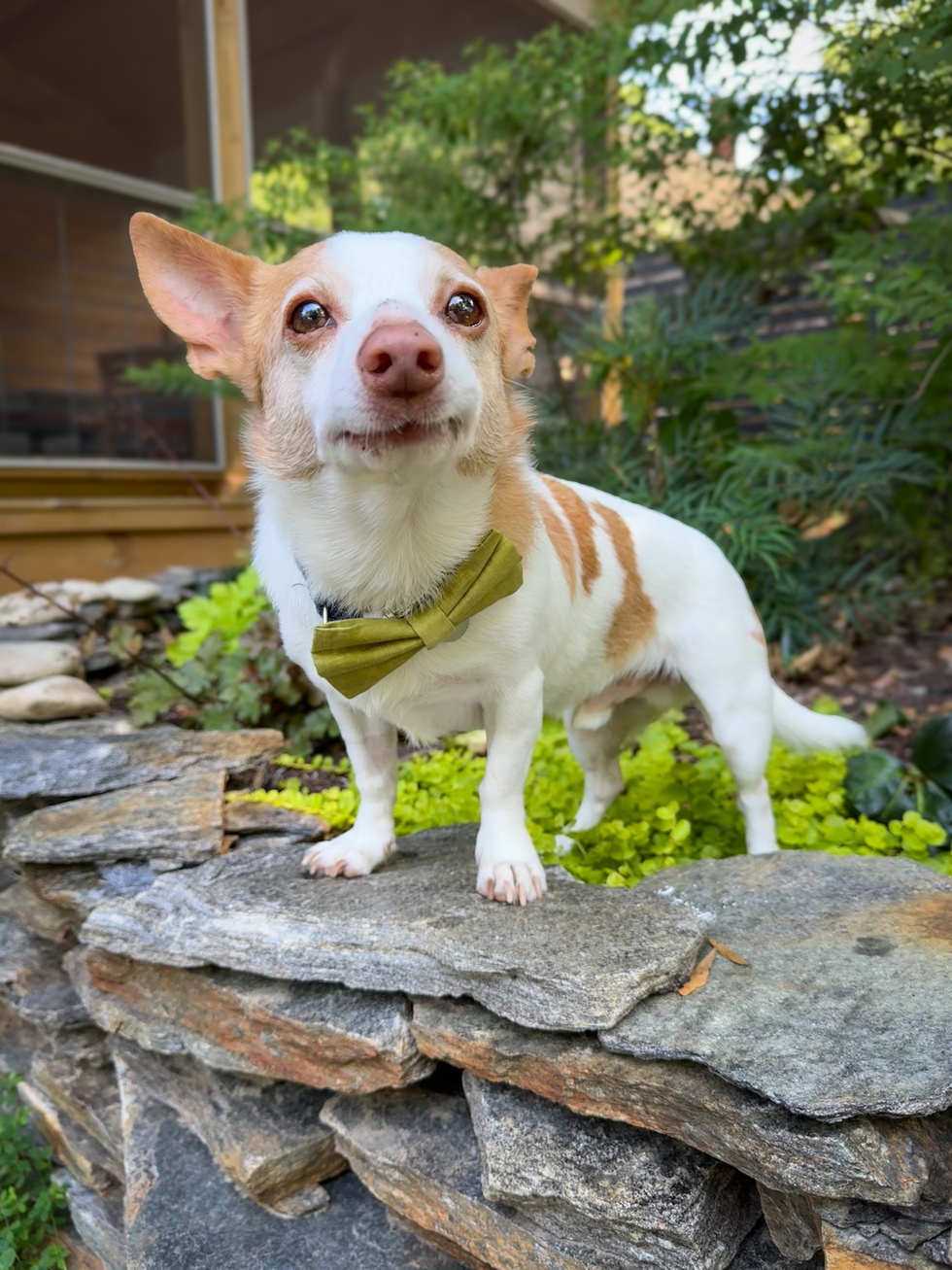
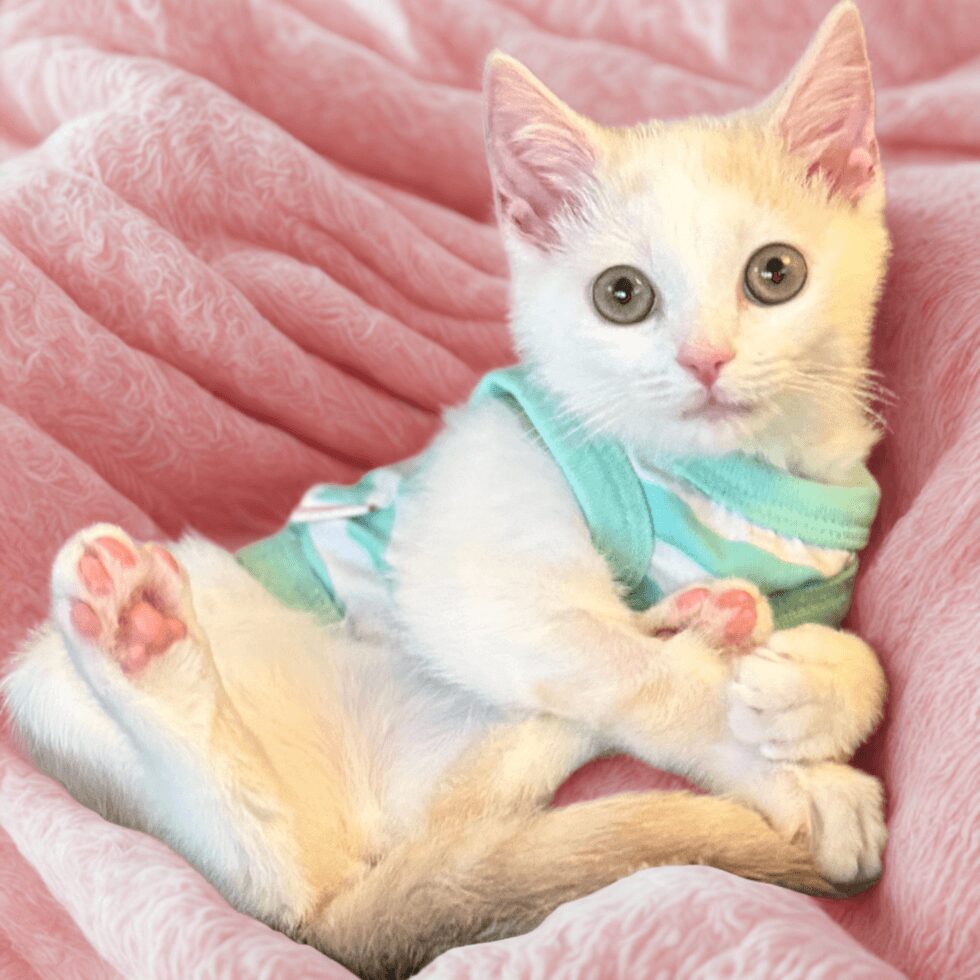
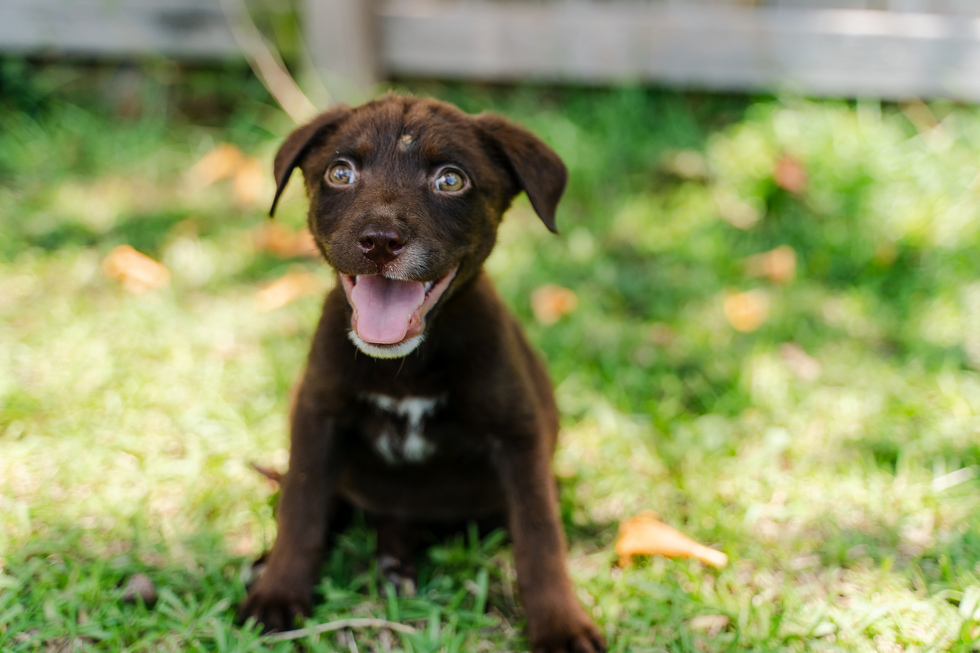
One of their early public campaigns, the Rescue Brew Pet Photo Contest, raised nearly $34,000 — funding that’s now being used to support nonprofit animal groups and spay/neuter efforts in underserved areas.
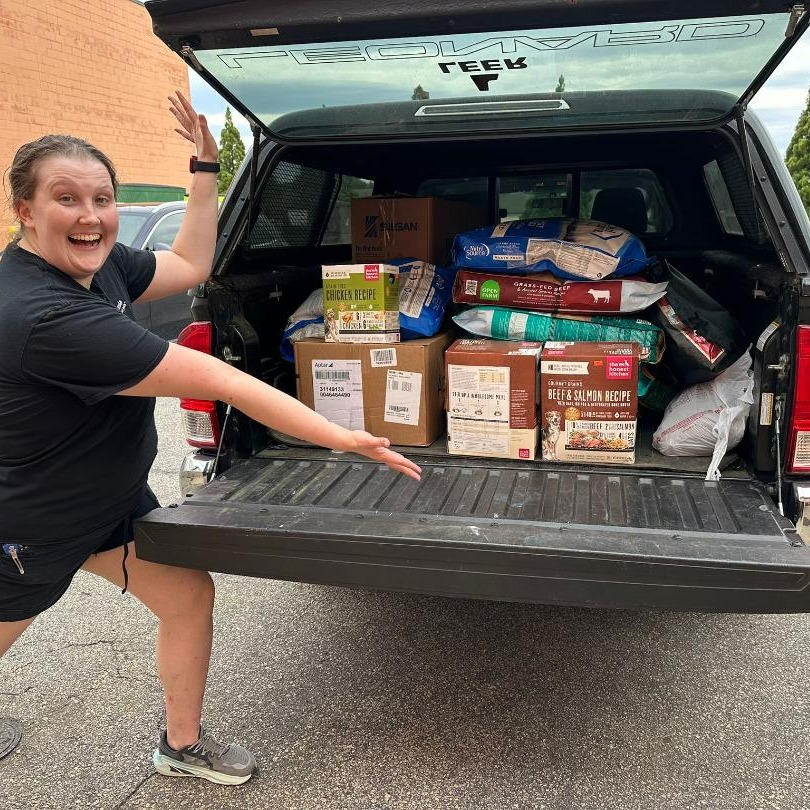
But their work goes beyond writing checks. The team is also committed to providing non-monetary support to rescue partners — including marketing assistance, transportation help, volunteer networking, and donations of pet food and supplies.
“We know we can’t fund every request that comes in,” Paddison says. “But we can still show up in other ways. Sometimes just knowing someone has your back makes all the difference.”
The Alliance is guided by a team with deep roots in the rescue and veterinary world. Its board includes two active veterinarians, an attorney, a successful businesswoman, and a retired certified financial planner. The advisory committee brings expertise in operations, nonprofit fundraising, communications, and hands-on rescue work.
Together, they share a vision of a state where shelters aren’t overwhelmed, where rescue groups aren’t stretched beyond their limits, and where every animal has a better chance at a healthy life.
“Animal Aid Alliance is about collaboration, compassion, and capacity-building,” says Paddison. “We are here to help animals and the people who devote their lives to saving them.”
Alright, so let’s dig a little deeper into the story – has it been an easy path overall and if not, what were the challenges you’ve had to overcome?
Like any startup — whether for-profit or nonprofit — Animal Aid Alliance of North Carolina has faced its fair share of challenges.
“I’ve launched four small businesses over the years, and I can tell you: there are always hurdles,” says Julie Paddison, Advisory Committee Chair. “Whether it’s gaining the right approvals, building public awareness, or finding the right people to move things forward — it takes persistence.”
For Animal Aid Alliance, one early barrier was securing and activating their nonprofit status. Although the organization was approved as a 501(c)(3) on January 2, 2025, it wasn’t searchable on the IRS website until May 25 — a delay that slowed their ability to establish profiles on platforms like Candid and Charity Navigator, tools essential for credibility and donor transparency.
And while passion has never been in short supply, time has. As a 100% volunteer-led organization, with most team members juggling full-time careers, moving quickly and efficiently has required flexibility and creative problem-solving.
“Sometimes our timelines don’t go exactly as planned,” Paddison shares. “But we’ve learned to be agile — to adjust, regroup, and keep moving forward.”
Visibility has also been a challenge. Like many new nonprofits, getting the word out — and building a supporter base from scratch — has taken consistent effort. From launching social media accounts to pitching potential sponsors, the team has had to be both strategic and diligent.
But their hard work is paying off.
Since January, Animal Aid Alliance has attracted six business sponsors and received over 30 applications for funding and support from rescue groups across the state. Their social media following is growing, and so is the community of people who believe in their mission.
“Every step has required intention and persistence,” Paddison says. “But seeing the momentum build — and knowing we’re making a difference — makes it all worthwhile.”
Thanks – so what else should our readers know about your work and what you’re currently focused on?
I’ve included response from AAA perspective and from my personal experience.
At Animal Aid Alliance of North Carolina, our mission is to help the helpers — the dedicated rescue groups, shelter volunteers, transporters, and grassroots heroes who work every day to save animals across the state. Rather than taking in animals ourselves, we focus on empowering those who already are. Through grant funding, supplies, marketing assistance, and strategic partnerships, we help animal organizations do more of what they do best: save lives.
In just seven months since launching, we’ve already supported a wide range of needs — from funding Trap-Neuter-Vaccinate-Return (TNVR) programs for feral cat colonies, to funding fencing installation that allows dogs to live unchained, to covering the costs of low cost spay/neuter surgeries. We’re also working to build lasting partnerships with high-quality, high-volume spay/neuter (HQHVSN) providers, to expand affordable access to these critical services statewide.
What sets us apart is our approach: we don’t operate a shelter or adopt out animals. Instead, we pour our time, resources, and energy into supporting the overextended, under-resourced rescue groups doing the physically and emotionally demanding work on the ground.
We’re proud to be known for connecting people to resources, facilitating partnerships between groups, and offering more than just money — we provide insight, ideas, and encouragement. We speak personally with each applicant for support, not only to understand their immediate needs, but to build long-term relationships and discover the best ways to help.
Most of all, I’m proud that our efforts are already making a real impact in communities across North Carolina. We’re a small but mighty team with decades of combined experience in animal welfare, veterinary medicine, operations, and nonprofit leadership. That blend of heart and strategy allows us to serve as a trusted partner and a force multiplier for the rescue community.
Julie Paddison’s professional journey is one that weaves together compassion, strategy, and leadership — all in service of making a meaningful impact.
For over 30 years, Julie has been deeply involved in animal rescue work in nearly every role imaginable: volunteer, foster, fundraiser, marketer, Board Chair, President, Director, and leader. Her dedication runs deep, and so does her experience.
But her background isn’t just in animal welfare. Julie began her career as a Registered Nurse, later earning an MBA from Duke University and working as a business consultant for 17 years, advising clients on strategy, operations, and growth. In 2017, she and a business partner opened Bottle Rev in Chapel Hill — the first of four small businesses she has co-founded. Today, she continues to co-own and operate RTP Uncorked, a neighborhood wine shop in Research Triangle Park.
This rare blend of healthcare, business expertise, and hands-on rescue experience has made Julie a dynamic force in nonprofit leadership. She specializes in strategic planning, business development, and organizational operations, and she brings both heart and structure to every project she touches.
What sets her apart? A strong belief in collaboration and a clear vision: “helping the helpers.”
Through her work with Animal Aid Alliance of North Carolina, Julie channels her skills into building partnerships, supporting grassroots rescue organizations, and driving initiatives that expand access to low-cost spay/neuter services.
“I’m most proud of the tangible impacts I’ve helped make in animal welfare,” she says. “From the animals we’ve helped directly, to the rescuers and shelters we’ve supported behind the scenes — it’s incredibly rewarding.”
If you had to, what characteristic of yours would you give the most credit to?
The quality that has most fueled my success — both in animal welfare and in business — is adaptability. Whether navigating the unpredictable nature of rescue work, launching a new nonprofit from the ground up, or growing small businesses, I’ve learned that things rarely go according to plan. The ability to pivot quickly, stay calm in chaos, and find solutions under pressure has been critical.
But adaptability alone isn’t enough — it has to be paired with purpose. I stay focused on the “why” behind the work: reducing suffering and supporting those who are saving lives. That clarity of purpose keeps me grounded, motivates my team, and ensures that every pivot still moves us toward meaningful impact.
Pricing:
- A monthly $10 donation will go a long way towards supporting our ability to continue our mission.
Contact Info:
- Website: https://www.animal-aid-alliance.org/
- Instagram: https://www.instagram.com/animalaidalliancenc/
- Facebook: https://www.facebook.com/profile.php?id=61573512208758