


Today we’d like to introduce you to Polina Vee.
Hi Polina, can you start by introducing yourself? We’d love to learn more about how you got to where you are today?
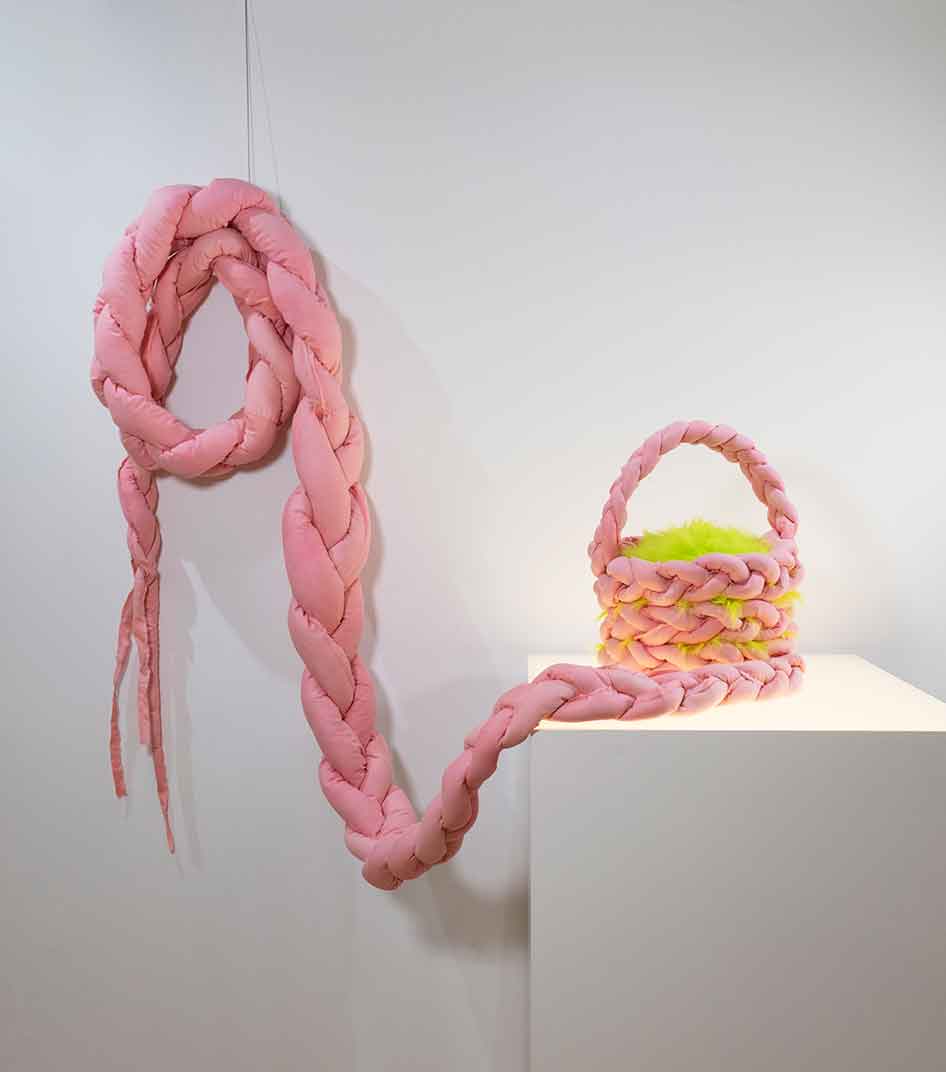
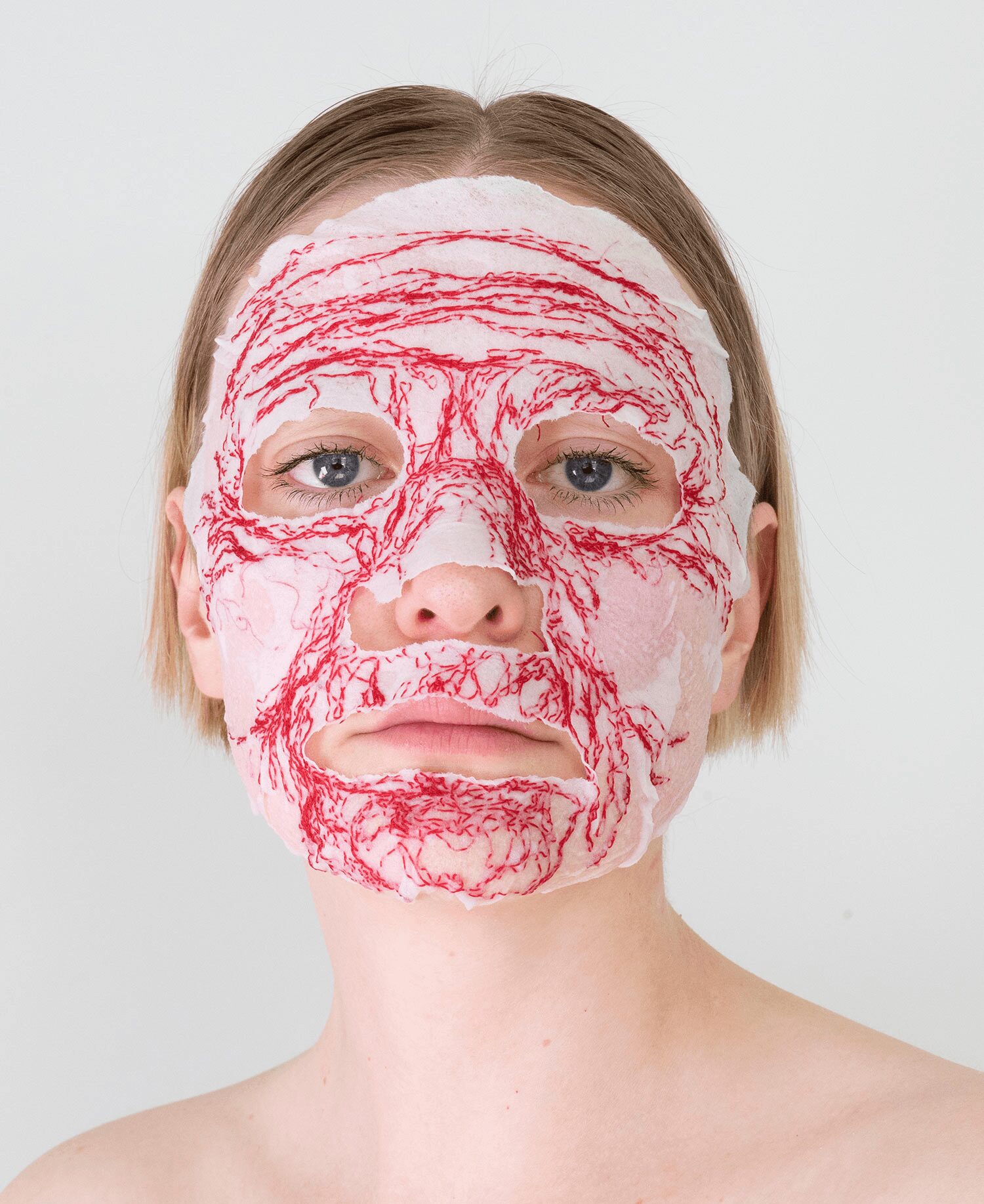
I am a visual artist working across textiles, embroidery, sculpture, and installation. I have been working with textiles for over 20 years and hold a BFA in Textile Design. Before moving into my current practice, I spent six years as a leading artist in one of Russia’s top textile design studios. That foundation shaped my sensitivity to material, detail, and narrative.
Although I was born and raised in Russia, I always felt a strong desire to experience life in a more diverse environment. In 2019, I moved to the United States, and that transition became a defining point in both my life and my work. My immigration journey has been deeply transformative, leading me to redefine myself as a visual artist and to expand my practice beyond traditional textile design.
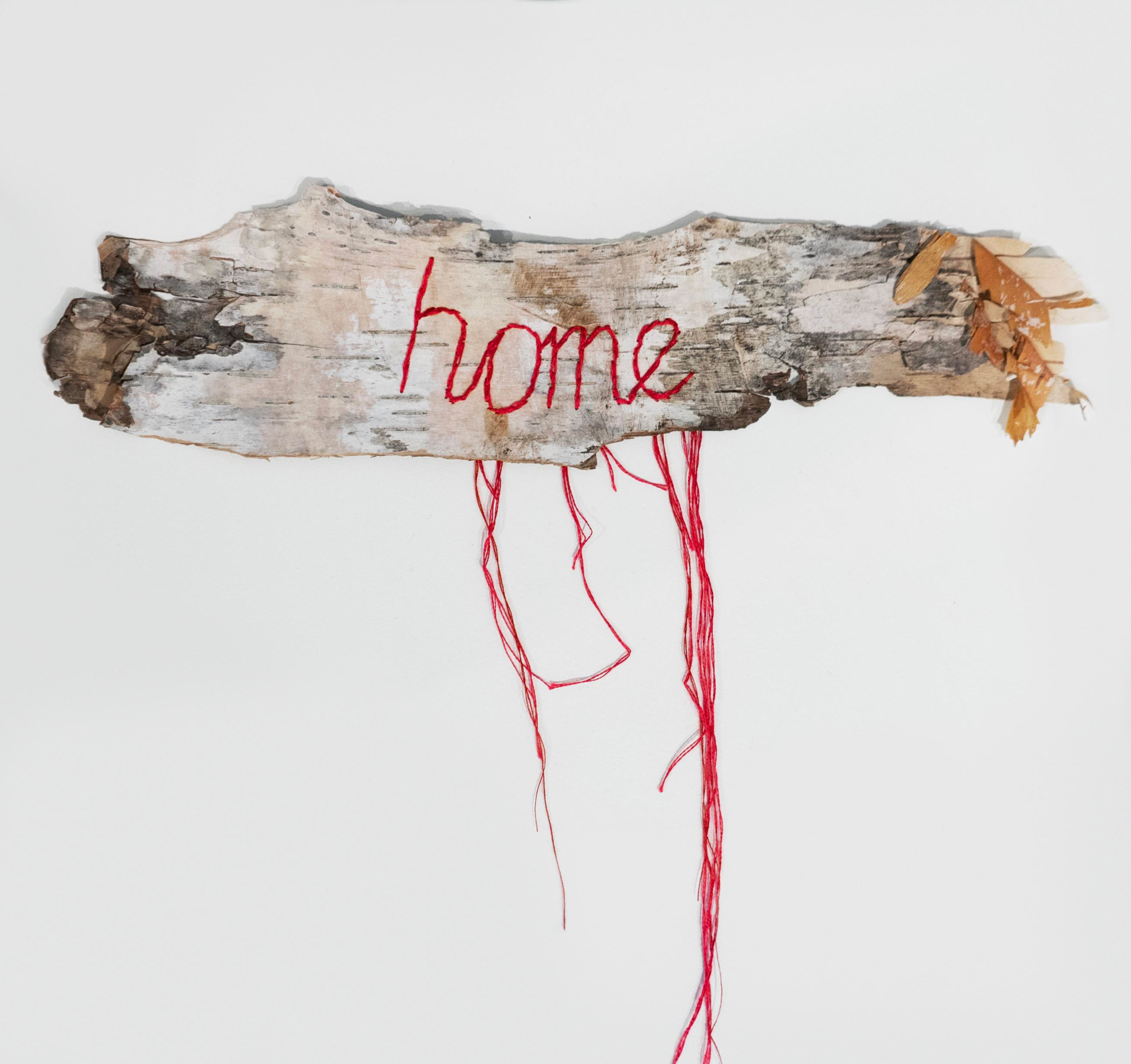
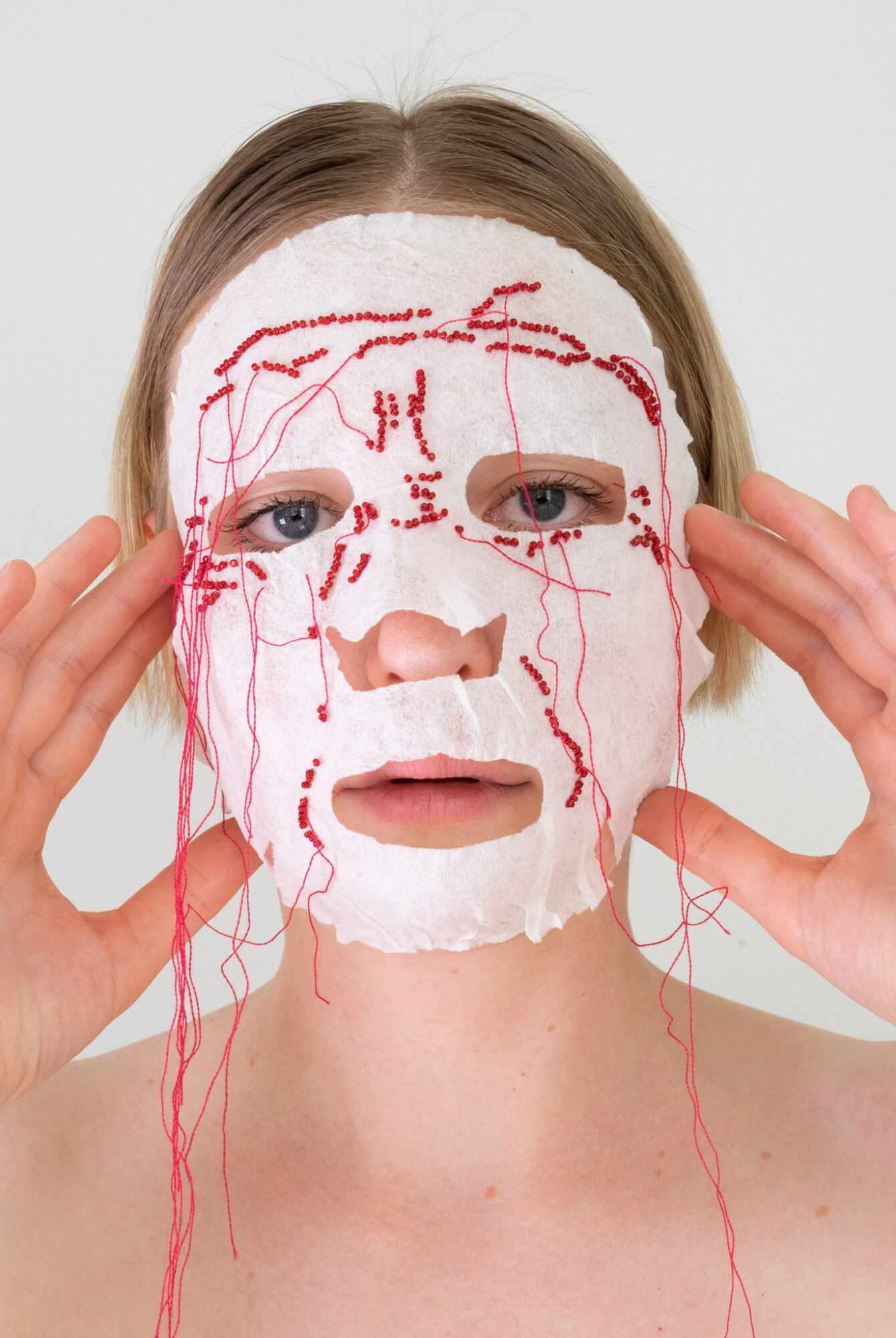
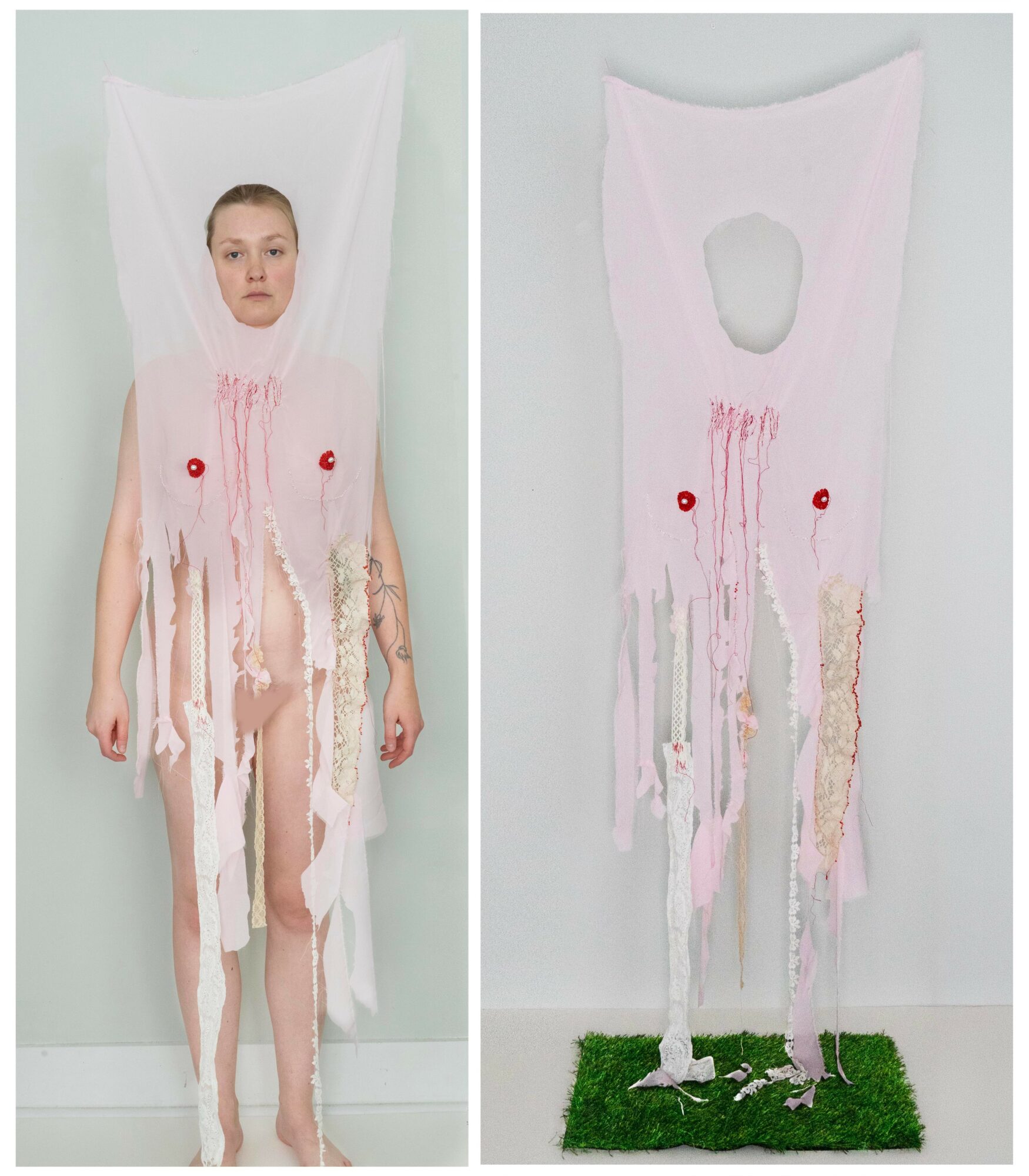
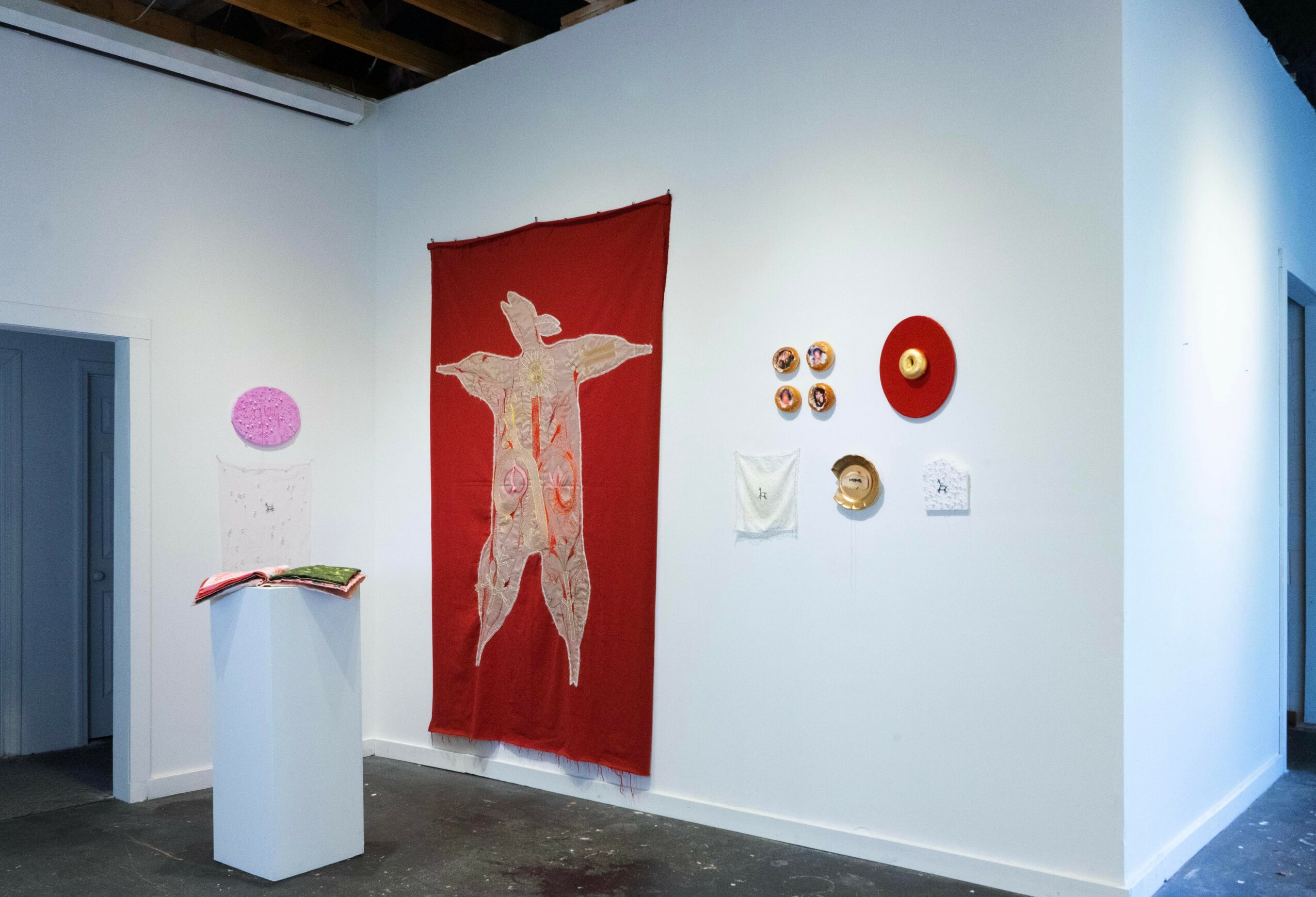
My work is deeply personal. I explore the history of my family, the integration of identities, and the merging of cultures. I’m interested in how the past continues to live within the present — how memory, heritage, and displacement shape who we become.
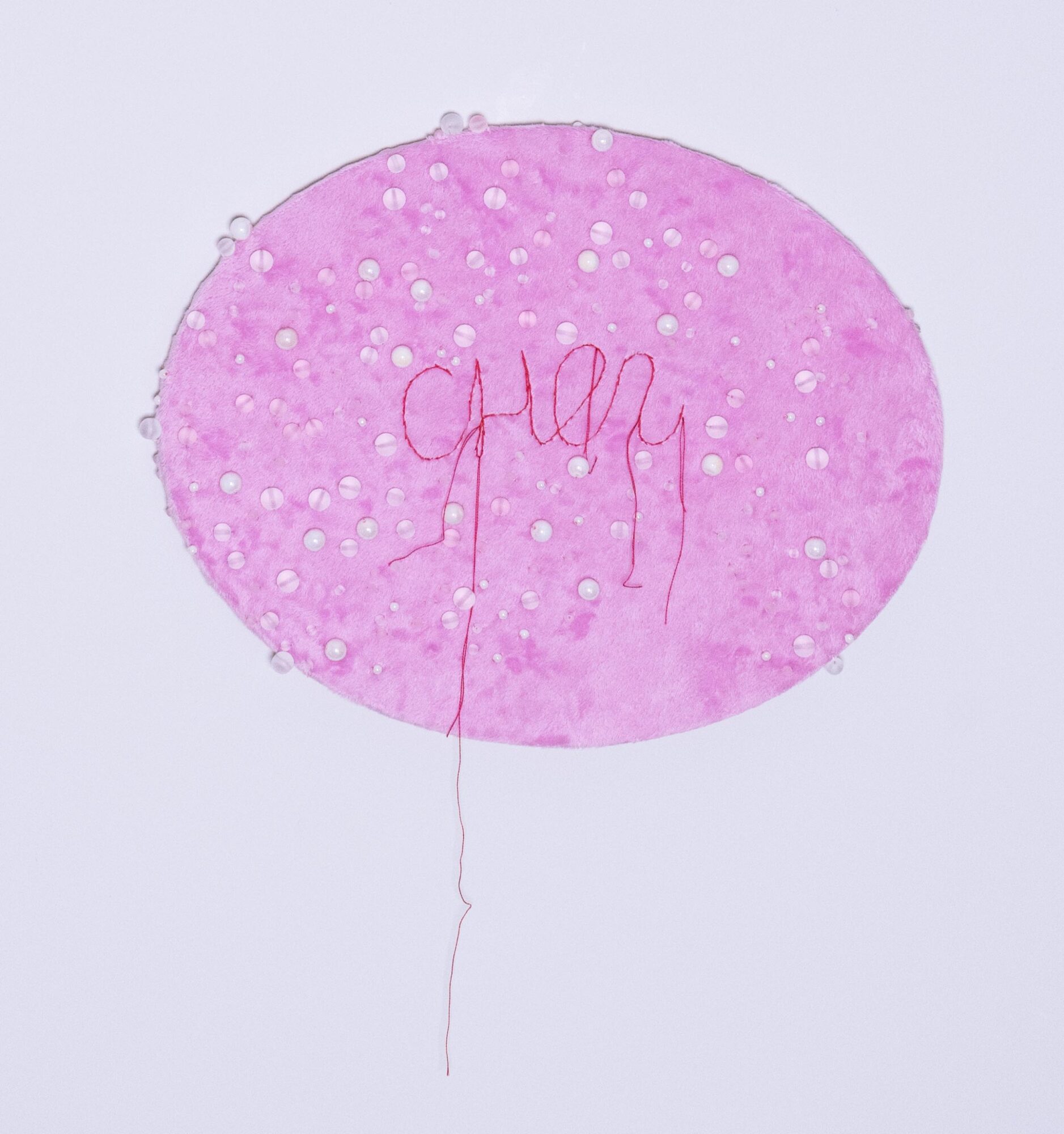
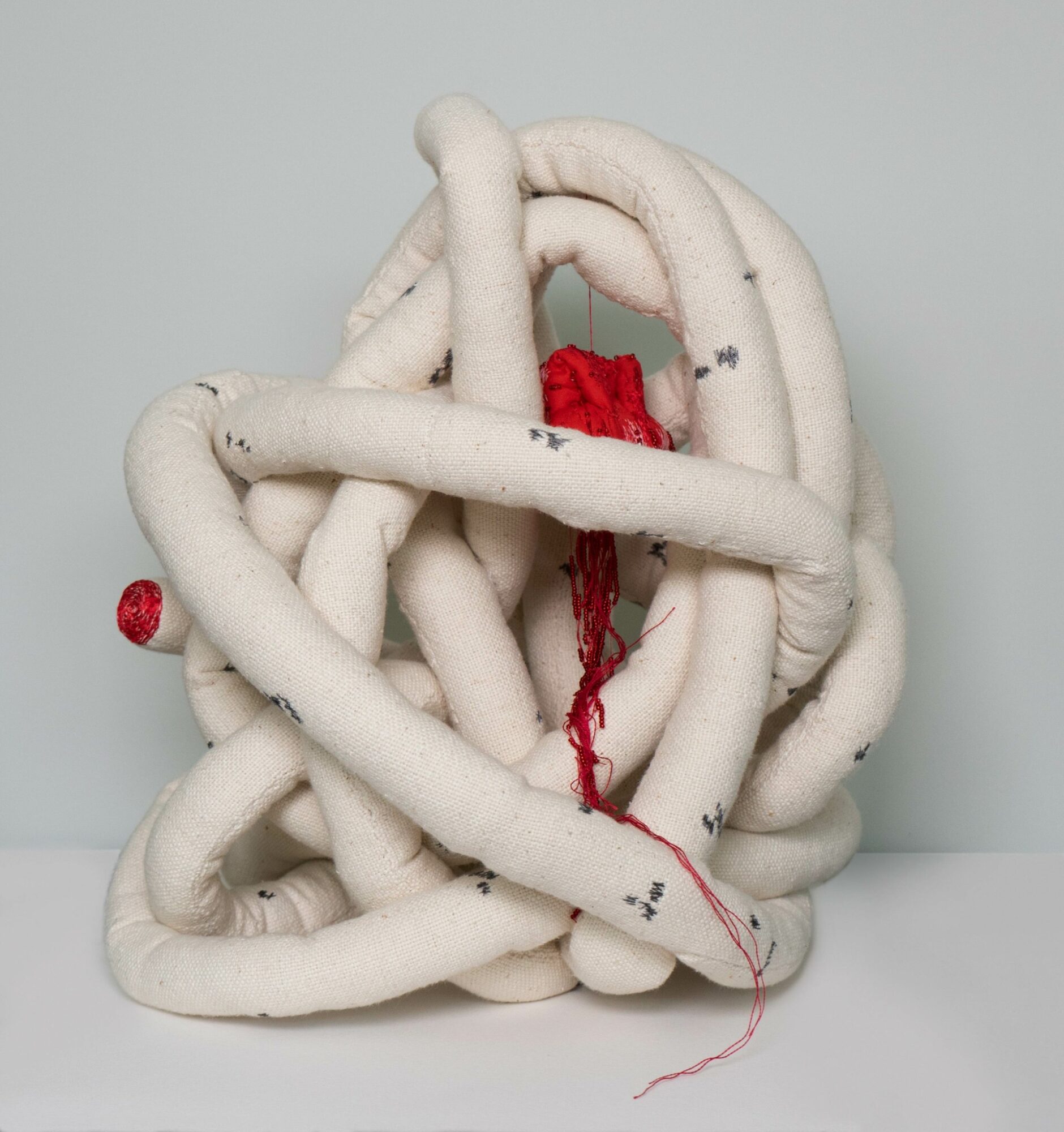
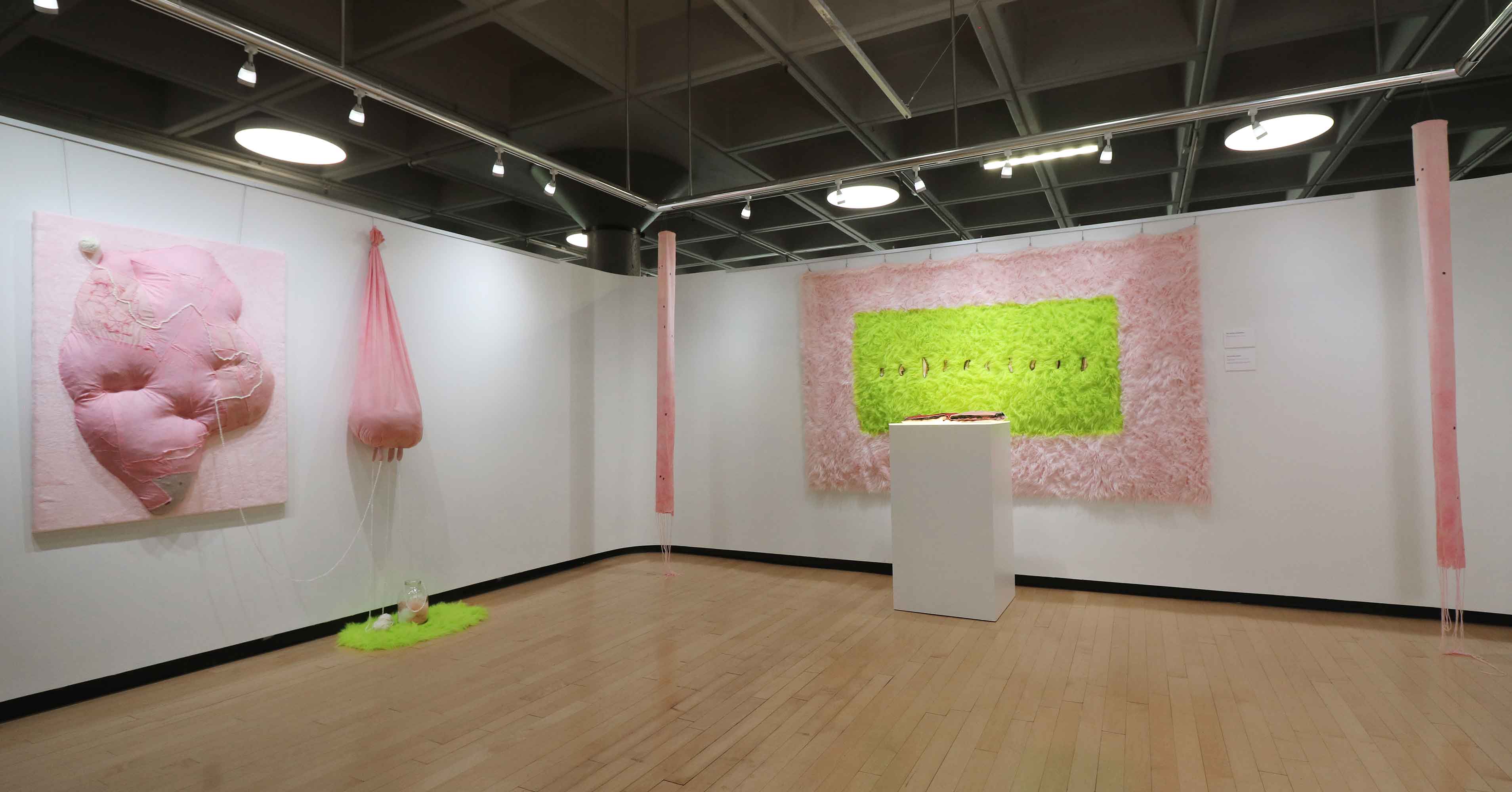
My approach is interdisciplinary — I combine textiles with embroidery, sculpture, photography, and installation. Textiles are often associated with comfort, home, and care — but I use them to speak about vulnerability, displacement, and psychological states. My artworks give form to feelings that are often difficult to articulate — and that, in itself, can be meaningful and healing.
To date, I have presented five solo exhibitions in North Carolina, including shows at Frank Gallery, Peel Gallery, and the Horace Williams House. My textile sculpture The Well received Best in Show at the 43rd Annual National Juried Art Show (2022) and Third Place at the National Multi-Media Juried Art Show (2023).
I also actively participate in group exhibitions across the United States, including in New York, North Carolina, Louisiana, and Texas.
I aspire to contribute my unique perspective to the fusion of American culture, bringing together my heritage and new experiences through art.
Can you talk to us a bit about the challenges and lessons you’ve learned along the way. Looking back would you say it’s been easy or smooth in retrospect?
Art has always been my safe place — until, for a while, it wasn’t.
It happened in 2024, on the day of Hurricane Helene — September 25th — the storm that hit North Carolina. I remember that day clearly because I was deinstalling my solo show at the Horace Williams House in Chapel Hill. Outside, there was a real storm. Inside, another one was building — a storm of depression that slowly took over me.
Let me back up.
2024 was an incredibly intense year. I had two solo shows, one of which I’d been planning since 2022 — two years of waiting for that moment. I had my first residencies, my first studio at Artspace in Raleigh, and at the same time I was navigating personal difficulties, including being unable to visit my family in Russia. I poured everything I had into that year, pushing through exhaustion, running on fumes. I’m proud of what I achieved, but I’m certain it wasn’t worth the cost.
The final drop was my solo show “Nightingales Will Whistle in February” — the one I’d waited two years for. The opening itself went well: I made sales, and many people came. But some of the people I’d deeply hoped to see, people I’d personally invited, didn’t show up. At the time, it felt like a catastrophe.
On the day of the hurricane, everything collapsed inside me. I couldn’t look at my work. I couldn’t touch my tools. I couldn’t go to museums. I couldn’t create anything. I felt disgust toward everything connected to art. It was the first time in my life I’d ever felt that way.
Not many artists talk about this, but I think most of us go through it at some point. I’m happy to share what helped me get through a difficult time like this.
The hardest part was admitting to myself that something was wrong. Once I accepted that, I knew I had to act — even without knowing how long it would take. So I made a deal with myself: I gave 2025 entirely as a break from art. It was terrifying. I was afraid I might never come back. (Spoiler: I came back after nine months.)
I isolated myself completely from the art world. No Instagram posts, no openings, no art news, no museums. I also let go of renting a studio — since I couldn’t work anyway, there was no reason to spend the money. I could still do small things at home, like embroidery or soft sculpture, whenever I felt like it. Looking back, that was the right call.
I stayed in therapy, something I’ve done since 2016, and I genuinely recommend seeking professional help if you’re struggling — don’t wait for it to get worse.
I kept working as an interior designer, staying socially engaged in a healthy way, collaborating with a friend on several projects we were proud of throughout 2025.
I also rebuilt my physical routine. I took up climbing in 2025 and made real progress, hitting the gym three to four times a week and staying active daily. Along the way, I met wonderful people who became friends and quietly supported me through it all. None of it was easy, but movement always helps.
Throughout the year, I’d check in with my art from time to time — look at a piece, notice how I felt. If the feeling was still off, I gave myself more time.
Through it all, I was surrounded by incredible people — family, friends, colleagues, members of the art community — and I’m deeply grateful for their support.
By the end of 2025, I could feel my energy coming back. I started new projects. One is “Dear Deer,” where I embroider the image of a deer as a symbol of life and renewal — for me, the deer carries deeply personal meaning: a quiet renaissance after depression, a return to instinct and inner movement.
It might sound strange, but I’m deeply grateful for that “no-art year.” It taught me that I can trust myself, that I need to listen to myself, and that — no matter what — I want to keep being an artist.
Appreciate you sharing that. What else should we know about what you do?
My work is deeply personal. I explore the history of my family, the integration of identities, and the merging of cultures. I’m interested in how the past continues to live within the present — how memory, heritage, and displacement shape who we become.
My approach is interdisciplinary — I combine textiles with embroidery, sculpture, photography, and installation. Textiles are often associated with comfort, home, and care — but I use them to speak about vulnerability, displacement, and psychological states. My artworks give form to feelings that are often difficult to articulate — and that, in itself, can be meaningful and healing.
If you had to, what characteristic of yours would you give the most credit to?
I’m most proud of my ability to keep going, to evolve, and to remain honest in my work — even during difficult periods. My journey has not been linear, but every stage has contributed to my voice as an artist.
Contact Info:
- Website: https://www.polinavee.com
- Instagram: https://www.instagram.com/polinavee_art/
- Facebook: https://www.facebook.com/polina.varlamova.560