


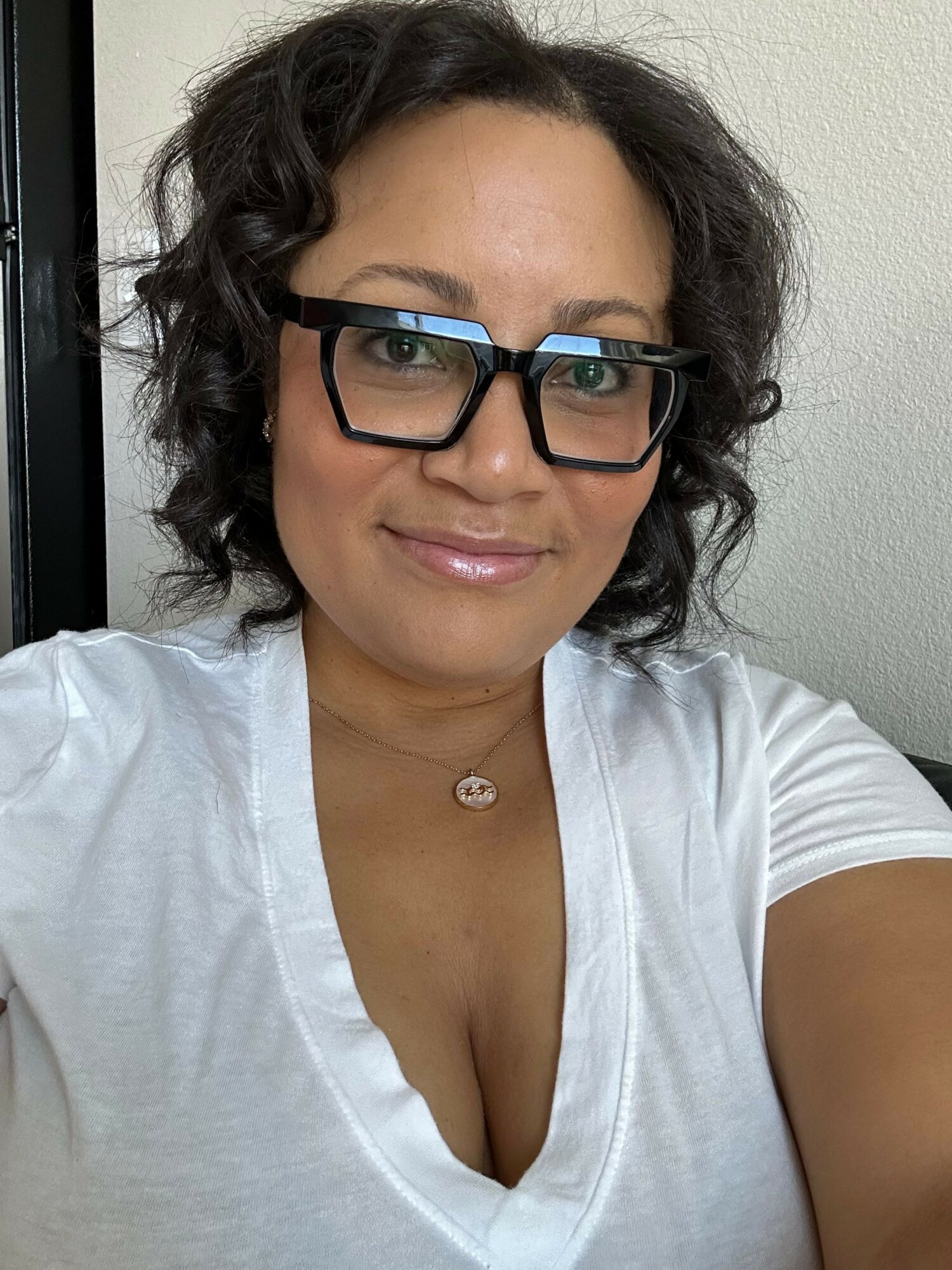
Today we’d like to introduce you to Allison Mathews Allen.
Hi Allison, so excited to have you on the platform. So before we get into questions about your work-life, maybe you can bring our readers up to speed on your story and how you got to where you are today?
My path into clinical trial engagement actually began with a dissertation question that, at first glance, had nothing to do with research recruitment. As a sociologist, I was studying how Black gay men navigate stigma in religious spaces that were often either predominantly Black but not gay affirming, or gay affirming but not Black affirming. As I listened to them describe how HIV stigma was intertwined with their identity, even when they did not have HIV, I found myself asking a different question: How do we genuinely reach communities that institutions have struggled to serve?
That question led me into community engagement work around HIV clinical trials. I started educating people about the clinical trial process and using social media and the creative arts to make research more accessible and bring people into the conversation. During my postdoctoral research, that work evolved into something much more structured through crowdsourcing contests. The idea was simple: invite communities to help solve real problems by contributing their own ideas. We started with the challenge of engaging people in the search for an HIV cure, asking for paintings, poetry, songs, app concepts, and other creative submissions that could be transformed into campaigns to raise awareness about HIV clinical trials. Over time, we expanded that model to address PrEP, HIV self-testing, and COVID-19 vaccine awareness.
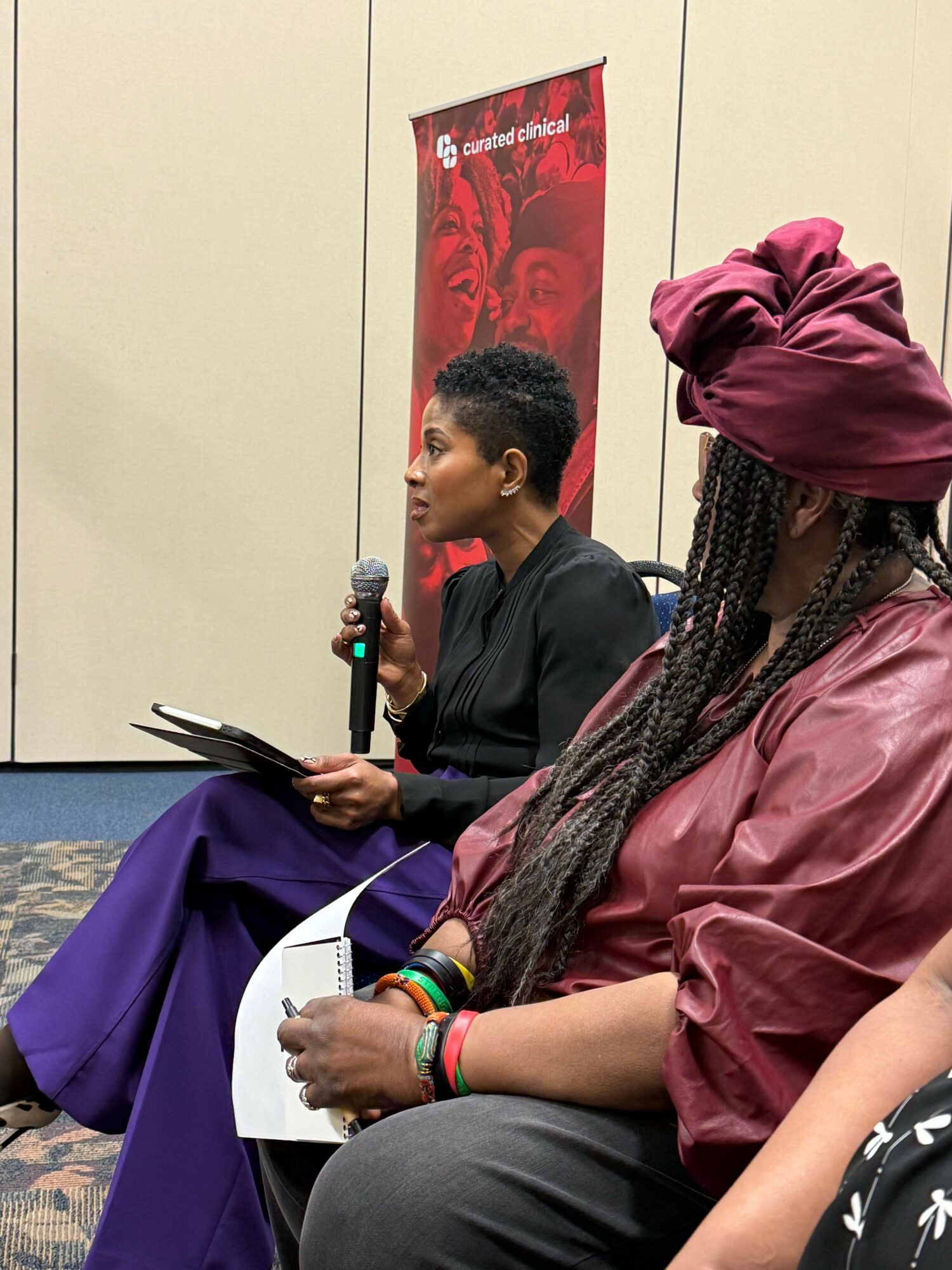
In 2016, I co-founded HIV Cure Research Day with Kimberly Knight, who came to this work after losing her husband to complications from AIDS. What began as a single event has since been recognized annually by the state of North Carolina. Over the years, I have built programming that ranged from a hip hop concert addressing conspiracy theories about HIV cures to a fashion show featuring Sheryl Lee Ralph, along with interviews with public figures like Viola Davis, Taraji P. Henson, and Lecrae. No matter the format, the message was always the same: community members have an essential role to play in advancing HIV research, whether by serving on community advisory boards, protecting research participants, participating in clinical trials, or helping educate others about the science.
My work also led me into faith communities. As Executive Director of the Gilead COMPASS Faith Coordinating Center at Wake Forest University School of Divinity, I developed a database of faith-based organizations across the South that were providing HIV-related services. It addressed a gap that surprised me. Although thousands of congregations across the country had members living with HIV or were engaged in HIV-related programming, no comprehensive database existed. Building that resource reinforced something I had been learning throughout my career: organizations are far more effective when they recognize they are part of a larger ecosystem and intentionally work together.
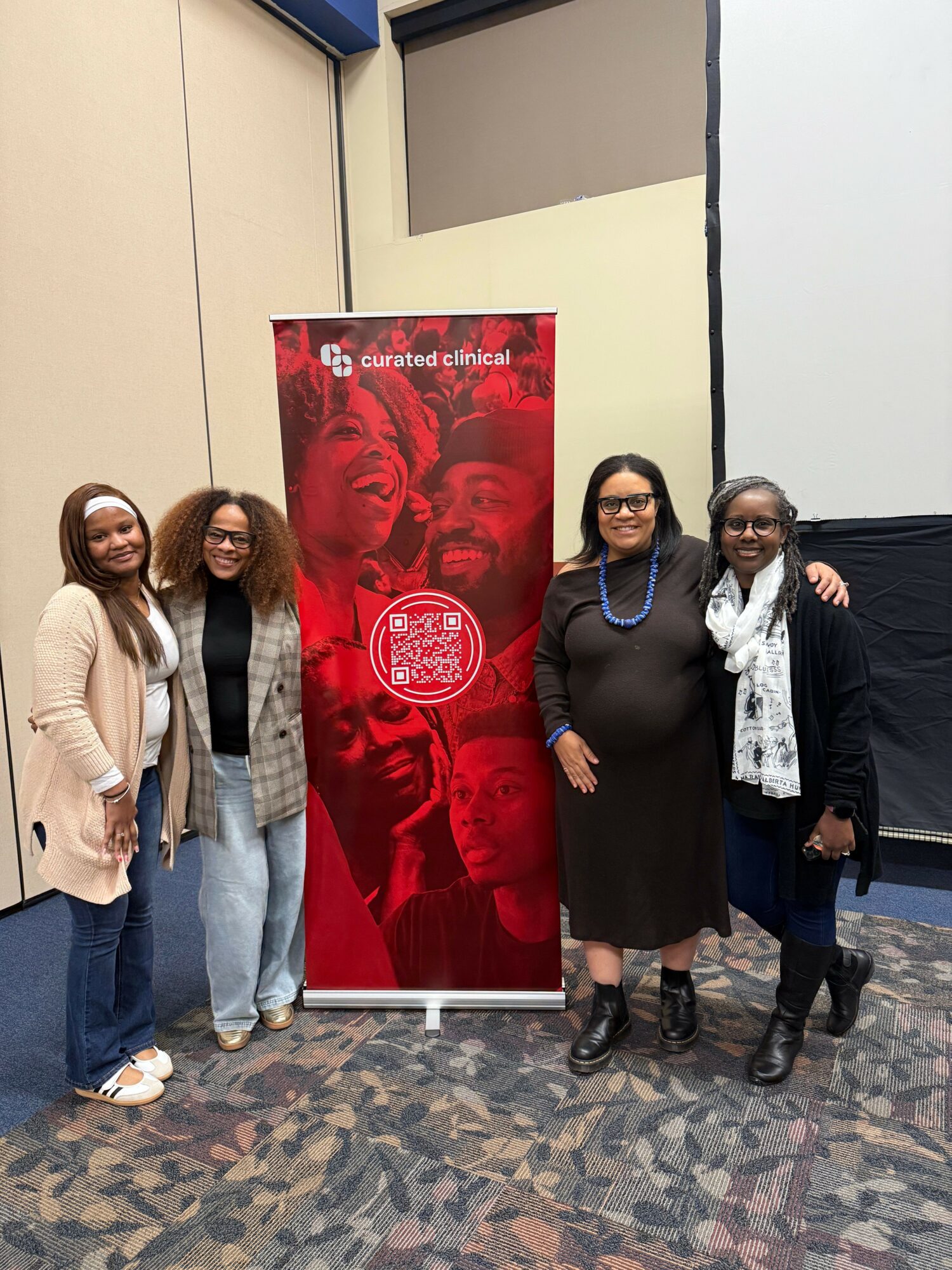
Over time, I realized that what we had developed wasn’t just an HIV engagement strategy. The same crowdsourcing approach that successfully engaged communities around HIV cure research, PrEP, faith-based health initiatives, and COVID-19 could be applied to almost any disease area where trust between researchers and communities had broken down. That realization became the foundation for Community Expert Solutions. I founded CES to formalize and scale this methodology, helping research organizations build authentic partnerships with communities throughout the clinical trial process. Curated Clinical was created as the technology platform that brings this approach to life by transforming community voices into structured insights that pharmaceutical companies, health systems, and research institutions can use to improve trial design, recruitment, retention, and participant experience.
That work continues to be grounded in community partnerships. For example, through our collaboration with the Black Farmers Market, Curated Clinical has developed storytelling campaigns, crowdsourcing contests, and community engagement initiatives in places where people already gather and trust one another, rather than expecting them to come to research institutions. It is the same philosophy that shaped HIV Cure Research Day and the faith-based service locator: meet people where trust already exists, listen first, and meaningful engagement will follow.
Today, my team and I are continuing to build Curated Clinical into a platform that can scale this work. What started as a series of community engagement projects has grown into an intelligence platform that helps researchers better understand the communities they hope to serve. My goal has always been to make health equity more than a conversation or a checkbox. I want it to become a core part of how clinical research is designed, conducted, and experienced from the very beginning.
I’m sure it wasn’t obstacle-free, but would you say the journey has been fairly smooth so far?
No, it definitely has not been a smooth road, and I don’t pretend otherwise. The path to building Curated Clinical has run straight through years of challenges that academia and entrepreneurship do not always talk about openly.
While completing my dissertation, the same research that would eventually become the foundation for my crowdsourcing methodology, I spent nearly a year writing until three or four in the morning most nights, trying to keep up with extensive revisions from my advisor. The impact showed up physically before I fully recognized it. I was sleeping only three or four hours a night for months. I stopped having menstrual cycles without even noticing at first. My migraines became so severe that during one therapy session I had to lie down and cover my eyes because I couldn’t tolerate the light. Afterward, I drove home barely able to see because the pain had become so overwhelming.
It wasn’t just one difficult week. It was the cumulative weight of producing original research on an emotionally demanding topic while carrying the stories of men who had experienced the trauma of navigating life as both Black and gay in religious spaces. There was very little acknowledgment that conducting this kind of work carries an emotional burden for the researcher as well. Even my dissertation chair didn’t fully understand why I was so overwhelmed.
What ultimately changed wasn’t my workload. It was the way I cared for myself. A close friend who is a nutritionist helped me discover that my migraines were connected to vitamin D and magnesium deficiencies. I started spending more time outside, significantly reduced my alcohol intake, added a humidifier because dehydration was making my migraines worse, and began treating recovery practices like Epsom salt baths and intentional evening routines as necessities instead of luxuries. Gradually, the migraines subsided, my energy returned, and I learned one of the most important lessons of my career: self-care is not something you earn after the work is finished. It is what makes meaningful work possible in the first place.
That lesson shapes how I lead today. Building organizations around community trust, the same trust I spent years cultivating through HIV Cure Research Day, faith-based partnerships, and community engagement, requires a level of endurance that can quietly lead to burnout if you are not intentional. Both academia and entrepreneurship often celebrate sacrifice while leaving very little room for rest. I’ve learned firsthand that when we ignore our well-being, our bodies usually tell us long before our work does.
The entrepreneurial journey has brought its own challenges. Building Curated Clinical out of Community Expert Solutions has been anything but a straight line. Like many early-stage health technology founders, I’ve had to convince pharmaceutical companies and research organizations, industries with long procurement cycles and deeply established vendor relationships, to invest in a different way of engaging communities. Unlike companies built around a patent or medical device, our greatest asset is trust. Trust cannot be manufactured quickly or summarized in a product specification. It has to be earned one relationship at a time, often long before there is a contract to show for the work.
That reality creates a unique kind of pressure. Early-stage revenue rarely arrives in predictable ways. One month it might be a grant. Another month it might be a consulting contract. A promising partnership can take months or even years to become a signed agreement. During that time, I’m raising capital, overseeing platform development, leading a growing team, delivering client work, and continuing to invest in the community relationships that make our work possible. In a larger company, those responsibilities would belong to different departments. As a founder, they often belong to the same person.
There is also a deeper challenge that many founders building equity-centered organizations experience. I have had to repeatedly demonstrate that a methodology grounded in lived experience and authentic community partnership deserves the same credibility and investment as methodologies rooted solely in clinical science or technology. I believe both are essential, and my work has been about showing that community expertise is a form of expertise.
The policy environment has made this work even more complex. Since early 2025, federal support for many research and public health initiatives focused on diversity, health equity, and HIV has shifted significantly. Funding priorities have changed, grant requirements have evolved, and organizations working to address health disparities have had to rethink how they position their work and diversify their funding strategies. For organizations like mine, those changes affect far more than budgets. They influence which opportunities are available, how proposals are written, and how we sustain long-term partnerships in an environment where priorities can change with each budget cycle.
Rather than discouraging me, these experiences have reinforced why this work matters. If anything, they have strengthened my commitment to building organizations that are resilient, community-centered, and sustainable. They have reminded me that advancing health equity requires more than passion. It requires adaptability, perseverance, and the willingness to keep showing up for communities, even when the path forward is uncertain.
Thanks for sharing that. So, maybe next you can tell us a bit more about your business?
Community Expert Solutions (CES), operating as Curated Clinical, exists to close the gap between clinical trials and the communities they are meant to serve. We specialize in crowdsourcing, using contests, creative submissions, and community-driven engagement to generate bottom-up intelligence that traditional recruitment methods consistently miss. Rather than parachuting into communities to recruit participants, we build relationships first, partnering with trusted local organizations like the Black Farmers Market, so that the people we engage are already in spaces where they feel heard. That intelligence becomes a compounding asset: real insight from real communities that helps pharmaceutical sponsors and research institutions design trials people actually want to join, improving enrollment, retention, and health equity outcomes all at once.
What sets us apart is that our methodology is not new or improvised. It is built on nearly two decades of peer-reviewed crowdsourcing research, originally developed in HIV cure research and refined across PrEP, self-testing, and pandemic response, and proven in community spaces long before it became a platform. We are most proud of the trust that methodology represents. Competitors can copy a contest format or a recruitment campaign, but they cannot replicate the relationships we have built or the years of credibility behind them. We want readers to know that Curated Clinical is not simply a recruitment vendor. We are a community intelligence partner building the infrastructure to make health equity the default outcome of clinical research, not an afterthought.
Can you talk to us a bit about the role of luck?
I don’t know if I necessarily believe in luck as much as I believe in building relationships with people and operating with integrity. This helps me build the foundation for opportunities down the road the will not only help me grow the business but also make an impact in communities most impacted by health disparities.
Contact Info:
- Website: https://www.curatedclinical.com
- Instagram: https://www.instagram.com/curatedclinical
- LinkedIn: https://www.linkedin.com/in/allisonmathews
- Other: https://www.communityexpertsolutions.com