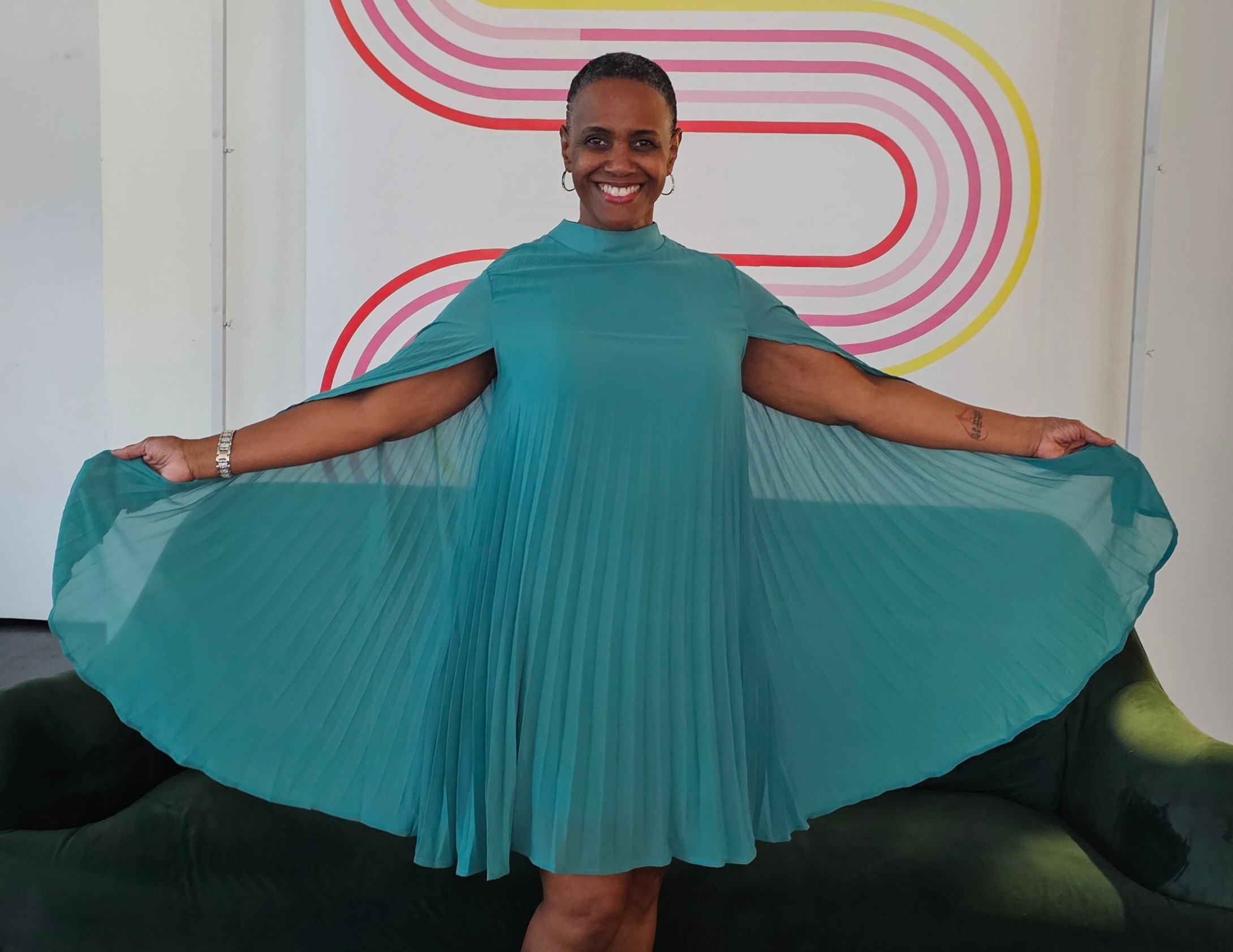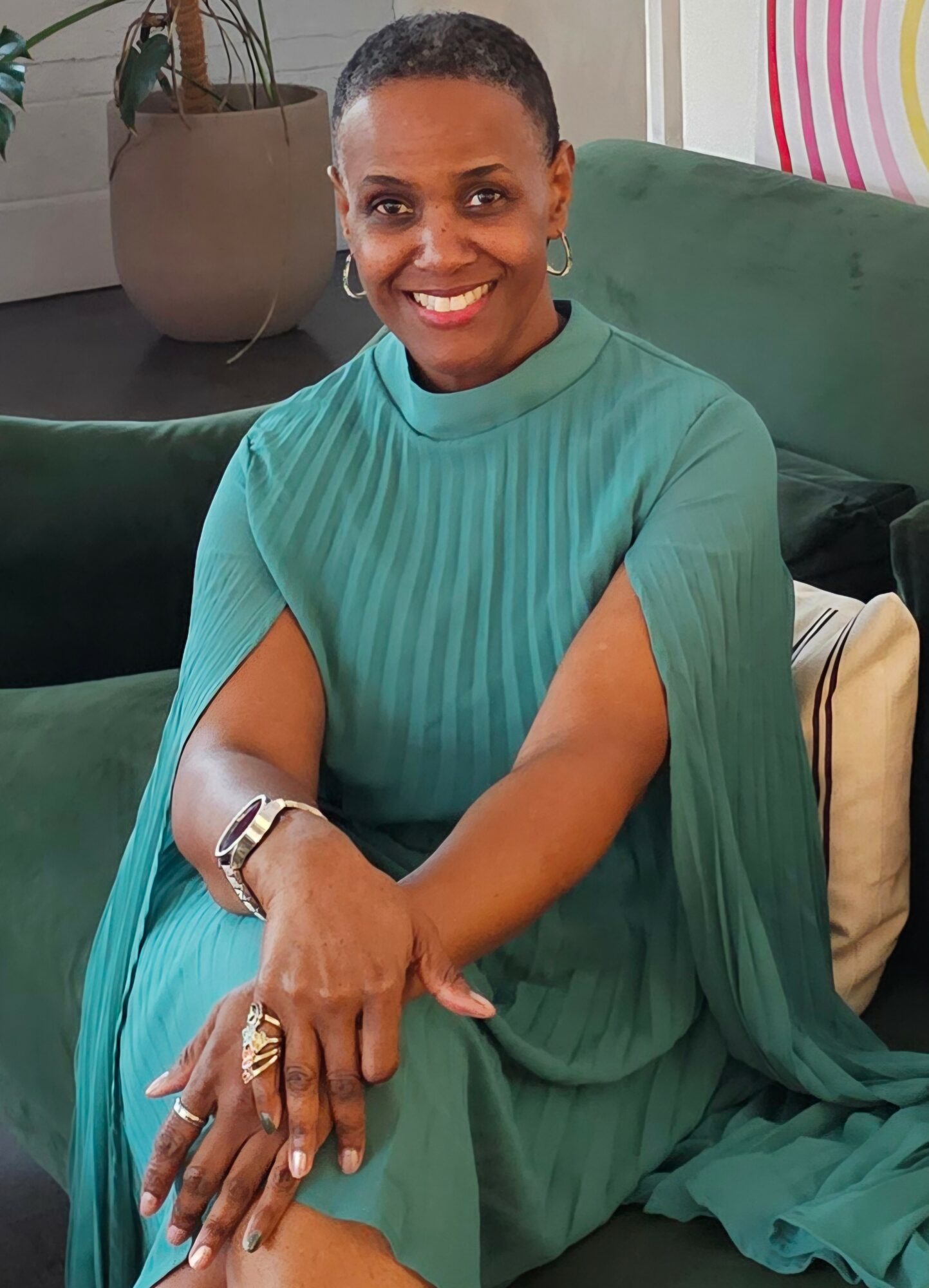





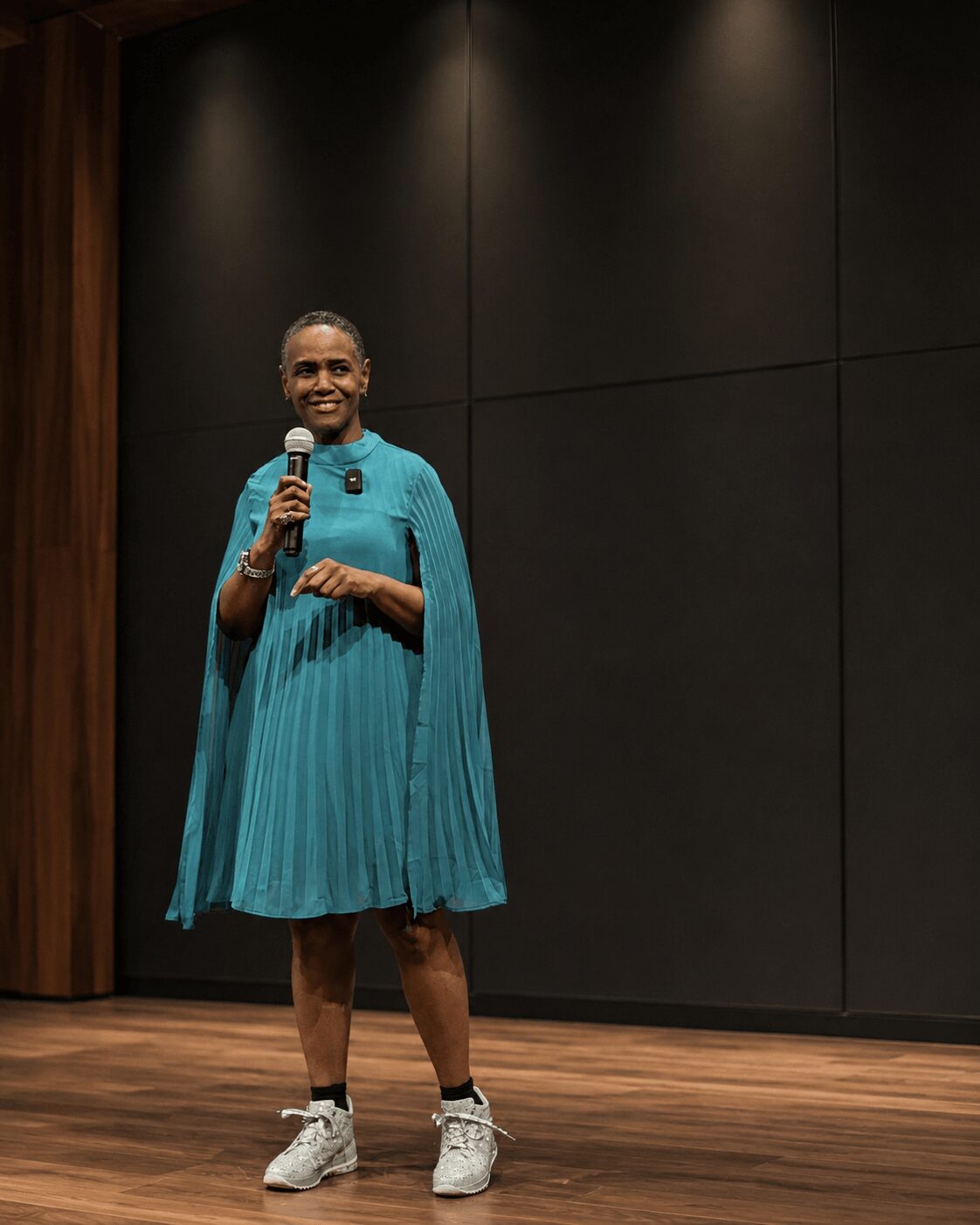
Today we’d like to introduce you to AmyNicole Ellis.
AmyNicole, we appreciate you taking the time to share your story with us today. Where does your story begin?
My career has taken several turns, but the common thread has always been people, behavior, and business.
I spent more than 20 years in human resources while also building businesses, including in real estate. Over time, I became increasingly interested in what happens before the visible outcome: before an employee leaves, before communication breaks down, before execution slows, or before a leader is misunderstood.
That led me to create The Interruption Leadership Analysis™, a diagnostic approach that examines repeated behaviors, decision patterns, and operating tendencies that can affect leadership and organizational outcomes.
Today, my work focuses on helping leaders and organizations read what is happening beneath the surface earlier, before the outcome becomes the only thing everyone can see.
We all face challenges, but looking back would you describe it as a relatively smooth road?
It definitely has not been a smooth road. I have experienced layoffs, business setbacks, major relationship endings, career pivots, and three bankruptcies.
One of the biggest challenges was learning not to treat those moments as isolated failures. I had to start looking at what kept repeating, what I was missing, and what those experiences were showing me.
That shift changed the way I see both people and organizations. Today, I pay close attention to what happens before the visible outcome, because by the time the problem is obvious, the real story has often been unfolding for quite some time.
Thanks for sharing that. So, maybe next you can tell us a bit more about your business?
Fix Yourself & Flaunt It is the umbrella for my work around leadership, behavior, pattern recognition, and interruption.
I am known for identifying the patterns people and organizations often miss until those patterns begin affecting communication, decision-making, trust, performance, or retention.
My work is rooted in more than 20 years of experience in human resources, where I had a front-row seat to leadership challenges, employee concerns, workplace conflict, disengagement, turnover, and the gap that can exist between what leaders think is happening and what employees are actually experiencing.
Over time, I became less interested in simply responding to the visible problem and more interested in understanding what was driving it.
That led me to create The Interruption Leadership Analysis™, a diagnostic approach that examines how leaders operate, how they make decisions, where repeated patterns may be influencing outcomes, and where a leader or organization may be responding to the wrong problem because the situation has been misread.
What sets my work apart is that I am not approaching leadership from theory alone. I bring decades of workplace experience, entrepreneurship, personal experience, and pattern recognition into the same conversation. I have experienced career pivots, business successes and failures, relationship endings, layoffs, and three bankruptcies. Those experiences taught me to pay close attention to repetition and question the easy explanation.
Through Fix Yourself & Flaunt It, my work includes leadership analysis, corporate training, speaking, strategic diagnostic work, and thought leadership.
I am also the author of *Unread: The Interruption You Didn’t See Coming*, host of *The Interruption Report* podcast, and creator of the signature keynote, *The Interruption That Changes the Outcome*.
What I am most proud of is that the brand has evolved into a connected body of work. The personal and corporate sides are not separate. Both are rooted in understanding the repeated behaviors, decisions, and patterns that shape the outcomes we eventually see.
**You can’t fix what you haven’t read yet.**
Before we let you go, we’ve got to ask if you have any advice for those who are just starting out?
Give yourself permission to evolve.
One of the things I wish I understood earlier is that changing direction does not automatically mean you made the wrong choice. Sometimes you have simply learned enough to make a better one.
I also wish I had understood sooner that not everyone is designed to work, decide, lead, or build the same way. A lot of frustration comes from trying to force yourself into a model that works beautifully for someone else but poorly for you. Learn how you operate best, how you make your strongest decisions, what conditions bring out your best work, and build from there.
Pay attention to repetition too. If the same problem keeps showing up in different forms, do not just work harder around it. Study it. Ask what keeps creating it, what role you are playing in it, and what needs to change.
And do not be so quick to label every setback a failure. Some of my most difficult experiences became the data I needed to understand myself, my work, and the business I was actually meant to build.
Failure is data. Read it.
Contact Info: