




Today we’d like to introduce you to Blake E. Odum.
Alright, so thank you so much for sharing your story and insight with our readers. To kick things off, can you tell us a bit about how you got started?
My story begins with a deep belief that exposure can change the entire direction of a young person’s life. I was born and raised in Flint, Michigan, and education, faith, service, and community shaped who I became. As a high school student, I was accepted to Morehouse College. Although my journey did not unfold in a straight line, that experience planted something in me that never left: an understanding of what it means for a young Black student to see possibility, legacy, and excellence reflected back at them.
Over the years, I worked in education, youth development, community engagement, and talent outreach. Each role allowed me to see both the brilliance of young people and the barriers that too often limit their access to opportunity. I met students with tremendous potential who had never visited a college campus, traveled outside their hometown, or been encouraged to seriously consider an HBCU. I also saw educators and families who wanted to help but did not always have the relationships, information, or resources to create those experiences.
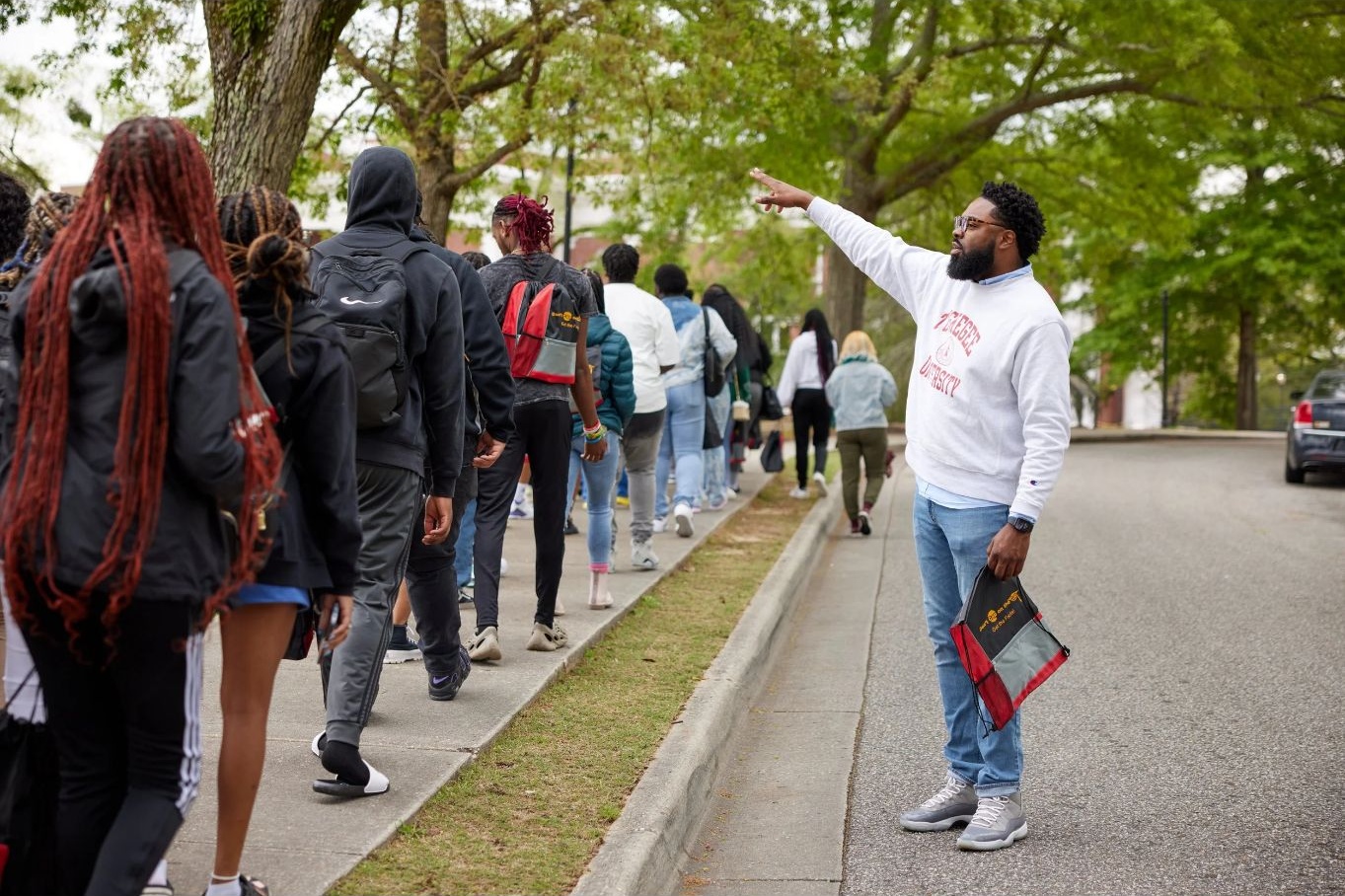
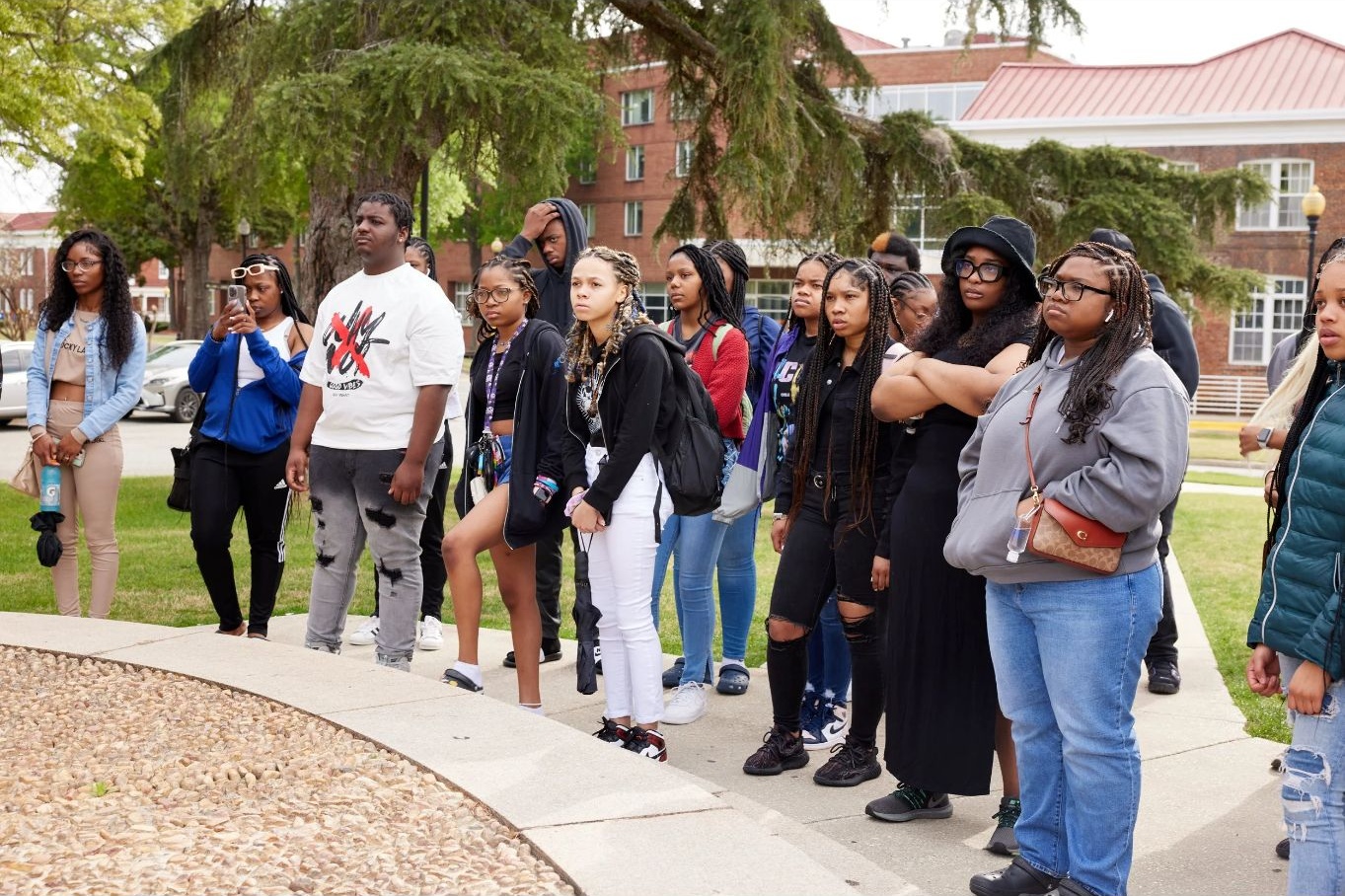
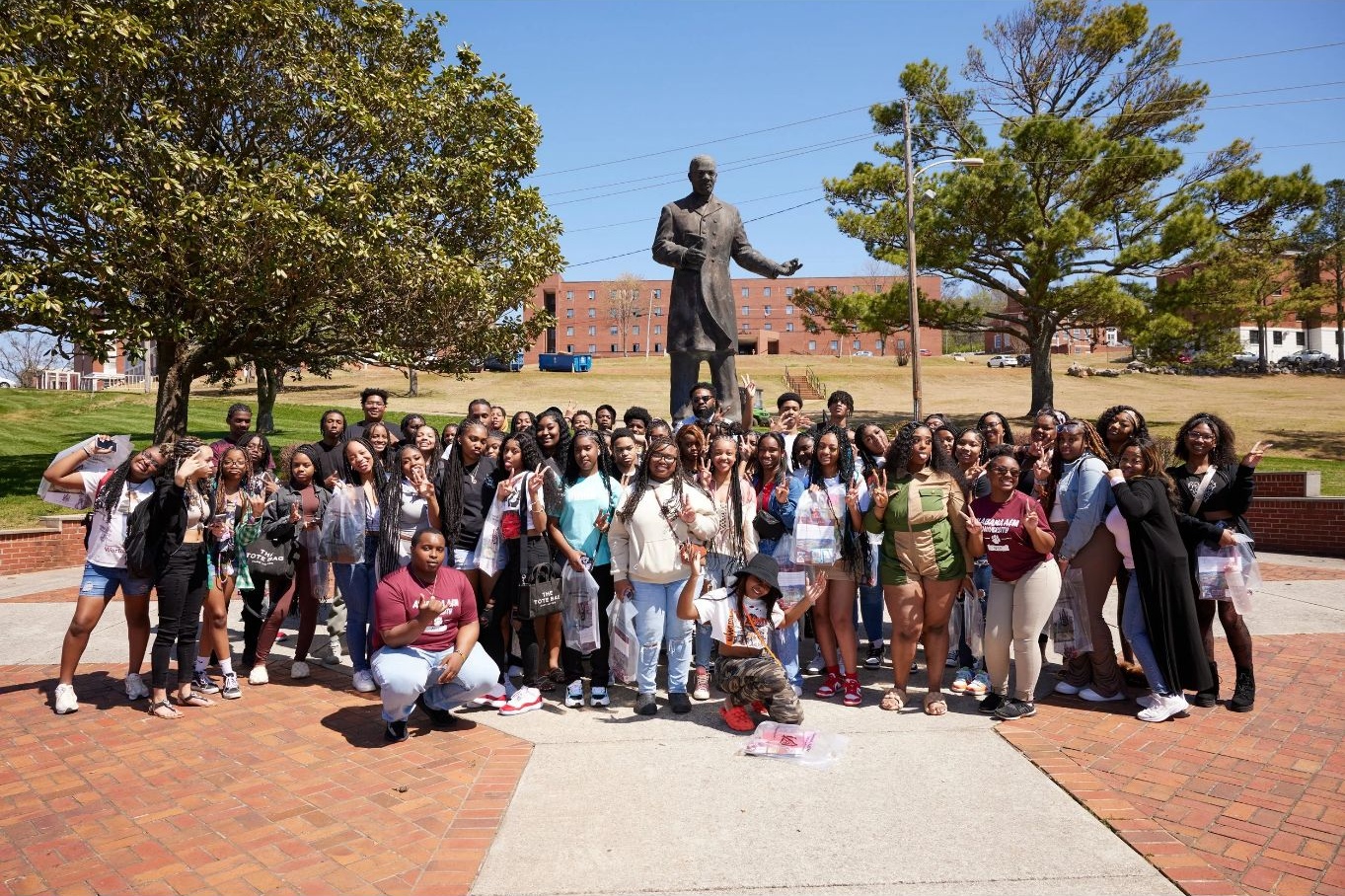
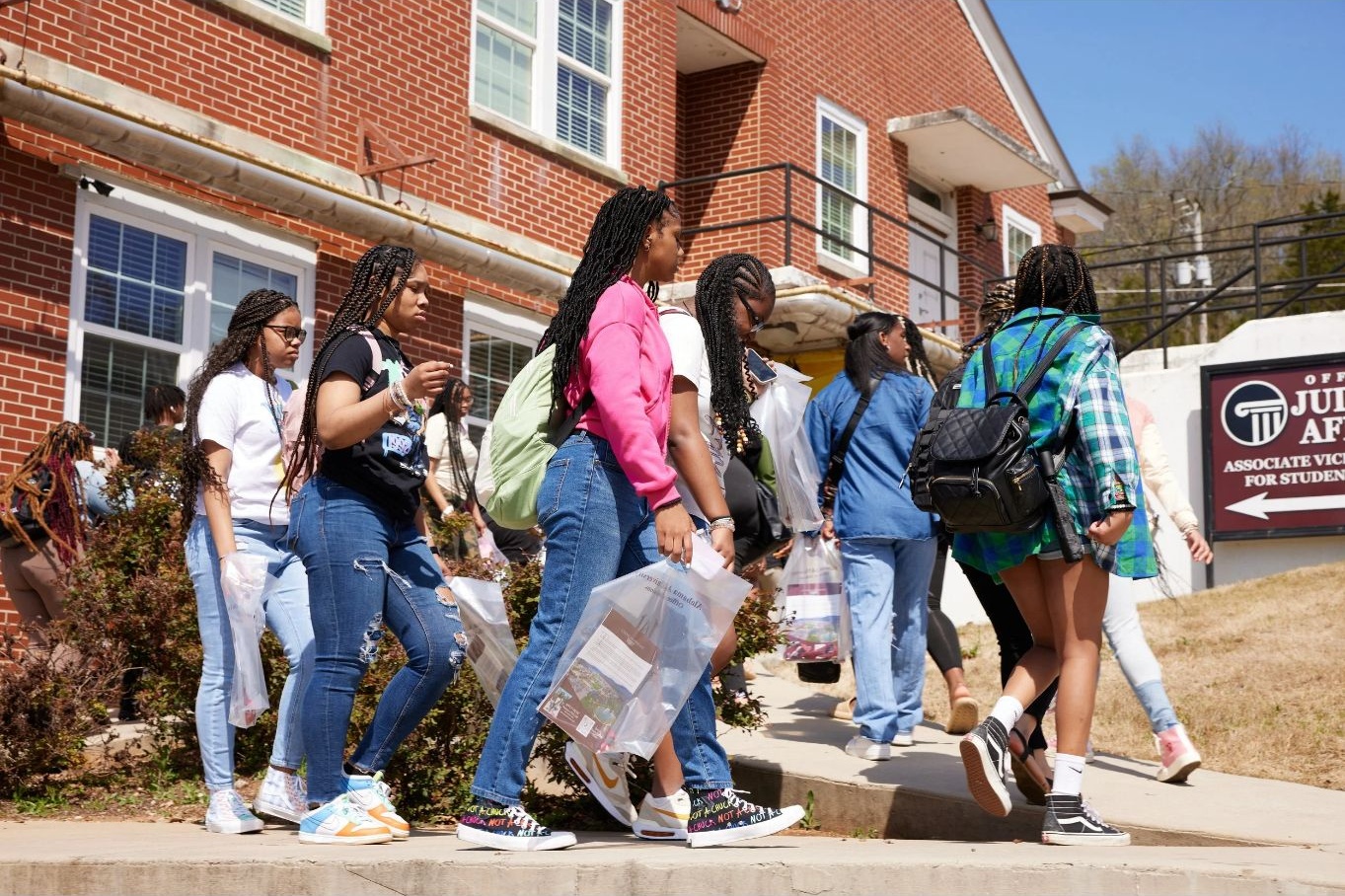
That is what led me to establish The Motivational Foundation. Our mission is to ignite the spark in young people by expanding educational access and social mobility. We provide professional development, workshops, mentoring, and transformative college-tour experiences, including the Dr. Joyce M. Dixon HBCU College Tour. What began as a commitment to helping students see beyond their immediate surroundings has grown into work serving schools and communities across North Carolina, Michigan, Georgia, Indiana, and New Jersey.
In 2016, I relocated from Flint to Greensboro, North Carolina, and began building relationships in a new community while continuing to serve students back home. That season required humility, persistence, and faith. I had to earn trust, listen carefully, and prove that our work was not about taking students on a trip. It was about helping them imagine a future, understand their history, build confidence, and make informed decisions about life after high school.
Today, I serve as Founder, President, and CEO of The Motivational Foundation and as an education consultant focused on equitable postsecondary access, HBCU awareness, and professional development for educators. Our students have visited HBCUs throughout the country, explored civil rights landmarks and cultural institutions, and returned home with a broader understanding of who they are and what is possible. We have also partnered with schools, nonprofits, foundations, and community leaders to strengthen the ecosystem around them.
The journey has not been easy or perfectly linear, but it has been purposeful. Every challenge has sharpened the mission. I am still building, still learning, and still committed to making sure that a student’s ZIP code, family income, or lack of exposure does not determine the size of their dream.
I’m sure it wasn’t obstacle-free, but would you say the journey has been fairly smooth so far?
It has not been a smooth road, but I do not believe purpose is supposed to be comfortable all the time.
One of the greatest challenges has been building sustainable access for students who deserve extraordinary experiences but may not have the financial resources to participate. Transportation, hotels, meals, staffing, insurance, and safety all carry real costs. We have had to become creative, persistent, and disciplined about fundraising while protecting the quality of the experience. There have been seasons when funding was uncertain, payments arrived late, or I had to carry responsibilities personally because I refused to let students down.
Relocating from Flint to Greensboro also meant rebuilding relationships and credibility from the ground up. I knew the value of the work, but a new community had to experience my character and see our consistency for itself. Trust cannot be rushed. It is built by showing up, doing what you promised, listening to schools and families, and staying present long after the exciting part of a program is over.
There have also been operational challenges. Educational travel involves many moving pieces, and circumstances can change quickly. Weather, transportation, school schedules, staffing, and the needs of dozens of students require calm leadership and a strong team. I have learned that vision is important, but systems are what allow the vision to serve people well.
On a personal level, entrepreneurship and nonprofit leadership can be lonely. There are moments when you are carrying the mission, the finances, the expectations of partners, and the well-being of young people all at once. I have had to learn to ask for help, build a dependable team, protect my health, and remember that I am a steward of the work, not the entire work by myself.
The struggles have strengthened us. They forced us to become more strategic, more accountable, and more intentional. Most importantly, they taught me that obstacles do not always mean stop. Sometimes they mean build differently.
Great, so let’s talk business. Can you tell our readers more about what you do and what you think sets you apart from others?
The Motivational Foundation is an education-access organization headquartered in Greensboro, North Carolina, with roots in Flint, Michigan. Our mission is simple but urgent: to ignite the spark in young people by helping them see, prepare for, and access possibilities that may otherwise feel beyond their reach.
We specialize in equitable postsecondary access, HBCU exposure, youth development, and professional development for educators. Our signature program, the Dr. Joyce M. Dixon HBCU College Tour, is much more than a campus trip. Students visit colleges and universities, engage with admissions teams and current students, explore civil rights landmarks and cultural institutions, and participate in experiences designed to strengthen identity, confidence, historical understanding, and college readiness.
We also train educators, counselors, advisers, and school leaders on the importance of HBCUs, the myths that can discourage students from considering them, and practical strategies for creating stronger postsecondary pathways. Our work sits at the intersection of education, culture, travel, and social mobility.
What sets us apart is the depth of care and intentionality behind every experience. We do not measure success simply by how many students get on a bus. We look at whether students are visiting an HBCU for the first time, whether their interest in applying increases, whether they better understand their history, and whether they return home believing more is possible. In several of our tour cohorts, more than 80 percent of students were visiting an HBCU for the first time, and more than 90 percent reported an intention to apply after the experience.
I am especially proud that the organization has grown without losing its heart. We have developed partnerships with public schools, charter schools, nonprofits, foundations, universities, and community organizations across multiple states, yet every student is still treated as a whole person, not a number. We know their names. We listen to their stories. We understand that one meaningful experience can become a turning point for an entire family.
Our motto is “Igniting the Spark,” because we believe the potential is already inside the young people we serve. Our responsibility is to create the exposure, encouragement, relationships, and resources that help that potential catch fire.
Can you talk to us a bit about the role of luck?
I tend to describe it as grace, preparation, relationships, and divine alignment more than luck.
There have certainly been moments that felt bigger than anything I could have planned. The right person entered a room, a partner believed in the vision, a door opened after another one closed, or a difficult delay protected us from moving in the wrong direction. I have learned to recognize those moments with gratitude.
At the same time, what people sometimes call good luck is often the result of years of unseen work. It is the late nights, the follow-up calls, the proposals that were revised repeatedly, the relationships nurtured before there was any immediate opportunity, and the decision to keep showing up when the answer was no. Opportunity may arrive unexpectedly, but preparation determines whether you can steward it.
Bad luck, disappointment, and closed doors have also played a role. Funding has fallen through. Plans have changed. Some partnerships did not develop the way I hoped. In the moment, those experiences were painful, but many of them forced me to strengthen our systems, become clearer about our values, and make room for better-aligned opportunities.
I believe favor can open a door, but character, preparation, and consistency are what allow you to remain in the room. My life and this organization have benefited from people who saw the vision, trusted my leadership, and used their influence to help young people. I never take that for granted. I also believe we have a responsibility to become that kind of “good luck” for someone else by making an introduction, funding a student, sharing information, or opening a door that was previously closed.
Contact Info:
- Website: https://motivationalfoundation.com