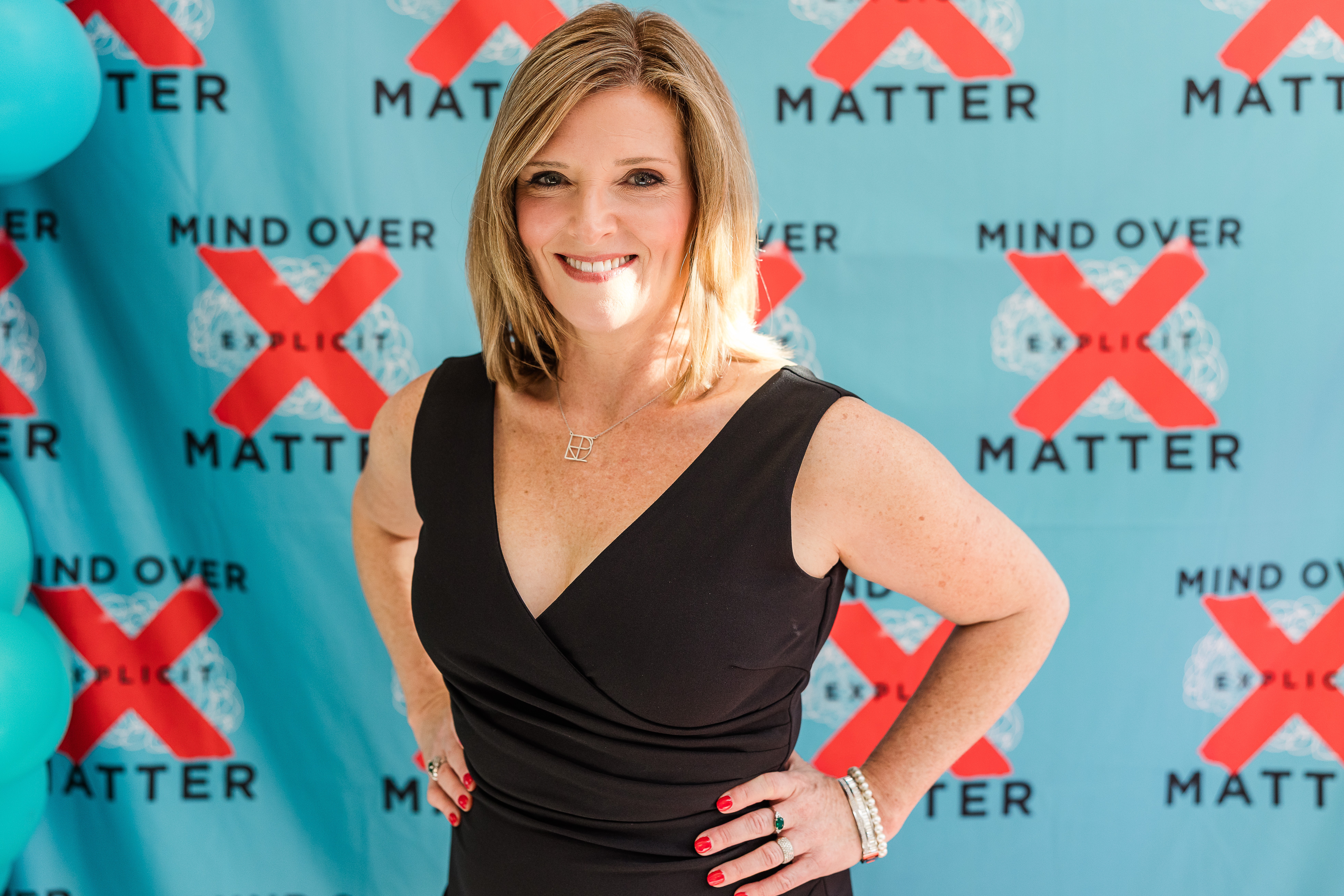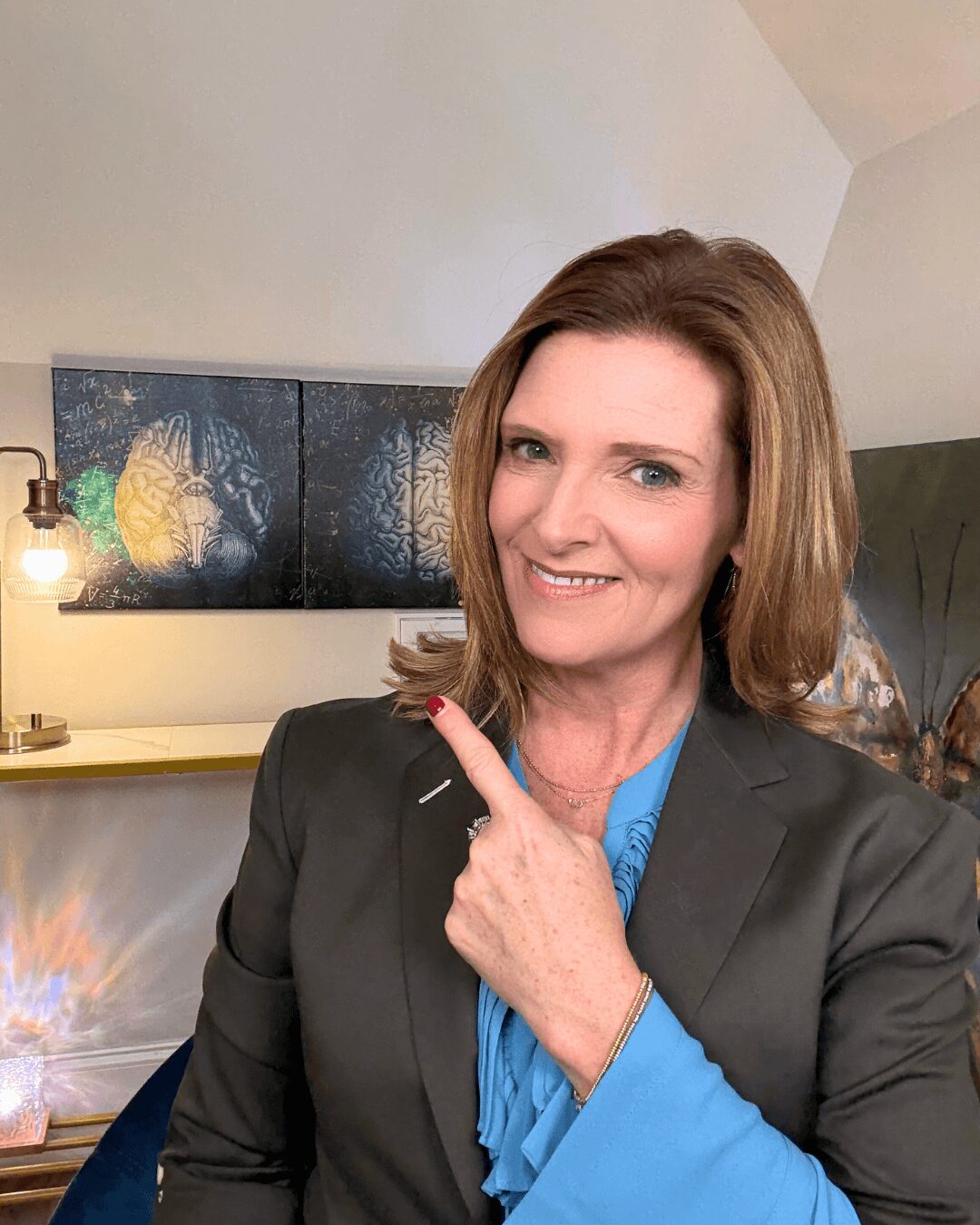





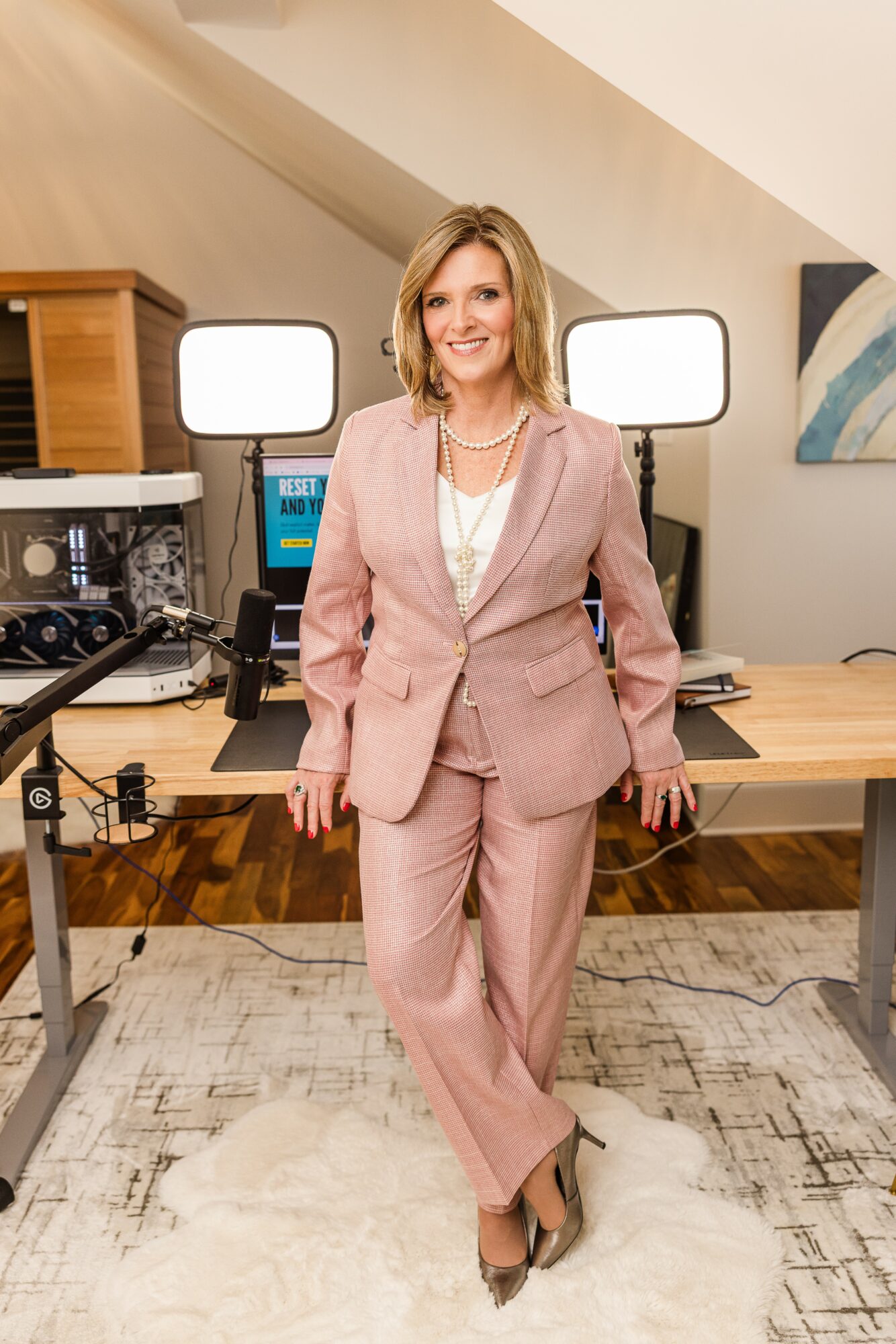
Today we’d like to introduce you to Trish Leigh.
Trish, we appreciate you taking the time to share your story with us today. Where does your story begin?
I’m Dr. Trish Leigh, a cognitive neuroscientist and brain health expert with more than 25 years of experience in neurofeedback and cognitive science. I’m also the author of the bestselling book Mind Over Explicit Matter and a recognized voice in the emerging field of pornography and screen addiction recovery. My work focuses on helping people revitalize their brains using neuroscience-based tools such as qEEG brain mapping, neurofeedback training, and brain-based behavioral coaching.
At its core, my mission is simple: to help people take their lives back from screens so they can live with clarity, purpose, and real connection.
Through my programs and coaching, I work with individuals struggling with challenges such as porn addiction, compulsive screen use, anxiety, relationship breakdown, sexual dysfunction, and attention issues. Rather than focusing only on behavior, my work looks at the root cause — the brain itself.
Using qEEG brain mapping and neurofeedback, we can actually see how the brain’s reward system, attention networks, and stress circuits have been shaped by modern digital stimulation. When people understand what is happening inside their brain, change becomes much more achievable.
Today I work with people around the world using a whole-person, neuroscience-based approach that retrains the brain, restores healthy dopamine balance, and helps people reclaim the parts of life that excessive screen use often takes away — focus, motivation, intimacy, and meaningful connection.
Would you say it’s been a smooth road, and if not what are some of the biggest challenges you’ve faced along the way?
It certainly hasn’t been a completely smooth road. When I first began speaking openly about the neurological impact of pornography and excessive screen use, very few people were willing to discuss it publicly. These topics were often minimized, misunderstood, or considered too uncomfortable to address — even though I was seeing clear patterns in brain maps and in the struggles people were bringing into my practice.
Over time, I began to see consistent neurological signatures in individuals struggling with compulsive digital behaviors. Brain mapping often revealed overstimulated reward circuits, reduced prefrontal regulation, and disrupted attention systems — patterns that helped explain why so many people felt stuck despite wanting to change.
One of the biggest challenges has been helping people understand that these behaviors are not simply issues of willpower or morality. They are brain-based patterns, and the brain can be retrained.
Shifting the conversation from shame to neuroscience has taken persistence. It has required education, research, and a willingness to bring brain science into conversations that were previously dominated by stigma or silence.
But the more people understand the neuroscience behind screen addiction and pornography addiction, the more hopeful they become — because the brain is capable of remarkable change.
Thanks for sharing that. So, maybe next you can tell us a bit more about your business?
Dr. Trish Leigh & Co. is built around a simple idea: recovery from screen and pornography addiction should be accessible, affordable, and private for anyone who needs help. I specialize in interpreting qEEG brain maps and developing personalized neurofeedback protocols that retrain the brain’s reward and attention systems. Through our programs, people work directly with me and my team using top-tier at-home neurofeedback technology, structured coaching, and neuroscience-based education.
What I’m most proud of is that the brand was built to truly help people who often feel alone, ashamed, or stuck. Many individuals struggling with porn or screen addiction believe they are the only ones dealing with it and that something is wrong with them.
One of the core messages of my work is that they are not broken — their brain has simply been conditioned by powerful digital stimuli.
The Brain Recovery Process: From Root Cause to Lasting Change
Recovery begins by making the invisible visible. Through brain mapping, we can identify the patterns of overstimulation and nervous system dysregulation affecting attention, motivation, sleep, and sexual function. Once those patterns are understood, each client follows a personalized process designed to retrain the brain’s reward circuitry and restore healthy neurological balance.
At the heart of the work is a powerful three-part framework. The first phase focuses on helping the brain unwire its dependence on high-intensity dopamine stimulation, a pattern that develops through constant exposure to fast digital rewards. As the nervous system begins to regulate, the process shifts toward rewiring the brain back to healthy pleasure, restoring sensitivity to real-world experiences such as connection, accomplishment, and intimacy. The final stage focuses on hardwiring these new patterns into daily life, strengthening the brain’s capacity for resilience so that healthy reward pathways remain stable even during periods of stress.
This work combines personalized clinical guidance with advanced at-home neurotechnology that allows clients to train their brains consistently while remaining private and supported. Progress is tracked through ongoing brain performance analysis, allowing clients to see measurable changes in focus, emotional stability, and vitality as their nervous system recalibrates.
The goal is not simply symptom relief. It is restoring a brain that functions the way it was designed to—regulated, responsive, and capable of genuine enjoyment in the real world.
Whether someone begins with my digital programs, works with our at-home neurofeedback technology, or has a qEEG brain map interpreted by me personally, the goal is always the same: to provide a clear, science-based path forward.
What I want readers to know most is that healing is possible. When people understand what is happening in their brain and receive the right support and tools, they can restore focus, healthy relationships, and a deeper sense of purpose in their lives.
Helping people experience that transformation is what makes this work so meaningful to me.
“Control your brain or it will control you.”
What does success mean to you?
Success, to me, means living with purpose both in my work and in my family life. Professionally, success means helping people transform their brains and reclaim their lives from patterns that have been holding them back. Watching someone regain clarity, connection, and confidence is incredibly meaningful.
At the same time, success means staying deeply connected to my family. True success is creating a positive impact in the world while nurturing the relationships that matter most.
Contact Info:
- Website: https://drtrishleigh.com/about-us/
- Instagram: https://www.instagram.com/drtrishleigh/
- Facebook: https://www.facebook.com/drtrishleigh/
- Linkedin: https://www.linkedin.com/in/dr-trish-leigh-2742129a
- Twitter: https://x.com/DrTrishLeigh
- Youtube: https://www.youtube.com/@DrTrishLeigh
- Other: for women: https://sanityafterbetrayal.com/