


Today we’d like to introduce you to Aby Rao.
Hi Aby, so excited to have you on the platform. So before we get into questions about your work-life, maybe you can bring our readers up to speed on your story and how you got to where you are today?
My journey into filmmaking began as an experiment. In 2006, after returning from a trip to Germany, I started making short films from my home in Philadelphia. My first project was called *Beide Zeiten*, a German phrase that roughly translates to “two times” or “two eras.” I combined archival footage of the Berlin Wall with video I had captured during my trip, creating a conversation between Germany’s past and present.
The experience was exhilarating. With a DV camera, a newly purchased iMac, and no formal planning, I discovered the thrill of taking fragments of history, personal observations, and everyday footage and shaping them into something new. What began as an opportunity to experiment with gadgets and editing software gradually became a serious commitment to storytelling.
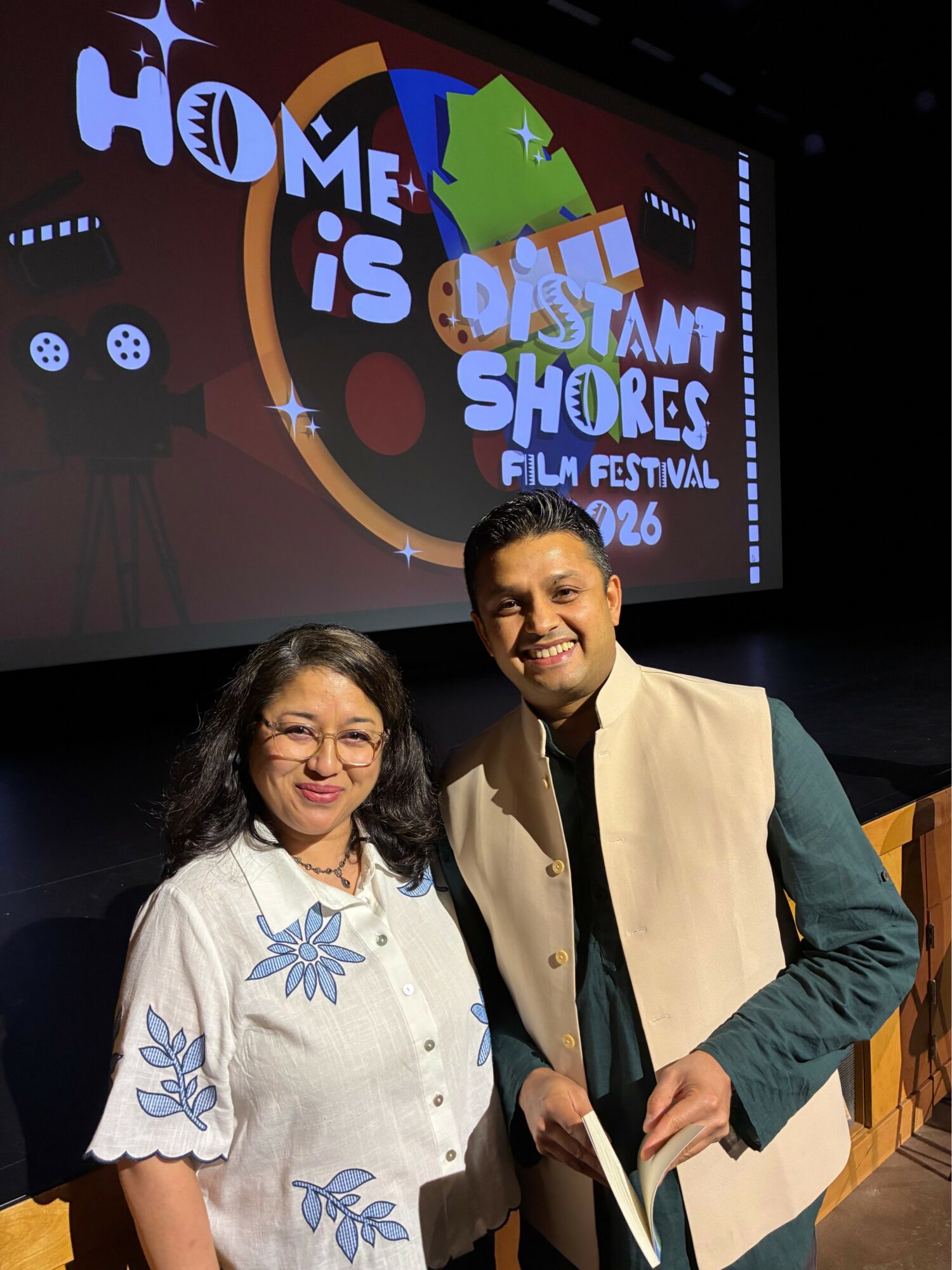
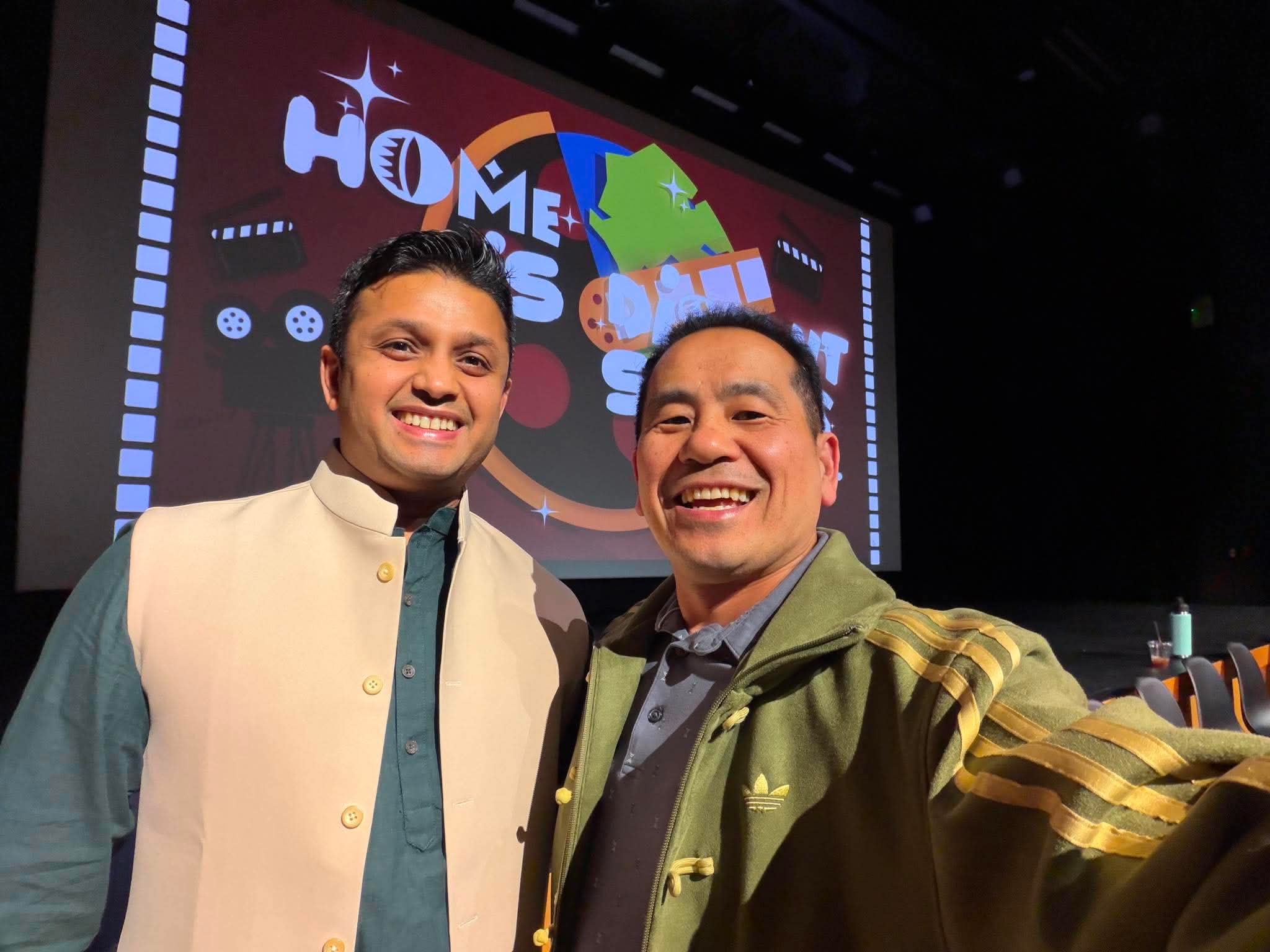
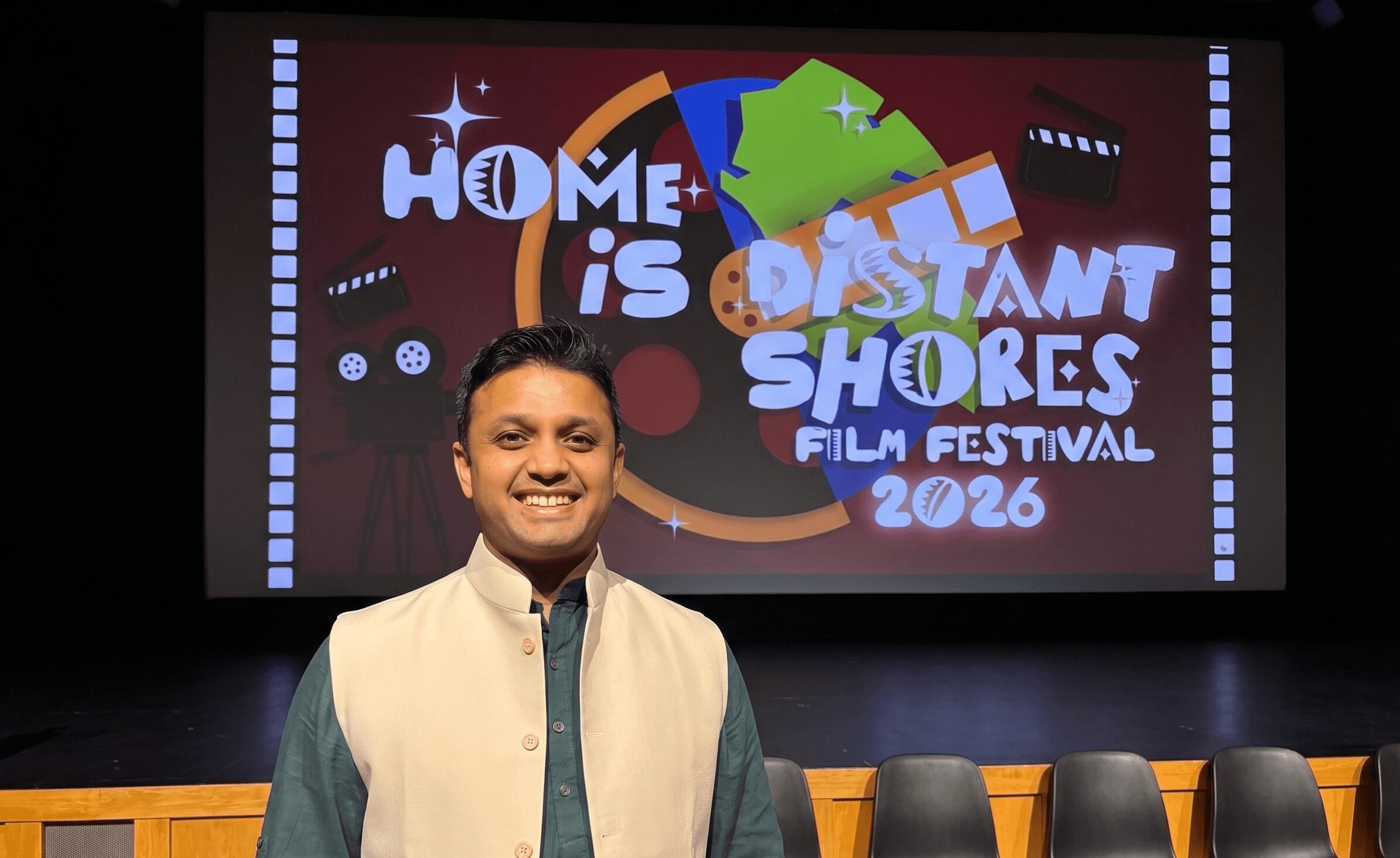
Over time, I became especially interested in telling stories about immigrants and refugees—their journeys, identities, struggles, and the complicated meaning of home. In 2019, I joined two collaborators to organize *Home Is Distant Shores*, a film festival showcasing immigrant and refugee stories from around the world. The festival expanded my role beyond filmmaking and introduced me to community organizing.
Since becoming more involved in Central North Carolina, I have continued meeting remarkable artists, organizers, entrepreneurs, and community leaders. Their experiences have reinforced what first drew me to filmmaking: the opportunity to preserve stories that might otherwise go unnoticed and to help people see their neighbors in a deeper, more human way. What started as homegrown experimentation in Philadelphia has grown into a long-term creative practice grounded in community, migration, memory, and belonging.
Would you say it’s been a smooth road, and if not what are some of the biggest challenges you’ve faced along the way?
For the most part, the journey has been a positive and relatively smooth one, aside from a few setbacks with individual projects. Much of that is because of the trust the community has placed in me. I have been fortunate to meet and work with remarkable collaborators whose vision, encouragement, and continued support have made a meaningful difference in what I have been able to pursue.
My biggest challenge has been completing some films that were shot before or during the COVID-19 pandemic. Like many creative projects, they were interrupted by changing circumstances, competing responsibilities, and the difficulty of rebuilding momentum after a long pause. Those unfinished films remain important to me, and I hope to complete them and stay true to the commitments I made to the people who trusted me with their stories.
That sense of responsibility is also what keeps me going. When someone allows you to document a personal part of their life, finishing the work becomes more than a creative goal—it becomes an obligation to honor their trust.
Thanks – so what else should our readers know about your work and what you’re currently focused on?
My creative work centers on telling immigrant and refugee stories, particularly stories about identity, displacement, resilience, and the meaning of home. I am interested in filmmaking not simply as a creative medium, but as a way to give back to the community and create space for voices that are often overlooked.
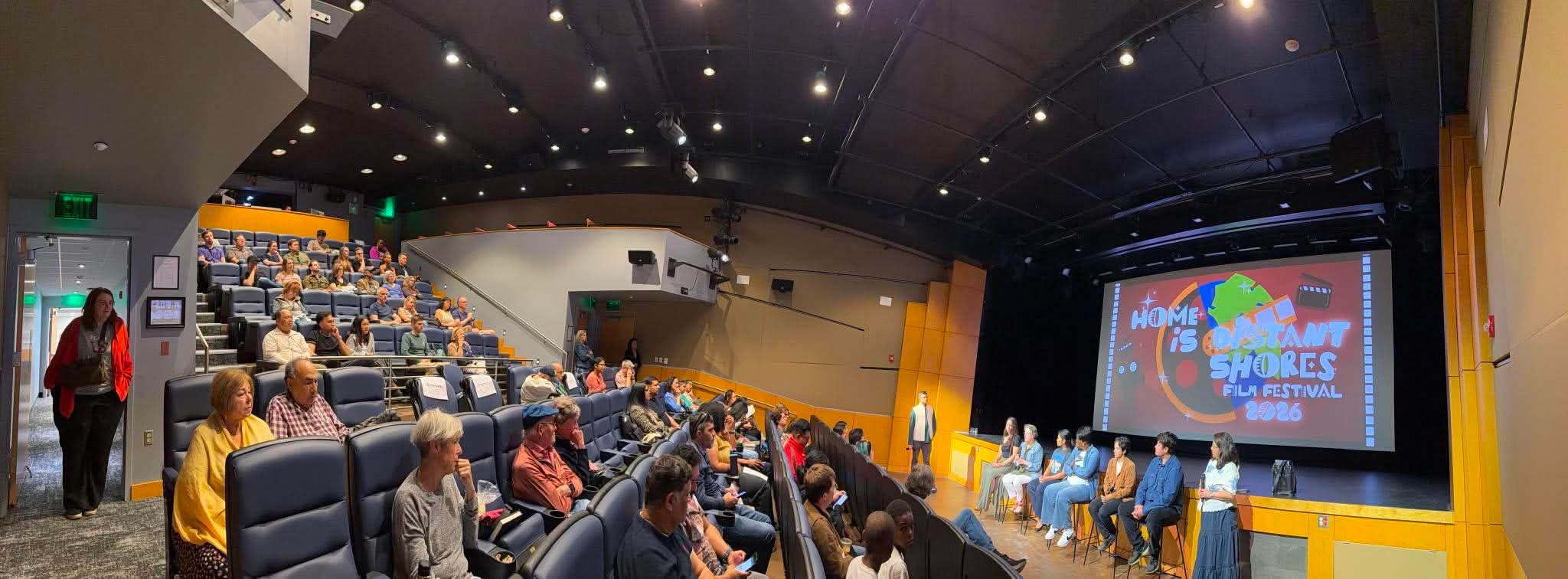
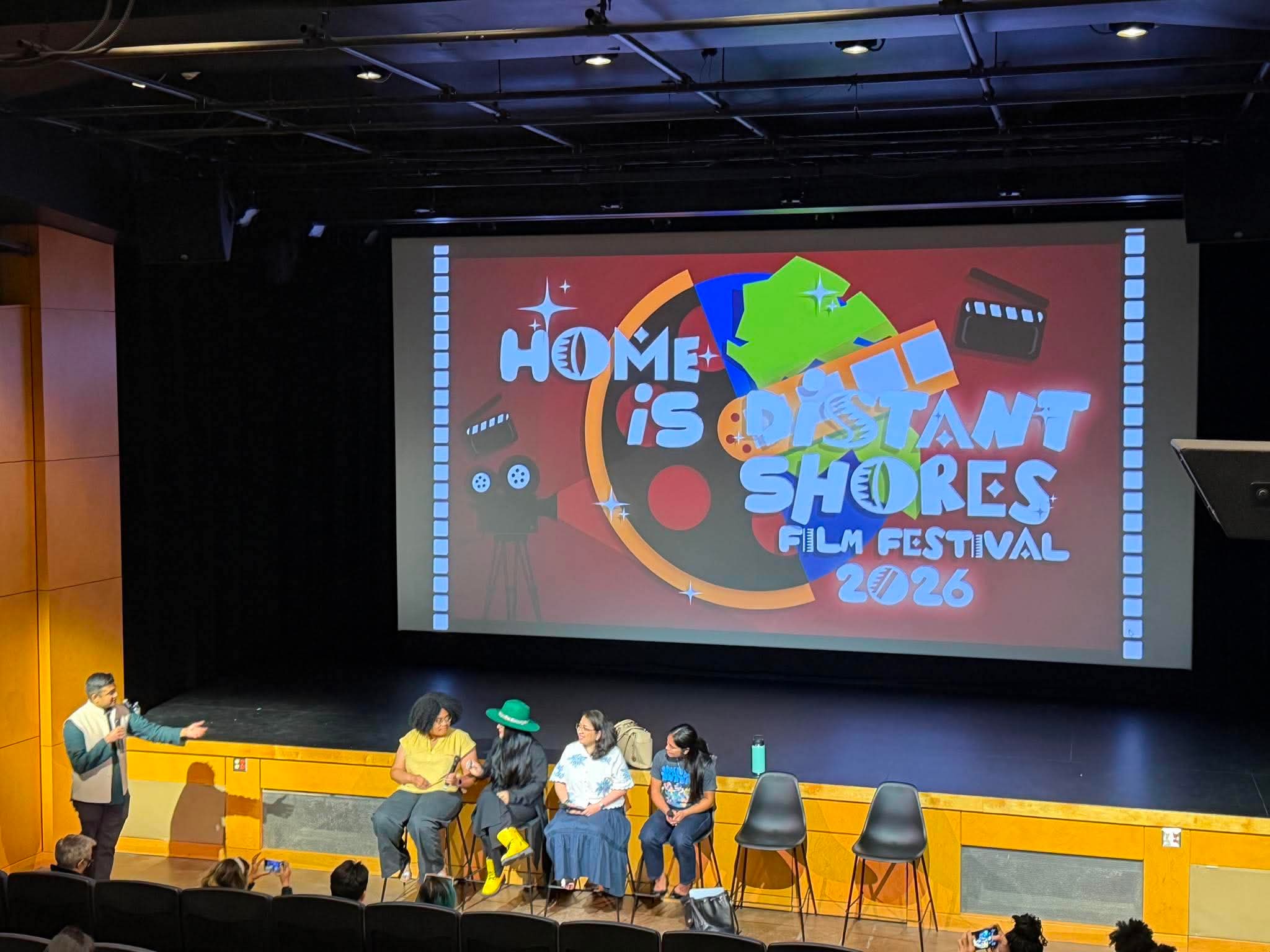
For the past eight years, much of that work has taken shape through *Home Is Distant Shores*, a film festival based in Cary, North Carolina. The festival brings together films from around the world that explore immigrant and refugee experiences. What I am most proud of is that it gives audiences an opportunity to encounter these stories on a personal and human level—not only through headlines, statistics, or political debates.
In 2025, we expanded the festival to Greensboro, and in 2026, we are bringing it to Durham. I am thrilled to see the festival travel to new communities, and I hope to add more cities in the future so these stories can connect with even more people.
What sets my work apart is the combination of filmmaking and community building. For me, screening a film is only the beginning. The deeper purpose is to bring people together, encourage meaningful conversations, and help audiences recognize the shared humanity within experiences that may initially seem distant from their own.
Is there a quality that you most attribute to your success?
The quality most important to my success is curiosity—the willingness to explore unfamiliar ideas, ask questions, and keep learning. It has allowed me to build a career in cybersecurity while also pursuing filmmaking, community organizing, mentorship, and technologies such as AI.
Curiosity alone, however, is not enough. I also rely on persistence, particularly when a project takes longer or follows a more difficult path than expected. Equally important is my ability to build trust and form genuine relationships with people from different backgrounds. Finally, I try to approach every opportunity with a spirit of service by asking how my experience, connections, or creative work can benefit others.
Together, these qualities—curiosity, persistence, trust-building, and service—have helped me move between professional, creative, and community spaces while remaining grounded in a consistent purpose.
Contact Info:
- Website: https://www.homeisdistantshores.com/
- Instagram: https://www.instagram.com/homeisdistantshores/
- Facebook: https://www.facebook.com/HomeIsDistantShores/