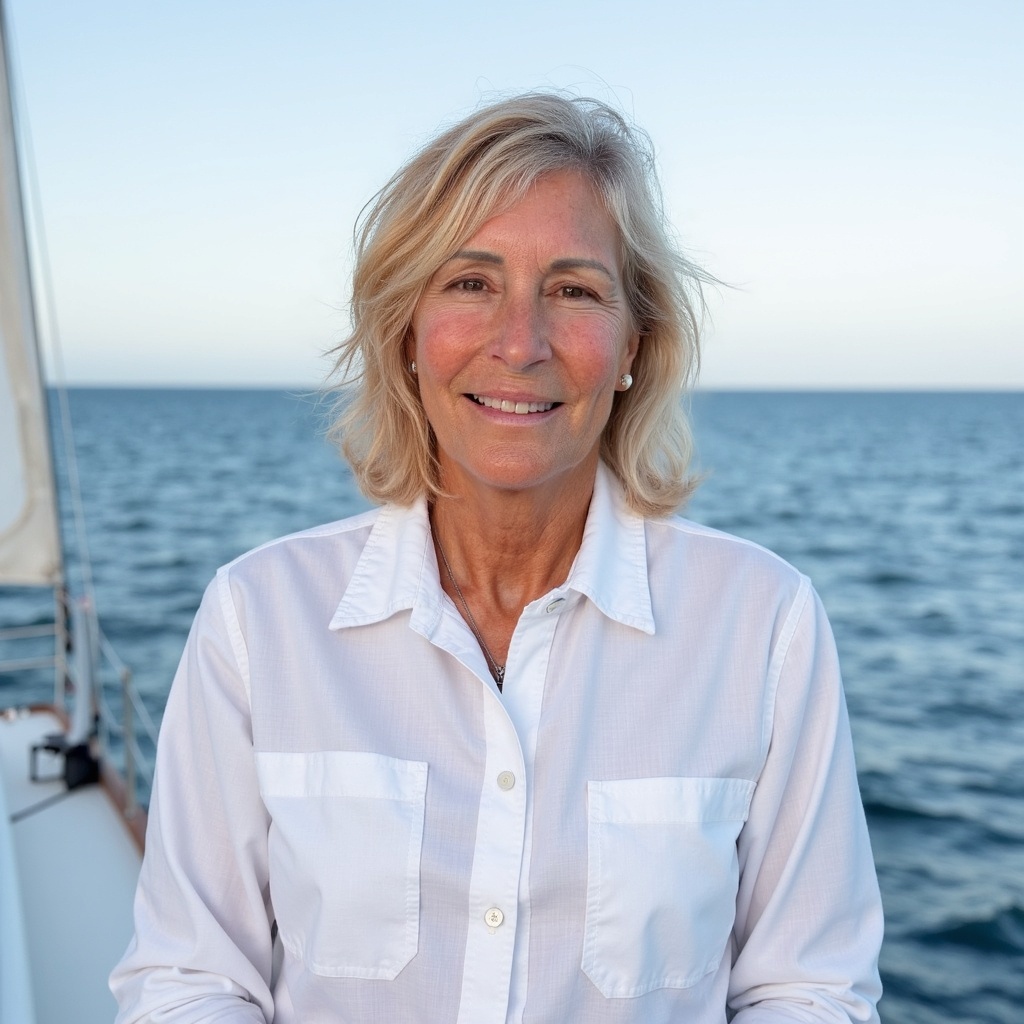



Today we’d like to introduce you to Bonnie Monteleone.
Hi Bonnie, we’d love for you to start by introducing yourself.
I never intended to become an ocean researcher. I returned to graduate school at UNCW planning to become a scientific writer to tell the stories of other scientists. Then I learned about Captain Charles Moore’s discovery of plastic accumulating thousands of miles from land in the North Pacific Gyre. I couldn’t let the question go: if plastic was accumulating in the Pacific, where else was it going?
That question took me to sea.
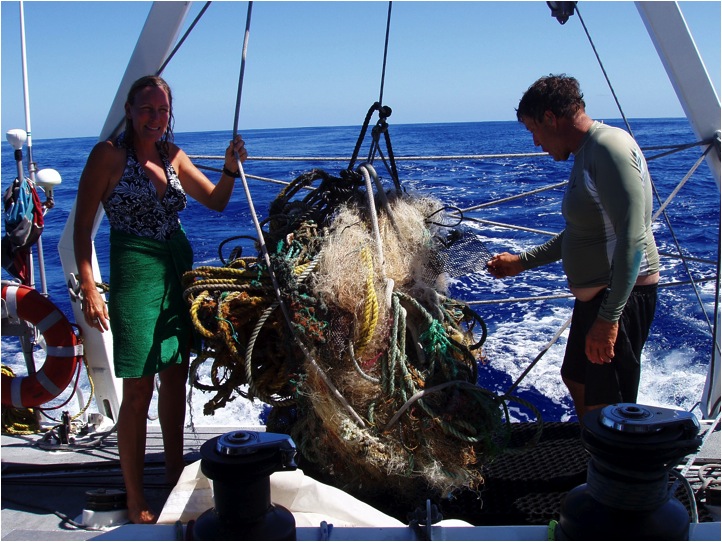
My first field study explored the North Atlantic Gyre, working with Dr. Maureen Conte and the Bermuda Institute of Ocean Sciences. Soon afterward, I joined Captain Moore and the Algalita Marine Research Foundation aboard a 50-foot catamaran for their ten-year resampling of the North Pacific Garbage Patch, 31 days at sea crossing roughly 3,460 nautical miles and witnessing firsthand what had previously existed for me only in scientific literature.
The research kept expanding. I joined Dr. Marcus Eriksen, Anna Cummins, and the 5 Gyres Institute for a pioneering South Atlantic transect from Brazil to South Africa, traveling another 4,270 nautical miles while sampling for pelagic plastic pollution. Later, while working with the filmmaking team behind A Plastic Ocean, I conducted research in the South Pacific, adding a fourth major ocean gyre to the investigation.
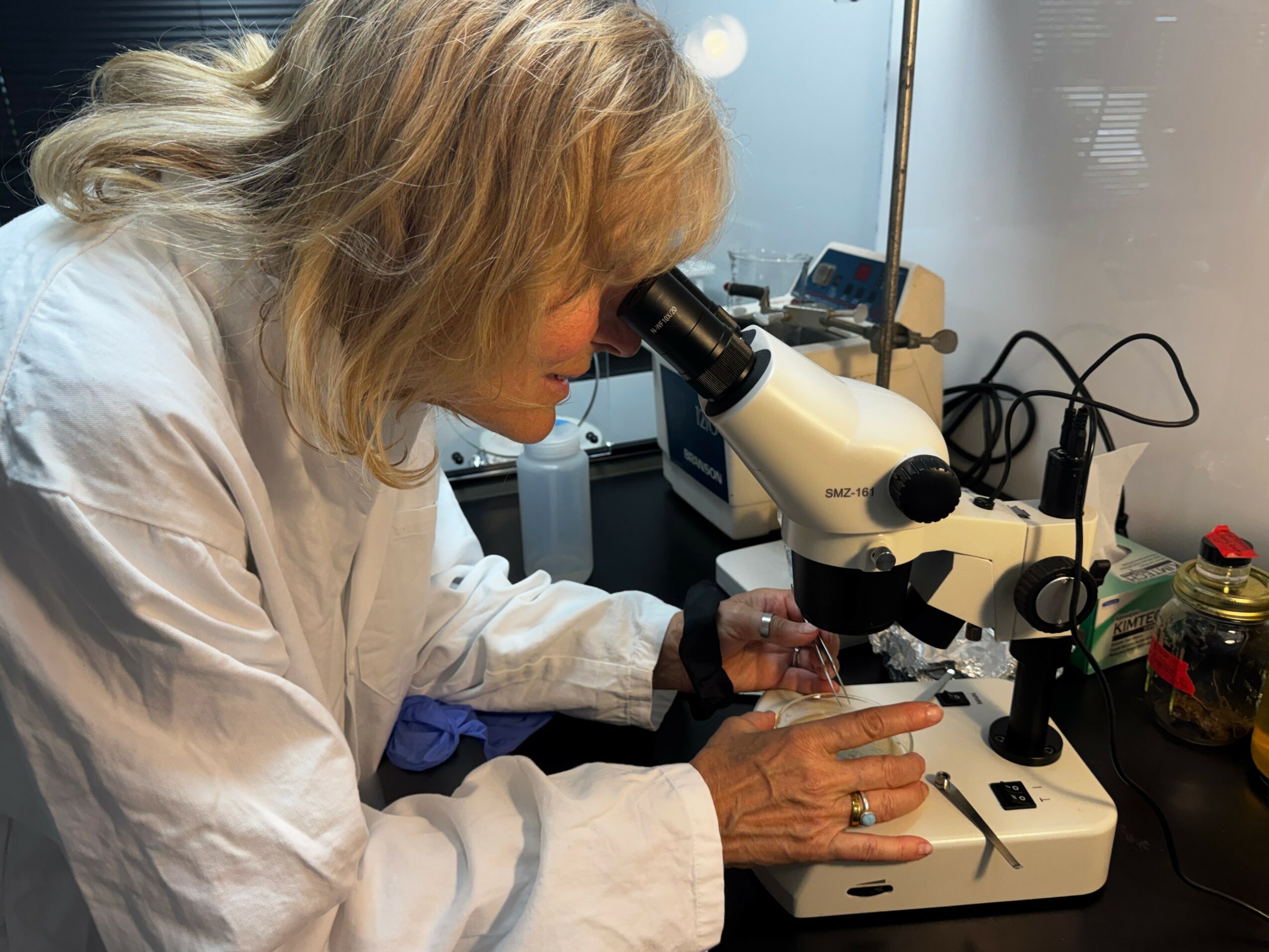
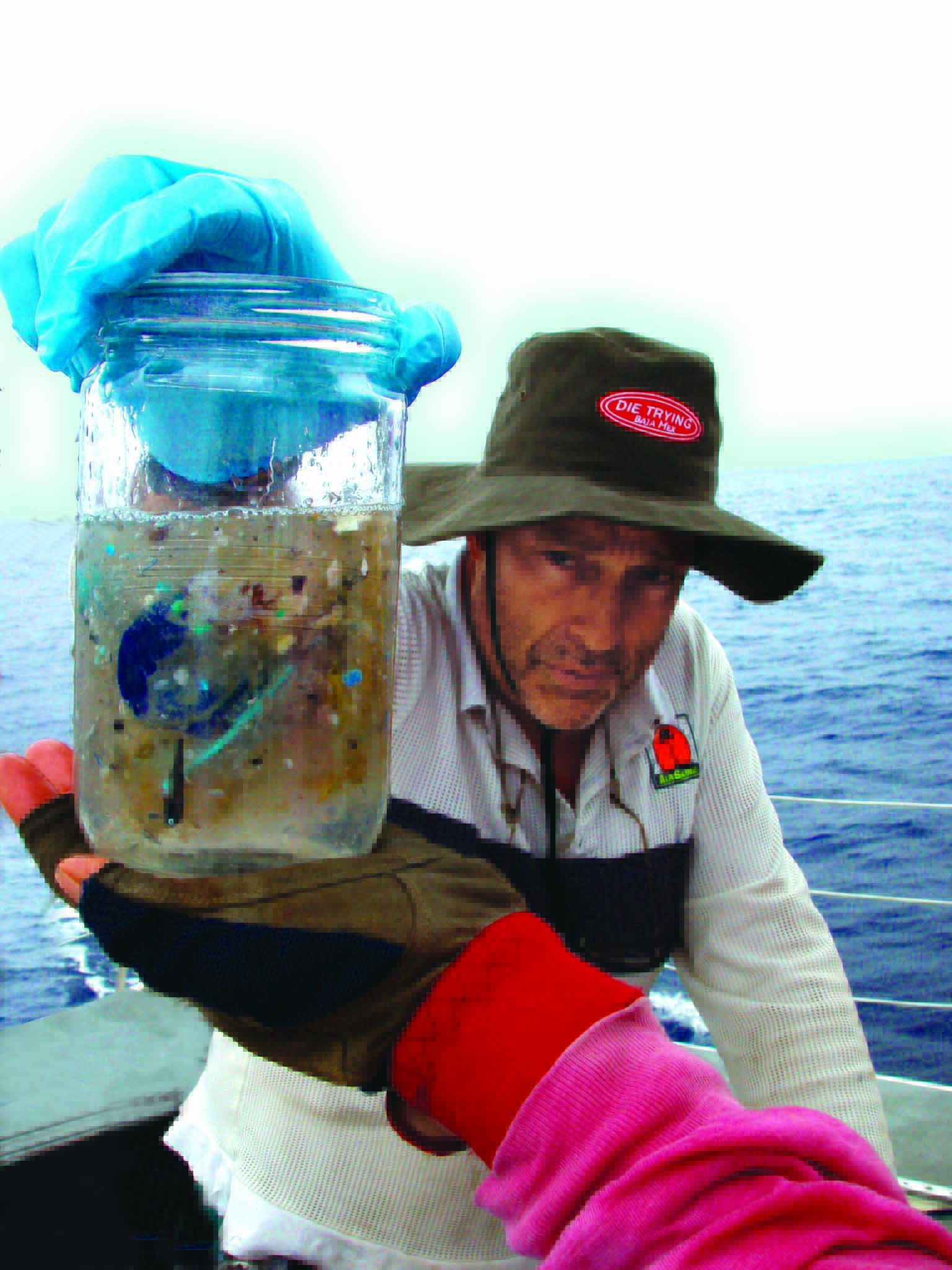
Over roughly 10,000 nautical miles, I collected hundreds of surface samples. What stayed with me was not simply finding plastic, but finding it everywhere, inside fish and in waters that should have been pristine. Most disturbing was seeing plastic detritus mingled in plankton, Sargassum, among juvenile fish, and other life carried by the same currents concentrating our waste.
I was fortunate to learn alongside scientists and organizations who approached the problem from different disciplines—Captain Charles Moore and Algalita; Dr. Marcus Eriksen and Anna Cummins of 5 Gyres; Dr. Maureen Conte; and Dr. William Cooper, whose expertise helped me understand that the plastic itself was only part of the story. Chemistry, currents, food webs, persistent pollutants and marine life were interconnected.
By then, research alone didn’t feel sufficient. I wanted to bring what I was learning home and give other people, especially students, the opportunity to investigate these questions themselves.
In 2012, the title of my master’s thesis became the name of the nonprofit I co-founded with Paul Lorenzo: Plastic Ocean Project.
What began as a question became nearly 10,000 nautical miles of exploration. What began as research became an education research lab, a place to communicate science through art, an opportunity to collaborate with likeminded organizations, and ultimately advocacy. I didn’t set out to create an organization; I kept following the evidence until the evidence demanded action.
Would you say it’s been a smooth road, and if not what are some of the biggest challenges you’ve faced along the way?
Becoming an ocean researcher was hardly a conventional path for me. While attending graduate school at the University of North Carolina Wilmington, I was also working full time as an office assistant in the Chemistry Department and living paycheck to paycheck. Ocean expeditions required me to disappear for weeks, sometimes more than a month, and although I was fortunate to have two department chairs who believed in my graduate research enough to grant me extended leave, the time away was unpaid. I still had bills to pay, along with the expense of getting myself to the ships.
In an unexpected role reversal, my daughter became one of my earliest supporters. She organized fundraisers, designed T-shirts, and sold them to help finance my travel and cover expenses while I was at sea. I had spent years taking care of her; suddenly, she was helping send her mother across oceans in pursuit of plastic pollution.
There was another complication: I had never been to sea.
I knew the research expeditions ahead of me would require real sea legs, so I decided to train for them on land. I had seen students using an Indo Board, a balance board designed to mimic the instability of surfing, and bought one. For hours at a time, I stood balancing on that rolling cylinder while watching movies or working at my high-top computer, teaching my body to adjust constantly to movement beneath my feet.
It may have looked ridiculous, but apparently it worked. I never struggled with seasickness and ultimately accumulated more than 90 days at sea, crossing thousands of nautical miles while conducting research in four major ocean gyres.
Looking back, that homemade preparation says something about the entire journey. I didn’t have the money, background, or experience that suggested I belonged on research vessels crossing oceans. I simply kept finding ways to get aboard.
Can you tell our readers more about what you do and what you think sets you apart from others?
What do you do, and what are you known for?
My work lives at the intersection of science, art, education, and environmental storytelling. As an ocean researcher, I have traveled thousands of nautical miles studying plastic pollution across four major ocean gyres. But collecting data was never enough for me. Science can tell us what is happening; the arts: journalism, textbooks, visual art, music, photography, and documentary film help people understand why it matters.
That philosophy became central to Plastic Ocean Project. We regard the arts as equally important to our scientific work because research has limited power if it remains within laboratories and academic journals. Storytelling translates science into something people can see, hear, feel, question, and ultimately act upon.
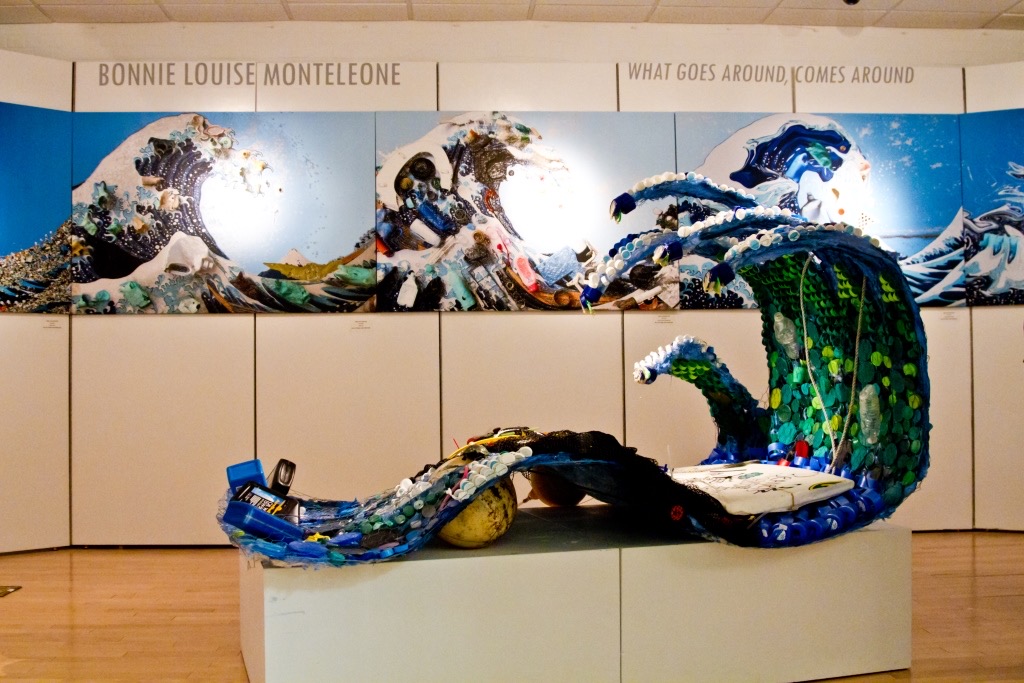
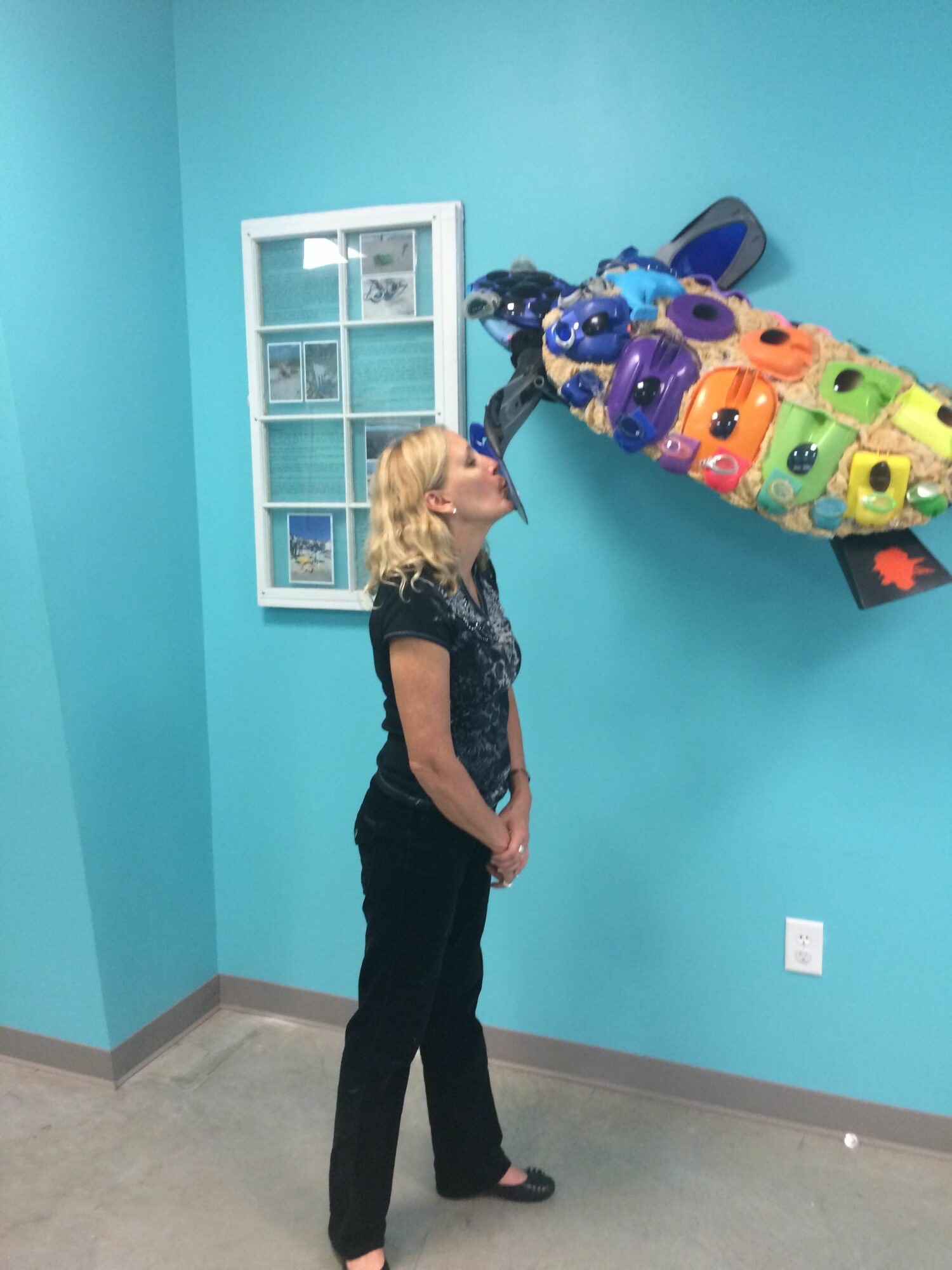
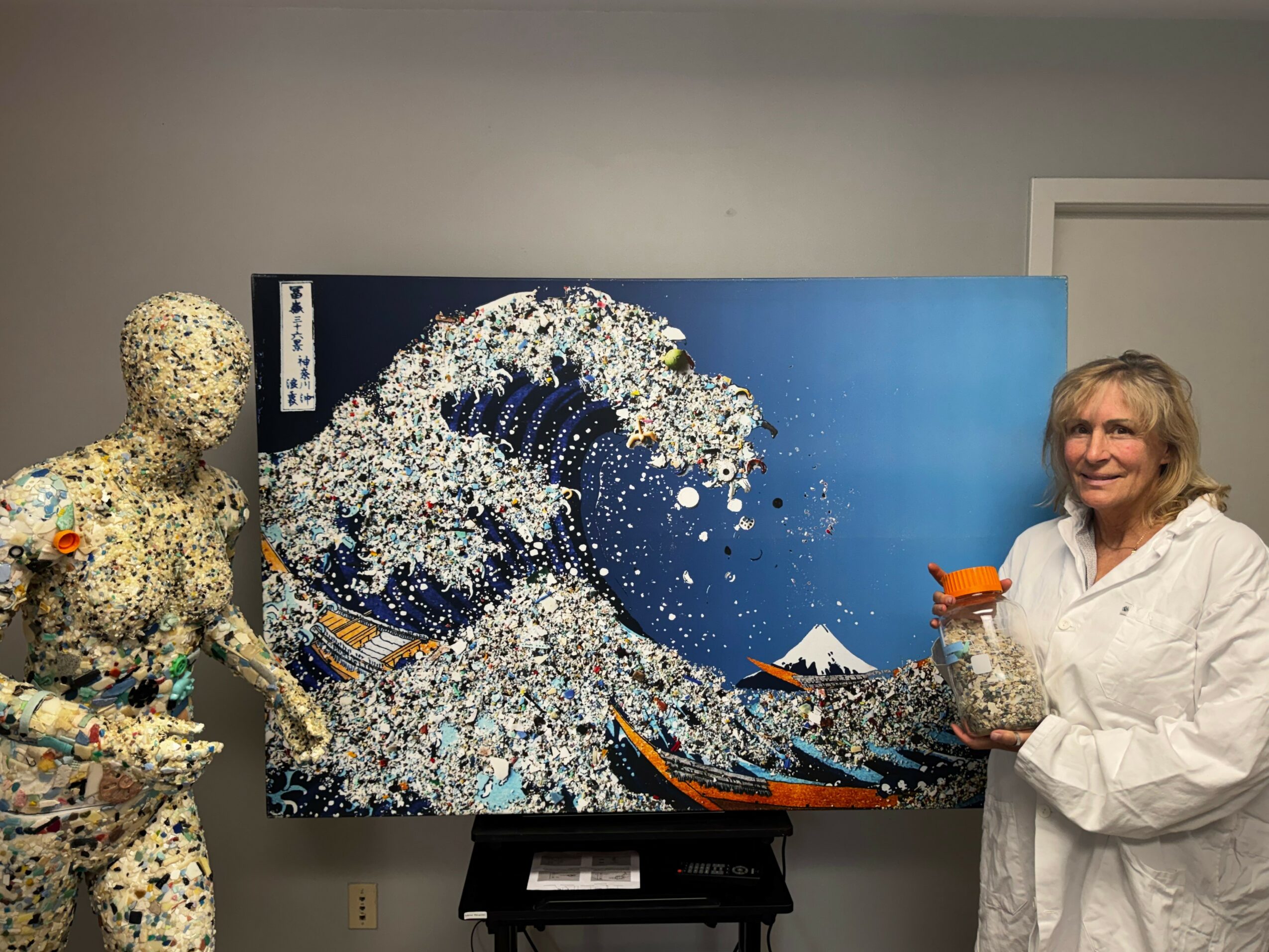
My own research literally became my art. I began transforming plastic collected from beaches and ocean expeditions into large-scale installations and sculptures. What Goes Around Comes Around uses plastic recovered from the world’s oceans to reveal how something discarded in one place can travel through interconnected currents and ecosystems before ultimately returning to us. Running Out of Time uses sculpture to confront the urgency of our environmental choices and the limited time we have to change them.
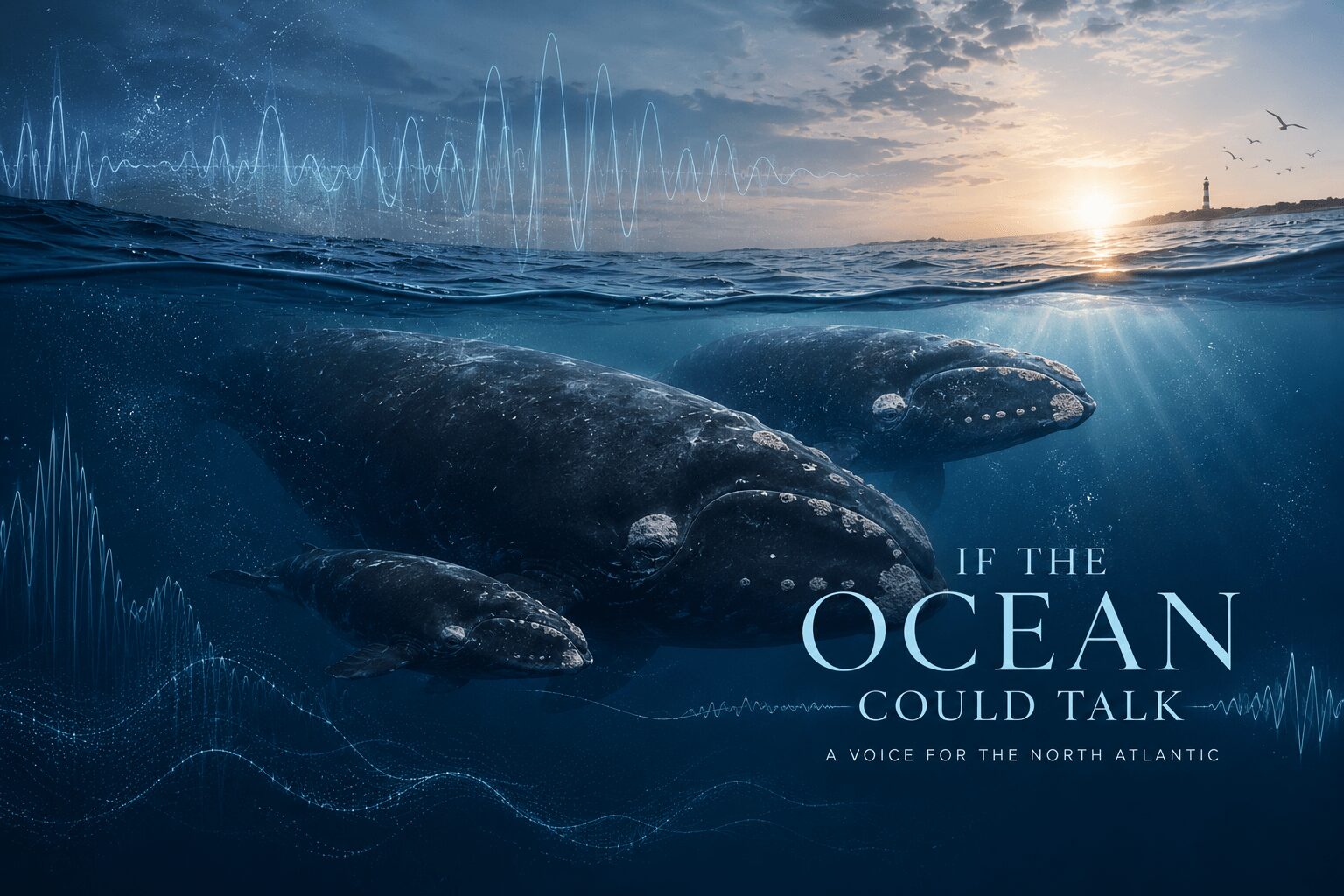
Eventually, that same philosophy led me to documentary storytelling. When our film crew unexpectedly encountered the remains of newborn North Atlantic right whale 356, science could explain the threats facing his species, but storytelling could give one small life meaning. The internationally award-winning short documentary 356 grew from that encounter and became the foundation for our feature documentary, If the Ocean Could Talk.
What are you most proud of?
I am most proud that the work has never stopped with me. Research became art; art became education; education created opportunities for students and communities to participate; and filmmaking has allowed those stories to travel even farther.
Plastic Ocean Project grew from a research question into an organization where scientists, students, artists, filmmakers, educators, businesses, and community members can contribute according to their own abilities. Not everyone needs to become a scientist to participate in science, and not everyone needs to become an activist to protect something they love.
Perhaps what I am most proud of is helping create entry points – ways for people to discover where they belong in the work.
What sets you apart?
I don’t approach environmental problems through a single discipline. I have stood on research vessels collecting ocean samples, taught students in classrooms and at sea, transformed the debris I collected into sculpture, worked alongside scientists to communicate their research, and used documentary film to give complex environmental issues an emotional language.
That interdisciplinary approach has taught me something fundamental: facts and feelings are not adversaries. Science gives us evidence; art gives that evidence a human connection.
What sets my work apart is the effort to bring those worlds together – not to tell audiences what they should think, but to give them enough science, beauty, curiosity, and story to make them want to lean in. Because once people understand something, they have an opportunity to care about it. And once they care, participation becomes possible.
Is there any advice you’d like to share with our readers who might just be starting out?
My advice for anyone starting out or looking to start over, find your question. What question has been spinning around in the back of your head that you have silenced for fear the answer is too difficult. For me, it was a question my mother rhetorically posed to me when I was 12. “Where does plastic go? I hear it sticks around for 1000 years..” That question lingered in the back of my mind until I was 49 and that question surfaced when I learned about Captain Charlie Moore. It was then I had to step outside my comfort zone, put myself in front of scientists and the deep blue ocean to answer her question that ultimately became mine.
I just wish I trusted myself when I was younger to have been more involved in science. I was afraid of it. That fear kept me from my path. But the great thing about being alive today, we can reinvent ourselves once we make up our minds. I am living proof of that!
Contact Info:
- Website: https://www.plasticoceanproject.org
- Instagram: https://www.instagram.com/plasticoceanproject.inc/?utm_source=chatgpt.com
- Facebook: https://www.facebook.com/plasticoceanproject.inc/?utm_source=chatgpt.com
- LinkedIn: https://www.linkedin.com/company/plasticoceanproject/?utm_source=chatgpt.com
- Youtube: https://www.youtube.com/@POP-yy7co
- Other: https://linktr.ee/plasticoceanproject.inc?utm_source=chatgpt.com