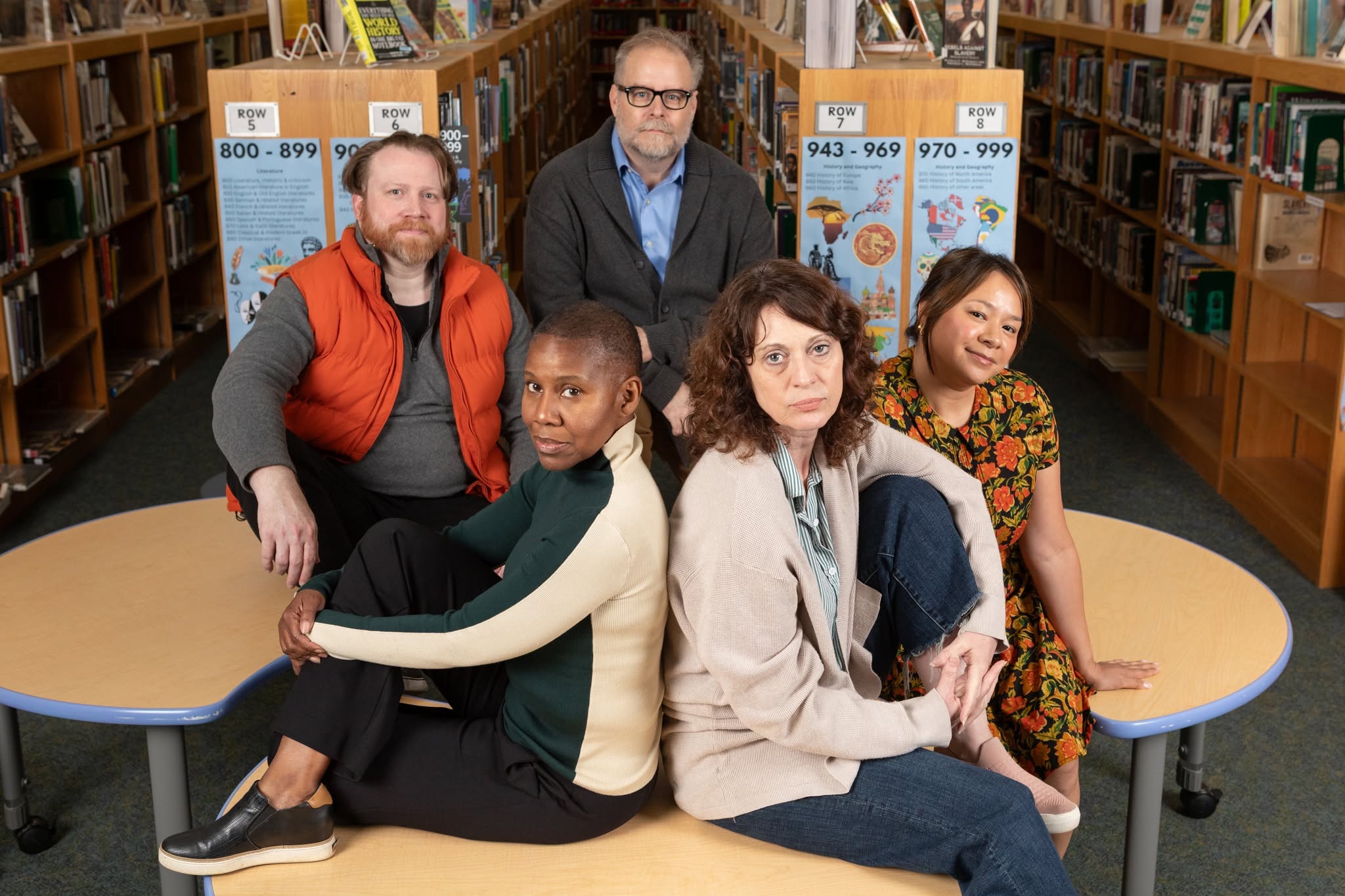





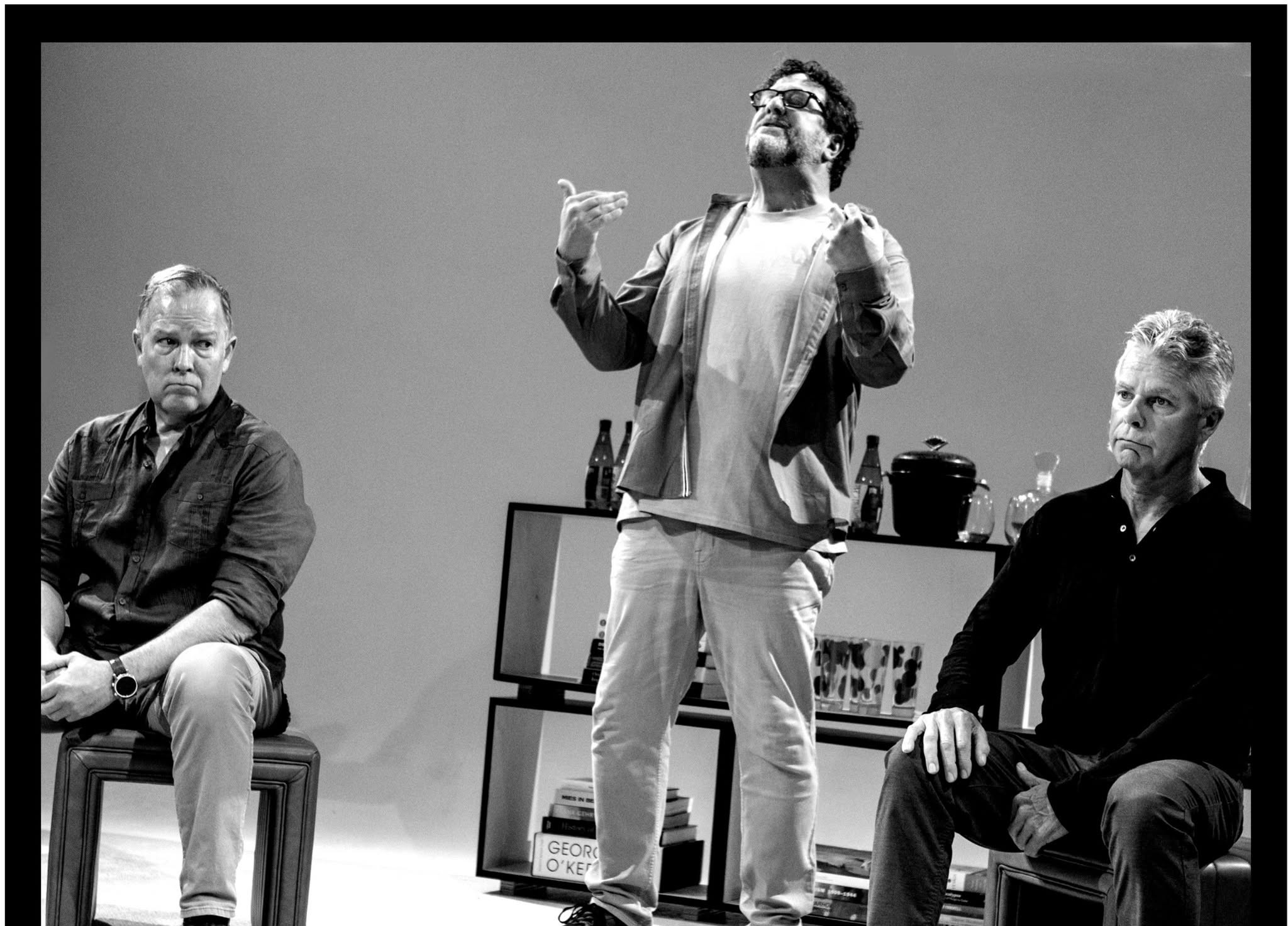
Today we’d like to introduce you to David Berberian.
Hi David, we’re thrilled to have a chance to learn your story today. So, before we get into specifics, maybe you can briefly walk us through how you got to where you are today?
RedBird started with a pretty simple idea. There are incredibly talented theatre artists here in North Carolina, and I wanted to create more opportunities for them to do good, professional work without having to leave the state to find it.
I’ve spent most of my life working in theatre. I earned my BFA from East Carolina University, worked at The Juilliard School in New York, and have spent more than two decades at Duke University. At some point, I realized I wanted to take everything I’d learned over those years and build something of my own.
So I started RedBird Theater Company.
I’ve always been drawn to plays where the acting and the writing do most of the heavy lifting. RedBird grew around that. We hire North Carolina artists, keep our ticket prices affordable, and try to create the kind of theatre where there isn’t much distance between the actors and the audience.
We don’t have a permanent home, which started out as a necessity but has actually become part of who we are. We’ve performed in different venues and communities, and over time I’ve started to see that as a strength. Instead of waiting for people to find RedBird, we can bring RedBird to them.
There has been a lot of learning along the way. Running a theatre company means you’re thinking about the play one minute and ticket sales, payroll, marketing, fundraising, or where you’re going to put the set the next. We’ve made mistakes, figured things out, and gotten better with every production.
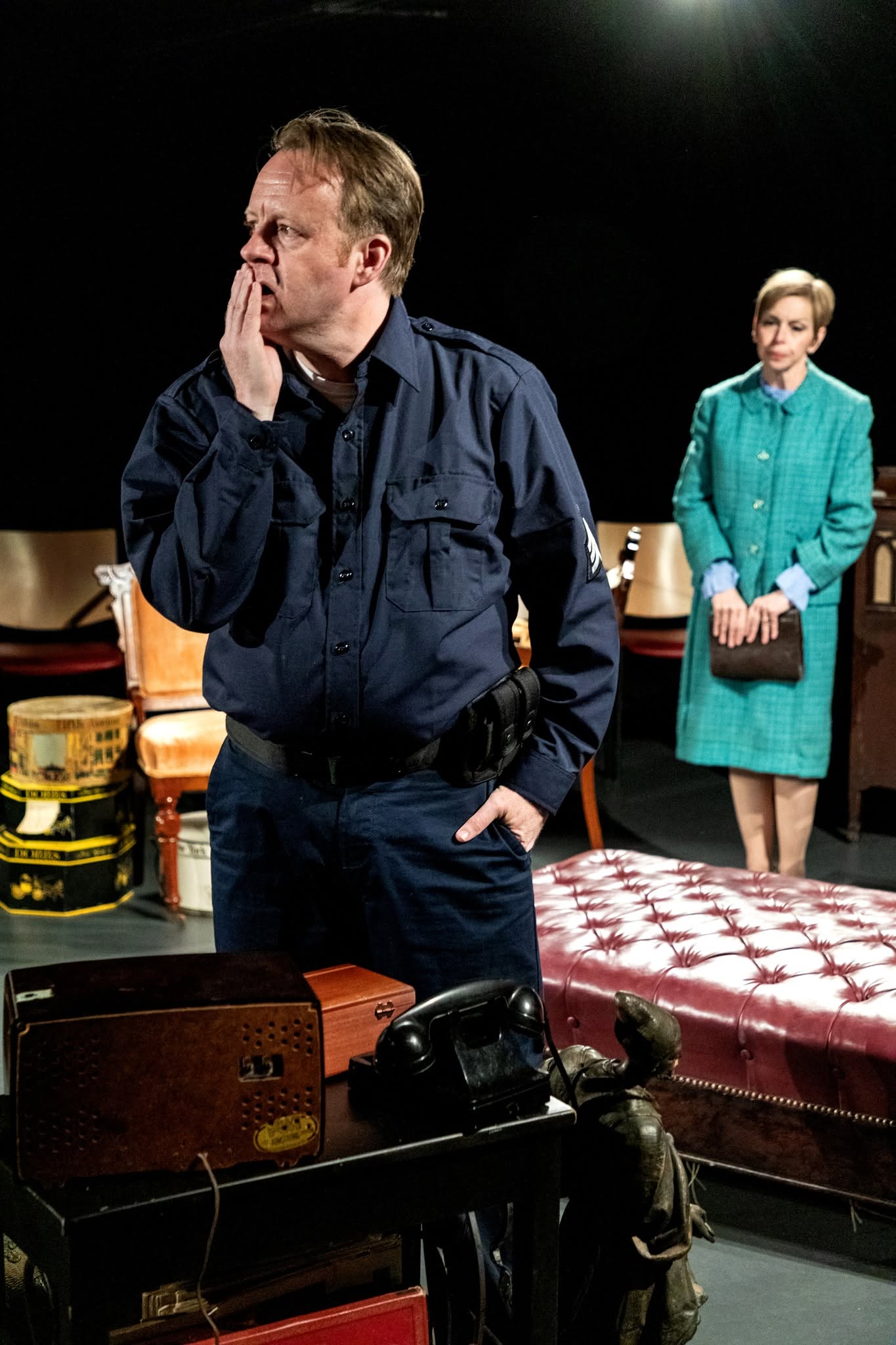
We’ve also had some moments that made me feel like we were onto something. INDY Week named RedBird the Best Theater Company in Durham, and the response to productions like Red and Art was especially meaningful. This past spring we took Arthur Miller’s The Price to several communities across the Triangle and beyond. That tour showed me that there are people all over this area who want to see professional theatre. You just have to find ways to get it in front of them.
RedBird is still evolving. I’m not particularly interested in growing just so we can say we’re bigger. I want us to get better and become more sustainable. I want to keep paying artists for their work, keep our tickets affordable, and keep producing plays that I think are worth spending an evening with.
Five years in, I still feel like we’re figuring out exactly what RedBird can become. That’s probably one of the things I enjoy most about it.
We all face challenges, but looking back would you describe it as a relatively smooth road?
Definitely not. I’m not sure starting a small professional theatre company could ever be described as a smooth road.
The biggest challenge has always been balancing what we want to do artistically with what we can actually afford to do. Theatre is expensive to produce, and we made a decision early on that affordable tickets and paying our artists were going to be priorities. Those two things don’t always make the math easy.
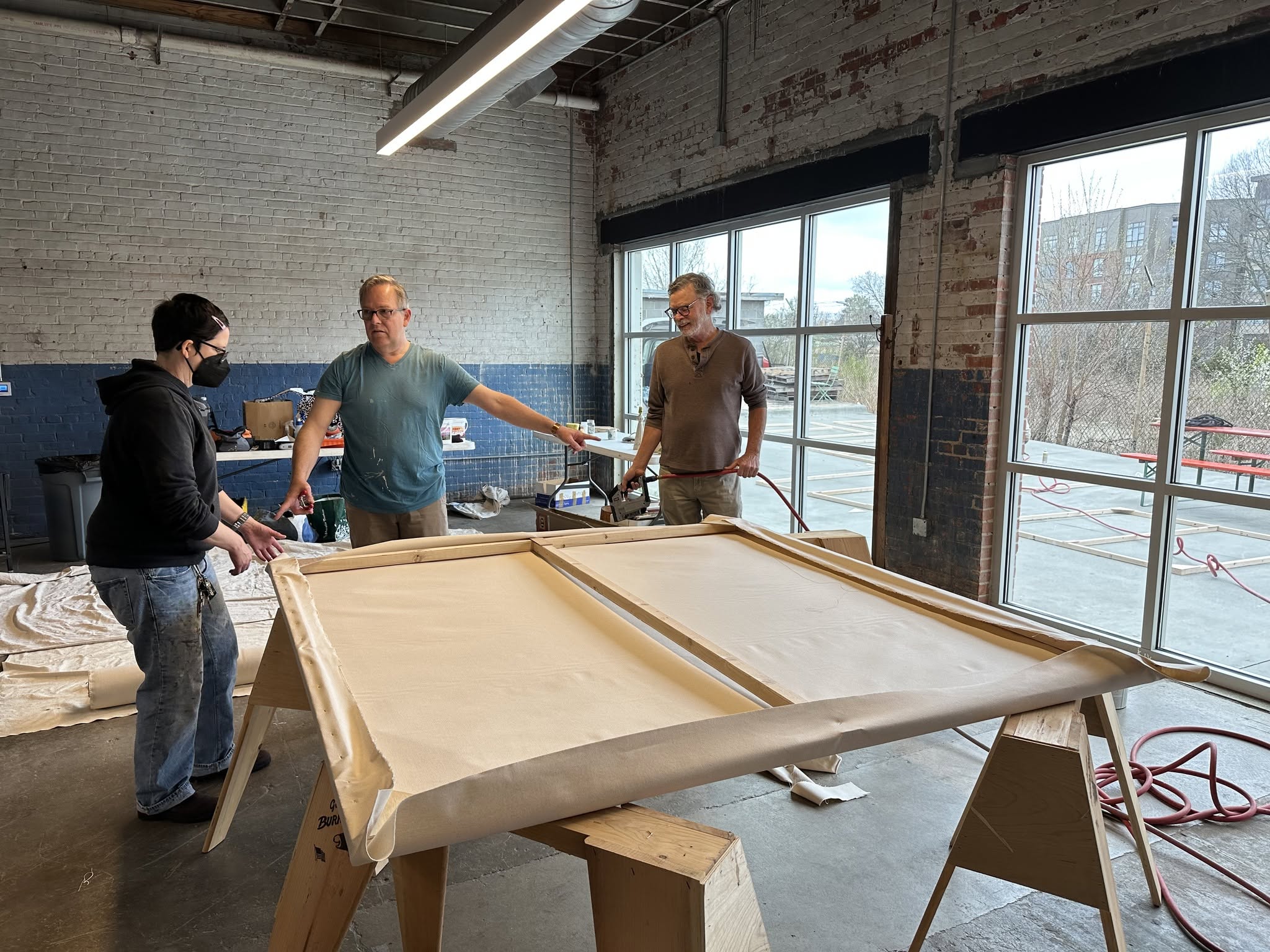
Not having a permanent home has been another challenge. Every production means finding the right space and then figuring out how to make that space work for the show. But that challenge has also shaped RedBird. We’ve learned to be flexible, to travel light, and more recently, to take our work into different communities rather than being tied to one building.
Building an audience has probably been one of the hardest parts. There is so much competing for people’s time and money, and getting someone to take a chance on a theatre company they may not know is difficult. You can produce something you’re incredibly proud of and still wonder whether enough people are going to walk through the door.
There have absolutely been moments when I’ve wondered whether it was worth continuing. But then you have a night when the room is full, the actors are doing extraordinary work, and you can feel the audience completely engaged with what’s happening onstage. Those moments tend to answer the question for me.
As you know, we’re big fans of you and your work. For our readers who might not be as familiar what can you tell them about what you do?
RedBird is a professional theatre company built around North Carolina artists. We tend to gravitate toward plays that put great writing and great acting at the center of the experience. We aren’t trying to overwhelm an audience with spectacle. We want to put talented actors in a room with a great play and trust that combination.
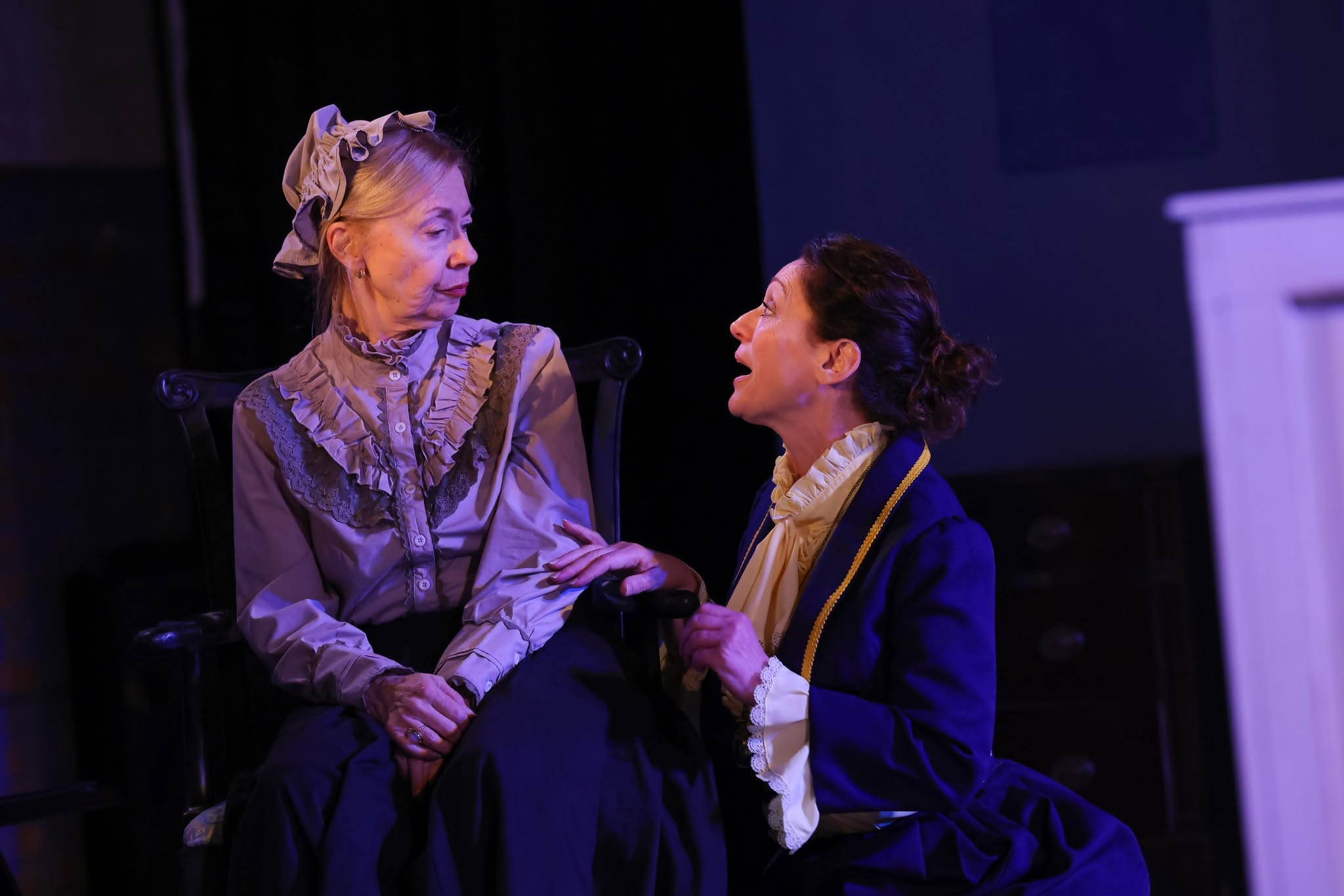
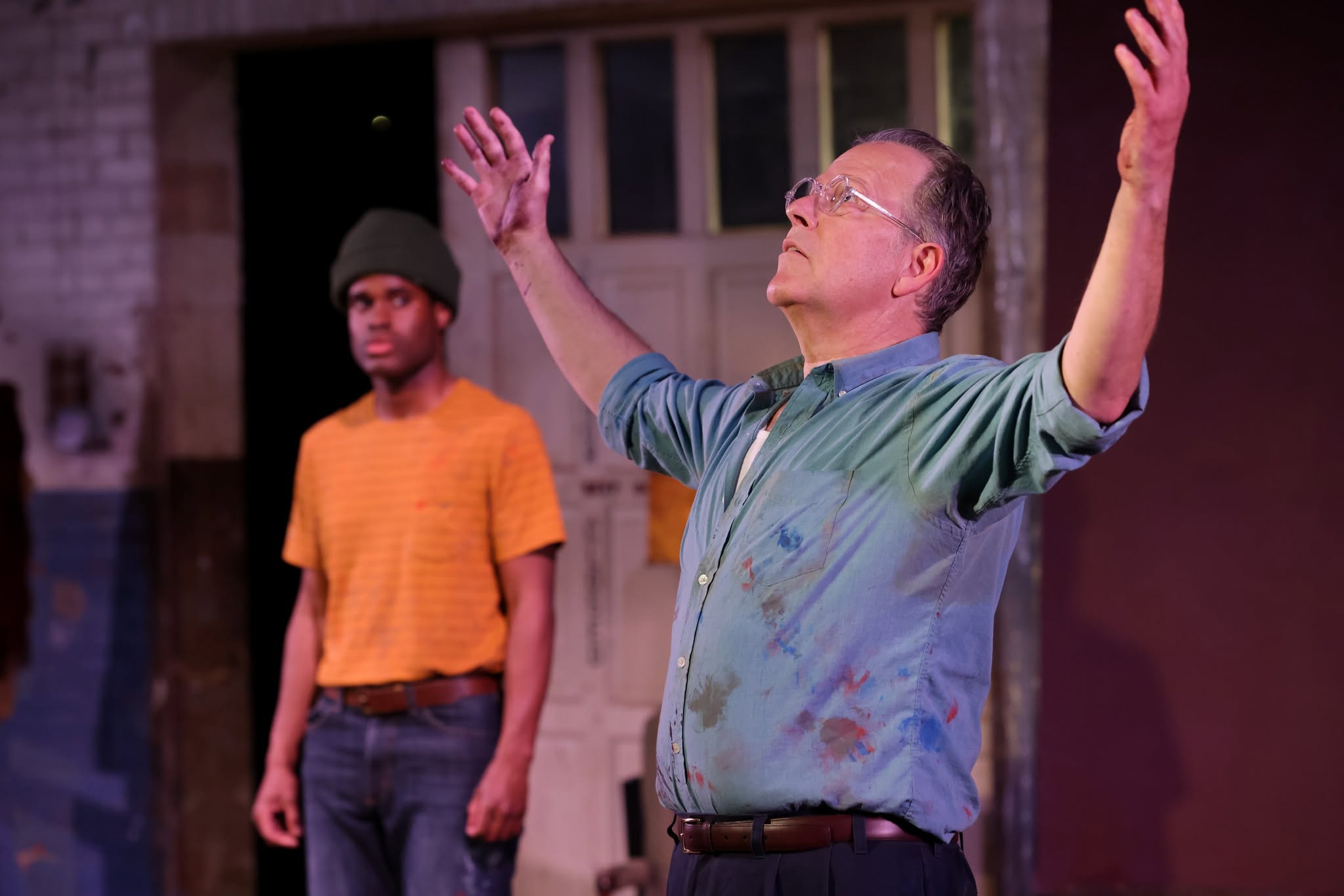
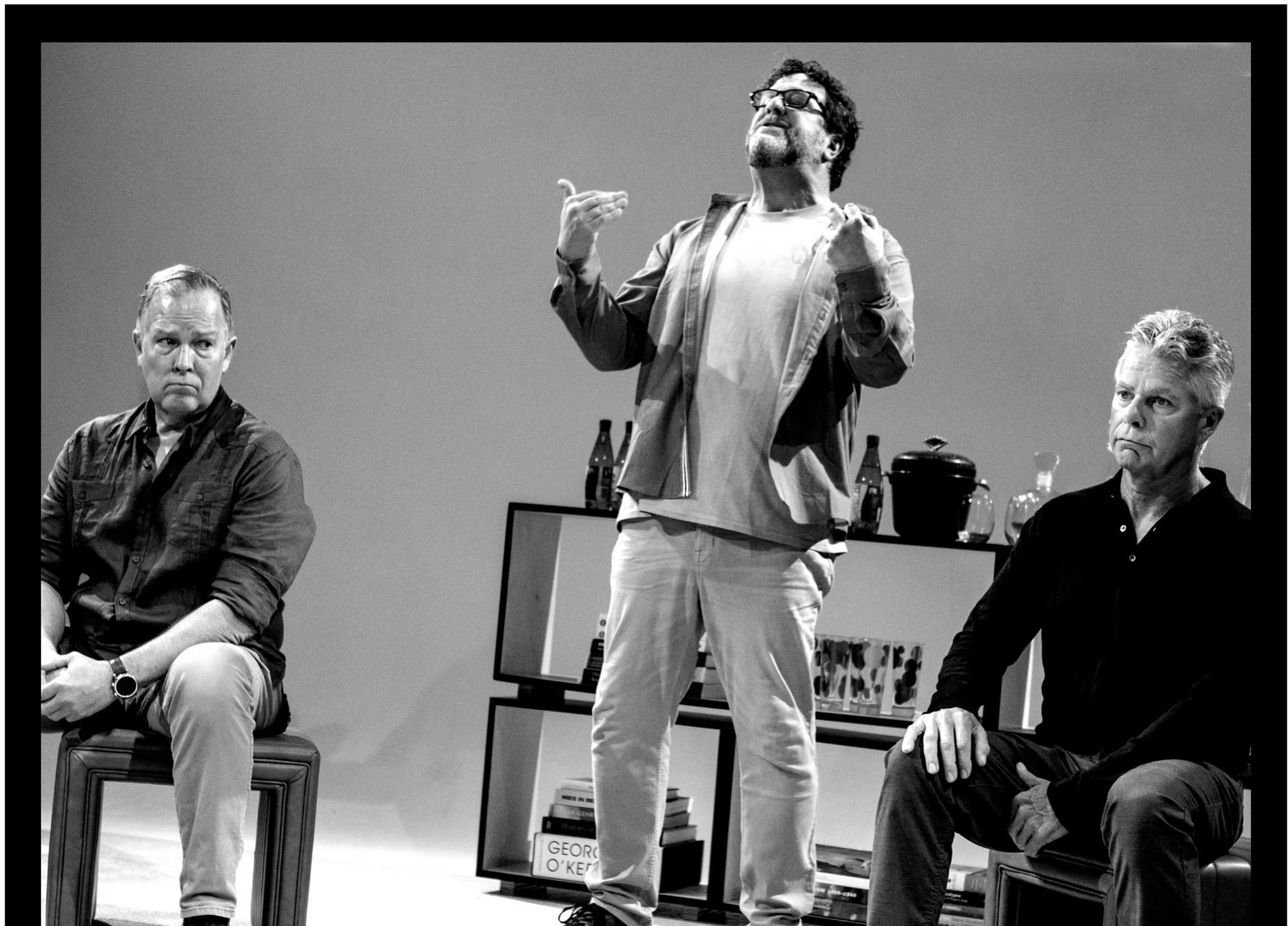
I think we’ve become known for intimate, actor-driven productions of really strong plays. Shows like Red, Art, The Price, and Masha & Antosha are very different from one another, but they all depend on language, relationships, and actors who can really dig into the material. That’s the kind of work I love, and it has become a big part of RedBird’s identity.
I’m particularly proud of the artists we’ve been able to bring together. There are exceptional professional actors, directors, designers, and technicians living and working in North Carolina. Creating opportunities for those people to work here, and paying them for that work, matters to me.
I’m also proud that we’ve kept our tickets affordable. I don’t want cost to be the reason someone decides theatre isn’t for them. You shouldn’t have to spend $75 or $100 to take a chance on a play you’ve never seen before. Keeping that barrier as low as we reasonably can is an important part of what RedBird is.
What probably sets us apart most is that we’re small and we’ve embraced it. We can choose a play because we believe in it. We can work in unconventional spaces. We can take a production that started in one community and bring it somewhere else. We don’t have to fill a huge theatre or build an entire season around what will sell the most tickets.
When someone comes to see one of our shows, I think they have a pretty good idea of what we’re going to give them: a great play, really good actors, an intimate room, and an evening where the story is the most important thing.
Can you talk to us a bit about the role of luck?
Luck has definitely played a part in RedBird’s story, although I think a lot of what we call luck comes down to meeting the right people at the right time and being willing to say yes when an opportunity presents itself.
I’ve been fortunate to spend my career surrounded by talented people in theatre. Many of the relationships I’ve built over the years have found their way into RedBird in one form or another. When you start a small theatre company, you quickly realize that the people who believe in what you’re doing are every bit as important as the idea itself.
I don’t think luck replaces the work. You still have to produce the show, raise the money, sell the tickets and get people into the room. But I’ve learned to appreciate those moments when the right person, the right play, the right space and the right audience somehow come together.
Pricing:
- RedBird uses a tiered ticket model, allowing audience members to choose the price that works best for them. $15 – Accessible: For those who need a lower-cost option. $30 – Standard: Our regular ticket price. Higher/supporter tier: For audience members who are able to pay more and help offset the cost of accessible tickets. The experience is the same at every level. The tier you choose doesn’t determine where you sit or the quality of your experience. The goal is simple: make professional theatre financially accessible while allowing those who can afford more to help make that possible for others.
Contact Info:
- Website: https://redbirdtheatercompany.com
- Facebook: https://www.facebook.com/RedBirdTheaterCo