




Today we’d like to introduce you to Jasmine Yiping Ni.
Hi Jasmine Yiping, thanks for sharing your story with us. To start, maybe you can tell our readers some of your backstory.
My Story · Jasmine Yiping Ni
I was born into a traditional Chinese medicine family in Sichuan, China. The air of my childhood carried the gentle scent of herbs, mixed with the warm, steady rhythm of my father’s breath as he treated patients. After school, I often sat quietly in the corner of his clinic, watching him read pulses, perform acupuncture, and guide patients through qigong healing. Those early moments were my first experience of what it means for the mind and body to move as one.
When I was eight, my father arranged for me to study under one of the most skilled martial arts masters in our region, who later became my godfather. That was the beginning of my formal martial arts training—long fist, southern fist, broadsword, straight sword, staff, nine-section whip, horse stance, standing meditation…
To be honest, I didn’t like martial arts at the time. Waking at five in the morning to train, then squatting on two bricks every night for horse stance—I longed more for piano, dance, and stage lights.
But looking back, those years of sweat, discipline, and perseverance became the deepest roots of my life.
For class inquiries, collaborations, or community projects, you may contact me at:
📧 ping.peaceful.taichi@gmail.com
At eighteen, I was admitted by special selection into a professional performing arts troupe, where I blossomed in music, dance, and stage expression, earning several national performance awards. I thought my life would continue smoothly along this artistic path—until a sudden car accident in college shattered everything.
I suffered a fractured cervical spine and partial paralysis; even turning over in bed required three nurses. I envied anyone who could simply sit up.
My father stayed by my side day and night, using qigong to ease my pain.
Three months later, I miraculously stood up and walked again.
For the first time, I truly understood this:
There is a powerful force that exists between breath, intention, and the body — a force that is often overlooked. God created us with great care and wisdom, and within our bodies, He has already placed a natural system of healing. Some of these capacities simply remain undiscovered, waiting to be awakened.
That experience of standing at the edge of collapse, and the long journey of recovery that followed, became the true starting point of my return to the path of Tai Chi.
After graduating, I worked for more than a decade in broadcasting—first at Sichuan Satellite TV, then at China Central Television (CCTV)—serving as a host, director, and eventually executive producer. My sense of narrative, visual language, and stage artistry deepened during those years. But the relentless pace also drained my energy and pushed me to search again for balance.
In 2017, I moved to the Triangle area of North Carolina for family reasons.
For the first time, I felt truly still.
I returned to Tai Chi, dance, and breathwork—healing my body in the most gentle yet profound way.
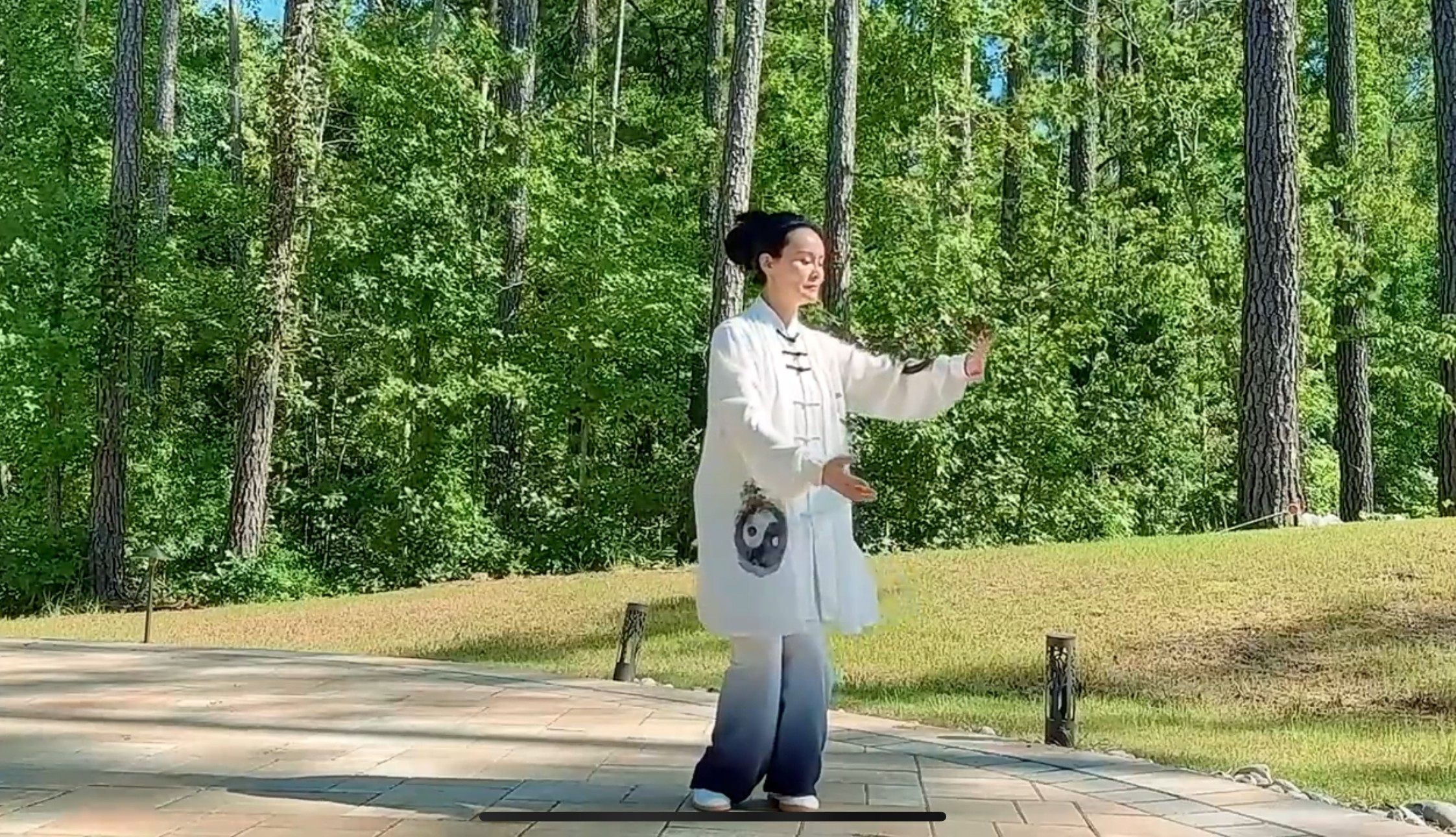
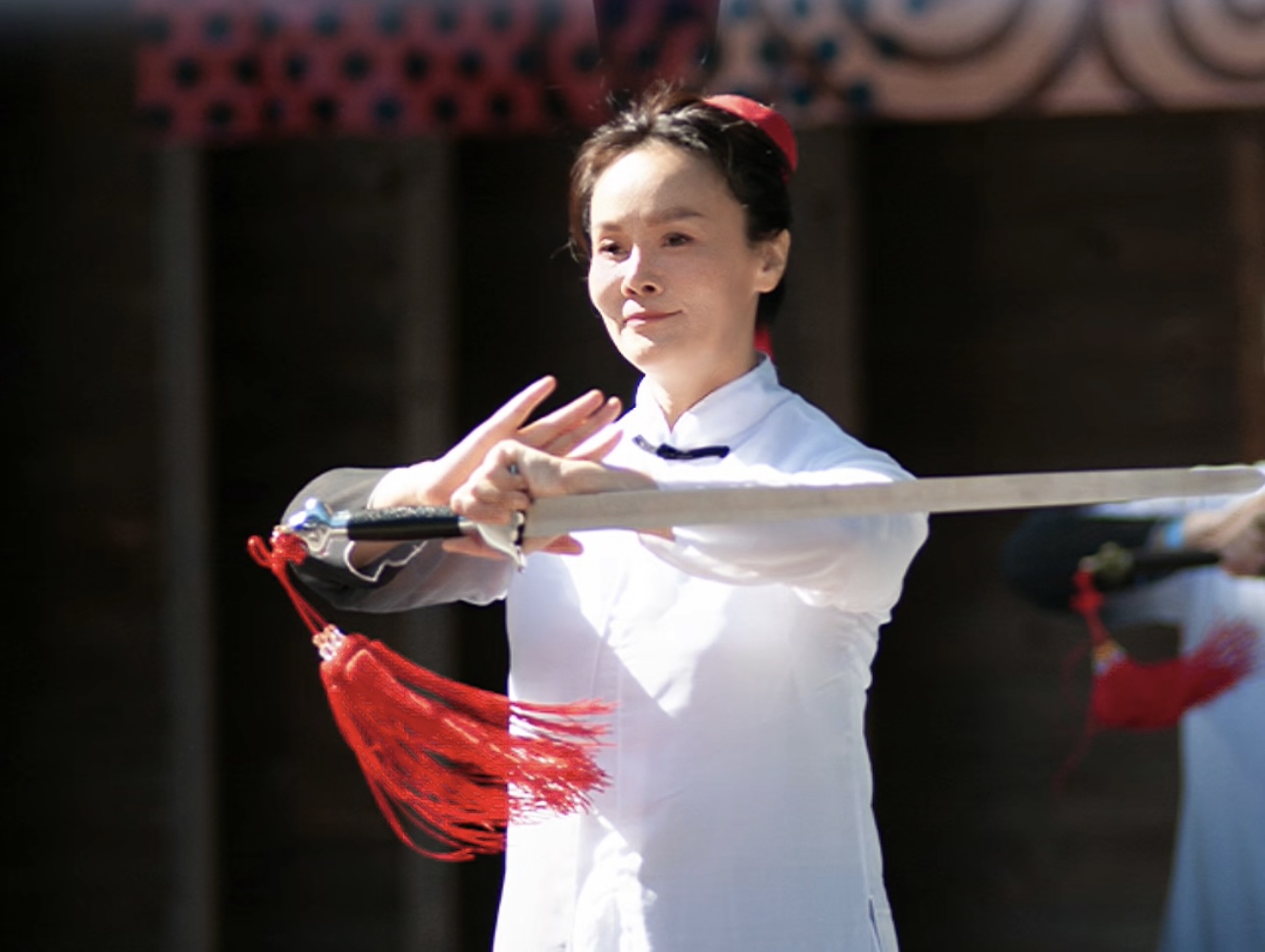
This calling led me to establish the American Oriental Culture Institute (AOCI), where I teach Tai Chi, Tai Chi sword, and dance. Over the past eight to nine years, I have witnessed students reduce anxiety, improve sleep, restore focus, and regain physical vitality.
Many have told me:
“Tai Chi changed my life.”
But the truth is—Tai Chi changed mine first.
In every class, I weave together the roots of martial arts, the soul of dance, the breath of traditional Chinese medicine, and the philosophical depth of Eastern culture—
Art within martial arts, martial spirit within art; movement outside, stillness within.
This is the strength I wish to bring into the community.
I believe Tai Chi is far more than a sequence of movements.
It is a way of returning to oneself, to balance, and to the natural rhythm of life.
My mission is to help more people become calmer, stronger, and more whole through the power of Tai Chi.
If you’re curious to see my Tai Chi and dance work in motion, I invite you to visit our YouTube videos:https://www.youtube.com/@taichikungfudance
Alright, so let’s dig a little deeper into the story – has it been an easy path overall and if not, what were the challenges you’ve had to overcome?
In the process of building a Tai Chi community in North Carolina, one of the greatest challenges I faced was the gap in language and culture. At the time, my Chinese dance classes within the Chinese community were already well established. But when I turned toward English-speaking audiences, hoping to share Tai Chi with people from different cultural backgrounds, I realized I was stepping into entirely new territory — one that required me to relearn how to express myself and how to be understood.
When I began teaching free Tai Chi classes at Apex Nature Park, I often arrived on time, fully prepared, only to find no one there. Even on those days, I taught the full class to the open field. It became my way of staying grounded and sincere — and a reminder that bringing Tai Chi to a broader world is itself a form of practice.
Over time, a few people began to come. Today, I teach two classes: one more martial and physically demanding, and another gentle and restorative for those seeking healing or stress relief.
In class, communication has never been difficult — movement, breath, and intention speak for themselves. The real challenge comes afterward, in everyday conversations, where cultural nuances remind me that I am still learning, not only teaching.
Another challenge has been visibility. Many people who later find my work say, “I wish I had known earlier.” As a new immigrant with limited local connections, growth has required patience, trust, and consistency.
I believe in the quiet strength of Tai Chi — that through sincerity, persistence, and time, its value will be felt, trusted, and eventually embraced by those who need it.
Thanks – so what else should our readers know about your work and what you’re currently focused on?
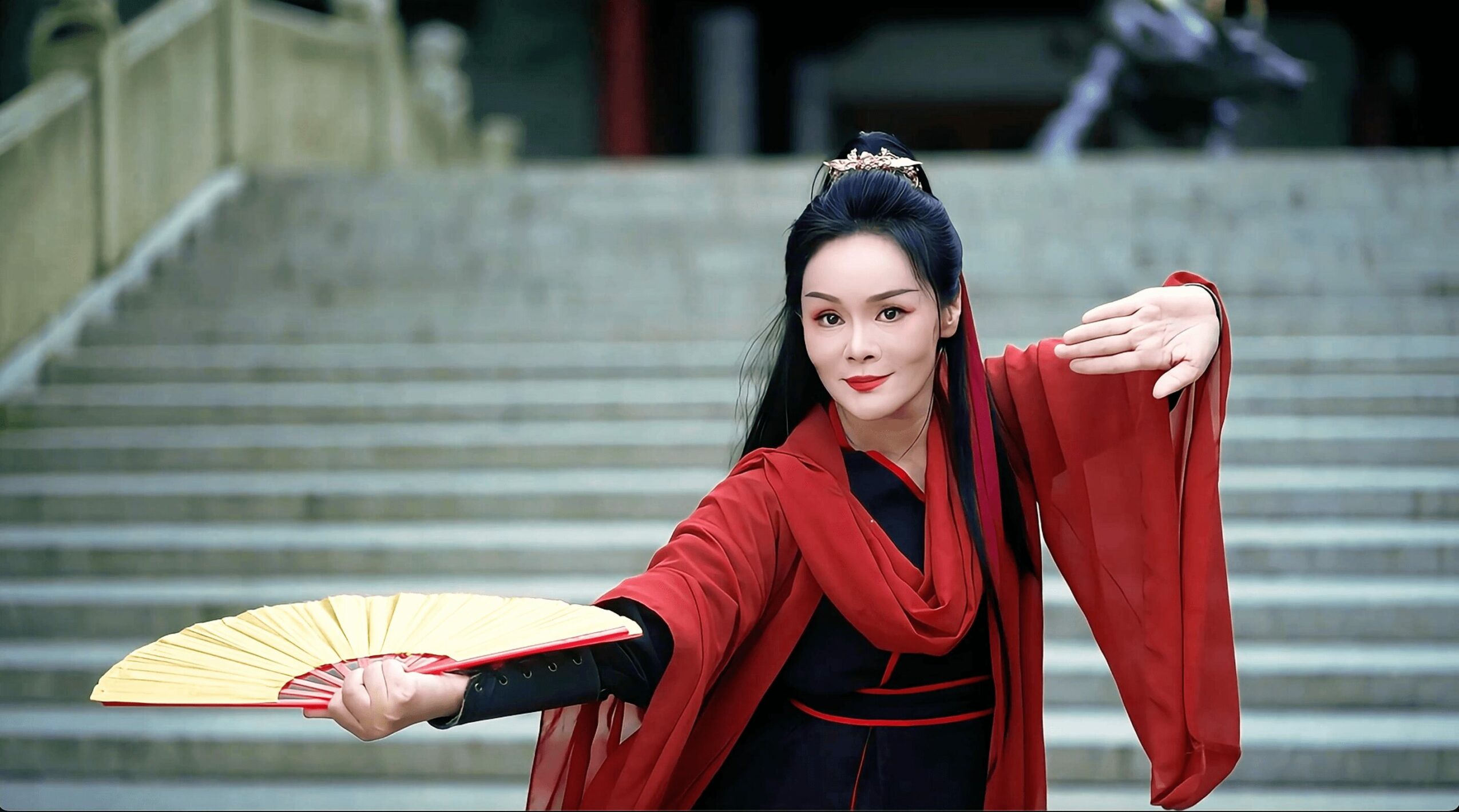
I am the founder of the American Oriental Culture Institute (AOCI) and the creator of Ping | Peaceful Tai Chi & Dance, a movement-centered brand that blends Chinese martial arts, healing practices, and artistic expression.
My work is built around four main areas:
1. Tai Chi (Tai Chi Quan & Tai Chi Sword)
I teach Chen-style, Yang-style, and Wudang-influenced Tai Chi, helping students build balance, strength, awareness, and inner calm through traditional forms and mindful practice.
2. Tai Chi Dance / Oriental Movement Arts 中国古典舞
This is a unique program that integrates classical Chinese dance with Tai Chi breathing and body mechanics. It offers a graceful, meditative way for adults to experience movement, culture, and emotional expression.
3. Kids/Youth Kung Fu Dance
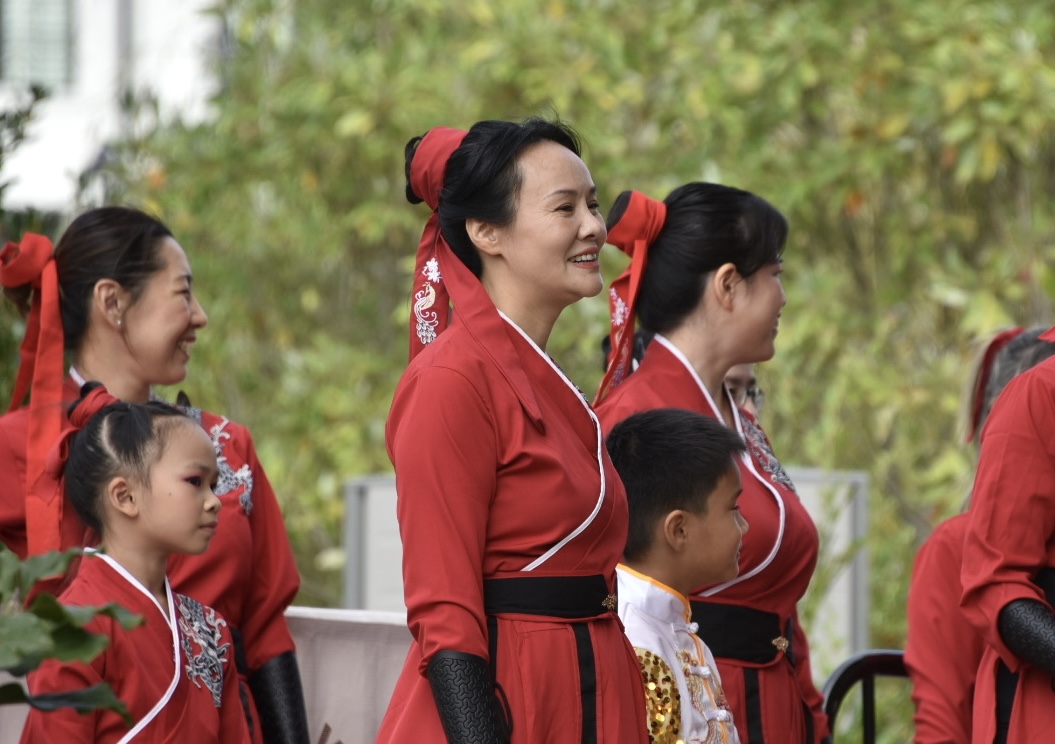
A creative training system for children and teens that combines real Chinese martial arts fundamentals with artistic choreography. Students learn stances, kicks, hand techniques, and traditional forms—then express them through performance.
4. Wudang Sword & Chinese Sword Arts
As a 16th-generation Wudang Sanfeng lineage inheritor and the first-generation inheritor of Xingyun Sword, I teach Daoist sword principles—“body, breath, and sword as one”—in a way that is both martial and artistic.
Across all programs, my mission is to help people experience movement not only as exercise, but as a healing art—a way to reconnect with strength, balance, culture, and the deeper rhythm of life.
In recent years, our work in the community has received meaningful recognition.
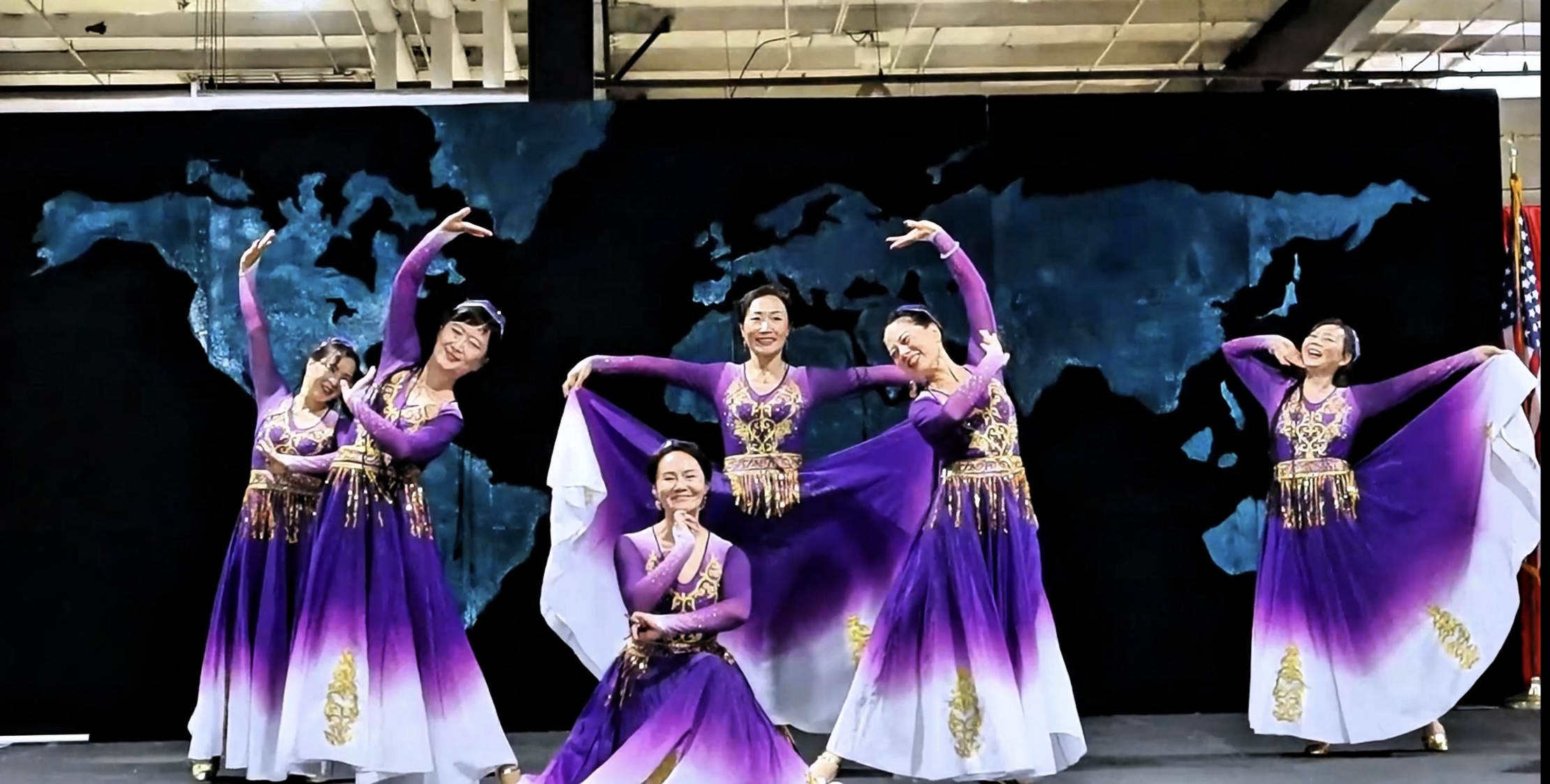
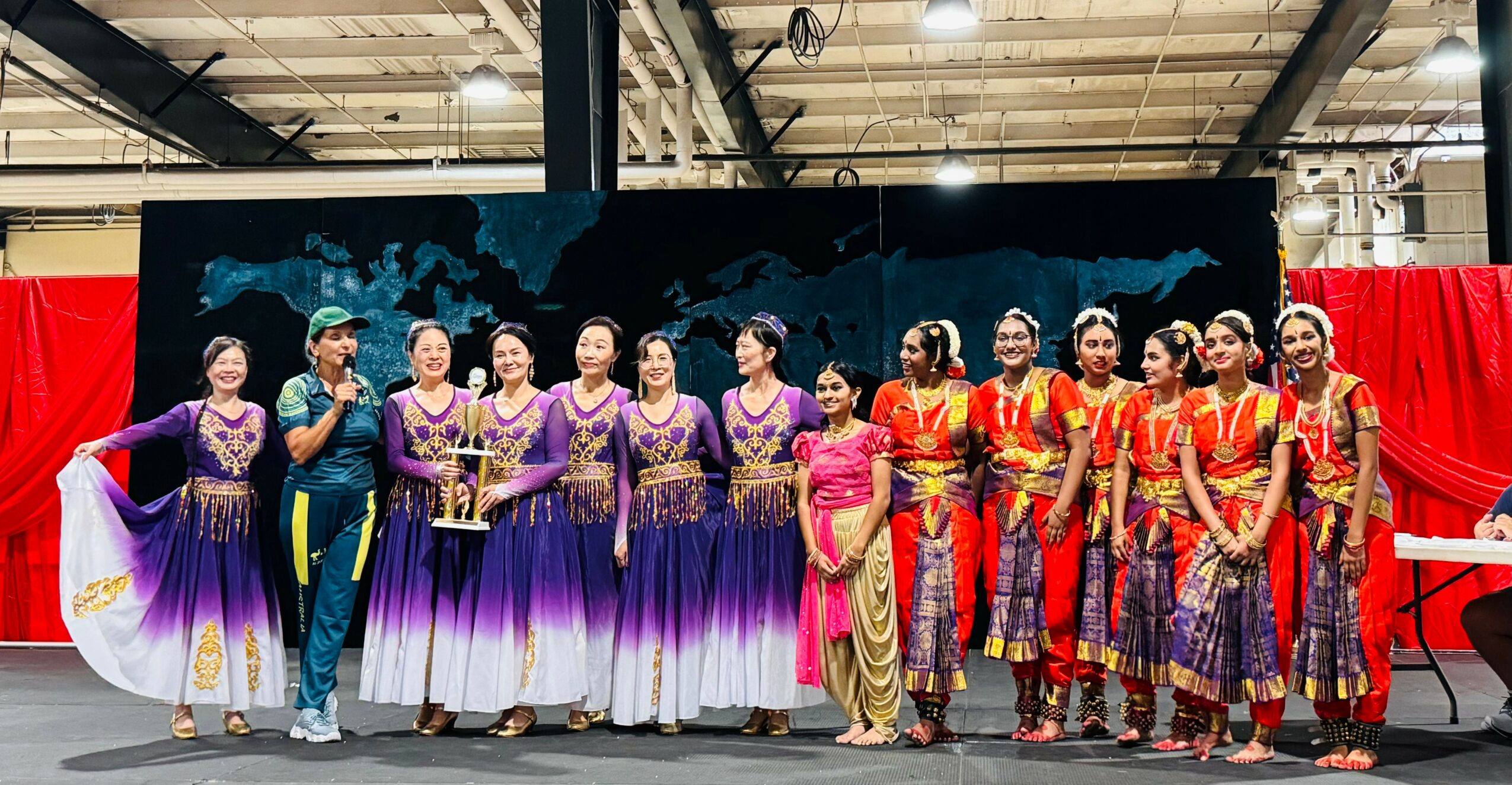
In 2024, I performed together with my student team, and we won First Place
at the Raleigh International Dance Festival.
In 2025, one of my Tai Chi students earned First Place at the
36th International Wushu Championship.
For me, these honors reflect more than awards — they show how movement,
culture, and inner practice can empower everyday people, helping them
grow stronger, more balanced, and more confident in their lives.
Can you talk to us about how you think about risk?
One of the greatest risks I have taken in my life began during college, after a severe car accident that left me with a fractured neck and partial paralysis. At the time, doctors could not say how much I would recover. Choosing to stand again — physically and emotionally — became the first true risk I ever took: the decision to rebuild my body, and with it, my future.
Years later, I took another risk by moving to the United States and starting over in a completely new cultural landscape. With no established network, no familiarity with the system, and significant language and cultural barriers, my abilities once again felt partially “paralyzed.” I chose to build something from the ground up — to teach, to serve, and to begin again — knowing that every step forward carried uncertainty.
The experience reminded me deeply of my early rehabilitation. My hands once trembled so much that I could not hold a spoon. The day I managed to bring food to my own mouth felt like a victory.
Today, the victories look different, but the spirit is the same. I have rebuilt my body, reimagined my life, and begun to share Tai Chi within a new community. Even if only a few people are touched, that quiet impact has made me braver.
These experiences taught me that risk is not rooted in fear.
What matters is staying inwardly calm amid uncertainty and listening to one’s inner voice.
As Tai Chi teaches, when the mind is steady and the breath is unbroken, the path becomes clear—and strength emerges through movement.
If you’d like to learn more about my work and the path I’m building, I invite you to visit my website:orientalculturedance.com
Contact Info:
- Website: https://orientalculturedance.com
- Instagram: https://www.instagram.com/ping_peaceful_taichi/
- Facebook: https://www.facebook.com/profile.php?id=100009191674051
- Youtube: https://www.youtube.com/@taichikungfudance