




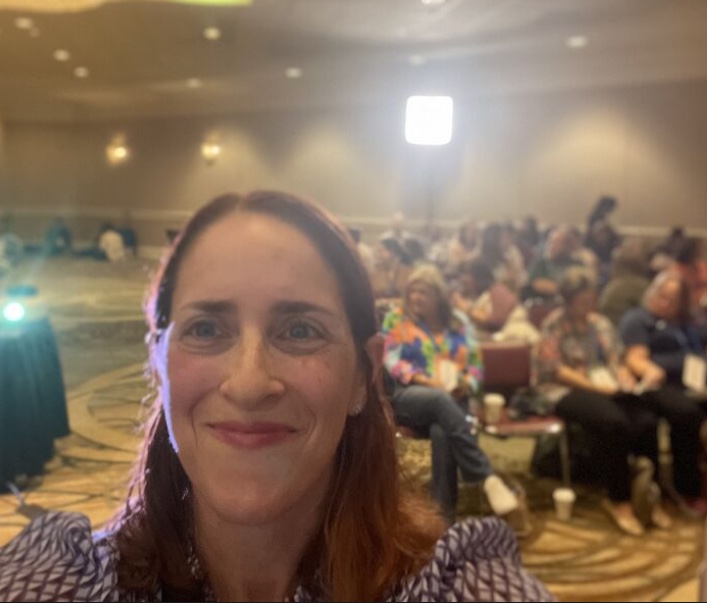
Today we’d like to introduce you to Noa Ronen.
Hi Noa, we’re thrilled to have a chance to learn your story today. So, before we get into specifics, maybe you can briefly walk us through how you got to where you are today?
I have spent my entire career at one intersection: leaders, change, and the space in between of human connection.
It started in the Navy, helping officers understand how to lead their people — how to develop and grow them so they trust them in life-and-death moments. Then, as a change management consultant, I helped large companies move from paper to expensive ERP technologies. The technology was never the hard part. The hard part was the fear — that the system would take people’s knowledge and their jobs, that they were disposable. My role was to guide leaders who had to hold their teams together as everything around them shifted. Sound familiar? That fear of new processes and technologies in that intensity has not disappeared. It just shifted to what we see now with AI. And processes that took three years now take three weeks. That is intense — and it changes how we lead, collaborate, and build skills,
Then our family relocated to the US. I learned firsthand what it means to navigate a new culture and reality – I learned change firsthand and understanding the impact of cross cultures and bringing cultures together as part of navigating change. This learning brought me to where I am today, working with global leaders and teams to build bridges and curiosity across cultures and continents.
The leaders, teams, companies, and communities I work with are not struggling because they lack talent. The problem is that the faster we go in times of change and uncertainty, the less we see beyond our tasks. People are moving fast, but not together.
We create space to build awareness and connection — and then collaboration and alignment follow. Peers reach out to one another and bring curiosity. We embed peer coaching as a behavior change system, regardless of the context in which we partner. What we notice — whether it is a room of 1,000 people or a team of 10 — is how quickly skeptical or uninterested people start building meaningful connection skills and curiosity about each other without being taught a single skill. Instead of “it was interesting,” we hear “I tried it with my team.” “I am modeling it and expecting my people to do the same.” Leaders encouraging their own people to go through what we do — building skills without teaching skills. That is the multiplier.
I am most proud of spending my whole career building bridges — between people, between cultures, between where a team is and where it needs to go with their leaders. ADVAgo is just the most intentional version of that work yet, creating intentional space for meaningful conversations between humans in times of change and uncertainty so people can build trust, collaborate, and create a bigger impact that goes beyond their vision.
I’m sure it wasn’t obstacle-free, but would you say the journey has been fairly smooth so far?
When my family relocated to the US, I felt stuck in a way I had never felt before. I had worked on meaningful, challenging projects before the move. Always put myself and still do to work through challenges. But the relocation was emotionally and personally one of the biggest impacts on my life and transformation. Suddenly, I was navigating a new culture, working and living in my second language, and I felt unable to express my full self. From what I understand now, I was just doing, but my being was so stuck. I did not feel a sense of belonging or feel aligned with my strengths and values. I was, in so many layers, removed from how I defined.
Eventually, I resigned from the work I didn’t love and took a break to reconnect with myself.
During that time, blogging became a big thing – it was “the conversation”. For years, I had wanted to write, so I decided to start a blog — not as a strategy, not even sure what would come of it – there was no big intention behind it beyond writing, as a way to process. And something unexpected happened. People who read my blog started calling me and asking if I could coach them. Different people, same ask.
I was curious enough to follow that signal. I did not even know what coaching was. I looked into it, went to my first training, fell in love with the methodology, and spent a full year getting certified. I never did coach the people who had called me after reading my blog, but I am grateful they saw something in me when I could not see it in myself.
This is why I am a huge believer in the importance of human connection. We, humans, have the ability to help each other thrive — but only if we choose collaboration over competition.
Alright, so let’s switch gears a bit and talk business. What should we know about your work?
When I look back on my life, I realize I’ve been doing the same work since I was a little girl. I just didn’t have a name for it yet.
I was the one who organized the entire class to play hide-and-seek during recess because it felt better when everyone was included. I was the one planning class parties, making sure we had the perfect cassette tape playing because I didn’t want anyone to leave early. Later, I organized Shabbat dinners in our dorm every Friday night, bringing together people from different backgrounds around one table. As my world grew, so did the circles I brought together. I found myself organizing community events, conferences, and leadership gatherings where people could exchange ideas, build relationships, and discover opportunities they would never have found on their own.
Looking back, the common thread was never the event itself. It was always about connection.
I’ve always been curious about what becomes possible when people truly see one another. When trust replaces assumptions. When peers stop competing and start learning from each other. When a single conversation changes the way someone leads, collaborates, or thinks.
That curiosity became my life’s work.
Over the past 20 years, my work has evolved from developing leaders to partnering with executive teams, founders, and CEOs as they navigate growth, change, and complexity. Along the way, one belief became clearer than ever: leadership doesn’t develop in isolation. It develops in relationship with others.
That belief led me to create ADVAgo.
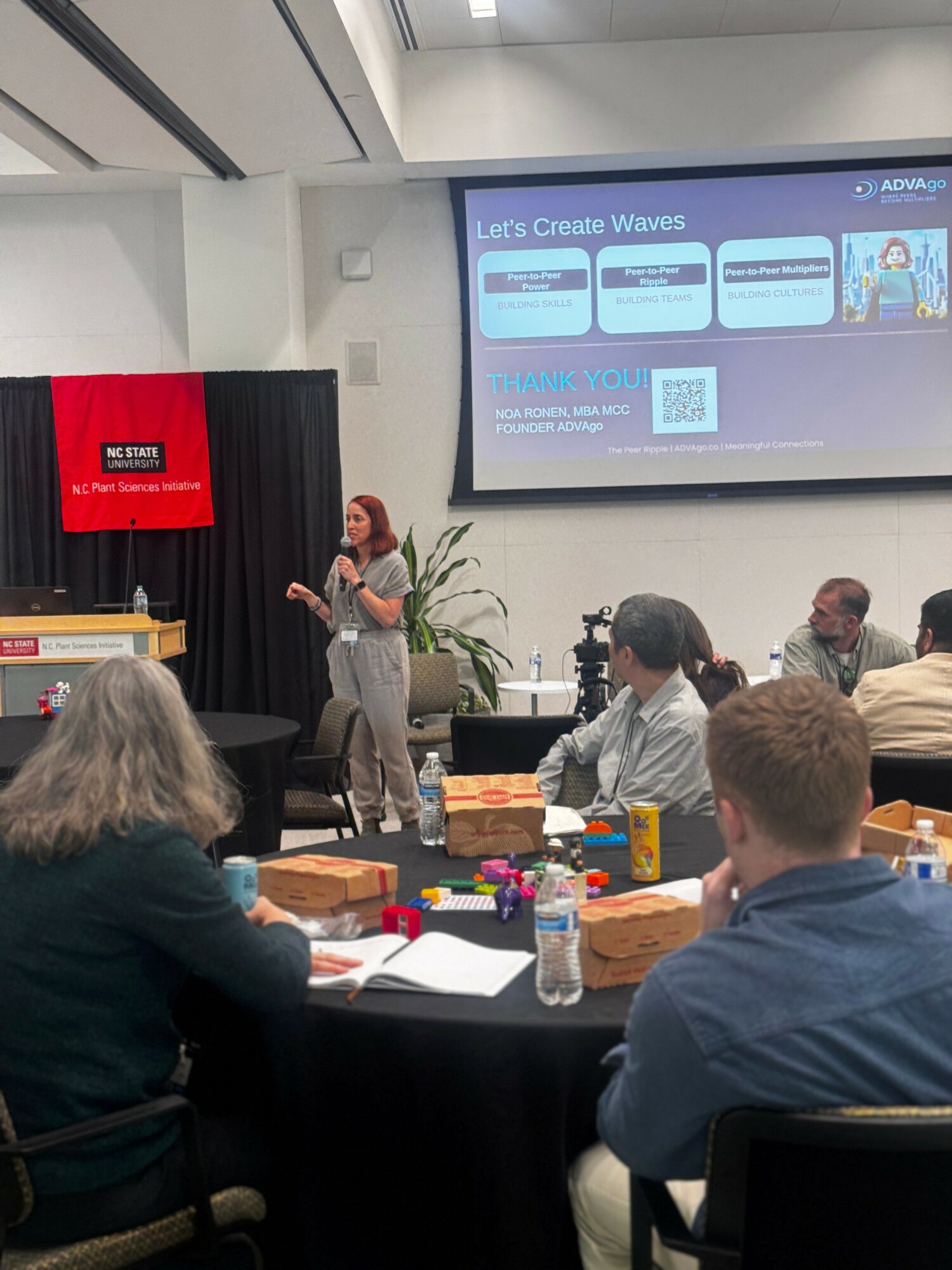
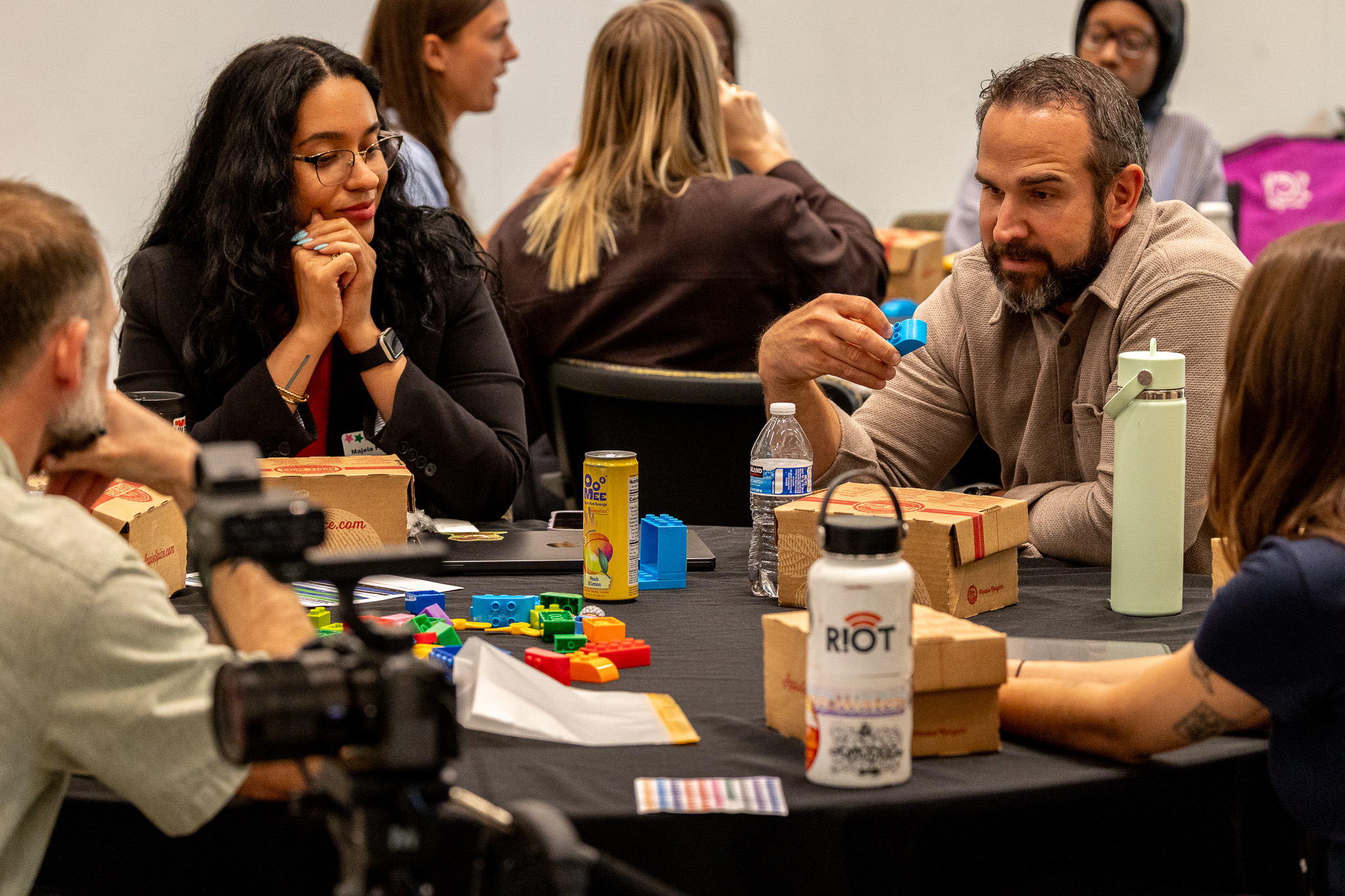
Today, ADVAgo is the evolution of everything I’ve learned throughout my career. We design Peer-to-Peer learning experiences that help leaders build leadership skills while solving real business challenges together. These experiences don’t just develop better leaders. They build stronger teams, healthier cultures, and organizations where collaboration, accountability, and innovation become part of how people work every day.
What I’m most proud of isn’t a particular client or milestone. It’s the ripple effect. A leader starts listening differently. A difficult conversation finally happens. A team that once worked in silos begins solving problems together. Those moments extend far beyond the workplace, influencing families, communities, and the people those leaders touch every day.
What sets me apart is that I don’t believe leadership is something you teach from the front of the room. I believe people become better leaders because of one another. My role is to make leadership development part of the work, not another item on the to-do list. Leaders already have enough on their plates. When people feel safe enough to think together, challenge one another, and grow together, peers become multipliers. That’s where real transformation begins, and that’s the work that continues to inspire me every day.
Are there any apps, books, podcasts, blogs or other resources you think our readers should check out?
I love listening to biographies, and I get inspired by podcasts.
But to keep it simple here are the Five books every leader should have on their shelf:
If I had to choose just five books that have shaped the way I lead, coach, and work with organizations, these would be at the top of my list. Interestingly, they also reflect the leadership journey I believe every leader should take: **Purpose → Clarity → Relationships → Empowerment → The Power of Peers.**
**1. Start with Why by Simon Sinek**
Every leadership journey begins with purpose. Before deciding what to do, we need to understand why we’re doing it. Purpose creates clarity. Clarity creates alignment. Alignment creates accountability. Whether I’m coaching an executive, facilitating a leadership team, or designing a **Peer-to-Peer learning experience**, I always begin with purpose because it’s the foundation for every meaningful conversation and every successful organization.
**2. Essentialism by Greg McKeown**
Once we know our purpose, the next challenge is protecting it. We live in a world of constant noise, endless priorities, and more opportunities than anyone can realistically pursue. *Essentialism* reminds us that leadership is not about doing more. It’s about having the courage to focus on what truly matters. The best leaders create clarity for themselves and for others by identifying what’s essential and letting go of the rest.
**3. The Anatomy of Peace by The Arbinger Institute**
Leadership is ultimately about relationships. If there is one book that gets to the heart of human connection, this is it. Whether at work or at home, every conflict invites us to examine our own mindset before pointing to someone else’s behavior. This book has profoundly influenced both my coaching and my own life. It reminds us that healthy relationships begin with taking responsibility for how we see and engage with others.
**4. Turn the Ship Around! by L. David Marquet**
Once leaders create trust, they can empower others. Marquet shares how he transformed one of the worst-performing submarines in the U.S. Navy by moving away from a leader-follower model and creating leaders at every level. That philosophy deeply resonates with me. My work is centered on helping leaders empower their people to think independently, take ownership, and become problem solvers instead of relying on the leader to have every answer.
**5. Think and Grow Rich by Napoleon Hill**
Many people think of this as a book about wealth, but for me, its greatest lesson is the Mastermind principle. It’s the idea that we grow faster and farther when we intentionally learn with and from one another. This book inspired me to start my own Mastermind group years ago. Since then, I’ve always sought communities where people challenge, support, and help each other grow. That experience continues to influence how I design **Peer-to-Peer learning experiences** and facilitate roundtable conversations today. I truly believe that peers are one of the most underutilized leadership resources in every organization.
Contact Info:
- Website: https://advago.co/
- LinkedIn: https://www.linkedin.com/in/noarcoach/
- Youtube: https://www.youtube.com/@NoaRCoach
- Other: https://www.youtube.com/@PeerRipplesPodcast