



Today we’d like to introduce you to Rafael A. Osuba.
Hi Rafael A., so excited to have you with us today. What can you tell us about your story?
I often say that I never really set out to become a cultural producer. I simply saw things that were missing and began trying to create them.
I came to North Carolina in the early 1990s, and at that time the Latino community here looked very different than it does today. There were very few spaces where I could see our stories, our language, our culture, or ourselves reflected. As a Puerto Rican, an artist, I began asking a simple question: if the space does not exist, why not create it?
That question has followed me throughout my life.
Sometimes the answer was television. In 1998, I founded CDN Television and began producing Spanish-language programming at a time when there were no commercially locally produced Spanish-language media platforms in North Carolina. Sometimes it was an exhibition, a community campaign, a book, a literary gathering, or simply bringing people together around an idea.
Over time, I began to understand that what I was really creating was not necessarily programs or events. I was creating access and opportunities—for an artist to be seen, for a child to find a book that reflects their world, for a family to experience culture together, or for an institution and a community to discover one another.
In 2011, I founded Artist Studio Project, giving a name and structure to much of the work I was already doing and to the work I hoped to create. That eventually led to the El Quixote Festival and Artist Studio Project Publishing.
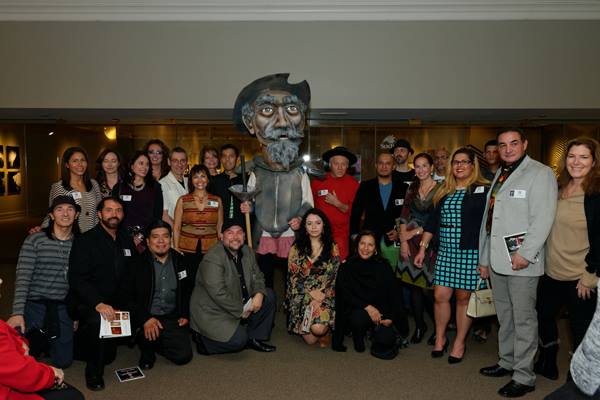
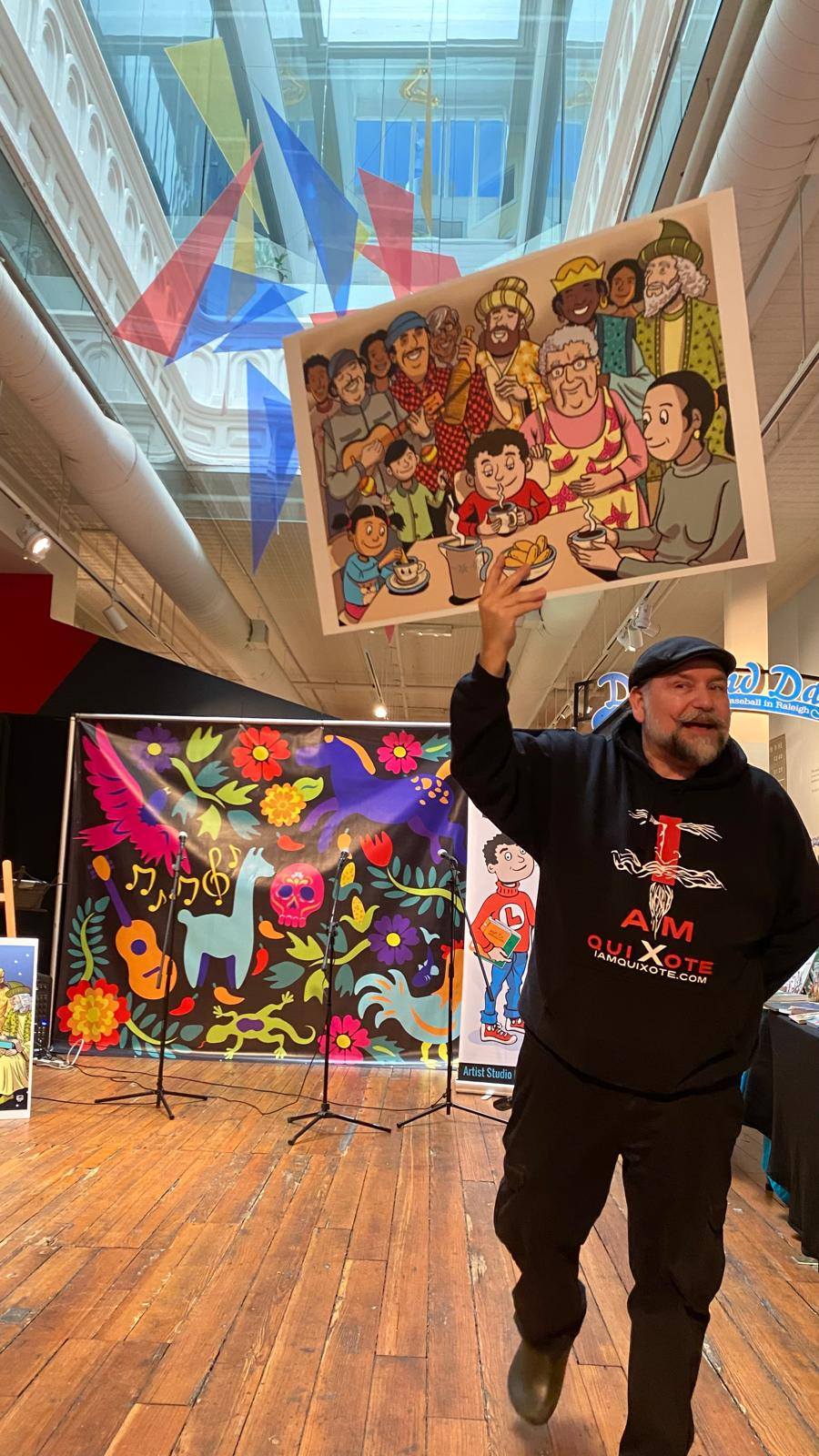
What began as a local idea has grown into a nine-month multicultural celebration of literature, visual art, music, dance, theatre, film, and culture. Today, our books can be found in 14 countries, in public libraries, schools, universities, museums, and thousands of homes.
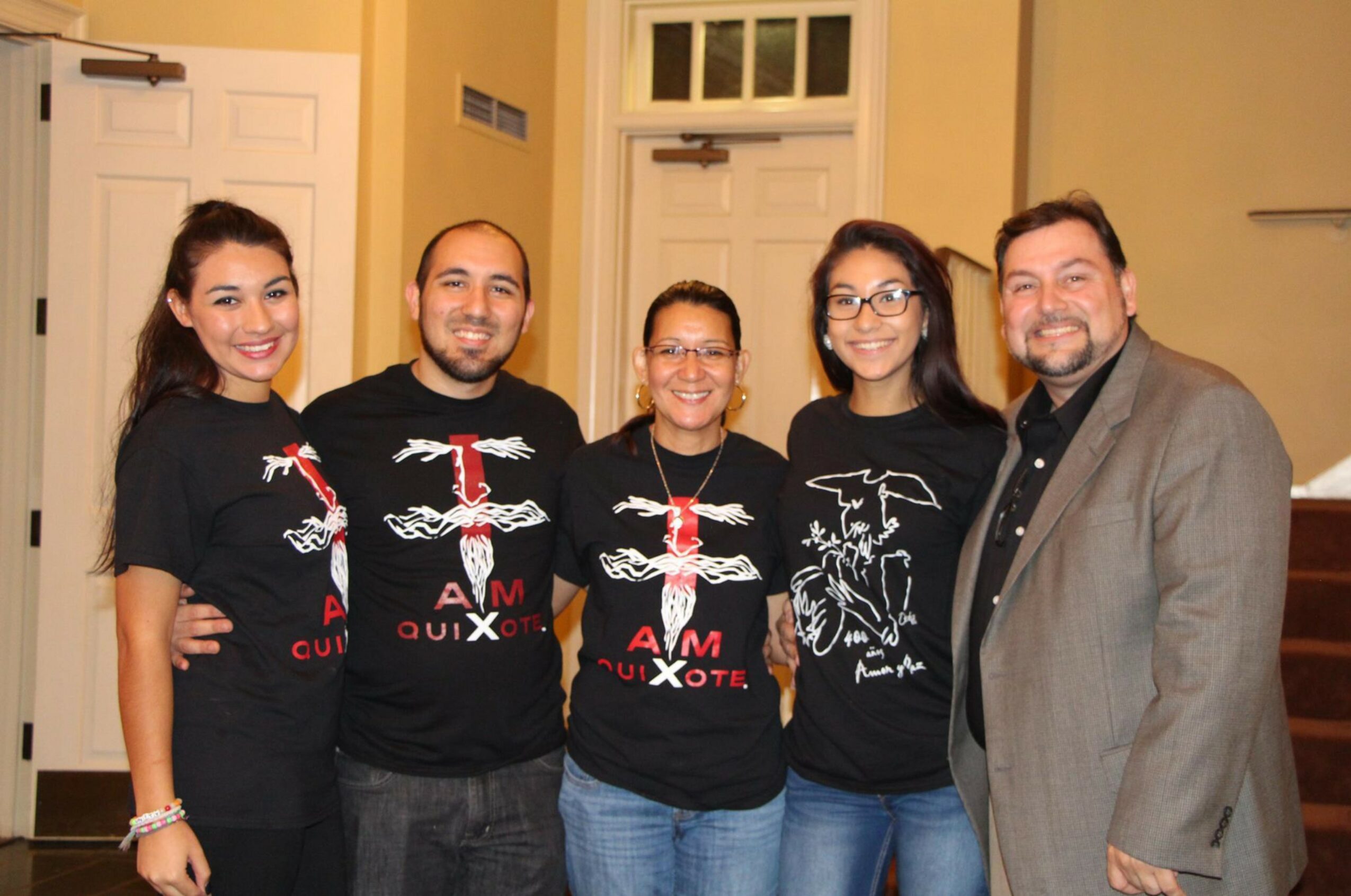
But none of that happened alone. One of the most important things I have learned over more than three decades is what I call “The Art of Collaboration.” An idea may begin with one person, but it becomes meaningful when other people see themselves in it and choose to participate. Artists, educators, institutions, volunteers, families, and community members have all helped shape the work I do, and over the years, there have been many.
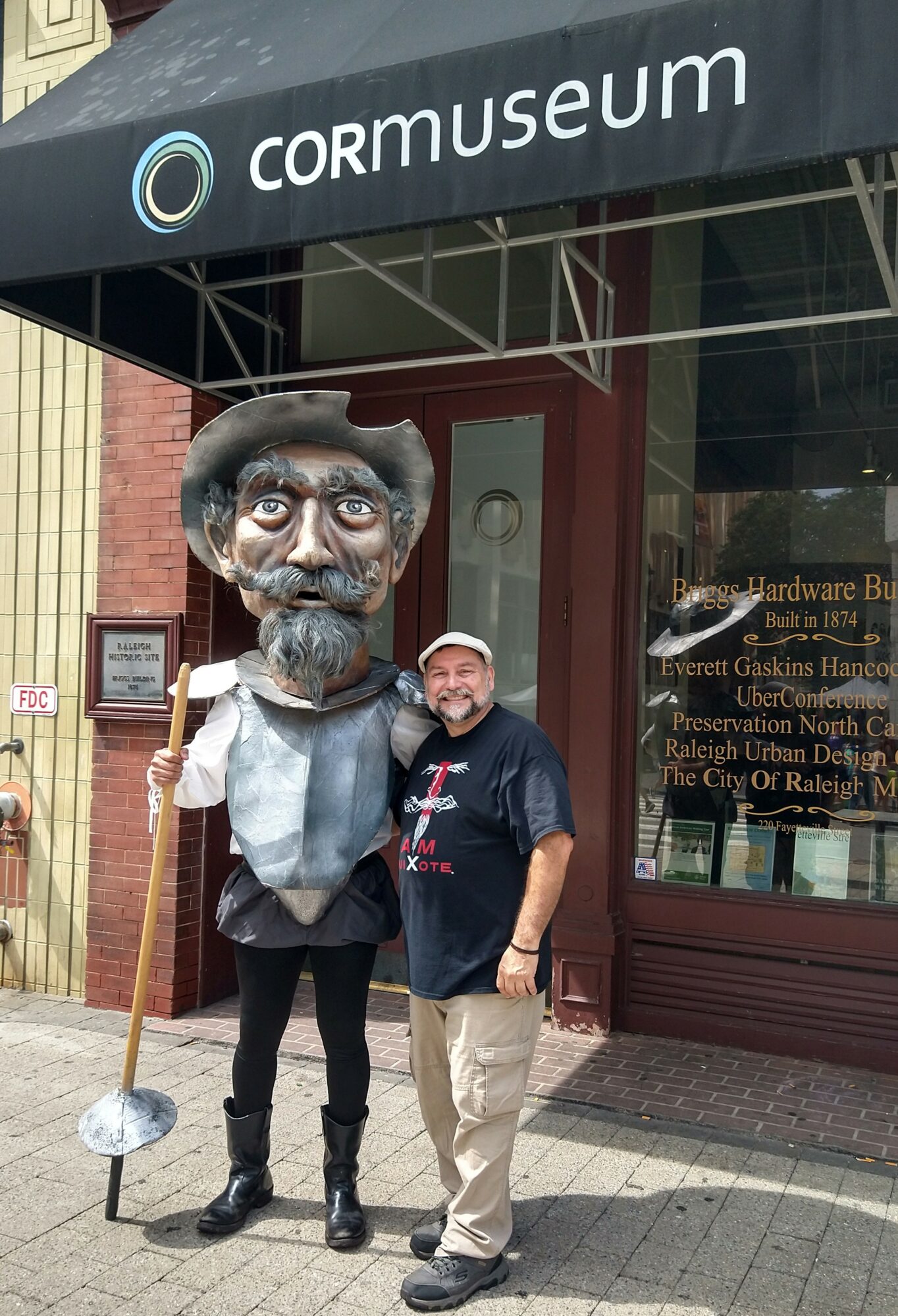
Today, I describe myself as a cultural producer, visual artist, storyteller, author, publisher, mentor—and a self-proclaimed Quixote. The titles have accumulated over the years, but the purpose has remained remarkably consistent: I try to use art, stories, and collaboration to create opportunities, connect people, and help make sure that more of us have a place where we can be seen, heard, valued, and taken seriously.
Looking back, I don’t really see a straight career path. I see one question leading to another, one collaboration opening the door to the next, and more than three decades of imagining what might be possible and then finding people willing to help make it real.
Can you talk to us a bit about the challenges and lessons you’ve learned along the way. Looking back would you say it’s been easy or smooth in retrospect?
It has definitely not been a smooth road, but I am not sure I would have wanted it to be.
Much of my work has involved trying to create something that did not yet have an obvious place to exist. When I began producing Spanish-language commercial television in North Carolina in the 1990s, the Latino community was growing, but the infrastructure, resources, and recognition we see today simply were not there. Many times, before I could even begin the work, I first had to convince someone that there was a need for it.
That experience repeated itself in different ways throughout my career. Whether I was producing an exhibition, publishing a bilingual book, organizing a cultural program, or building El Quixote Festival, there were always questions of funding, access, visibility, and sustainability. Independent cultural work often means having a very large vision and very limited resources.
There have been times when doors did not open, when an idea was not understood, when funding disappeared, or when something I had spent months or even years building suddenly had to change direction. I learned that sometimes you have to build the door yourself—and sometimes you have to find another way around the wall.
One of the greatest challenges has been learning how to sustain the work without losing the reason I began doing it in the first place. Growth can be wonderful, but bigger is not always better. Recognition is meaningful, but it cannot become the purpose. I continually return to the question: Who is this serving, and why does it matter?
I have also learned not to confuse independence with doing things alone. Some of the hardest moments in my career taught me the importance of collaboration. There have always been people who believed in an idea, offered a space, made an introduction, volunteered, participated, or simply said, “Keep going.” Those relationships have often mattered more than money.
So no, the road has not been smooth. There have been plenty of potholes, detours, closed roads, failures and probably a few windmills along the way. But I am a self-proclaimed Quixote, after all. I have learned that the obstacle is often part of the journey. Sometimes what appears to be standing in your way is actually forcing you to imagine a different path forward.
As you know, we’re big fans of you and your work. For our readers who might not be as familiar what can you tell them about what you do?
My work is difficult to place into one box because I have never really separated being an artist from being a cultural producer, storyteller, publisher, or community organizer. To me, they are all part of the same creative practice.
At the heart of what I do, I think of myself as a builder of opportunities. I use art, stories, and collaboration to create spaces where people can participate, share their work, their voice, encounter another culture, discover something about themselves, or simply feel that they belong.
Sometimes that means creating my own artwork. Other times it means producing an exhibition, publishing a bilingual children’s book, developing a cultural festival, creating an educational project, or bringing artists and institutions together around an idea. I am particularly interested in work that crosses boundaries—between languages, cultures, generations, artistic disciplines, and communities.
I am probably best known today for Artist Studio Project Publishing, and the El Quixote Festival, but the philosophy behind all of them is something I call “The Art of Collaboration.” I believe very strongly that we do nothing alone. I may initiate an idea, but I don’t measure its success by how much of it belongs to me. I measure it by how many people eventually see a place for themselves within it.
That is also what I am most proud of.
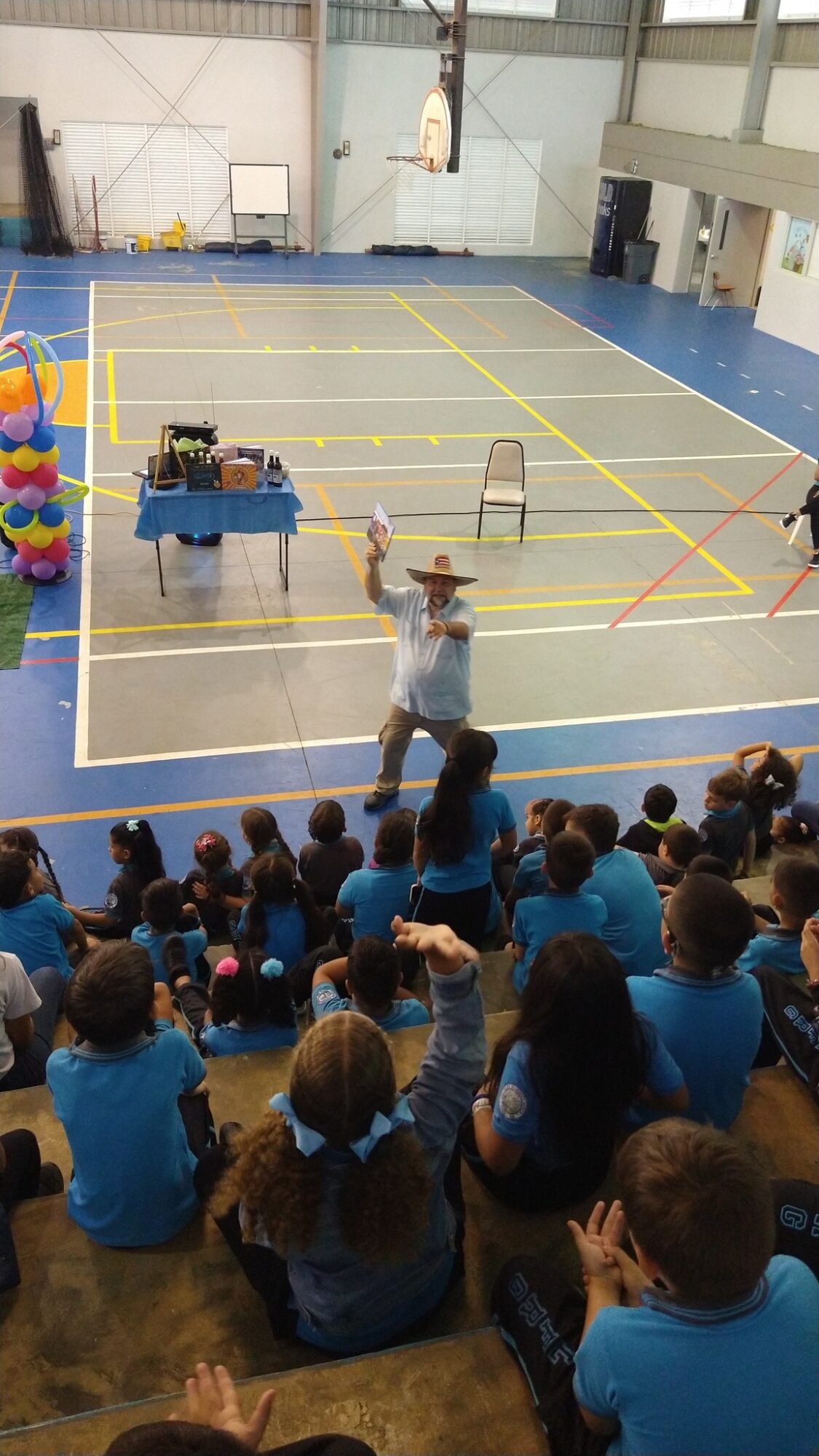
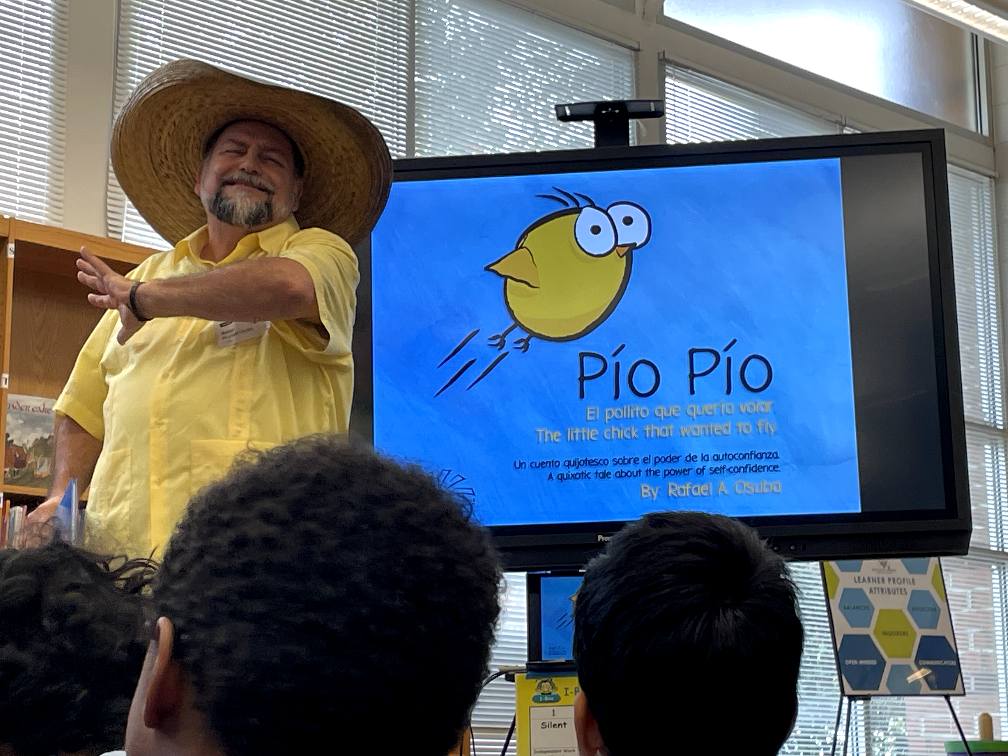
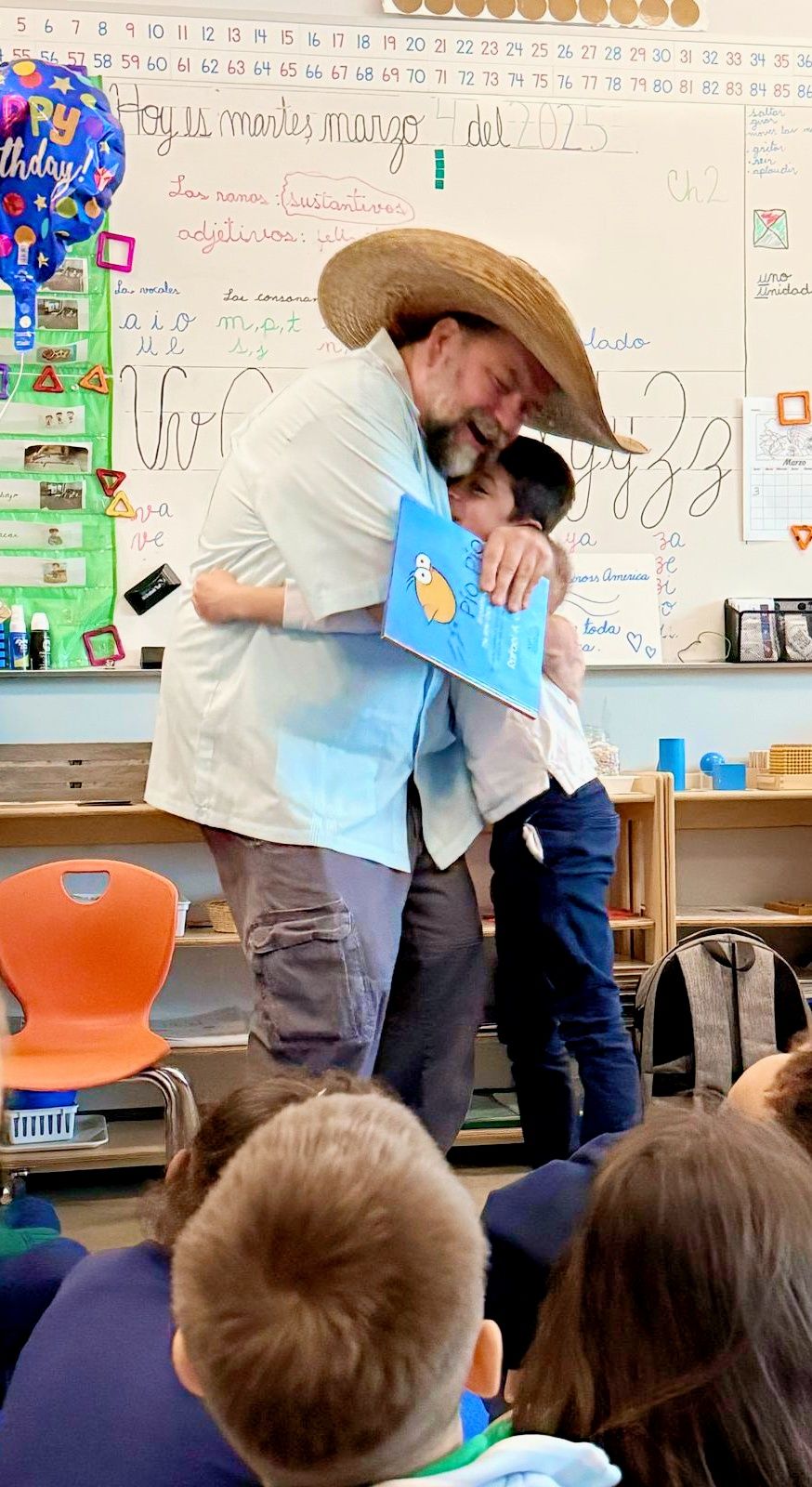
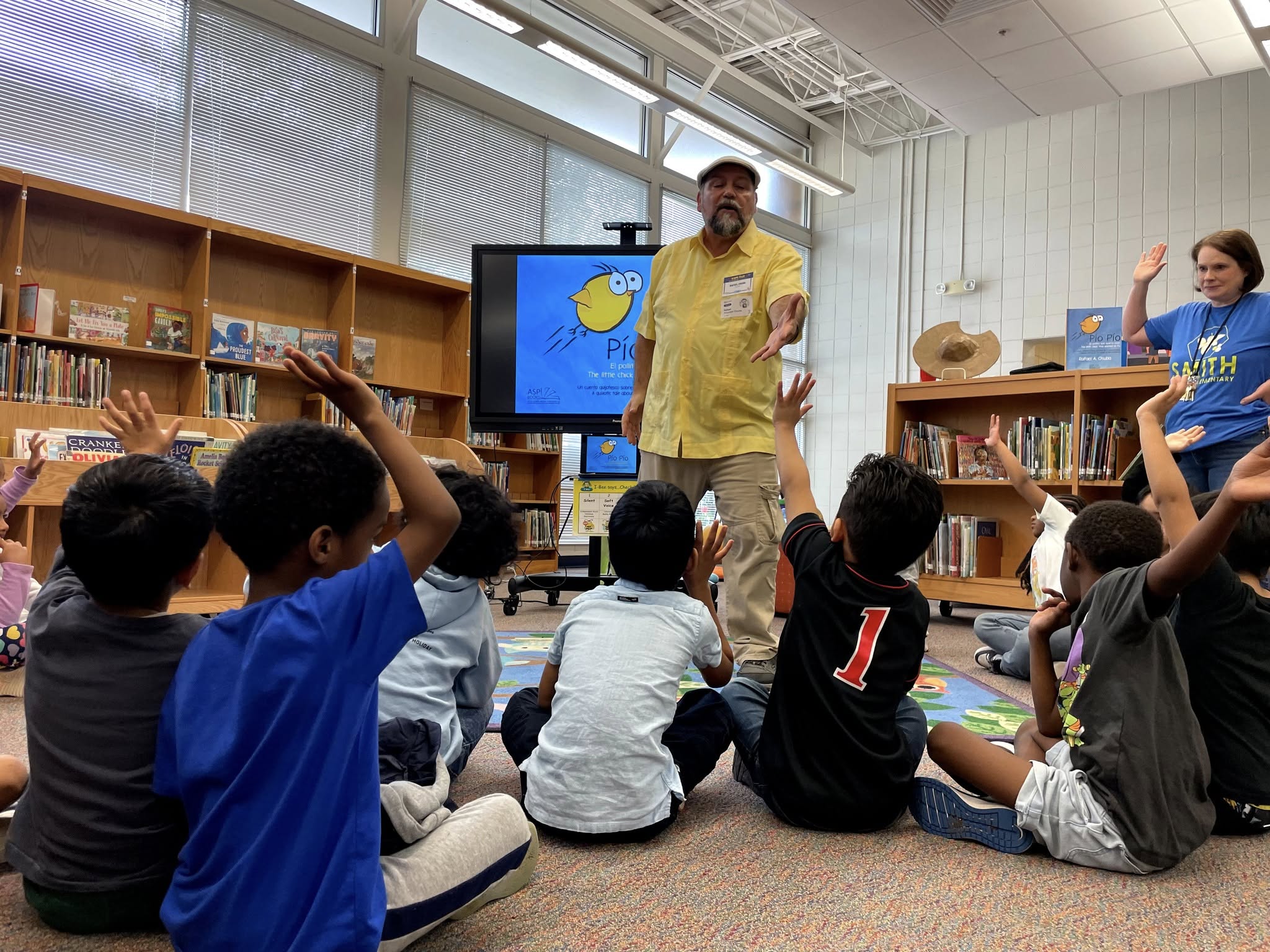
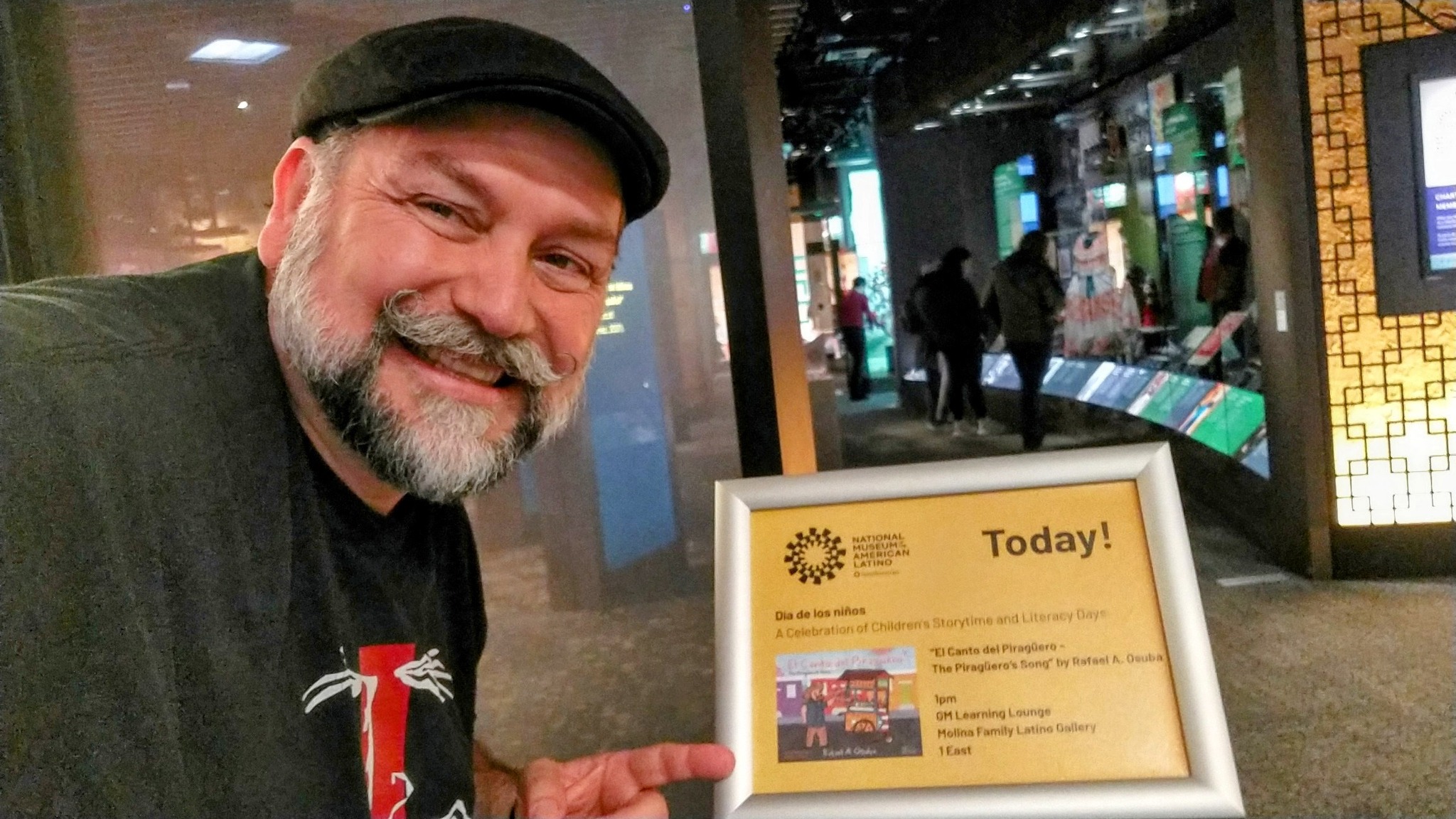
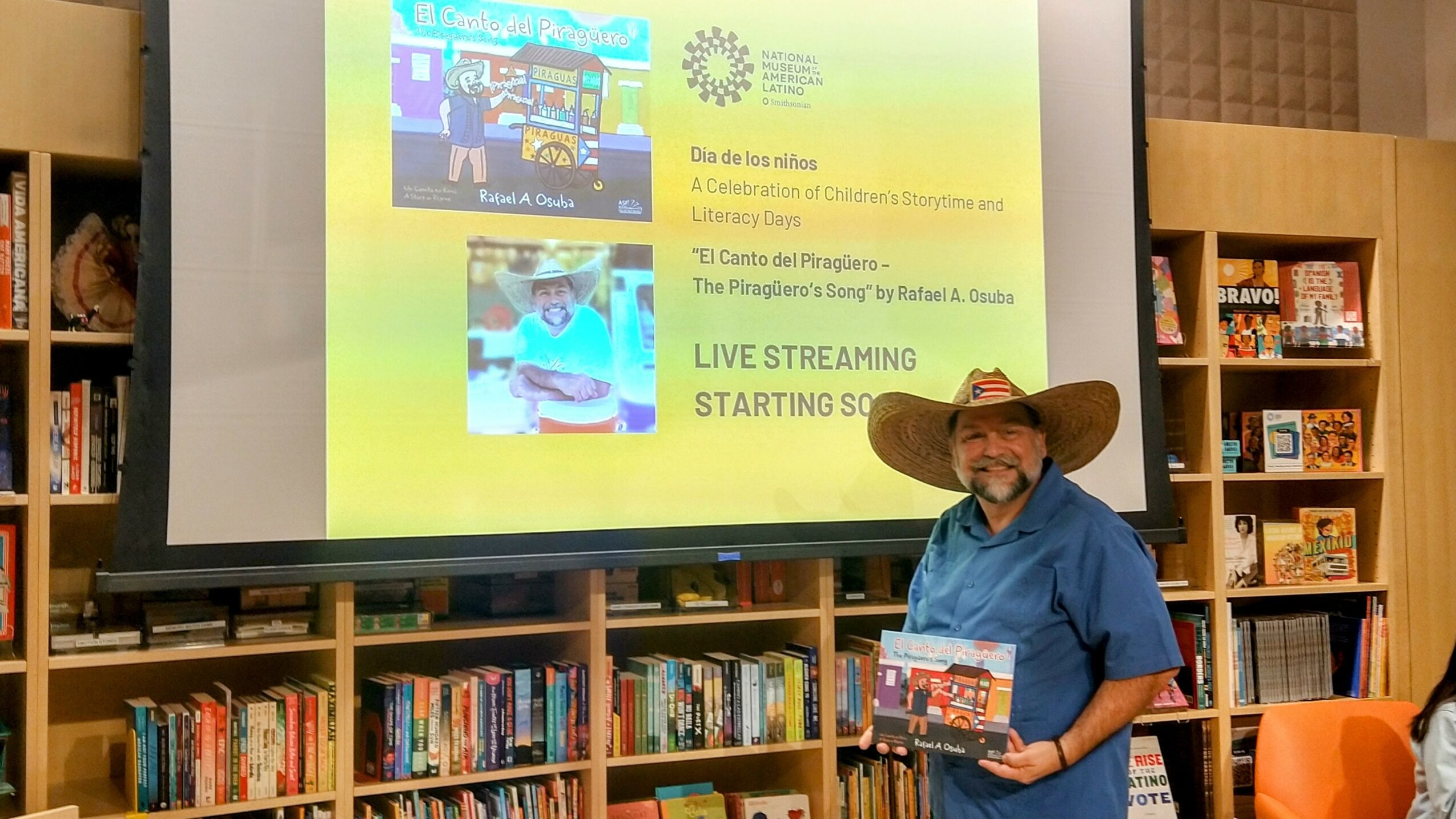
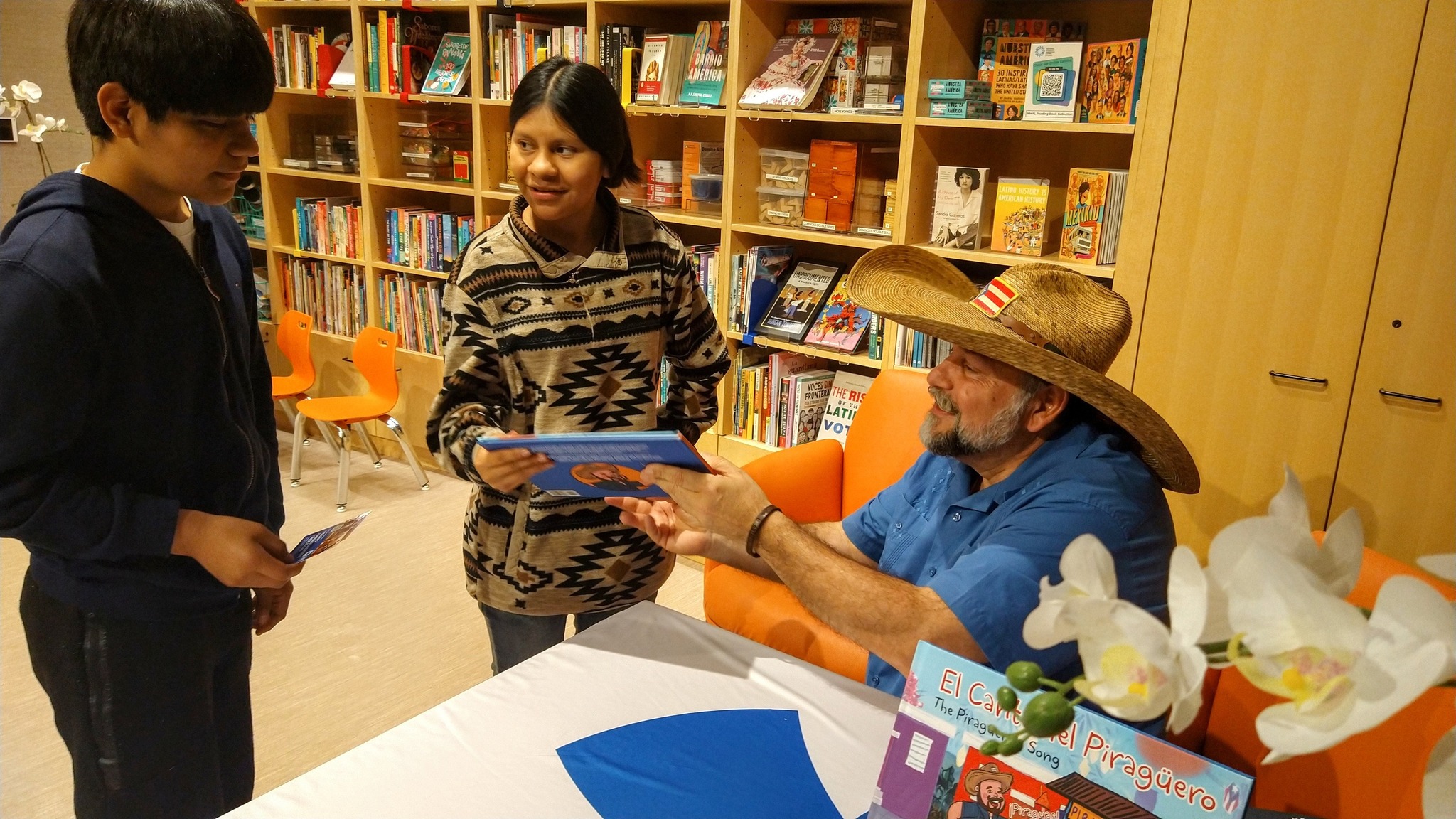
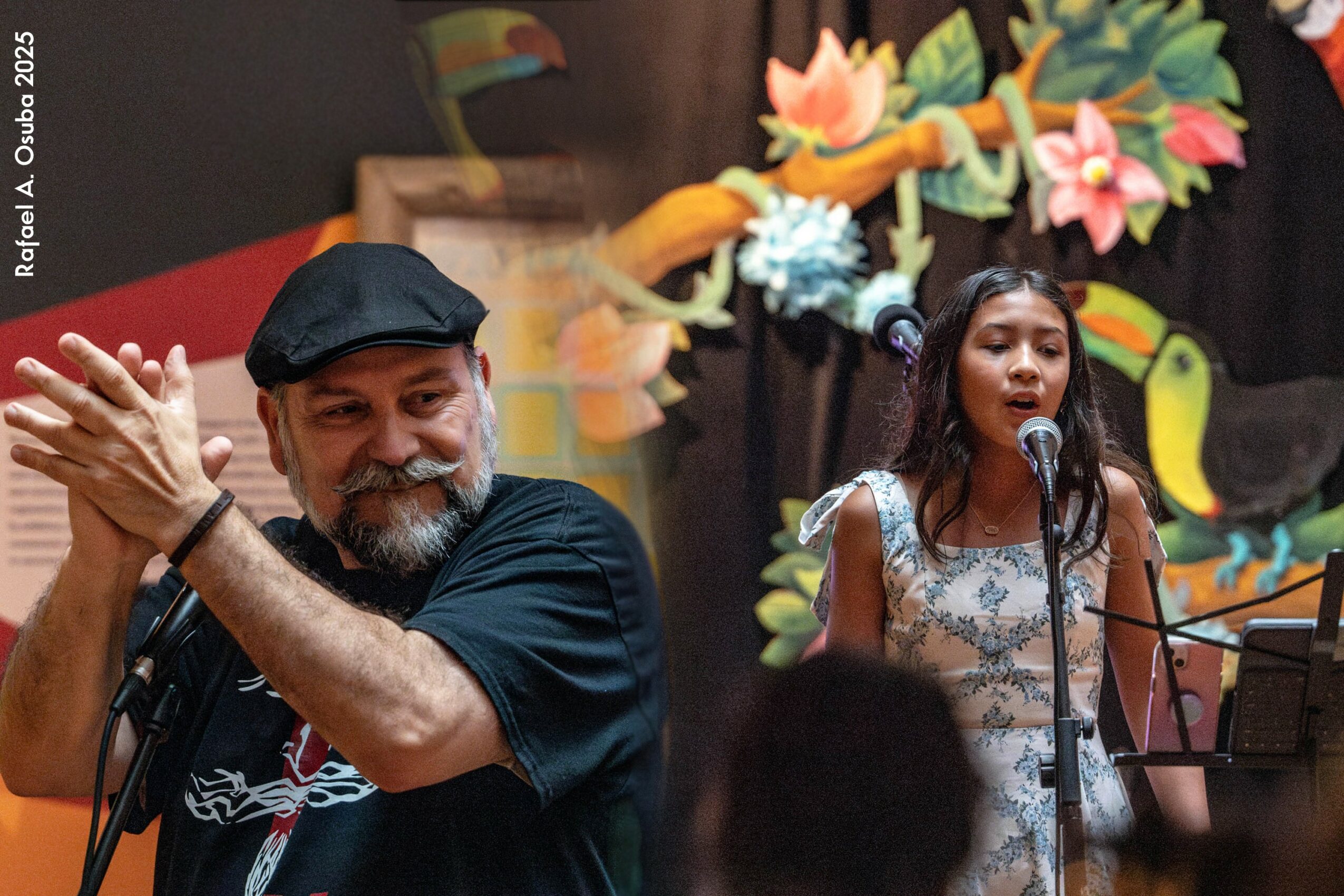
Of course, I am grateful for the exhibitions, books, festivals, Smithsonian recognition, and now the Raleigh Medal of Arts. Those things are meaningful. But when I look back over more than three decades of work, what makes me proudest are the opportunities that have been created along the way: an emerging artist exhibiting for the first time, an author holding their book, a child receiving a bilingual book and seeing something familiar in its pages, a family experiencing an art form or culture together, or someone stepping up to a microphone who perhaps never imagined that their voice belonged there.
I think what sets my work apart is that I am comfortable moving between roles. I can be the artist one day and the person hanging another artist’s work the next. I can write the book, publish someone else’s book, design the program, sweep the floor, introduce the performer, or sit in the audience and applaud. I don’t believe one of those roles is more important than another. They are all necessary to make something happen.
Perhaps that is also why I call myself a Quixote. I still believe there is value in imagining things that may initially seem impossible—or perhaps simply unlikely—and then inviting other people to imagine them with you.
For me, the work has never simply been about making art. It has been about using creativity to make something possible that wasn’t possible before.
Any advice for finding a mentor or networking in general?
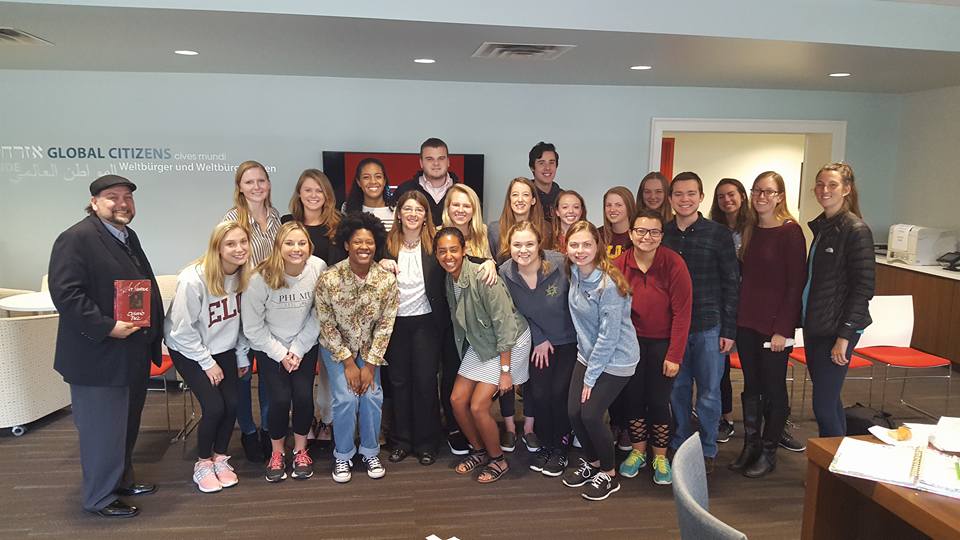
I have been very fortunate throughout my life to have had strong mentors, and over my career, I have also had the privilege of mentoring many others. Because I have experienced both sides of that relationship, I have come to believe that mentorship is less about finding someone who will give you all the answers and more about surrounding yourself with people from whom you are willing to learn.
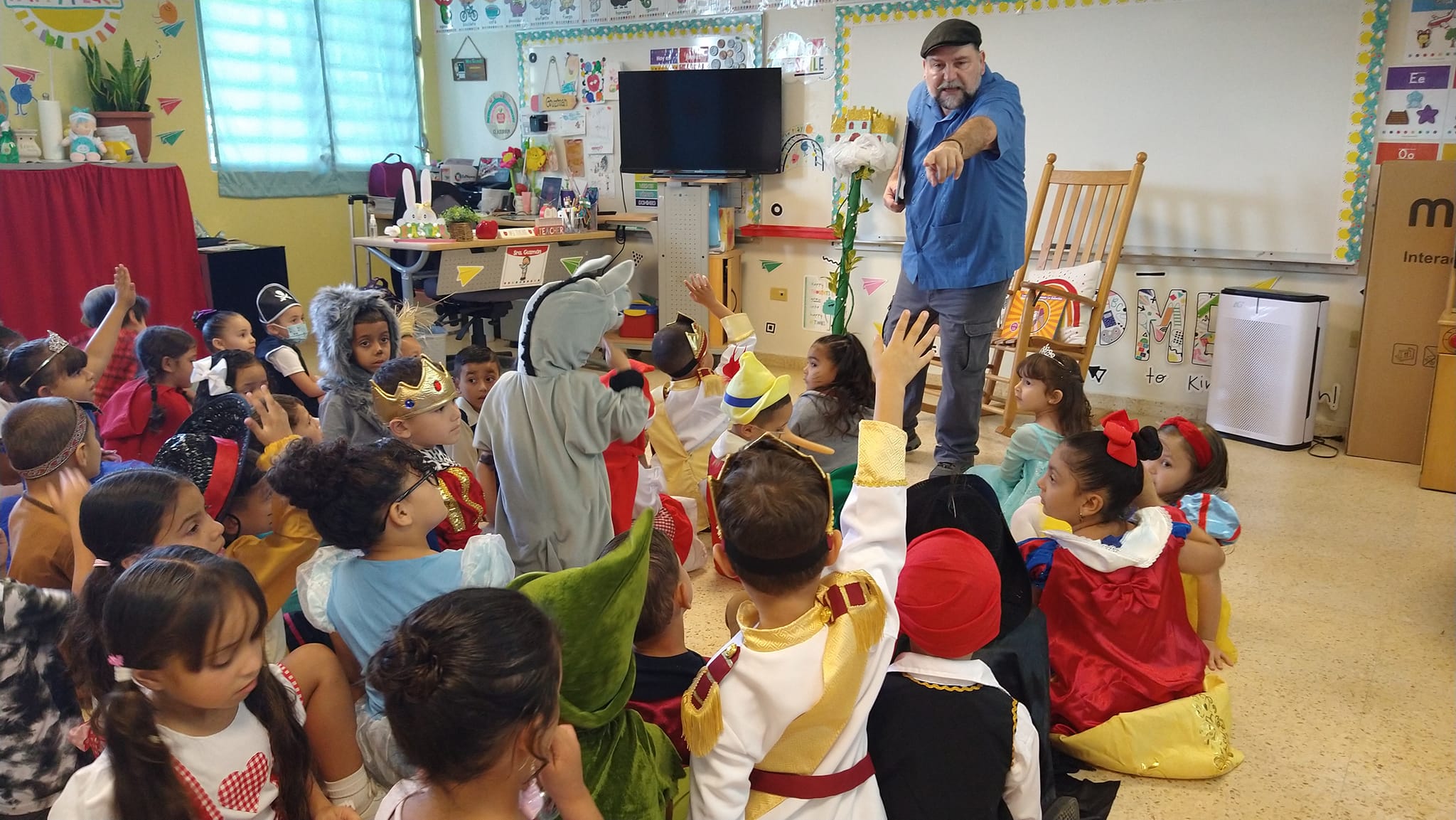
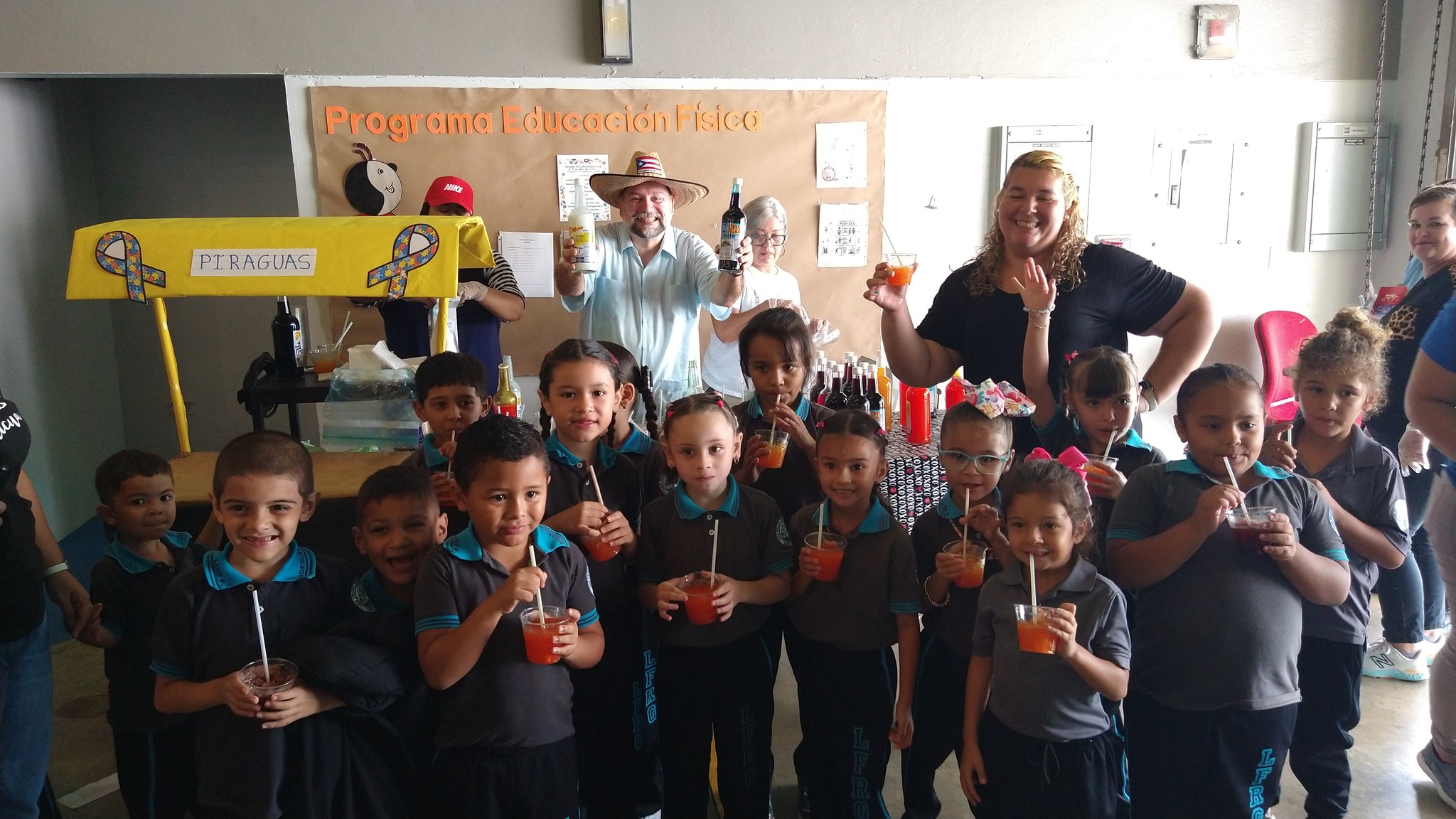
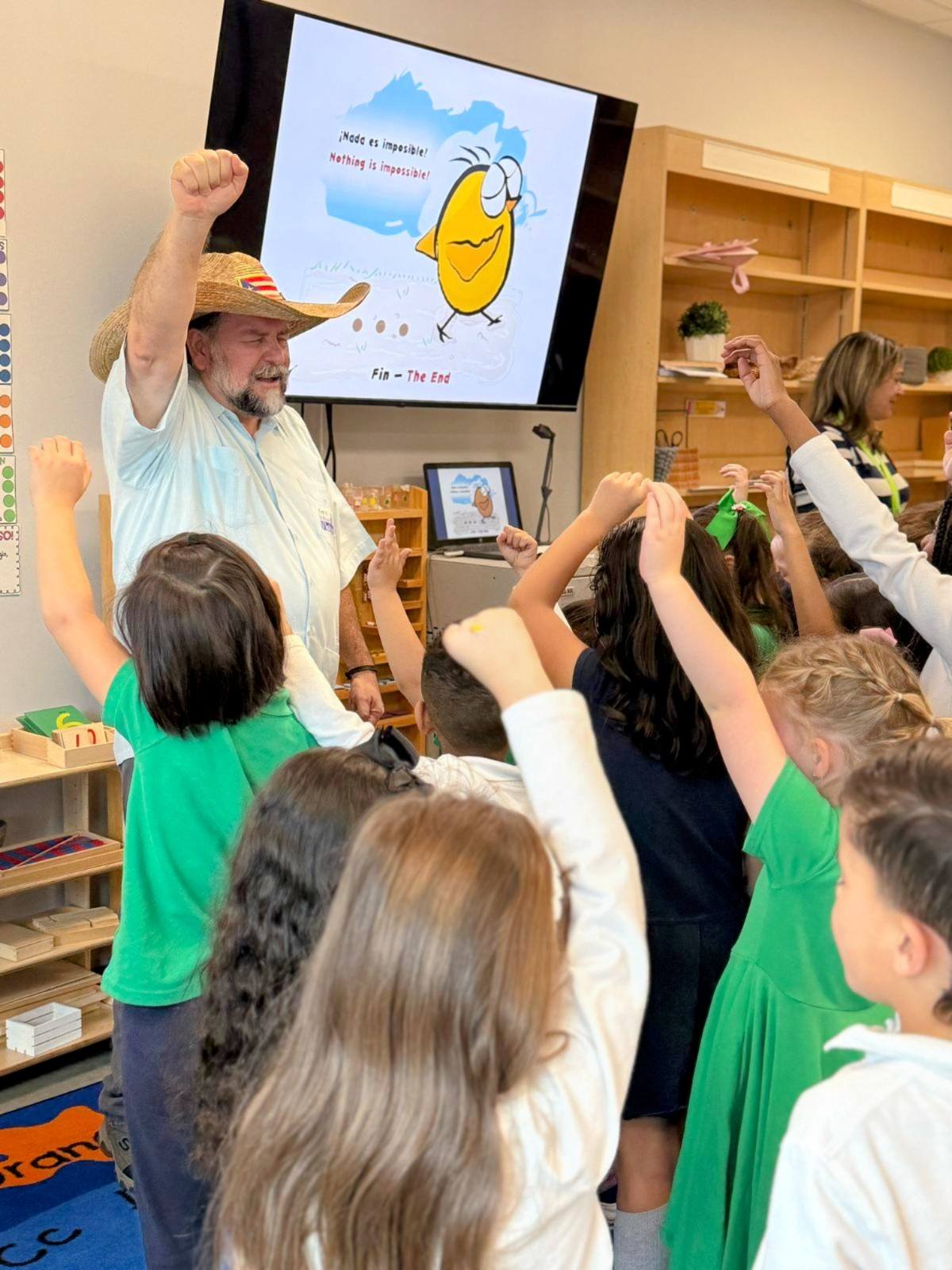
That is one of the reasons I love working with children. I learn a lot from them. There is an honesty in the way children see the world, ask questions, and respond to things that reminds me that learning does not always flow in the direction we expect.
I have always tried to surround myself with people who have developed something I am still working toward—spiritually, intellectually, economically, creatively, or professionally. Not because I believe they are somehow better than I am, but because they can see things from a place I have not reached yet. If you are willing to listen, ask questions, and sometimes simply observe, you can learn an extraordinary amount from the people around you.
I also don’t think a mentor necessarily has to carry the title of “mentor.” Some of the most important lessons I have learned came from artists, educators, businesspeople, community leaders, friends, family members, and collaborators. Sometimes a person mentors you for years; sometimes they teach you something in a single conversation that stays with you for the rest of your life.
The same is true of networking. I have never been particularly interested in networking simply for the purpose of collecting contacts. I believe in building relationships. Show up. Participate. Be genuinely interested in what other people are doing. Support their work when there is nothing immediately in it for you. Share what you know. Introduce people to one another. Over time, a network develops naturally because people know who you are and, more importantly, they know how you treat people.
I also believe strongly in reading, traveling, and exposing yourself to ideas and experiences beyond your immediate world. Cervantes wrote, “He who reads much and walks much, goes far and knows much.” That idea has stayed with me. Books can be mentors. Places can be mentors. Cultures can be mentors. Even our failures can mentor us if we are willing to pay attention.
Everyone deserves to be seen, heard, valued, and taken seriously. Each of us has something to bring to the table. I think that belief also carries a responsibility when we find ourselves in a position to mentor someone else.
As I find myself mentoring others, I try to remember that my responsibility is not to create another version of myself. It is to share what I have learned, open a door when I can, ask difficult questions when necessary, help that person get closer to their dream…and then allow them to discover their own path.
Perhaps that is the best advice I can give: surround yourself with people who challenge you to grow, remain curious enough to learn from everyone, and when you eventually find yourself in a position to open a door for someone else, hold it open.
Thank you for the opportunity to share my story.
Contact Info:
- Website: https://iamquixote.com/ and https://artiststudioprojectpublishing.com/
- Facebook: https://www.facebook.com/ElQuixoteFestival
- Other: https://artiststudioprojectpublishing.com/