




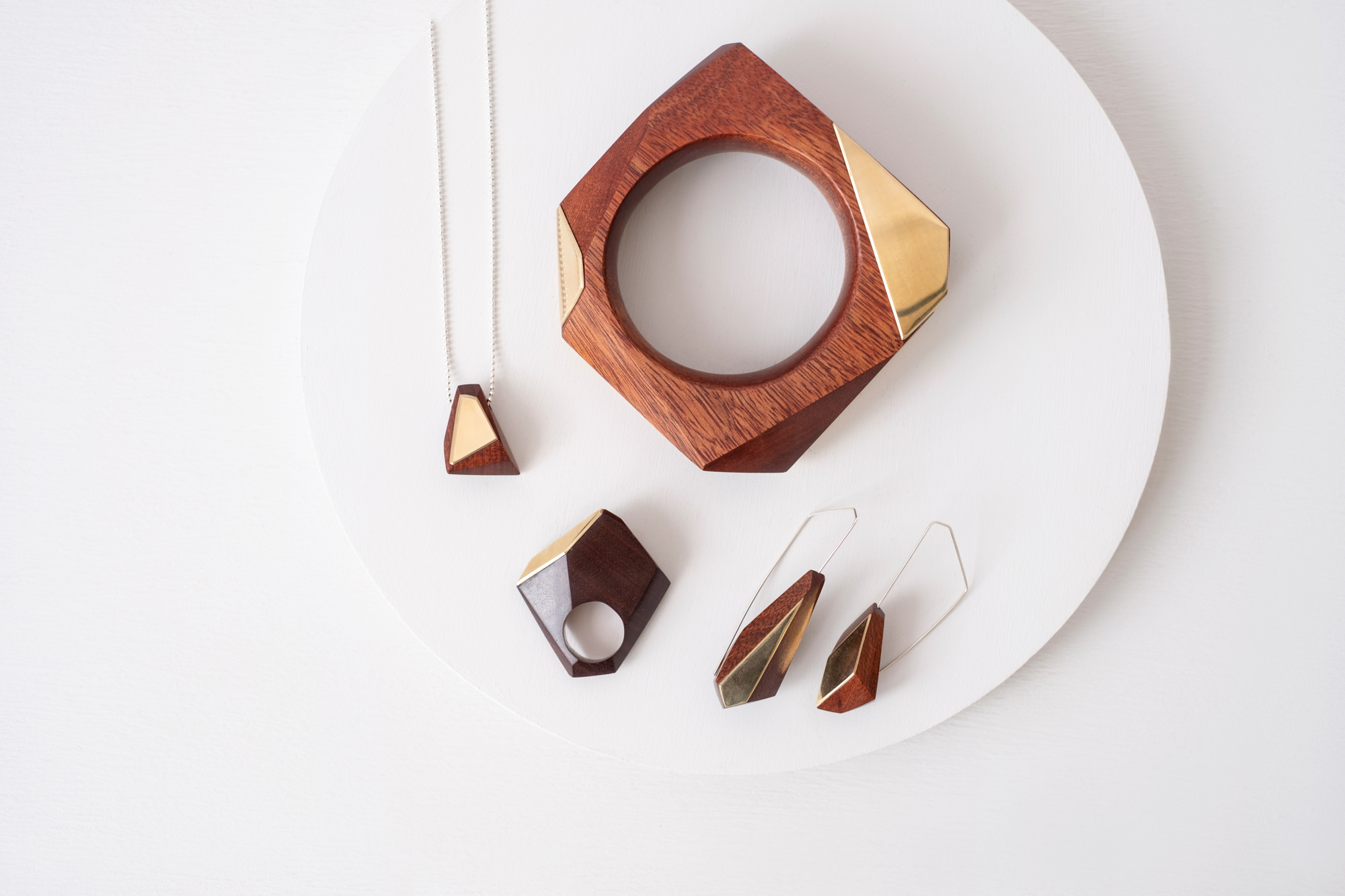
Today we’d like to introduce you to Summer Merritt.
Summer, we appreciate you taking the time to share your story with us today. Where does your story begin?
I was an optician for sixteen years, working in the field before, during, and after graduate school, where I earned my MFA in Sculpture. During the pandemic, I left opticianry to partner with my husband designing and building home goods and furniture.
On Christmas morning in 2020, I went into the studio to make something just for myself—something I rarely did. I had a gold chain my mother had given me in high school, and I decided to make a wooden pendant for it. While working on that piece, ideas kept coming, and it quickly became clear that I couldn’t stop at just one. Over the next year, I began experimenting with jewelry that felt more aligned with my sculptural background than furniture ever had. The following year, I committed to jewelry full-time, and it has been my focus ever since.
In many ways, my years as an optician prepared me for this shift. Working at a small scale with precision tools suddenly felt natural, especially after spending years working with a company that specialized in restoring and preserving antique eyewear. That experience taught me how to fit, adjust, and repair delicate materials, including gold-filled wire—common in eyewear made before the 1970s. My sculptural practice has shifted from large-scale installations that the body moves through to intimate objects of adornment that live on the body, but the core ideas of form, balance, and physical experience remain the same.
We all face challenges, but looking back would you describe it as a relatively smooth road?
In many ways, the act of making jewelry came naturally to me, and that clarity is what eventually allowed me to commit to it. Finding it, however, was not easy at all. I had to give myself permission—and time—to make something purely for myself before I could stumble into this path. Opticianry had always been reliable and safe, which made leaving it both difficult and intimidating.
There’s a bit of irony in that decision. One piece of history I learned in my training is that eyewear remained largely undecorated until the Great Depression, when jewelers moved into opticianry because even in hard times, people still need glasses. I often laugh thinking about the fact that I left opticianry during the greatest period of uncertainty in my lifetime to make jewelry.
Today, my biggest ongoing challenge is financial stability. Each market is a risk, and each month carries some level of uncertainty. That reality isn’t unique to me—it’s something I share with many working artists, both contemporary and historical. Learning to live within that uncertainty, while continuing to make meaningful work, has been one of the most challenging and humbling parts of this path.
Thanks for sharing that. So, maybe next you can tell us a bit more about your work?
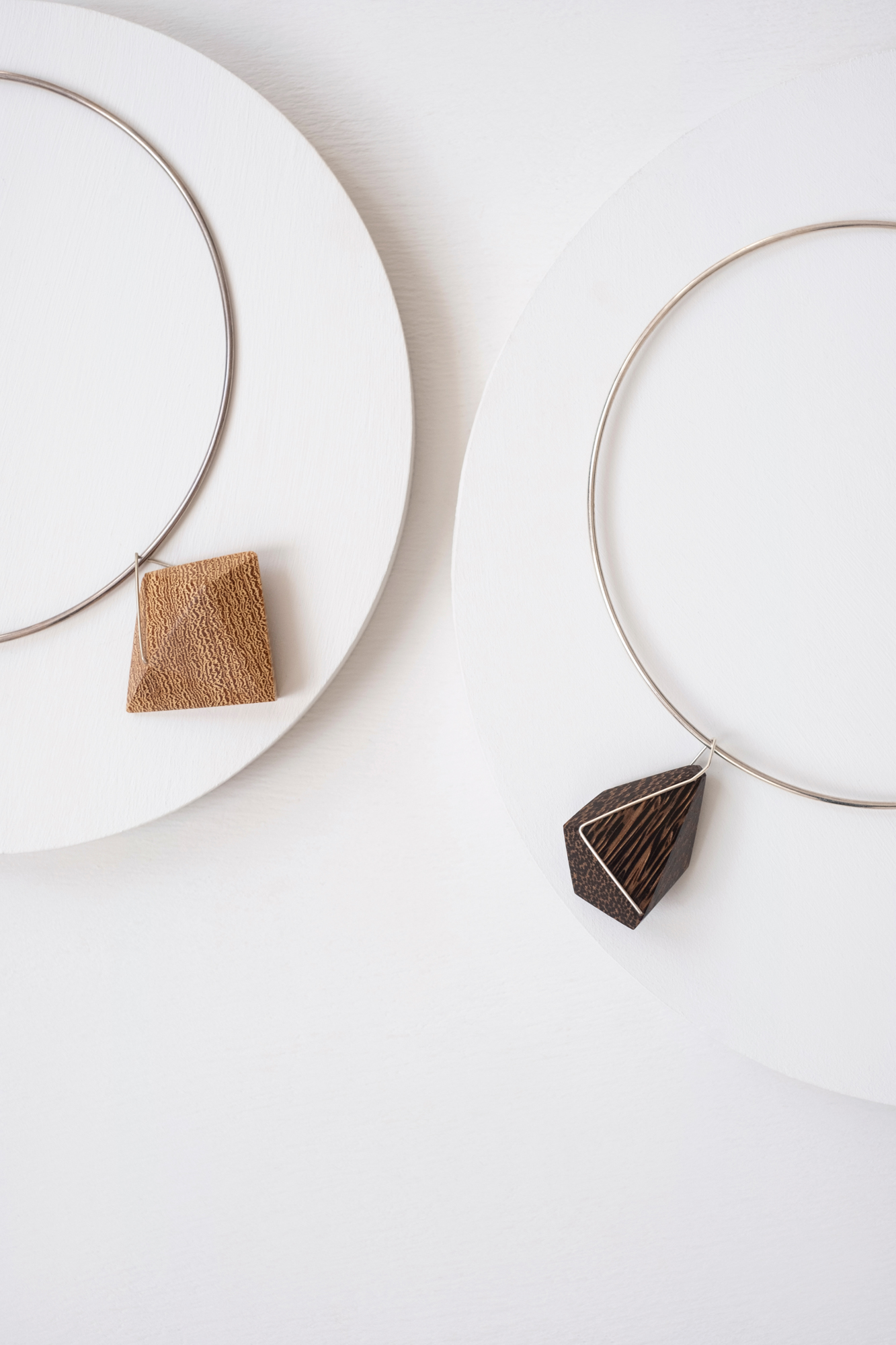
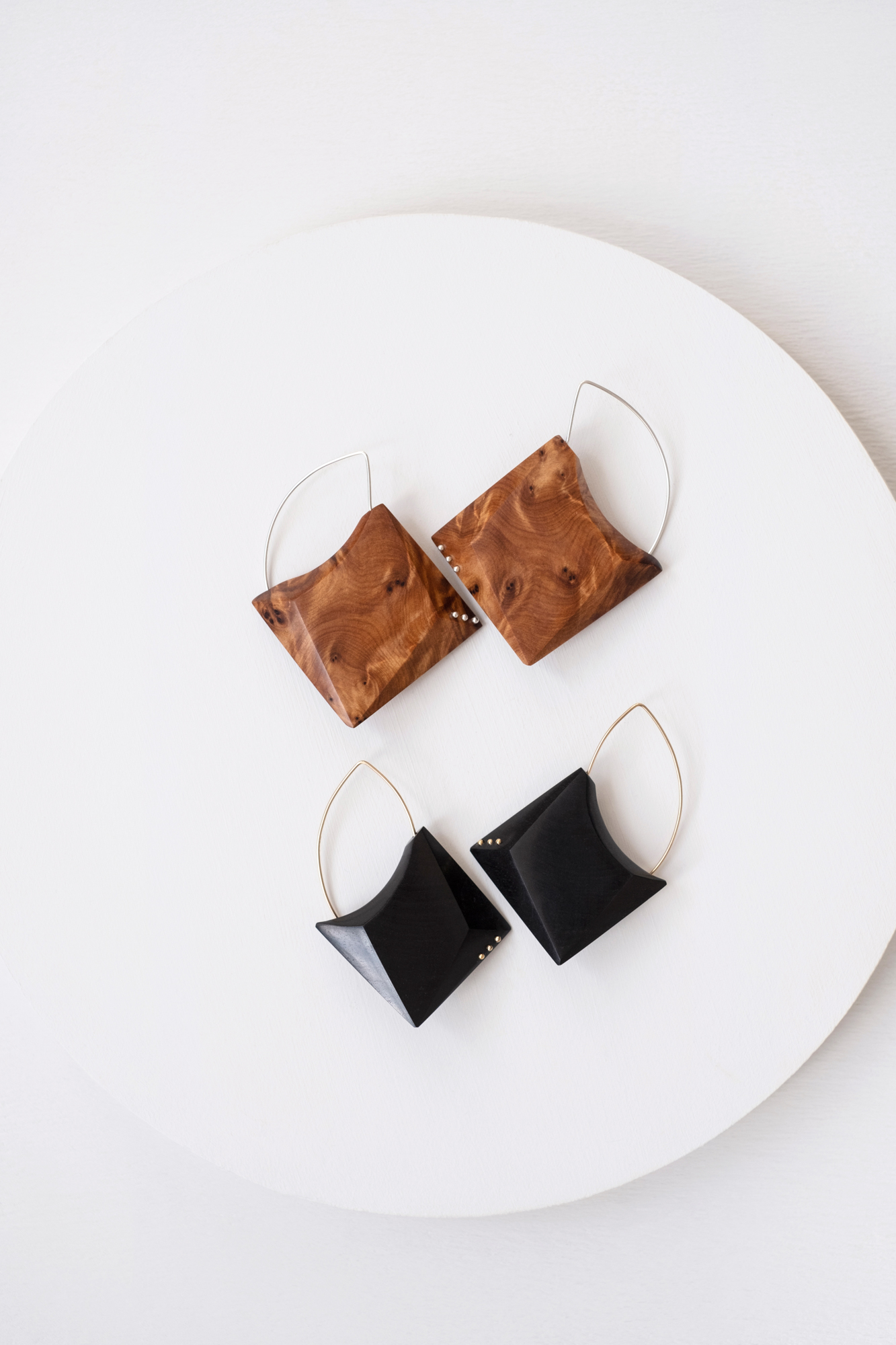
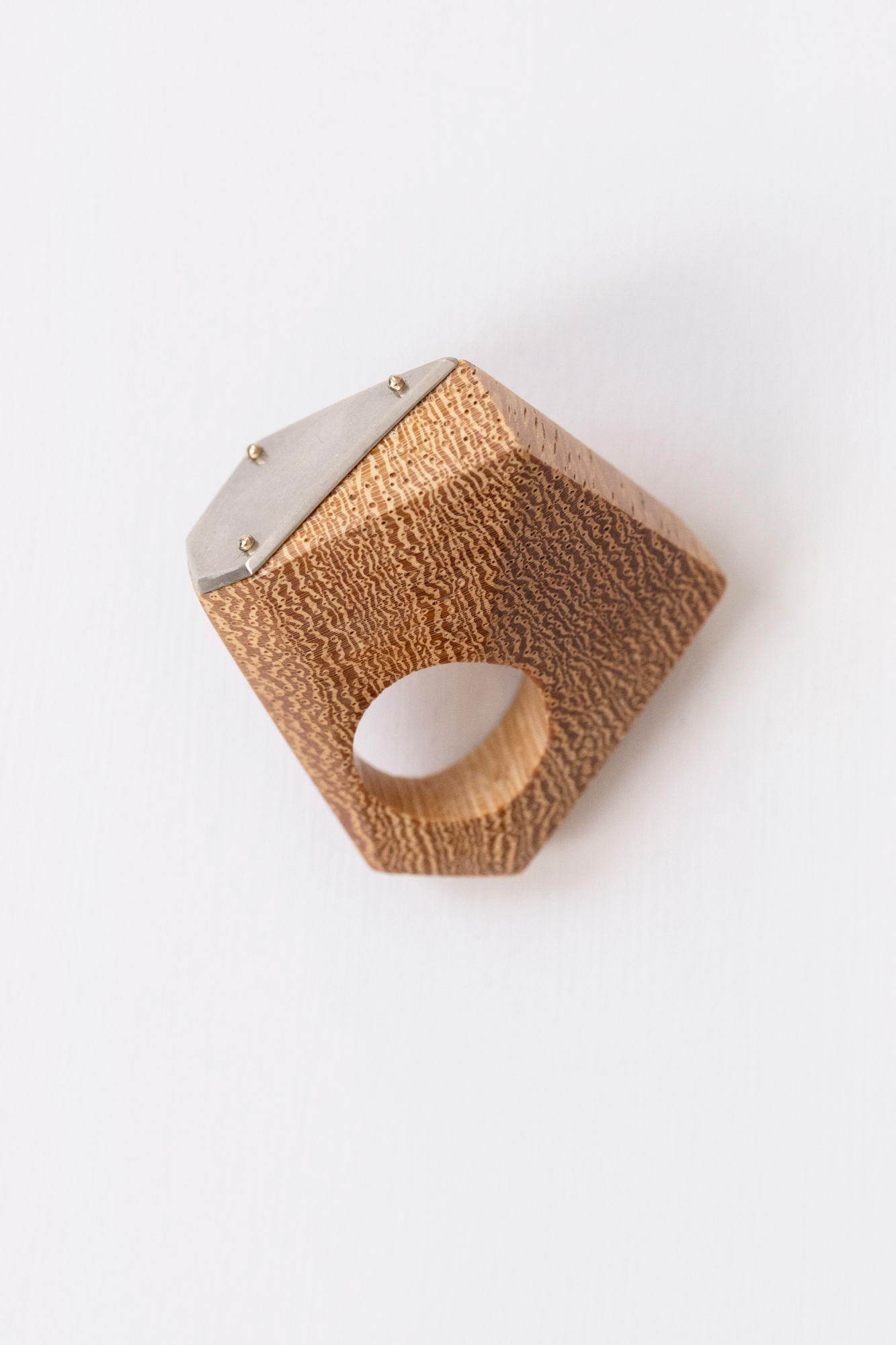
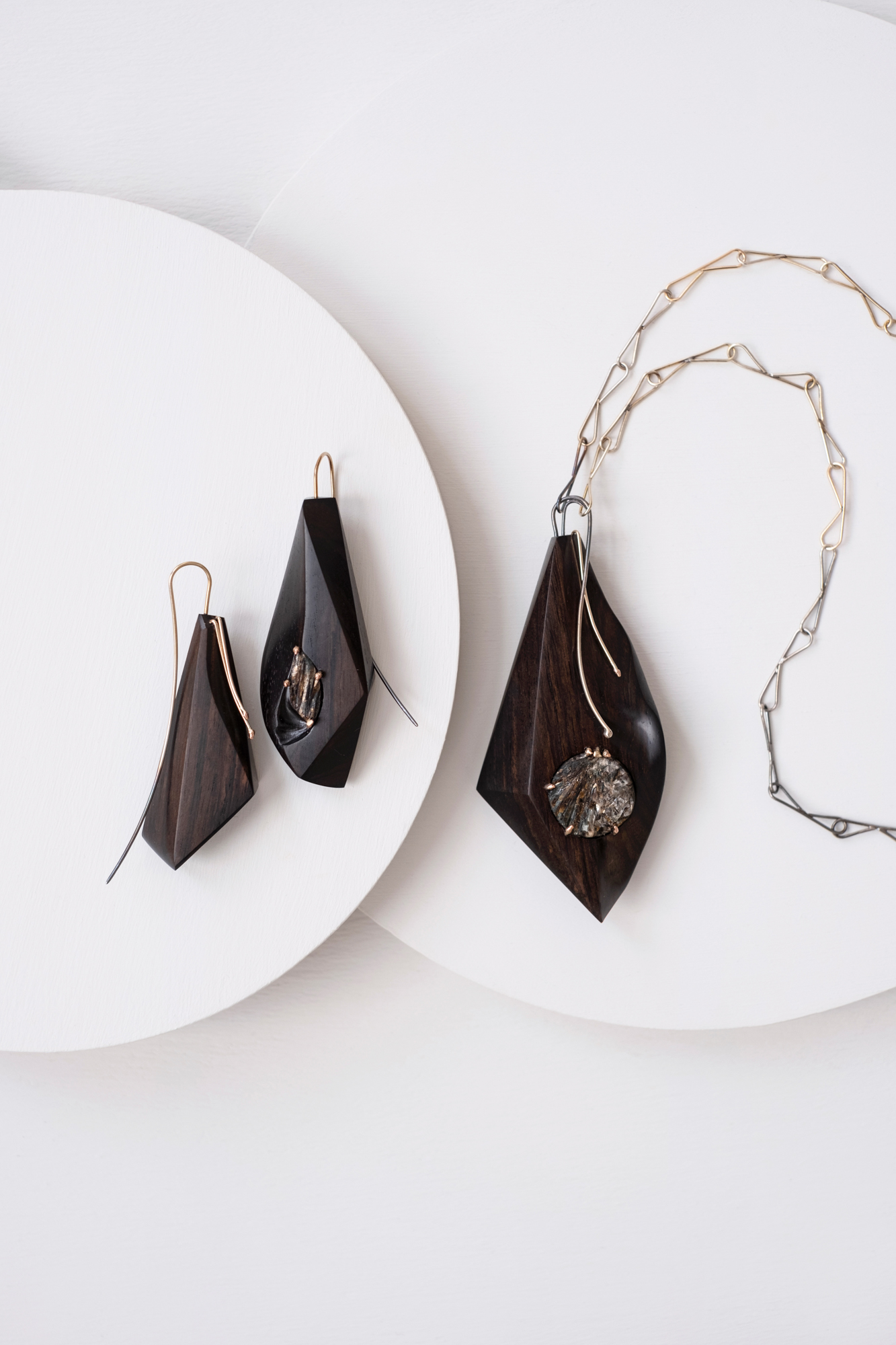
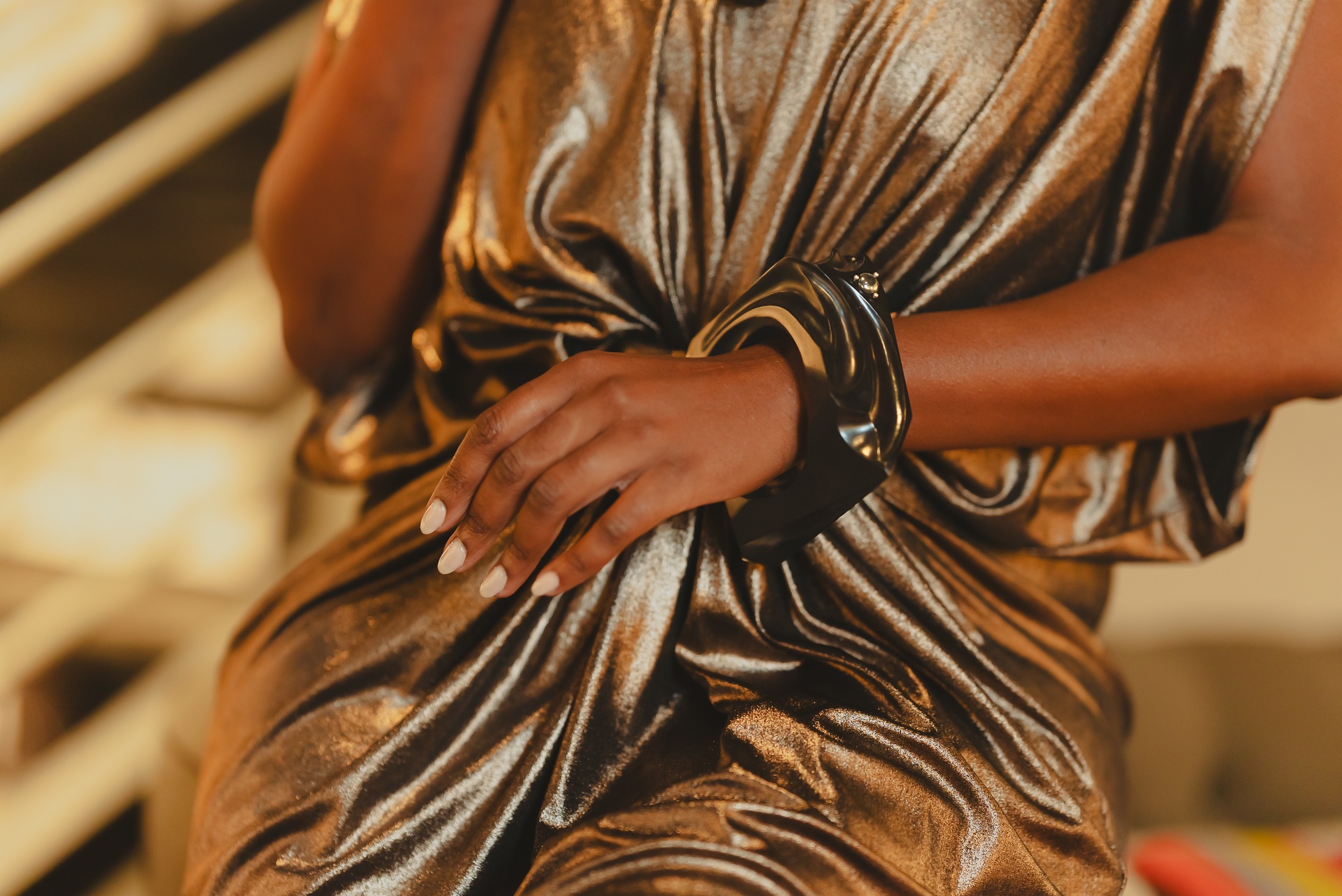
I create modern jewelry using exotic hardwoods, blurring the line between art and fashion. Rather than treating wood as an accent material, I use it as the foundation of each piece, approaching jewelry through a sculptural lens. Every form is shaped and finished entirely by hand, achieving a smooth, high-polished surface that is often mistaken for stone. I work intuitively with the grain, considering every angle to create depth, balance, and dimension.
I also fabricate custom clasps and metal components in precious metals, ensuring the construction matches the integrity and longevity of the materials themselves. What I’m most proud of is how the work challenges common assumptions about wood jewelry. By emphasizing precision, durability, and refinement, my pieces reframe wood as a material capable of standing alongside more traditional fine adornment—offering a distinctive, tactile form of wearable art.
We’d love to hear about how you think about risk taking?
I don’t naturally think of myself as a risk-taker, but I do believe deeply in the importance of measured risk as a catalyst for growth. For me, complacency is the greatest risk of all. Staying too comfortable can quietly limit both creative and personal potential, so I try to remain open to change even when it feels unsettling.
Leaving opticianry was my most significant risk. I knew for years that the work no longer aligned with the life or practice I wanted, but its stability made it difficult to walk away. The global uncertainty of that moment paradoxically gave me permission to step outside the safety of a reliable office job and into the unknown.
Today, I approach risk in smaller, intentional ways. Each quarter, I set aside time to experiment—testing new forms or developing designs without knowing where they’ll lead. It’s a reminder that avoiding risk entirely can be its own kind of failure. I can’t imagine returning to a life where my energy was so depleted by work that there was nothing left for making. Creating isn’t separate from my life—it’s essential to it.
Contact Info:
- Website: https://prideandarchivejewelry.com/
- Instagram: https://www.instagram.com/prideandarchive/
- Facebook: https://www.facebook.com/Pride.And.Archive/